Photo credit: r.rosenschild/Shutterstock.com
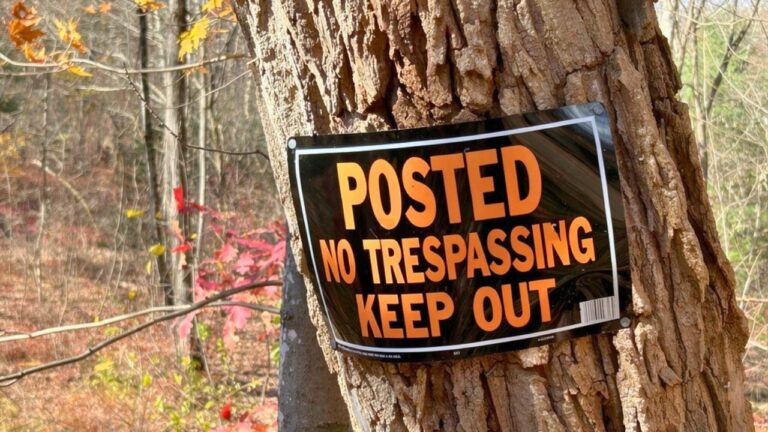
Nothing can sour a hunting season like a property-line problem. One wrong assumption about a fence, creek, old logging road, or “everybody knows” boundary can turn a good setup into a mess with neighbors, game wardens, lease members, or landowners. It does not matter how good the deer sign is if the spot you’re hunting puts you on the wrong side of the line or too close to a dispute waiting to happen.
The mistake that ruins seasons fast is trusting an informal boundary instead of confirming the real one. Hunters do it all the time. They treat an old fence as the line. They follow a worn ATV path because someone told them that’s where the property changes. They rely on a phone app without checking it against the survey. They sit near a corner they don’t fully understand. Then, when a deer crosses, a neighbor shows up, or a trail camera catches movement, the whole season gets more complicated than it needed to be.
Old fences are not always the property line
A lot of hunters assume a fence marks the boundary. Sometimes it does. Sometimes it doesn’t. Rural fences get moved, rebuilt, patched, abandoned, or placed for livestock instead of property lines. An old fence in the woods may have been there for decades without matching the legal boundary exactly.
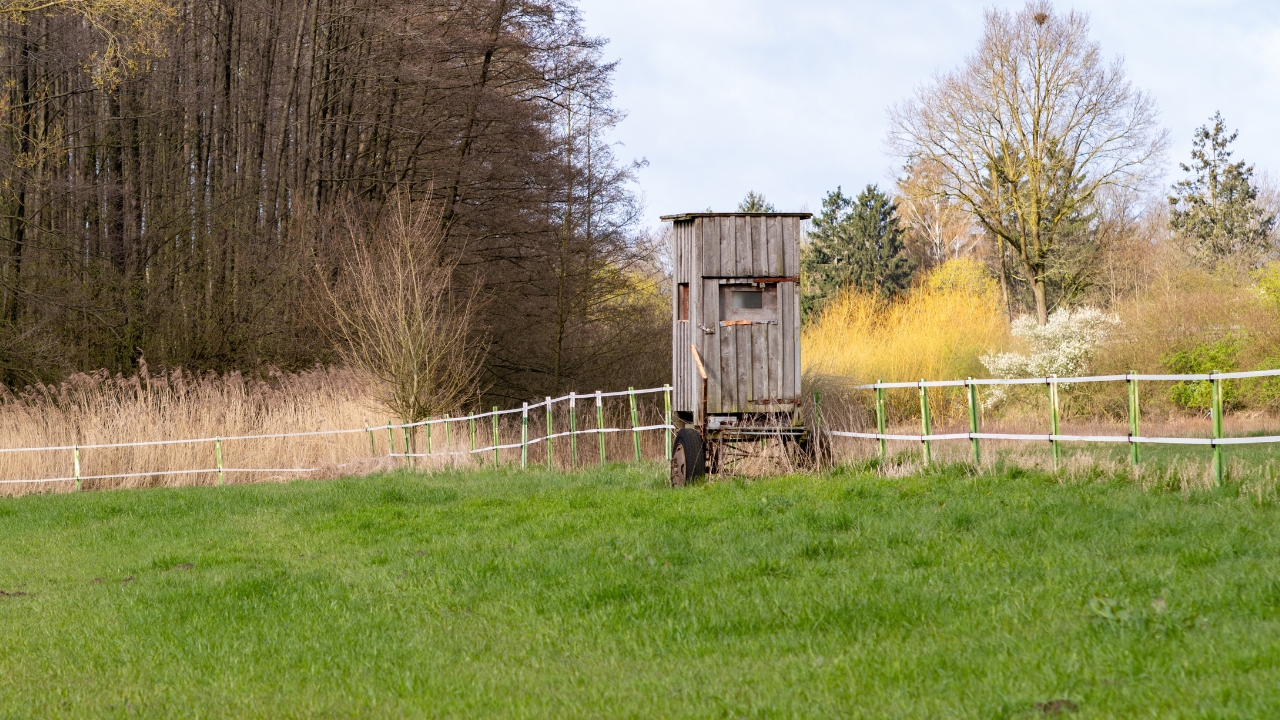
That matters because a stand set “just inside the fence” may not be as safe as you think. If the fence is wrong, you may be closer to the neighboring property than you realize, or even sitting on the wrong side altogether. Before you build a whole hunting plan around a fence, verify it with the actual property records, survey pins, or a current survey. A rusty strand of wire should not be your only source of truth.
Phone apps are useful, but they are not surveys
Mapping apps are great tools. They help hunters understand parcels, access, terrain, wind, and nearby property ownership. But they are not perfect. Property lines shown on apps can be off by several yards or more, depending on the area, available data, and how the parcel information was pulled in.
That doesn’t mean you should ignore them. It means you should use them as a guide, not the final word. If your setup is near a boundary, do not rely on a blue dot and a line on your screen alone. GPS drift, poor signal, and imperfect parcel data can all create problems. When the difference between legal and illegal is a few steps, “my app said I was fine” may not save you.
Corners create the most confusion
Property corners are where a lot of trouble starts. Four parcels may meet in one area. A creek may bend through it. Old fences may not line up cleanly. A logging road may cut through at an angle. On a map, it looks simple. In the woods, it can be a mess.
If you’re hunting near a corner, slow down and confirm exactly where you are. Corners can funnel deer movement, which makes them tempting, but they can also put hunters too close to neighboring ground. A shot opportunity can happen fast, and the last thing you want is to realize later that the deer was standing across the line or fell onto land you did not have permission to enter.
Don’t assume permission carries over
Another common mistake is assuming permission on one property gives you freedom around the edges. Maybe you have permission from one landowner, but the deer trails cross onto the neighbor’s place. Maybe a lease borders family land. Maybe your buddy has access to one tract and tells you “nobody cares” about the back corner. That is not the same as permission.
Get clear permission from the actual landowner or lease holder for the ground you plan to use. If recovery across a boundary may be an issue, ask about that before the season if possible. A vague understanding can fall apart quickly when there’s a wounded deer, a mad neighbor, or a dispute over who was allowed where.
A stand too close to the line can invite trouble
Even if you are technically on your side, setting up right on the boundary can create problems. If your shooting lanes point toward the neighbor’s land, if the deer are mostly traveling on the other side, or if your access route runs along the line, you’re inviting questions. Other people may assume you’re trying to hunt their ground without stepping onto it.
Sometimes a boundary setup is legal and reasonable. But it needs to be thought through carefully. Make sure your shots, scent, access, and recovery plan all stay clean. If the setup depends on deer crossing from the neighbor’s bedding area two seconds before the shot, you need to be honest about how that looks and what could go wrong.
Shooting across the line is a serious mistake
A deer standing across the property line is not yours to shoot just because you can see it. This is where hunters get in trouble fast. The excitement of the moment, especially on a good buck, can make the line feel less important. It is still important.
Know where the boundary is before you sit. If there’s any chance you’ll be tempted by deer movement across the line, set up differently. Don’t put yourself in a position where the best-looking shooting lane is one you legally or ethically should not use. The shot may last three seconds, but the consequences can follow you all season and sometimes longer.
Recovery needs a plan before the shot
Wounded game does not care about property lines. A deer can be hit on land you have permission to hunt and die across the fence. What you’re allowed to do next depends on state law and the landowner situation, so do not assume you can automatically cross to recover it.
The best time to think about recovery is before you hunt near the line. Talk to neighbors when possible. Know who owns the adjoining land. Have phone numbers saved. Understand the local rules. If you need permission, ask before crossing. Most landowners are more reasonable when you contact them respectfully than when they catch you sneaking over the fence with a flashlight.
Don’t let one deer ruin neighbor relationships
A property-line argument can damage years of goodwill. One deer, even a good one, usually is not worth turning a neighbor into an enemy. Rural landowners remember who respects boundaries and who doesn’t. So do lease managers, farmers, and local hunters.
If a deer crosses the line, handle it carefully. Communicate. Ask permission. Stay polite even if the answer frustrates you. If the neighbor says no, know your legal options, but don’t turn the situation into a shouting match at the fence. A bad reputation around property lines can cost you access, future permission, and peace every hunting season after that.
Mark boundaries clearly for yourself
If you own or lease the land, make the boundaries easier to understand before the season starts. Walk the lines. Find pins if you can. Mark legal access points. Replace missing signs. Clear up confusing crossings. Make notes on your map where the line is hard to see in the woods.
This is not only for keeping trespassers out. It helps you and your guests stay where they’re supposed to be. A buddy hunting your place for the first time should not have to guess where the neighbor’s land begins. Clear boundaries protect everybody involved and prevent a lot of awkward phone calls later.
Be careful what you tell guests
If you let someone hunt your property or lease, don’t give sloppy directions. “Stay over by the creek” or “don’t go past the old road” may make sense to you, but it might not mean much to someone new to the place. Vague instructions are how guests end up across the line by accident.
Show them on a map. Walk them in if needed. Explain which directions are safe to shoot and which areas are off-limits. If there are disputed corners, sensitive neighbors, livestock, houses, roads, or recovery issues, say so clearly. A guest’s mistake can still land in your lap if you’re the one who invited him.
Handle boundary disputes with proof, not attitude
If a neighbor says you’re over the line and you believe you aren’t, don’t let the first conversation turn into a fight. Ask what he’s basing it on. Compare surveys if needed. Check county records. Bring in a surveyor if the disagreement matters enough. Property-line disputes are not solved by whoever talks the loudest.
The same applies if you believe someone else is crossing onto your ground. Be firm, but have your facts straight. Photos, surveys, marked boundaries, and documented crossings carry more weight than anger. If the issue keeps happening, involve the proper authority instead of trying to settle it with threats at the fence.
The line matters even when nobody is watching
The real test of a hunter is not what he does when a game warden or landowner is standing there. It’s what he does when nobody would know. Property lines are one of those tests. If you know the deer is across the line, you don’t shoot. If you need permission to recover, you ask. If you’re not sure where you are, you stop and figure it out.
That kind of discipline saves seasons. It protects access. It keeps neighbors from turning into enemies. It also keeps you from becoming the hunter everyone talks about for the wrong reason.
The property-line mistake that ruins hunting season fast is assuming instead of confirming. Don’t trust old fences, vague directions, or a phone app alone when the boundary matters. Know the line, respect the line, and plan around the line before the season ever starts. A good spot is only good if you can hunt it clean.
Like The Avid Outdoorsman’s content? Be sure to follow us.
Here’s more from us: