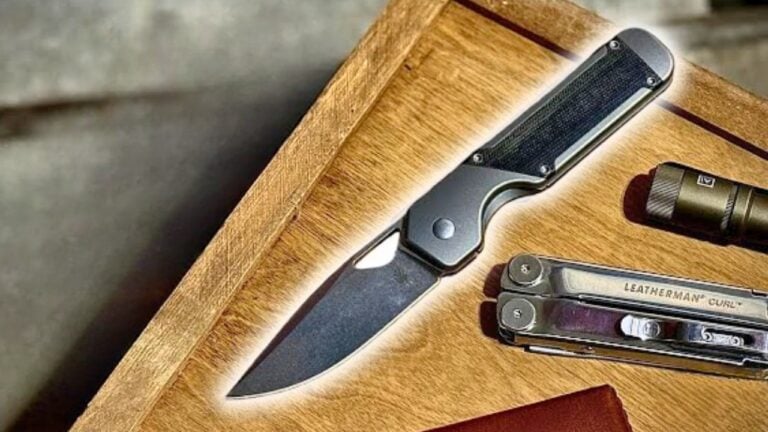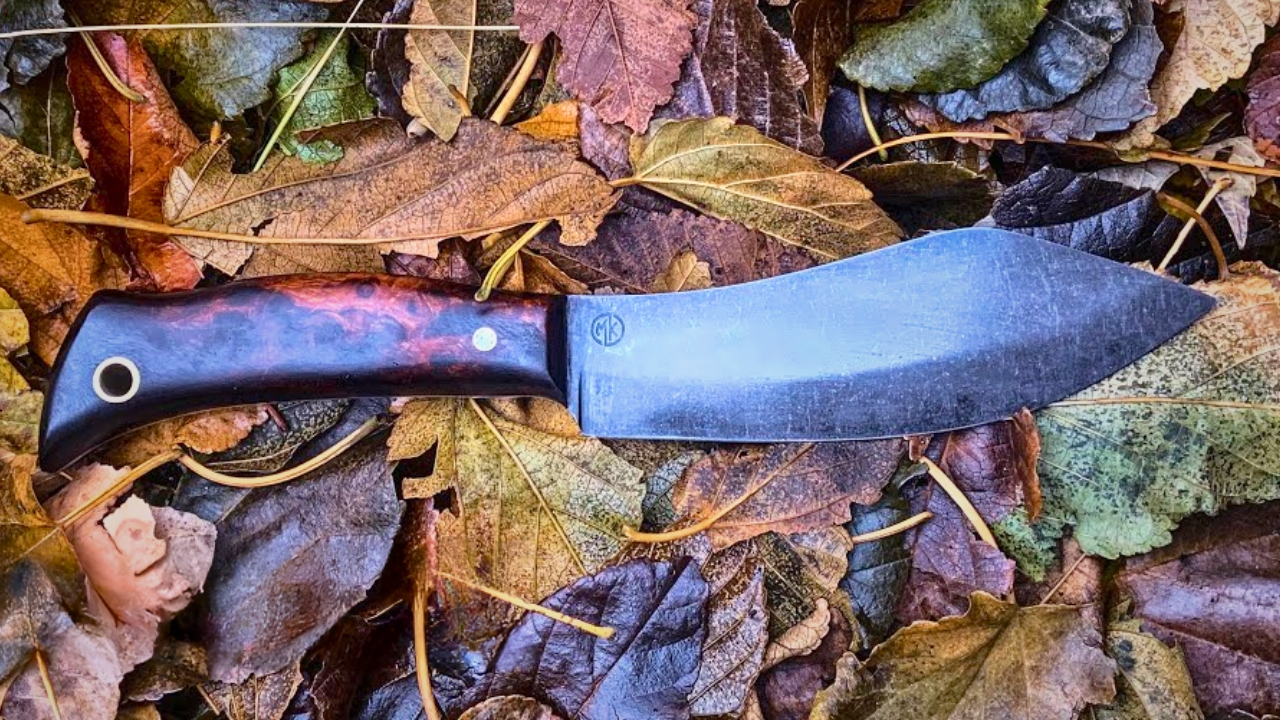
Photo credit: Malone Knives/YouTube
Not every knife is built to glide through hide and muscle. When it comes to skinning, the shape of the blade does a lot of the heavy lifting. Some styles just make the job smoother, cleaner, and less frustrating. Whether you’re working on whitetail or elk, the right blade profile makes all the difference. Here are 10 knife shapes that have proven they’re up to the task when it’s time to break an animal down.
Drop Point

The drop point is probably the most popular choice for a reason. The spine curves down toward the tip, giving you control without risking a puncture.
It’s great for slicing along muscle and hide because the blade stays predictable. Whether you’re caping or field dressing, a drop point gives you solid visibility and won’t dig in too deep unless you want it to.
Clip Point
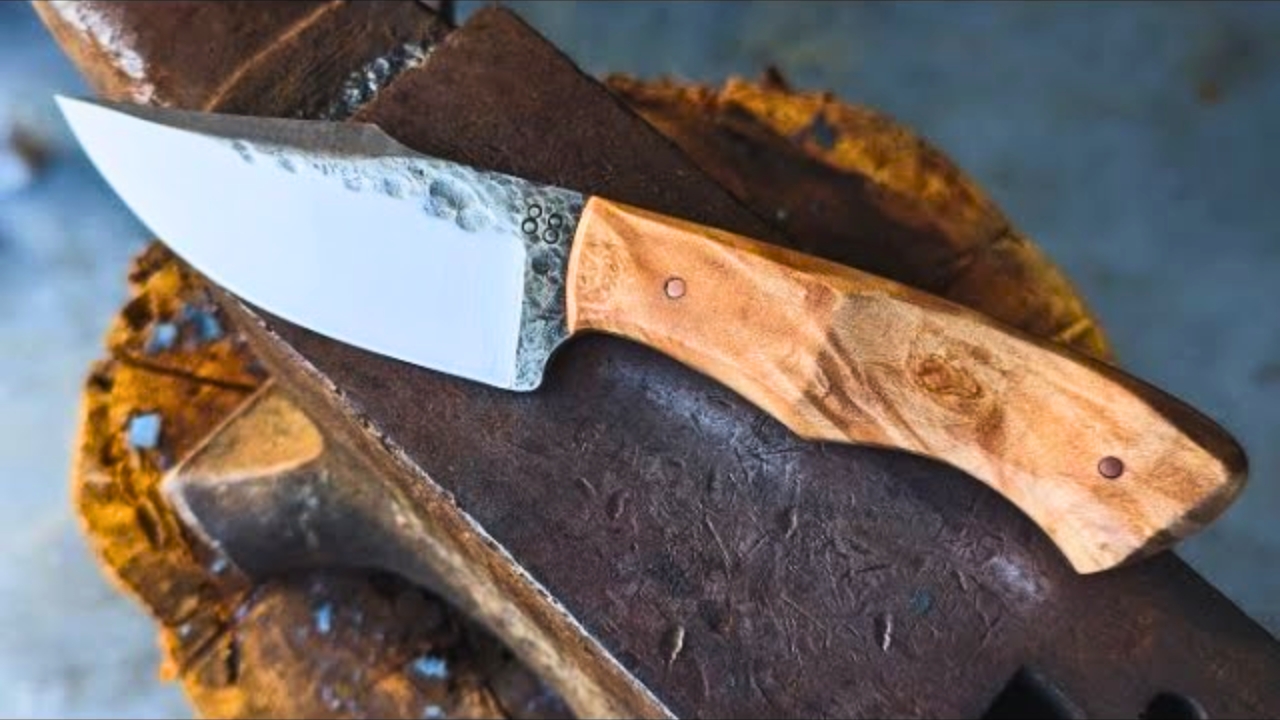
A clip point has a narrower, sharper tip that’s perfect for delicate work. It’s not just for fighting knives—it’s great when you need a precise cut to start the skinning process.
It’s especially handy around tight spots like the legs or head. Just keep an eye on that fine point; it’s easy to nick something if you’re not careful.
Skinner
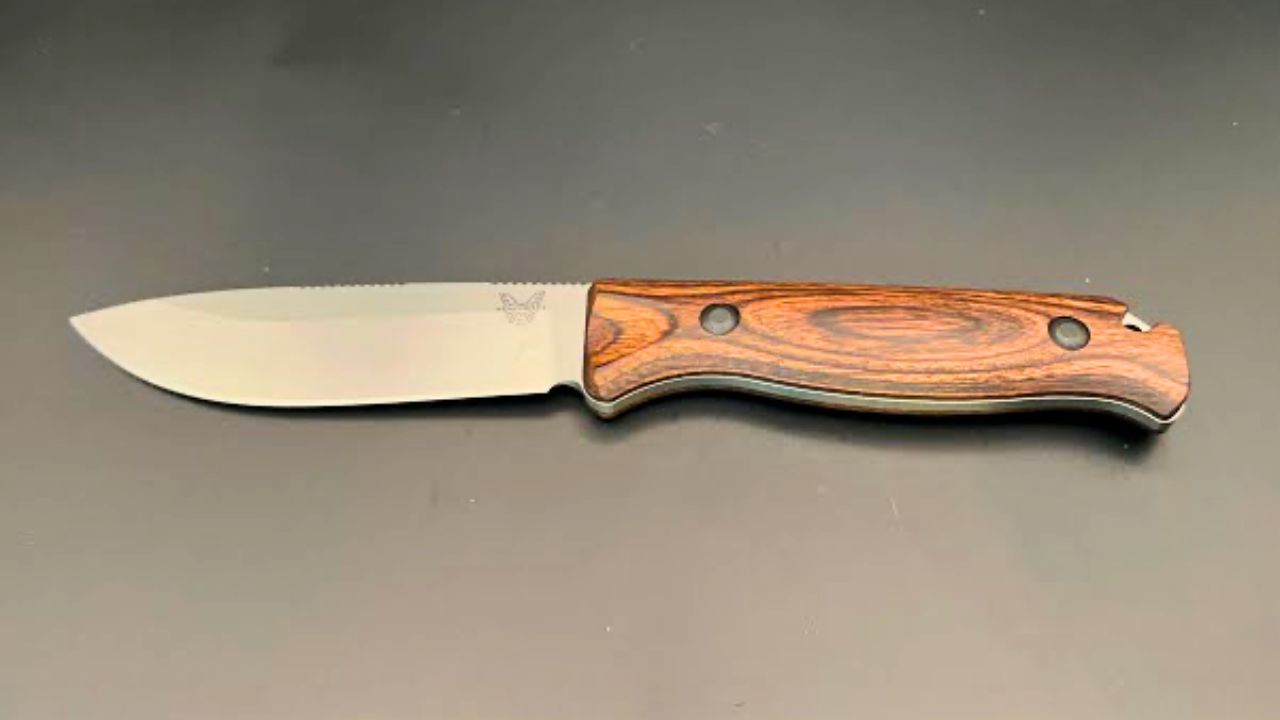
It’s literally made for the job. The classic skinner shape has a sweeping belly that glides through hide with minimal effort and a blunt tip to prevent accidental damage.
This one shines when you’re doing lots of repetitive slicing. It’s all about flow and control, making skinning fast and clean without much pressure.
Nessmuk
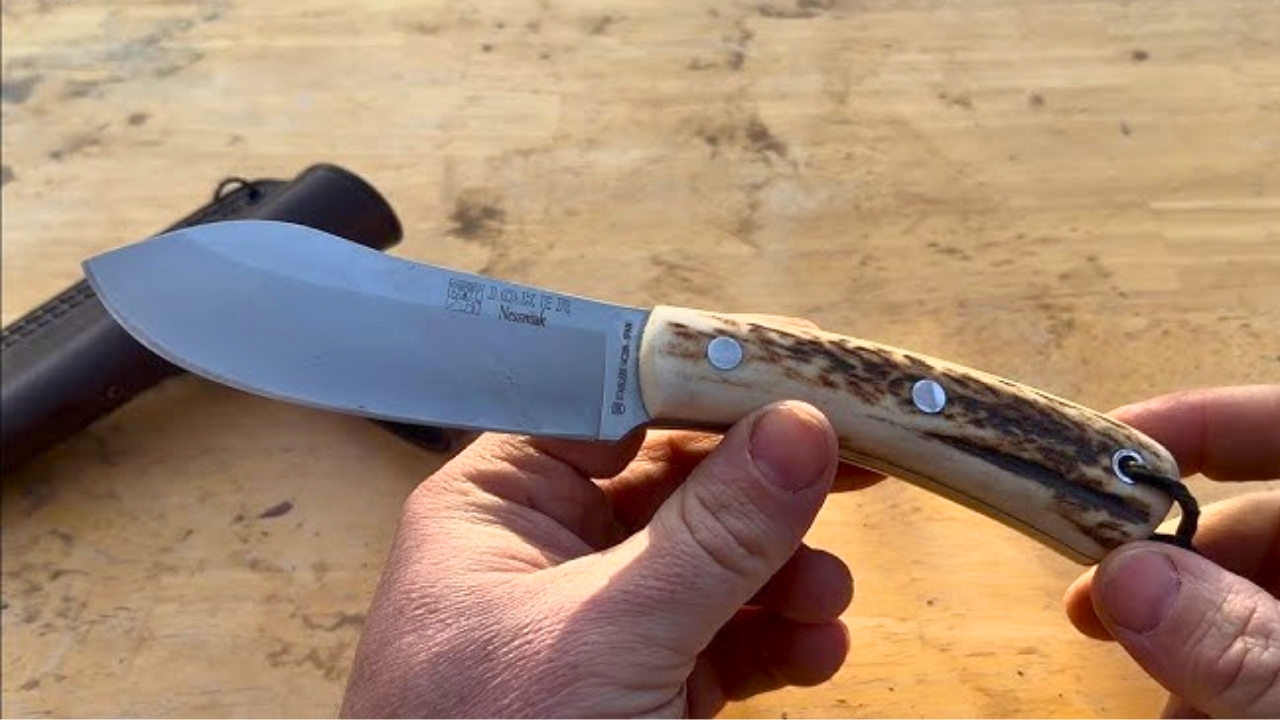
Originally designed for bushcraft, the Nessmuk blade has a wide, rounded belly that’s excellent for skinning tasks. It’s not the most compact, but it makes up for it with slicing power.
The broad curve works well when you’re pulling long strokes across the hide. If you like a bit of heft in your hand, this shape feels natural.
Trailing Point
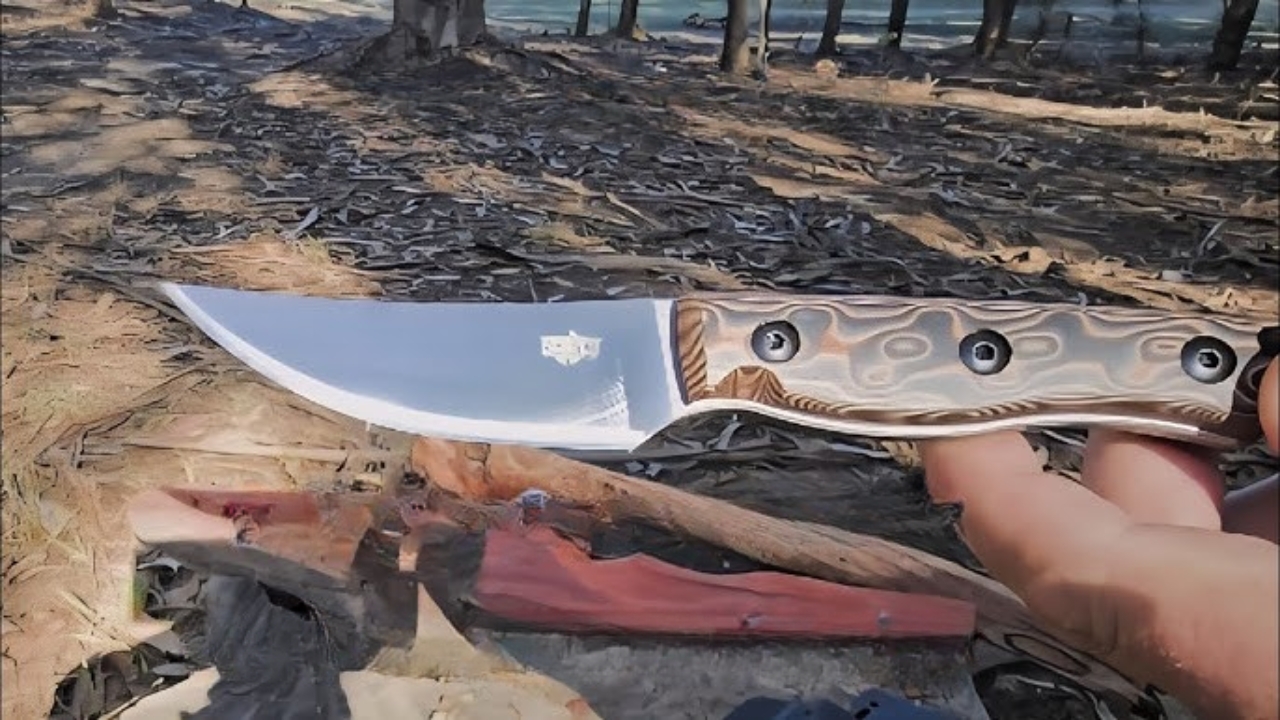
The trailing point has an upswept tip and a long, curved belly—great for long, fluid cuts. It’s popular with folks who skin a lot of game in the field.
The shape gives you plenty of edge to work with, especially on bigger animals. It’s not ideal for tight detail work, but it shines on large surfaces.
Spear Point
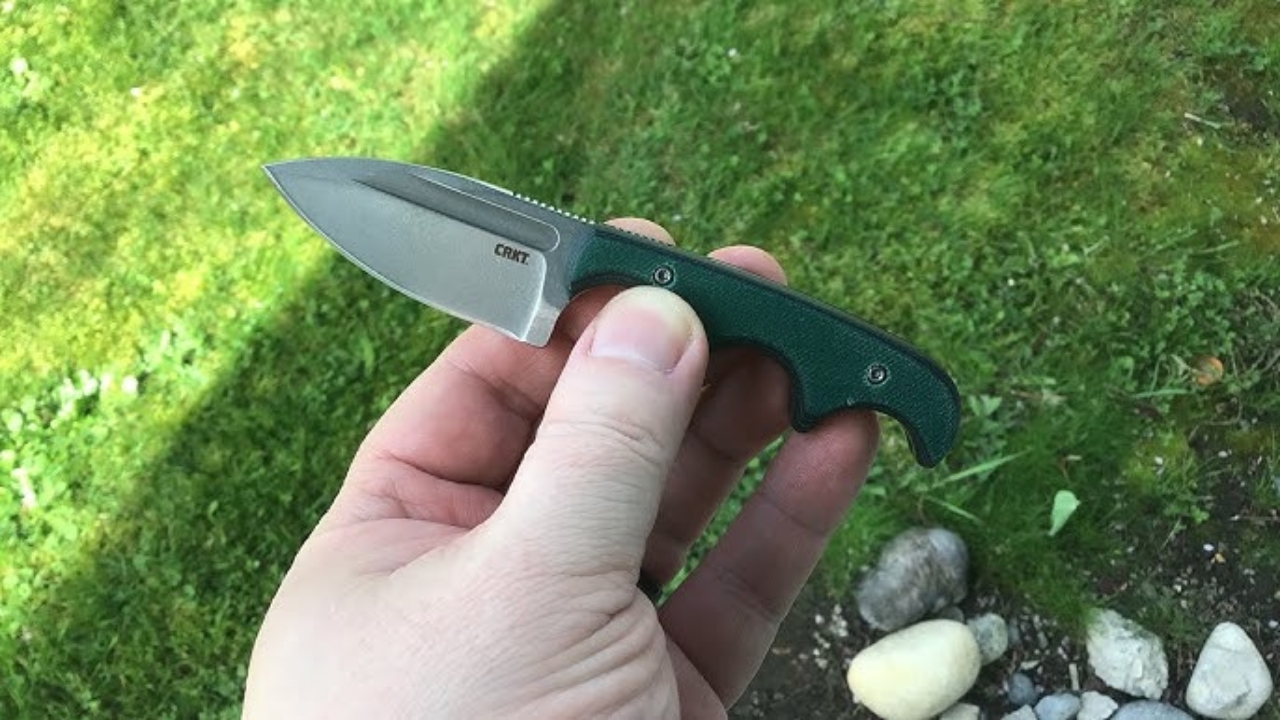
A spear point might not scream “skinning blade,” but the symmetrical design makes it easier to work both sides of an animal evenly. It’s better suited for general game processing.
The tip allows for controlled piercing, and the balanced profile is great if you want one knife to do a little of everything, skinning included.
Wharncliffe
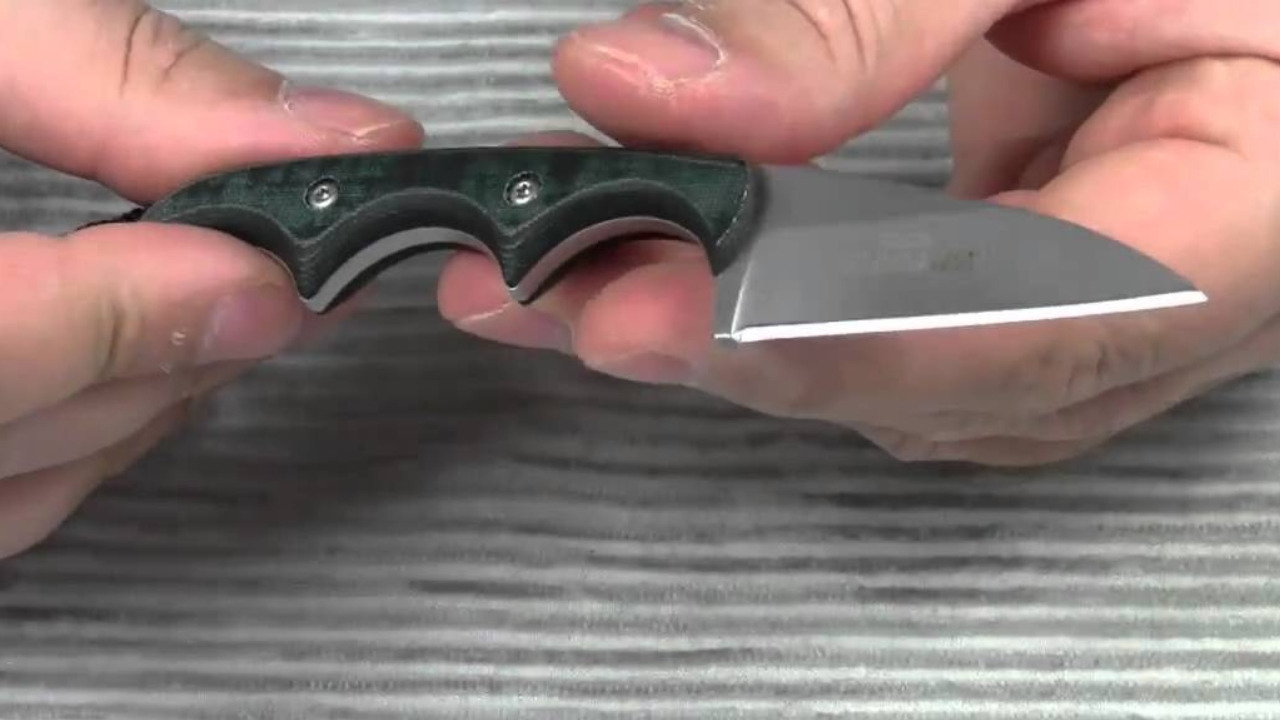
This blade has a straight edge and a spine that curves toward the tip. It’s not common for skinning, but folks who like precision love it.
It gives you full edge contact without needing to rock the blade, which helps when working through tight spots. It’s not great for sweeping cuts, but it handles small details well.
Sheepsfoot
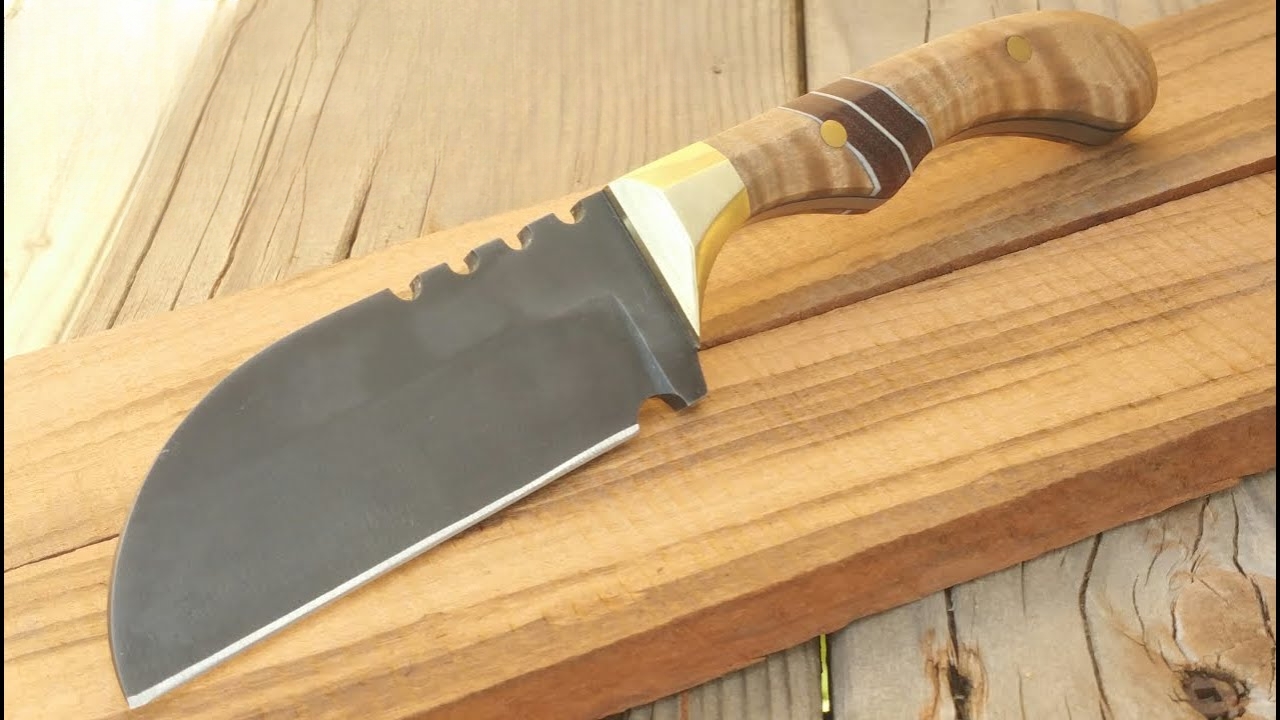
Sheepsfoot blades have no pointy tip, which might sound like a bad thing—but that’s what makes them safe and precise for slicing hide without piercing into muscle or guts.
They’re best when you want total control near vulnerable areas. If you’re caping or working around the belly, this shape minimizes accidents.
Leaf-Shaped
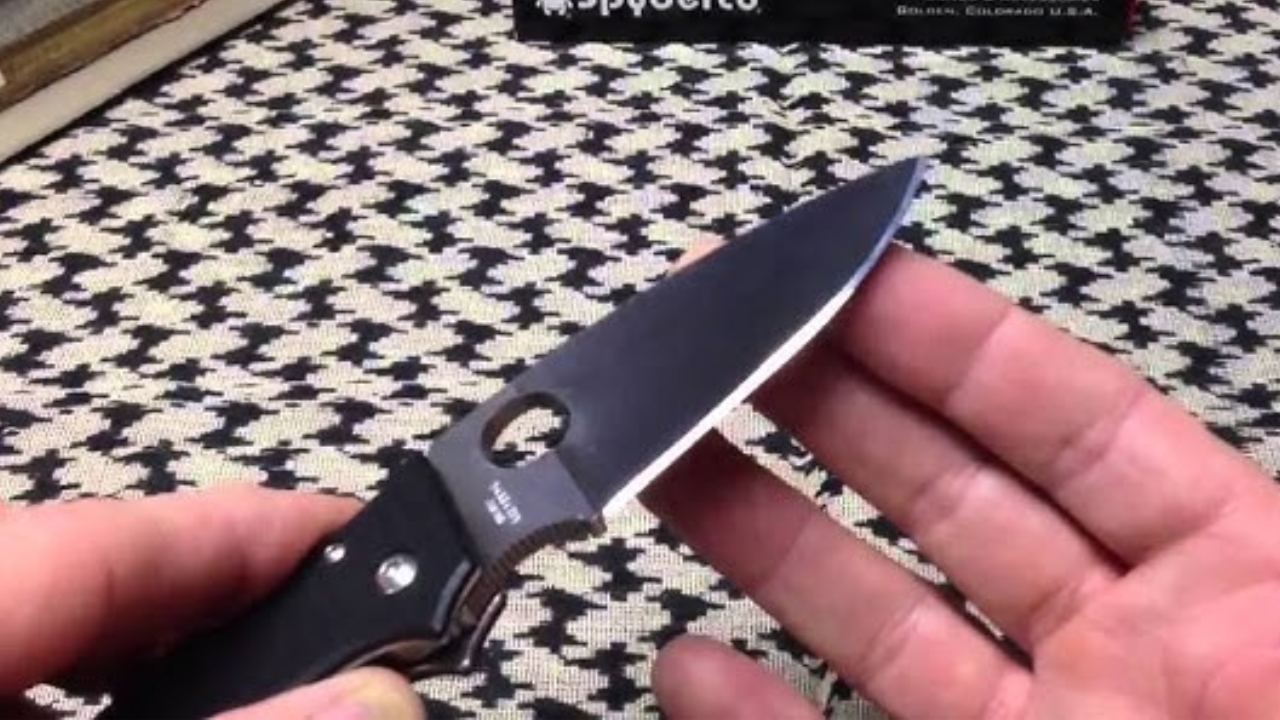
Leaf blades—like those seen on some bushcraft and survival knives—offer a lot of belly with a strong tip. That wide curve makes it easy to sweep across large areas of hide.
They’re kind of a hybrid between drop point and skinner styles. Not always purpose-built for hunting, but they earn their keep when used right.
Modified Tanto
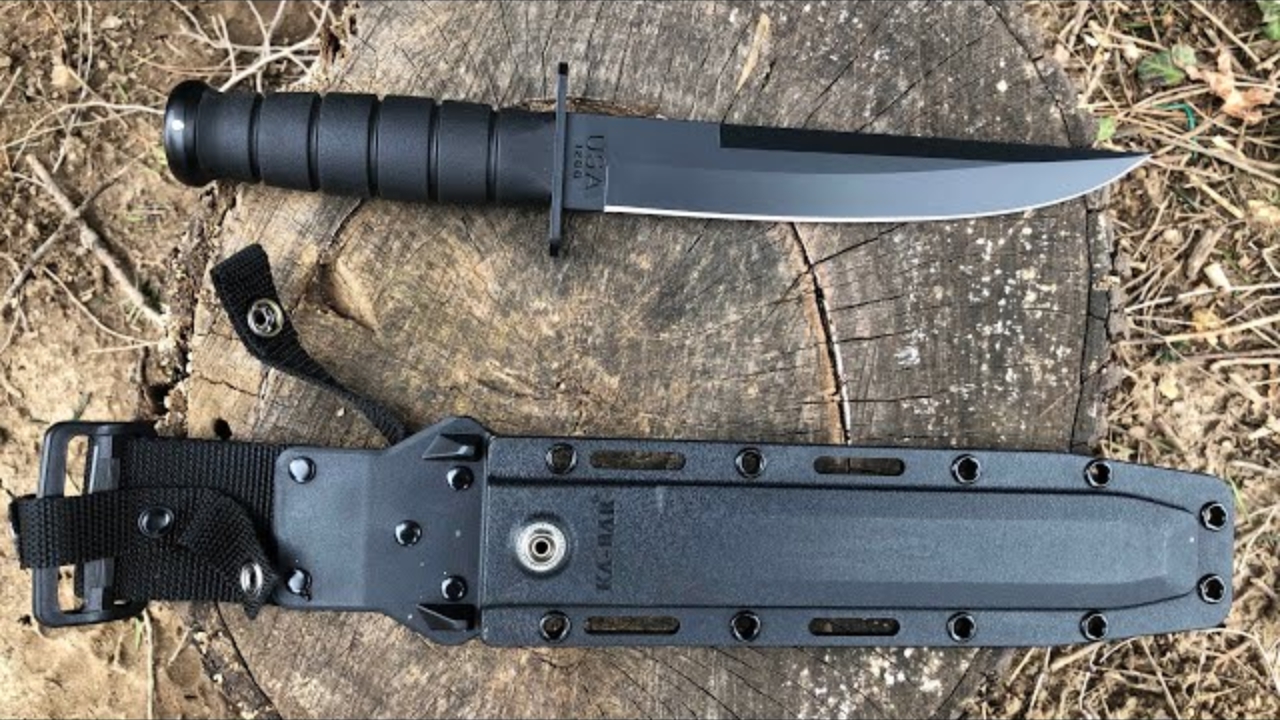
You wouldn’t think a tanto belongs here, but some modern takes with softened angles and secondary curves actually work pretty well for rough skinning tasks.
It’s not for fine detail work, but it’s solid if you’re pushing through thick hide or breaking down tough joints. It’s a surprising performer in a pinch.
*This article was developed with AI-powered tools and has been carefully reviewed by our editors.