

Photo credit: Checkin It Out/YouTube
Not all folders are created equal—some feel like a gamble every time you open them. If you’ve ever had a knife close on your fingers mid-task, you know how important a solid lockup is. Whether it’s a frame lock, back lock, or liner lock, you want confidence when that blade’s open. These folders have earned their reputation for locking up tight and staying that way, no matter how much pressure you put behind them.
Spyderco Paramilitary 2

The compression lock on the PM2 is one of the strongest you’ll find on a production folder. It’s tucked into the spine and holds firm under pressure without being hard to disengage.
You can flick it open one-handed and still get that reassuring click every time. This one’s a favorite because it doesn’t just feel tough—it actually is, even after years of hard use.
Benchmade Griptilian

Benchmade’s AXIS lock is buttery smooth and extremely dependable. The Griptilian has been a go-to for years, and it’s not just hype—it performs.
That ambidextrous locking bar bites down tight and doesn’t budge. Whether you’re slicing rope or breaking down boxes, this thing holds its ground and never surprises you with a wiggle.
Cold Steel Recon 1

Cold Steel’s Tri-Ad lock is a tank. It’s essentially a beefed-up back lock with a stop pin that absorbs shock, and it’s one of the strongest in the game.
The Recon 1 feels overbuilt in the best way. You can really bear down on this knife and never worry about failure. It locks up like a fixed blade—plain and simple.
Zero Tolerance 0350

The ZT 0350 runs a stout liner lock, but it’s done right. Thick steel liners and tight tolerances give it a real “locked-in” feel when open.
It’s not a dainty knife, but that’s part of the appeal. The action is smooth, the lockup is firm, and it stays that way even with daily carry and hard use.
Buck 110 Folding Hunter

The Buck 110 might be old-school, but that lockback is solid as a rock. It’s not flashy, but it holds tight and has for decades.
You’ll hear that satisfying snap every time you open it. And once it’s there, it’s not going anywhere until you press the release with intention.
Hogue Deka

Hogue’s ABLE lock is their take on the AXIS-style mechanism, and it works incredibly well. The Deka has a smooth action and rock-solid lockup that doesn’t loosen up over time.
Lightweight but not flimsy, it’s a great EDC that feels secure every time it’s in use. The lock’s ambidextrous and easy to disengage without sacrificing strength.
CRKT Pilar III

This compact frame lock punches above its weight. The lock bar engages fully and doesn’t develop slop with time like cheaper folders tend to.
It’s not trying to be flashy—it’s just reliable. The steel lockbar mates with the blade tang cleanly and stays tight even after some rough use.
Ontario RAT 1
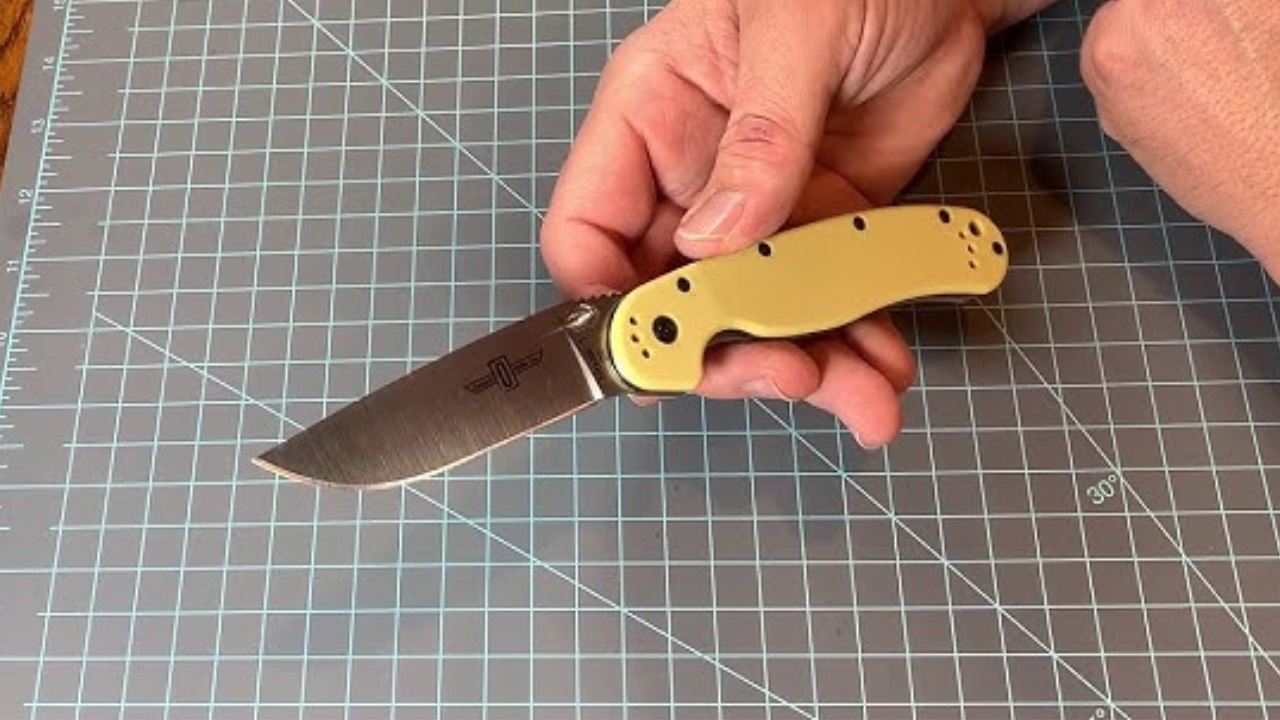
The RAT 1 uses a no-nonsense liner lock that’s surprisingly tight for the price point. It consistently locks up well, even after years of being tossed in bags and gloveboxes.
It’s a workhorse folder, plain and simple. The lock holds steady whether you’re cutting cordage, food, or wood shavings, and it doesn’t loosen up with use.
Kizer Sheepdog
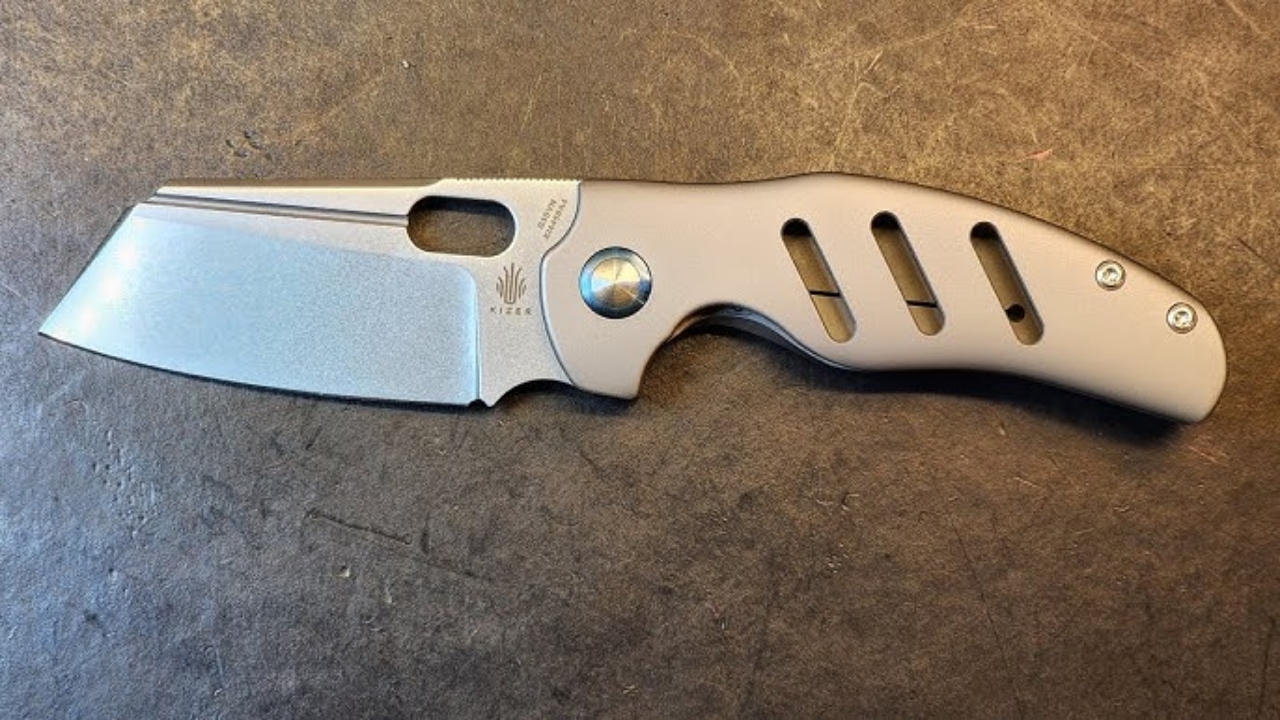
The Kizer Sheepdog runs a frame lock that’s thick and positive. You can feel it snap into place with confidence, and it holds up well against hard pushes.
This one’s big, but that’s part of why the lock feels so secure. It’s meant to be used, and it doesn’t get sloppy just because it’s folding.
Gerber Fastball
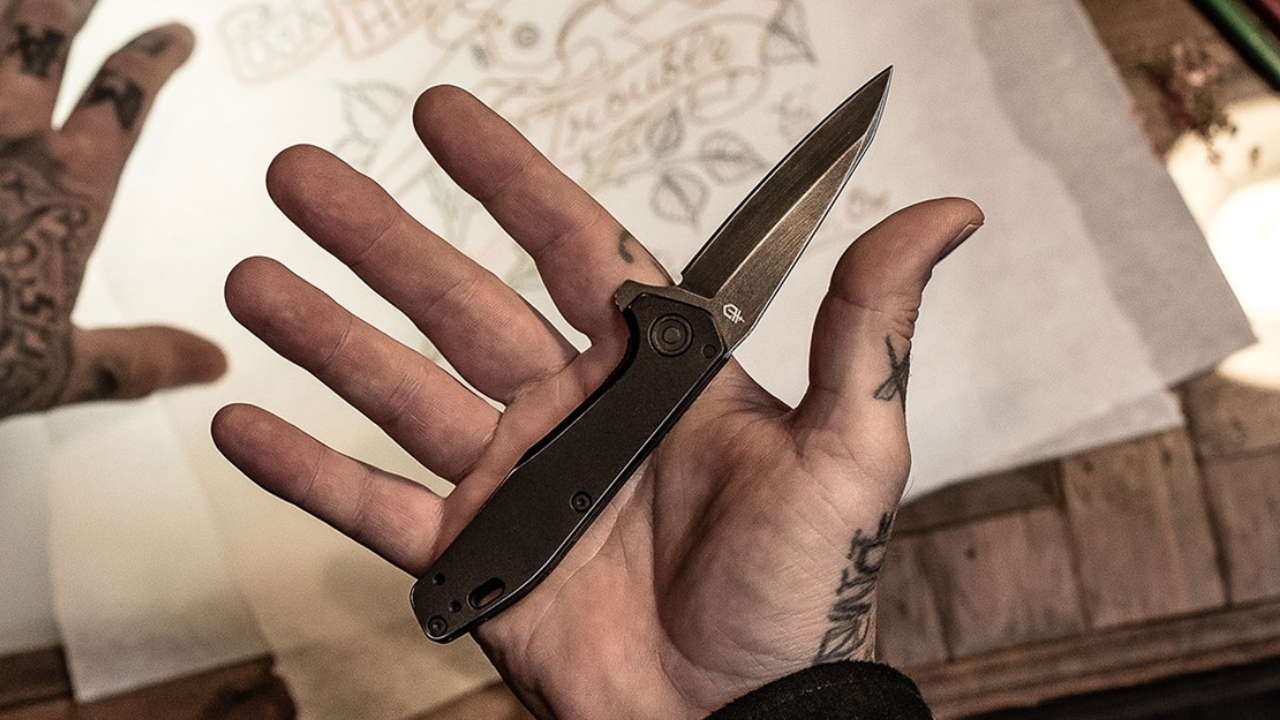
The Fastball has a detent and liner lock combo that really shines in terms of lock strength and action. It flicks open fast and stays open with a firm, reassuring hold.
For a slim, modern folder, it surprises people with how sturdy it feels. The lock doesn’t feel cheap or half-engaged—it’s either fully in or not at all.
*This article was developed with AI-powered tools and has been carefully reviewed by our editors.


