Photo credit: Gerber Gear/YouTube
Every year there’s another crop of “hard-use” fixed blades that look the part on a gear flatlay and fall apart the second you actually live with them. You get steels that either roll or chip, handles that turn slick the minute they’re wet, and sheaths that ride weird enough you eventually stop carrying the knife at all. Gerber’s newest take on the StrongArm – now offered in MagnaCut – is one of the few recent fixed-blade updates that actually fixes those problems instead of adding more gimmicks. It takes a blade that was already proven for field work and quietly upgrades the parts that mattered most for real hunters, guides, and guys who live with a knife on their belt.
Starting with something that was already proven
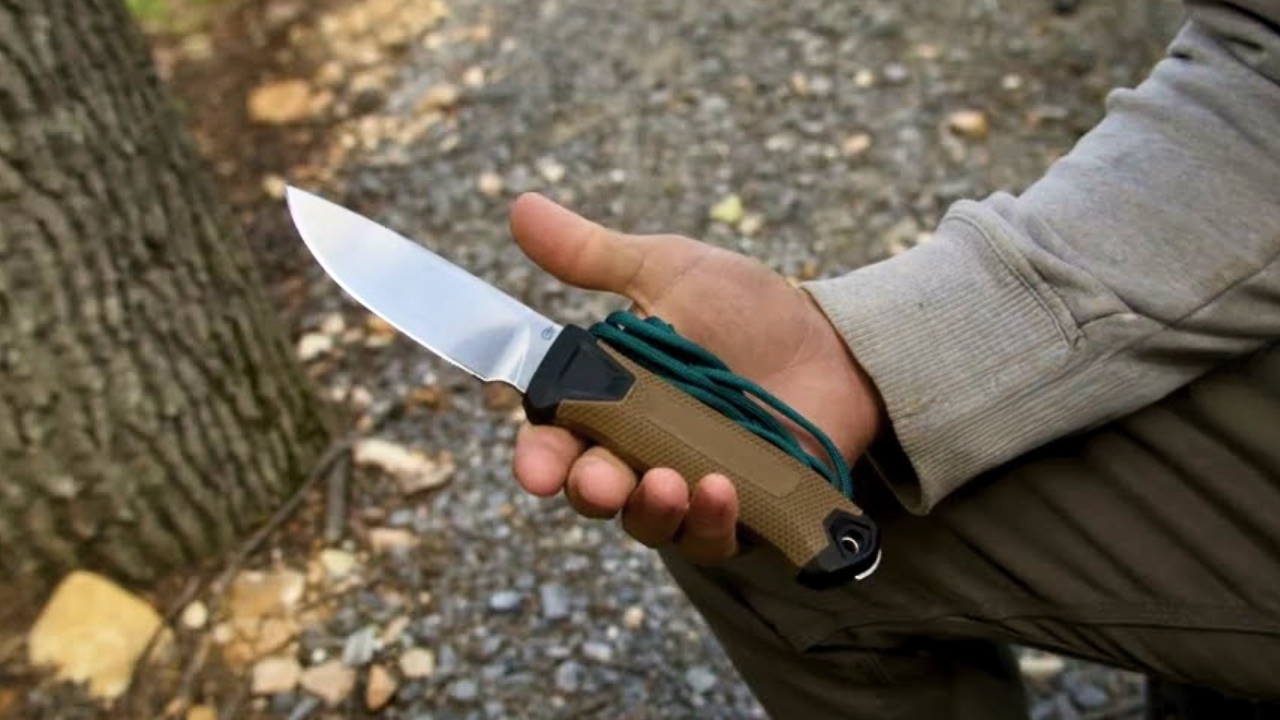
The StrongArm wasn’t some forgotten catalog knife that Gerber slapped a trendy steel onto to chase headlines. It’s been their best-selling fixed blade for years because the basics were dialed: full-tang construction, a no-nonsense drop point, and a rubberized handle that actually locks into your hand when it’s cold, wet, or bloody. The profile is thick enough to pry and baton without feeling like a pry bar when you’re breaking down an animal, and the geometry has always lived in that sweet spot between “tough” and “cuts clean.” Hunters, soldiers, and working guys already trusted it, so upgrading that platform makes more sense than introducing yet another untested “tactical” shape that nobody asked for.
MagnaCut fixes the steel complaints other knives still ignore
The big change here is the jump to MagnaCut, and that’s where a lot of competing knives are still behind. A lot of modern fixed blades swing too far in one direction: either soft stainless that sharpens easy but rolls and corrodes fast, or super-hard steels that hold an edge but chip if you even look at bone the wrong way. MagnaCut was built to solve that: it brings real edge retention, high toughness, and excellent corrosion resistance in the same package, which is exactly what you want in a knife that lives on your belt through rain, sweat, and blood. On the StrongArm, you get that upgrade without changing the grind or blade shape that already worked, so you’re not relearning how to sharpen or babying a fragile edge just because it says “premium” in the specs.
A sheath system that actually keeps up in the field
Plenty of good blades get ruined by bad sheaths—rattly plastic that dumps the knife when you bail out of a truck, or bulky leather that won’t ride where you need it with a pack on. Gerber kept their multi-mount system, and it’s still one of the more thoughtful setups on the market: MOLLE compatible, can ride vertical on webbing, horizontal on a belt, or down on the thigh without a science project of straps. For hunters, that means you can mount it where it won’t fight your bino harness or pack waist belt, and for folks who cross over into duty use, it actually works on modern kit instead of assuming everybody’s wearing an old leather Sam Browne. The retention is positive enough you can scramble, crawl, or drag a deer without worrying about donating your knife to the brush halfway back to the truck.
Where other “new” fixed blades still miss
Compare that to a lot of recent fixed-blade launches and the differences jump out. You still see knives with sawback spines that don’t actually saw, overbuilt grinds that wedge in meat and wood, and novelty steels that look good in marketing but don’t have much real-world track record. A bunch of them ship with minimalist skeleton handles that feel fine barehanded in the garage and miserable once your grip gets cold or slick. The StrongArm update dodges all of that. The handle is still full, rubberized, and textured, with enough guard to keep you off the edge when you’re pushing hard. The blade profile stayed practical instead of chasing weird clip points or recurve shapes that are harder to maintain. In short, it behaves like a field tool first and a catalog model second, which is more than you can say for a lot of the “new for 2025” fixed blades that are clearly aimed at desk carry.
Who this actually makes sense for
If you already loved the StrongArm, the MagnaCut version is the one you buy when it’s time to retire your old beater or you want a second knife to live on a different rig. For guys who’ve been burned by flashy fixed blades that rusted in the scabbard or chipped out after a season, this is the kind of update that earns a second look. It’s still not a dainty slicer, and that’s fine—this is a belt knife for people who actually beat on their gear. The difference now is you can expect it to shrug off more abuse, need less babying in bad weather, and keep an edge longer between full sharpenings. In a market full of knives chasing attention, Gerber’s newest fixed blade feels like something rare: an upgrade that respects the way people actually use their gear instead of chasing the next social-media trend.
Like The Avid Outdoorsman’s content? Be sure to follow us.
Here’s more from us: