Photo credit: NTX Outdoors/YouTube
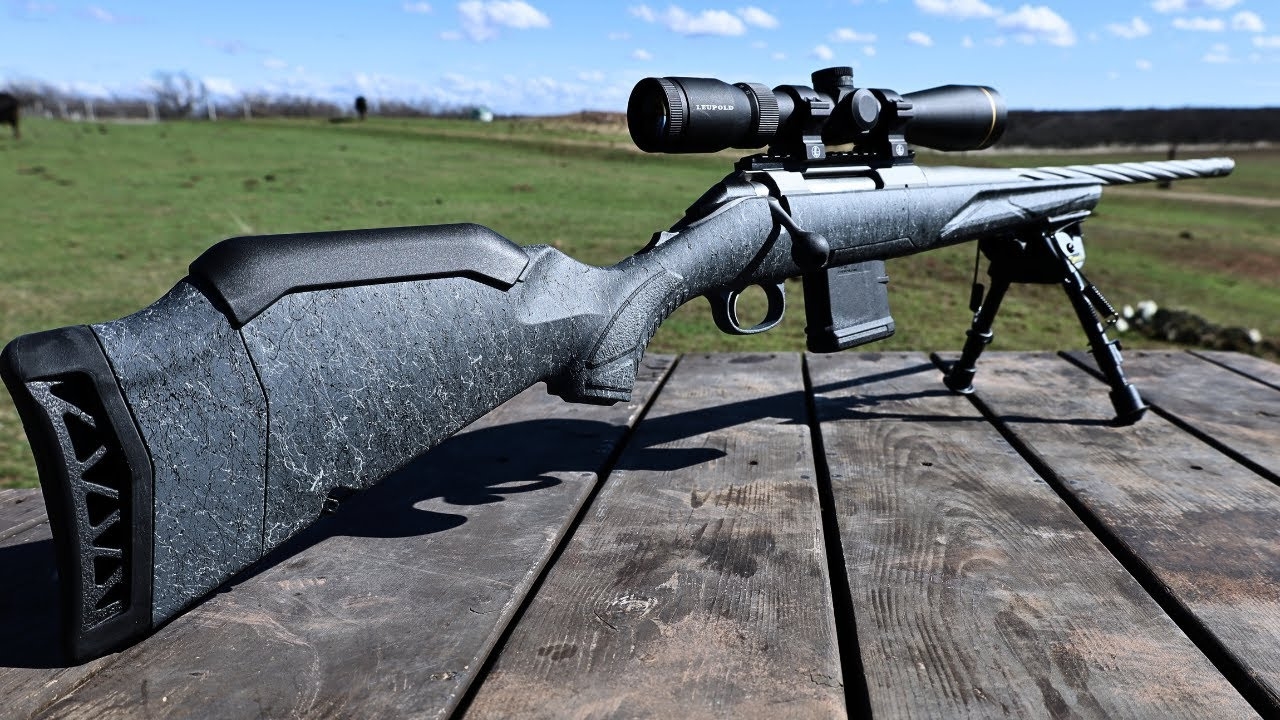
The Ruger American is one of those rifles that made a lot of hunters rethink what a budget bolt-action could do. It is not expensive, it is not fancy, and nobody is buying one because they want hand-fitted walnut and heirloom-level polish. They buy it because it usually shoots well, carries easily, and gets the job done without draining the gear budget.
That said, the Ruger American still has a few complaints that show up often enough to be worth knowing. Most of them are not deal-breakers. They are the kind of problems that usually trace back to the magazine, the bolt, the chamber, or the way the rifle is set up. Ruger’s own specs note the American uses a three-lug bolt with a 70-degree throw, and newer Gen II models use several magazine styles depending on chambering, including AI-style, AR-style, flush-fit, and single-stack options. That matters because a lot of real-world problems with this rifle start with how the round gets from the magazine into the chamber.
Feeding Problems From the Magazine
The most common Ruger American complaint is feeding trouble. A round may nose up too sharply, hang below the chamber, drag as the bolt pushes it forward, or need extra pressure to chamber. This shows up more with some calibers and magazine setups than others, but the pattern is the same: the rifle fires fine once loaded, but getting the next round into the chamber is not as smooth as it should be.
On older Ruger American rifles, the rotary magazine gets a lot of the blame. On newer Gen II rifles, the magazine type depends on the model and caliber, so the problem can look different from rifle to rifle. Some versions use AI-style magazines, some use AR-style magazines, and some use flush-fit or single-stack magazines. If the magazine sits a little off, the feed lips are rough, or the cartridge stack presents the top round at the wrong angle, the bolt can catch the round poorly and make the rifle feel clunky.
Magazine Fit and Seating Issues
Closely related to feeding trouble is magazine fit. Some Ruger American owners run into problems where the magazine feels loose, does not lock in cleanly, or needs upward pressure to feed reliably. That can make the rifle act like it has a serious mechanical issue when the real problem is that the magazine is not sitting where it needs to sit.
This is one of the first things worth checking before blaming the rifle itself. If the bolt rides over the round, barely catches the cartridge, or feeds better when you put pressure on the bottom of the magazine, the magazine fit deserves attention. With rifles that use detachable magazines, a tiny difference in how the mag locks into the stock can affect the whole feeding cycle. Some owners solve it with a different magazine, while others need Ruger or a gunsmith to look at the magazine latch, stock fit, or bottom assembly.
Stiff Bolt Closing
Another complaint that comes up with the Ruger American is a stiff bolt, especially when closing on a live round. Some rifles feel smooth when empty, then get noticeably tighter when chambering ammunition. That can make a new owner wonder if something is wrong with the chamber, the extractor, or the ammo.
Sometimes it is simply a break-in issue. The Ruger American’s bolt uses a three-lug design, and Ruger promotes the short 70-degree throw as a selling point. A short bolt throw is nice around a scope, but it can also make bolt lift and closing feel different from a traditional two-lug rifle. If the extractor is snapping over the case rim, the lugs are still wearing in, or the rifle is dry and dirty, the bolt can feel rougher than expected.
Extraction Problems
Some Ruger American owners also report extraction problems, where the rifle fires but does not pull the spent case out of the chamber cleanly. This is not as common as magazine-related feeding trouble, but it matters more when it happens. A rifle that will not pull brass out of the chamber reliably is not something you want to discover during deer season.
Extraction trouble can come from the extractor, the chamber, the ammo, or the brass itself. If the chamber is dirty or rough, spent cases can stick. If the ammo is hot or the brass is soft, extraction can feel harder. If the extractor is damaged, dirty, or not grabbing the rim correctly, the bolt may slip off the case instead of pulling it out. The Ruger American uses an extractor built into the bolt lug and a plunger-style ejector, so both parts need to be clean and working correctly for the rifle to cycle the way it should.
Weak or Inconsistent Ejection
A Ruger American may also extract the case but fail to throw it clear of the action with much authority. The case might dribble out, stay loose in the receiver, or get in the way as the shooter tries to run the bolt again. On the bench, that is annoying. In the field, it can slow down a follow-up shot.
Some of this comes from how the bolt is worked. A lot of bolt guns eject better when the shooter runs the bolt with a full, firm stroke instead of easing it back gently. That said, if weak ejection happens every time, even with a strong bolt stroke, the ejector and bolt face need a closer look. Dirt, brass shavings, a sticky plunger, or a worn part can all make ejection less reliable.
Accuracy Complaints From Setup Problems
The Ruger American has a pretty solid reputation for accuracy, especially for the price, but some owners still run into rifles that will not group the way they expected. In a lot of cases, the rifle itself is not the first thing I would blame. Scope mounts, action screws, stock pressure, cheap optics, and ammo choice can make a decent rifle look bad fast.
Ruger lists the American with its Power Bedding system and free-floated barrel on most models, and current models come with a factory-installed one-piece Picatinny scope base. Those are good features, but they do not protect you from loose ring screws, a bad scope, inconsistent torque, or ammunition the rifle simply does not like. Before calling the rifle inaccurate, check the optic setup, verify the action screws, clean the bore, and test a few loads from a steady rest.
The Ruger American is still one of the better budget bolt-action rifles out there. Its problems are usually not dramatic. Most of the complaints come down to feeding, magazine fit, stiff bolt movement, extraction, ejection, or accuracy issues caused by setup rather than the barrel itself.
The biggest thing to watch is the magazine. If a Ruger American feeds cleanly, chambers smoothly, extracts reliably, and holds zero, there is not much to complain about. But if it starts acting up, start with the simple stuff before assuming the rifle is junk. Check the magazine, run the bolt firmly, inspect the chamber, make sure the optic is mounted right, and test the ammo you actually plan to hunt with. A Ruger American that has been checked over and paired with ammo it likes can still be a very dependable working rifle.