Photo credit: Mentor Beqiri/Shutterstock.com
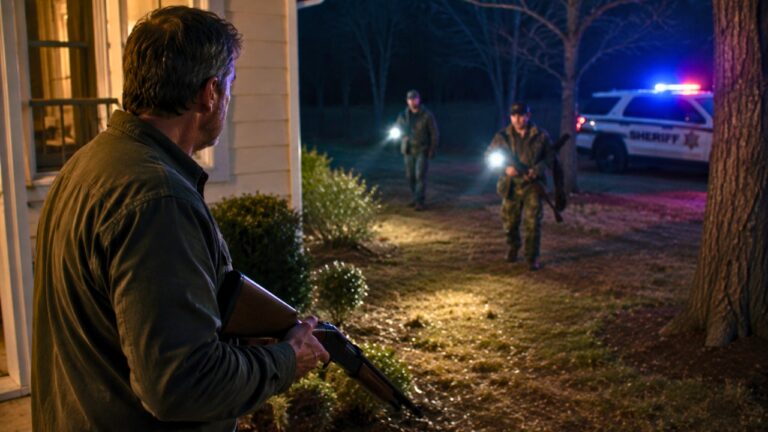
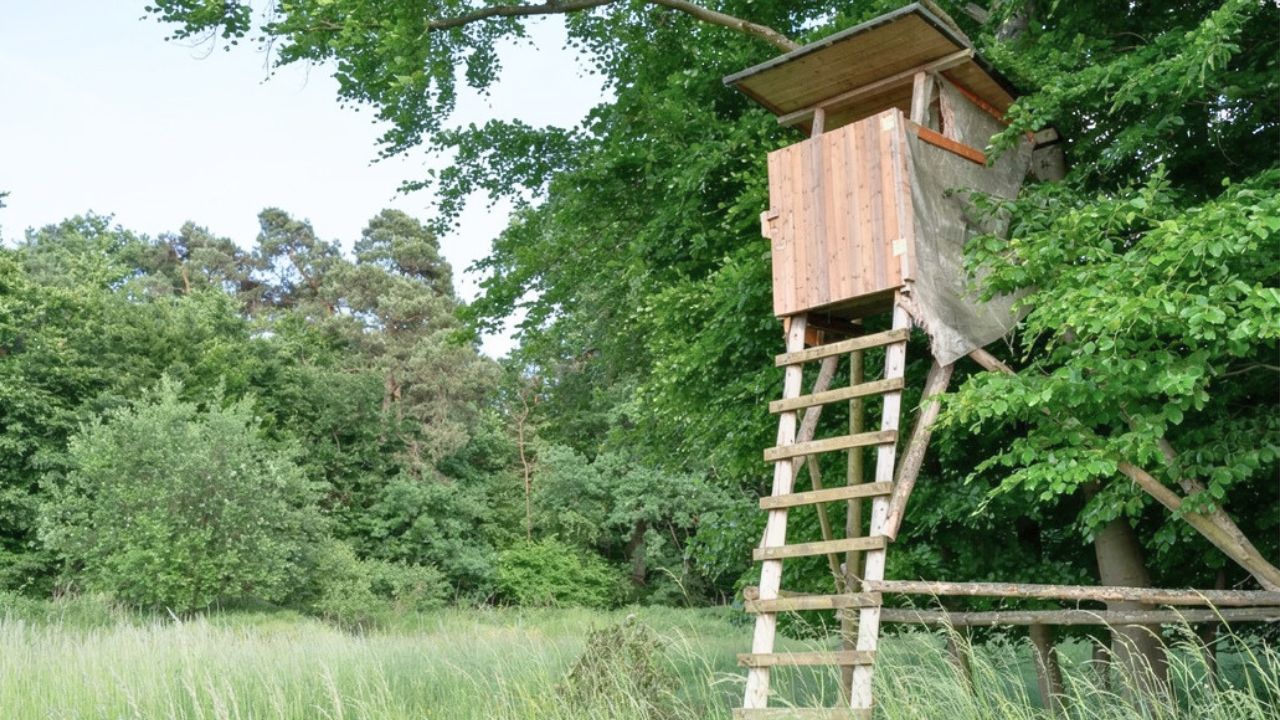
A Reddit hunter in r/Hunting described the kind of trespass problem that gets more aggravating the longer you stare at it. In the post, he said his family had just discovered a deer stand built on their private property, even though the land was clearly posted and included contact information. According to him, the setup was not only trespassing. It had been placed above existing stands his family already used, which he said made those established spots unsafe as long as the new stand remained there. He also made one thing clear right away: “This isn’t a mistake.”
That is what gives the story its edge. A lot of hunting disputes stay muddy because people argue over whether a line was marked well enough or whether someone drifted a little too close without realizing it. This one did not sound like that. The poster said the property line against the neighboring side was easy to mark and clearly posted the entire way, and he added that they already knew who was responsible. That changes the tone fast. It turns the question from “what happened here?” into “how do we handle somebody who knew better and did it anyway?”
The replies came back exactly how you would expect when a posted private-property stand shows up in a hunting forum. One of the top comments said flatly that if it is on your property without permission, you just rip it down. Another suggested taking it down but leaving a note on the tree saying the land was private and under surveillance. Others pushed harder and said the stand was basically a free one now, or that the owner should file a police report for trespassing and make it clear the stand would not be welcome back.
But what makes the thread feel more real than a simple revenge fantasy is that the original poster did not sound eager to go full scorched earth. He kept asking for a “legally responsible approach.” That matters. It suggests he was not only mad about the stand. He was thinking ahead to what happens after you touch another man’s gear, accuse a neighbor, or trigger the kind of back-and-forth that can turn one bad season into years of hostility. That is the part a lot of landowners understand immediately. Taking the stand down may feel easy. Living next to the guy you took it from can be a different problem.
The comment section reflects that split almost perfectly. Some people were all anger and no patience. One said he would dump the stand in the neighbor’s front yard. Another said a warning would not stop someone who was already comfortable trespassing in the first place. But other commenters pushed a calmer route: document everything, set up a trail camera, get clear proof of who is using the stand, and then involve law enforcement or a game warden if needed. One commenter specifically warned that a visible path toward a neighbor’s house “means nothing” compared with a photo clearly identifying the person with a firearm in hand.
That is probably why the thread struck a nerve. It hits a problem hunters argue about constantly but almost never solve the same way. On one hand, it is your land. Your signs are posted. The stand should not be there. On the other hand, a lot of people know that if you handle a trespass issue badly, you may win the moment and still lose the peace. Once a neighbor feels humiliated or challenged, bad blood can outlive the stand itself. That is why even some of the angrier comments still circled back to cameras, proof, and a clean legal trail. They wanted the trespasser handled, but they also knew a landowner is better off with evidence than pure outrage.
The post also picked up a side conversation that made the bigger issue even clearer. One commenter told a story about taking down a stand on family land after someone kept placing it there without asking, then storing it safely in a barn and telling the owner he could come get it. That kind of reply mattered because it showed how common this really is. Hunters were not reacting like the poster had uncovered some bizarre once-in-a-lifetime insult. They were reacting like they had either been through it themselves or already had a plan in mind for the day it happened.
What makes a story like this click is that it is not only about a stand. It is about the moment a landowner has to decide whether he is going to treat somebody else’s trespass setup as abandoned junk, evidence in a bigger problem, or the first move in a fight he would rather avoid. Once the stand is there, the hunt is already secondary. The real question becomes how much patience you owe someone who ignored your signs, built where they had no right to build, and made your own stands less safe in the process.
And that is really why the post lands. It starts with a deer stand where it should not be and very quickly becomes a story about restraint. The easy answer is to rip it down. The harder part is deciding how to do that without starting something bigger than the stand itself. For a lot of landowners, that is the part that keeps eating at them long after they first see the ladder leaning against the wrong tree.