Photo credit: HK USA
Newer handguns can mess with a buyer’s confidence fast. You think you know what you like, you think the old favorites have everything figured out, and then a newer pistol shows up with better capacity, better optic mounting, better recoil control, or a trigger that makes older guns feel behind.
Sometimes the second-guessing goes the other way. A handgun looks like the future online, then feels awkward once you actually shoot it. Either way, these are the newer handguns that made buyers stop and wonder if they really had the market figured out.
Springfield Armory Echelon
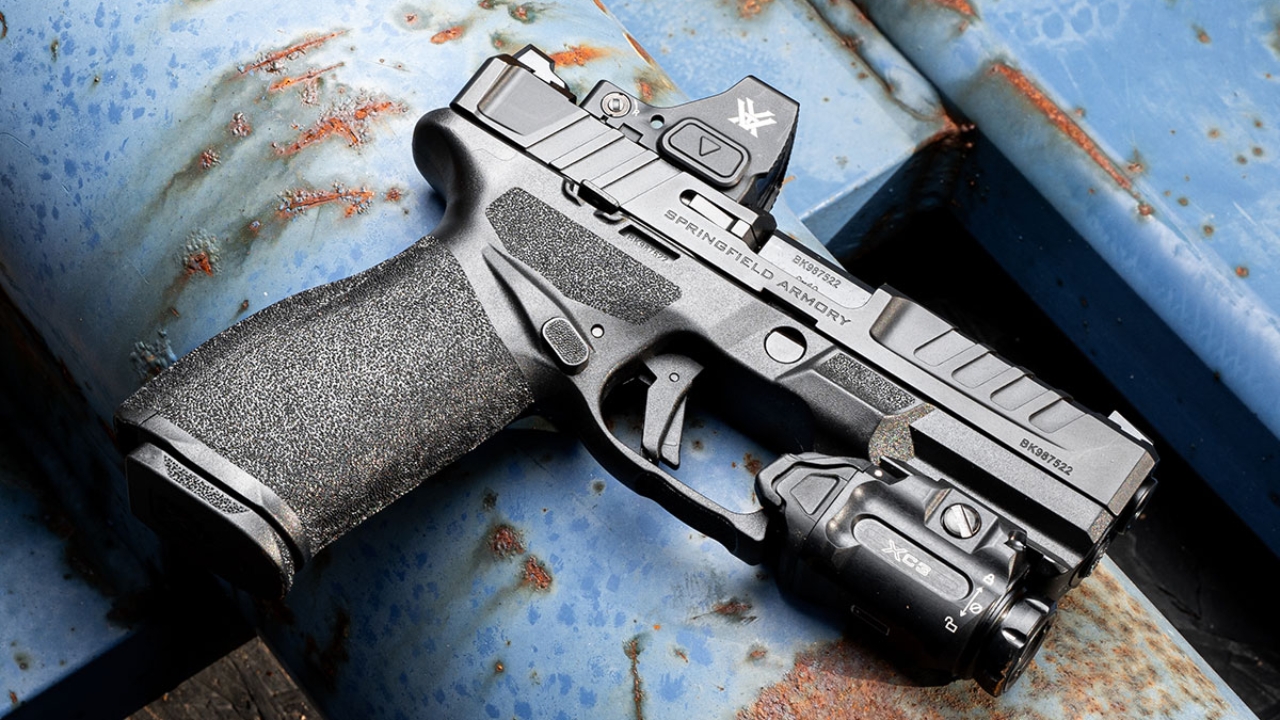
The Echelon made a lot of shooters second-guess their usual duty-pistol picks. At first glance, it looked like Springfield was just entering another crowded striker-fired fight. Then people started handling the optic system, grip modules, and overall layout.
The pistol shoots flatter than some expected, and the mounting system feels like Springfield actually listened to what red-dot users complain about. It does not make Glocks, M&Ps, or Walthers useless, but it does make buyers ask a fair question: if a newer pistol gives you this much out of the box, why stay loyal by habit?
Smith & Wesson M&P Shield Plus

The Shield Plus made a lot of original Shield owners rethink what they were carrying. The old Shield was already trusted, slim, and easy to live with, so plenty of people felt no need to move on. Then the Plus showed up with better capacity and a much better trigger.
That changed the math. It still carried like a Shield, but it no longer felt behind the newer micro-compacts. Buyers who had been looking hard at the P365 or Hellcat suddenly had a reason to stay with Smith & Wesson. It made the old single-stack carry gun feel dated almost overnight.
SIG Sauer P365 XMacro

The P365 XMacro made buyers question what a carry pistol could be. It gave shooters high capacity, a slim profile, optics readiness, and a grip that felt closer to a compact duty gun than a tiny micro 9mm. That combination hit hard.
A lot of people who normally carried Glock 19-sized pistols started wondering if they still needed that much bulk. The XMacro is not perfect for every hand, and some shooters still prefer a thicker compact. But it forced the conversation. A smaller pistol with real capacity and good shootability makes older carry categories feel less clear.
Glock 47 MOS
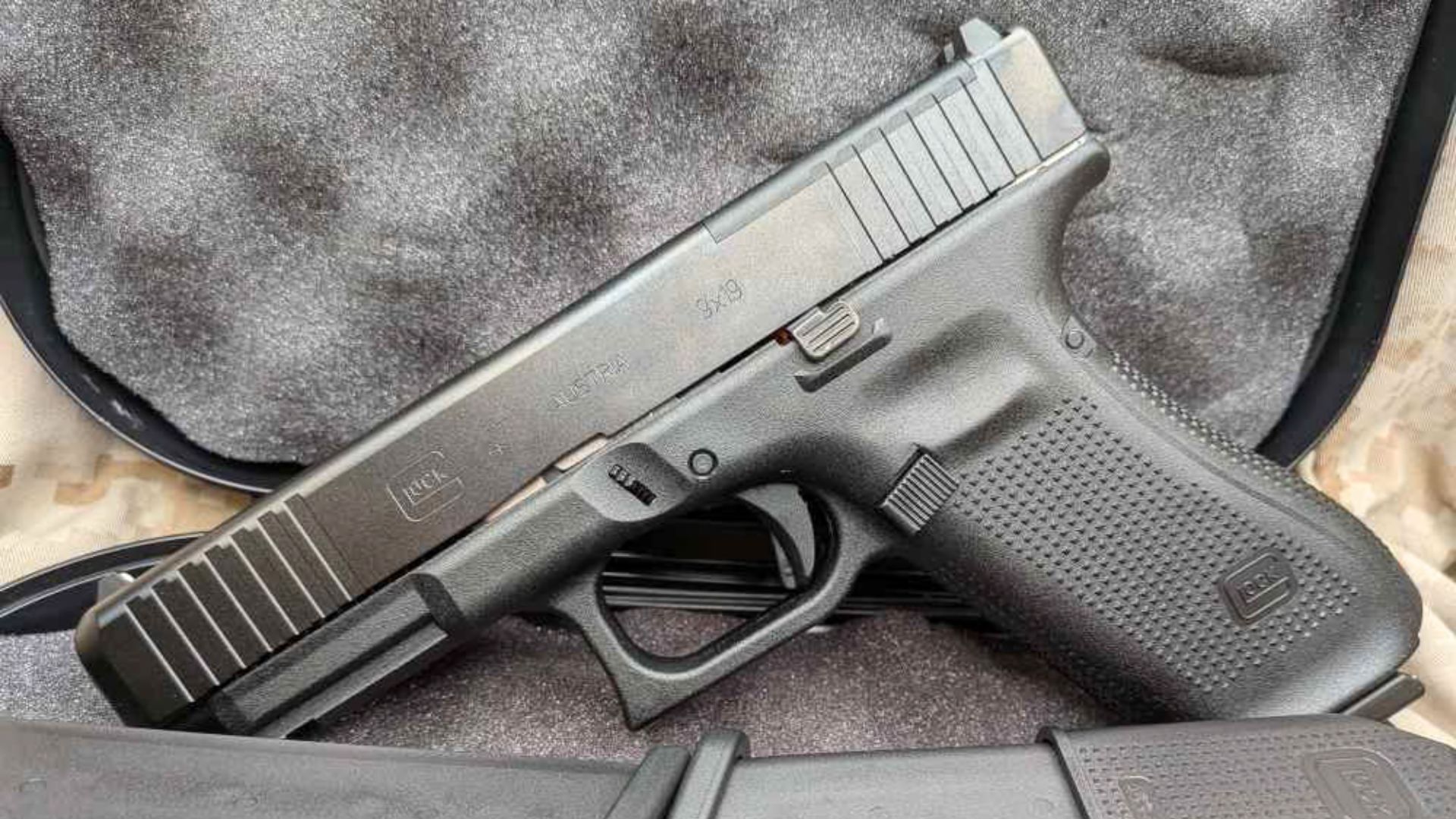
The Glock 47 MOS confused some buyers at first because it looked like Glock was slicing its lineup too thin. Another full-size 9mm with parts compatibility did not sound exciting on paper. It was easy to shrug at it as another Glock that looked like every other Glock.
Then people realized the modularity actually mattered. Being able to share parts with the Glock 19 Gen 5 and swap slides and frames gives it more practical flexibility than the model number suggests. It made some buyers second-guess whether they needed a 17, 45, or 19 setup when the 47 could cover more ground.
Canik Mete MC9
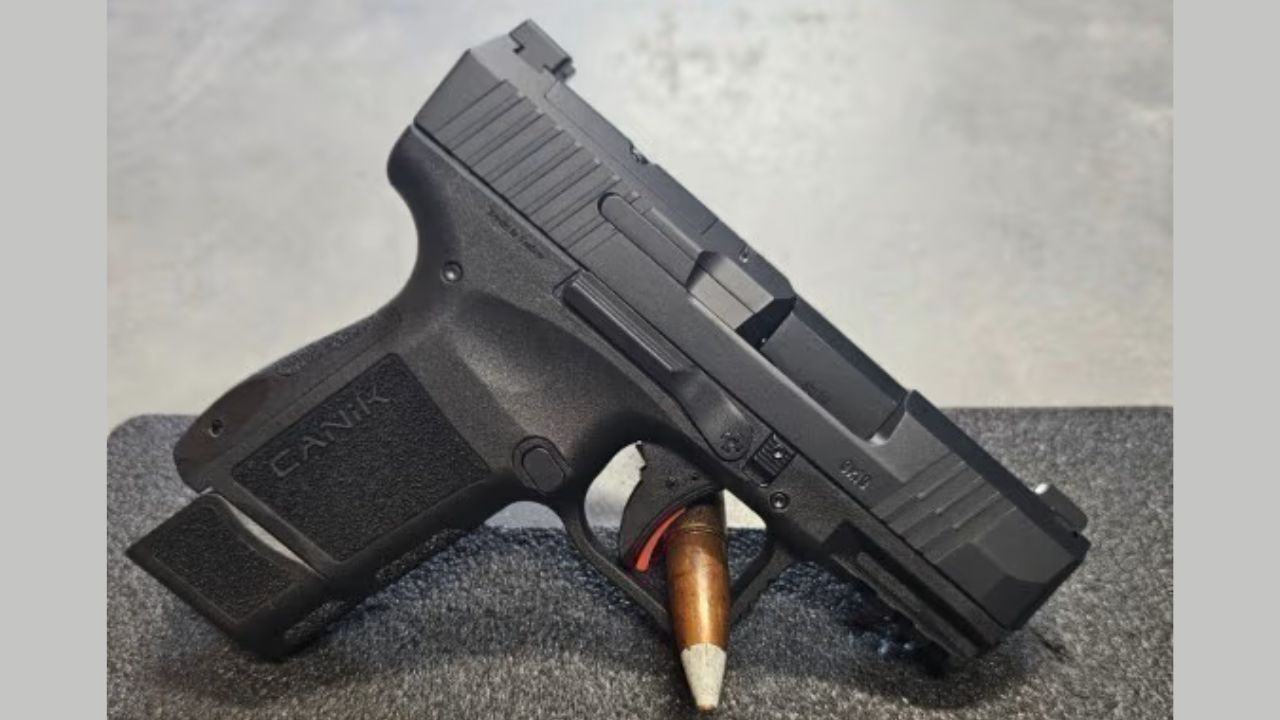
The Canik Mete MC9 made budget-minded buyers think twice about spending more on a micro-compact. Canik already had a reputation for strong triggers, but shrinking that into a carry-size pistol gave shooters something interesting. It looked like a lot of gun for the money.
The early conversation was not all smooth, and some buyers watched reliability chatter closely. Still, the MC9 made people question why tiny carry guns had to cost so much. When a pistol brings good ergonomics, decent sights, optic readiness, and a Canik-style trigger at a lower price, it forces buyers to compare harder.
FN Reflex

The FN Reflex made buyers second-guess the idea that every modern micro 9mm had to be striker-fired. FN went with an internal hammer system, and that alone gave the Reflex a different feel in a market full of similar tiny pistols.
For some shooters, the trigger and carry size made the pistol more appealing than expected. For others, the crowded market made them wonder if FN waited too long. Either way, the Reflex made buyers pause. It showed there was still room for a small carry pistol to feel different without turning into a gimmick.
Taurus GX4 Carry

The GX4 Carry made people rethink Taurus’s place in the modern carry market. Taurus used to be easy for gun snobs to dismiss, but the GX4 line has made that harder. The Carry version adds a longer grip, more capacity, and a more shootable setup while staying affordable.
It made some buyers question whether they needed to spend Shield Plus or P365 money to get a serious carry gun. Taurus still has to fight old reputation baggage, but the GX4 Carry gives practical shooters a real reason to look twice. For the price, it is harder to ignore than many expected.
Walther PDP Compact

The Walther PDP Compact made shooters second-guess what they expected from a striker-fired trigger. Walther already had goodwill from the PPQ, but the PDP brought a more modern optics-ready setup, aggressive grip texture, and a trigger that still stood out.
The debate usually comes down to recoil feel. Some shooters love the way the PDP runs, while others think it is snappier than it should be. But even critics usually notice the trigger and ergonomics. It makes buyers compare other polymer pistols more carefully, especially if they care about how a gun feels during actual drills.
Beretta 80X Cheetah
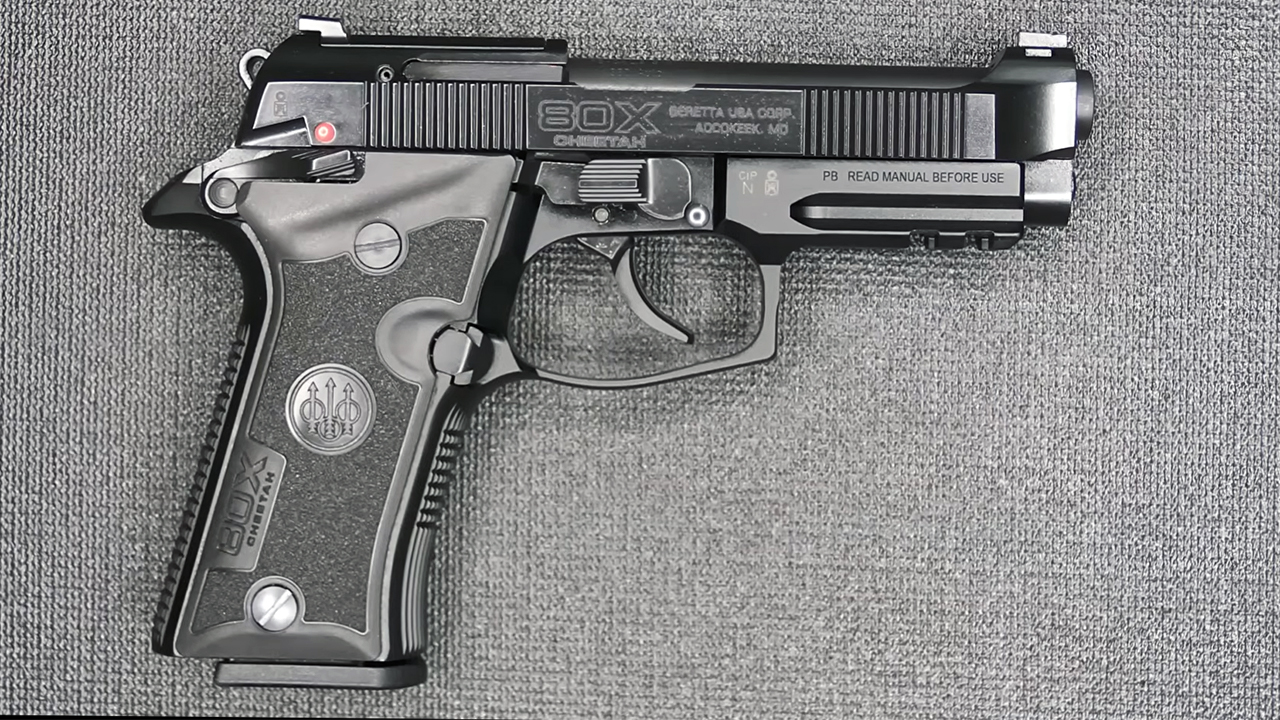
The Beretta 80X Cheetah made buyers second-guess whether the .380 pistol was really dead as a serious category. It is not cheap, and it is not as small as many pocket .380s, but that is part of the point. It feels like a real pistol instead of a tiny compromise.
Shooters who hate snappy micro 9mms suddenly had a softer, classier option with modern touches. The 80X does not make sense for everyone, especially if cost and caliber are the main concerns. But for people who value shootability and comfort, it made them wonder why they had been forcing themselves into smaller, harsher guns.
CZ Shadow 2 Compact
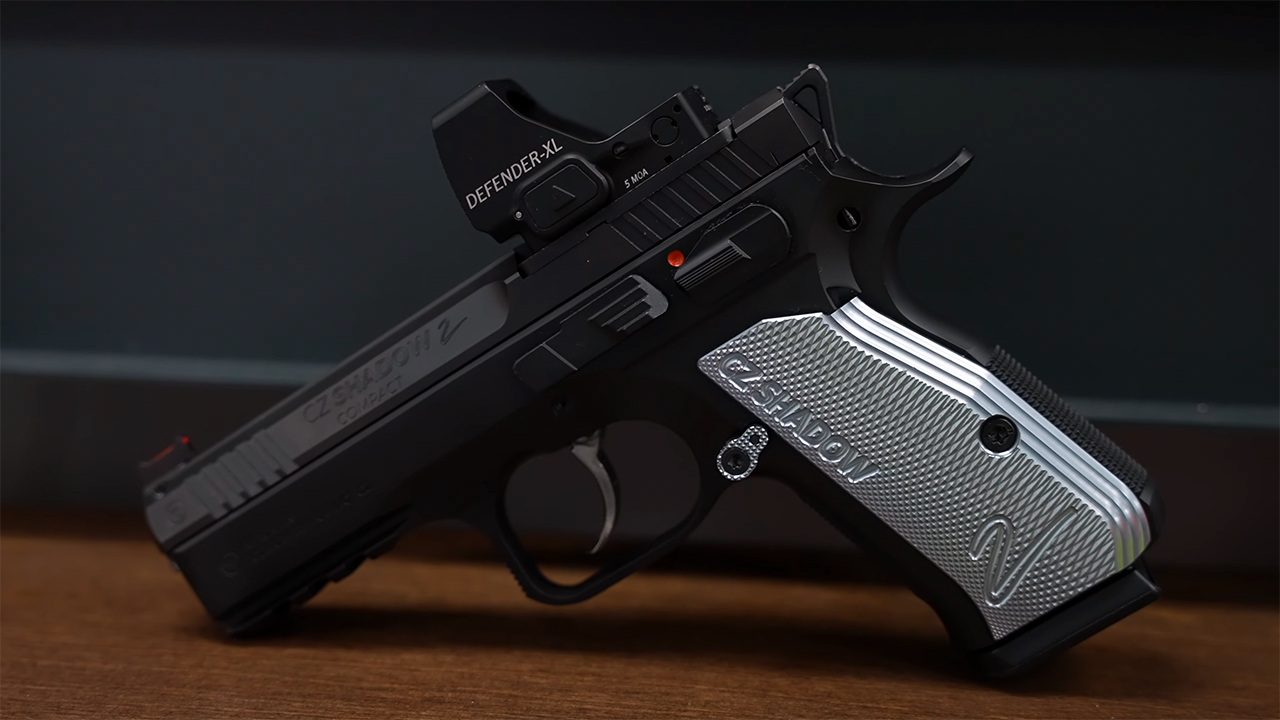
The Shadow 2 Compact made a lot of buyers second-guess the line between carry gun and range gun. It brought serious CZ handling, metal-frame weight, and excellent shootability into a smaller package. For shooters who love DA/SA pistols, it was hard not to pay attention.
The question is whether it is too heavy, too expensive, or too competition-minded for normal carry. Some buyers decided it was worth it. Others realized their lighter compact pistol made more daily sense. Either way, the gun forced the conversation. It made people ask how much shootability they were willing to carry.
Ruger Security-380
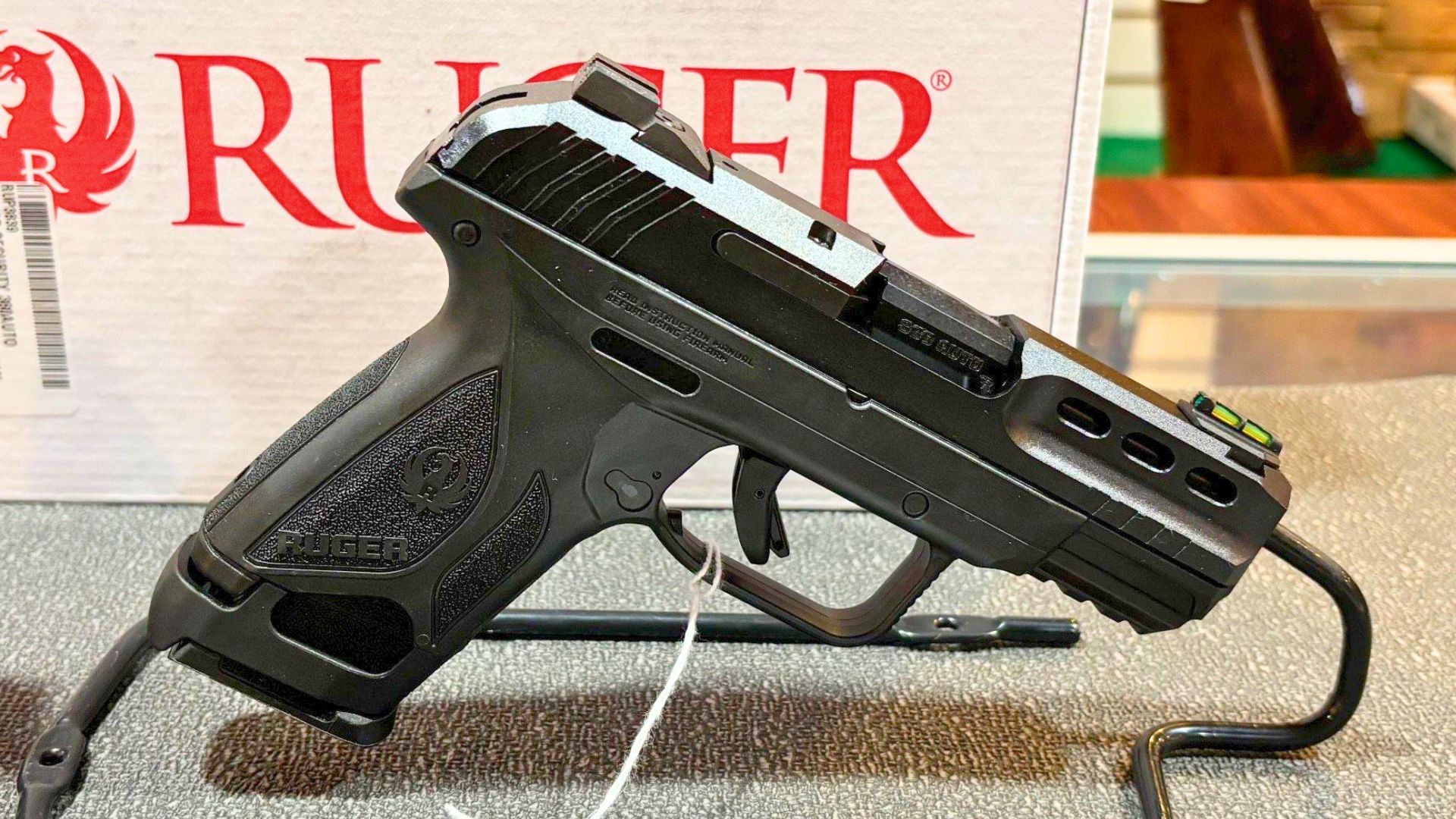
The Security-380 made buyers second-guess the assumption that every defensive pistol needs to be a 9mm. For newer shooters, recoil-sensitive shooters, or anyone who struggles with stiff slides, it offered a more approachable option than many tiny carry guns.
It is bigger than some expect for a .380, and that is where the debate starts. Some buyers see that as a downside. Others see it as the reason the pistol shoots comfortably. The Security-380 makes people rethink the balance between power, control, and confidence. A gun you can actually shoot well has a strong argument.
SIG Sauer P322

The P322 made rimfire buyers second-guess what a modern .22 pistol should offer. High capacity, optic readiness, a threaded barrel, and familiar SIG styling made it look like an easy training and range gun. On paper, it checked a lot of boxes.
Rimfire pistols always come with ammo sensitivity questions, and the P322 is not immune to that conversation. Still, the feature set made older .22 pistols feel basic. For shooters who want cheap practice with modern controls and red-dot compatibility, the P322 made them wonder why rimfire pistols had been so slow to catch up.
Kimber R7 Mako

The Kimber R7 Mako made buyers second-guess Kimber in two different directions. Some looked at it and thought Kimber was finally getting serious about modern carry pistols. Others handled it and wondered if the company had made something too strange for a crowded market.
The enclosed-style optic cut was interesting, and the pistol definitely did not look like every other micro 9mm. But different is risky. For some buyers, the Mako felt like a fresh idea. For others, it made the proven choices look safer. Either way, it forced people to ask whether they wanted innovation or confidence.
Springfield Armory Hellcat Pro

The Hellcat Pro made buyers rethink the space between micro-compact and compact carry guns. It gave shooters more grip, more sight radius, and better control than the original Hellcat without becoming a full-size pistol. That hit a useful middle ground.
A lot of people who struggled with tiny carry guns found the Pro easier to shoot, while still being easy enough to conceal. It also made some buyers question whether they needed to carry something as large as a Glock 19. The Hellcat Pro did not reinvent the handgun, but it cleaned up a real carry-size problem.
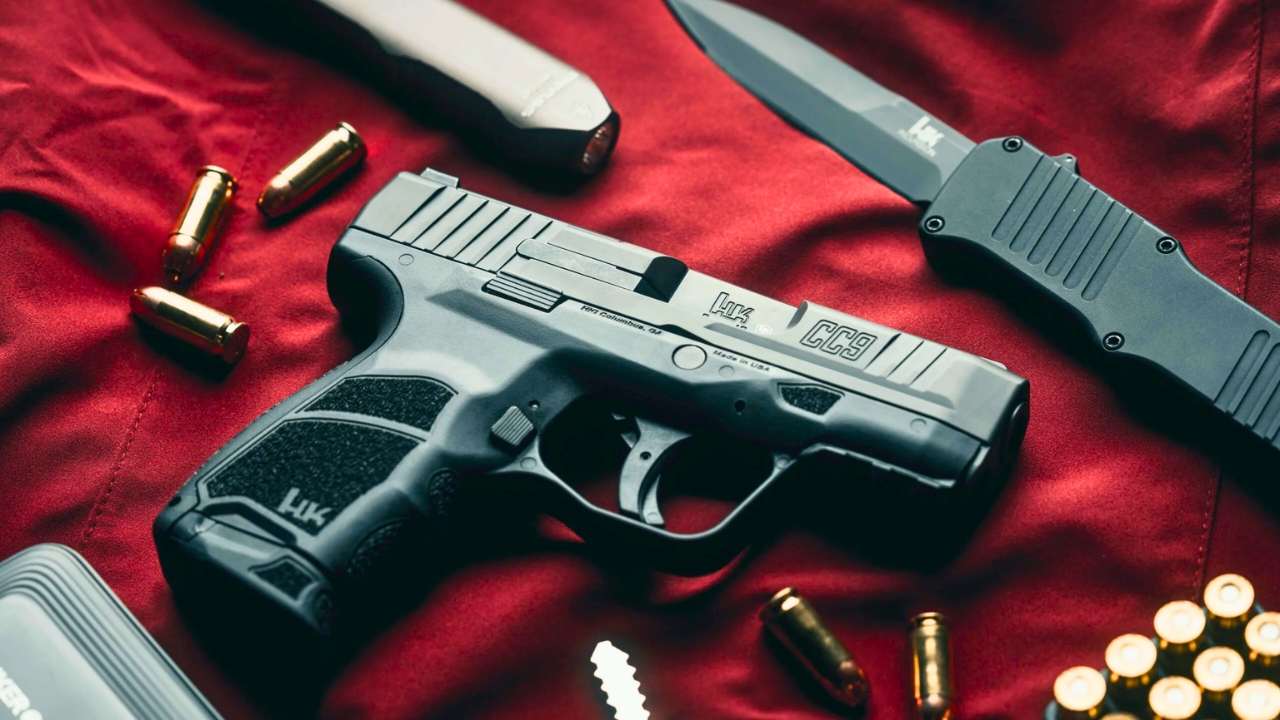
H&K CC9

The H&K CC9 made buyers second-guess what they expected from HK. For years, people complained that HK did not have a true modern micro-compact carry pistol. When the CC9 arrived, the question shifted from “why won’t HK build one?” to “did HK wait too long?”
That is what makes it interesting. It brings HK into a market already packed with proven options, so it has to win on feel, reliability, and trust rather than novelty. Some buyers will like the HK approach. Others will wonder why they should switch from pistols they already know. Either way, the CC9 changed the conversation around HK carry guns.
Like The Avid Outdoorsman’s content? Subscribe to our newsletter so you never miss an article.
Here’s more from us: