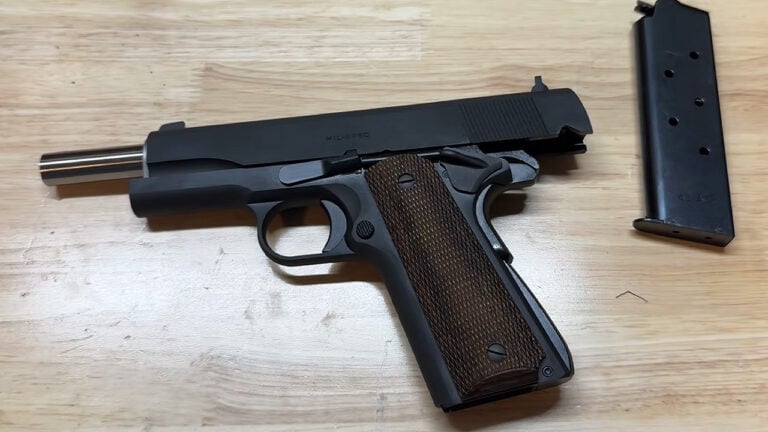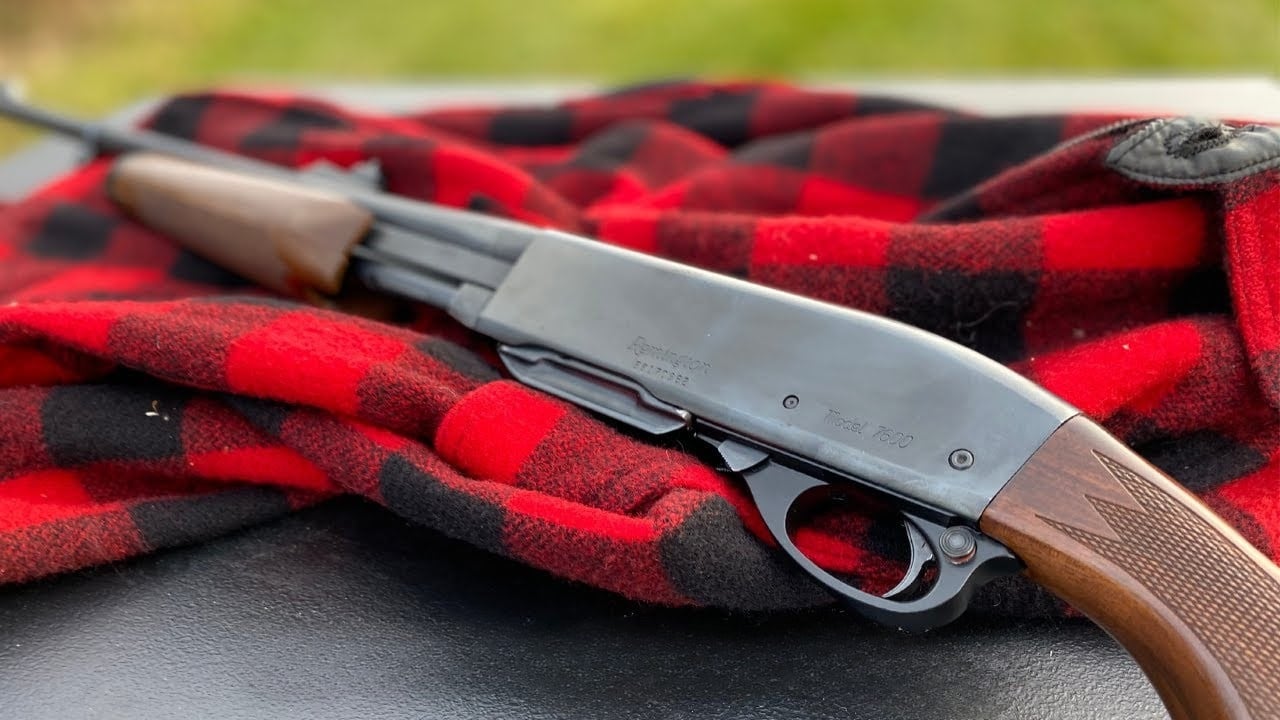
Photo credit: Maine Outdoor Enthusiast/YouTube
Some rifles do not look special when they are sitting in the rack. Plain walnut, dull synthetic stocks, basic bluing, no giant bolt knob, no carbon barrel, no fancy camo, and no tactical attitude. They just look like ordinary hunting rifles from another season.
Then they disappear, get discontinued, get replaced by cheaper versions, or become harder to find in clean shape. That is when hunters start realizing boring was not always bad. A lot of those plain rifles carried better, shot better, and handled real hunting better than the flashier guns that replaced them.
Remington 700 Mountain Rifle

The Remington 700 Mountain Rifle never looked like much to people chasing heavy barrels and long-range stocks. It was trim, plain, and built more for carrying than bragging. In a gun shop rack, it could almost disappear beside bigger, louder-looking rifles.
Hunters started missing it once they realized how useful a light, clean-handling rifle really was. It came up fast, carried well, and felt right for deer, elk, and mountain hunts where ounces mattered. Plenty of newer rifles have more features, but not all of them have the same easy field balance.
Ruger M77 Ultralight
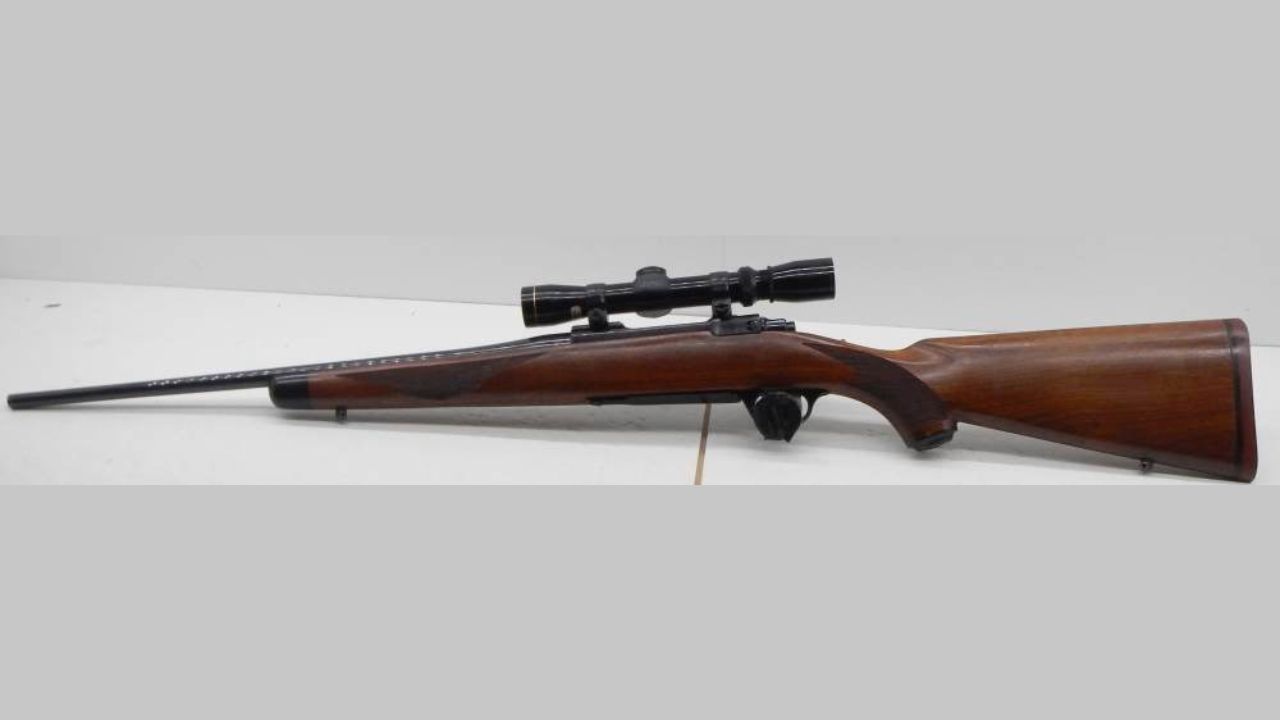
The Ruger M77 Ultralight was never flashy. It looked like a shortened, lighter version of a traditional bolt gun, which made some hunters see it as plain or even a little odd. It did not have the long-range look that later became popular.
But in the woods, the little M77 made sense. It was handy in tight cover, easy to carry all day, and still chambered in useful hunting rounds. Hunters who sold them often realized later that compact, well-built bolt guns are not as common as they should be.
Browning A-Bolt Hunter
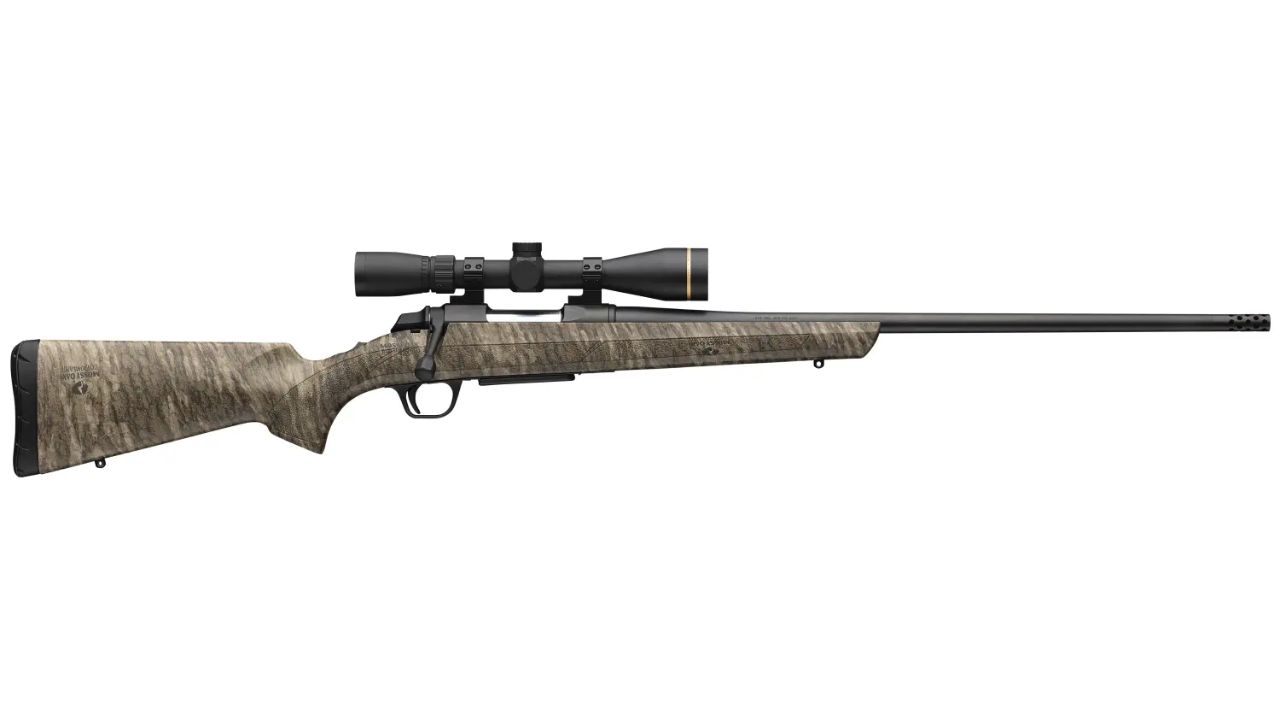
The Browning A-Bolt Hunter looked like a normal deer rifle because that is exactly what it was. It did not need an aggressive stock shape or heavy tactical styling. It was smooth, practical, and easy to overlook if a hunter wanted something that looked more modern.
Years later, a lot of hunters miss that kind of rifle. The A-Bolt had a slick action, good accuracy reputation, and a lighter feel than many current rifles. It was not trying to be everything. It was just a clean hunting rifle that did its job well.
Winchester Model 70 Classic Featherweight
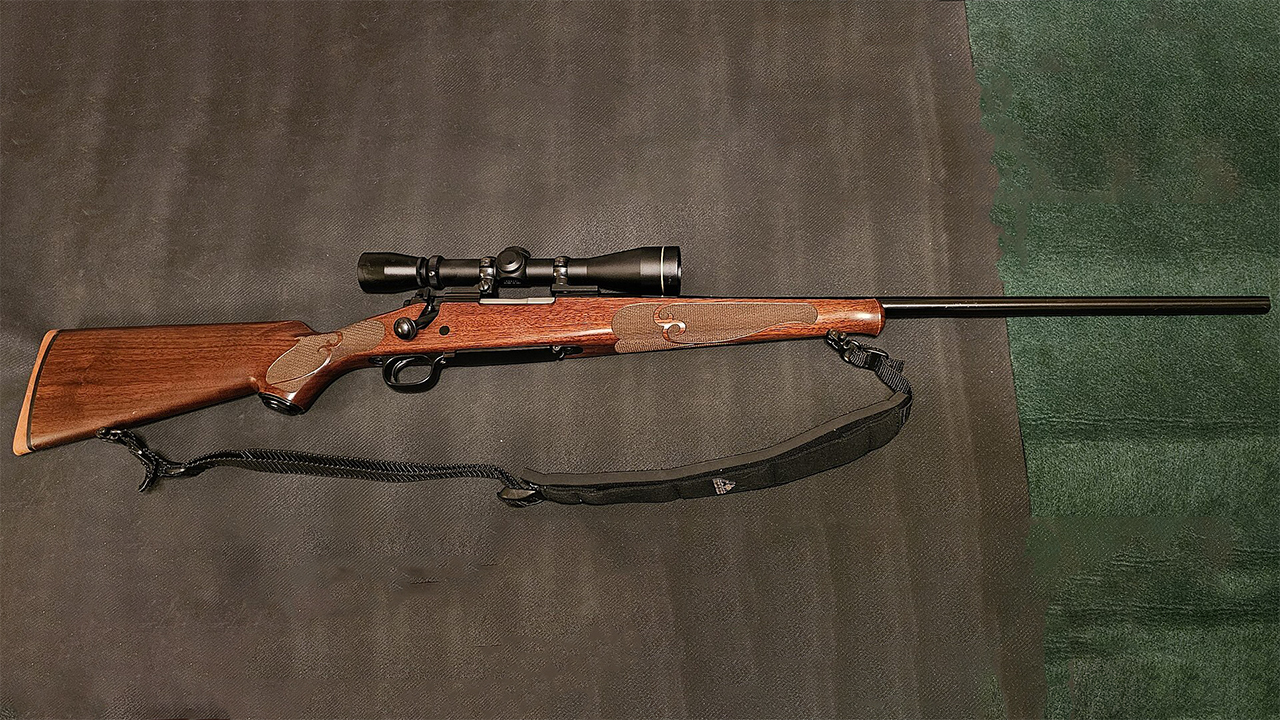
The Winchester Model 70 Classic Featherweight was never boring to serious rifle people, but plenty of casual buyers walked past it when synthetic rifles and cheaper bolt guns started taking over. It looked traditional, maybe even old-fashioned.
That is exactly why hunters miss it now. Controlled-round feed, good handling, classic lines, and real field usefulness made it more than a pretty rifle. The Featherweight was light enough to carry but still felt like a proper hunting rifle. That balance is harder to replace than people expected.
Remington Model Seven

The Remington Model Seven was easy to overlook because it looked like a smaller 700. Some hunters treated it like a youth rifle or a compact backup instead of a serious hunting tool. That was a mistake.
The Model Seven was one of the handiest deer rifles Remington ever made. In woods country, box blinds, creek bottoms, and short walks to a stand, it made more sense than a full-size rifle. Hunters who let one go often miss how quick and natural it felt.
Marlin XS7
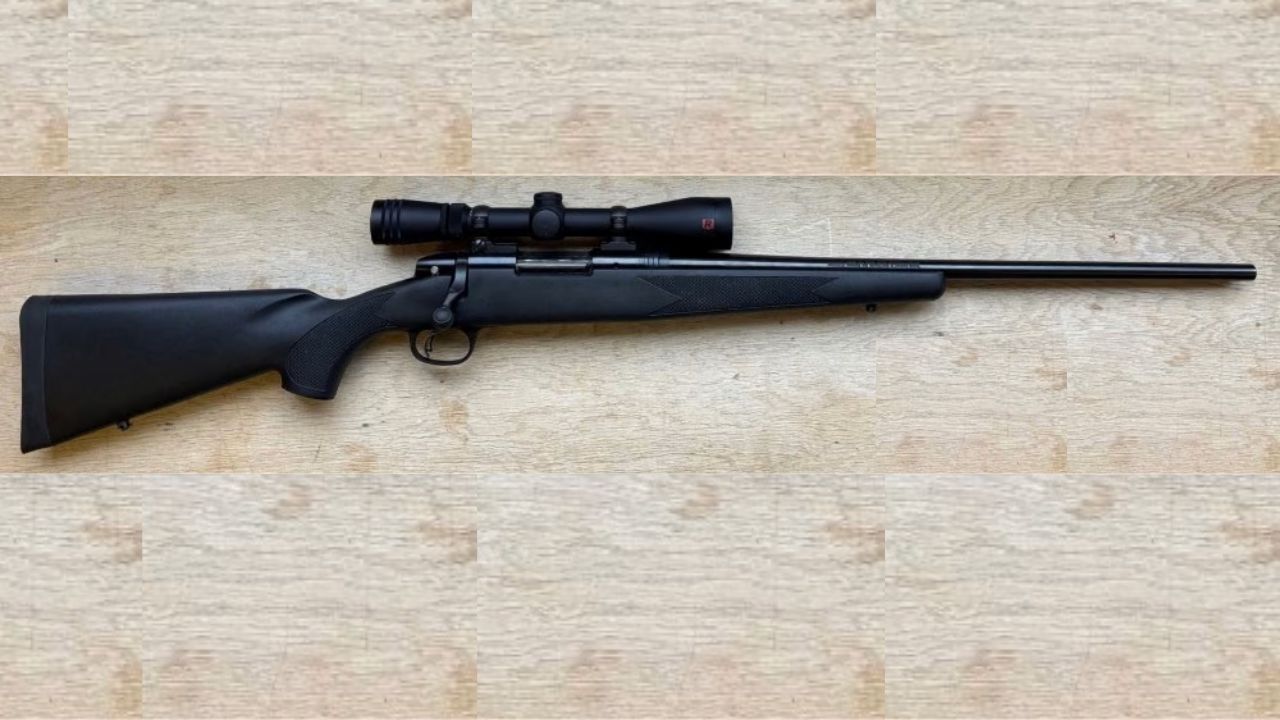
The Marlin XS7 looked like a budget bolt gun because that is what it was. It did not have prestige, fancy wood, or a famous long-running bolt-action name behind it. A lot of hunters ignored it as just another cheap rifle.
Then people started remembering that many of them shot surprisingly well. The XS7 was affordable, light enough for hunting, and more capable than its price suggested. It did not last long enough to become a household name, but the hunters who owned good ones know why it is missed.
T/C Venture
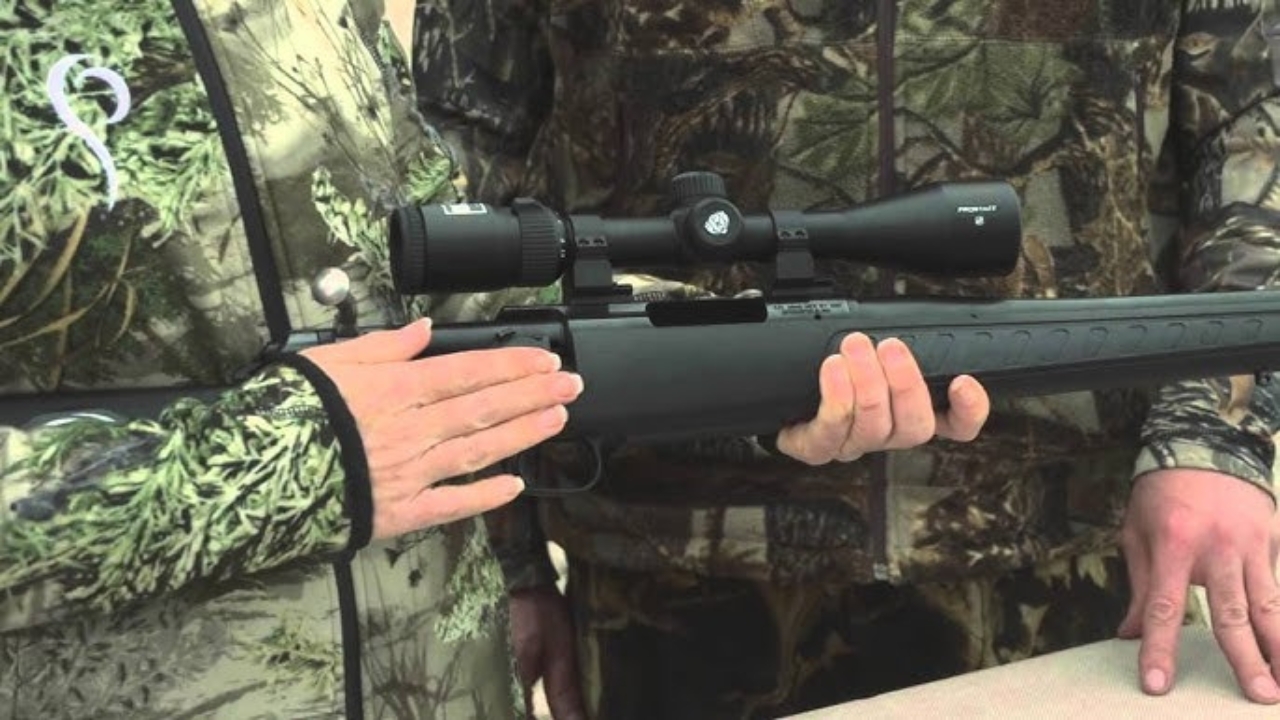
The Thompson/Center Venture was not exciting on the shelf. It looked like a basic synthetic-stock bolt gun in a world already full of basic synthetic-stock bolt guns. Nothing about it screamed future classic.
But it earned respect by shooting well and doing normal hunting work without much fuss. A lot of hunters bought them as practical rifles, then realized later that T/C centerfire bolt guns were not going to be around forever. What once looked ordinary now feels like something worth holding onto.
T/C Icon

The T/C Icon was more interesting than it looked, but it still never got the attention it deserved. It had clean styling, good build quality, and a more refined feel than many people expected from Thompson/Center.
The problem was timing and brand perception. Hunters did not always know what to make of it, and it never became a standard recommendation. Now it stands out as one of those rifles people wish they had appreciated sooner. It was not loud, but it was a very serious hunting rifle.
Savage 99

The Savage 99 looked plain to people raised on bolt guns and modern lever rifles. It did not have the cowboy look of a Winchester 94 or the sleek profile of a new mountain rifle. For years, many were treated like old deer-camp tools.
Hunters started missing them when they realized how clever the design really was. A lever-action rifle that could use pointed bullets and serious hunting cartridges still makes sense. The 99 was useful in a way that modern rifles rarely copy, and clean ones are no longer casual finds.
Remington 7600

The Remington 7600 looked like a pump rifle from another era. To hunters outside the regions where pump rifles were loved, it often seemed odd or unnecessary. Why use a pump when bolt guns were everywhere?
The answer was speed and familiarity. For deer drives, thick woods, and hunters raised on pump shotguns, the 7600 made perfect sense. It carried well, pointed naturally, and gave fast follow-ups in real rifle chamberings. Hunters who sold them often miss that unique feel.
Remington 7400
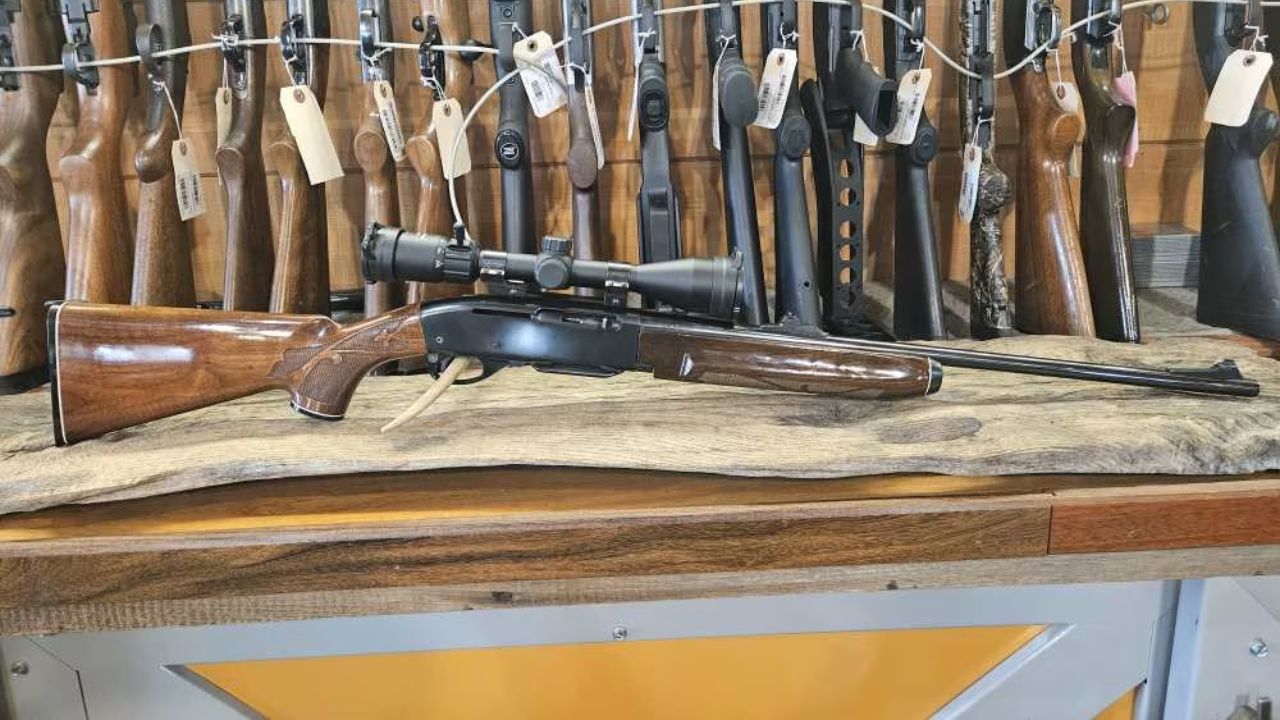
The Remington 7400 was never treated like a refined classic. It looked like a plain semi-auto deer rifle, and plenty of hunters saw it as just another wood-stocked hunting gun from the rack.
Now some hunters miss what it represented. A semi-auto .30-06, .270, or .308 hunting rifle with traditional lines is not as common as it used to be. The 7400 was not perfect, and condition matters, but for hunters who had a reliable one, it filled a role they have trouble replacing.
Winchester Model 88
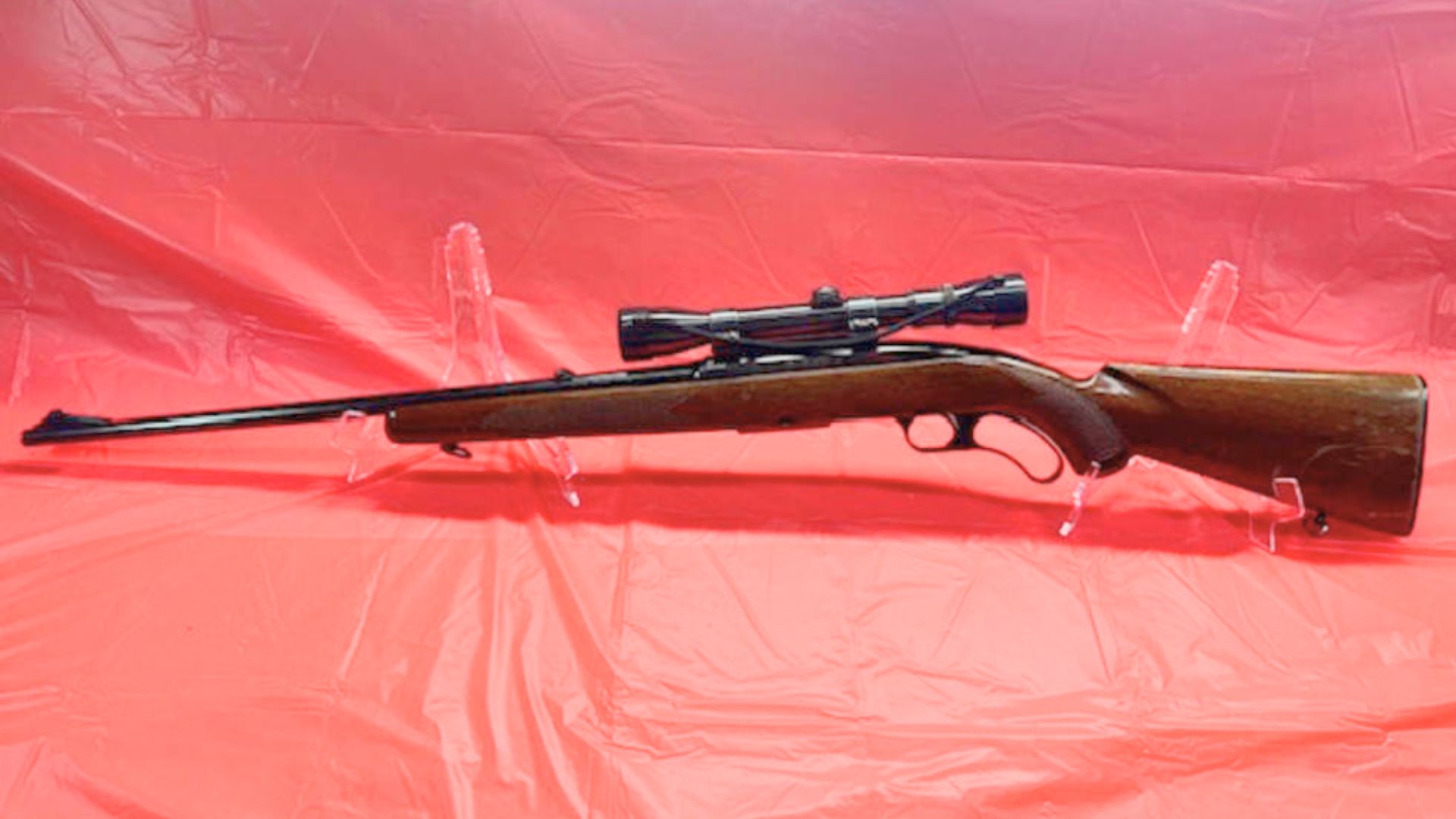
The Winchester Model 88 looked understated compared with classic tube-fed lever guns. It did not have the same old West identity, and its box-magazine design made it seem almost too modern for lever-gun fans and too old-fashioned for bolt-gun fans.
That awkward middle ground is why hunters miss it now. It gave lever-action handling with cartridges like .308 Winchester and .243 Winchester. It was quick, practical, and different. Once gone, hunters realized there were not many rifles that did the same thing.
Browning BLR Lightweight

The Browning BLR Lightweight never looked radical, but it quietly solved a real problem. It gave hunters a lever-action rifle chambered for modern pointed-bullet cartridges while still feeling fairly slim and field-ready.
Some hunters ignored it because it was not cheap and did not have the nostalgic look of older lever guns. But those who used one often understood the appeal. A BLR in .308, 7mm-08, .243, or .358 Winchester can still do serious work. It looked plain until people realized how rare that combination was.
Ruger No. 1
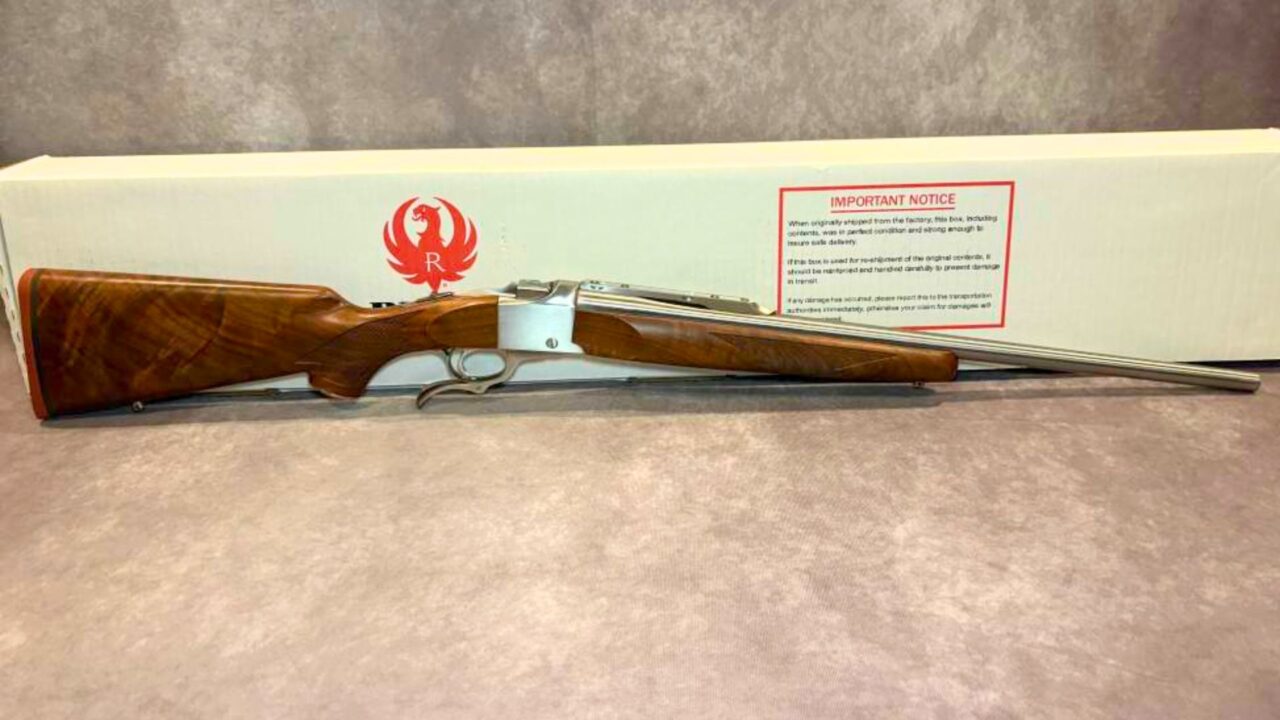
The Ruger No. 1 looked too simple for hunters who wanted capacity and fast follow-up shots. A single-shot rifle seemed old-fashioned, especially as bolt guns and semi-autos dominated the hunting conversation.
Then people started missing the craftsmanship, strength, and chambering variety. The No. 1 was never for everyone, but it had character without being fragile. It made hunters slow down and make the first shot count. That kind of rifle feels more special now than it did when new ones were easier to find.
H&R Handi-Rifle

The H&R Handi-Rifle looked cheap because it was cheap. It was a break-action single-shot with basic furniture and no fancy features. A lot of hunters treated it like a youth gun, truck gun, or loaner rifle instead of something worth keeping.
Now those same hunters miss how useful it was. A Handi-Rifle in .243, .30-30, .45-70, .357 Magnum, .44 Magnum, or .500 S&W filled practical roles without drama. It was simple, safe, compact, and rugged enough for rough use. Boring turned out to be the whole advantage.
NEF Ultra Slug Hunter

The NEF Ultra Slug Hunter looked like a heavy single-shot slug gun and not much else. It was not elegant, fast, or fancy. In many racks, it looked like a working tool for hunters stuck in shotgun-only areas.
That is exactly why people miss it. For deer hunters in slug states, it could be accurate, affordable, and dependable. It did one job well without pretending to be versatile. Once straight-wall rifles and newer slug guns took over, a lot of hunters realized the Ultra Slug Hunter had been a very useful plain gun.
Marlin 1894 .44 Magnum

The Marlin 1894 in .44 Magnum looked like a normal little lever gun for years. It was not as famous as the .30-30 rifles and not as cheap to shoot as a .22. Some hunters saw it as a niche carbine.
Then pistol-caliber lever guns became harder to find and more expensive. Hunters started missing how handy the .44 Magnum 1894 was for thick woods, hogs, deer at close range, and general farm use. It was compact, quick, and useful in places where a full-size rifle felt like too much.
Ruger 77/44

The Ruger 77/44 looked plain enough that many hunters did not know what to do with it. A bolt-action .44 Magnum rifle seemed odd if you already had a lever gun or a traditional deer rifle.
But for close-range deer, hogs, and suppressed or compact setups, it made real sense. It was light, handy, and chambered in a round that hit harder from a rifle than many expected. The 77/44 was easy to ignore until hunters started wanting exactly that kind of short-range utility rifle.
CZ 527 Carbine

The CZ 527 Carbine looked small, plain, and maybe a little quirky. Chamberings like 7.62x39mm made some hunters dismiss it as a novelty rather than a serious woods rifle.
That changed when people realized how handy and accurate many of them were. A light bolt-action carbine in 7.62×39, .223, or similar chamberings made sense for deer where legal, hogs, coyotes, and general field use. Once CZ moved away from the 527, hunters started missing its mini-Mauser feel fast.
Sako Finnlight
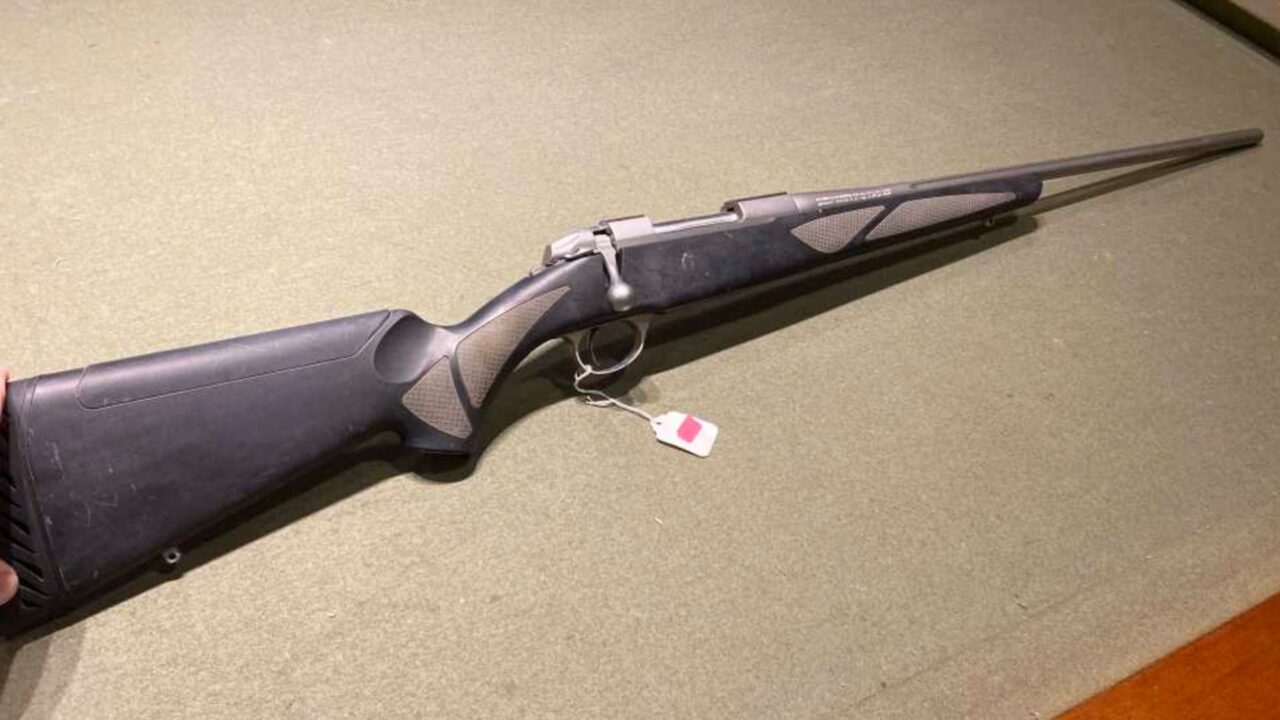
The Sako Finnlight did not look dramatic compared with today’s carbon-heavy mountain rifles. It was clean, practical, and understated. Some hunters looked at the price and wondered why it did not look more exciting.
The answer was in the field. It was light, accurate, smooth, and built with a level of refinement hunters noticed after carrying it. The Finnlight looked plain because it did not need fake excitement. Hunters who moved one along often realized later that quiet quality is hard to replace.
Like The Avid Outdoorsman’s content? Subscribe to our newsletter so you never miss an article.
Here’s more from us: