Photo credit: harley45acp/YouTube
A lot of pistols “shoot great” on a calm bench or slow-fire lane. Then you put a timer on it, start drawing from concealment, and suddenly that same gun feels twitchy, the sights bounce, and your groups turn into patterns. Sometimes that’s purely shooter skill. But sometimes the gun’s design choices—trigger behavior, grip shape, recoil impulse, sight system, and even controls—make it harder to run fast and clean under pressure. This list isn’t “these guns are bad.” It’s “these guns have traits that can punish you when you’re trying to shoot like it matters.” Here are 15 specific pistols that can shoot tight slow-fire groups but often get harder to run well once stress and speed show up.
Springfield Hellcat

The Hellcat can be very accurate, but under speed it punishes grip inconsistency. It’s a small, snappy package, and when you’re drawing fast or shooting fast strings, a tiny change in support-hand clamp can make the gun track differently shot to shot. Slow fire, you can stack shots because you’re managing recoil deliberately. Under pressure, the short grip and recoil feel can make follow-ups drift or drop low if you start “driving” the muzzle down. The trigger is usable, but it’s not always the easiest to run clean under stress for every shooter. It’s a good carry gun, but it’s a gun that rewards real reps. If you don’t practice fast presentations and recoil control, it’ll make you think you “lost accuracy” when you really lost consistency.
SIG P365 (standard and XL)

The P365 family shoots well for its size, but it’s another gun that gets exposed when your grip is less than perfect. Under pressure, people tend to clamp harder, and the gun can track differently depending on your hand size and how high you ride the grip. The trigger is generally decent, but fast shooting can reveal “pre-travel slop” habits where you start slapping through the wall instead of pressing clean. The standard P365, in particular, can feel more lively in recoil than people expect, and that liveliness shows up when you’re trying to shoot tight splits while still calling shots. It’s not that the pistol is inaccurate—it’s that the short sight radius, small grip, and quick recoil cycle demand solid fundamentals. It’s a great platform, but it’s not a cheat code.
Glock 43X / Glock 48

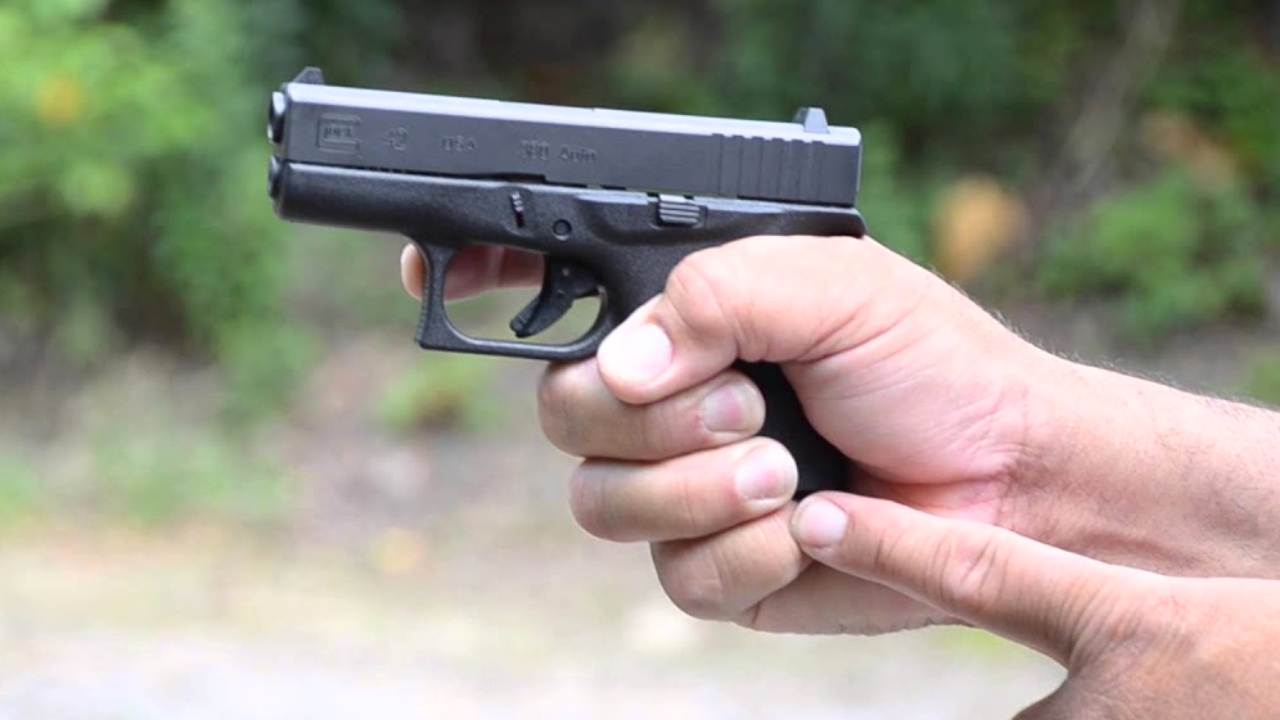
These Glocks can print great groups slow fire. Under pressure, what bites people is the combination of slim grip, lighter overall feel, and the way some shooters interact with Glock triggers when they speed up. If you’re even slightly sloppy on trigger press, the gun will show it as lateral spread. If your support-hand pressure shifts, the gun’s return can vary. The 48’s longer slide can help tracking, but it’s still a slim gun that doesn’t mask mistakes the way a heavier compact does. Another common issue under pressure is “dot hunting” if you’re running an optic on a narrow slide and your presentation isn’t consistent. None of this means the gun is bad. It means it’s honest. A Glock slimline will tell you exactly what you’re doing wrong, and it tends to do it faster once a timer is involved.
Smith & Wesson M&P Shield Plus

Shield Plus is a strong carry gun, and it’ll shoot. Under pressure, it can become a grip and recoil management test depending on the shooter’s hand size. The grip shape is comfortable, but the small footprint can make it feel like it’s moving around in your hands when you start ripping faster strings. The trigger is better than older Shields, but it’s still easy to “outrun” your own trigger press when you’re trying to go fast, especially if you’re not letting reset do its job. The gun can also be sensitive to how hard you clamp it—some shooters get more muzzle dip when they get aggressive. Slow fire hides that. Pressure exposes it. It’s a solid pistol, but it’s not as forgiving as a heavier compact when you start pushing tempo.
Ruger LCP Max

The LCP Max is a pocket gun that shoots better than it has any right to, but it’s still a pocket gun. Slow fire, you can keep it respectable. Under pressure, it becomes a tiny-handled, short-sighted pistol that punishes any flinch or trigger slap. The trigger on small guns can feel “long,” and long triggers under speed often make people yank. Also, recoil in a gun this light is always going to be more abrupt than people think—even in .380. Under stress, that abrupt recoil can make you lose your grip position shot to shot. That’s why people carry it for convenience and then quietly stop practicing with it. It’s not because it’s inaccurate. It’s because it’s hard to run fast and tight without real dedication. It’ll do the job, but it demands respect.
Kimber Micro 9

Micro 9s can be accurate, but they’re small, and small guns magnify pressure mistakes. Under speed, you can end up fighting the grip safety/controls and dealing with a recoil impulse that feels sharper than people expect for 9mm because the gun is so light. The short grip can also make consistent hand placement harder when you’re drawing fast from concealment. Slow fire, you can take your time and press clean. Under pressure, the combination of short sight picture, small controls, and “don’t mess up the press” trigger behavior can open groups fast. These guns often end up being carried because they look great and feel nice in hand at the counter. Then people realize they’re more finicky to run well under stress than a slightly larger polymer compact. That difference shows up the moment you push speed.
Walther PPS M2

The PPS M2 is accurate and feels good in the hand, but under pressure its slim profile can make recoil feel more pronounced, especially with hotter loads. The trigger is usually solid, but a good trigger can actually trick people into going too fast before their grip and sights are ready. That’s when shots start stringing because you’re outrunning your sight picture. The PPS also has that “single-stack” style handling where the gun feels great for carry and great for slow drills, but it doesn’t give you the same recoil stability as a thicker compact. If you’re running it hard, you need a very consistent support-hand clamp and a draw that puts your hands in the same place every time. If you don’t, the gun’s accuracy on paper won’t carry over to speed the way you want.
Beretta Nano
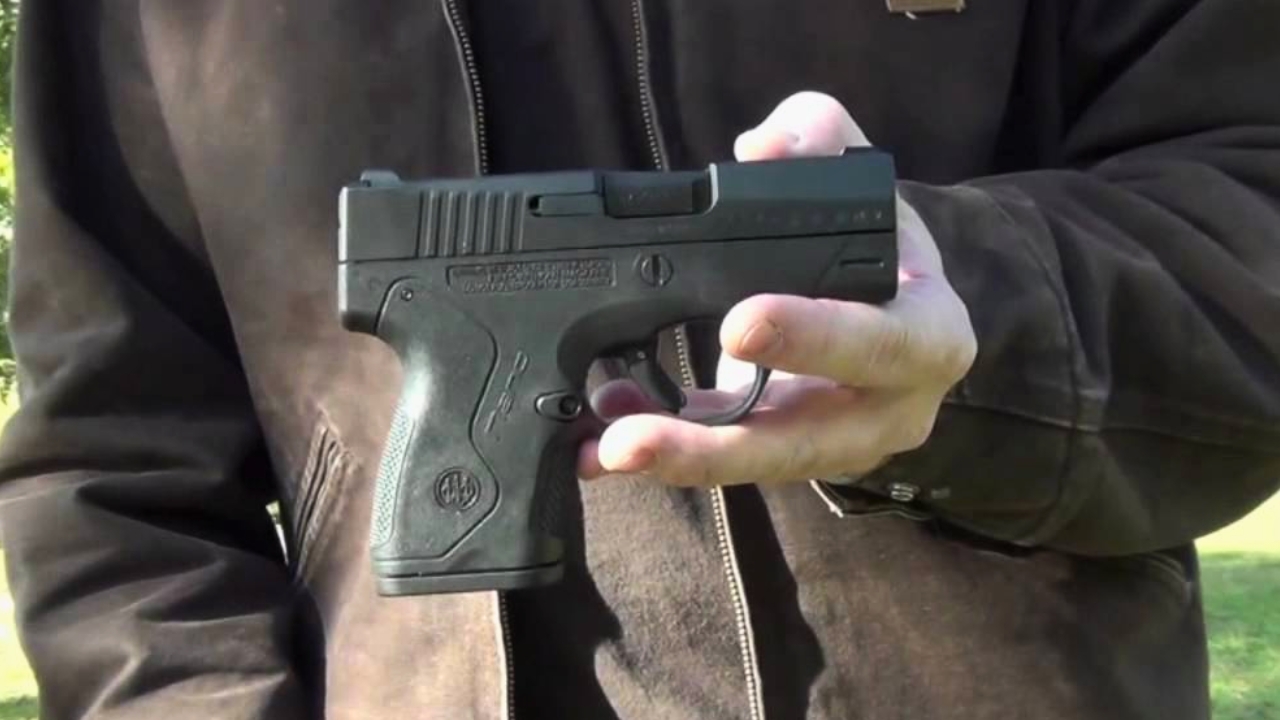
The Nano can be surprisingly accurate, but it’s another small, smooth-sided gun that can get slippery and inconsistent under pressure. A lot of shooters notice it’s easier to run slow than fast because the grip doesn’t “lock” into the hand the way more modern textured frames do. Under stress, sweaty hands, cold hands, gloves—those conditions matter. The trigger system is usable, but the feel can encourage a longer press that becomes a yank when the timer starts. Also, small guns with minimal external controls can feel great until you realize you’re doing emergency reloads and malfunction clearances under speed and the slick profile works against you. Slow fire doesn’t reveal that. Stress does. It’s a carry gun that needs dedicated practice to run aggressively.
FN Reflex
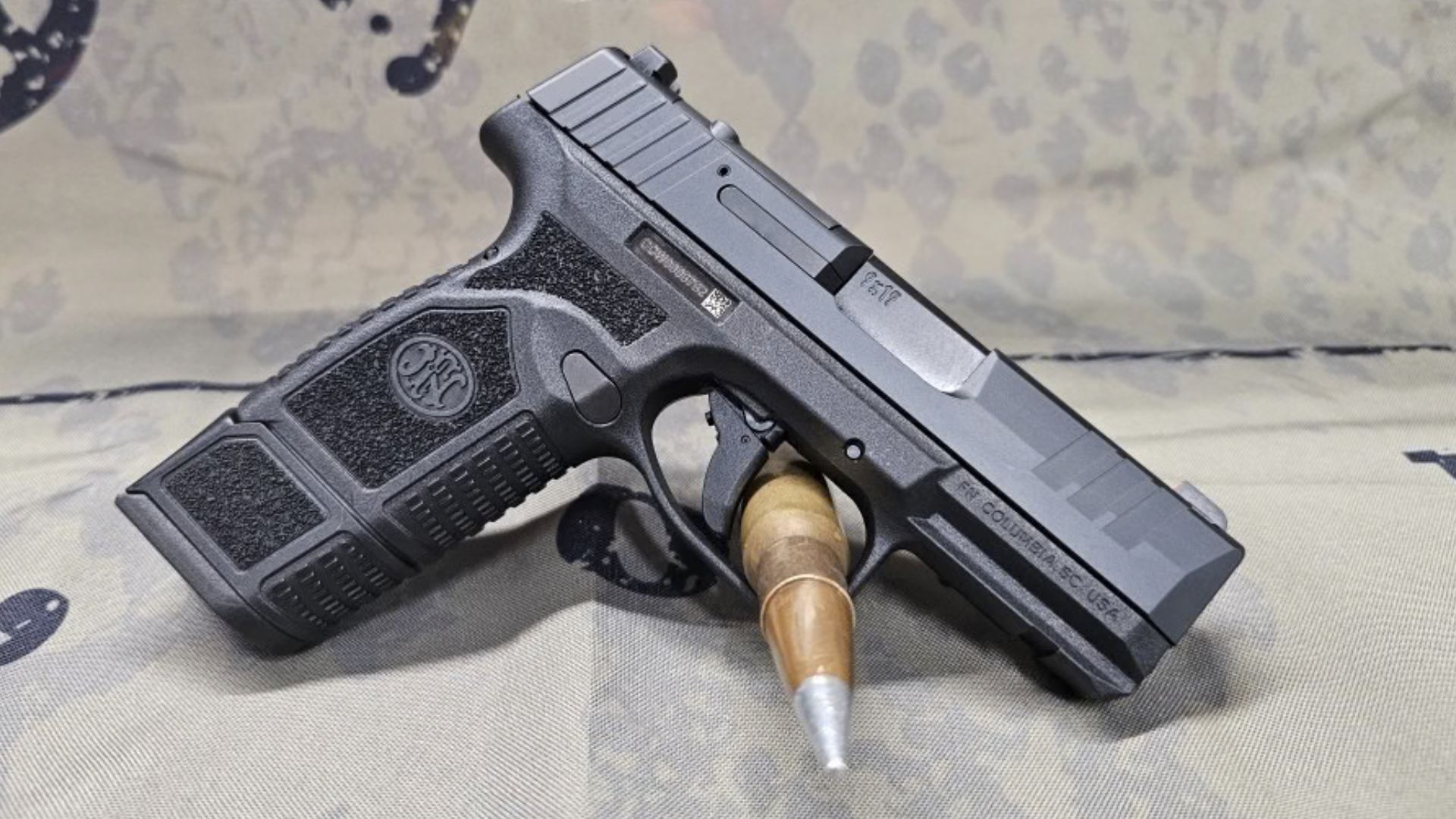
The Reflex is capable, but like many micro-9s, it can go from “tight groups” to “why am I all over” as soon as you add speed. That’s usually a combo of recoil impulse and grip size. When you’re calm, you can shoot it accurately because the sights line up and the trigger is manageable. Under pressure, a short grip and snappy return can make you start milking the grip or slapping the trigger. Also, micro pistols with higher bore axis feel can lift more than you expect, and if your return-to-target isn’t consistent, your follow-ups drift. The gun might be mechanically accurate, but the platform doesn’t hide errors. If a pistol requires perfect repetition to keep groups tight under stress, most shooters will see their groups open up even though slow fire looks great.
Glock 42

Glock 42 is a soft shooter for a pocket gun, and it can be very accurate. Under pressure, the limitation is still the size. Small grip, short sight radius, and the reality that most people don’t get a perfect grip every draw when the gun is tiny. Also, .380 recoil is “soft” but it’s still abrupt in a light gun, and that can make people relax grip pressure between shots without realizing it. With a Glock trigger, small inconsistencies show up as lateral spread when you start going faster. Slow fire, you can be a surgeon. Under speed, the gun becomes more of a grip and trigger management test. It’s not a knock on the 42—it’s why it’s carried for convenience. If you want speed and consistency, a slightly larger gun usually wins.
Kahr PM9 / CM9
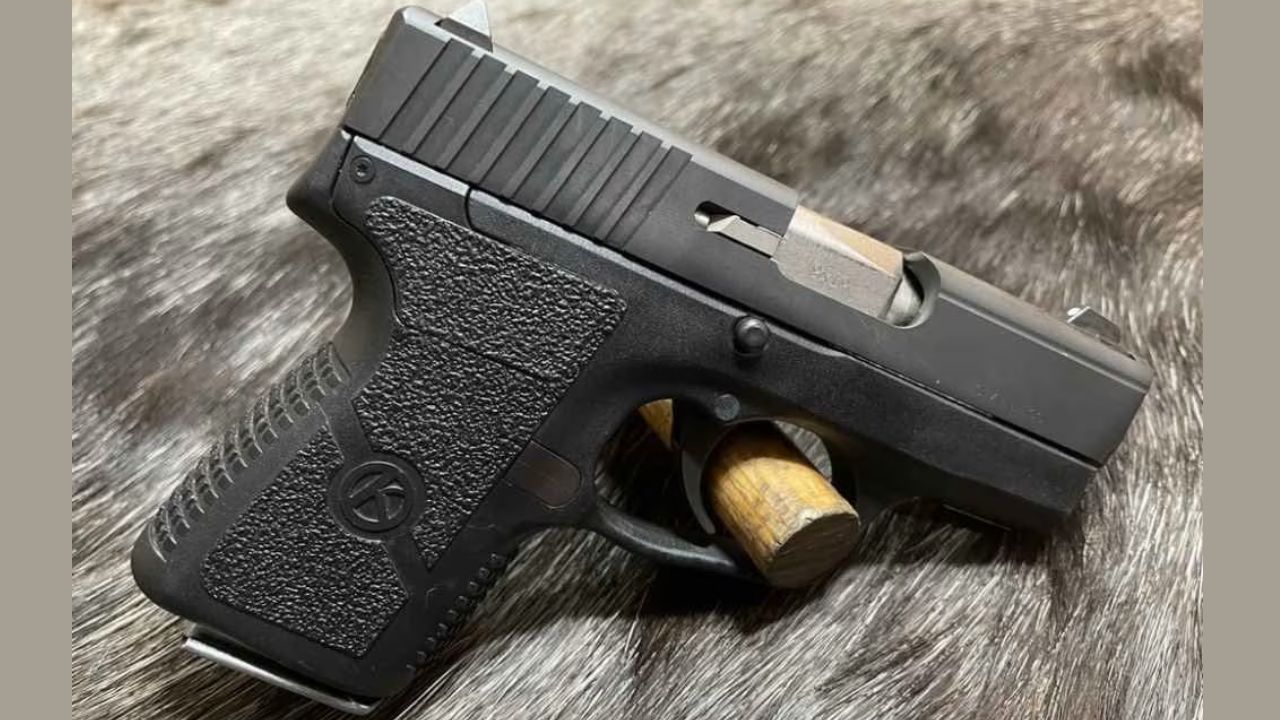
Kahr pistols can be very accurate, but the long trigger system is the defining feature. Slow fire, a long, smooth press can be great. Under pressure, that long press can turn into “I’m hauling on this thing” and you start dragging shots. The long reset can also make people short-stroke it when they’re moving fast, which leads to inconsistent follow-up presses. Kahr guns reward a certain style of shooting, and if that’s your style, you’ll do well. But for a lot of shooters, that trigger is harder to run clean under stress than a modern striker with a shorter, more defined break. Again: accuracy isn’t the issue. Running it fast is. These are the guns that look great on a slow 10-round group and then frustrate people during real defensive drills.
CZ P-10 S

The P-10 series is accurate and has a nice trigger feel, but the subcompact versions can feel “busy” under stress because they’re short enough to move but still have a trigger that encourages speed. When people speed up, they start pressing early, and any grip inconsistencies show up. The P-10 S can be a little more sensitive to how the shooter rides controls and how high the grip is, especially if hands are large. Slow fire, it’s easy to print nice groups and believe the gun is going to be effortless. Under pressure, if you don’t have a consistent presentation and grip, the dot/irons can feel like they’re bouncing more than expected and your hits spread vertically. It’s still a solid pistol, but it’s not immune to small-gun physics.
HK VP9SK
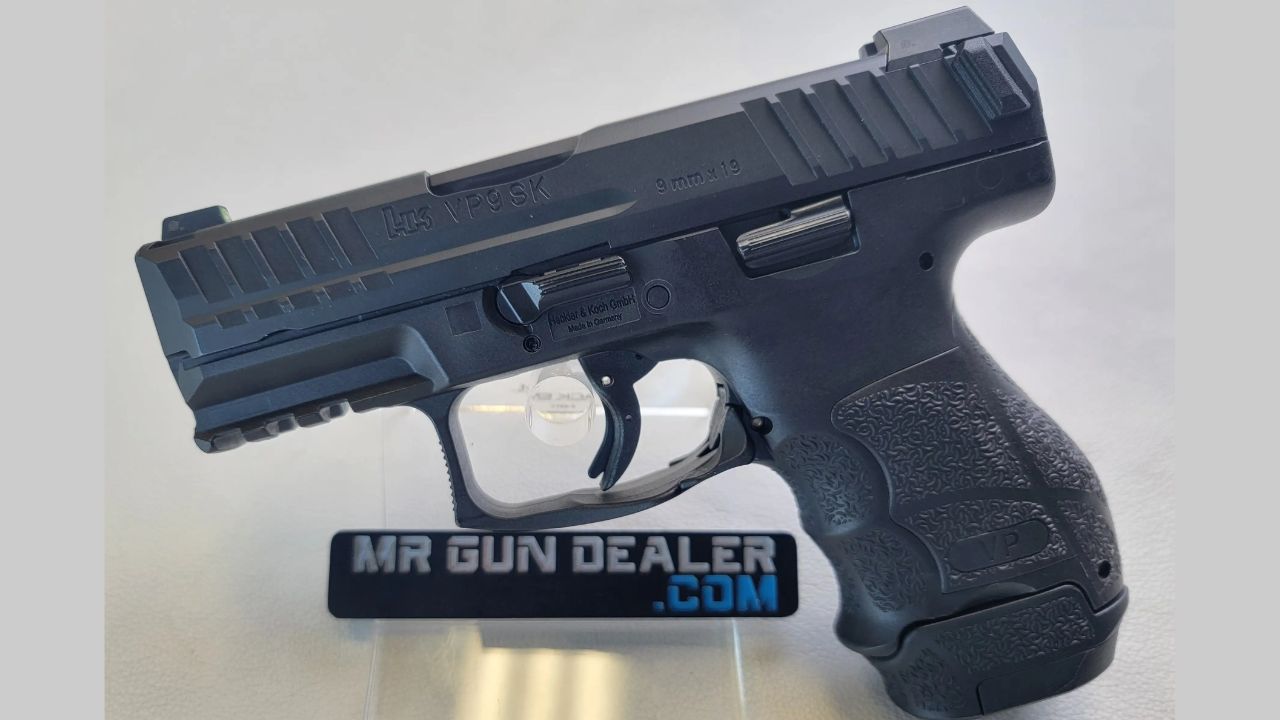
VP9SK shoots well and feels good, but under pressure some shooters struggle with how the gun tracks compared to slightly larger compacts. The grip is excellent, and that can make slow fire feel effortless. Under speed, the shorter slide and shorter grip can change how it returns, and if you’re used to a full-size VP9 or similar, you’ll feel it. The other issue is hand fit: if your hands are big and you’re not consistent on grip, you can end up with minor shifting that shows up in groups when you start pushing pace. It’s not a reliability problem. It’s a “this small gun still wants you to do your job” problem. A VP9SK can absolutely be run hard, but it’s a gun that rewards a shooter who practices with it like it matters, not just a few slow groups.
Taurus GX4

GX4 can shoot better than its price would suggest, and slow fire it can surprise people. Under pressure, it can become more sensitive to ammo, grip, and shooter input, and that’s where the “tight groups until stress” pattern shows up. Small guns with lighter weight can cycle fast and bounce fast. If your grip isn’t consistent, you’ll see it. Also, lower-cost guns sometimes vary more in trigger feel and reset characteristics, and that variability becomes noticeable when you’re shooting quickly. Some shooters do fine. Others see groups open and start blaming themselves or the gun depending on their mood. The truth is: under pressure, a pistol that’s less forgiving will show you more scatter. If you carry a GX4, it’s worth validating it in timed drills so you know what it does when you’re not calm.
Canik MC9

The MC9 is capable, and like other micros it can be very accurate on paper. Under pressure, what bites people is the micro platform combined with a trigger that can encourage speed. A lighter, cleaner trigger doesn’t automatically mean better performance if your grip and sight discipline aren’t locked in. With small guns, your hands are doing more work to keep the gun stable, and the moment you rush, you start breaking shots early. That’s where “it grouped great slow” turns into “why am I throwing shots?” It’s not always the gun. It’s the system: small gun + fast trigger + human stress. If you want the MC9 to stay tight under pressure, you have to train presentations and recoil control specifically. It’s not a gun you can “figure out later” and expect the same results.
Like The Avid Outdoorsman’s content? Subscribe to our newsletter so you never miss an article.
Here’s more from us: