A good trigger won’t fix bad fundamentals, but a bad trigger can absolutely waste good shooting. It’s the one part you touch every single shot, and it decides whether your sights stay steady or start wobbling at the last inch of movement. The frustrating part is how often a pistol gets sold on buzzwords—“duty-grade,” “performance,” “match feel,” “carry-ready”—while the trigger is the one area that still feels unfinished.
Most of these guns aren’t junk. Many are reliable, accurate, and easy to live with. The problem is that the trigger doesn’t match the story you were sold. Some have mushy walls, gritty take-up, long resets, or heavy pulls that feel like they were chosen to satisfy lawyers, not shooters. If you know what you’re getting, you can work around it. If you don’t, you end up blaming yourself for what the gun is doing.
Glock 19 Gen5

The Glock 19 Gen5 gets pitched as the do-it-all pistol: duty, carry, training, even competition with a few tweaks. You buy it expecting a clean, predictable trigger that “serious shooters” swear by. What you often get is consistent, but not exactly refined—more rolling press than crisp break, with a wall that can feel vague.
That matters when you’re trying to shoot tight groups or run speed drills without yanking shots low. The trigger isn’t unusable, it’s simply not special, and the marketing aura can make that feel like a letdown. You can shoot it extremely well, but you usually have to earn it with repetition, not rely on the trigger to help you. If you’re coming from a cleaner striker trigger, the Glock can feel like a downgrade until your finger learns the timing.
FN 509
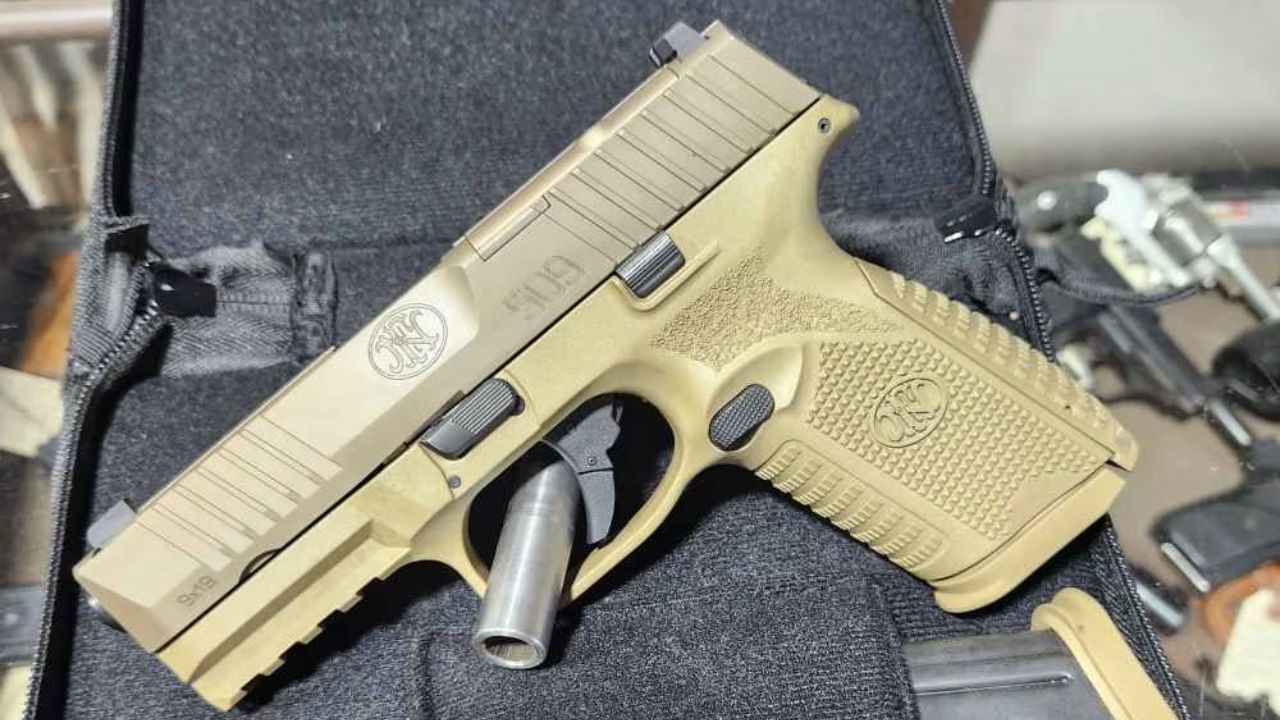
The FN 509 carries a lot of “duty pistol” credibility, and it’s marketed like a rugged, serious-service handgun with performance baked in. You pick one up expecting a trigger that feels squared away and ready for real work. A common complaint is that the trigger can feel heavier and grittier than the image suggests, with take-up that isn’t as smooth as you want in a modern striker gun.
When you’re shooting fast, that weight and texture can make you snatch shots or slap through the press to get it moving. At distance, the break can feel less defined than you’d expect for the price and reputation. The 509 can run hard and keep going, but the trigger often feels like the one part that didn’t get the same level of refinement as the rest of the pistol.
Springfield Armory Hellcat

The Hellcat is marketed as a small gun that shoots bigger than it is, with features that read like a checklist: capacity, optics readiness, aggressive texture, “ready out of the box.” The trigger, though, can be where expectations collide with reality. Many shooters notice a heavier press than they expected, along with a rolling break that doesn’t feel clean when you’re trying to shoot precisely.
In a micro-compact, that matters more because the gun is already lively in the hand. A heavy or mushy trigger stacks on top of that and makes you work harder to keep the dot or front sight steady. You can get strong results with it, but the trigger rarely feels like the star of the show. If you bought the marketing promise of “full-size performance,” the trigger is often where you feel the compromise.
Ruger LCP Max

The LCP Max is sold as the pocket pistol that finally gives you real capacity and real sights in a tiny package. It’s an easy gun to want, and the marketing leans into how capable it is for the size. Then you start shooting it and remember what tiny blowback-ish feeling .380s do: the trigger is usually long, heavy, and not especially clean.
That long pull can be fine for safe pocket carry, but it also makes new shooters feel like they can’t hit anything. The break tends to feel more like a long squeeze than a controlled press, and the reset isn’t something you ride like a larger pistol. None of this is shocking if you’ve owned pocket guns. It’s shocking if you expected “big-gun shootability” in a pocket frame. The LCP Max can be very useful, but the trigger isn’t the part that sells confidence.
Smith & Wesson Bodyguard 380
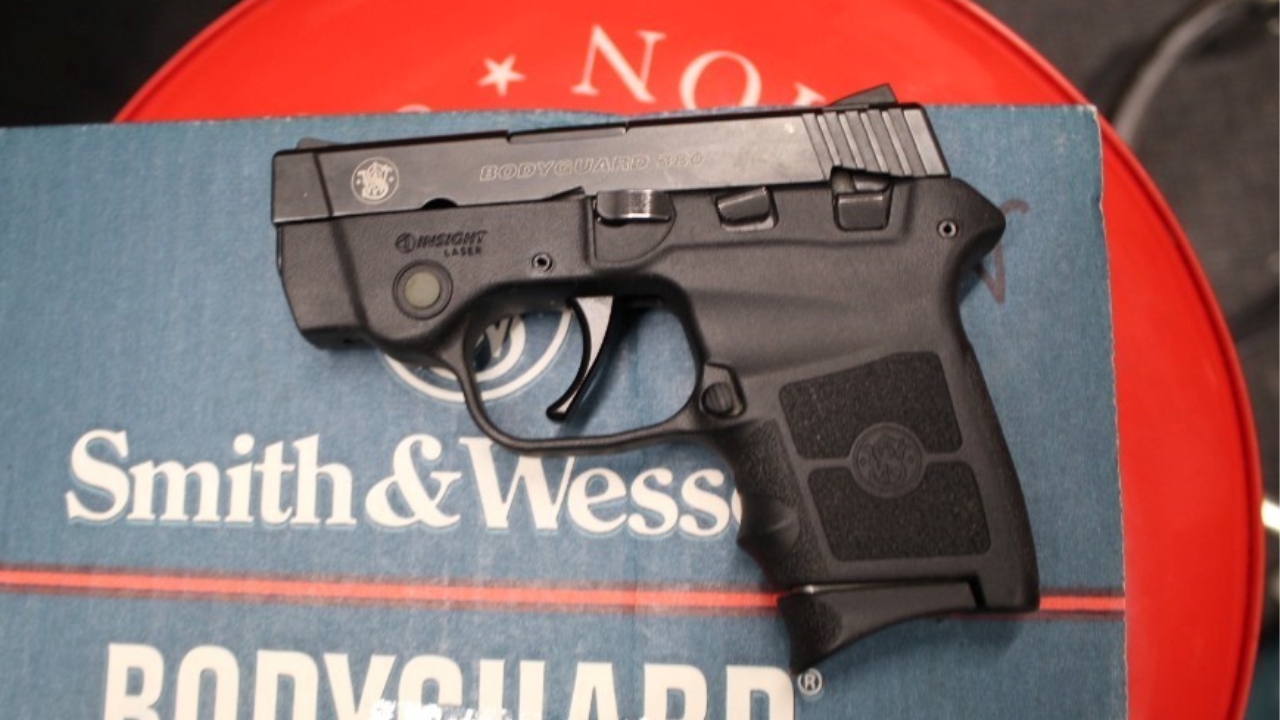
The Bodyguard 380 gets marketed as a practical, everyday defensive option—small, light, easy to carry all the time. The trigger is where it shows its true category. Many examples have a long, heavy pull that feels more like a deliberate safety feature than something designed for accurate shooting under stress.
That kind of trigger can hide behind “carry convenience” marketing, because most buyers handle it in a shop, dry-fire once, and move on. On the range, it becomes obvious that the trigger demands patience and a steady hold. You can shoot it well, but it often takes more effort than people expect from a modern defensive pistol. If you’re used to striker-fired triggers, the Bodyguard can feel like it’s working against you the whole time, even when the gun itself is doing what it’s supposed to do.
Smith & Wesson M&P Shield 1.0

The original Shield built a reputation as a go-anywhere carry pistol, and it got pushed hard as a serious tool that shoots like a bigger gun. A lot of shooters, though, remember the early Shield triggers as the weak point—hinged feel, mushy break, and a reset that didn’t give you much feedback when you were trying to run the gun quickly.
That disconnect between reputation and trigger feel is what frustrates people. The Shield carries well and points naturally, but the trigger can make you feel like your fundamentals fell apart overnight. You’ll see it on paper as low-left hits and inconsistent groups until you learn the press. Later versions improved the situation, but the 1.0 is still a common example of a pistol that sold itself on practicality while asking you to tolerate a trigger that never felt as refined as the rest of the package.
Beretta Nano

The Nano was marketed as sleek, snag-free, and made for concealed carry without drama. It looks clean, it feels compact, and the Beretta name makes people expect a certain level of shootability. Then you run it and meet the trigger: long travel, a vague break, and a reset that doesn’t exactly encourage fast, confident follow-up shots.
That’s not an accident—it was built around safe carry and consistency more than target feel. The problem is that the marketing often focused on how “easy” it is to carry and use, which can make shooters assume the trigger will be friendly too. On the range, the Nano can make you work for every clean press. If your grip and trigger control are locked in, it’ll shoot. If they aren’t, the trigger will happily exaggerate every mistake and make you feel like the gun is harder than it needs to be.
Kahr CM9

The CM9 gets praised as a serious carry pistol with a smooth, revolver-like trigger. That description is true in a narrow way—and misleading in another. The trigger is long and generally smooth, but it’s also long enough and heavy enough that many shooters find it hard to run quickly, especially under any kind of time pressure.
Marketing around “smooth DAO” makes people expect it to feel refined and easy. What you often get is a press that requires commitment every single shot, with a reset that doesn’t reward speed. For precise shooting, you can do great work with it. For rapid strings, it can feel like you’re dragging the gun through molasses compared to modern striker triggers. The CM9 isn’t pretending to be a match pistol, but the way it gets talked about can set expectations that the trigger won’t meet for a lot of shooters.
SCCY CPX-2

The CPX-2 is often marketed as an affordable defensive pistol that gives you real capability without the premium price. The trigger is where you feel the budget choice immediately. Many CPX-2 pistols have a long, heavy double-action pull that can feel stacked, with a break that’s hard to call and a reset that doesn’t feel crisp.
For carry, a heavier pull can be reassuring. For shooting well, it can be discouraging. You’ll see shooters rush the press, dip the muzzle, and end up convinced they “can’t shoot,” when they’re really fighting the trigger. The marketing leans on value and reliability, and that’s fair in its lane. The frustration is when people expect the trigger to feel like a modern striker gun because the gun is being sold as a modern defensive solution. It can work, but the trigger asks a lot from you.
SIG Sauer P250 Compact
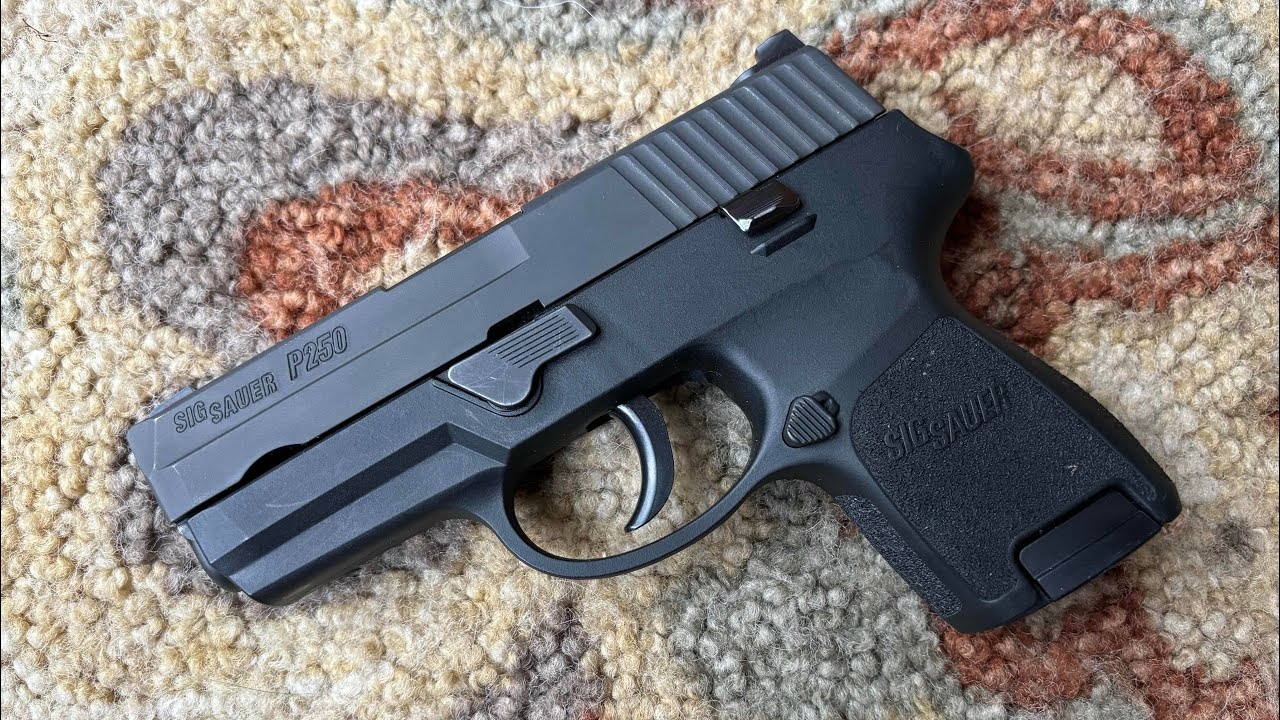
The P250 was sold as a modular SIG with practical features and a serious brand name behind it. The trigger system is a big part of why many shooters moved on. It’s a long, double-action-only style press that can feel smooth, but also feels slow and heavy compared to what people expect from a modern defensive pistol wearing a SIG badge.
That long pull can be shot well with practice, but it’s not forgiving for speed or precision if you’re not already disciplined. The marketing angle was “safe, consistent, reliable,” and the trigger matches that goal. It doesn’t match what most shooters picture when they think “SIG trigger.” If you bought it expecting a crisp press and fast reset because of the name on the slide, you probably learned quickly that the P250 is a different kind of pistol than the one you had in your head.
HK P30 V3

The P30 has a reputation for top-tier ergonomics and serious-duty credibility. You pick it up, it melts into your hand, and you expect the trigger to match the rest of the refinement. With the V3 DA/SA setup, the double-action pull can be long and heavy, and the transition to single-action can feel like a very different gun mid-string.
That’s not a flaw in the sense that the gun is “bad.” It’s a design choice, and plenty of shooters run it extremely well. The issue is expectations. Marketing and reputation make people assume the trigger will feel premium without effort. In reality, the P30 often asks you to train through that first pull and manage the transition cleanly. If you don’t, the first shot is where your group opens up and confidence drops. The pistol is excellent, but the trigger isn’t always the easy win people expect.
SIG Sauer P226

The P226 is a legend in the duty world, and it’s often talked about like it’s automatically superior because it’s metal, proven, and wears that classic profile. Then you start shooting it and realize the double-action pull is real work. It can be heavy, long, and demanding, especially if you’re used to striker-fired consistency.
Once you’re in single-action, things usually improve, but the first shot still matters—especially for defensive shooting or any drill that starts from the holster. The marketing and reputation can make shooters believe the P226 will “shoot itself.” It won’t. It rewards training and consistency, and it punishes sloppy trigger prep on that first pull. The gun can be outstanding, but the trigger system is not a shortcut. If you want easy, the P226 often isn’t it until you’ve put the time in.
Beretta 92FS

The 92FS gets sold on smoothness, reliability, and a long history of service use. People expect it to feel refined, and in many ways it does. The surprise for a lot of shooters is the trigger in double-action: long travel, heavier pull, and a reach that can feel awkward if you don’t have the hand size for it.
Single-action can be very shootable, but you still have to earn that first shot. Marketing often highlights how soft-shooting and controllable the platform is, which can make shooters assume the trigger will be effortless too. On the range, the DA pull is where groups get ugly and confidence wobbles. If you learn to prep the trigger and manage the transition, the 92FS shines. If you don’t, it’s easy to walk away thinking you’re the problem when you’re really fighting a system that demands more than the reputation suggests.
CZ 75B
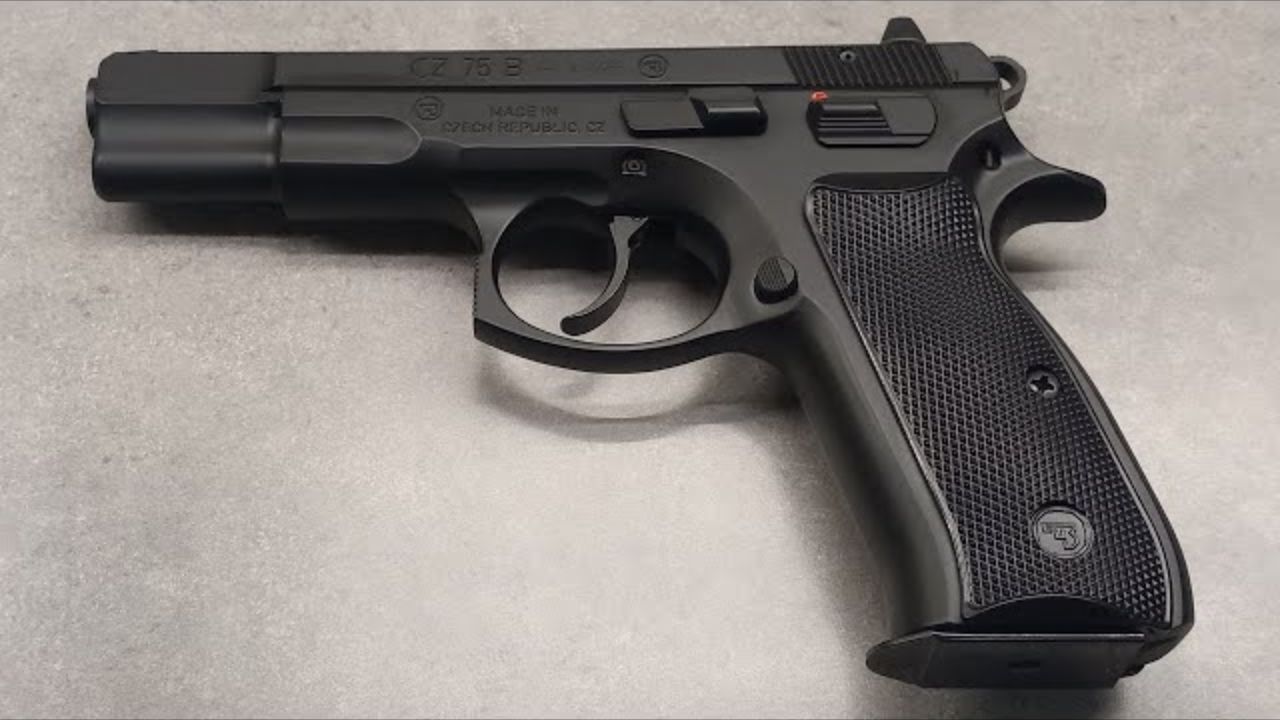
The CZ 75B has a loyal following, and it’s often praised as a pistol that “feels custom” in the hand. That praise is usually about ergonomics and how it shoots, not the factory trigger feel. Out of the box, the double-action can feel heavy and a bit gritty, and the single-action can have creep that surprises people who expected a clean break because of the pistol’s reputation.
What happens is predictable: you hear the legends, you buy the gun, and you expect the trigger to be the crown jewel. Then you realize the platform often becomes great after use, tuning, or both—not necessarily on day one. The 75B can shoot extremely well, but it isn’t always delivered with a trigger that matches the stories told about it. If you treat it like a project gun, you’ll be happy. If you expected instant perfection, the trigger is often where reality shows up.
Walther CCP

The CCP gets marketed as an easy-to-run carry pistol with soft recoil and friendly handling. A lot of buyers assume that “easy shooting” includes the trigger feel. In practice, many shooters find the trigger longer and less crisp than they expected, with a break that can feel vague when you’re trying to shoot tight groups or run faster strings.
That softer recoil impulse can be real, depending on the shooter and load, but it doesn’t automatically translate to easier accuracy if the trigger isn’t cooperating. When the press feels long or mushy, you spend more effort managing your sights through the break. The CCP can be a comfortable pistol to shoot, but the trigger is not always the clean, confidence-building part of the experience. If you bought it because the marketing made it sound like a cheat code, the trigger is often where you learn it still demands good fundamentals.
Taurus Judge
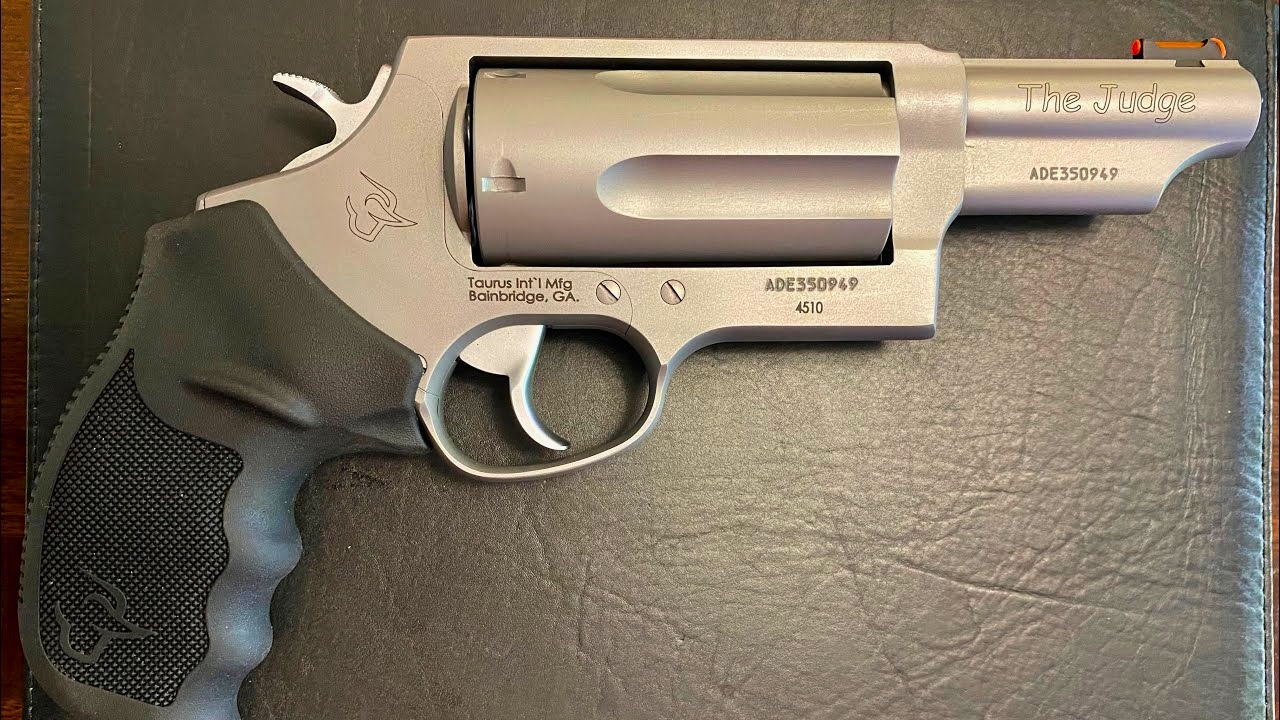
The Judge sells itself on the idea more than the trigger: versatility, novelty, and the promise of a do-it-all defensive solution. The trigger, especially in double-action, often feels heavy and long, and it can be hard to run smoothly. That’s common in big revolvers, and the Judge is moving a lot of parts with a lot of leverage.
The problem is that the marketing tends to make people think they’re buying an answer, not a skill. On the range, the trigger reminds you quickly that accuracy still matters and trigger control still matters, maybe even more because the gun is large and the pull is substantial. If you run it single-action, you can clean things up, but the gun’s whole pitch usually centers on quick defensive use. A heavy, demanding trigger is not a great match for that fantasy, and that’s where disappointment shows up.
Like The Avid Outdoorsman’s content? Be sure to follow us.
Here’s more from us: