Photo credit: I'm Conqueror/Shutterstock.com
Some calibers perform beautifully—right up until the ground tilts under your boots. When you’re shooting downhill across a draw, up a shale ridge, or across wind-chopped valleys, certain rounds show their limits fast. They’re the cartridges that shoot fine off a bench or from a flat field but lose consistency when angles, wind, and distance start stacking against you. Maybe it’s light bullets, marginal velocity, or unforgiving drop—all of it matters when the land isn’t level. You’ll find yourself fighting drift, guessing holdovers, and wishing you’d brought something heavier. Here are the calibers that work great on the flat range and fall apart once the terrain gets real.
.243 Winchester

The .243 Winchester is loved for its flat trajectory and mild recoil, but its light bullets don’t forgive mistakes. Once you move off flat ground, wind and gravity take over fast. A high-angle shot or a stiff crosswind can move your point of impact by more than you’d think.
It’s still a great deer and coyote round, but only if you know your drops cold. On uneven ground, that lightweight 90-grain pill starts to drift like a leaf. It’s accurate when conditions are calm, but step into a ridge hunt, and you’ll find out why most hunters trade up to something heavier.
6.5 Grendel
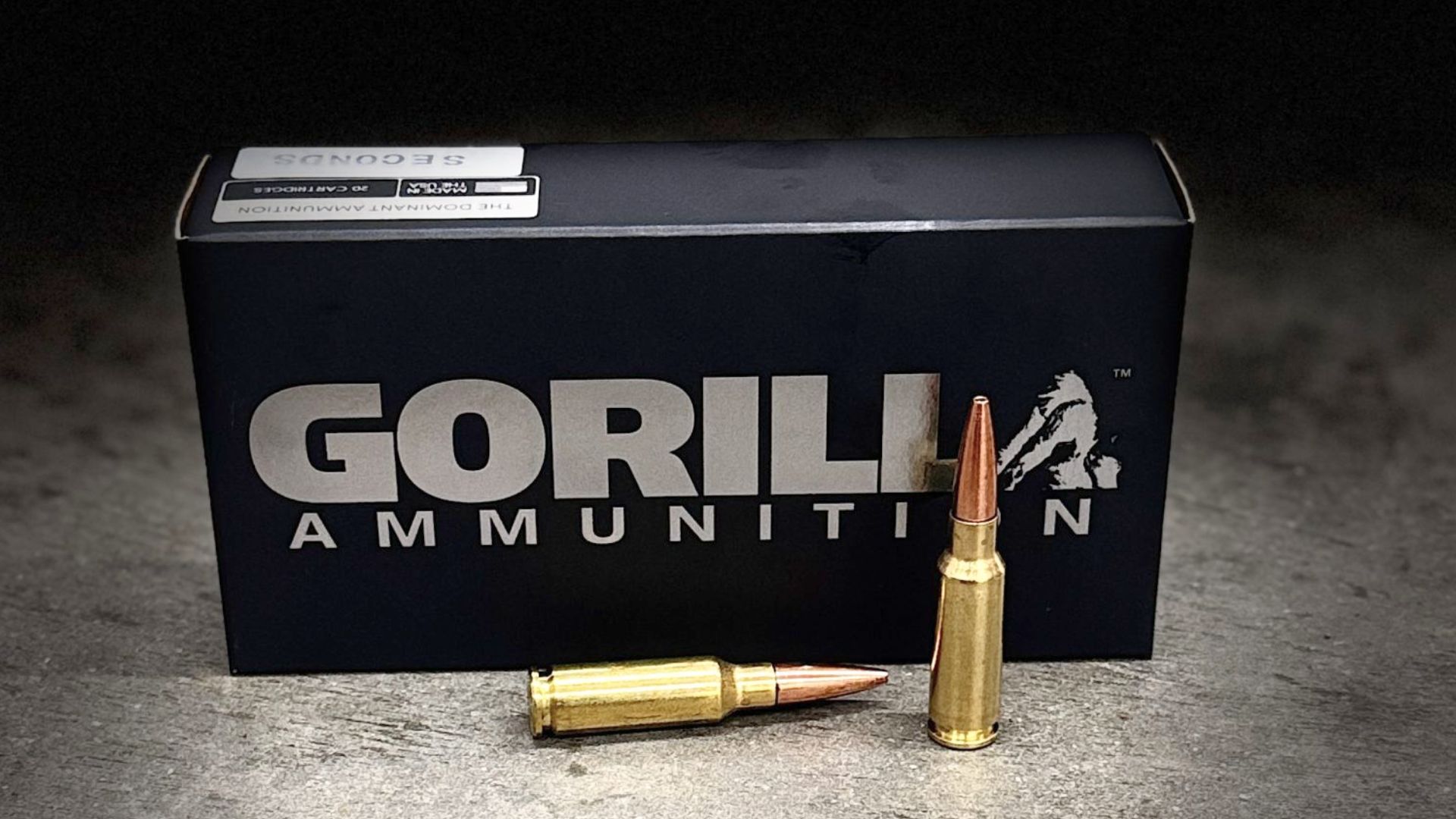
The 6.5 Grendel shines in AR platforms, but once you start shooting uphill or down through gusty canyons, it’s less forgiving. The slower velocity compared to traditional 6.5s means bullet drop becomes dramatic at longer distances.
It’s accurate, sure—but accuracy doesn’t mean much when the angle adds five extra inches of drop you didn’t plan for. You’ll spend more time doing math than shooting. On even ground, it’s fantastic. On a mountain slope, it makes you realize that a cartridge built for moderate ranges has its limits when elevation changes enter the equation.
.22-250 Remington

The .22-250 is lightning fast and deadly accurate—until you’re no longer shooting across a flat prairie. Its lightweight bullets lose steam fast, and on uneven terrain, they get pushed around by every puff of wind. A steep downhill shot can throw your calculations out the window.
It’s perfect for flatland coyotes, but mountain hunters know better. Those 50- to 55-grain bullets that group tight at 200 yards start drifting unpredictably at range. When gravity and wind team up, the .22-250 goes from laser beam to guesswork fast.
.300 Blackout

The .300 Blackout was built for short barrels and close quarters—not for variable terrain or long-range precision. Once you’re dealing with angle shots or longer distances, both subsonic and supersonic loads start to show major drop and drift.
If you’re within 100 yards, you’re fine. Beyond that, it gets tricky fast. The slow velocity exaggerates every angle, and uphill shots especially punish it. It’s one of those calibers that performs beautifully in flat, short-distance work but leaves you wishing for more reach when the ground turns rugged.
.270 Winchester Short Magnum
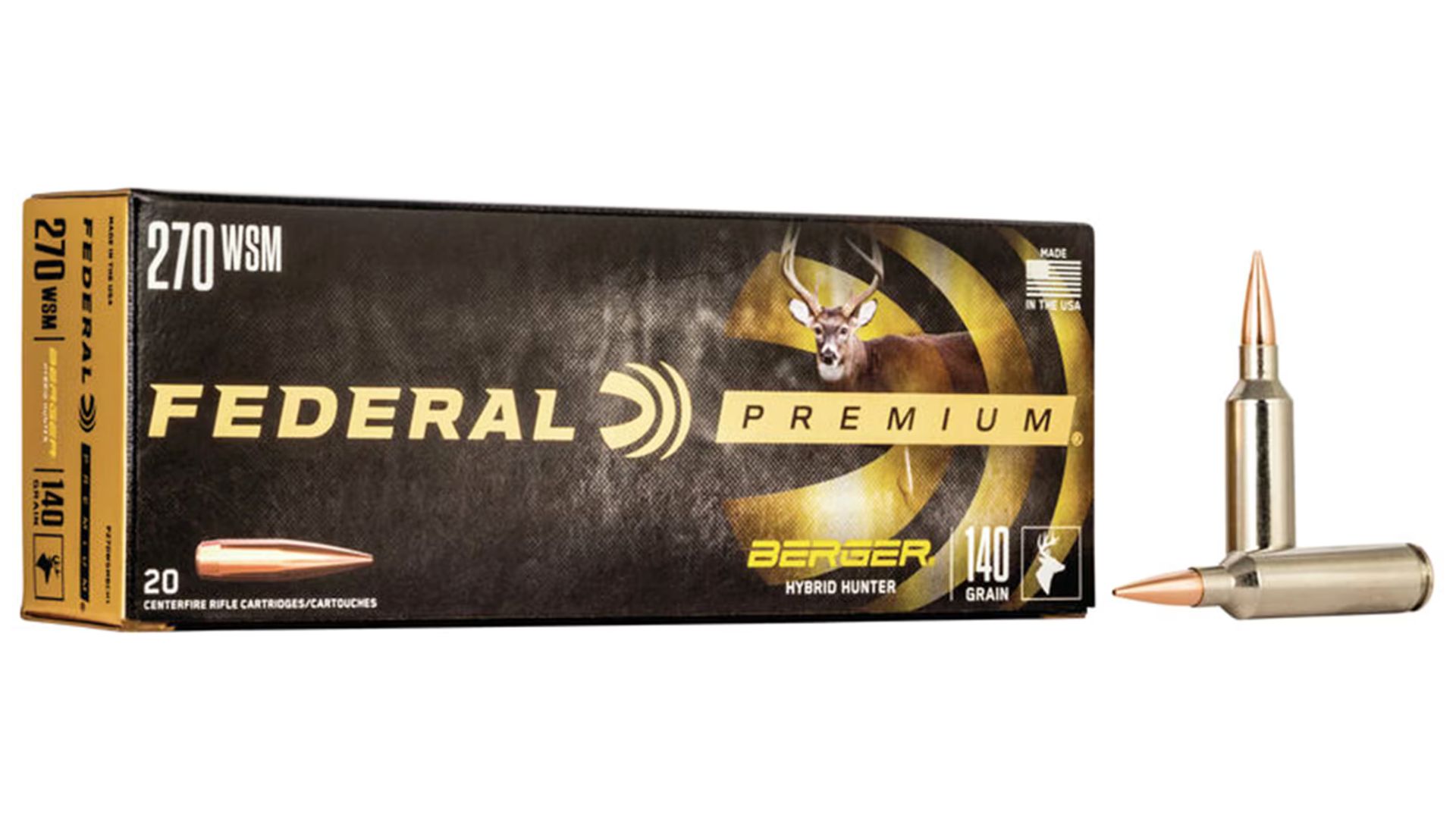
The .270 WSM is fast and accurate on paper, but its speed can work against it when you’re shooting over broken terrain. High velocity amplifies minor angle errors—especially when you’re shooting downhill into crosswinds. What looks flat through the scope often isn’t.
It’s got great reach, no doubt, but it demands perfect form and calculation. Miss your angle correction by a degree, and you’ll hit low or high enough to wound instead of drop. It’s one of those cartridges that rewards precision but punishes imperfection when the ground starts rolling.
.223 Remington

The .223 Remington is great for varmints, training, and moderate hunting—but not for steep or uneven country. Its lightweight bullets lose energy fast, and when you’re trying to hold over or compensate for drop on a hillside, you’ll feel it.
It’s capable out to a few hundred yards, but the second your shot angle changes, so does everything else. You’ll have to correct for drop, wind, and slope all at once. It’s a great round on flat land but quickly reminds you it wasn’t built for mountain work.
.350 Legend

The .350 Legend thrives in straight-wall states and brushy terrain, but it doesn’t handle hills well. It’s slow, and its blunt-nosed bullets bleed velocity fast. The second you’re not shooting level, you’ll see that trajectory drop like a stone.
At close range, it’s effective and easy to shoot, but on uneven ground, it becomes a guessing game. Past 150 yards, you’ll struggle to make accurate corrections. It’s reliable and mild-recoiling, but it was never designed for long, angled shots.
6.5 Creedmoor

The 6.5 Creedmoor’s ballistic efficiency makes it tempting for mountain hunts—but that’s only half the story. Light-for-caliber bullets drift more than you’d think, and on uneven terrain, that wind drift magnifies. It’s forgiving on a calm day, but less so when your footing isn’t level.
It’s precise, but it also depends heavily on consistent shooting form. If your elbow’s in the dirt and your bipod’s on a rock, expect vertical stringing. It works wonders on the range, but in real-world terrain, the Creedmoor reminds you that form and angle corrections matter as much as ballistics.
.25-06 Remington

The .25-06 is flat-shooting and efficient, but its lightweight bullets struggle when angles and wind collide. It’s a perfect antelope cartridge on the plains, but in uneven country, it’s less predictable. The high velocity magnifies small errors in range estimation and angle.
Even a 10-degree slope can shift your point of impact more than you’d expect. It’s an underrated round, but not one that forgives imperfect setups. When you’re lying across a hillside trying to steady your breathing, the .25-06’s precision window feels narrower than it should.
7mm-08 Remington
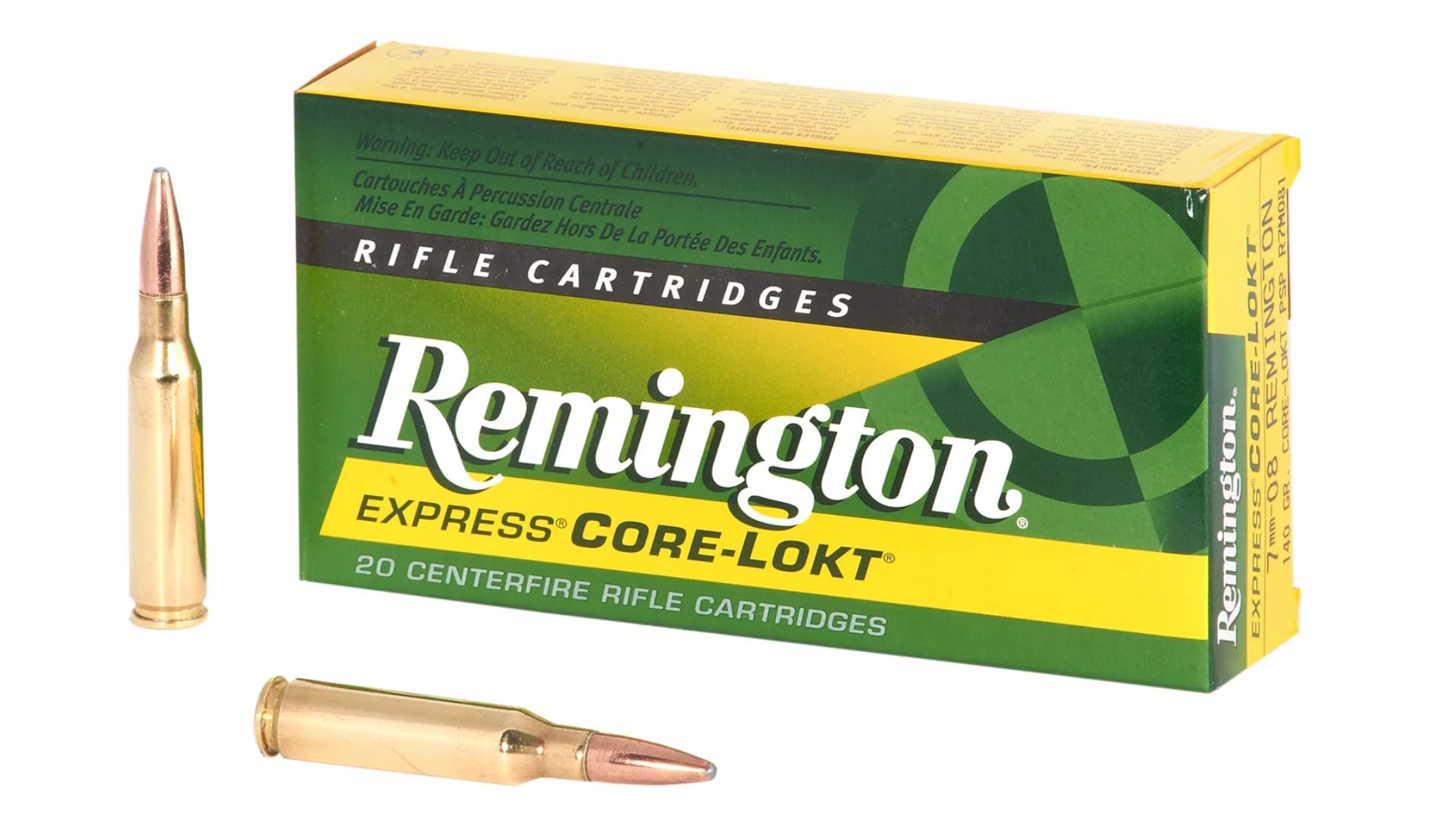
The 7mm-08 is a balanced, accurate cartridge, but its mid-weight bullets can start to wander on sharp inclines. It performs well from treestands and ridgelines, but when shooting up or down long distances, it loses some predictability.
It’s not the bullet’s fault—it’s physics. The combination of moderate speed and decent ballistic coefficient works until you start shooting across big elevation shifts. On flatter ground, it’s money. On steep angles, it’s humbling.
.450 Bushmaster
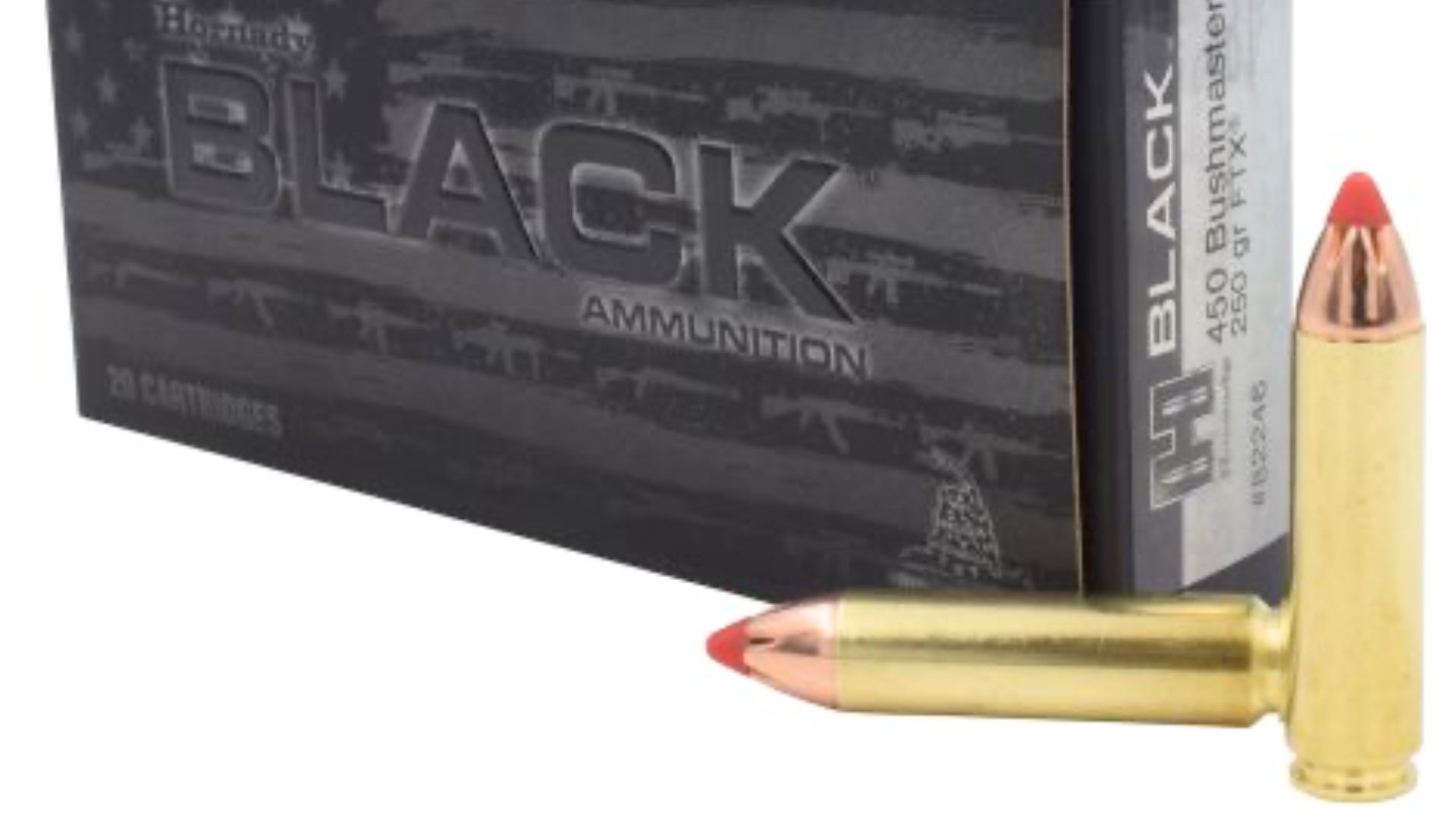
The .450 Bushmaster packs a lot of punch but has the trajectory of a thrown brick. It’s fine for short, level shots in thick woods, but when the ground rises or falls, it’s wildly unpredictable. Even 100-yard angle shots can turn into guesswork.
It’s a fun cartridge for straight-wall states, but outside that niche, it’s clumsy in changing terrain. The heavy bullet and slow speed magnify every bit of drop. On uneven ground, it goes from confident to clumsy in a hurry.
.30-30 Winchester

The .30-30 has filled freezers for over a century, but its rainbow trajectory makes angled shots a challenge. On level ground, it’s dead-on at short range. Add a downhill slope, and the bullet drop becomes unpredictable, especially past 150 yards.
It’s perfect for woods hunting but out of its element in open or uneven country. Even small elevation changes can shift your impact more than you’d expect. It’s a great round for brush hunters, but not one that forgives mountain mistakes.
.308 Winchester
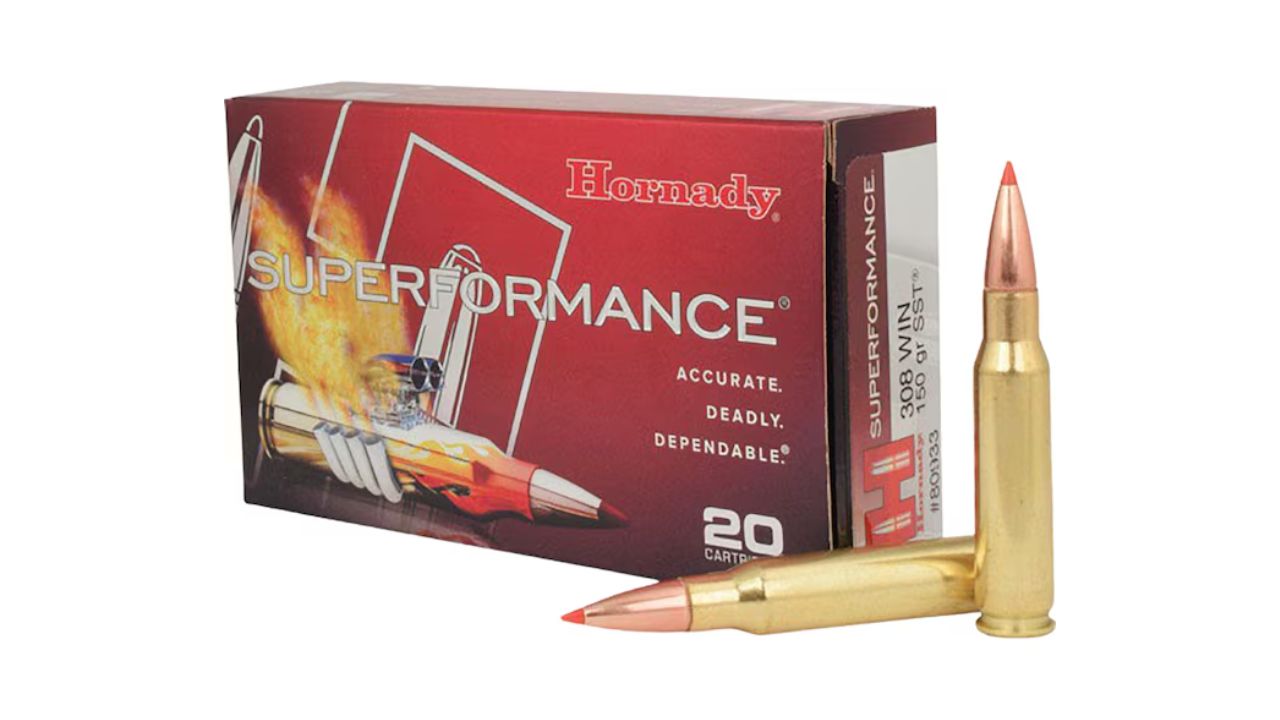
The .308 is as dependable as they come—until you’re shooting at a steep angle and long range. Its drop curve is more pronounced than most modern rounds, and the difference between level and angled shots can mean several inches at 300 yards.
It’s still one of the most versatile cartridges out there, but you have to know it. Uneven terrain exposes its slower speed compared to newer cartridges. On the flats, it’s steady and predictable; in the hills, it’ll humble you quick if you don’t compensate properly.
.280 Remington
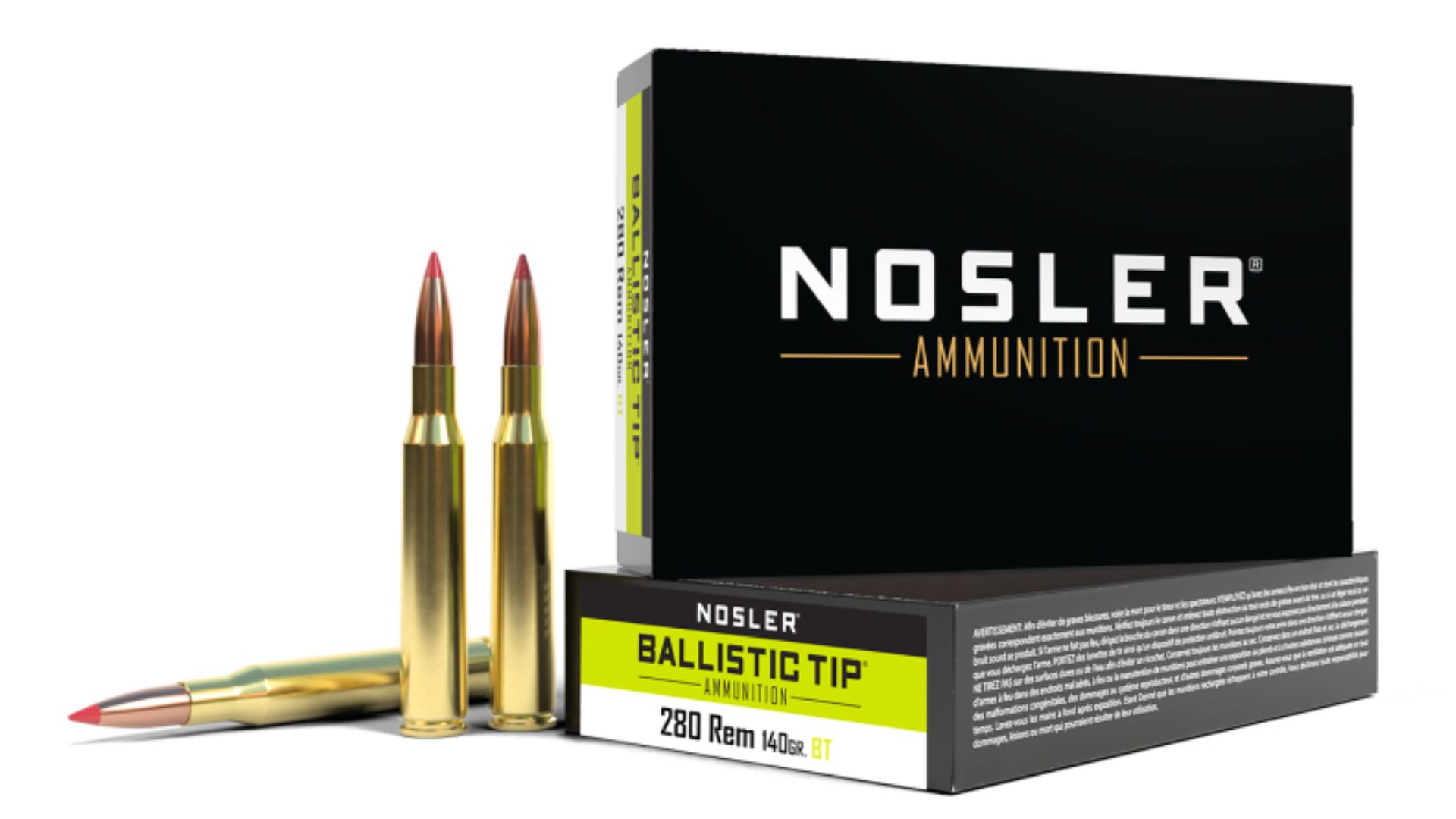
The .280 Remington has always lived in the shadow of the .270, and uneven terrain doesn’t help its case. It performs well when everything’s dialed, but its slower bullets make angle shots tricky to compensate for. A small misjudgment turns into a big miss downrange.
It’s accurate, smooth, and perfectly capable—but it doesn’t forgive much. Once you add elevation and wind to the mix, it demands more precision than most shooters can give in field conditions. You’ll learn that the .280 likes the bench more than the backcountry.
.300 AAC Subsonic Loads
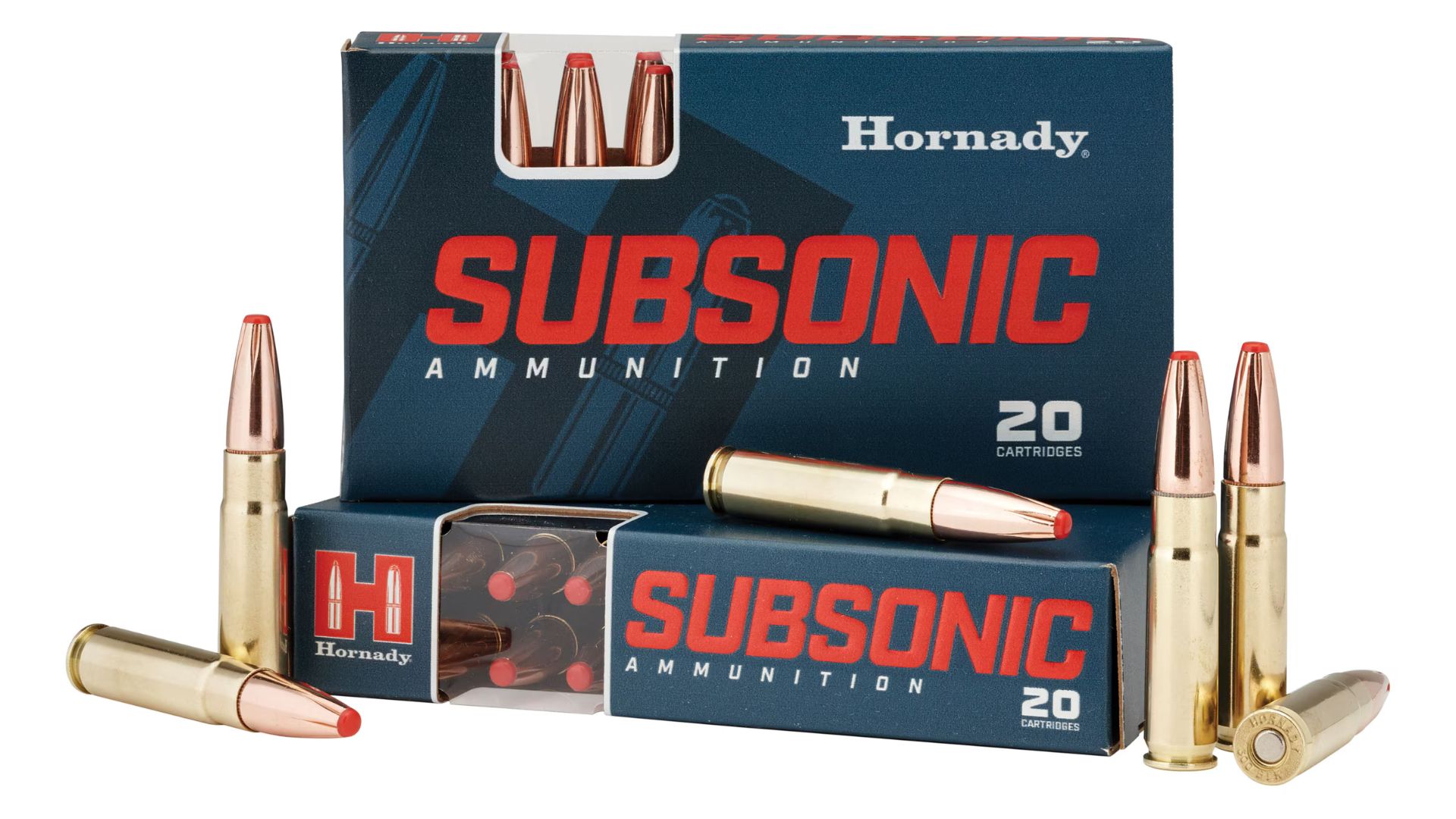
Subsonic .300 Blackout loads are quiet, controlled, and fun—until you try using them in uneven terrain. At those low speeds, every slope and angle matters. Even small distance changes can send rounds high or low by several inches.
It’s built for close-range, flat-ground shooting. Once you start dealing with steep country, it loses predictability fast. Subsonics are great in tight spaces, not mountainsides. When the terrain gets ugly, you’ll wish you had more speed behind every shot.
Like The Avid Outdoorsman’s content? Be sure to follow us.
Here’s more from us:
The worst deer rifles money can buy
Sidearms That Belong in the Safe — Not Your Belt
*This article was developed with AI-powered tools and has been carefully reviewed by our editors.