Photo credit: Mehaniq/Shutterstock.com
A lot of rifles throw around “sub-MOA” in their marketing, but that doesn’t mean much if they can’t actually deliver. It’s one thing to print tight groups in a perfect test environment. It’s another to do it out in the field with real-world ammo and real hands on the trigger. These rifles might talk a big game, but they tend to disappoint when it comes time to prove it. If consistent accuracy matters to you, here are 10 rifles that sound better on paper than they shoot in practice.
Remington 783

The Remington 783 tries to fill a budget bolt-action niche, and it claims sub-MOA groups right out of the box. But most shooters find it inconsistent. One group might be tight, the next all over the place. Even with match-grade ammo, it’s hit or miss—literally.
Some of that comes down to the trigger and barrel quality, which can feel a little rushed. It’s fine for casual use, but if you’re expecting repeatable, tight groups every time, you’ll probably end up frustrated. It’s a reminder that price point matters when it comes to consistent accuracy.
Ruger American Ranch
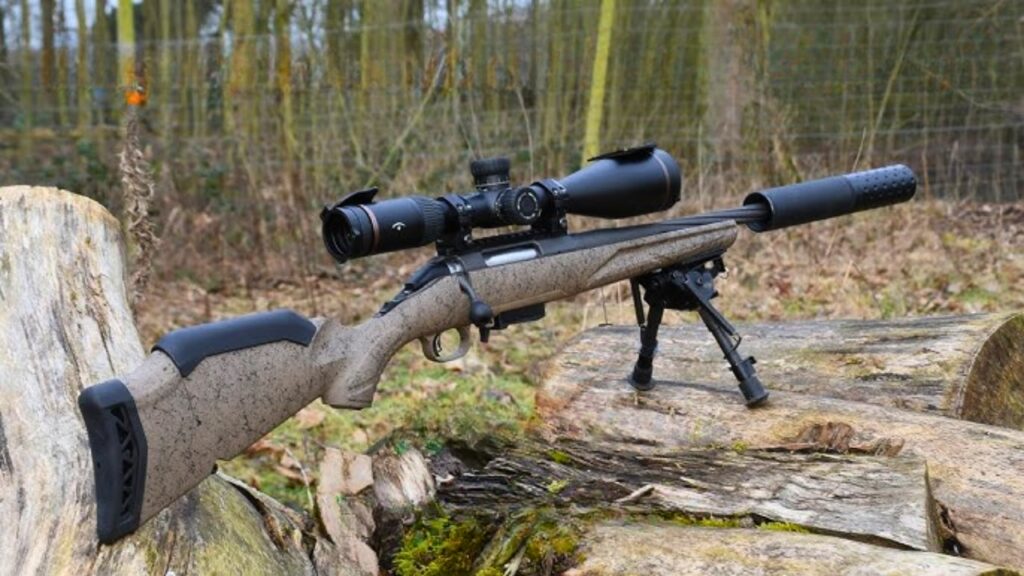
The Ruger American Ranch has a strong following, especially in 5.56 and .300 BLK. But calling it sub-MOA across the board is a stretch. While some rifles shoot great, others seem to struggle to group tighter than 2 inches without heavy tinkering.
Its short barrel and lighter weight don’t always play nice with hotter loads, and it doesn’t always hold zero after recoil-heavy sessions. For plinking or basic hunting, it does the job—but if you need precision from shot to shot, this isn’t the most dependable platform.
Savage Axis II
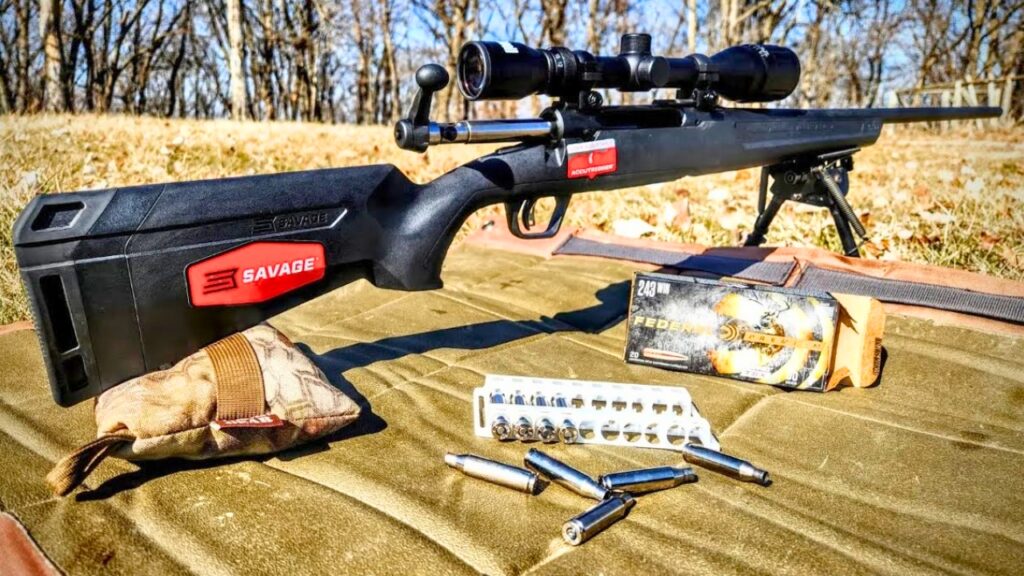
The Savage Axis II is often marketed as a budget rifle with serious accuracy potential, and it does come with the AccuTrigger. But many users find its real-world performance doesn’t quite hit sub-MOA levels—at least not consistently or without upgrades.
The barrel tends to heat up fast and wander, and the stock flexes under pressure. For new shooters, it seems great at first, but seasoned folks notice it falls short in repeatability. You’ll get a few good groups, sure—but don’t expect precision all day long.
Mossberg Patriot
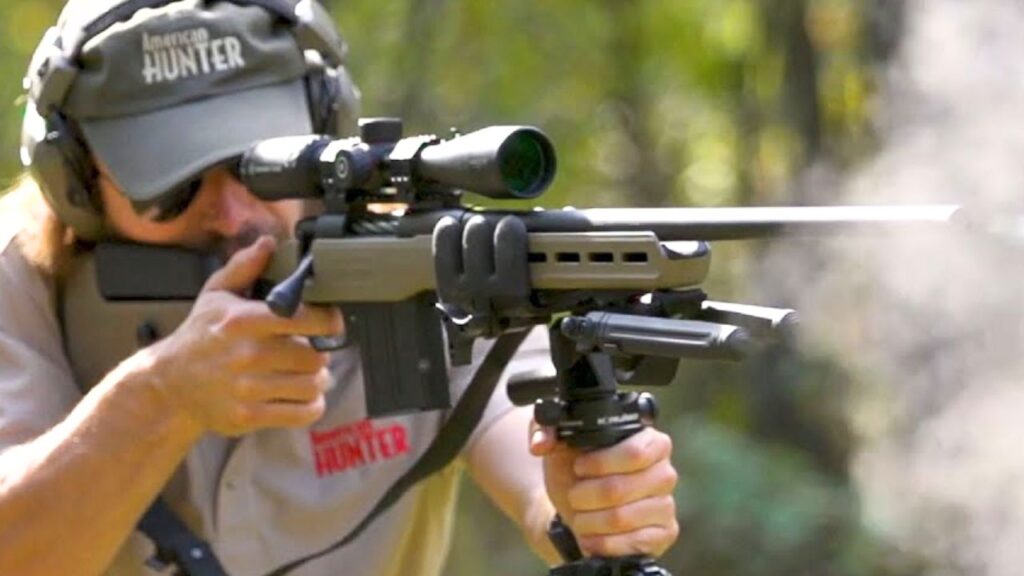
The Mossberg Patriot often claims sub-MOA accuracy thanks to its button-rifled barrel and factory scope packages. But in practice, it struggles to hold that kind of consistency unless you’re feeding it perfect ammo and watching barrel temp like a hawk.
It’s lightweight and carries well, but that also makes it more sensitive to shooter input. Plus, the synthetic stock doesn’t help with stability. It might be a decent deer rifle, but if you’re counting on laser-precise groups, you’re better off looking elsewhere.
Thompson/Center Compass

The T/C Compass had a lot going for it on paper—threaded barrel, adjustable trigger, and a sub-MOA guarantee. But accuracy varies wildly from rifle to rifle. Some shoot great, others open up no matter what ammo you feed them.
Many owners end up replacing the stock and bedding the action just to tighten things up. And even then, results aren’t always predictable. It’s not a total failure, but if you’re banking on factory precision, this one might let you down.
Browning X-Bolt Composite Stalker
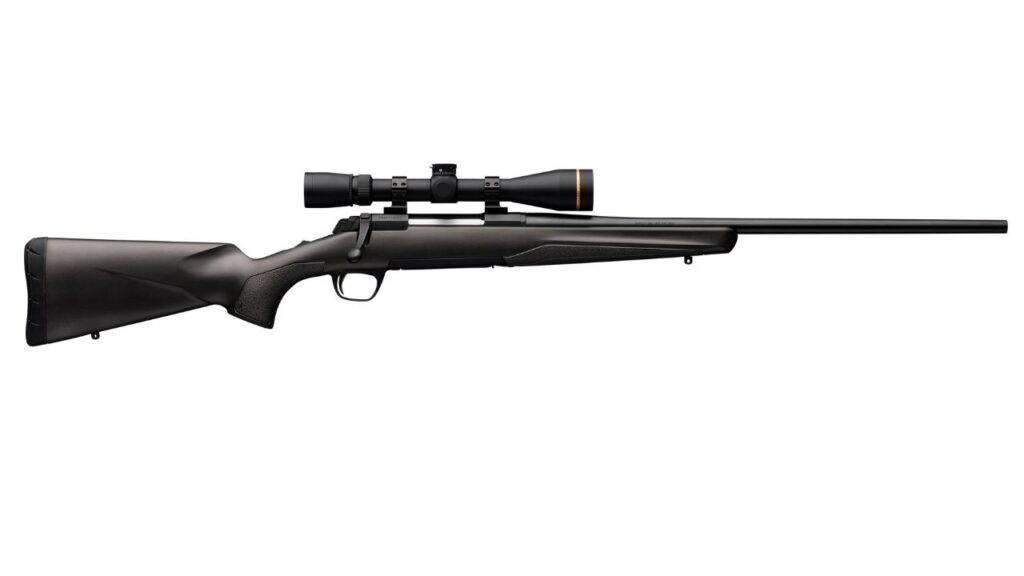
The Browning X-Bolt line gets a lot of praise, but the Composite Stalker version doesn’t always live up to the sub-MOA promise. It can be picky with ammo and doesn’t seem to like bulk factory rounds at all.
Add in the relatively lightweight build and sporter barrel, and it’s easy to lose tight groups once you’ve put a few shots through it. It’s a solid hunting rifle, no doubt—but if you’re expecting it to hold .75” all day long, it probably won’t happen.
Winchester XPR

The Winchester XPR is often marketed as a modern bolt gun with accuracy to rival the big names, but its actual performance doesn’t always back that up. The stock feels cheap, and the recoil lug setup doesn’t help with repeatable bedding.
Even with decent optics and match ammo, many shooters report erratic groups and flyers that make no sense. It’s fine for general-purpose use, but if you’re chasing consistent sub-MOA groups without major tweaking, this rifle might not get you there.
Marlin X7
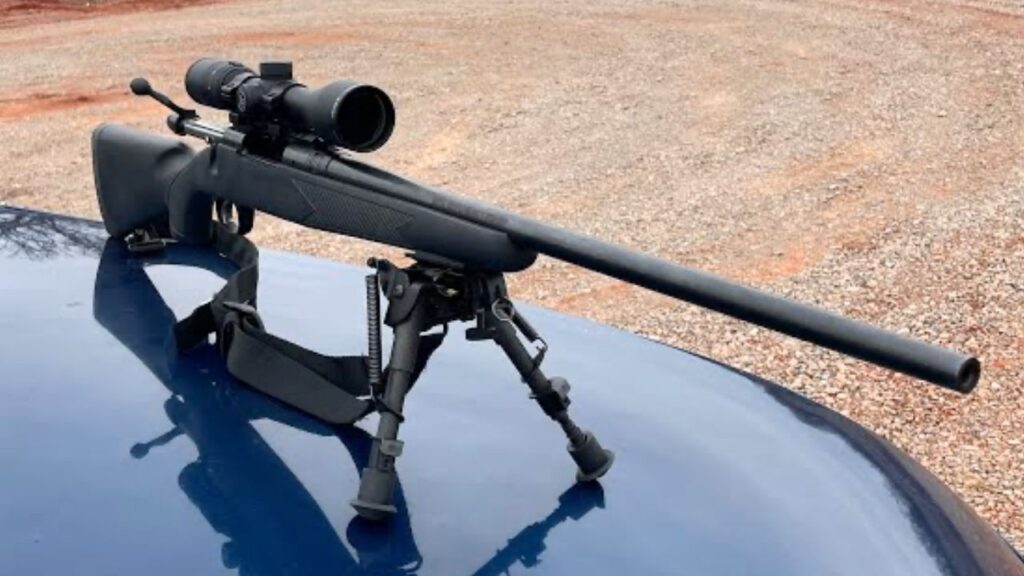
Before Ruger picked up Marlin, the X7 series was an attempt to break into the budget bolt market. It had some nice features like a decent trigger and pillar bedding, but the barrels were hit or miss—literally.
Some rifles shot surprisingly well, but others couldn’t hold a group to save their life. Marlin claimed solid accuracy, but unless you lucked out with a good one, you were in for a lot of guesswork. Consistency just wasn’t part of the deal.
Howa 1500 Hogue
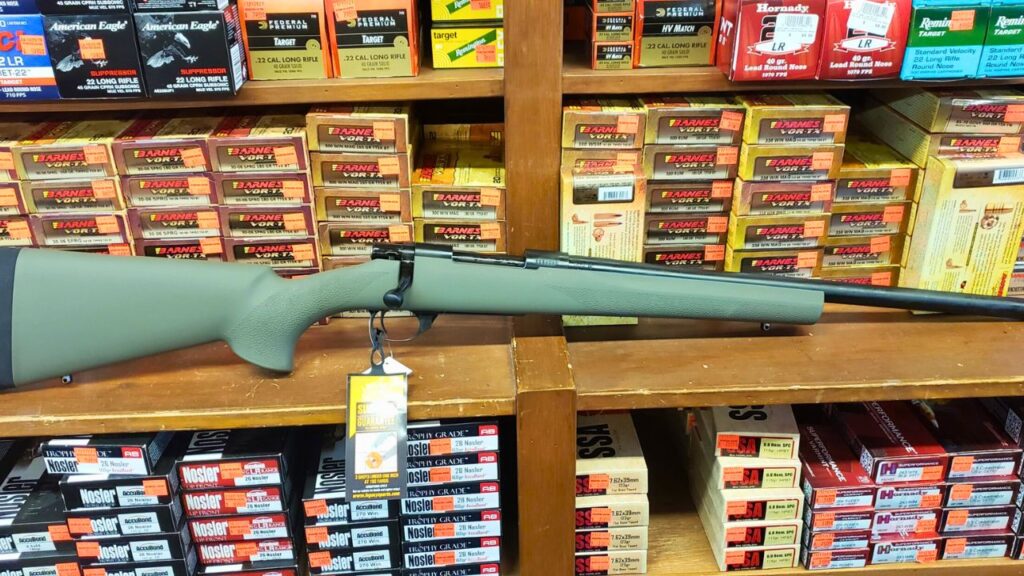
The Howa 1500 has its fans, and it’s often praised as a budget shooter with real potential. But the factory Hogue-stocked versions tend to flex under pressure, throwing off accuracy in field conditions or even from a bench.
It might deliver a tight group or two on a calm day, but as things heat up or get rough, those groups can open wide. Some folks re-stock it and see better results, but in factory form, it doesn’t always live up to the hype.
Remington Model 770

The 770 was supposed to be a step up from the old 710, but accuracy was never its strong suit. The action is rough, the trigger is mushy, and the overall feel doesn’t inspire much confidence.
Remington marketed it hard with phrases like “sub-MOA capable,” but in the real world, you’re lucky to hold 2 inches at 100 yards. Most shooters either replace it fast or chalk it up as a learning rifle. Either way, it’s not one you’ll brag about at the range.
*This article was developed with AI-powered tools and has been carefully reviewed by our editors.