Photo credit: GunBroker
Some handguns don’t get sold. They get parked. The owner keeps telling himself he’ll change the sights, polish the feed ramp, find better mags, swap a spring, send it back, or “run a few hundred more through it.” Then months go by and it stays in the safe because it never earned trust.
Kimber Ultra Carry II

Short 1911s can run, but they live in a tighter window. If yours is picky with mags or needs extractor attention, it’s easy to keep postponing the tune-up because it almost runs. You’ll get a good range trip, then a frustrating one, and it never becomes boringly consistent.
Owners also put off maintenance because compact 1911 spring schedules feel like homework. A lot of guys eventually admit they’d rather carry a striker gun than keep chasing the perfect combo of mags, springs, and ammo.
Kimber Micro 9

Micro 9s tempt people because they look great and carry easy. When one starts acting ammo-sensitive or feels finicky, it often gets set aside “until I can test it more.” Testing costs money, and most people don’t enjoy spending range days diagnosing a carry pistol.
So it becomes the gun you keep because it’s pretty, not because it’s proven. That’s how “fix later” happens—especially with small pistols that don’t forgive marginal parts or weak ammo.
SIG Sauer Mosquito
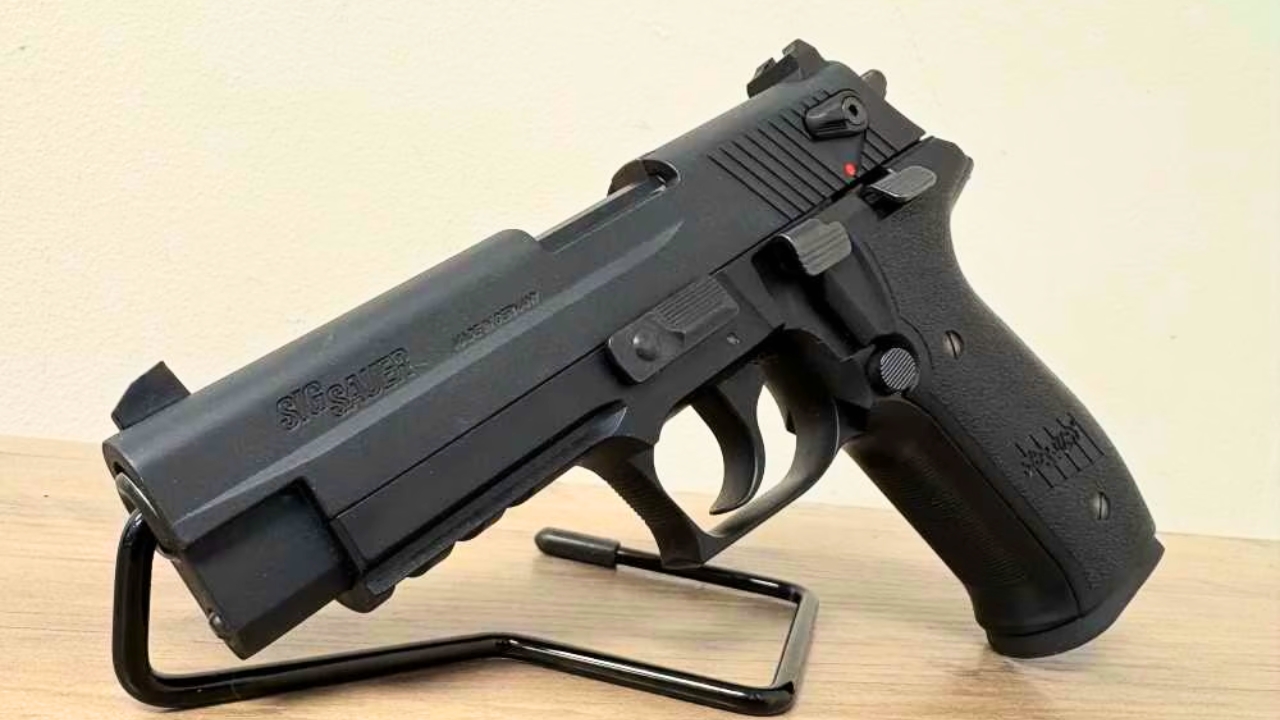
The Mosquito is famous for becoming a project. It’ll run with the “right” ammo and the “right” cleanliness level, but that’s not what people want from a .22 trainer. When it starts choking, owners say they’ll buy better ammo, replace parts, or clean it more often.
Then they buy a Ruger Mark IV or Browning Buck Mark and the Mosquito becomes a drawer gun. It doesn’t get fixed because fixing it feels pointless once you’ve experienced a .22 that actually runs.
Walther P22

Same story: bought for fun, then the fun gets interrupted. When a P22 gets picky, people swear they’ll find the ammo it likes, tune it, or replace magazines. In reality, most folks don’t want a rimfire pistol that requires a personality test.
It often ends up as a “loaner gun” that never gets used because the owner doesn’t want to babysit it. It doesn’t get fixed because the owner stops caring.
Remington R51

The R51 has a reputation that makes owners hesitate to put more time into it. If it runs, great. If it doesn’t, a lot of people don’t feel like chasing the answer. They say they’ll send it in, then they don’t.
It becomes the gun you keep to remind yourself you tried something different. Trust is hard to rebuild once the pistol starts off shaky.
Taurus Spectrum
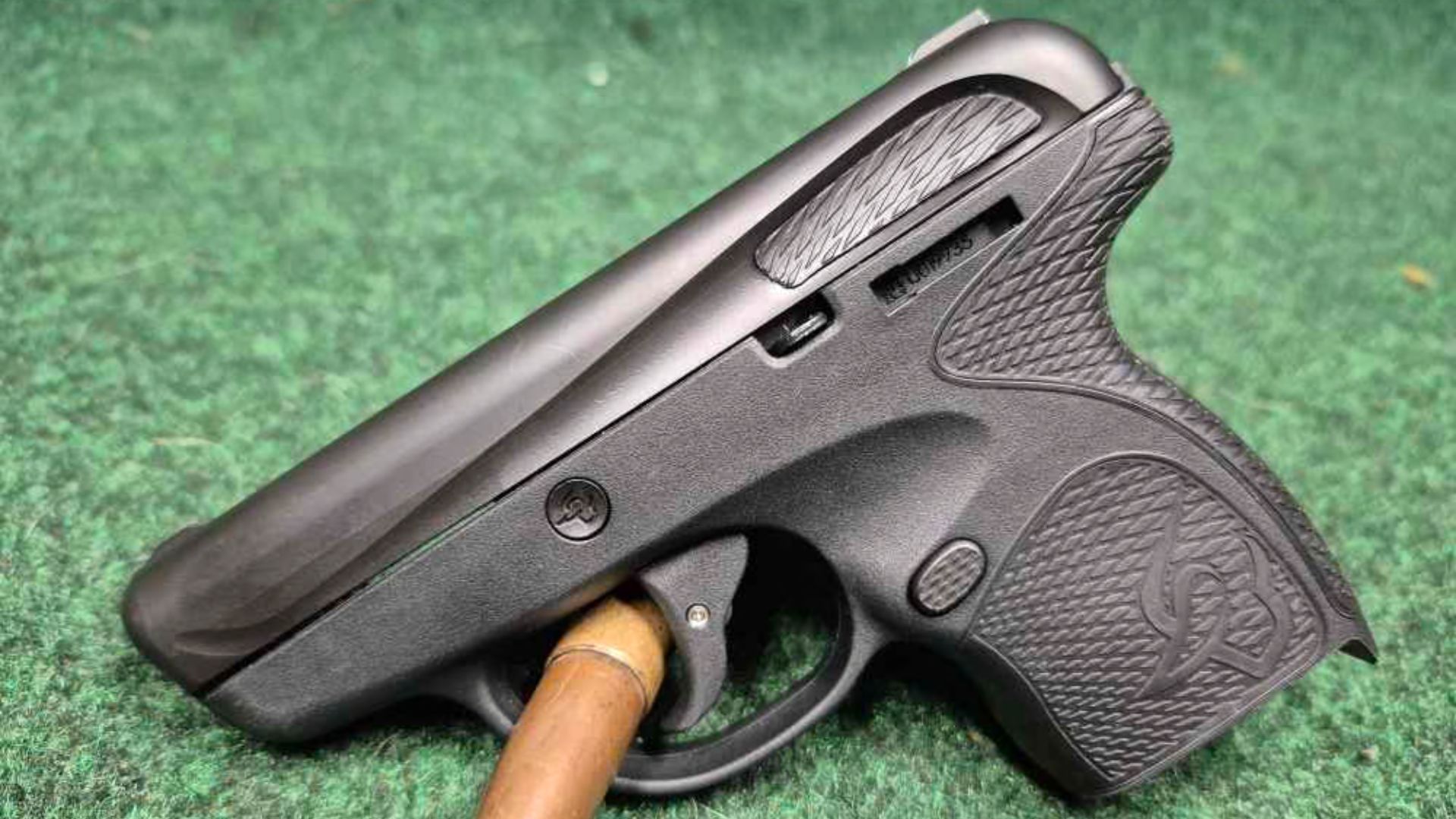
The Spectrum gets bought as a tiny, cheap carry solution. If it starts acting up, owners talk about polishing, swapping mags, or finding the perfect load. Then they realize they’re spending time on a pistol they never loved in the first place.
That’s why it ends up in the “fix later” pile. People fix guns they want to keep. They rarely fix guns they only bought because they were cheap.
Diamondback DB9

Tiny 9mms are hard to engineer, and early DB9s built a reputation for being finicky when run hard. If a DB9 starts having feeding or extraction issues, owners often plan to “break it in” more or replace springs.
Most never do it. They carry something else, and the DB9 becomes an afterthought. The pistol doesn’t get fixed because owners stop trusting it enough to invest time.
Kel-Tec PF-9

The PF-9 gets bought for slimness and price. If reliability feels marginal or it’s unpleasant to shoot, owners promise they’ll tweak it, swap parts, or run more ammo. The truth is the PF-9 isn’t fun enough for most people to keep experimenting.
So it lives in the safe as a “backup idea.” It doesn’t get fixed because the owner moves on to a pistol that feels more confidence-building.
Kel-Tec P-11

The P-11 often lands in the fix-later category because it feels rough and outdated compared to modern compacts. If you’ve got malfunctions mixed with a heavy trigger and awkward shootability, it’s easy to decide you’ll “work on it later.”
Later rarely comes. Once you buy something smoother and easier to run, the P-11 becomes a reminder of older carry compromises.
SCCY CPX-2

A CPX-2 can run, but the long, heavy trigger and mixed owner experiences push a lot of these into the “I’ll sort it out later” zone. People plan to test more ammo, replace mags, or adjust how they grip it.
In reality, many owners decide it isn’t worth the effort. It’s hard to stay motivated to fix a pistol you didn’t enjoy shooting in the first place.
Bersa Thunder .380

The Thunder has a loyal crowd, but if you get one that’s picky with ammo or mags, it can become a slow-burning project. Owners tell themselves they’ll find the right load, replace springs, or locate better magazines.
Then time passes and it sits. A lot of shooters prefer to spend effort on a 9mm platform with broader support and easier logistics.
AMT Backup .380

These show up as “cool old pocket guns” that quickly become “why did I buy this?” If it’s finicky or harsh, owners talk about polishing and tinkering, then remember it’s an older design with limited parts support.
So it stays as a novelty. It doesn’t get fixed because the owner doesn’t want to turn a nostalgia purchase into a gunsmith search.
Springfield XD-S
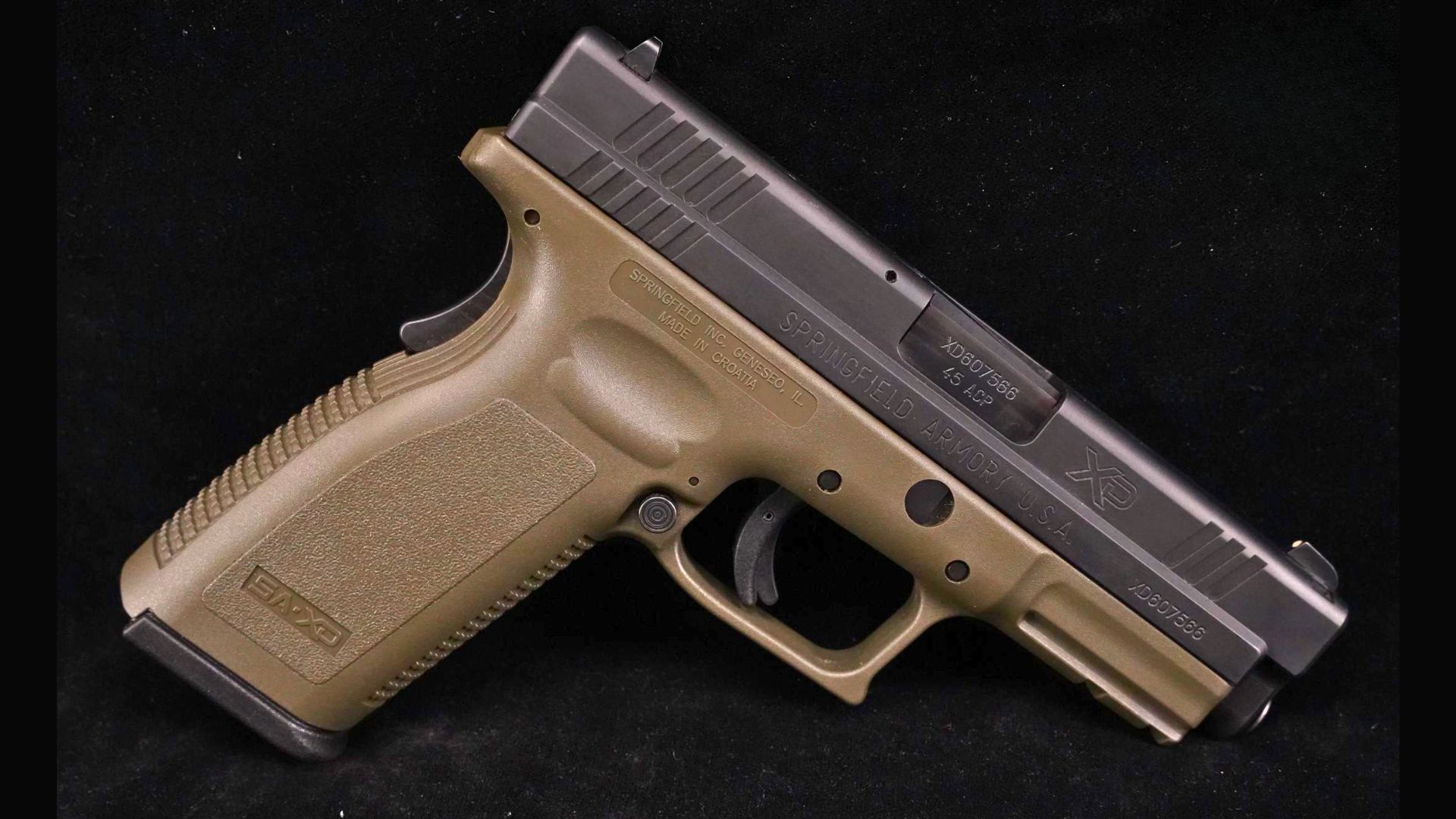
The XD-S got carried a lot, but if an owner experiences recurring quirks—ammo sensitivity, magazine issues, or reliability doubts—it often turns into a pistol they swear they’ll test “one more time.” It’s easy to keep postponing that range session.
Once you pick up a newer micro-compact that shoots softer and feels more consistent, motivation disappears. The XD-S becomes the “I should trade it” gun that never gets traded.
Beretta Nano

The Nano looks great on paper, but plenty of owners don’t love how it shoots. If it’s not pointing naturally or the trigger feel doesn’t click, they plan to swap sights, change grips, or “learn it better.”
Most don’t. Pistols that don’t feel right rarely get fixed—because the “fix” is usually buying something that fits better.
Hi-Point C9

Some Hi-Points run and keep running. The fix-later story here is different: owners say they’ll upgrade sights, get better mags, or clean it up, but then remember they bought it because it was cheap and they don’t want to put more money into it.
So it stays as a glovebox or nightstand option. It doesn’t get fixed because it was never a platform they planned to invest in.
Like The Avid Outdoorsman’s content? Subscribe to our newsletter so you never miss an article.
Here’s more from us: