Photo credit: Two Dogs and a Gun/GunBroker
Beretta is one of those gun brands that feels almost too old to process. A lot of shooters know the 92FS, the M9, the 1301, the A400, or the Silver Pigeon. Some know Beretta for Italian shotguns. Some know it for military pistols. Some know it because the name just sounds expensive. But the company’s real story is much bigger than one pistol or one shotgun line.
Beretta traces its roots to 1526 in Gardone Val Trompia, Italy, and the company says the Beretta family has led it for 15 generations. That makes it one of the oldest active firearm manufacturers in the world, and one of the rare gun companies where “heritage” is not just a marketing word slapped onto a catalog page.
1. Beretta Is Older Than Most Countries’ Modern Governments
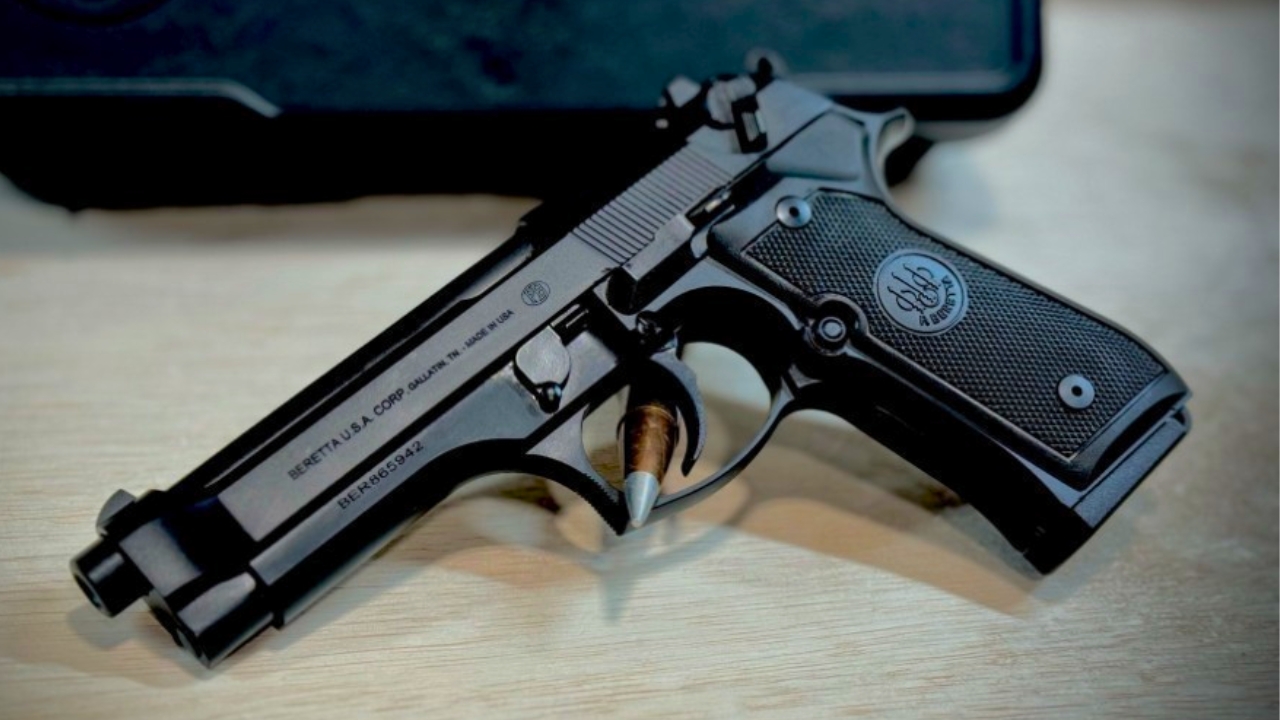
Beretta was founded in 1526, which means the company predates the United States by 250 years. It has survived monarchies, wars, industrial revolutions, world wars, political shifts, and massive changes in firearm technology. Most brands are proud to last a few generations. Beretta has lasted nearly five centuries.
That kind of age gives the brand a different kind of weight. A lot of companies can claim experience. Beretta can point to a family business that has kept building firearms since the matchlock and arquebus era. That does not automatically make every modern Beretta perfect, but it does make the company’s survival pretty remarkable.
2. The Beretta Family Is Still Tied to the Company

A lot of old gun companies eventually lose their founding-family connection. Beretta is different. The company says the Beretta family has led the business for 15 generations, which is almost unheard of in the modern firearms industry.
That matters because Beretta’s identity is not only corporate. It still carries a family-dynasty feel. The name on the gun is not just a brand label purchased by a holding company after a bankruptcy auction. It is tied to centuries of family involvement, which gives Beretta a kind of continuity most firearm companies simply do not have.
3. The Company Started With Barrels
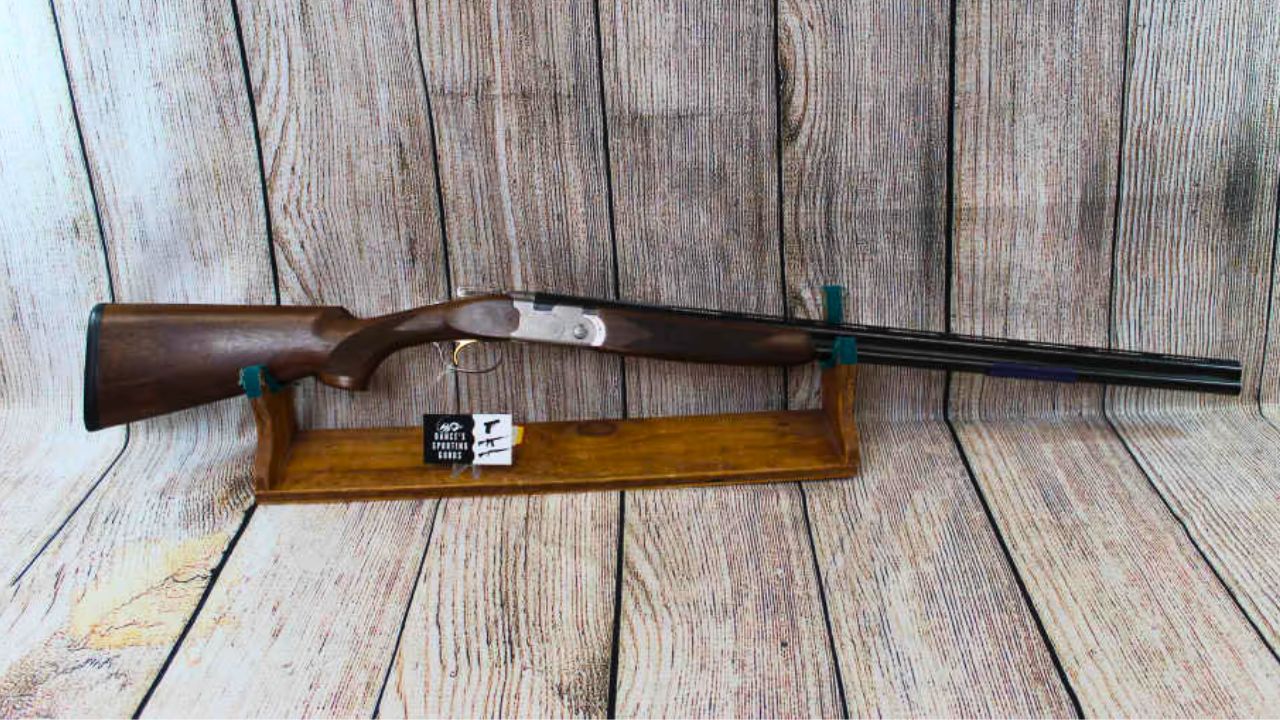
Beretta did not start with sleek competition shotguns or military pistols. Its earliest documented work was tied to firearm barrels. That makes sense for the 1500s, when gunmaking was a very different craft and barrel production was one of the most important parts of the weapon.
That origin is worth remembering because Beretta’s modern shotgun reputation still leans heavily on barrel quality. Whether someone is talking about a Silver Pigeon, DT11, A400, or 1301, Beretta barrels remain part of the brand’s identity. The company’s roots and its modern reputation are more connected than people realize.
4. Gardone Val Trompia Is a Huge Part of the Story
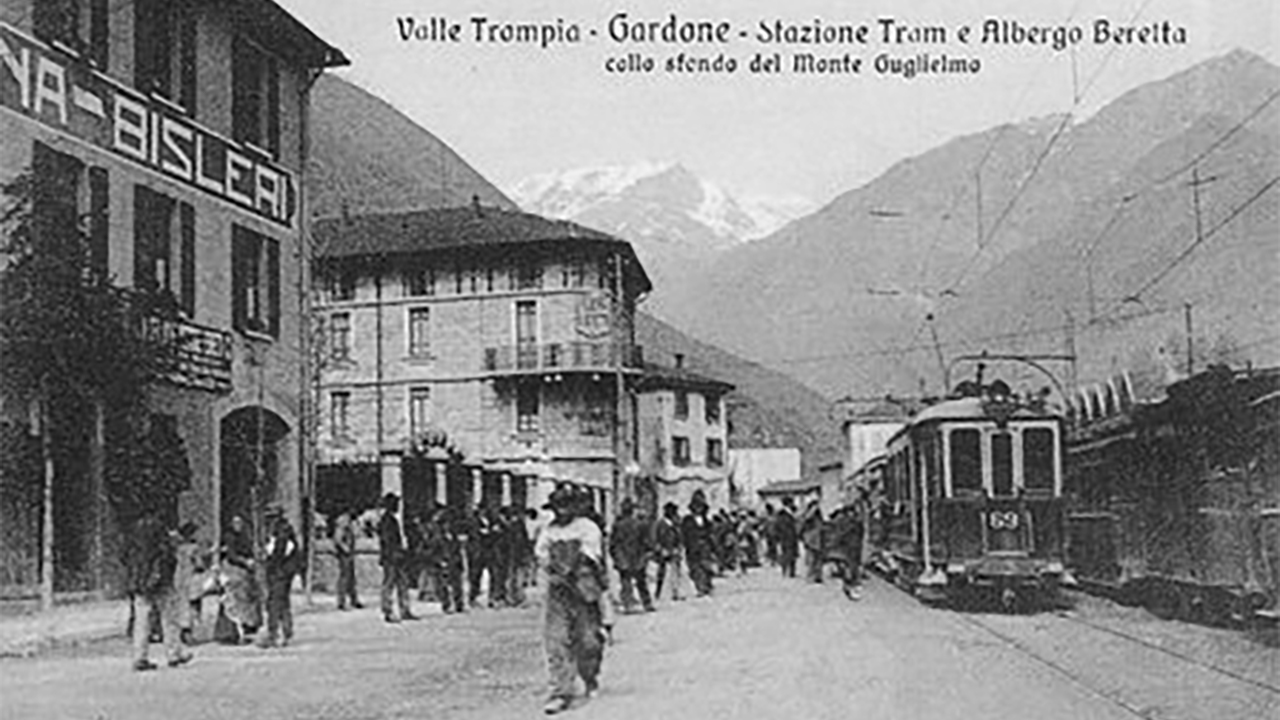
Beretta is deeply tied to Gardone Val Trompia in northern Italy. The company’s official history points to Gardone Val Trompia in Brescia as its founding location, and that region has a long gunmaking tradition.
That matters because Beretta is not just “an Italian gun brand” in some vague sense. It comes from a specific region known for arms making. The local craft tradition helped shape what Beretta became. That kind of place-based identity is one reason Beretta shotguns still carry a different feel than mass-market guns made without that same old-world connection.
5. Beretta Is More Than a Handgun Company

In the United States, a lot of shooters know Beretta first because of the 92FS and M9. That makes sense. The M9 spent decades as the U.S. military’s standard sidearm. But globally, Beretta is also a major shotgun and sporting-arms name.
The company describes itself today as an international manufacturer of commercial firearms, military weapons, and products for hunting, competition, and tactical shooting. That is a broad identity. Beretta’s handgun legacy is important, but the shotgun side is just as central to the brand.
6. The 92 Series Changed Beretta’s American Image
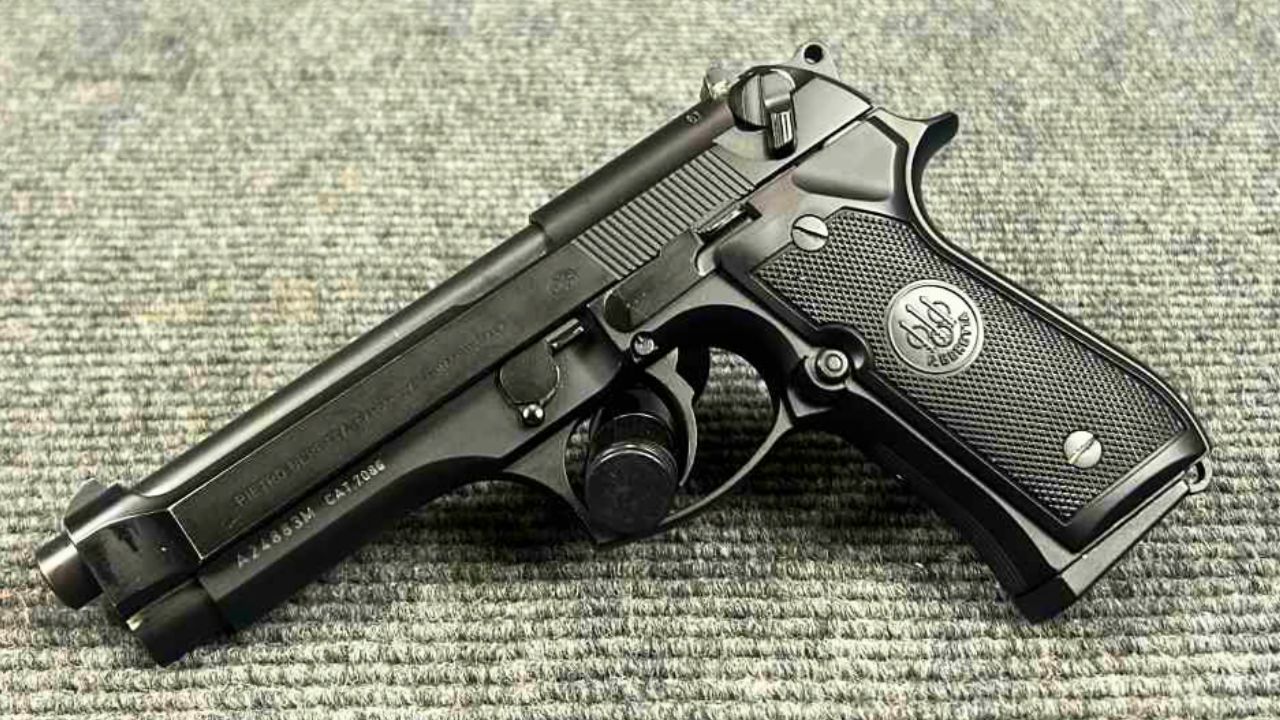
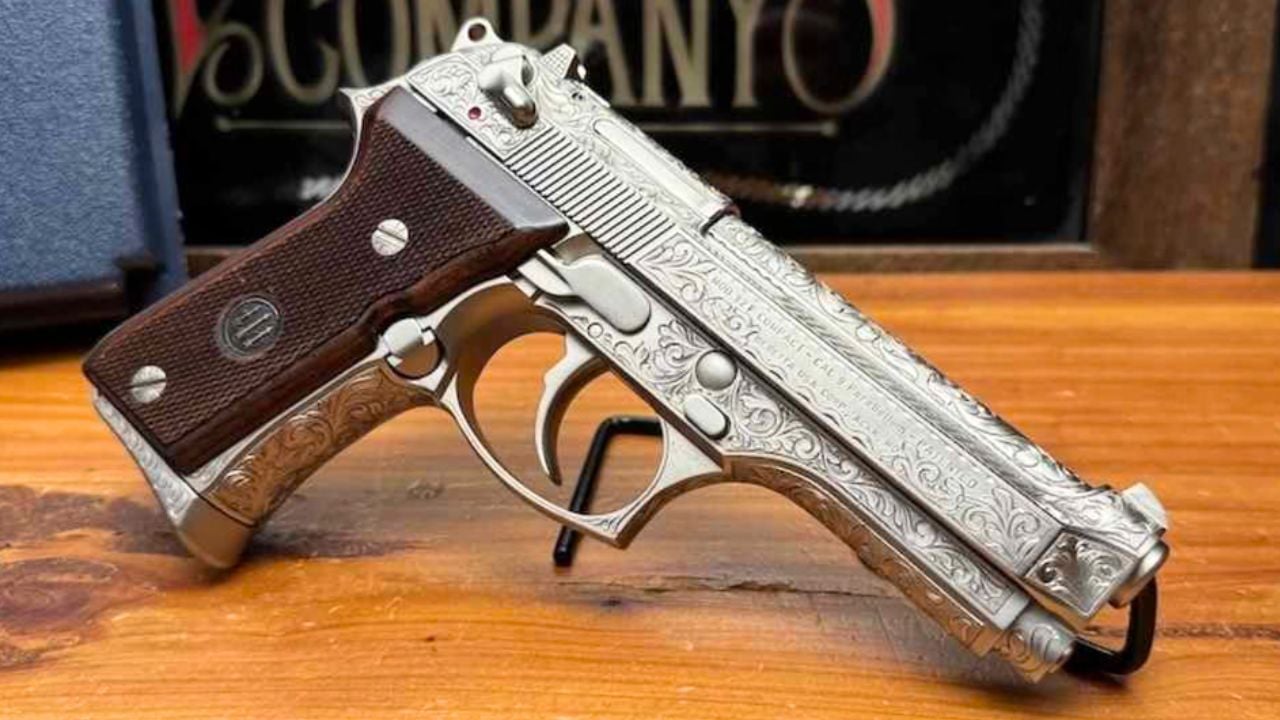
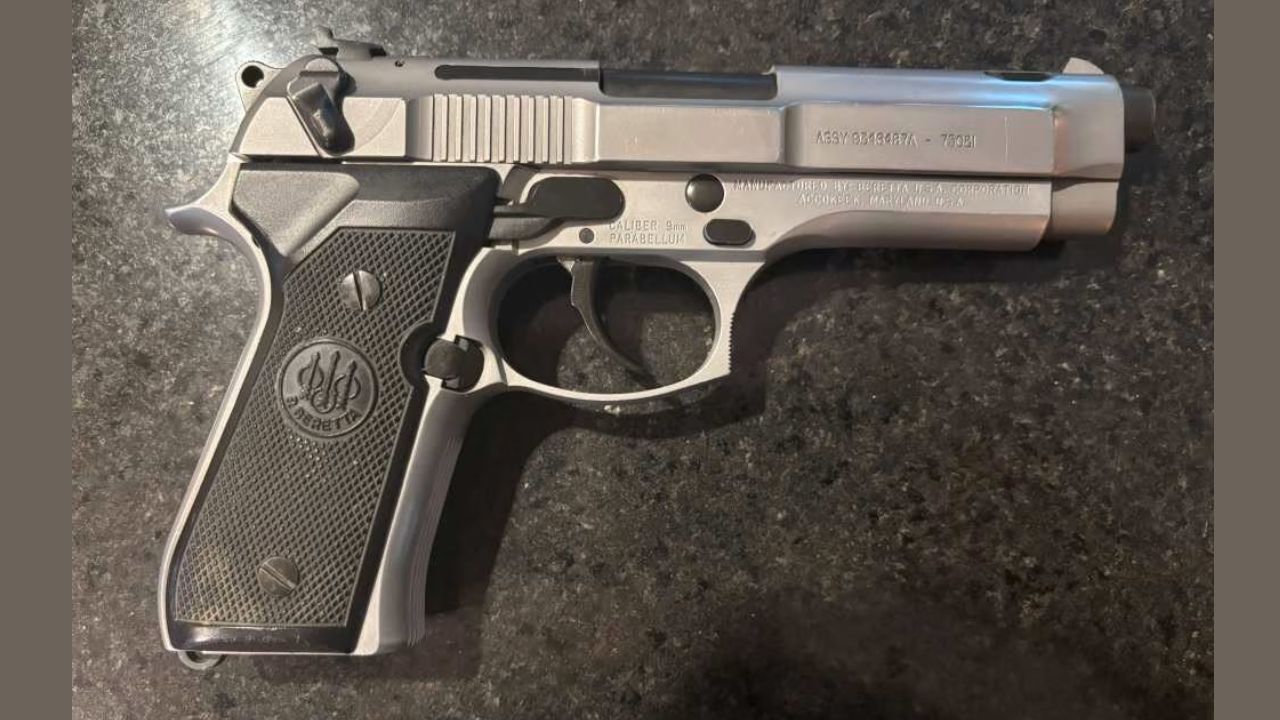
The Beretta 92 series gave the company a huge American footprint. Before that, plenty of shooters knew Beretta, but the 92/M9 era put the brand in front of U.S. troops, police departments, action-movie audiences, and civilian buyers on a massive scale.
That pistol became the Beretta many Americans pictured first. The open slide, alloy frame, DA/SA trigger, slide-mounted safety/decocker, and 15-round 9mm magazine all became part of the brand’s U.S. identity. Even people who prefer newer pistols usually recognize the 92 shape immediately.
7. The M9 Replaced the 1911 in U.S. Military Service

One of Beretta’s biggest moments came when the 92FS became the U.S. military’s M9 pistol. The M9 was adopted in 1985 as the U.S. Armed Forces’ standard sidearm, replacing the M1911A1 in major service roles.
That was a massive shift. The 1911 had served through generations of American military history. Replacing it was not just a procurement decision; it was a cultural change. The M9 gave Beretta a place in U.S. service-pistol history that very few foreign firearm companies ever reach.
8. The M9 Contract Was Not Without Drama
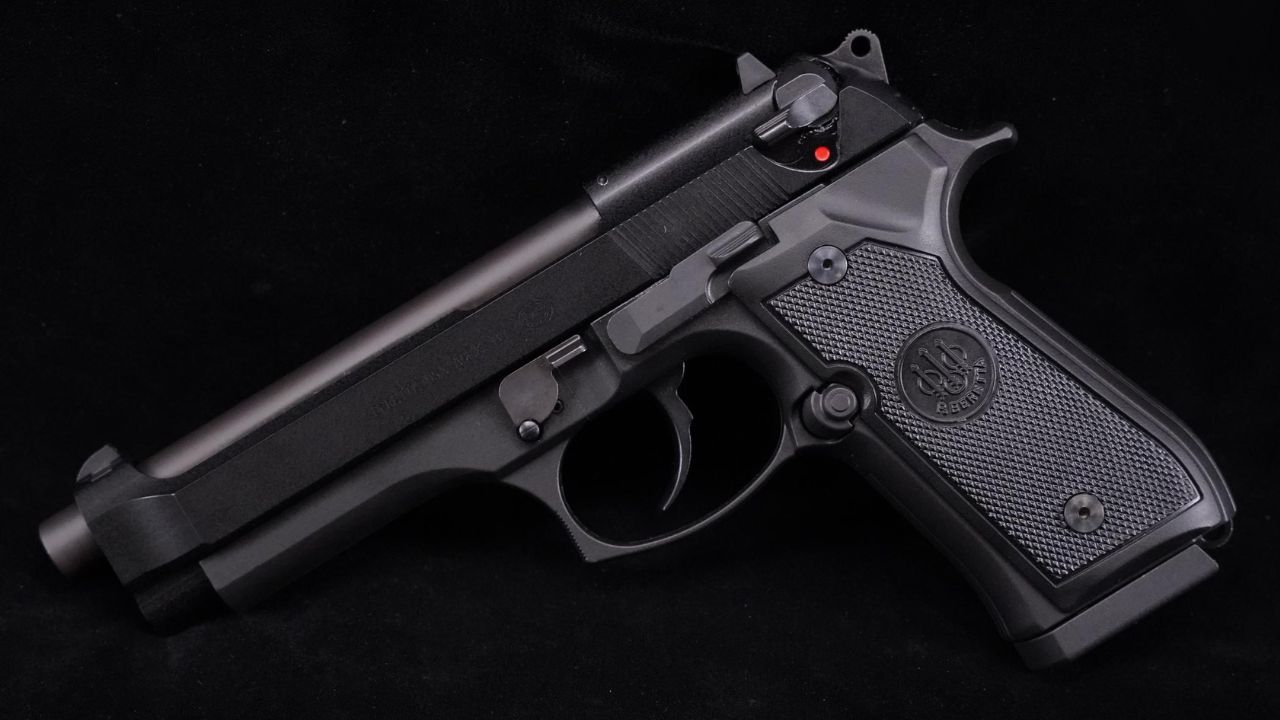
The Beretta M9 adoption was controversial from the beginning. Competing companies challenged the decision, and the pistol faced plenty of criticism over the years. Some complaints were about caliber, some about magazines, some about size, and some about the military’s broader handgun requirements.
That controversy is part of why the M9 is still debated. Some shooters respect it as a durable, accurate service pistol. Others blame it for problems tied to poor magazines, bad maintenance, worn-out guns, or 9mm ball ammunition. The truth is more complicated than the loudest takes. The M9 served for decades, and that alone says something.
9. Beretta Won a Massive Follow-Up M9 Contract
The M9 did not disappear after the original adoption. In 2009, Beretta announced a U.S. Army contract worth $220 million for up to 450,000 M9 and M9A1 pistols over five years. That was a huge contract and helped keep the pistol in service long after critics thought it should be gone.
That matters because the M9 was not just a short-lived experiment. It became a long-running military sidearm. Even after the SIG M17/M18 began replacing it, the M9’s service life had already secured Beretta’s place in modern military handgun history.
10. Beretta Shotguns Have Their Own Loyal World
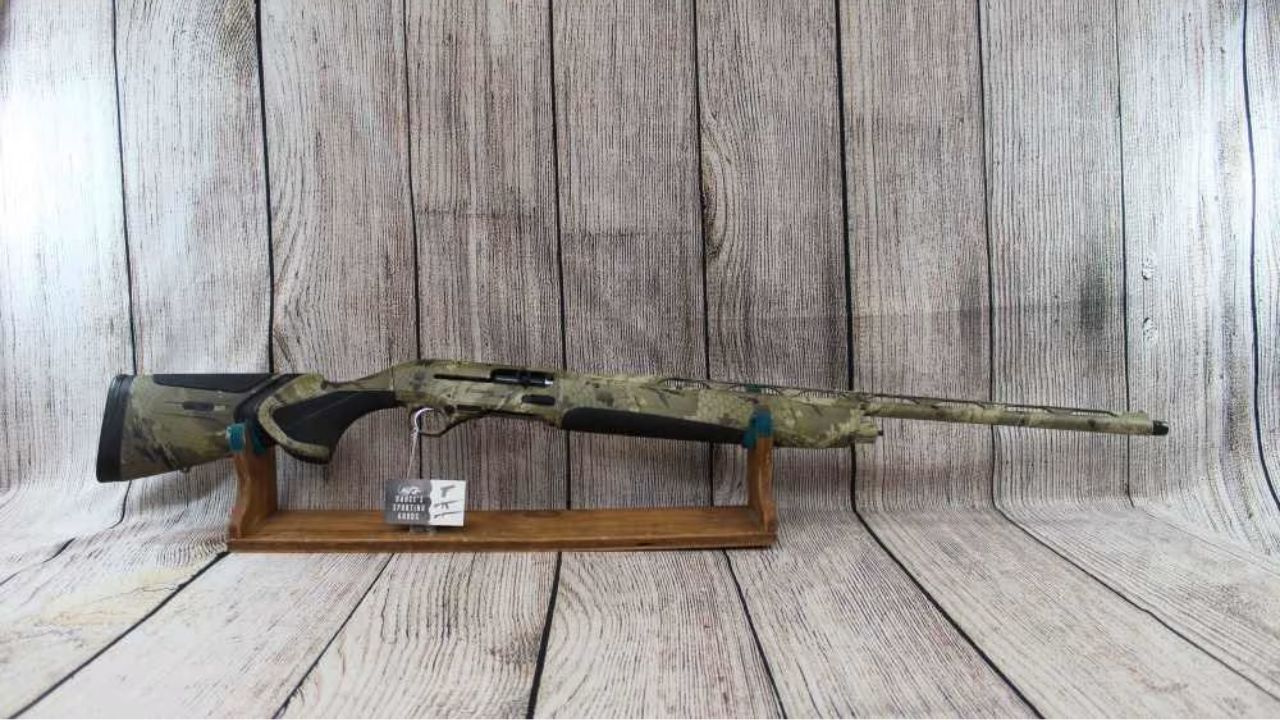
Beretta shotguns may be even more important to the brand’s long-term identity than the 92 pistol. Over-under models like the Silver Pigeon and DT11, semi-autos like the A400 and 1301, and hunting guns across the lineup give Beretta serious credibility with bird hunters, clay shooters, and competition shooters.
That shotgun reputation is different from the M9 story. It is less about military adoption and more about fit, balance, barrels, durability, and field performance. A Beretta shotgun often feels like something people buy for the long haul. That is a huge reason the brand’s name still carries weight outside the handgun aisle.
11. The Silver Pigeon Is a Modern Classic
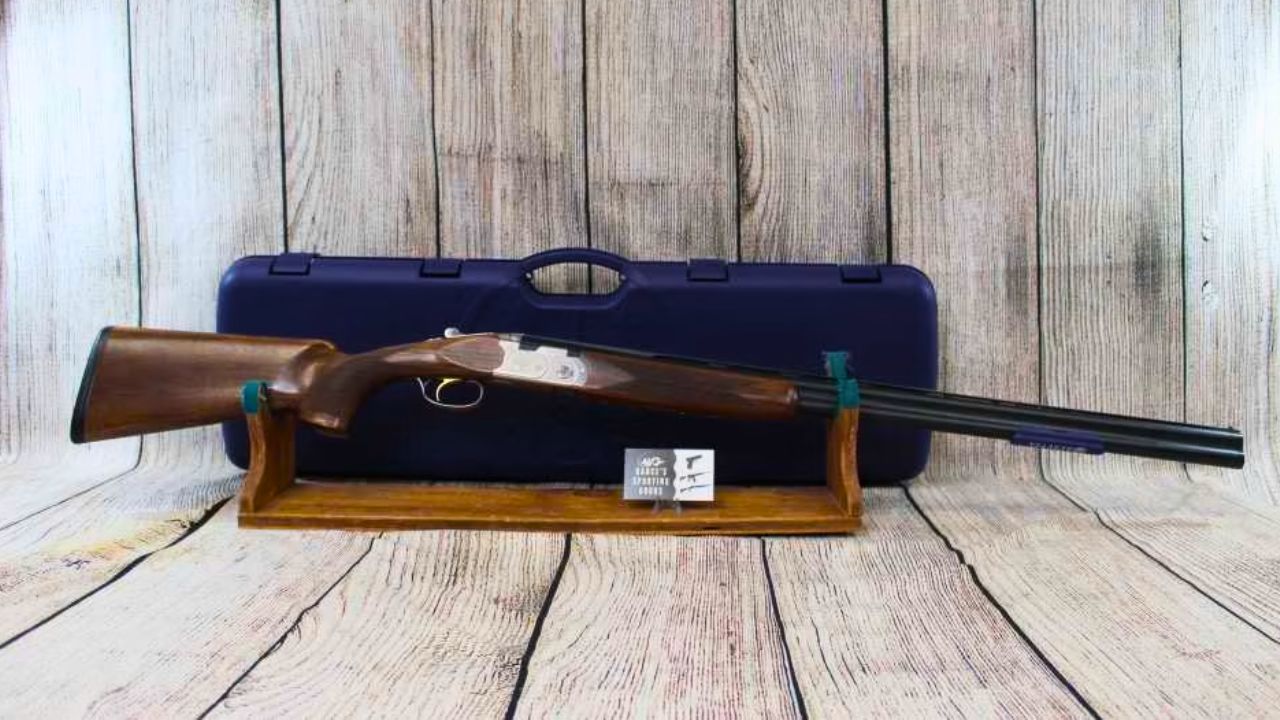
The Beretta Silver Pigeon is one of those over-under shotguns that seems to show up everywhere: bird fields, clay ranges, gun shops, and “first serious over-under” conversations. It is not cheap, but it is often viewed as a serious entry into quality Italian over-unders.
That matters because Beretta has kept the over-under shotgun relevant for regular shooters, not just luxury buyers. A Silver Pigeon is not a $50,000 bespoke gun, but it still carries the Beretta name, Italian styling, and the kind of field/clay versatility buyers trust. It is one of the best examples of Beretta’s shotgun strength.
12. The 1301 Made Beretta Matter to Tactical Shotgun Buyers
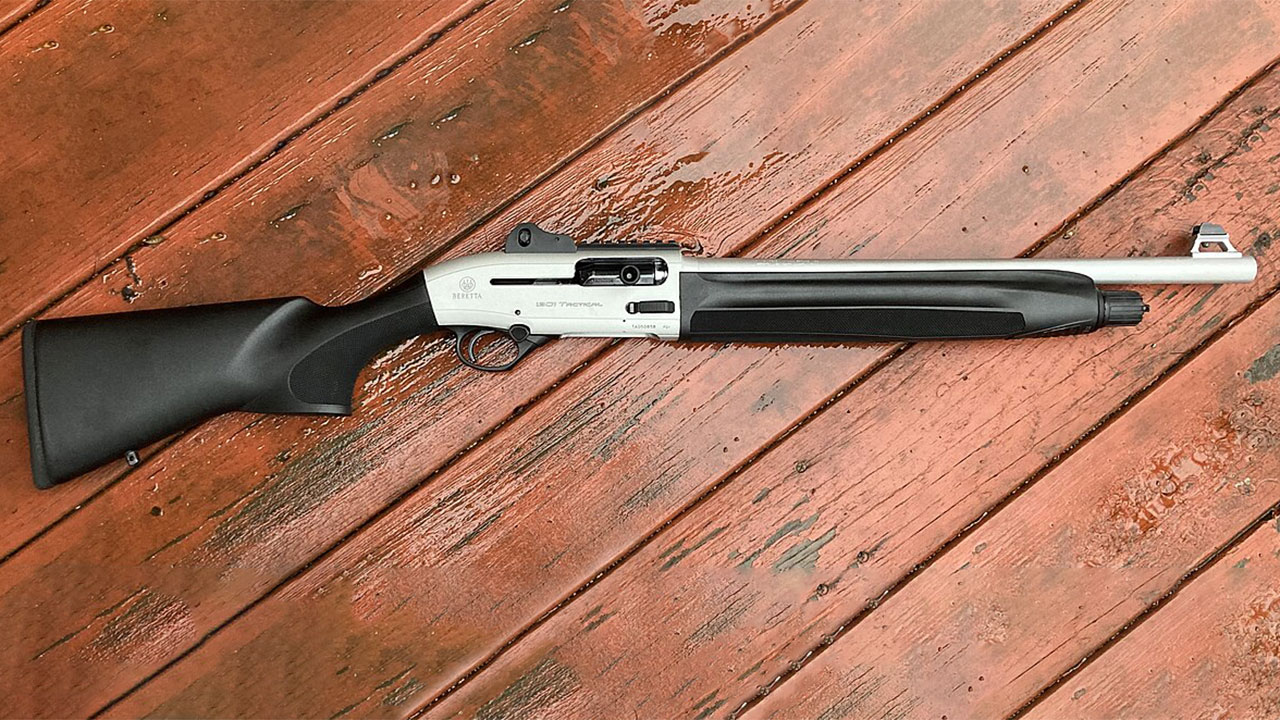
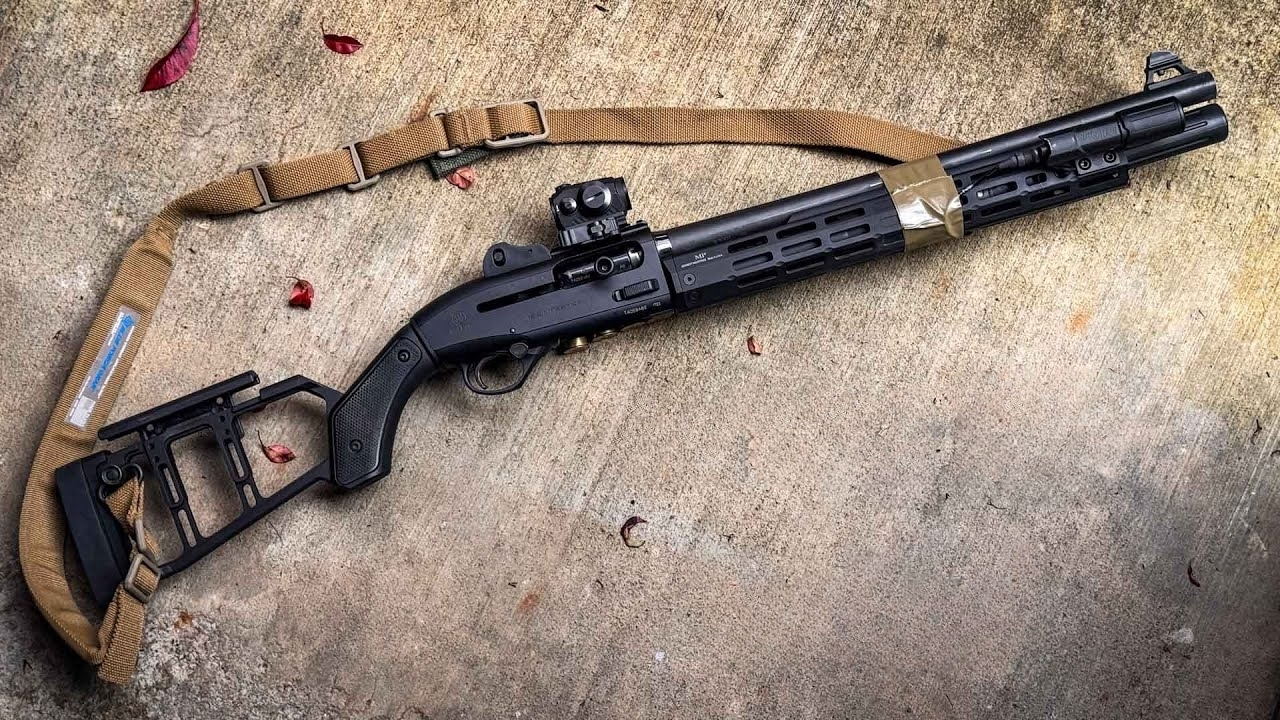
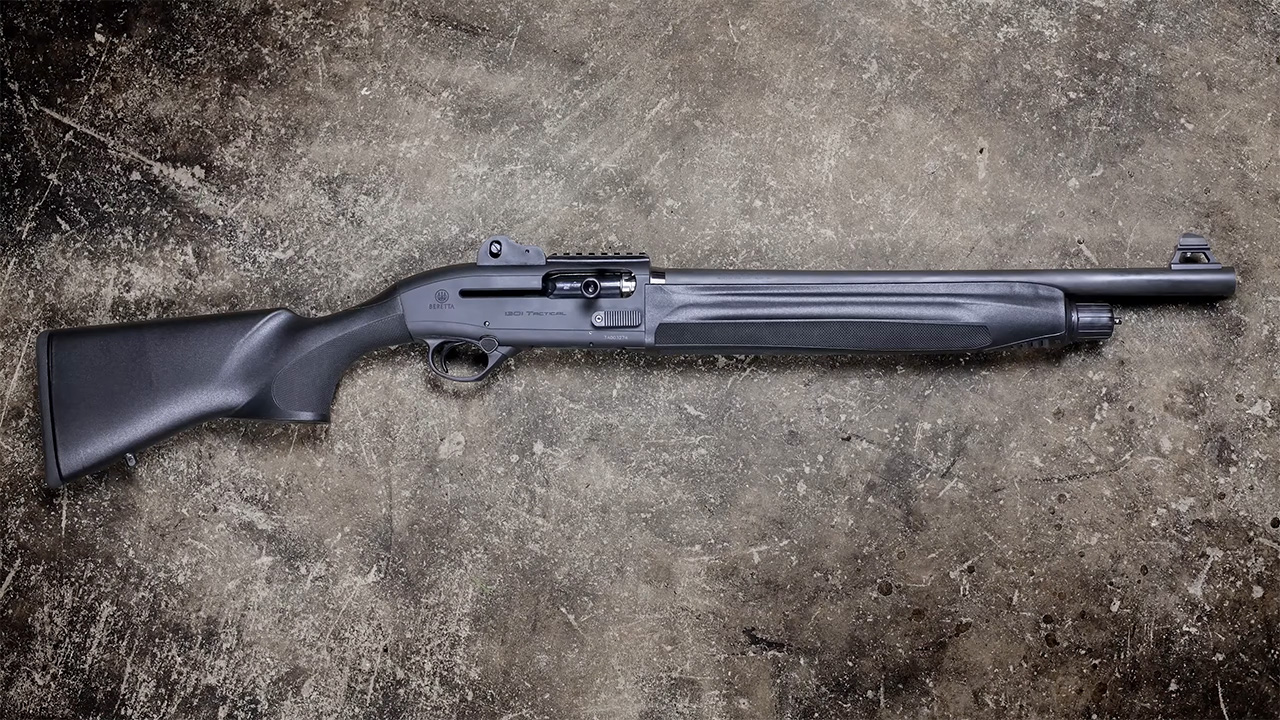
Beretta’s 1301 changed how a lot of defensive shotgun buyers looked at the brand. The company describes the 1301 Tactical as using its BLINK gas operating system with a cross-tube gas piston and says that system cycles 36% faster than competing shotguns.
That helped the 1301 become one of the most respected semi-auto tactical shotguns on the market. Beretta was already a major sporting shotgun name, but the 1301 gave it serious traction with home-defense, law-enforcement, training, and competition-minded shotgun buyers.
13. Beretta Is Part of a Bigger Holding Group
Beretta is not only one brand anymore. Beretta Holding includes multiple outdoor, firearms, optics, and related brands. That broader structure matters because it gives Beretta more reach than shooters may realize.
That is one reason Beretta’s modern influence extends beyond the guns with “Beretta” stamped on them. The company sits inside a larger international firearms and outdoor group. That scale helps explain why Beretta can compete across handguns, shotguns, rifles, accessories, clothing, optics, ammunition-related interests, and tactical markets.
14. Beretta Is Still Expanding in the U.S.
Beretta’s U.S. footprint has become increasingly important because America is the largest civilian firearms market in the world. Recent reporting has described Beretta’s efforts to expand in the U.S., including its stake in Sturm, Ruger & Co. and broader interest in the American market.
That matters because Beretta is not just an old European brand looking backward. It is still making modern business moves. Whether buyers care about old Italian shotguns, M9 history, 1301s, or future U.S. expansion, Beretta remains active in the market instead of living only on its 1526 origin story.
15. Beretta Survived Because It Never Stayed in One Lane
The biggest thing most shooters do not know about Beretta is how much range the company has. It has survived by moving across eras and categories: early barrels, military arms, sporting shotguns, service pistols, competition guns, tactical shotguns, hunting gear, and global defense markets.
That is why the name still matters. Beretta is not only old. Plenty of old names fade. Beretta stayed alive because it kept adapting while holding onto enough identity to still feel like Beretta. A company does not last nearly 500 years by accident. It lasts because it keeps finding a way to build guns people still want to carry, shoot, hunt with, compete with, and trust.
Like The Avid Outdoorsman’s content? Subscribe to our newsletter so you never miss an article.
Here’s more from us: