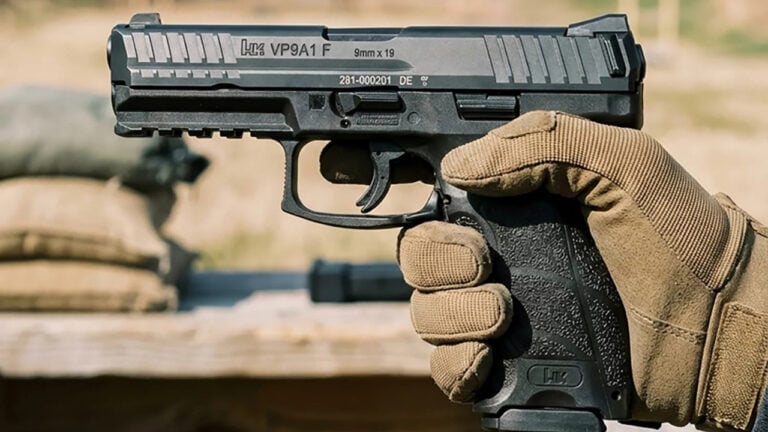
Photo credit: FirearmLand/GunBroker
SIG Sauer is one of those brands that seems to live in the center of every modern handgun argument. Some shooters love the P226 and P229 era. Some swear by the P365. Some think the P320 changed the striker-fired market. Others immediately bring up the lawsuits, safety claims, and controversy surrounding the P320. That is SIG in a nutshell: big wins, big attention, and big arguments.
The brand made buyers pay attention because it did not sit still. It moved from classic metal-frame DA/SA pistols into modular striker-fired guns, then shook up concealed carry with the P365, then pushed hard into optics, suppressors, rifles, ammunition, and military contracts. SIG’s own history points to the Swiss P49, the forerunner of the P210, in 1949, followed by pistols like the P220 and P230 that helped build the company’s reliability reputation.
1. SIG Built a Serious Reputation Before Polymer Took Over

Before modern striker-fired pistols dominated gun counters, SIG Sauer already had serious credibility with metal-frame DA/SA pistols. Guns like the P220, P226, and P229 helped shape the company’s reputation for smooth operation, reliability, and duty-grade build quality.
That older SIG identity still matters. A lot of shooters who are skeptical of newer polymer guns still respect the classic SIGs. Those pistols gave the brand weight before the P320 and P365 ever entered the picture. SIG did not become relevant overnight. It already had decades of handgun respect behind it.
2. The P210 Gave SIG a Precision Legend

The SIG P210 is one of those pistols serious handgun people still talk about with respect. Developed from the Swiss P49, it became known for accuracy, quality, and a level of refinement that set it apart from ordinary service pistols. SIG’s history page connects the P49/P210 line to Swiss Army use and a reputation on both the battlefield and competition field.
That matters because the P210 gave SIG an early “we know how to build a serious pistol” identity. It was not cheap, simple, or mass-market in the way many modern carry guns are. It was a precision-minded service pistol that helped establish SIG as a brand that cared about performance.
3. The P226 Became a Duty-Pistol Benchmark

The P226 became one of SIG’s most important pistols because it landed in the duty-gun world at exactly the right time. It gave shooters a full-size DA/SA 9mm with strong reliability, good accuracy, and the kind of smooth feel that made it stand apart from cheaper service pistols.
That helped SIG gain serious ground in law enforcement, military, and professional circles. The P226 was not a polymer revolution gun. It was a high-quality traditional service pistol that gave buyers confidence. Even now, when striker-fired pistols dominate, the P226 still has a loyal following because it represents the old SIG standard.
4. SIG Made DA/SA Pistols Feel Premium

SIG did not invent DA/SA, but the company helped make it feel refined. A good SIG DA/SA pistol has a smooth double-action pull, clean single-action follow-up, solid decocker system, and a slide that feels like it rides with purpose. That gave the guns a premium feel compared with many duty pistols of the same era.
That mattered because buyers could feel the difference. A SIG often cost more, but it also felt more polished. For shooters who wanted something better than the basic service-pistol experience, SIG became one of the names worth saving for.
5. The P320 Changed the Striker-Fired Conversation
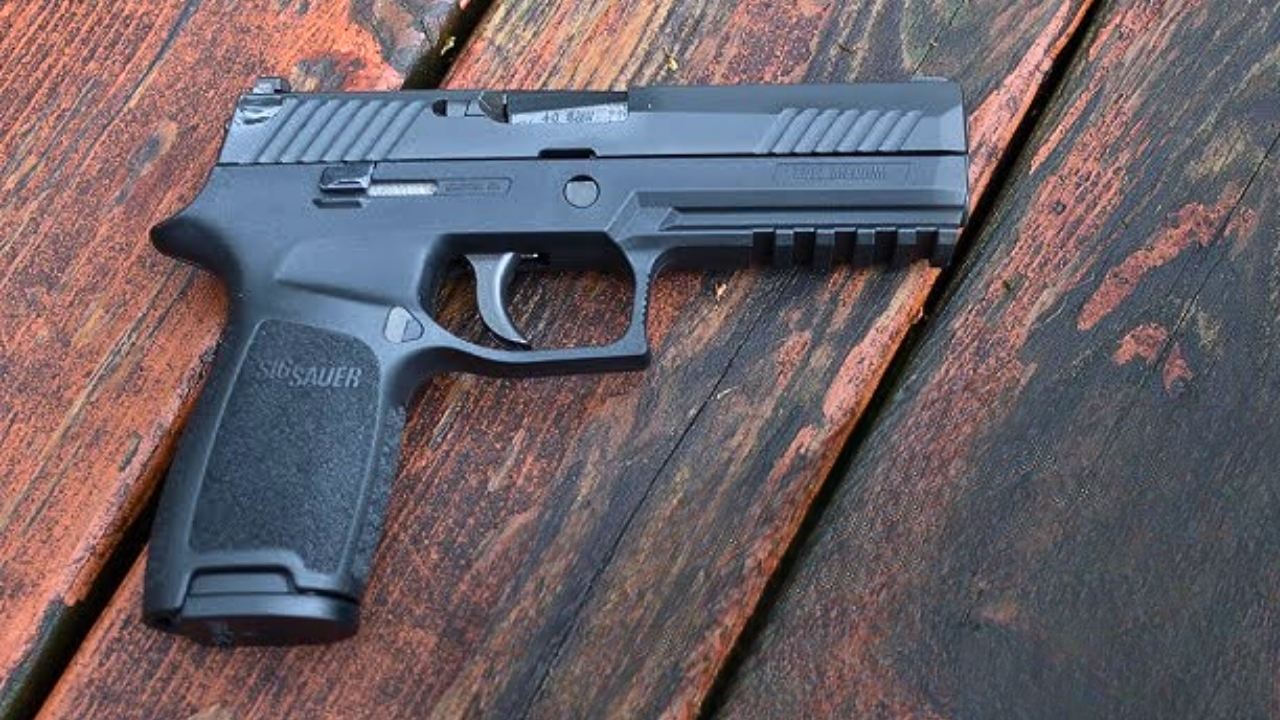
The P320 made buyers pay attention because it was not only another striker-fired pistol. The big idea was modularity. The serialized fire control unit could move between grip modules, slides, barrel lengths, and configurations, giving shooters a level of flexibility most traditional pistols did not offer.
That changed the way people thought about handgun ownership. Instead of one fixed frame being the legal firearm, the fire control unit became the core. SIG’s P320-M17 page describes the M17 as built on the P320-based modular platform and selected for its modularity, performance, and capability.
6. Winning the Army Contract Was a Massive Moment

SIG’s biggest modern attention-grabber was the U.S. Army Modular Handgun System contract. The P320-based M17 was selected after a highly competitive process, giving SIG a major military-service-pistol win. SIG says the M17 was awarded the U.S. Army MHS contract after one of the most rigorous and competitive review processes in military firearms history.
That contract changed civilian interest immediately. Buyers noticed when the Army picked SIG. Even people who had never cared about the P320 suddenly wanted to know what the M17 was and whether the civilian version was worth buying. Military adoption does not make a pistol perfect, but it absolutely makes the market look.
7. The M18 Gave SIG Even More Military Visibility

The M18 kept the momentum going. SIG describes the P320-M18 as the official U.S. military service pistol available for civilian use and says the M18 was issued to all branches of the U.S. military and chosen as the official sidearm of the U.S. Marine Corps.
That mattered because the M17 and M18 gave SIG a modern military identity most handgun brands would love to have. The P226 had already given SIG professional credibility, but the M17/M18 era put the company right back in the center of the service-pistol conversation.
8. The P365 Disrupted Concealed Carry
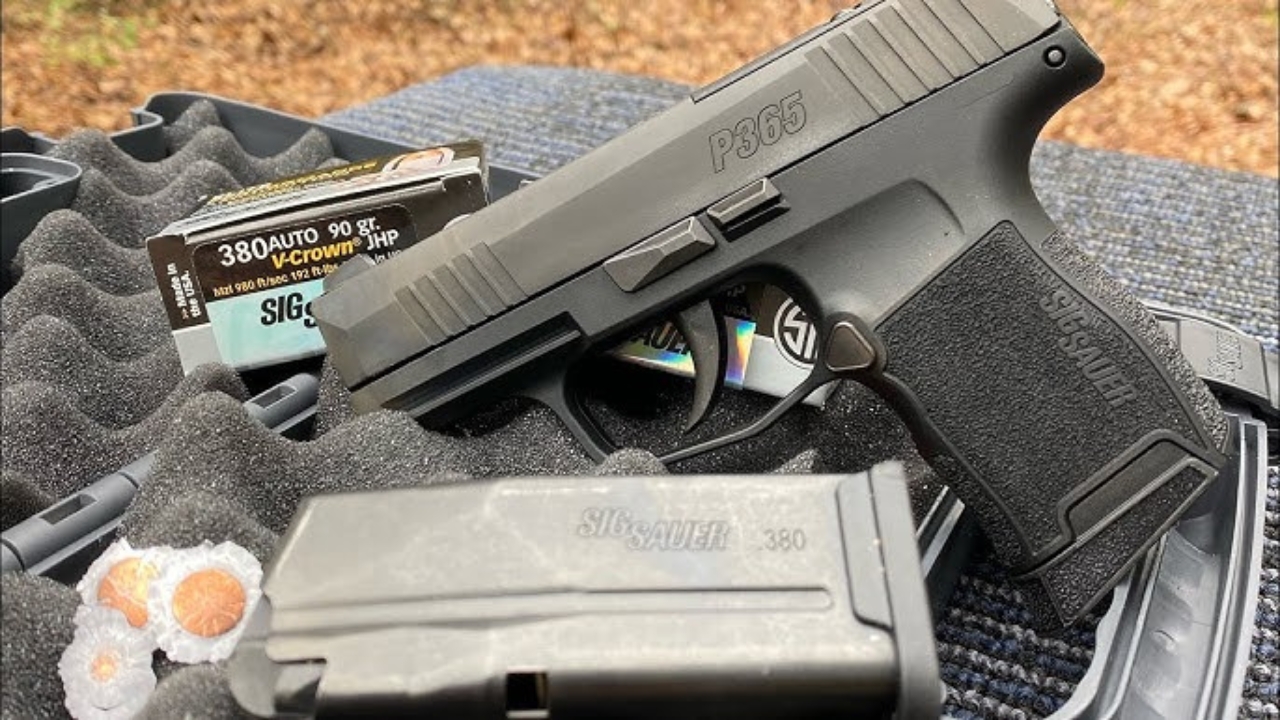
The P365 may be SIG’s most important civilian handgun of the last decade. It changed what buyers expected from a micro-compact carry pistol. SIG describes the P365 as an award-winning pistol that redefined the micro-compact category and uses a patented modified double-stack magazine capable of 10+1 through 21+1 capacity depending on configuration.
That was huge. Before the P365, many tiny 9mm carry guns made buyers accept low capacity. SIG showed that a small pistol could hold more rounds without becoming a chunky compact. After that, every major carry-gun maker had to respond.
9. The Original P365 Made 10+1 Feel Normal in a Tiny Gun
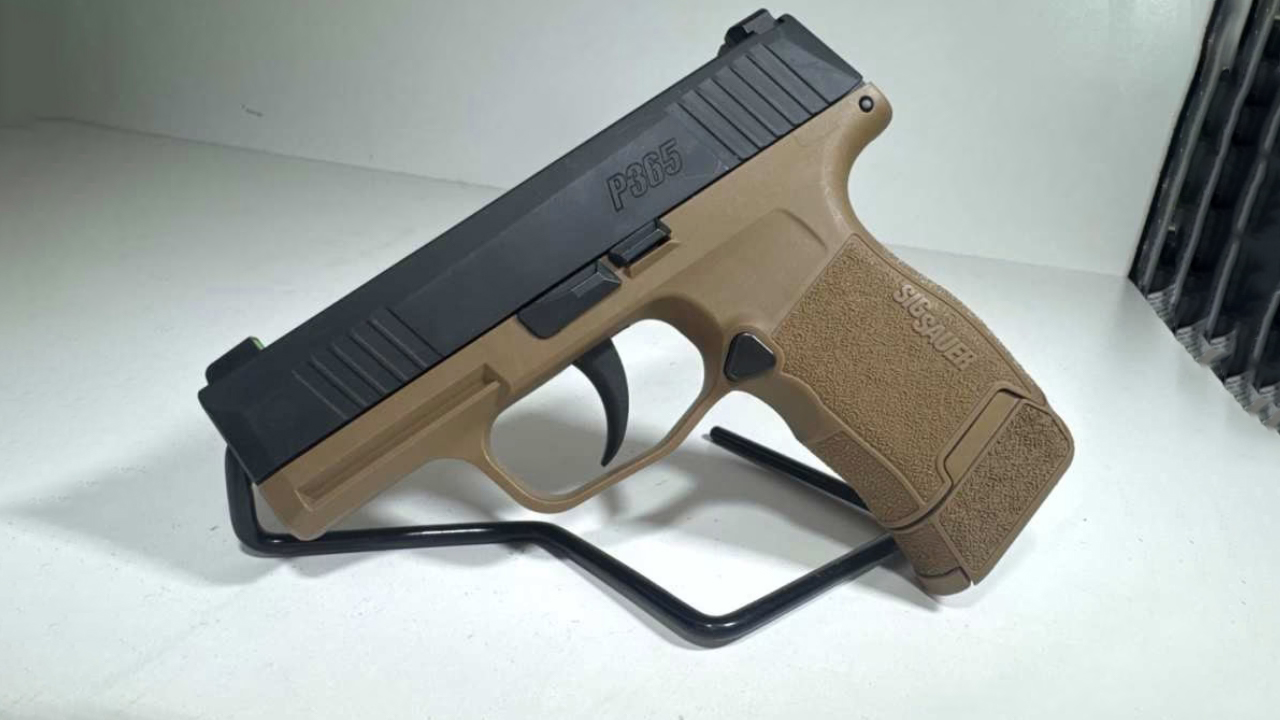
When the P365 launched with 10+1 capacity in a micro-compact size, it made a lot of older single-stack carry pistols feel dated almost overnight. SIG’s P365 Nitron listing calls it “game-changing” and describes it as a micro-compact everyday carry 9mm with unprecedented 10+1 full-size capacity, XRAY3 day/night sights, and standard flush and extended 10-round magazines.
That changed buyer expectations fast. Suddenly, a slim carry pistol with 6, 7, or 8 rounds had to justify itself. The P365 did not only sell well. It reset the concealed-carry category.
10. SIG Turned the P365 Into a Whole Family

SIG did not stop with the original P365. The company expanded the line into versions like the P365X, XL, X-Macro, Fuse, Rose, optics-ready versions, compensated versions, and different grip and magazine setups. SIG’s P365X page says the pistol uses a 3.1-inch barrel and X grip module with a 12-round flush-fit magazine.
That family-building strategy kept buyers inside the SIG ecosystem. Someone might start with a small P365 and later move to an XL or X-Macro-style setup. The platform became more than one pistol. It became a carry system.
11. SIG Made Optics Part of the Handgun Conversation
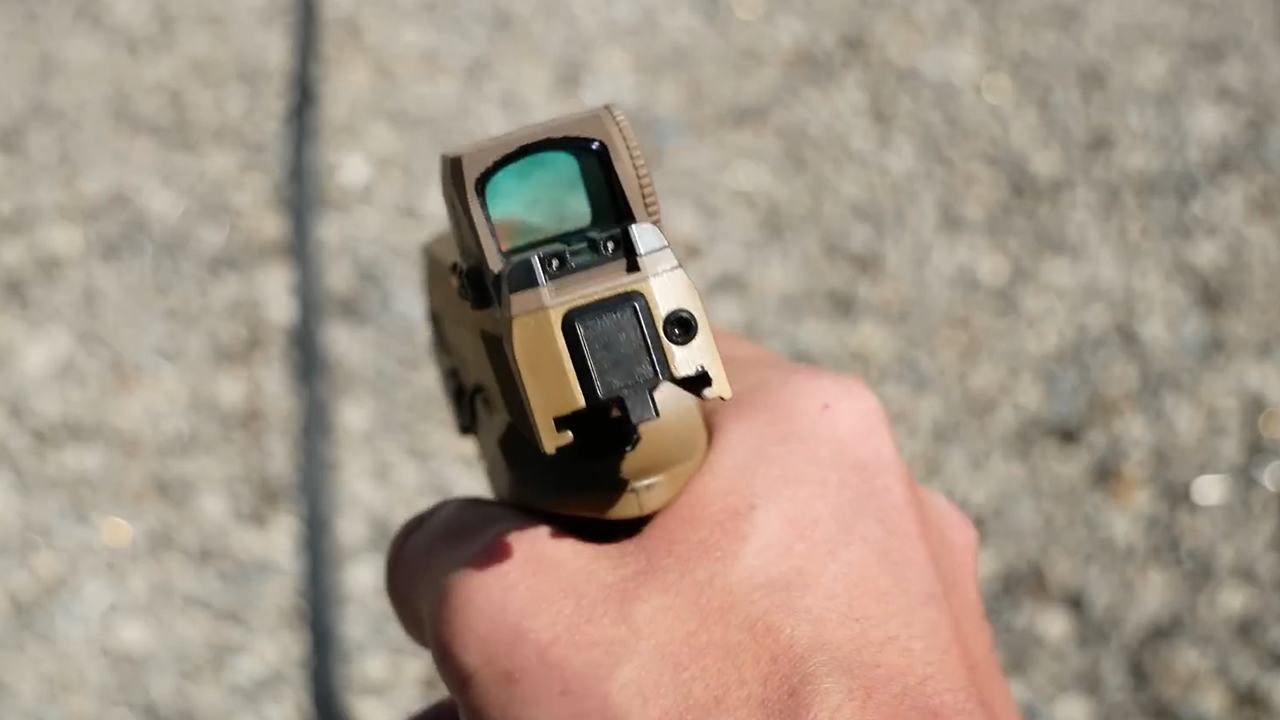
SIG has pushed hard into pistol optics, and that helped keep the brand in the middle of modern handgun trends. The company’s ROMEO optics line includes pistol-focused models like the ROMEOZero, ROMEO-X, ROMEO2, and ROMEO-M17, along with rifle optics under the same broader electro-optics umbrella.
That matters because SIG is not only selling pistols anymore. It is selling pistols, optics, ammo, suppressors, and accessories that fit together. Buyers notice when a company can offer the gun and the dot that mounts to it. That kind of ecosystem thinking is part of SIG’s modern strategy.
12. SIG Understood the “Complete System” Better Than Many Brands

SIG’s modern catalog goes far beyond handguns. The company sells rifles, ammunition, optics, suppressors, airguns, training products, and accessories. That makes SIG feel less like a single-category gunmaker and more like a full shooting system company.
That approach gets buyers’ attention because it creates momentum. A shooter may buy a P365, then look at a ROMEO optic, then SIG ammo, then a rifle or suppressor. Not every product is automatically the best in its class, but SIG’s ability to build an ecosystem around its firearms has made the brand feel bigger than one gun counter section.
13. The P320 Controversy Also Kept SIG in the Spotlight
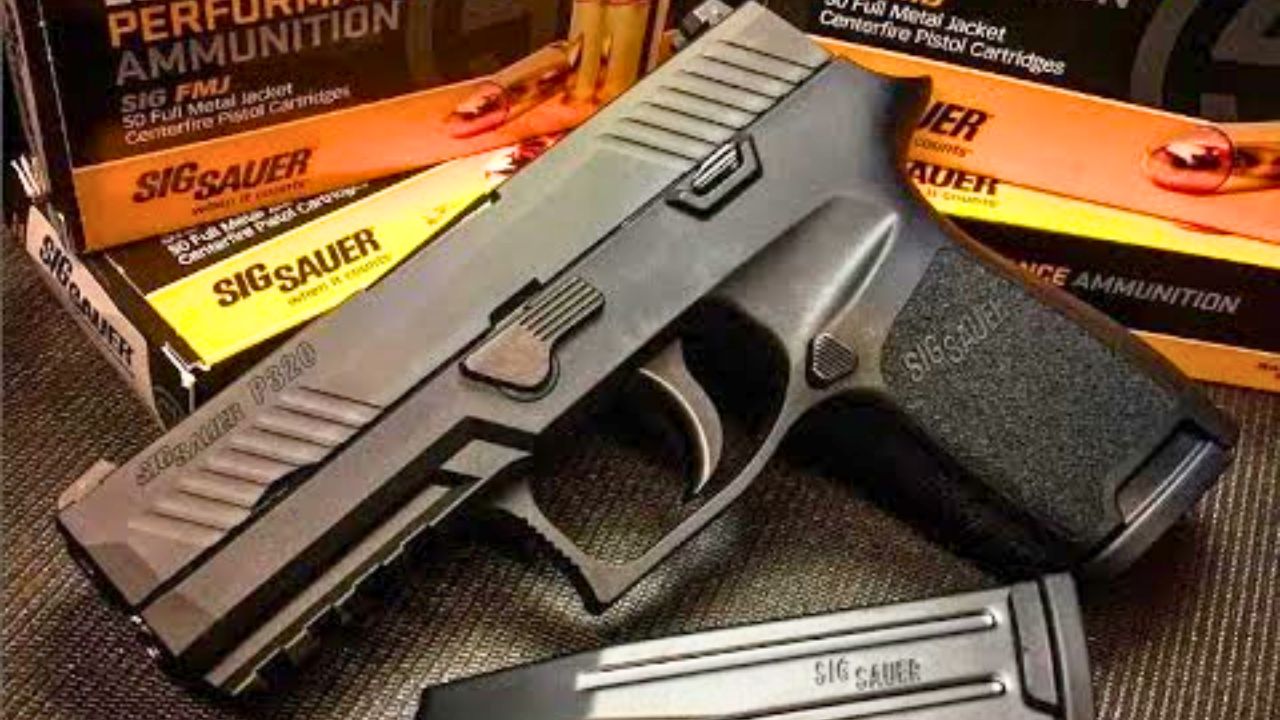
Not all attention has been positive. The P320 has faced years of lawsuits and allegations involving unintentional discharges, while SIG has maintained that the pistol is safe. AP reported in 2024 that a Philadelphia jury awarded $11 million to a man injured by a holstered P320 and noted ongoing similar complaints; SIG has denied defect claims and planned to appeal.
That controversy matters because it changed how some buyers talk about SIG. For supporters, the P320 remains a proven military-adopted modular pistol. For critics, the lawsuits are impossible to ignore. A brand this visible is going to be judged hard, and SIG has been right in the middle of that debate.
14. SIG Has Had to Defend the M17 and M18 Too
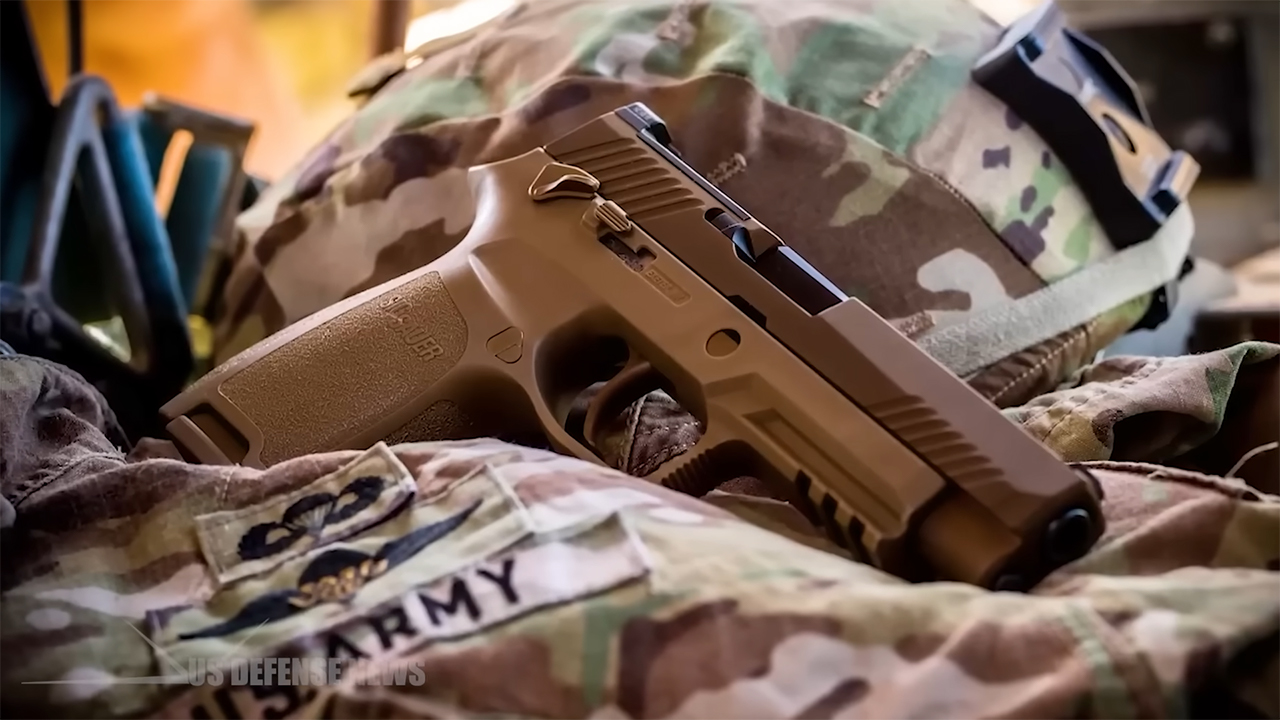
The military side has also drawn scrutiny. In 2025, AP reported that Air Force Global Strike Command paused M18 use after an airman’s death, inspected nearly 8,000 pistols, and resumed regular use after finding no discharges linked to mechanical failures, though some pistols needed repairs related to worn safety mechanisms.
That kind of story shows the price of being a major service-pistol brand. SIG gets the benefits of military visibility, but it also gets intense public attention when questions arise. The M17 and M18 remain central to SIG’s modern identity, but that identity comes with serious scrutiny.
15. SIG Made Buyers Pay Attention Because It Kept Moving
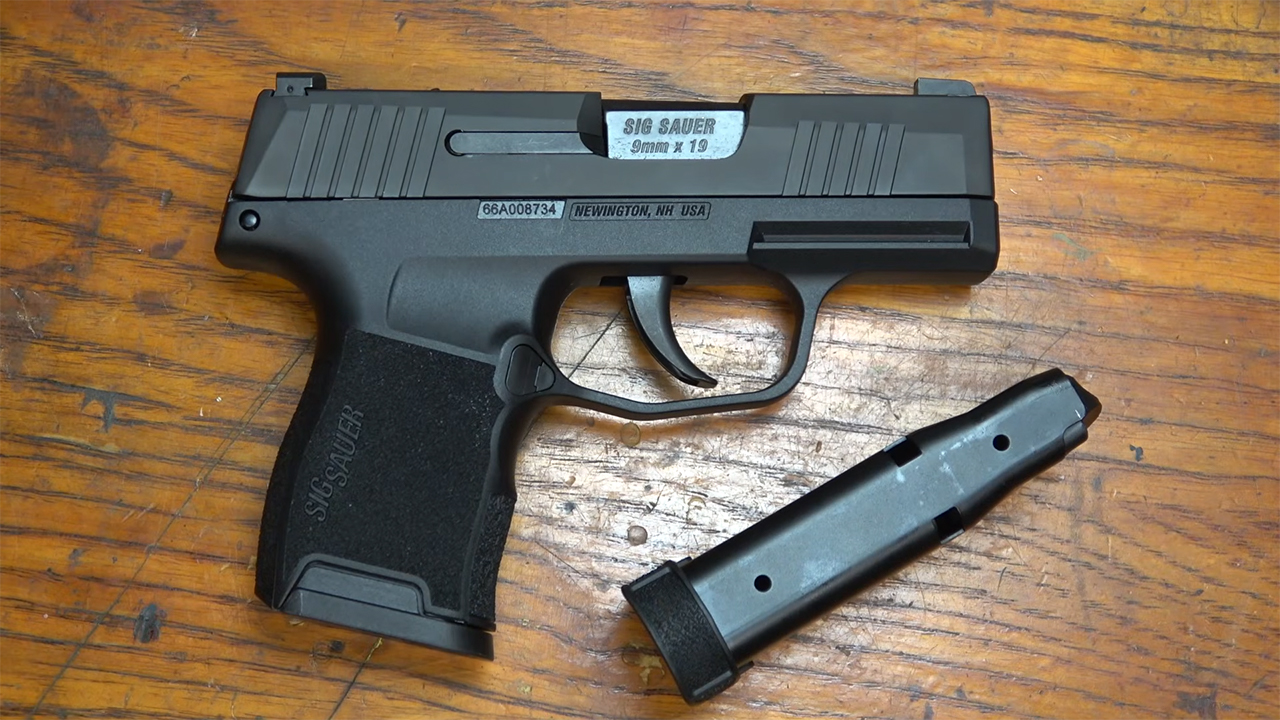
The biggest thing SIG did was refuse to stay in one era. It built prestige through classic DA/SA pistols. It won attention with the P320’s modularity. It won a major military handgun contract. It disrupted concealed carry with the P365. It pushed optics, ammo, suppressors, and platform families instead of treating guns as isolated products.
That is why buyers keep paying attention. SIG can be admired, criticized, argued over, and second-guessed, but it is hard to ignore. The brand keeps making big moves, and big moves always create noise. Some of that noise is earned praise. Some of it is controversy. Either way, SIG Sauer has made itself one of the central names in the modern firearms market.
Like The Avid Outdoorsman’s content? Subscribe to our newsletter so you never miss an article.
Here’s more from us: