Photo credit: Hammer Striker/YouTube
Drills are where you learn what’s real. Slow fire can hide problems. Timed strings, reloads, one-hand shooting, and movement expose everything—weak mags, bad extraction, ammo sensitivity, and pistols that only run when you baby them.
These are pistols that commonly interrupt drills with stoppages, especially when used hard.
SIG Sauer Mosquito
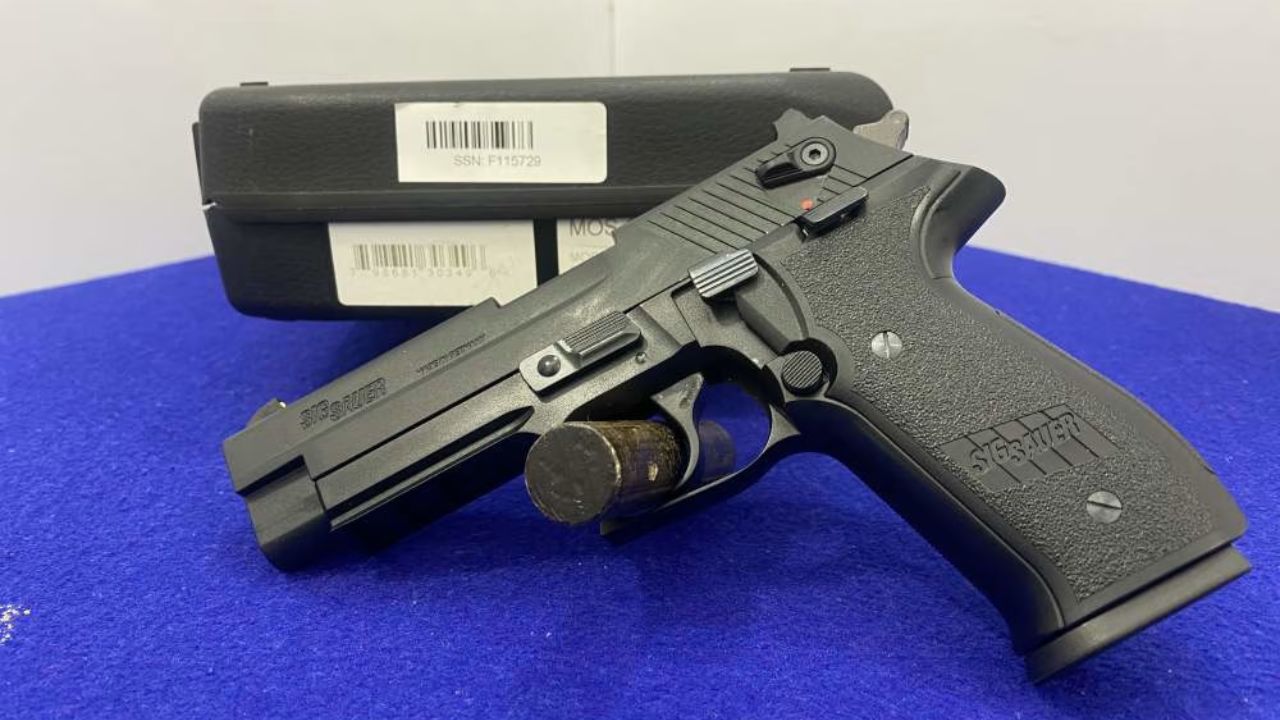
The Mosquito can turn a simple “two to the chest” drill into a stoppage festival. Rimfire fouling and ammo variability don’t help, and many Mosquitos are less forgiving than other .22 trainers.
That ruins practice because rhythm matters. When you spend half your reps clearing malfunctions, you’re not building the skills you came for.
Walther P22
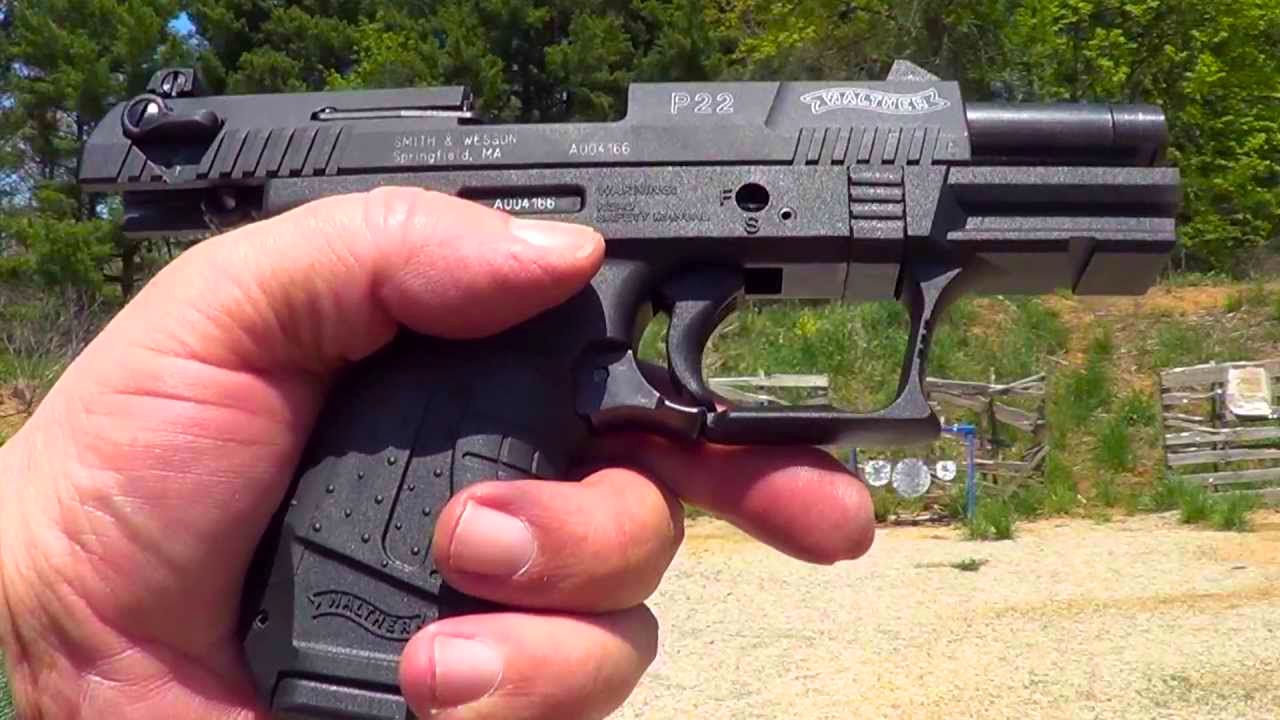
A P22 can run fine on a good day, then act up the moment you start shooting drills and the gun gets dirty. Cheap bulk ammo plus faster strings often equals more failures to feed and failures to eject.
For a fun plinker, that might be tolerable. For a training tool, it’s frustrating—especially for newer shooters who need clean repetitions.
Remington R51

Any defensive pistol that’s inconsistent turns drills into doubt. If you can’t trust the gun to cycle the same way every time, you start hesitating, and hesitation ruins good training.
The R51’s reputation exists for a reason. Plenty of owners stop running it hard because they don’t want every drill to become a diagnostic session.
Taurus G3C
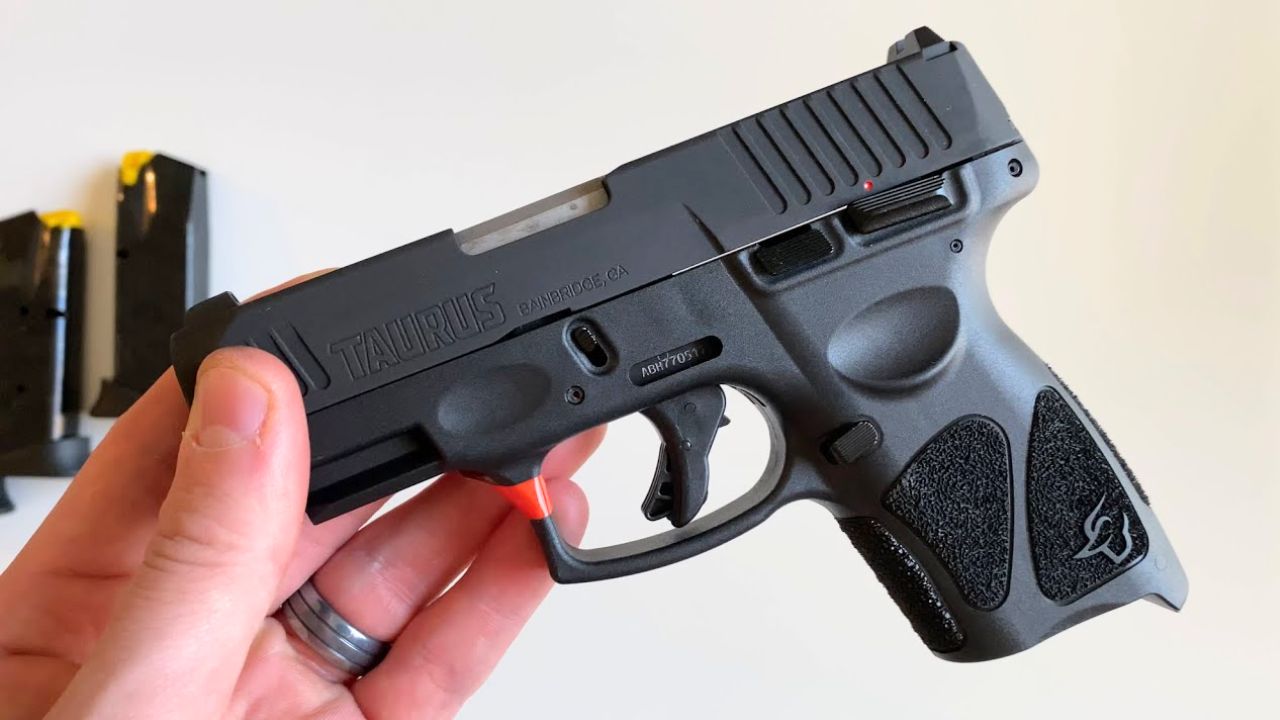
Some G3Cs run great. Some don’t. When you’re doing drills—reloads, faster strings, weak-hand shooting—any magazine or extraction quirks become obvious. That’s where “range okay” guns start looking less solid.
If you’re constantly asking “was that me or the gun?” you’re not training effectively. A pistol that creates that question too often kills confidence.
SCCY CPX-2
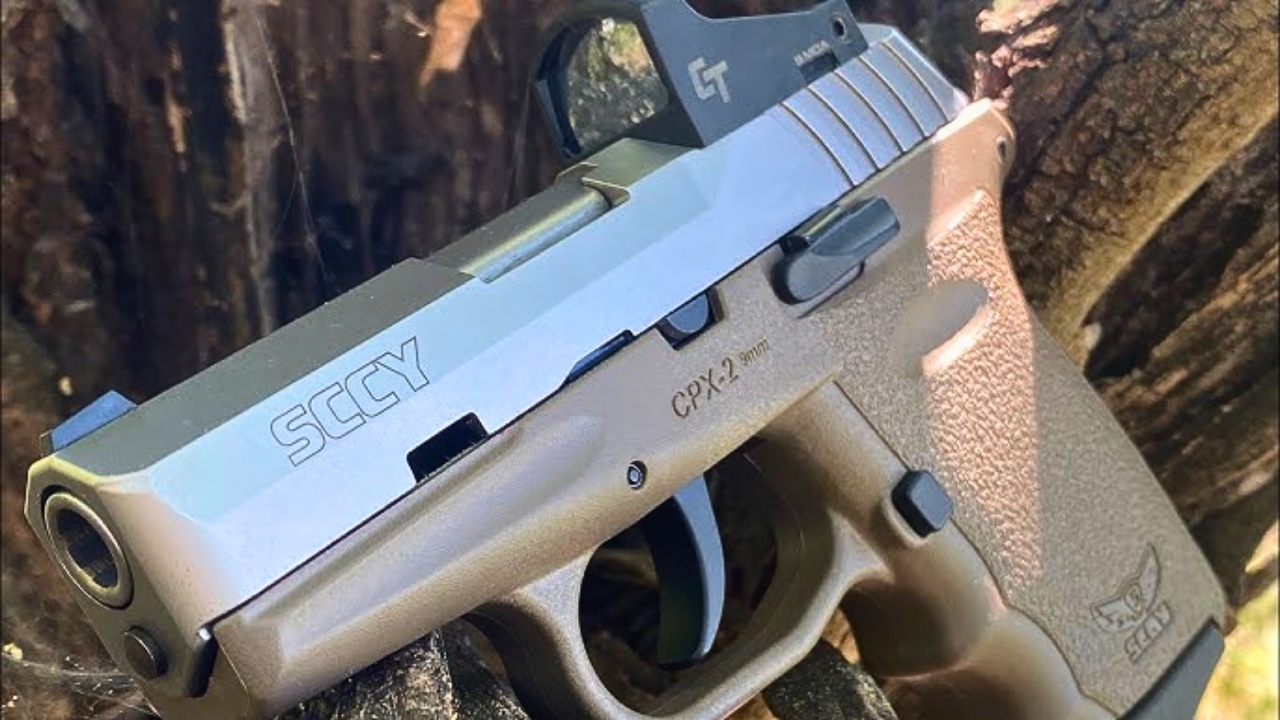
The CPX-2’s heavy trigger already makes drills harder. Add any reliability quirks and drills quickly become jam-clearing practice mixed with poor shooting fundamentals. It’s a tough combination for skill building.
A lot of CPX-2 owners end up slowing everything down because they don’t trust the gun to behave under speed. That defeats the purpose of drills.
Kel-Tec PF-9
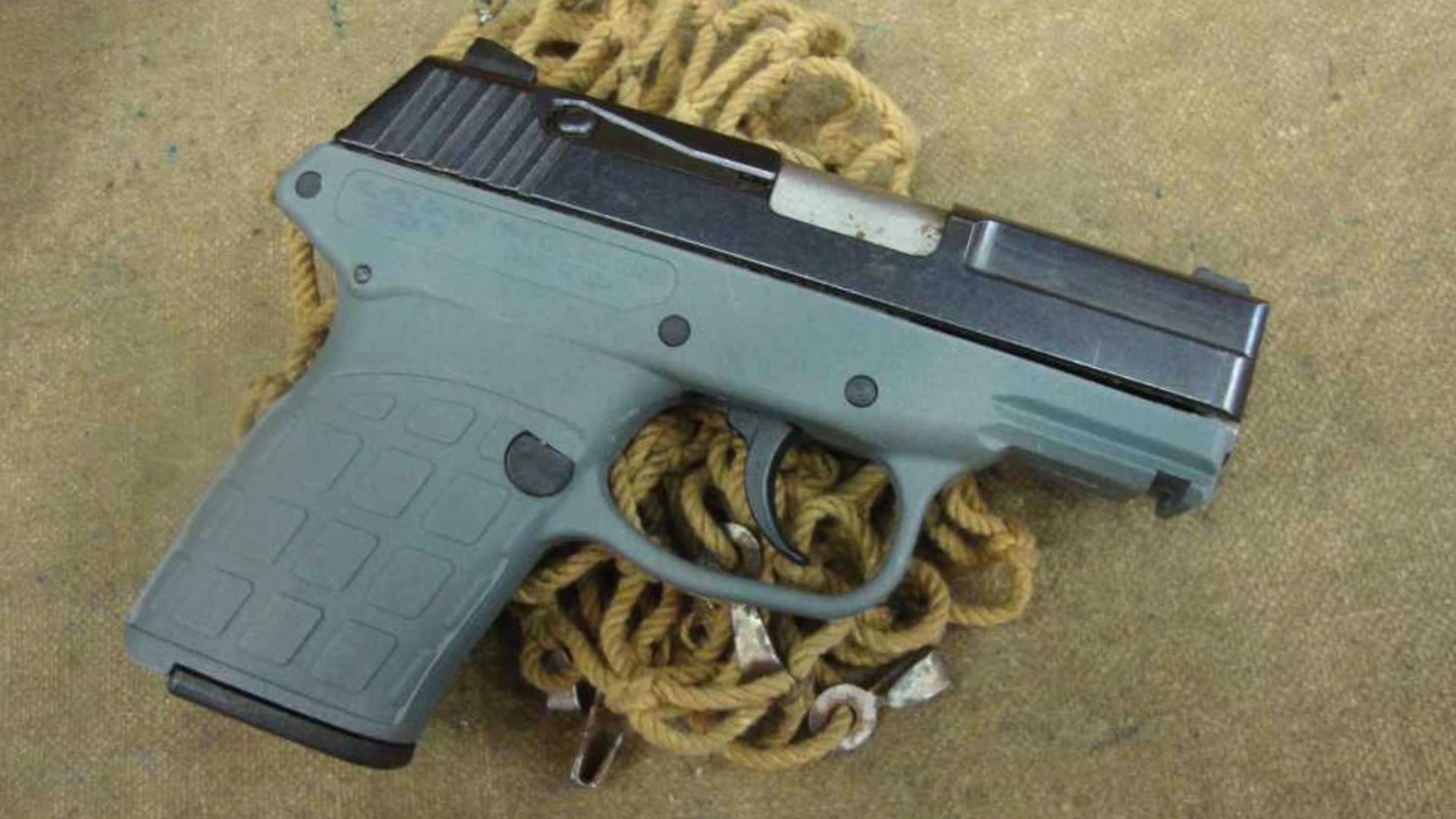
Light, snappy pistols can be unforgiving. The PF-9 can show shooter-induced issues under speed, especially if grip gets sloppy. Drills expose limp-wristing quickly, and some pistols punish it more than others.
If a pistol requires perfect grip to stay reliable during drills, it can be a rough training partner—especially for new shooters.
Kel-Tec P-11
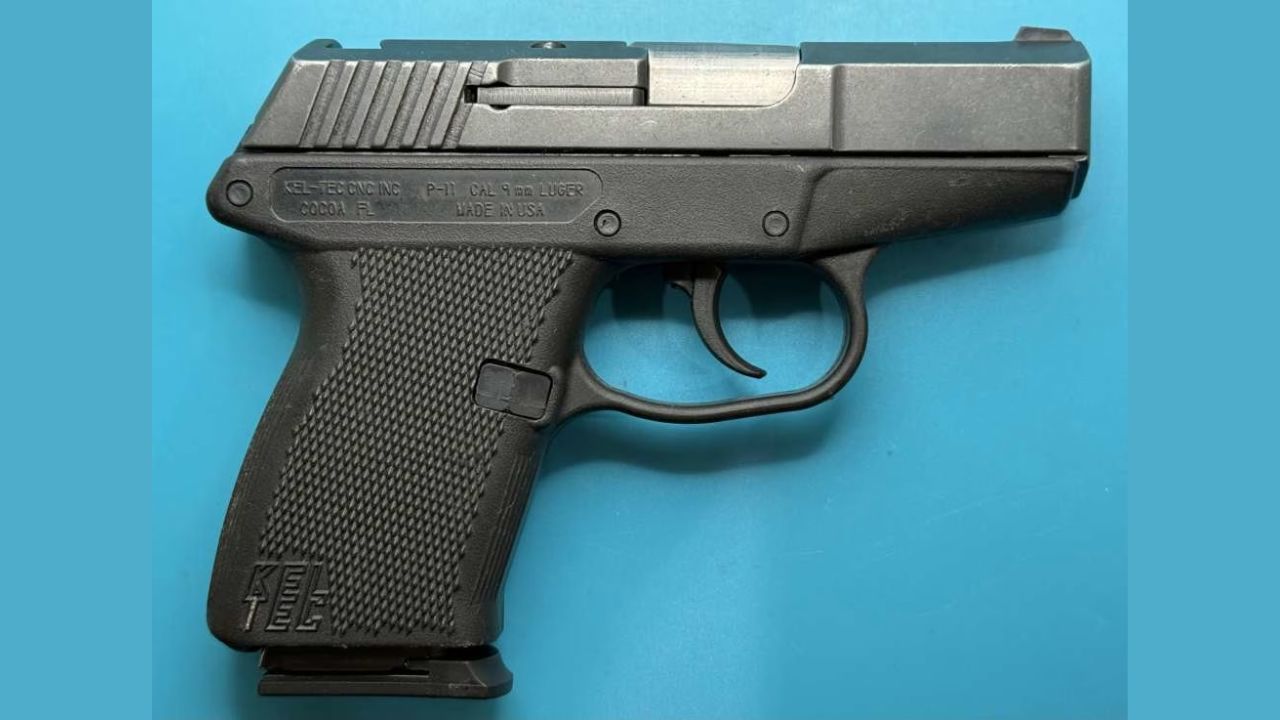
The P-11 often turns drills into a grind: heavy trigger, small grip, and a platform that doesn’t always feel smooth under fast shooting. If you mix awkward handling with stoppages, drills become more about managing the gun than improving.
A lot of owners keep it as a “works in theory” pistol and train with something more modern because they want smoother repetitions.
Diamondback DB9

Tiny 9mms already demand discipline. If the platform is marginal on reliability, drills make it obvious fast. The DB9 has enough history of issues that many owners avoid running it hard.
That’s telling. A pistol you don’t want to run in drills is not a pistol you truly trust.
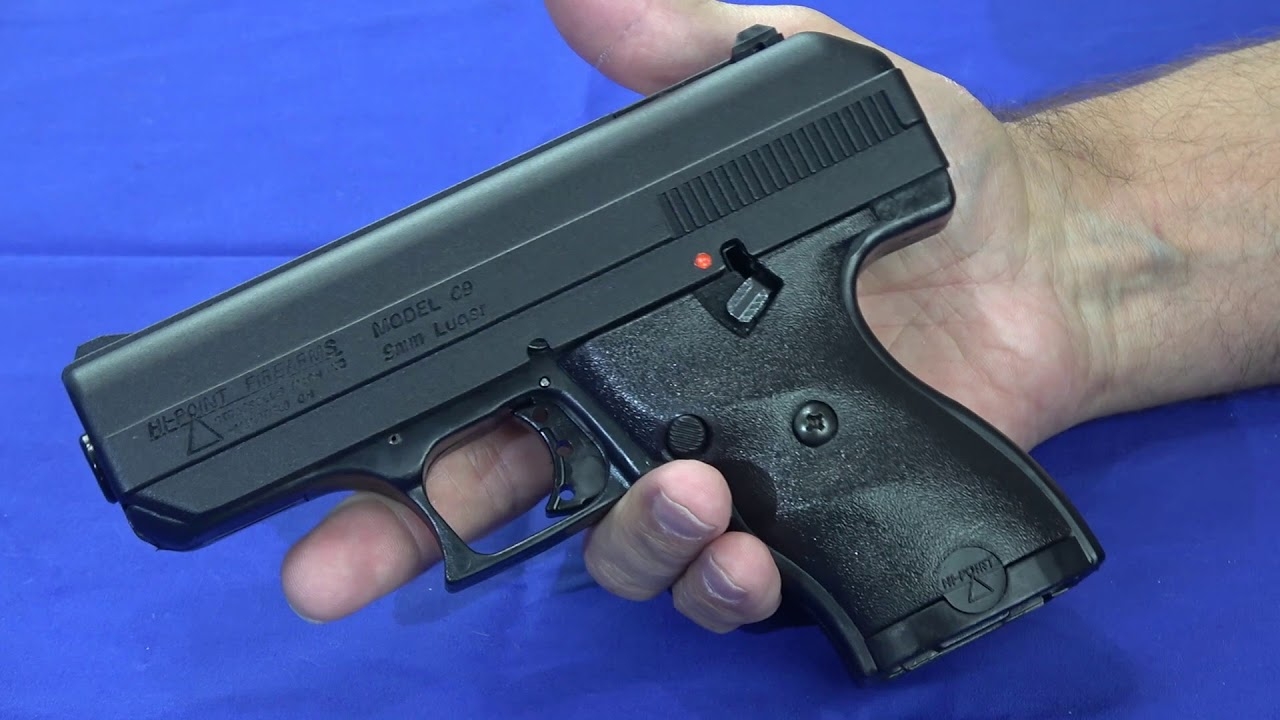
Hi-Point C9
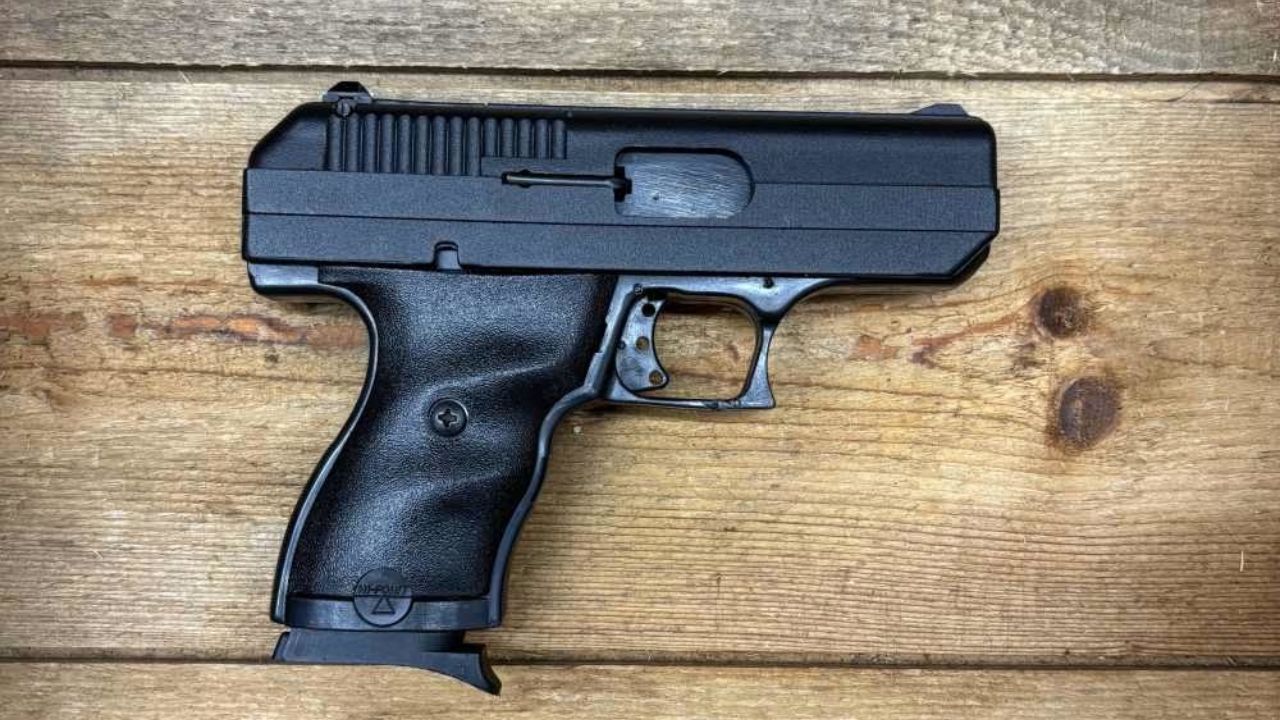
Some C9s are surprisingly reliable, but they’re not built to be run hard and fast like a modern duty pistol. Drills expose the awkward ergonomics, slow handling, and the reality that reloads and transitions aren’t smooth.
Even if it runs, it often turns drills into “fight the gun” practice. That’s not what most shooters want from training.
Rock Island Armory GI 1911

Some run great. Others are finicky until they’re sorted out. Drills are where feed issues and extractor issues show up. Cheap mags make it worse, and many owners start stacking variables without realizing it.
If you don’t want to become a 1911 mechanic, a budget 1911 that needs work can turn practice into frustration.
Beretta Nano

Some people run the Nano well. Some don’t. When you start doing drills, any extraction or ejection weirdness becomes more noticeable, and a pistol that doesn’t feel natural in your hands will amplify errors.
If you’re fighting both the gun’s feel and occasional odd behavior, drills stop being productive.
Ruger LCP
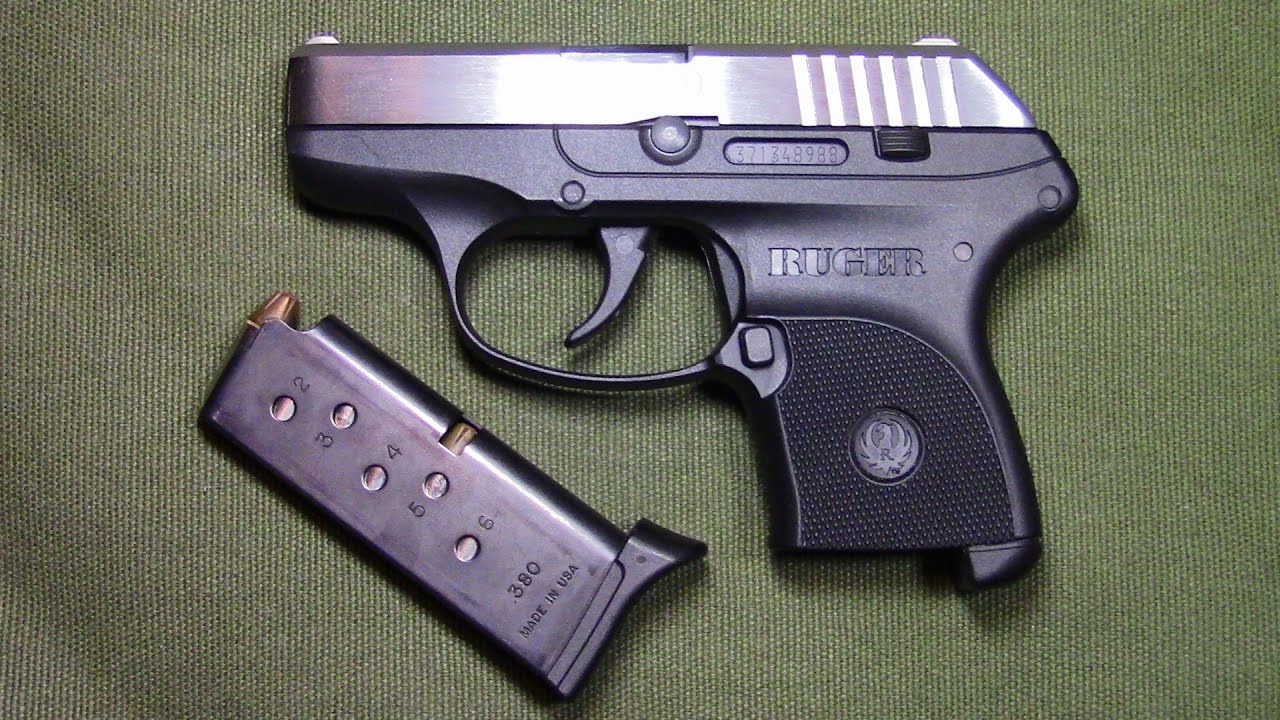
Pocket pistols can be reliable, but drills expose their limitations fast. The LCP is small, hard to hold, and easy to shoot inconsistently under speed. That can lead to shooter-induced stoppages, weak ejection, and frustration.
It’s a deep concealment tool. Treating it like a drill gun often turns the session into a reminder of why bigger pistols are easier to train with.
S&W Bodyguard 380

The Bodyguard can be a tough drill gun for the same reasons as the LCP: small grip, harder shooting, and less forgiveness. Under speed, grip inconsistencies show up, and any marginal ammo can create cycling problems.
Most owners end up using it as a carry option they shoot occasionally, not a pistol they run hard in drills.
SIG Sauer P365

The P365 became a staple, but early examples created enough mixed experiences that some owners saw stoppages and odd behavior during higher round counts and faster strings. Drills reveal those problems quickly.
Most modern P365s are solid, but the “drills become troubleshooting” experience happened enough early on that it’s worth mentioning—especially for buyers of older used examples.
Springfield Hellcat (ammo-sensitive samples)

Most Hellcats run well. Some shooters report sensitivity with certain ammo, especially cheap range stuff. Under drills, cheap ammo plus a fast-cycling micro pistol can show failures that slow training down.
When a micro pistol is picky, drills expose it. That’s why many shooters test multiple loads before they ever decide it’s a true carry gun.
Like The Avid Outdoorsman’s content? Subscribe to our newsletter so you never miss an article.
Here’s more from us: