Photo credit: Guns & Ammo/YouTube
A lot of ARs will “run fine” for casual range trips. Slow fire, clean gun, decent lube, a couple mags, and you go home thinking you’ve got a flawless rifle. Training changes everything. You start shooting faster, hotter, dirtier. You run drills that expose weak extraction, marginal gas, cheap springs, sloppy staking, bargain mags, and parts that were never meant for sustained volume.
These are 15 specific ARs (or very common configurations) that tend to show their limits once you stop shooting them like a bench toy and start running them like a working rifle.
Anderson AM-15 (budget build, stock parts)

The AM-15 is the classic “my first AR” because it’s cheap and available. For casual use, many run fine. Training exposes that “fine” can mean “right on the edge.” Weak extractor springs, inconsistent gas behavior, and cheaper small parts start to show up once the rifle is hot and dirty. Some owners also discover that staking on the carrier key isn’t always confidence-inspiring, and loose hardware turns into malfunctions you didn’t know you were renting. If you keep it lubed, use good mags, and replace wear parts early, you can keep it going—but hard training is where it stops being effortlessly boring.
Palmetto State Armory PA-15 (Freedom line)

PSA’s Freedom rifles have put a lot of people into the AR world, and many are perfectly serviceable. The issue is consistency and endurance when you start doing real strings and real round counts. Some rifles stay boring. Some start showing short-stroking when dry, extraction issues when hot, or they just feel like they need more attention than a training gun should. A lot of PSA owners get the “it runs great” experience until they hit a class or start doing weekly drills. Then they learn the difference between a rifle that functions and a rifle that tolerates abuse without complaining.
Del-Ton Echo 316

Del-Tons have been around forever, and plenty of them run fine for normal shooting. Training tends to reveal where budget rifles cut corners—gas tuning that’s not as forgiving, springs that feel tired sooner, and general “it’s okay” parts that become “why is this happening now?” parts at higher round counts. When you start doing repeated reloads, shooting from awkward positions, and running the gun hot, little issues multiply. A Del-Ton can be made dependable, but the owner often ends up replacing small parts as a routine sooner than they expected.
DPMS Oracle

The Oracle is another entry-level AR that often behaves for casual shooters. Training exposes the setup’s tolerance for heat, fouling, and speed. The rifle might run fine until you start pushing it hard and discover extraction gets weak, the gun gets more sensitive to lubrication, or the gas system feels less forgiving than you assumed. The Oracle name shows up constantly in “my AR ran great until…” conversations because so many were bought as budget rifles and then asked to do duty-level work. The jump from casual to hard use is where the Oracle’s reputation gets tested.
Radical Firearms AR-15 (typical budget configurations)

Radical rifles have plenty of fans, and plenty of critics. The pattern that shows up in training is variability: some run, some need attention. Under higher round counts, owners often report reliability becoming more sensitive to lube and heat, and some end up chasing issues that feel like tolerance stacking—nothing obviously broken, but the gun isn’t happy. Training also exposes carrier key staking, gas block alignment, and spring quality problems quickly. If you never train, you may never see those limits. If you do, you often learn how to diagnose AR problems the hard way.
Bear Creek Arsenal AR-15 (complete rifles)

BCA rifles are attractive because the price is hard to ignore. The downside is that training turns cheap parts into loud lessons. You’ll see issues like inconsistent gas, feeding and extraction weirdness, and parts wear that shows up sooner than it should. A rifle that’s “fine” for a few mags can start choking when it’s hot and you’re running it faster. People defend these rifles online because theirs might run. Training doesn’t care about internet defense. It reveals whether the system has margin, and many BCA setups simply don’t have much margin.
Diamondback DB15

DB15s sit in that middle world where a lot of owners have good experiences. The training complaints tend to pop up as round count climbs: gas that feels picky when dirty, springs that seem to fatigue faster than expected, and rifles that run best when they’re wet with lube but become less forgiving when they dry out. The DB15 is a rifle that can be totally fine if you maintain it and don’t treat it like a duty gun. When people do treat it like a duty gun in classes, that’s when it sometimes starts acting like it wants a break.
Smith & Wesson M&P15 Sport II

The Sport II is famously reliable for the money, and it deserves a lot of its good reputation. The issue in training is that many owners keep it bone stock, run it dry, and assume it’s immune to wear. High-volume drills expose that it still needs the same maintenance schedule and wear-part replacement as any AR. Extractor springs, gas rings, buffer springs—those are consumables. When they start going soft, the Sport II can go from “perfect” to “why did it do that?” fast. The rifle isn’t the villain; unrealistic expectations are.
Ruger AR-556

The AR-556 often runs well, but training shows how much a basic carbine-gas rifle depends on lubrication and quality mags. If you run it dry and start doing high tempo drills, you’ll see more friction, more heat, and less forgiveness. Some owners also discover that their “budget optic mount” becomes the weakest link as the rifle gets bounced around and shot hard. Most AR-556 issues in training are not catastrophic; they’re the slow accumulation of “basic rifle doing hard rifle work.” The gun can do it, but it’ll demand you take maintenance seriously.
Springfield Saint

Saints are popular and generally run well, but training reveals whether your specific rifle has margin. Some are boring. Some get gassy, some feel picky with steel case, and some owners end up chasing small reliability issues that never show up in casual shooting. The Saint gets defended hard online, which is fair—many are good rifles. The reason it’s here is that “good range rifle” and “good training rifle” are different categories. When you push the Saint hard, you find out which one you bought.
ATI Omni Hybrid

Polymer receiver ARs often work until heat and sustained use become real factors. Training heats the gun up, stresses pins and interfaces, and adds repetitive recoil and impact. Many casual shooters never hit that threshold. A training schedule does. That’s when receiver flex, wear at key points, and general durability concerns show up. If you only ever shoot slow fire, you might never see a problem. If you run drills and classes, you’ll learn quickly why most serious trainers recommend sticking with a standard aluminum receiver setup.
Bushmaster XM15 (older budget-era rifles)

Some older XM15s are fine rifles. Some are not consistent across production periods, and training tends to expose the ones that are on the edge. Gas key staking, spring quality, and overall assembly details matter more when you’re shooting hot and dirty. Many owners buy an XM15 because of the name and assume it’s “battle ready.” Then they train and realize their rifle needs the same upgrades and inspections as any other mid-tier AR. When it starts choking in a course, it’s usually not mysterious—just accumulated small weaknesses showing up at once.
Colt LE6920

This might surprise some people, but even a solid rifle can get dragged down by the owner’s choices. A 6920 will run, but training reveals how quickly cheap mags, bargain ammo, and bad accessories can sabotage reliability. People mount sketchy optics, clamp-on gas blocks, questionable muzzle devices, and then blame Colt when the system becomes inconsistent. The 6920 also gets run hard by guys who think “Colt means no maintenance.” It doesn’t. It means a solid base. Training punishes neglect no matter what rollmark is on the receiver.
PSA PA-15
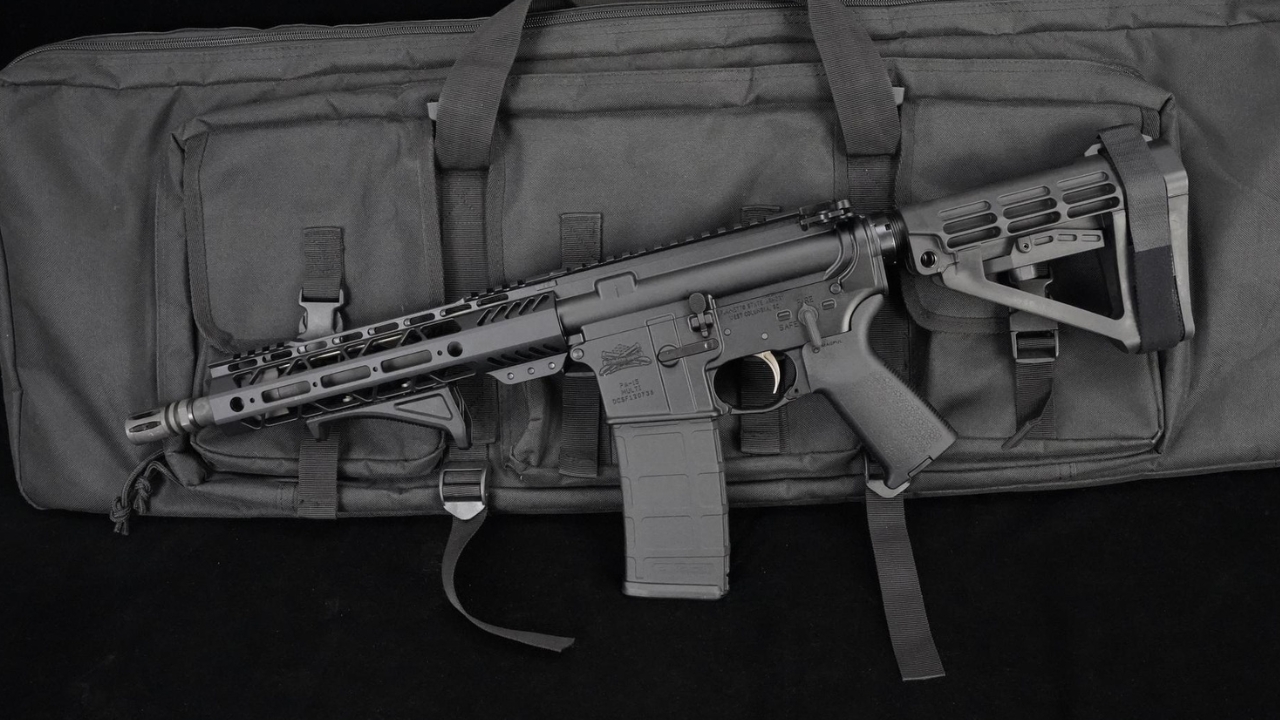
Even PSA’s better lines can look bad in training if you starve them of lube and feed them weak mags. A lot of shooters blame the rifle when the real problem is a pile of worn-out magazines and a gun that’s running dry during high tempo drills. That said, training is exactly where you learn whether the rifle has enough margin to still run when everything isn’t perfect. Some do. Some don’t. If you’ve got a rifle that only runs when conditions are ideal, training will show you that reality fast—and you’ll either upgrade parts or upgrade rifles.
BCM Recce-16
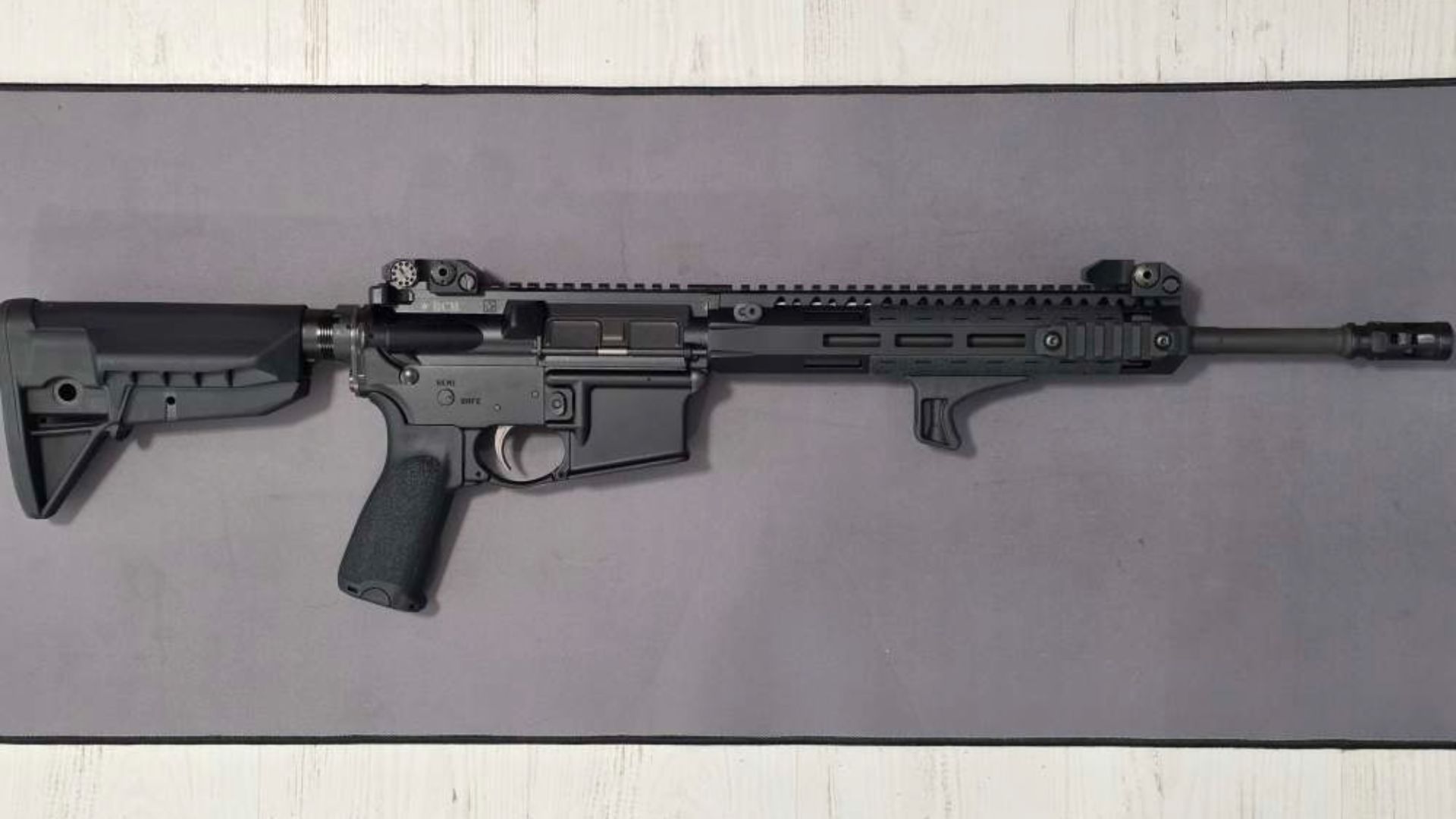
BCM rifles are usually boringly reliable, but I’m including this because training also exposes bad user tuning. People start swapping buffers, springs, gas parts, adjustable blocks, and suppressor setups without understanding the system. Then the gun becomes inconsistent and they blame the rifle. Training shows you what your changes did. The lesson here is simple: even top-tier ARs can be made unreliable if you chase the wrong fixes. BCM isn’t the problem; the tinkering can be. A rifle that ran perfectly can be turned into a headache by “upgrades.”
Like The Avid Outdoorsman’s content? Subscribe to our newsletter so you never miss an article.
Here’s more from us: