Photo credit: The Avid Outdoorsman
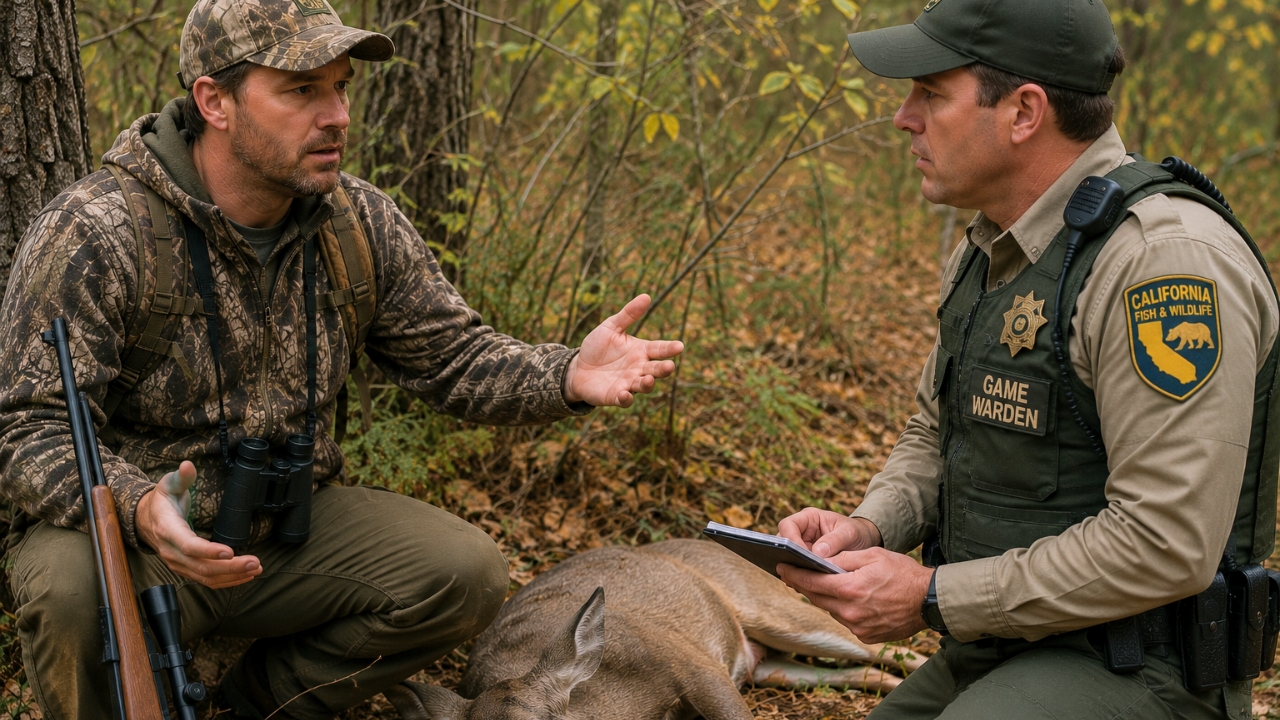
The hunter said the mistake happened during a deer hunt in California. According to the Reddit post, he accidentally shot a doe when he meant to shoot a buck. That is the kind of mistake that immediately turns a hunt into a legal and ethical problem.
The original Reddit post can be found here: https://www.reddit.com/r/legaladvice/comments/1adn6tl/hunting_accident_shot_doe_instead_of_buck_in_big/
Deer tags are specific for a reason. If a hunter has a buck tag, that does not give them permission to take a doe. The difference matters to wildlife management, season rules, harvest numbers, and the legality of the hunt. Even if the hunter truly made an honest mistake, the animal is still down, and the tag does not match.
That is where the game warden question became the center of the issue. The hunter needed to know what to do next. Leave the deer? Report it? Try to salvage the meat? Call the game warden immediately? Wait and hope nothing comes of it? The right answer matters because trying to hide a mistake can make the consequences much worse.
The post did not read like someone bragging about poaching. It read like someone who had made a bad shot-identification decision and was now worried about the fallout. But hunting laws do not usually disappear because the person feels bad afterward. A hunter is responsible for identifying the animal before pulling the trigger.
That is the hard lesson in this story. In the woods, everything can happen quickly. Light may be fading. Brush may block part of the animal. Antlers may be hard to see. A hunter may get excited and rush the decision. But once the shot is fired, the outcome is permanent.
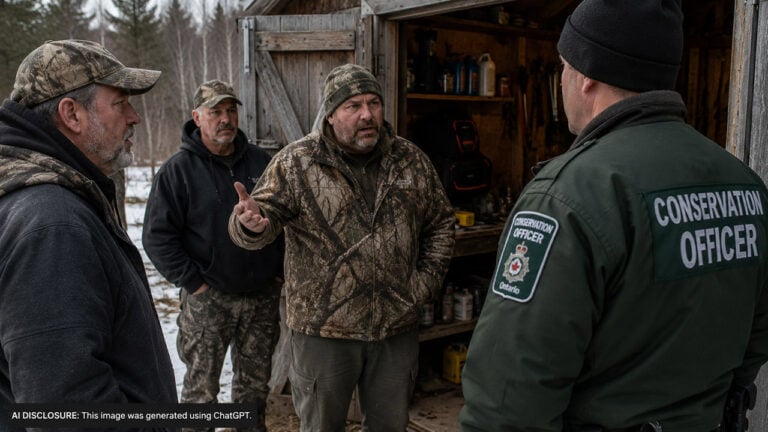
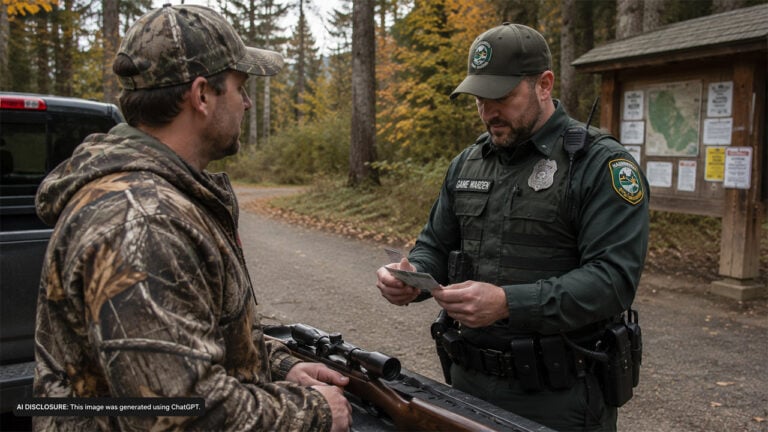
The most responsible move in a situation like this is usually to contact the game warden and explain what happened honestly. That does not guarantee there will be no citation, but it can show the hunter is not trying to hide an illegal take. Game wardens deal with mistakes, violations, and poaching cases, and there is a big difference between self-reporting a mistake and being caught later with an untagged or illegally taken deer.
The hunter’s situation was stressful because the mistake had already happened. The only thing left to control was how he handled it afterward.
Commenters pushed the hunter toward honesty. Several said he should contact the game warden or wildlife department immediately, explain what happened, and follow their instructions. Trying to cover it up would likely turn a bad mistake into a much bigger problem.
Others pointed out that mistaken identity is not a strong excuse in hunting. Responsible hunters are expected to know what they are shooting before they shoot. If he was not sure it was legal, he should not have pulled the trigger.
Some commenters said the warden might still issue a citation, but self-reporting could matter. It could affect how the incident is handled, whether the meat is salvaged, and whether the hunter is viewed as someone who made a mistake versus someone trying to poach.
A few people also used the post as a safety and ethics reminder. Identifying the target is one of the most basic hunting responsibilities. That means knowing the species, sex, legal status, and what lies beyond the animal before the shot.
The post ended with the hunter facing the part nobody wants after a bad decision in the field. The deer was already down. The tag did not match. Now the only smart move was to stop guessing and get the game warden involved before the mistake became something worse.
Like The Avid Outdoorsman’s content? Be sure to follow us.
Here’s more from us: