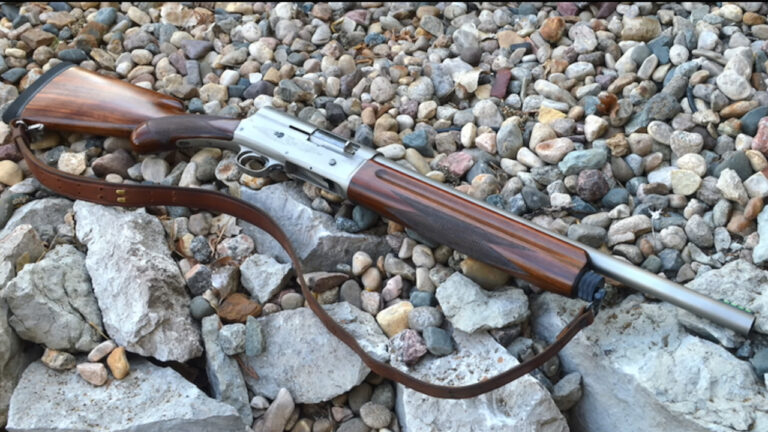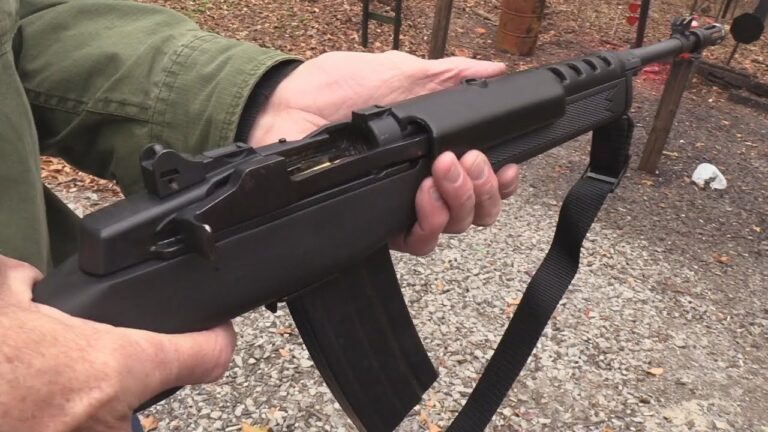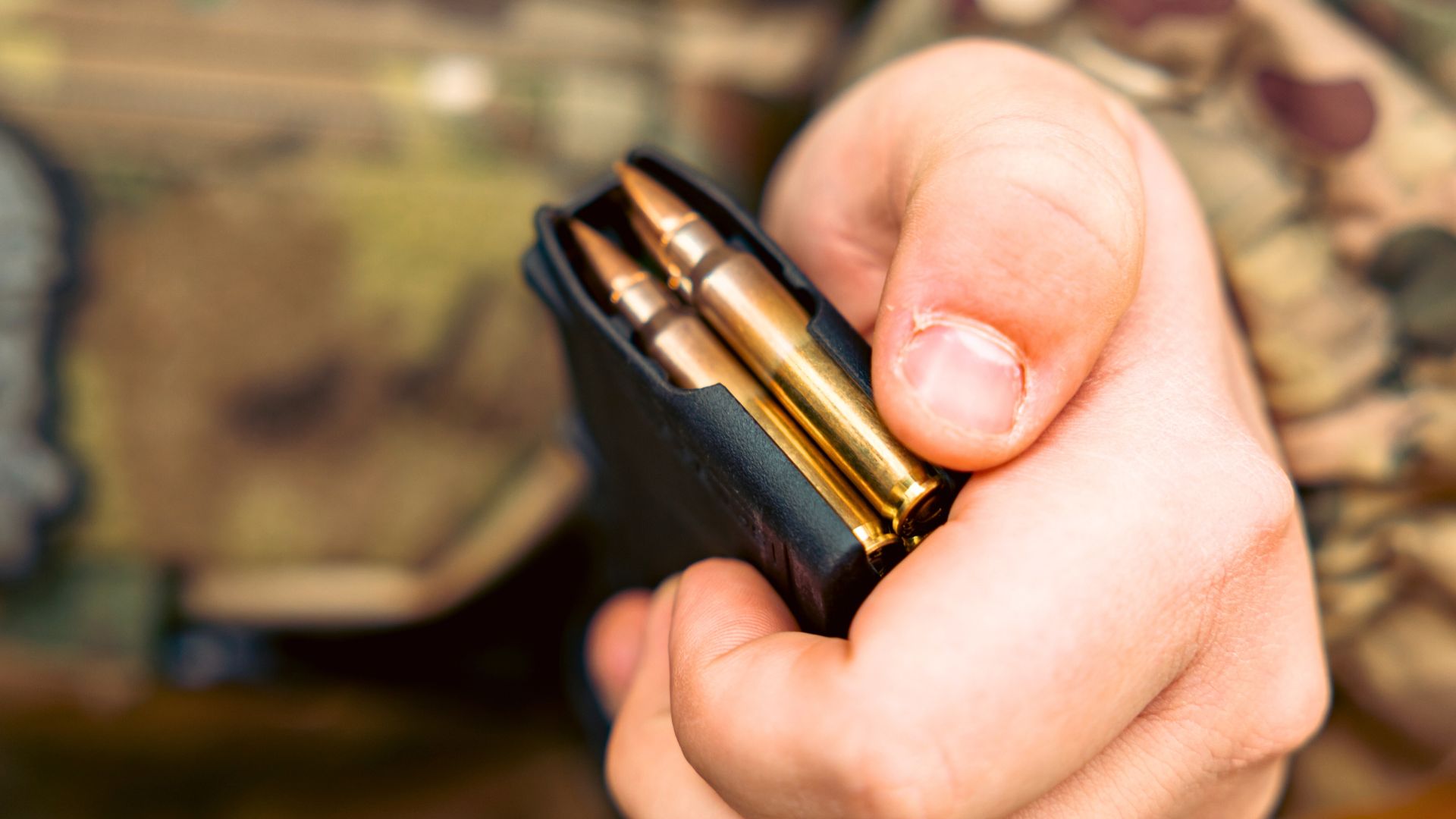
Photo credit: Sherbak_photo/Shutterstock.com
Some calibers get recommended the same way people recommend a restaurant they haven’t been to in five years. They’re popular, they’re familiar, and they sound like the “safe answer.” And to be fair, a lot of them work. The problem is they get pitched as the best solution for everything, even when the downsides are obvious: recoil you don’t need, ammo that’s expensive or hard to find, performance that looks better on paper than it does on game, or a niche purpose that gets ignored in the recommendation.
An overrated caliber isn’t always a bad caliber. It’s usually a caliber that’s oversold—treated like a cheat code instead of a tool with limits. If you’re trying to match a cartridge to real hunting, real practice time, and real shooting ability, the “most recommended” options aren’t always the smartest.
Here are the calibers that keep getting pushed, even when they’re often not the best pick for the job.
6.5 Creedmoor

The 6.5 Creedmoor gets recommended like it’s the answer to every rifle question. It’s easy to shoot well, it’s accurate, and it performs nicely for the recoil. That’s all true. The overrated part is when people act like it magically turns everyone into a long-range shooter or like it’s the best choice for every animal you might hunt.
In real life, its strengths are tied to good bullets, sensible distances, and honest shot angles. It’s not the best answer for every bigger-bodied animal or every bad-angle situation. It also doesn’t erase wind-reading and field-position skill. If you want a mild-shooting cartridge you can practice with a lot, it’s hard to beat. If you want a do-everything hammer, you’re asking it to be something it isn’t.
.300 Winchester Magnum

The .300 Win Mag is famous, and it earns respect. It hits hard, shoots flat, and has real capability when distances stretch or animals get big. The problem is how often it gets recommended for regular deer hunting like you need magnum energy to kill a whitetail cleanly.
For many shooters, the recoil and blast cost more than the cartridge gives back. It can create flinch, shorten practice sessions, and make field accuracy worse. If you’re hunting typical ranges, a milder cartridge you shoot confidently will usually deliver better results. The .300 Win Mag makes sense when you truly need the reach or the extra punch and you’re willing to practice with it. It’s overrated when it’s treated as the default “serious hunter” choice.
7mm Remington Magnum

The 7mm Rem Mag is another classic that gets recommended almost automatically. It’s flat-shooting, it can hit hard with the right bullets, and it has decades of success behind it. The overrated part shows up when people recommend it to shooters who don’t need magnum recoil and won’t practice enough to shoot it at its best.
A lot of owners end up running lighter, faster bullets because that’s what gets talked about, and that can lead to inconsistent results on tougher angles. The cartridge shines when you pick a bullet that matches the animal and you shoot it well from real positions. If you’re mostly hunting normal distances and you want a relaxed, high-volume practice life, there are cartridges that do the same job with less punishment. The 7mm Rem Mag is great, but it’s not automatically the smartest pick anymore.
.338 Winchester Magnum

The .338 Win Mag gets recommended by people who love authority. It has a reputation for putting big animals down with confidence, and it can absolutely do that. The issue is how often it gets pushed on hunters who aren’t hunting the kind of game that truly demands it.
For deer and even many elk hunts, the extra recoil often buys you less than you think. It can slow follow-up shots, encourage flinching, and make practice feel like work. When you do your part, the .338 is a serious performer. But recommending it as a default “bear country” answer ignores that bear defense and hunting performance are different problems. If you don’t shoot it regularly and well, it’s a heavy-kicking liability. It’s overrated when people treat it like a confidence pill instead of a tool.
.45-70 Government
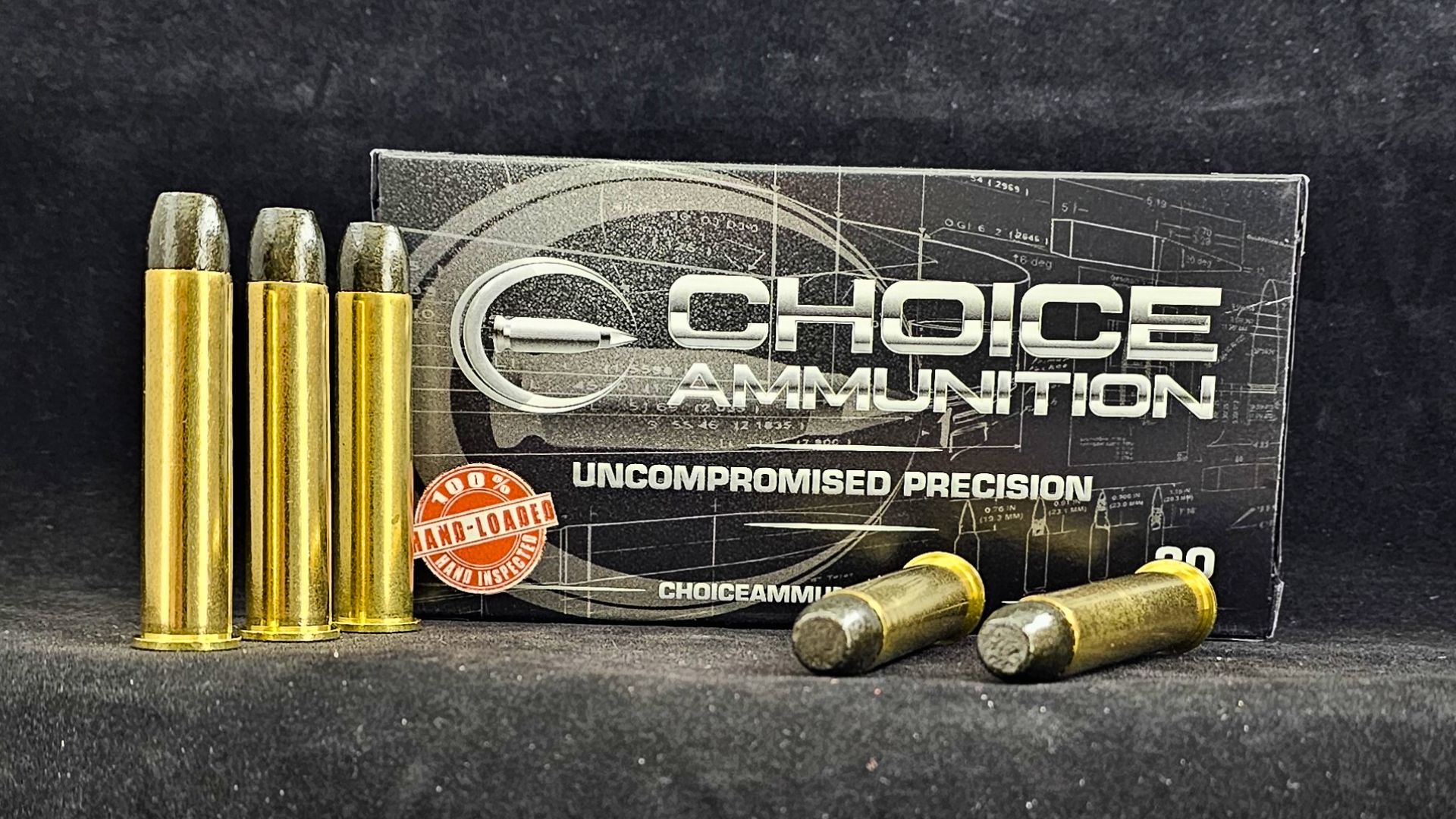
The .45-70 is a legend, and the recommendation is usually emotional: big bore, lever gun, woods power. It’s fun, it’s effective inside its lane, and it scratches a very real itch. The overrated part is how often it gets pitched like it’s a modern do-everything hunting cartridge.
Trajectory and range limitations are real. Full-power loads also recoil hard enough that many owners don’t practice much, and that shows up in shot placement. It’s excellent for thick cover, shorter distances, and hunters who understand what it does well. It’s not a free pass to take longer shots without real drop and wind consequences. If you want a classic brush rifle experience, the .45-70 is hard to beat. If you want versatility across wide-open country, it’s often the wrong recommendation.
.22-250 Remington
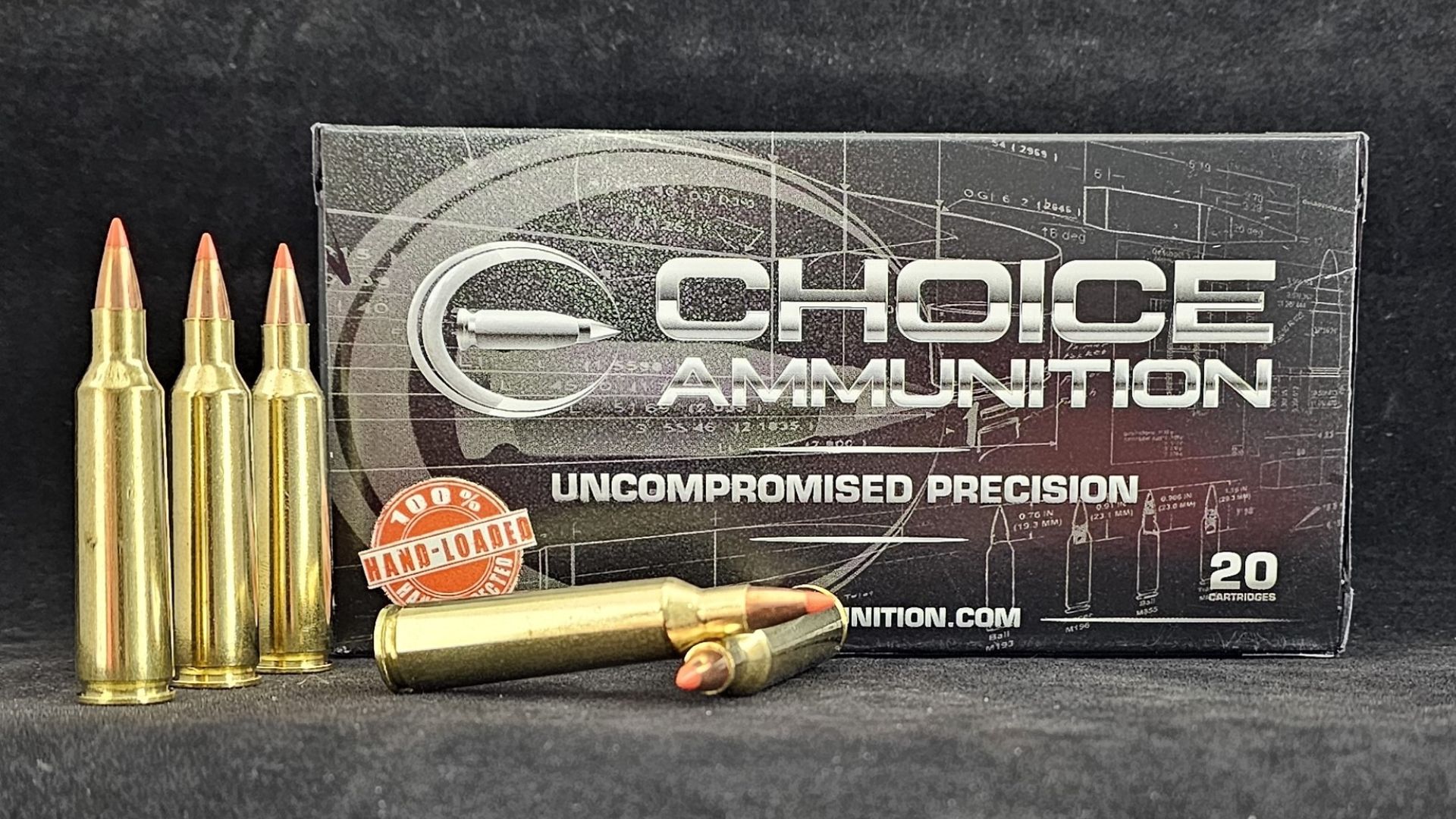
The .22-250 gets recommended as the “flat shooting coyote laser,” and it can be exactly that. It’s fast, it’s accurate, and it can be very effective on predators. The overrated part is how often it’s recommended without talking about pelt damage, barrel heat, and realistic field conditions.
High velocity can turn into big splashy exits and blown-up hides if you care about fur. It can also encourage people to take shots they shouldn’t because “it shoots so flat,” ignoring wind drift and the reality of calling shots on small targets. It’s also not a cartridge you want to shoot in long, rapid strings if you care about barrel life and consistency. The .22-250 is a great predator tool. It’s overrated when it’s treated like the only predator tool.
.17 HMR

The .17 HMR gets recommended because it’s accurate, fun, and it makes small varmints look easy. It’s a blast for prairie dogs, ground squirrels, and similar targets in the right conditions. The overrated part is when people recommend it as a general-purpose small-game cartridge without talking about wind and shot placement.
That tiny bullet gets pushed around, and it can be more finicky than people admit when conditions aren’t perfect. It’s also not the best choice for edible small game if you’re trying to minimize meat loss. A .22 LR may be less flashy, but it’s cheaper, quieter in many setups, and often more practical for the majority of small-game work. The .17 HMR is great for what it is. It’s overrated when it gets pushed as the “next step up” that replaces everything else.
.224 Valkyrie

The .224 Valkyrie gets recommended because it sounds like the perfect AR cartridge: flatter shooting, better at distance, and still in a familiar platform. On paper, that pitch is attractive. The overrated part is how often it’s recommended without acknowledging that the real-world payoff depends on ammo selection and what you’re actually trying to do.
If you don’t have access to good loads, or you’re not actually shooting at distances where it matters, you can end up with a cartridge that’s more trouble than benefit. It also doesn’t magically fix wind calls or fundamentals, and the difference compared to common options can be smaller than the marketing suggests for most shooters. The Valkyrie can work well in its lane. It’s overrated when it’s pitched as a must-have upgrade for the average AR owner who shoots normal distances.
10mm Auto

10mm gets recommended like it’s the answer to every handgun problem: woods carry, defense, hunting backup, you name it. It can be a strong choice, especially with the right loads, and it brings real power for an auto pistol. The overrated part is how often it’s recommended to people who won’t practice enough to control it well.
Full-power 10mm can be snappy, and a lot of shooters end up buying it and then feeding it watered-down ammo that behaves like a different cartridge. That’s not automatically bad, but it highlights the mismatch between the recommendation and how most people actually use the gun. If you want a woods pistol and you can shoot it confidently, 10mm can make sense. If you’re buying it because the internet says you “need” it, you may end up with a pistol you shoot less than you should.
.40 S&W
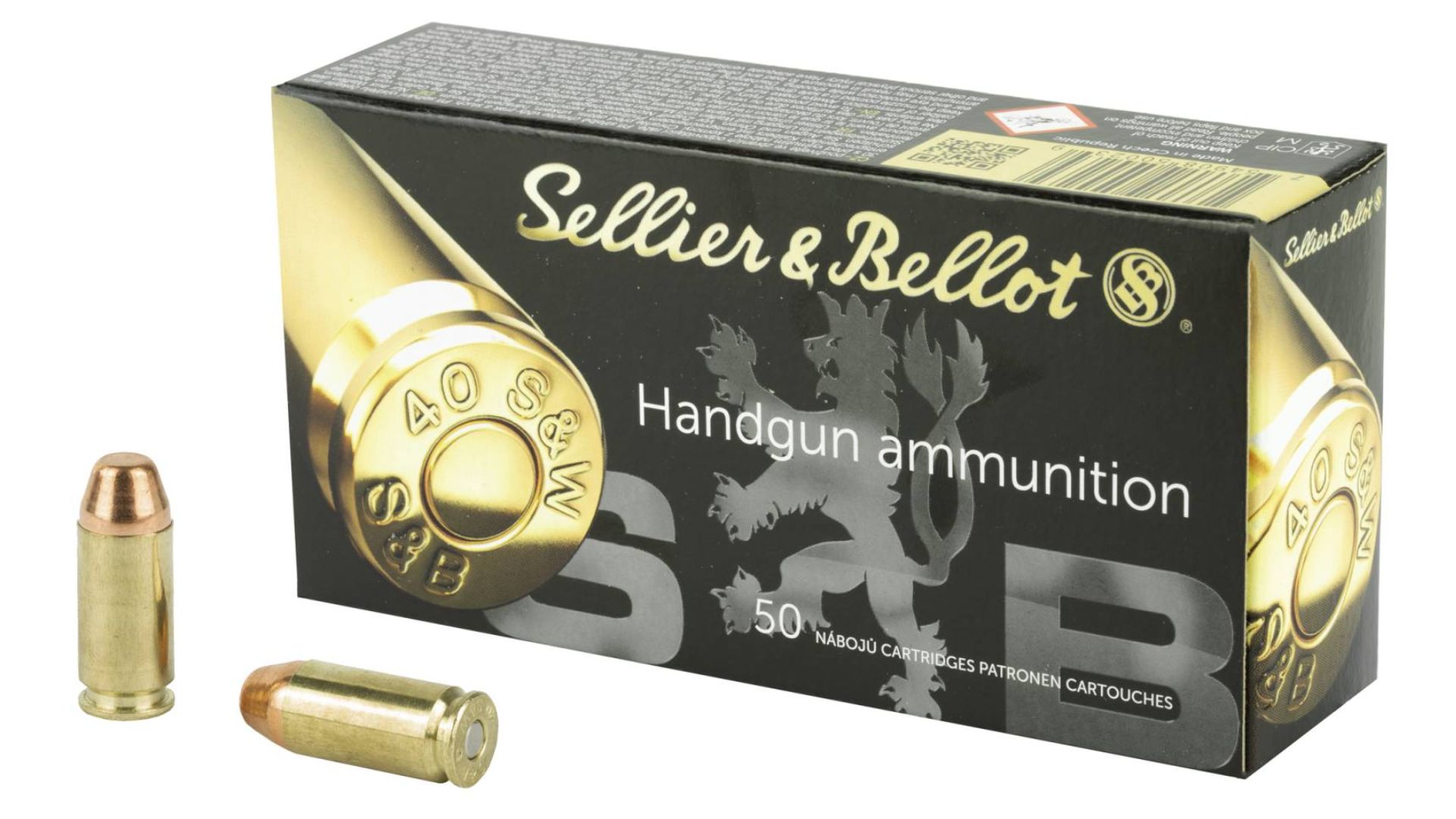
The .40 S&W is still recommended by people who came up in the era when it was the duty standard. It isn’t useless, and it can still perform well. The overrated part is how often it gets pitched as the best “middle ground” when, for most shooters, it offers more recoil and less pleasant practice with little practical gain.
Modern 9mm ammo is effective, magazines hold more, and many shooters shoot 9mm better. That means more accurate hits, faster follow-ups, and more training for the same money. .40 can make sense if you already own it, shoot it well, and have a good reason to stick with it. It’s overrated when it’s recommended as the default “serious” caliber for people who would be better served by a 9mm they’ll actually train with.
.357 Magnum (as a do-everything answer)
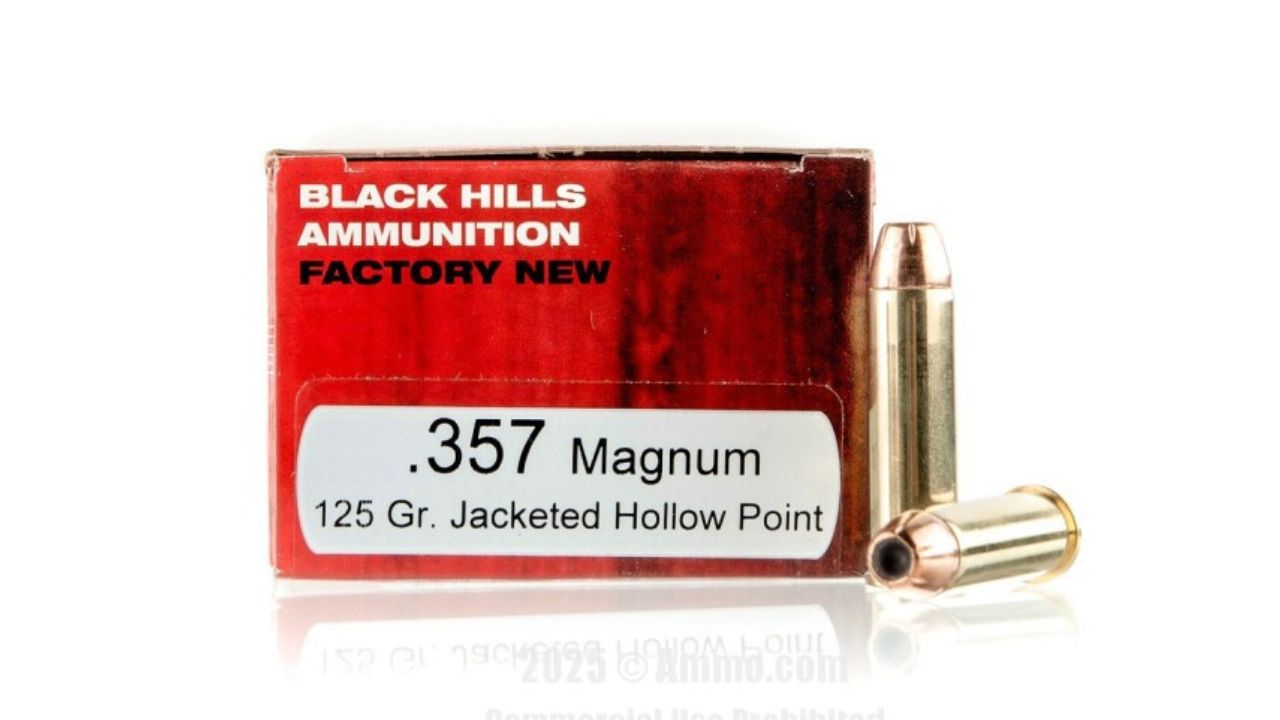
.357 Magnum gets recommended because it’s versatile: mild .38 Special for practice, full magnum for serious work. That versatility is real, and a good .357 revolver is a classic for a reason. The overrated part is when it’s recommended like it’s the perfect answer for everyone without talking about blast, recoil, and practical carry.
In smaller revolvers, .357 can be brutal to shoot, which means many people don’t practice with magnum loads much at all. The muzzle blast is also punishing indoors, and the recoil can make fast, accurate follow-ups harder than people expect. If you’re willing to practice and you understand the tradeoffs, it can be a great setup. It’s overrated when it’s handed out as a one-size-fits-all solution for new shooters or casual owners.
.204 Ruger
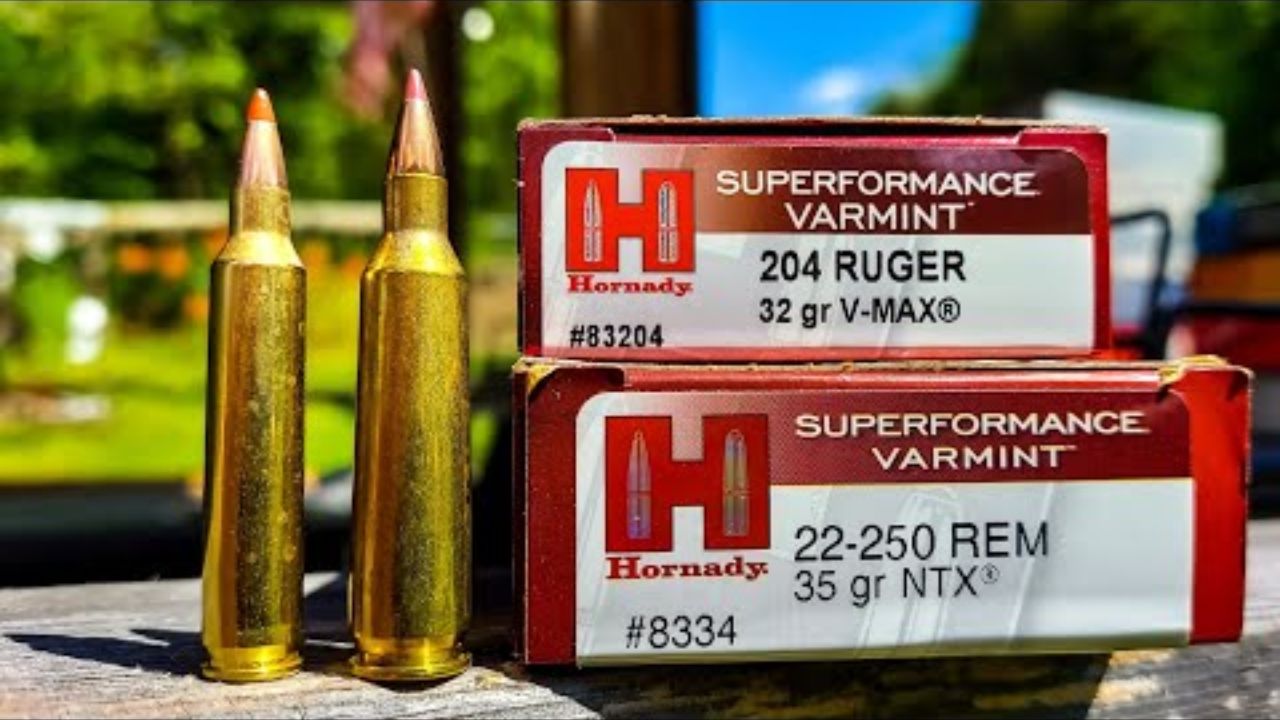
The .204 Ruger gets recommended as a “flat, fast varmint round” and it can do impressive work on small targets. It’s accurate, it’s speedy, and it can be very effective in the right scenario. The overrated part is how often it’s pitched as a better all-around predator cartridge without talking about bullet performance and wind.
Small, fast bullets can be sensitive to conditions, and shot angles matter more than people admit when you’re trying to anchor a coyote consistently. The .204 can be excellent for varmints and can work on predators with the right setup, but it isn’t automatically the best choice for everyone calling coyotes in real wind across open country. If you love the speed and you know your limits, it’s fun. It’s overrated when it gets sold as a magic coyote round.
.30-30 Winchester
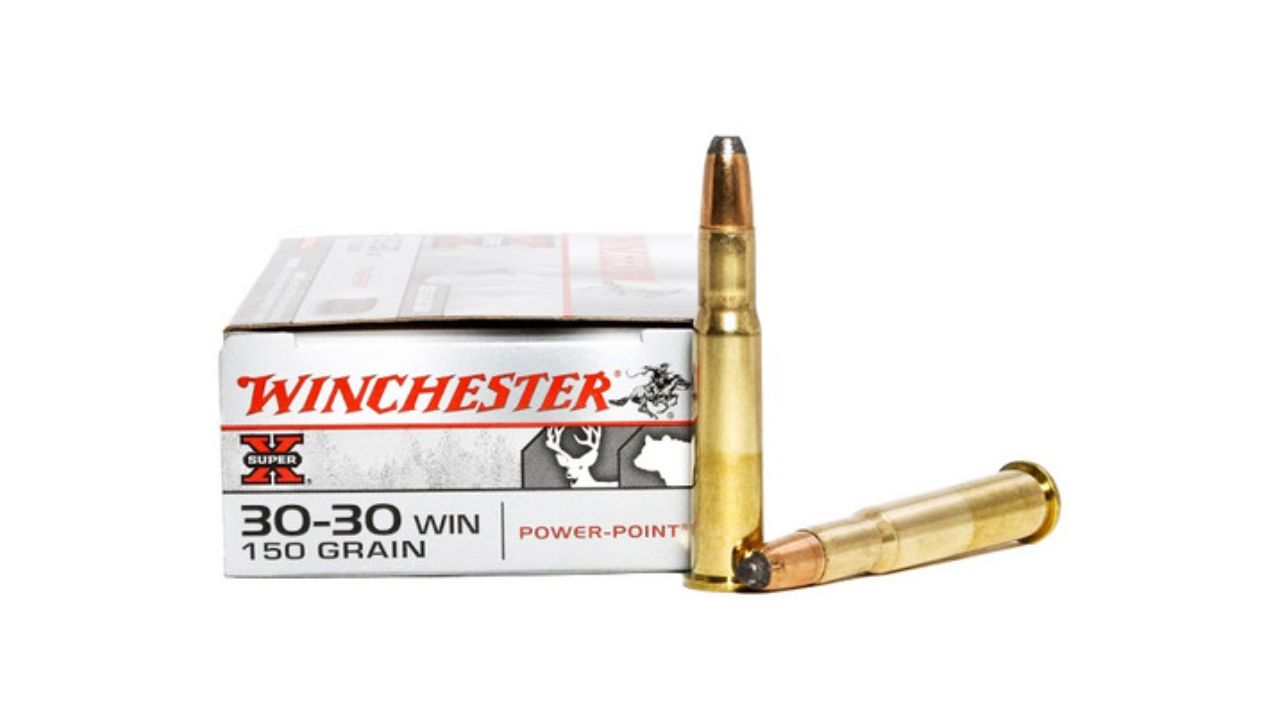
The .30-30 gets recommended because it has history and it works. Inside its comfort zone, it still kills deer cleanly and carries well in a lever gun. The overrated part is when it gets recommended like it’s the best answer for every deer hunter in every terrain, especially when distances stretch.
Ballistics are what they are. Past reasonable ranges, drop and wind become real issues, and the cartridge doesn’t give you much margin for sloppy ranging or poor angles. That doesn’t make it outdated—it makes it specific. If you hunt thick woods and keep shots sane, it’s hard to argue with. If you hunt open country, there are better tools that don’t ask you to thread the needle on distance. The .30-30 is great. It’s overrated when it’s treated as universal.
12-gauge 3½-inch loads
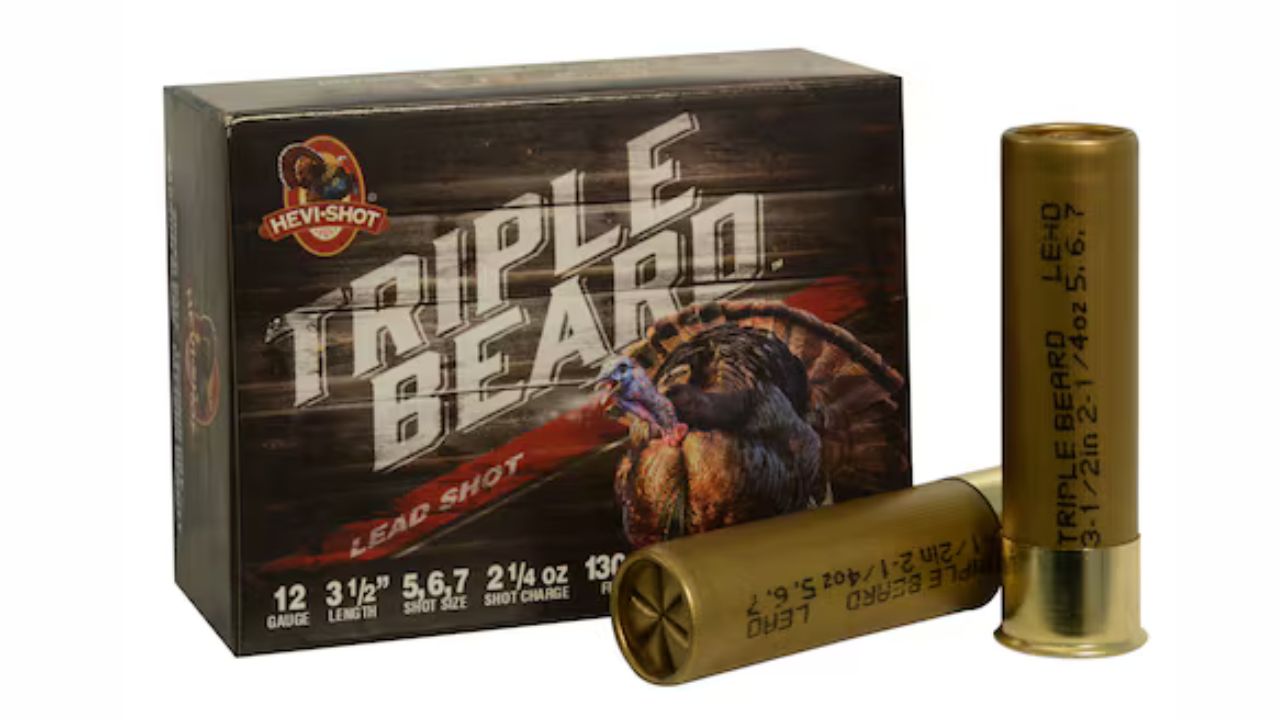
The 3½-inch 12-gauge gets recommended like it’s the “serious hunter” shell length. More payload, more power, more reach—sounds great. Sometimes it does fill a real role. The overrated part is how often it’s recommended to people who shoot worse because of the recoil.
That recoil can ruin your swing, slow your follow-up shots, and build flinch fast. In many shotguns, the pattern and practical performance don’t improve enough to justify the punishment compared to good 2¾-inch or 3-inch loads. If you’re not patterning your gun and you’re not shooting enough to stay sharp, the bigger shell can make you less effective, not more. The best shotgun load is the one you can hit with. The 3½-inch recommendation often ignores that.
.410 bore (as a “good beginner” choice)
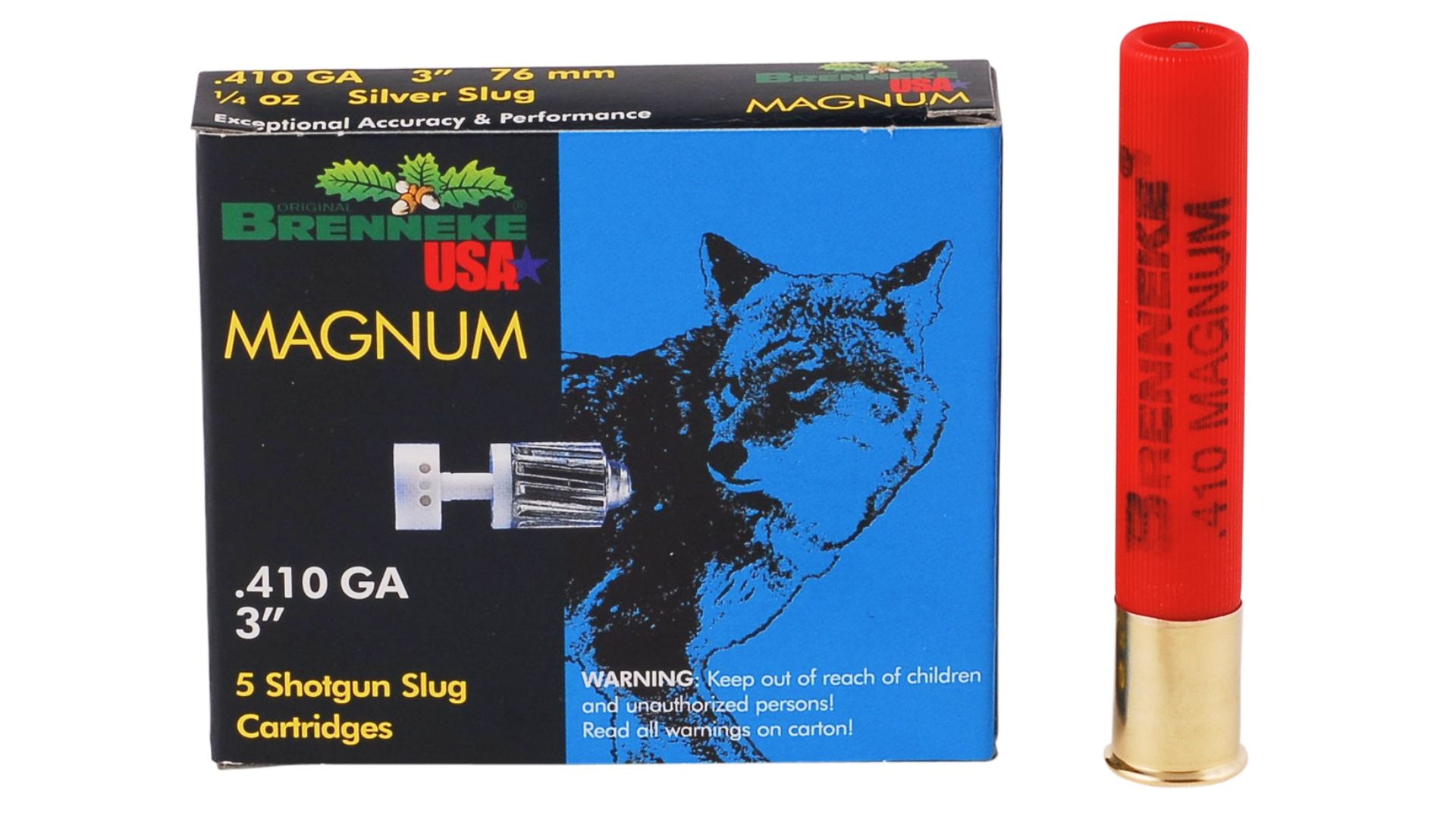
.410 gets recommended to new shooters because it seems smaller and friendlier. That advice sounds logical until you actually shoot and pattern a .410. The recoil can be light, but the pattern is smaller, and that makes hits harder—especially on moving targets. For beginners, difficulty leads to frustration, and frustration kills practice.
In the field, the .410 can be effective in skilled hands and with realistic expectations. But it’s not the easy button people claim it is. A 20-gauge with light loads is often a better learning tool because it gives a more forgiving pattern and still feels manageable. The .410 is a specialty bore that can be a lot of fun. It’s overrated when people recommend it as the default “starter” shotgun without acknowledging how demanding it can be.
Like The Avid Outdoorsman’s content? Subscribe to our newsletter so you never miss an article.
Here’s more from us: