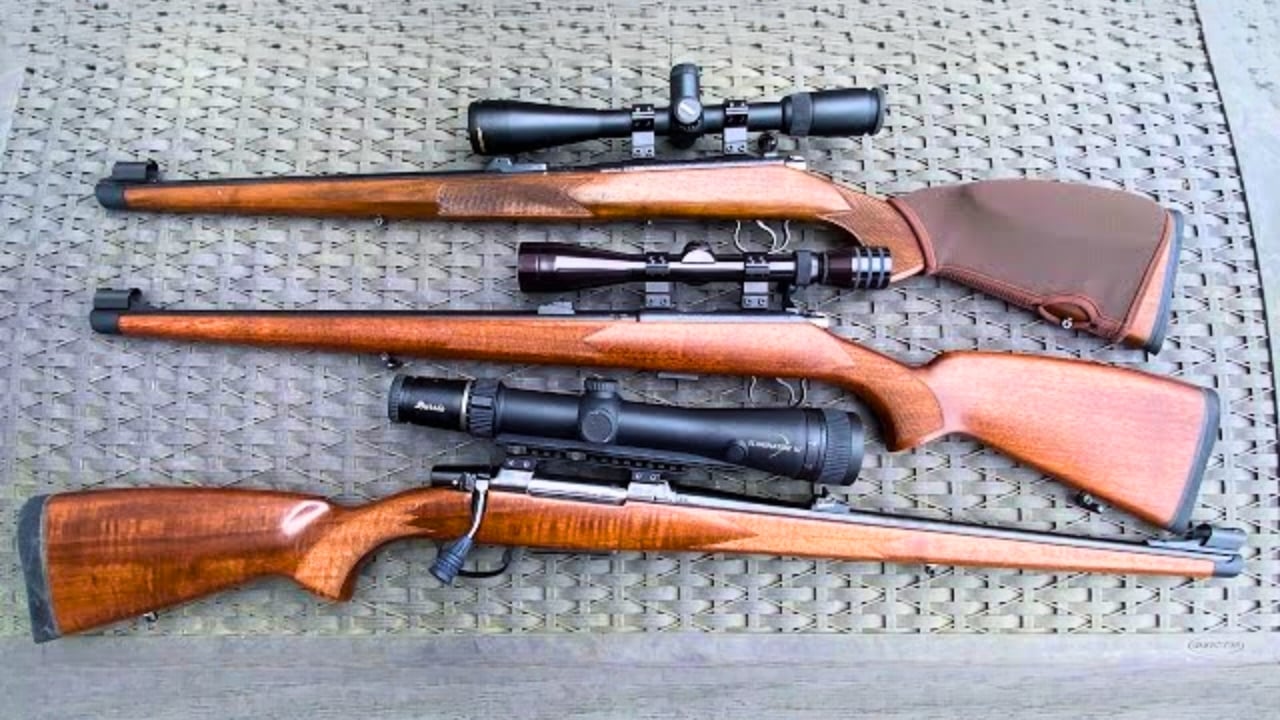
Photo credit: farleyjj1/YouTube
Some rifles sat around for years looking like permanent fixtures of the gun world. You saw them in pawn shops, gun stores, show tables, and online listings so often that it felt foolish to rush. That was the mistake. A lot of buyers kept telling themselves they would grab one later, after hunting season, after bills settled down, after they bought something more urgent first. Then later disappeared. Prices jumped, condition dried up, imports stopped, or the whole market suddenly decided those once-common rifles were not so common after all.
That is what makes these rifles stick in people’s heads. They were not always dream guns or safe-queen trophies. Many were practical, proven, and easy to take for granted. That is exactly why so many buyers missed their window. These are the rifles people kept putting off until “later” stopped existing.
Winchester 9422

The Winchester 9422 was one of those rifles people admired without feeling pressure to buy right away. It was a rimfire lever gun, and for a lot of buyers that meant it stayed behind centerfire rifles, carry pistols, and hunting shotguns on the priority list. It always seemed like something you could circle back for once the more serious purchases were handled. That was the trap. Once people started realizing how nicely these rifles were made, the easy days disappeared fast.
Now the 9422 feels like one of the clearest examples of a rifle buyers misread. It was never junk, never weird, and never hard to like. It was just too familiar to feel urgent. Then the combination of Winchester on the barrel, real quality in the hands, and fading supply turned it into a rifle people wish they had bought when it still felt like a casual purchase.
Marlin 39A
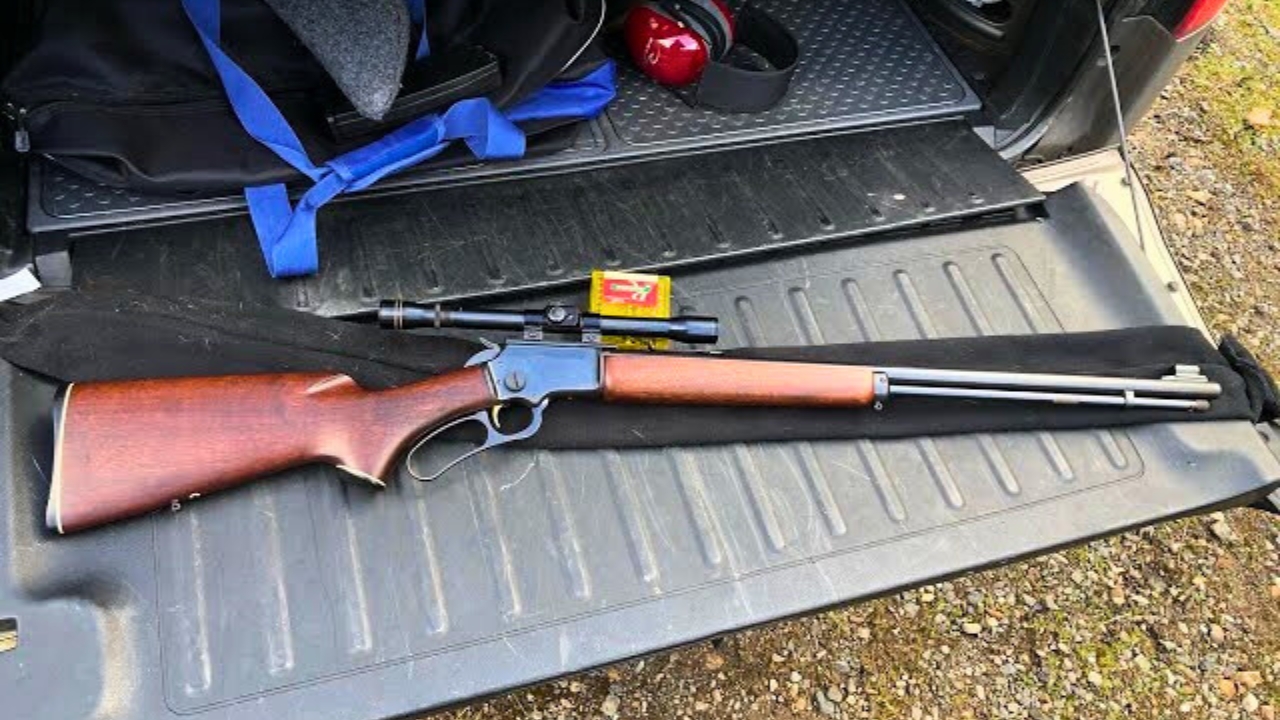
The Marlin 39A lived for years as the kind of rifle people assumed would always be around. It had deep roots, a strong reputation, and enough used-market presence that buyers could afford to be patient. That patience got expensive. A lot of shooters kept putting off the 39A because it was “just” a really good lever-action .22, not some loud collector piece demanding immediate action. Later on, that calm attitude started looking like a bad read.
What changed was simple. People began noticing how much real quality lived in these rifles and how little of that feel was showing up in newer guns at ordinary prices. Once that happened, the 39A stopped looking like a background piece and started looking like something worth chasing. That is when later vanished and regret moved in.
Ruger 77 RSI

The Ruger 77 RSI was easy to pass on because it felt a little too specialized and a little too taste-driven for buyers trying to be practical. Mannlicher-style stocks have a way of looking more charming than necessary, and plenty of people told themselves they would buy one someday just because they liked the look. Someday became a problem once buyers realized these rifles were not staying cheap, common, or easy to replace in nice shape.
Part of the regret is that the RSI offers more than looks. It carries well, has real personality, and feels like something from a time when rifles could still be stylish without being silly. That made it easy to admire and easy to delay, which is a bad combination in the gun market. A lot of buyers now wish they had acted before taste and scarcity teamed up against them.
Remington 700 BDL older walnut-stock rifles

Older Remington 700 BDL rifles spent years being so common that buyers stopped seeing them clearly. They were polished walnut-and-blue-steel hunting rifles stacked across America in enough racks that nobody felt urgency. If you liked one, you figured another would show up next week. That logic held for a long time. Then cleaner older rifles started drying up, nostalgia got stronger, and buyers realized they had been walking past a version of the American hunting rifle that was not really being replaced.
That is why the regret around older BDLs feels so specific. They were not rare, mysterious, or hard to understand. They were simply there until they were not there in the same way anymore. Once “later” meant paying more for a rougher rifle, a lot of people finally understood what they had taken for granted.
Winchester Model 70 XTR Featherweight

The Winchester Model 70 XTR Featherweight used to be one of those rifles that seemed too familiar to demand immediate action. It was handsome, respected, and easy to like, but it did not always feel urgent because there were enough around that buyers assumed the supply would hold. A lot of hunters told themselves they would grab one when the right deal came along. Then the right deal got harder to find, and the rifles that remained started wearing price tags that forced people to think twice.
The sting here comes from how complete the rifle feels. It is not just collectible. It is useful, balanced, and tied to a kind of hunting-rifle appeal that never really goes out of style. Buyers who kept postponing one now tend to remember exactly when they could have bought in easier and simply chose not to.
Browning BLR steel receiver models

Older steel receiver Browning BLRs sat in a strange middle ground for years. They were respected, but not always worshipped. That made them easy to delay. Buyers liked the idea of a lever gun that handled pointed bullets and modern cartridges, but many kept pushing the purchase down the list because it felt like something they could get around to later. Later started shrinking once people realized those earlier rifles had become much more desirable than they once looked.
That shift hit hard because the BLR was never a gimmick. It was a smart rifle with real field value, and that kind of usefulness tends to age well once buyers wake up to it. Steel receiver examples now carry the kind of appeal that makes missed chances easier to remember. Plenty of people saw them sitting everywhere and simply underestimated how different the market would look down the road.
Norinco MAK-90

The MAK-90 was once the rifle people bought when they wanted an affordable, solid AK-pattern gun without pretending it was some collector jewel. That made it incredibly easy to put off. A lot of buyers saw them as plentiful and unromantic, the sort of rifle that would always be floating around at workable prices. That confidence aged badly. The market moved, import realities hardened, and suddenly the practical Chinese rifle people once shrugged at became one of the smarter buys they never made.
The regret around the MAK-90 is not just about price. It is about how obvious it all looks in hindsight. These rifles were right there, often reliable, and far less fragile in reputation than some buyers assumed. People waited for a prettier AK, a more correct AK, or a deal that never came. Meanwhile, later packed up and left.
SKS Chinese Type 56
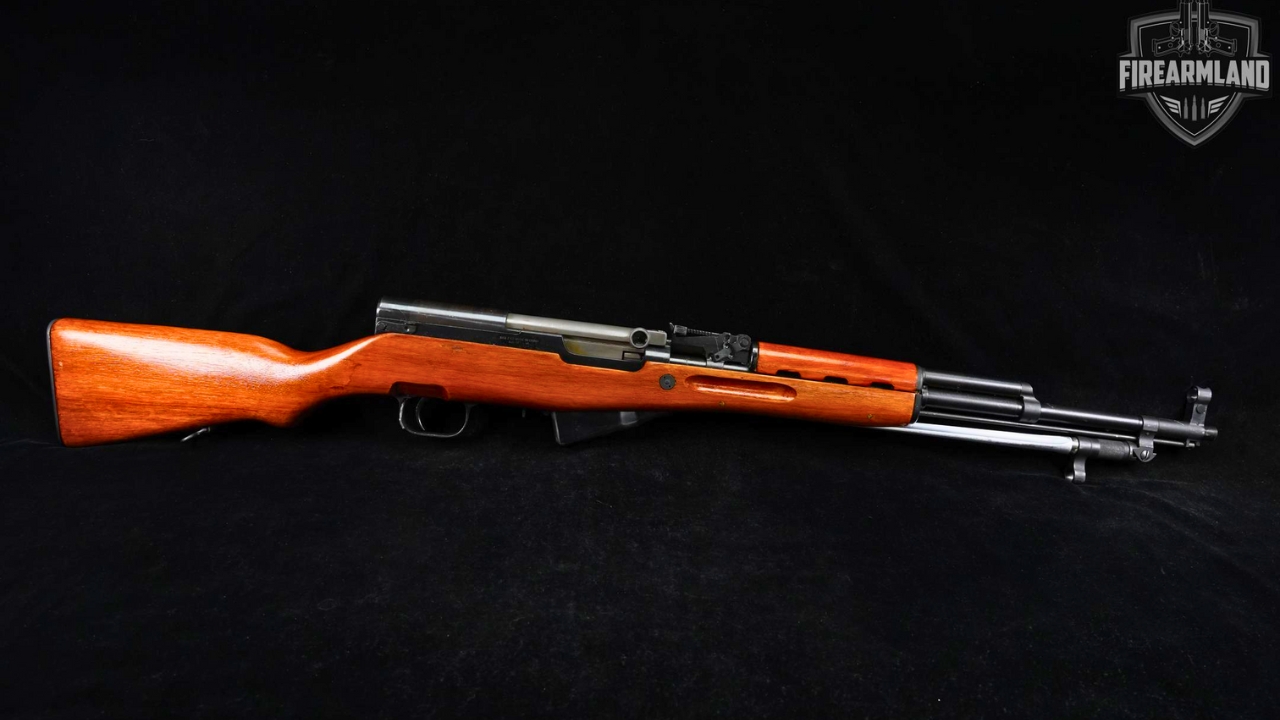
There was a long stretch where the Chinese Type 56 SKS seemed almost too common to respect properly. Buyers saw them stacked deep, often cheap enough to feel like a side purchase rather than a decision. That made them one of the easiest rifles in the world to postpone. Plenty of people figured they would grab one someday for fun, for history, or just because it seemed dumb not to. Then someday stopped being cheap and easy.
Now the SKS feels like one of the great examples of a rifle people misjudged through sheer overfamiliarity. It was dependable, simple, and loaded with practical appeal for the money. What made buyers miss was not a lack of quality. It was the illusion of endless supply. Once that illusion broke, a lot of people realized they had waited too long on one of the most obvious no-brainer rifles of its era.
Marlin 1894 Cowboy and older JM-stamped 1894 variants

Older JM-stamped Marlin 1894 rifles were easy to admire and easy to delay at the same time. Lever-gun buyers often had one eye on them without feeling the need to jump right away. That was especially true when the market still treated pistol-caliber lever guns as neat rather than urgent. Then demand rose, quality comparisons got louder, and the older Marlins became the rifles people suddenly wished they had bought when they were just sitting there.
What makes the regret linger is that these rifles are not hard to enjoy. They are handy, useful, and full of the kind of appeal that only seems to grow once people realize they are not making more of that exact version. Buyers who kept waiting for a sale, a cleaner example, or a better time often found out that the whole category had already moved on without them.
Steyr Mannlicher Model M

The Steyr Mannlicher Model M was never the kind of rifle everybody needed, which is exactly why so many people delayed buying one. It felt elegant, a little European, and slightly outside the practical center of the average American buyer’s priorities. That made it easy to say, “one day.” The problem is that rifles with real style and real quality do not always stay ignored forever. Once more buyers started appreciating what these rifles were, the easy opportunities thinned out.
Regret around the Model M usually sounds different from regret around cheaper guns. It is less about missing a bargain and more about missing a chance to own something distinctive before taste caught up with the market. A lot of buyers did not realize later would come with fewer options, rougher condition, and a much steeper conversation at the gun counter.
Ruger Mini-14 GB

The Ruger Mini-14 GB sat for years in that awkward lane where buyers respected it without always prioritizing it. If you wanted an AR, you bought an AR. If you wanted a collectible, you often looked elsewhere. That left rifles like the GB easier to postpone than they should have been. Buyers assumed Ruger Minis with factory features and era-specific appeal would remain available enough that there was no rush. That turned out to be wrong.
Now those rifles represent a very particular piece of American rifle history, and that history matters more than it once did. What used to feel like a second-choice purchase now feels like a smart one missed at the wrong moment. That is how later disappears in this hobby. A rifle hangs around long enough to feel ordinary, then one day it does not.
Winchester Model 88

The Winchester Model 88 was always respected, but it also spent a lot of time being the kind of rifle people thought they could come back for. It was not as constantly talked about as some lever guns or bolt guns, which made it easy to admire from a distance. Buyers liked the sleek handling and the different feel, but a lot of them kept telling themselves they would grab one eventually. Eventually got expensive and choosy.
The Model 88 now carries the kind of appeal that makes people wish they had acted when examples still showed up with less drama around them. It is not just that the rifle costs more now. It is that buyers better understand what it is, and that understanding has made demand feel more serious. The ones people used to walk past now tend to stay in memory longer than they stay on tables.
Browning BAR Safari older Belgian and early production rifles

Older Browning BAR Safari rifles once felt like the sort of handsome hunting autoloader you could always find if you kept your eyes open. They were desirable, sure, but not usually framed as now-or-never purchases. That made them easy to push into the future. A lot of buyers believed they would buy a nice one later when the timing was right. The problem is that time kept thinning the good ones while raising the price on whatever remained.
Part of the regret is tied to the rifle’s feel. These are not disposable deer rifles. They have weight, finish, and a kind of old-school seriousness that looks better the more modern rifles start feeling generic. Buyers who waited too long did not just miss a price point. They missed the chance to buy a rifle that once felt common enough to ignore and now feels too good to overlook.
Sako Finnbear

The Sako Finnbear used to be a rifle people admired with real respect but not always with urgency. It was a quality gun, no doubt, but a lot of buyers treated it like the kind of nice rifle they would own someday after more pressing needs were handled. That attitude works right up until the market catches on harder and the easy examples stop appearing at easy numbers. Then someday starts sounding expensive and inconvenient.
The Finnbear is exactly the kind of rifle that turns delay into regret because it does not need hype to make sense. The quality is right there in the action, the wood, and the overall feel. Buyers who postponed one usually did not do it because they doubted the rifle. They did it because they assumed there would always be another. That assumption is behind a lot of missed rifle stories.
Remington Nylon 66

The Remington Nylon 66 was one of those rifles people saw so often that it almost became invisible. It was different, practical, and easy to dismiss as a quirky rimfire you could always buy later if the mood struck. That was the danger. Familiarity made it feel permanent, and permanence makes buyers lazy. Once people started appreciating the rifle’s place in American gun history and noticing how many had already been used hard, better examples began carrying a lot more attention.
Now the Nylon 66 gets remembered as a rifle that sat everywhere until people finally realized it had become something more than ordinary. That is the kind of regret that sneaks up on buyers. They did not pass because the rifle looked bad. They passed because it looked too easy to get. Those are often the misses that sting the longest.
CZ 550 Full Stock

The CZ 550 Full Stock had the kind of appeal that made buyers pause and smile without always pulling out a wallet. It was handsome, slightly old-world, and just uncommon enough in style that many people treated it like a future indulgence rather than a present need. That works fine until the model is gone, the used market gets thinner, and the same rifle that once felt like a someday purchase suddenly feels like a hard thing to replace well.
The regret here comes from buyers knowing exactly why they hesitated. It was not practical hesitation so much as timing hesitation. They wanted one. They just thought they had time. The 550 Full Stock is the kind of rifle that exposes how often “later” is really just a softer word for “missed it.”
Like The Avid Outdoorsman’s content? Subscribe to our newsletter so you never miss an article.
Here’s more from us: