Photo credit: 22plinkster/YouTube
When you hear “flat-shooting,” what you really want is forgiveness. You want a caliber that holds onto velocity well enough that your sight picture stays clean, your wind call is manageable, and you’re not dialing like you’re solving a math problem in the field. Flat trajectory doesn’t magically erase bad range estimates or sloppy fundamentals, but it can widen your practical window—especially on open-country deer, antelope, and similar game where shots stretch out and the wind won’t cooperate.
The truth is, “flat enough” is a combination of cartridge design, bullet choice, and how you set up your rifle. High-BC bullets help, sane muzzle velocity helps, and so does knowing your real drop at distance. The calibers below have earned their reputations because they make those practical long shots easier to pull off when it counts.
6.5 Creedmoor

You don’t pick 6.5 Creedmoor because it’s trendy—you pick it because it’s easy to shoot well and it carries a sleek bullet without beating you up. With common 120–147 grain loads, it stays flat enough for real-world hunting distances and it drifts less than a lot of traditional deer rounds.
The recoil is mild, and that matters more than people admit. You spot impacts, you call your own shots, and you stay calmer behind the gun. Pair it with a good 140-ish grain hunting bullet and a solid zero, and you’ve got a cartridge that keeps your holdovers reasonable without turning every shot into a flinch test.
6.5 PRC

If you like what the Creedmoor does but want more speed and energy downrange, 6.5 PRC is the natural step up. It pushes the same general bullet shapes faster, which buys you a little more reach and a little more cushion on your drop chart.
That extra velocity also helps keep the bullet above its comfort zone longer, especially with heavier-for-caliber, higher-BC hunting bullets. You do pay for it in recoil and barrel life compared to Creedmoor, but it’s still very manageable in a hunting-weight rifle. For open country where shots can run long, PRC keeps things flat enough that your aiming solution stays straightforward.
.270 Winchester
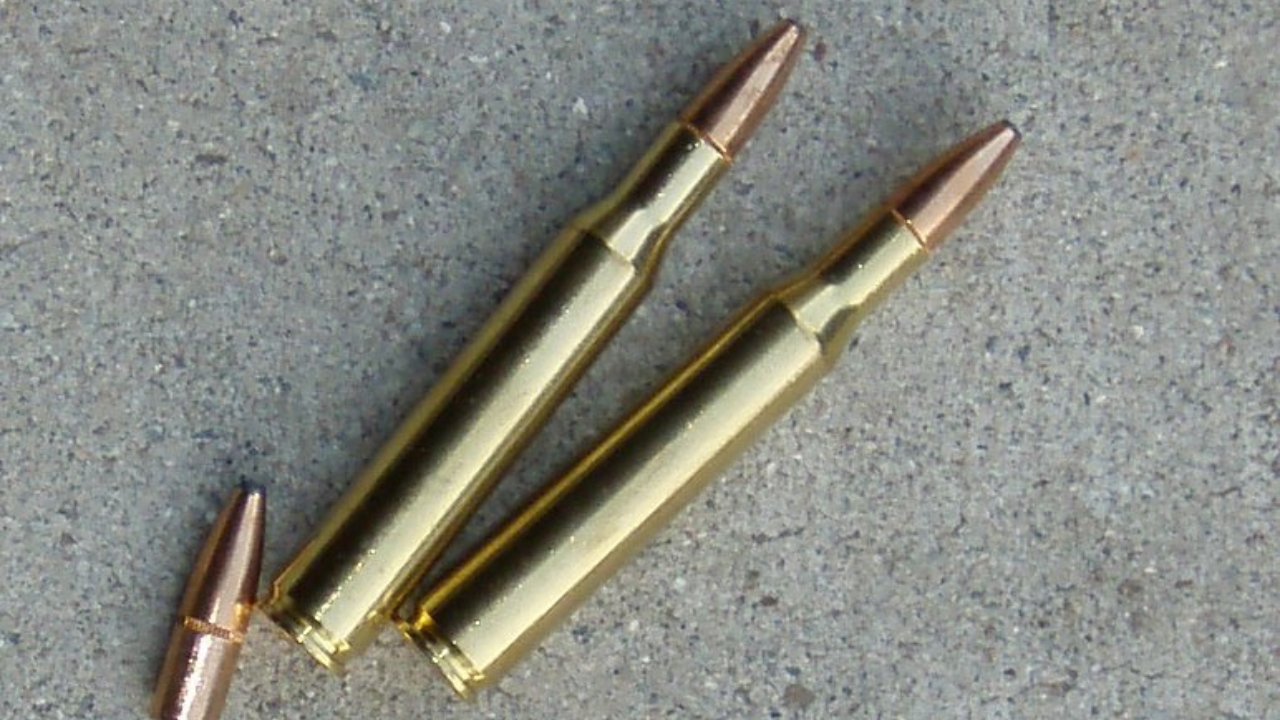
The .270 has been making “flat enough” look easy for generations, and it still does. A 130-grain load has long been a go-to because it shoots clean, hits hard on deer-sized game, and keeps trajectory friendly without needing a heavy rifle.
What makes .270 Winchester stick around is how practical it is. Ammo is common, rifles are everywhere, and it doesn’t demand specialty components to perform. Step up to modern bullet designs and you can tighten wind performance compared to the old soft points, while keeping that classic feel. If you want a proven caliber that stays flat without drama, the .270 still earns its seat at the table.
.270 WSM

.270 WSM takes the familiar .270 idea and adds more speed. That extra pace flattens trajectory a bit more and helps you hang onto energy as distance grows. In the right rifle, it’s a serious open-country tool.
The tradeoff is that it’s not as universally available as standard .270, and recoil jumps a notch. Still, when you’re trying to keep holdovers simple on longer shots, the WSM does what it was designed to do. It also plays well with modern, higher-BC bullets that take advantage of the velocity. If your hunts regularly involve big basins, wind, and longer sightlines, .270 WSM keeps your trajectory in that “comfortably flat” range.
7mm-08 Remington

7mm-08 doesn’t get enough credit for how clean it shoots in the field. It’s not a speed demon, but it launches efficient 7mm bullets that hold onto velocity well. That translates into a trajectory that stays practical and wind drift that’s better than many expect.
This is one of those calibers that helps you shoot better because it doesn’t punish you. In a lightweight mountain rifle, it’s still pleasant. In a standard hunting rifle, it’s easy to run fast and steady. With 140–150 grain hunting bullets, you get reliable terminal performance and a trajectory that remains flat enough for responsible longer shots when you’ve done your homework on distance.
7mm Remington Magnum

If you want a classic answer to “flat enough for long shots,” the 7mm Rem Mag is hard to ignore. It pushes streamlined bullets fast, and those bullets tend to behave well in the wind. That’s a big deal when your “long shot” isn’t taken on a calm range.
The recoil is real, and you need a rifle that fits you and a setup you can shoot without getting sloppy. But when you do your part, the cartridge makes distance feel less intimidating. It’s also versatile: lighter bullets for deer and antelope, heavier options for elk with the right construction. For wide-open terrain, 7mm Rem Mag keeps your drop manageable and your wind calls less punishing.
7mm PRC

7mm PRC was built for modern long-range reality: faster twist rates and long, high-BC bullets that carry well. The idea is simple—give you excellent downrange behavior without forcing you into weird workarounds with seating depth and magazine length.
In practice, it’s a strong option if you want a flatter trajectory and strong wind performance in a hunting-capable package. Recoil sits in the “you’ll notice it” category, but it’s not unmanageable with a good stock and brake or suppressor if you run one. With the right hunting bullet, 7mm PRC lets you stretch distance while keeping your dope sane and your bullet doing what it’s supposed to do when it arrives.
.280 Ackley Improved

.280 AI lives in that sweet spot where it shoots flatter than many standard rounds, handles heavier bullets well, and doesn’t punish you like the big magnums. It’s a smart choice when you want a practical long-shot cartridge that still feels like a hunting round, not a dedicated distance toy.
The real advantage is flexibility. You can run 140s fast, or step into 160-ish grain bullets with excellent aerodynamics and reliable performance on bigger game. It keeps trajectory friendly and wind drift respectable, and it does it without turning recoil into the main event. If you’re the kind of hunter who wants one rifle that can cover a lot of ground—literally—the .280 AI is a strong, honest pick.
.25-06 Remington

.25-06 has been quietly flattening deer and antelope for a long time. It’s fast, it shoots flat, and it’s easy to shoot well. With 100–120 grain bullets, it keeps your trajectory simple and your recoil low.
Where you need to be sharp is bullet choice. Not every .25-caliber bullet is built for tougher angles or bigger-bodied animals, so you pick a hunting bullet with a reputation for controlled expansion and adequate penetration. Do that, and it’s a fantastic “practical long shot” option for deer-sized game in open spaces. It’s one of those calibers that makes you feel steady behind the gun, and that calm translates into better hits.
.243 Winchester

The .243 can be very flat at sensible distances, especially with 90–105 grain bullets that are designed for hunting. It’s also incredibly easy to shoot, which makes it easier to place shots precisely when the distance grows and your heart rate climbs.
This is not a cartridge you lean on for every scenario, but for deer-sized game with the right bullet, it absolutely belongs in the “practical long shot” conversation. Wind will move lighter bullets more than the 6.5s and 7mms, so you don’t ignore conditions. Still, for the hunter who values low recoil, clean trigger work, and seeing impacts, .243 can keep your trajectory and your shooting process under control out where mistakes multiply.
.22-250 Remington

Most people think “varmint” when they hear .22-250, and that’s fair. It’s fast, flat, and surgical on coyotes and smaller game at long distances when you have a good rest and a good wind read.
For practical long shots, .22-250 shines because it keeps your holdovers small and your sight picture stable. The catch is wind sensitivity compared to heavier bullets, and it’s not a big-game round in most contexts. Where it belongs is predator country and open fields where you might need to reach across a draw without dialing a turret forest. If you’re trying to stay flat and fast on coyotes, .22-250 makes distance feel shorter than it is.
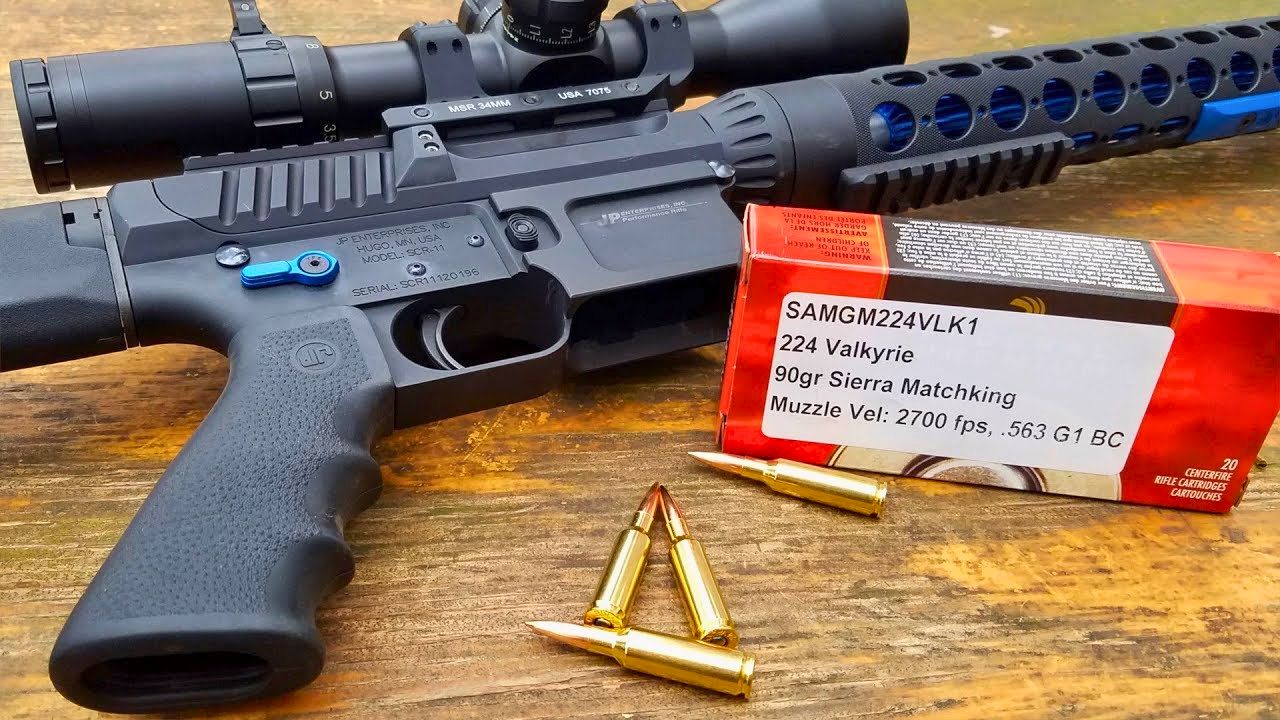
.224 Valkyrie

.224 Valkyrie doesn’t rely only on raw speed; it leans on high-BC .224 bullets that carry efficiently. In the right barrel twist, it can stay surprisingly flat and hold onto velocity better than many small-caliber options.
It’s most at home in the predator and target world, and it’s especially attractive if you want reach from an AR platform. For practical long shots on coyotes, it can be a very capable setup, with less recoil and good spotting ability. The key is running bullets that match your barrel and choosing quality ammo, because performance swings more with load selection than some older standbys. When it’s dialed, Valkyrie keeps the trajectory workable and the shooting experience smooth.
.240 Weatherby Magnum

If you want flat trajectory without stepping into heavier recoil, .240 Weatherby is one of the most underrated options out there. It’s fast, it stays flat, and it’s a natural fit for deer and antelope where open terrain and longer shots are common.
You do need to be honest about bullet construction. High speed can make some bullets expand too quickly, so you pick a hunting bullet built to handle impact velocity. Do that and you get a cartridge that shoots like a laser in practical terms, with recoil that stays friendly. The downside is cost and availability compared to mainstream rounds, but in exchange you get a caliber that keeps your holdovers small and your confidence high when the shot is farther than you’d prefer.
.257 Weatherby Magnum

.257 Weatherby Magnum has a long-standing reputation for flat shooting, and it earned it the hard way—by being genuinely fast. For deer and antelope in open country, it can make long shots feel much more manageable on the trajectory side.
The real-world caution is the same: speed demands the right bullet. When you choose a controlled-expansion hunting bullet, you get excellent performance and a trajectory that stays impressively flat. Recoil is still reasonable for the kind of speed you’re getting, but it’s not a beginner cartridge if you’re sensitive to blast. If your hunts involve long glassing sessions, long sightlines, and quick opportunities, .257 Weatherby can keep the aiming solution clean when seconds matter.
.300 Winchester Magnum

People don’t always think of .300 Win Mag as “flat,” but with common 165–200 grain loads it stays surprisingly practical at distance, and it handles wind better than many lighter options. It’s a caliber that earns respect because it keeps carrying when shots run long and angles aren’t perfect.
You pay in recoil, and you don’t pretend otherwise. But if you’re shooting elk, big deer, or mixed-bag hunts where distance is possible and conditions can be rough, .300 Win Mag keeps your trajectory and wind performance in a very usable place—especially with streamlined bullets. It’s not the easiest cartridge to shoot all day, but when you want a long-shot capable hunting round that still hits with authority, it stays on the short list.
Like The Avid Outdoorsman’s content? Subscribe to our newsletter so you never miss an article.
Here’s more from us: