Photo credit: NRApubs/YouTube
Some rifles get their chance in the field exactly once—and don’t get invited back. Maybe it’s the weight, the recoil, the noise, or the fact that the bolt jams every time you try to chamber a follow-up. Some of these looked great on the gun shop wall but turned out to be a mess once you were halfway up a ridge with fogged glass and numb fingers. Others simply made you miss. These are the rifles hunters try once, regret quietly, and leave behind the next season while they go back to what worked before.
Remington 770
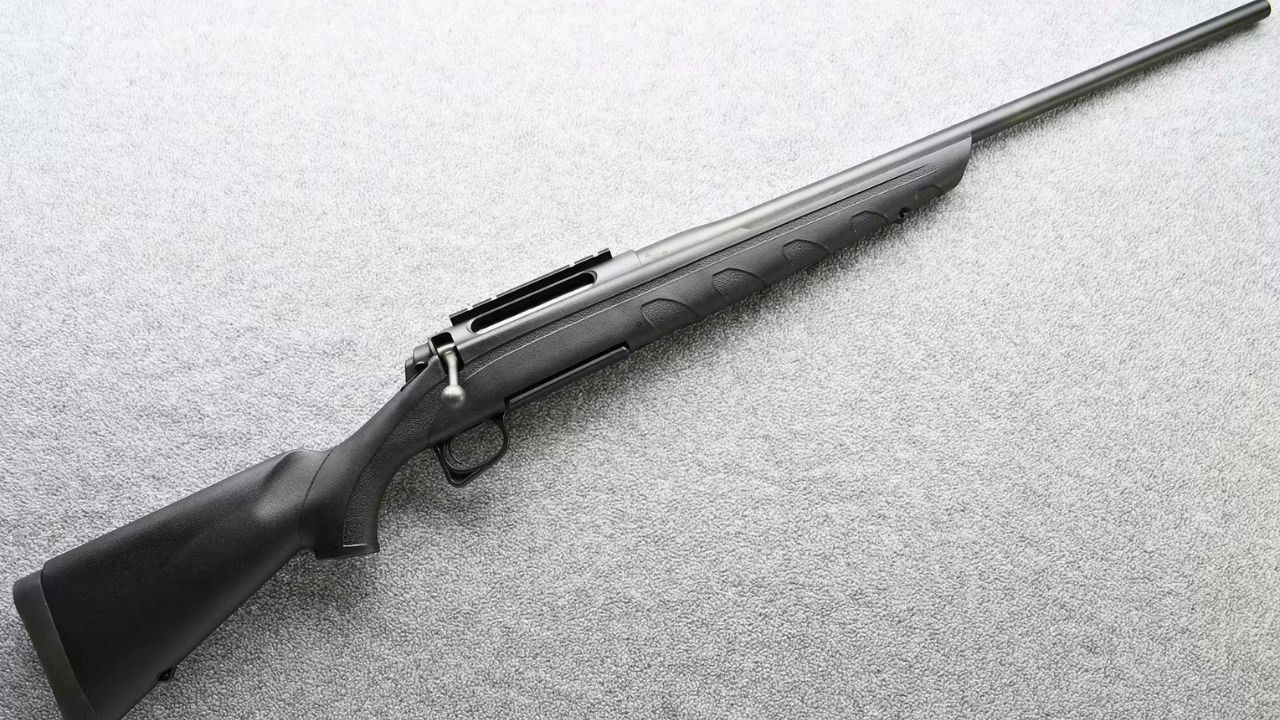
The Remington 770 is one of those rifles that seems like a deal at first glance. It comes scoped, it’s inexpensive, and it promises decent performance for the price. But once you take it to the field, things start to show. The bolt binds, the action feels gritty, and the trigger is worse than most budget options.
It’ll get through a hunt if you’re lucky, but you won’t enjoy using it. Many hunters bring it once, realize it’s a step backward, and let it sit in the safe until they trade it toward something more reliable. It’s not that it can’t kill a deer—it’s that you won’t want to carry it again.
Browning AB3
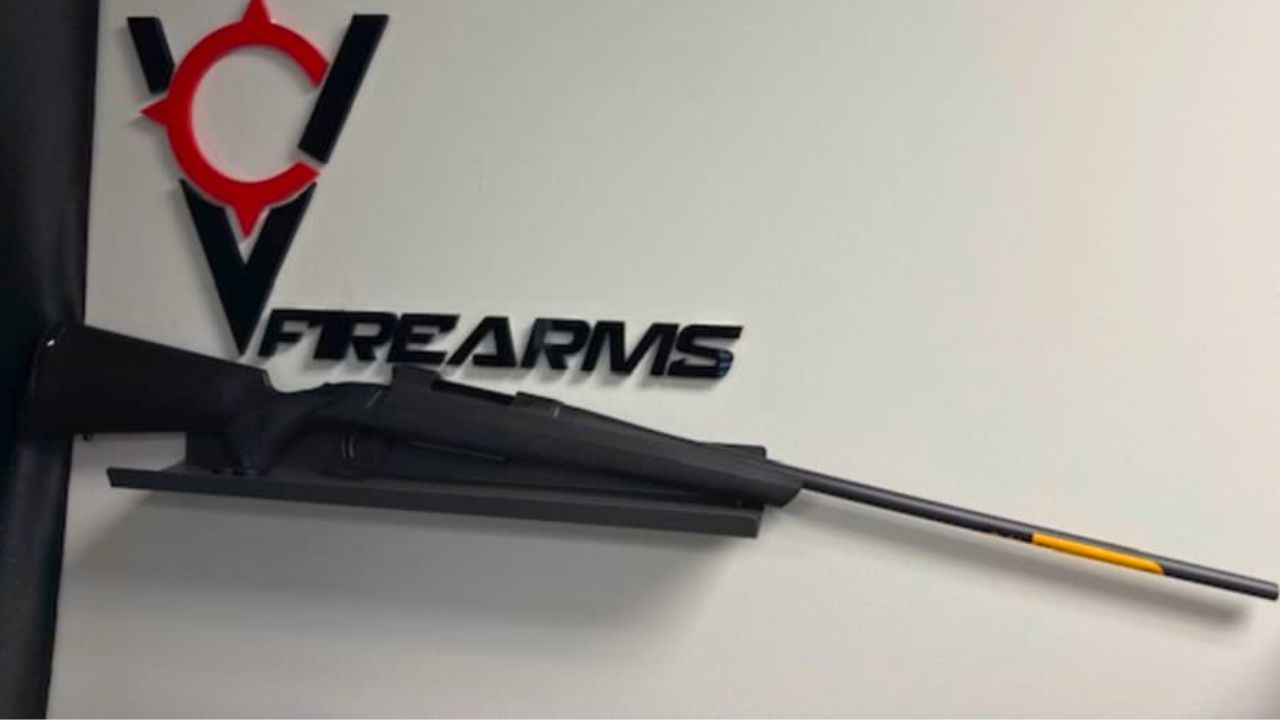
The Browning AB3 carries a well-known name, but it doesn’t always carry the performance you’d expect from it. It’s light, which sounds nice until you feel the recoil with heavier calibers. The plastic stock and trigger guard also turn off hunters who expected something more refined.
The accuracy is passable, but nothing to brag about, especially when you compare it to other rifles in the same price range. You might bring it for a first hunt thinking it’s a good compromise, only to find out that compromises don’t age well in wet, muddy country. A lot of AB3s make it back home once—and don’t leave the case again.
Savage Axis (original gen)
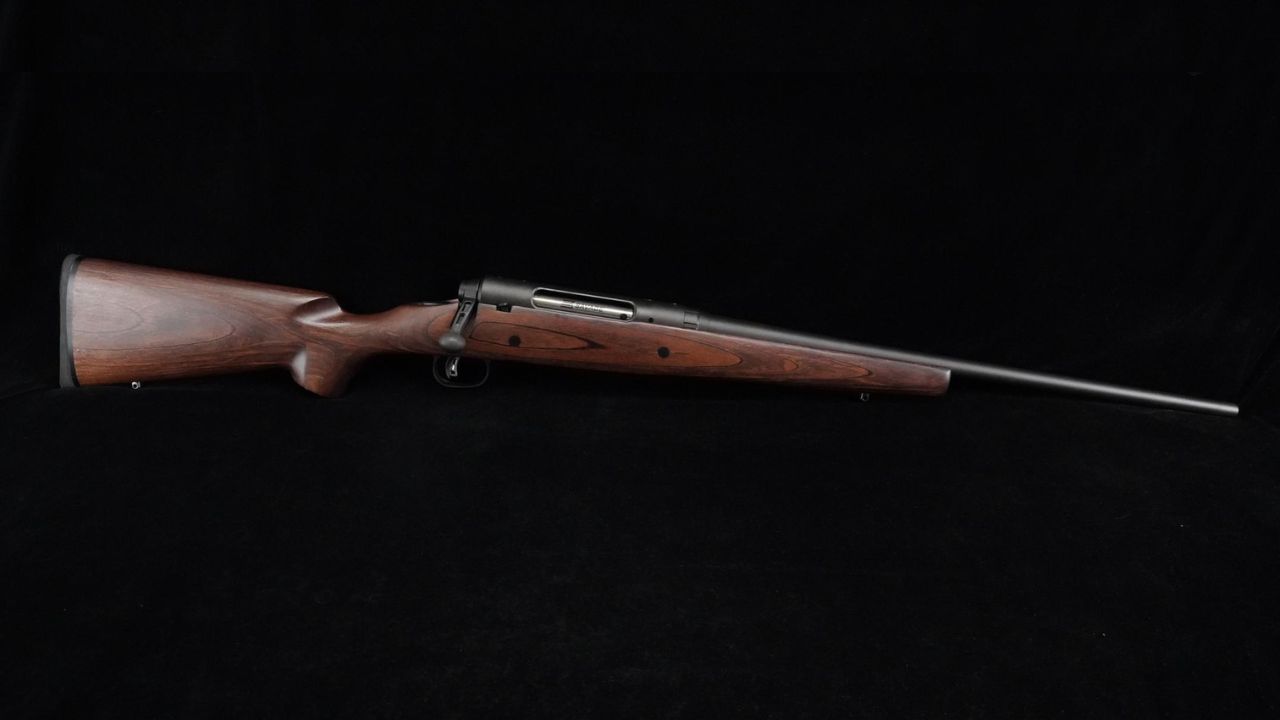
The Savage Axis gets sold as a starter rifle, and on paper, it’s hard to argue with. But once you get out in the field, the stiff trigger and lightweight, hollow-feeling stock make it harder to love. It’s accurate enough off a bench, but not confidence-inspiring offhand or when you’re tired and cold.
Hunters who try it often find themselves fighting the gun more than they should. The second season usually sees it replaced with something heavier, smoother, and more satisfying to carry. It works, but it doesn’t always make you want to work with it again.
Mossberg Patriot
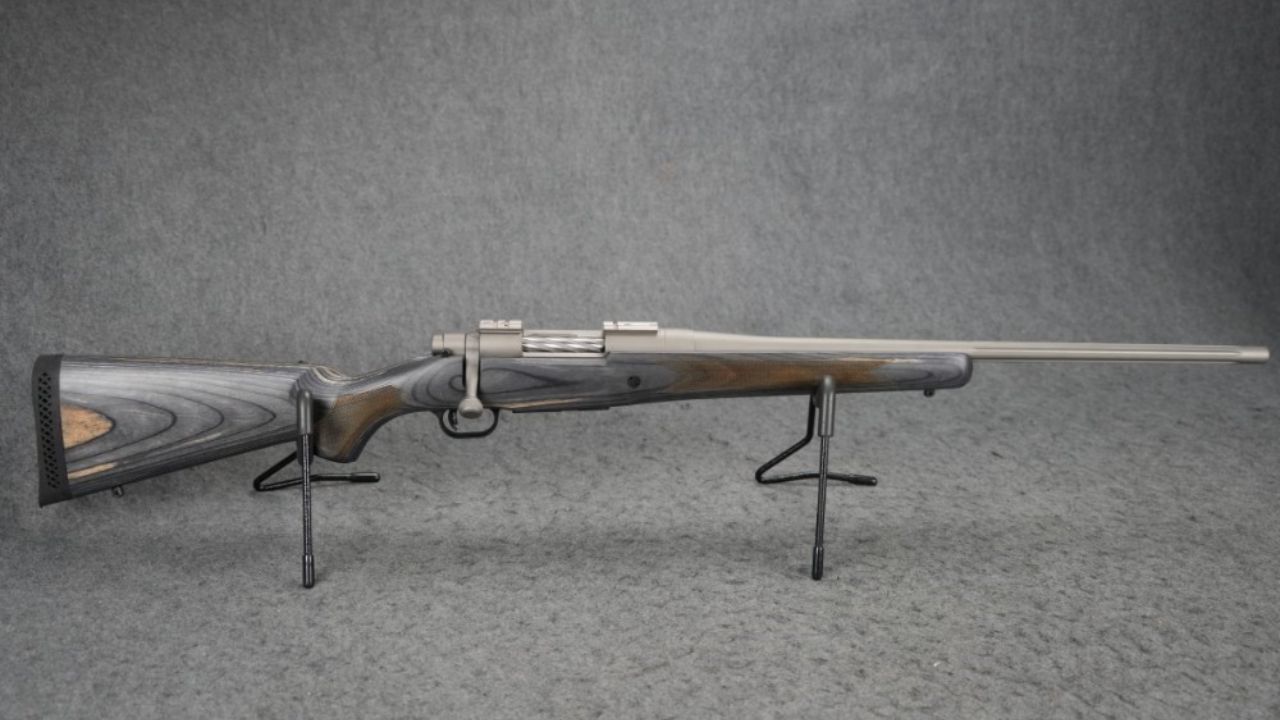
The Mossberg Patriot looks nice for the price—fluted barrel, good stock lines, and options galore. But in the field, that lightweight feel turns into a balance issue. Add in a rough bolt throw and inconsistent triggers across models, and you start second-guessing whether it was the right choice.
It’s another rifle that’s fine for punching paper but can feel unpredictable when you’re lining up a shot at a moving buck through brush. Many hunters bring one once, miss a chance, and start shopping for something with more meat on its bones and less plastic in the build.
Thompson/Center Compass

The T/C Compass was supposed to be an affordable, accurate rifle. And to be fair, it groups okay at the range. But the field experience is a different story. The trigger can be inconsistent, the stock flexes under pressure, and the magazine design is clumsy enough to trip you up when you least expect it.
It’s also heavier than you’d think, with a feel that doesn’t match its purpose. Add to that some quality control complaints over the years, and you’ve got a rifle that a lot of hunters test once—and quietly shelve or resell without much fanfare.
Winchester XPR

The XPR is another case of a rifle that looks solid on paper but often leaves you underwhelmed in the field. The action isn’t as smooth as it should be, and many hunters complain about the stock feeling awkward or cheap under recoil. The trigger is better than some budget rifles, but not enough to save it.
It’s also a bit front-heavy, which gets tiring when you’re stalking or glassing for hours. Plenty of folks give it a chance one season and then move back to older rifles that feel more dialed-in and dependable when it really counts.
Marlin X7
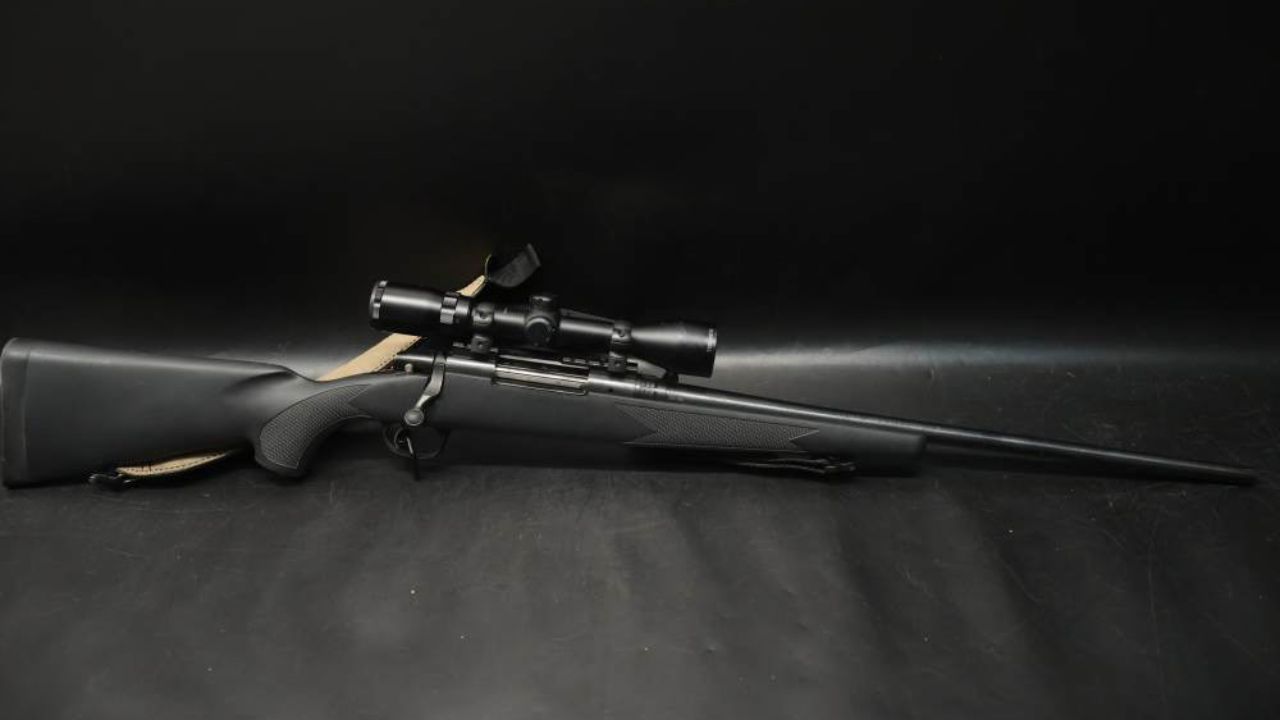
The Marlin X7 was a short-lived bolt gun that aimed to compete with Savage and Remington’s entry-level models. It wasn’t a bad design, but the cheap synthetic stock, crunchy bolt feel, and so-so trigger never earned much loyalty.
You could get decent groups off sandbags, but it didn’t handle or carry like a rifle you’d trust when the weather turned. Most hunters gave it one try and then moved on to something that felt more refined or had better aftermarket support. It was forgettable—and that’s not something you want in a hunting rifle.
Ruger American Ranch (Gen 1)
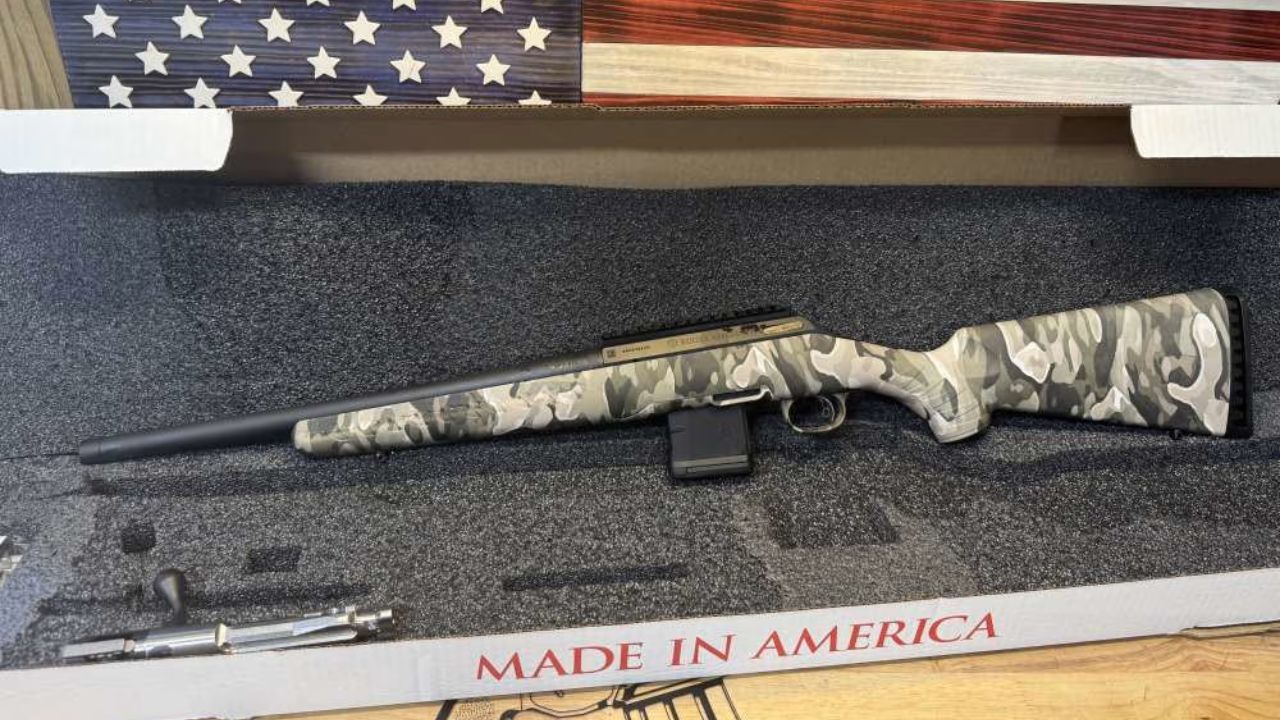
The first-gen Ruger American Ranch rifles were handy, threaded, and lightweight—but they came with a few tradeoffs. The rotary magazines didn’t feed well in every caliber, the early triggers felt inconsistent, and the stocks flexed enough to affect zero.
A lot of hunters loved the idea of a compact truck gun but ended up disappointed when the real-world performance didn’t match expectations. Ruger improved the platform later, but the early versions turned off enough folks that they didn’t get a second chance after the first trip out.
Remington 783
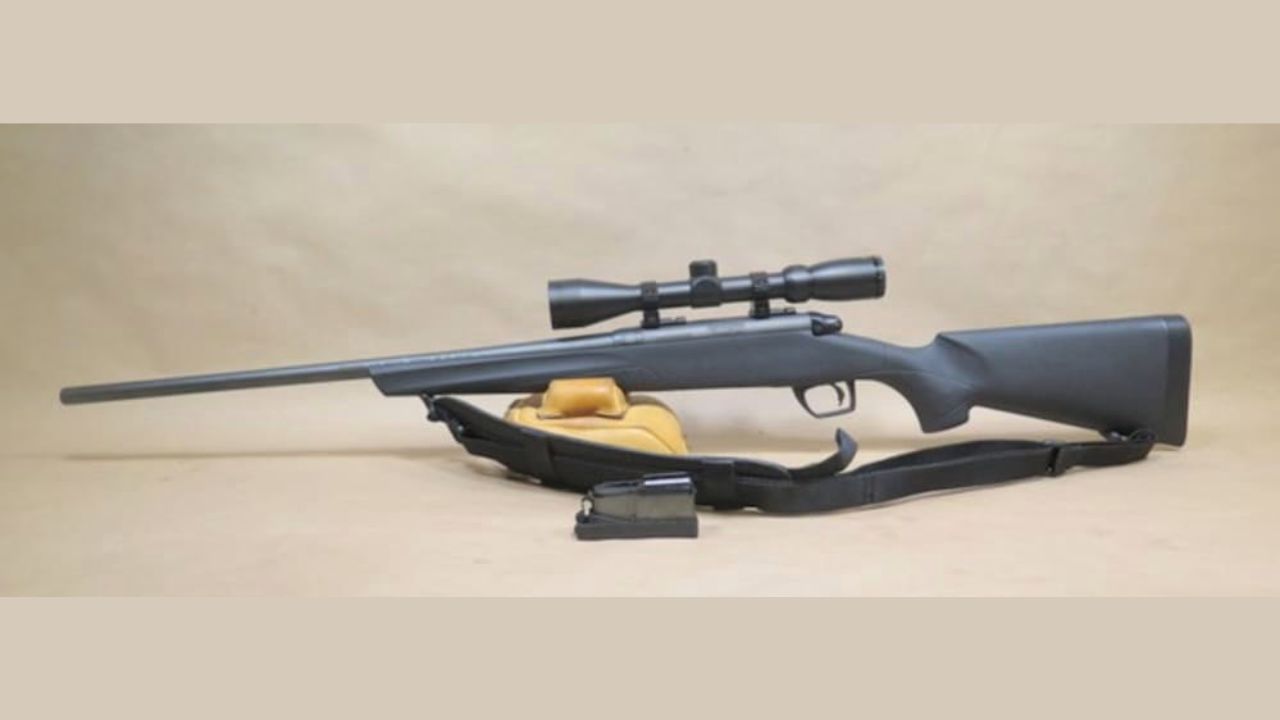
The 783 was Remington’s attempt to fix what the 770 messed up. And while it was technically better, it still had that clunky feel that made it hard to fall in love with. The bolt is heavy and awkward, and the stock feels more like a placeholder than a finished product.
You can shoot decent groups with it, but the overall handling and fit leave a lot to be desired. Most hunters don’t want to think about their rifle’s quirks when a deer steps out. After one season with the 783, they’re often ready to move on.
CVA Cascade

The CVA Cascade came in hot with big claims and nice features, but some hunters found it didn’t live up to the marketing. The bolt throw can feel long and mushy, the factory scope packages leave a lot to be desired, and the accuracy isn’t always consistent across calibers.
It’s built more for the bench than for the backcountry. If you try to carry it up a ridge or through thick brush, you’ll start to notice the balance is off and the handling feels clumsy. Many hunters bring it once, run into quirks, and go back to rifles that carry better and shoot straighter.
Remington Model 710

Before the 770, there was the 710—and it might be the most regretted hunting rifle Remington ever put out. The molded-in rail, awkward bolt handle, and plastic-feeling everything made it a rifle that felt cheap even when it was new.
It was heavy in all the wrong places and light in others. The action was sloppy, and even though it came scoped, the glass wasn’t much to brag about. A lot of people bought it for the price and then found out quickly why resale racks are full of them. You bring the 710 once—and then you know better.
Like The Avid Outdoorsman’s content? Be sure to follow us.
Here’s more from us:
The worst deer rifles money can buy
Sidearms That Belong in the Safe — Not Your Belt
*This article was developed with AI-powered tools and has been carefully reviewed by our editors.