Photo credit: simonmayer-istock
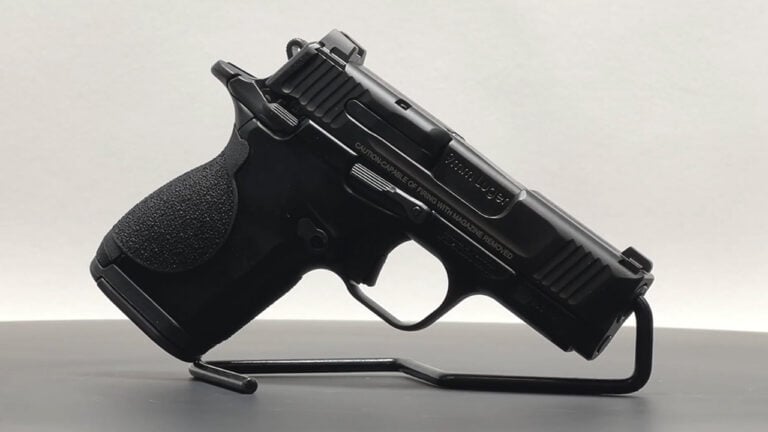
A lot of backcountry sidearms win people over in the store and lose them at the range. The part that sells them is obvious: they are lighter, slimmer, less annoying on the belt, and easier to keep on you all day. SIG markets the P365 line around exactly that appeal, calling it a micro-compact everyday-carry pistol built for concealability, and Glock describes its Slimline models as designed for everyday concealed-carry needs. That is a real advantage, especially for people hiking, working land, climbing in and out of trucks, or carrying a sidearm for long hours without wanting a brick on their hip.
The problem is that easier to carry does not automatically mean easier to shoot well. In fact, a lot of the opposite is true. Once a handgun gets smaller and lighter, the shooter usually gives up some of the things that make fast, accurate shooting easier: more grip to hang onto, more weight to calm recoil, and more overall forgiveness when the draw or trigger press is not perfect. That is why some backcountry sidearms look like a great compromise right up until people have to fire them quickly, under stress, with sweaty hands, odd footing, or heavy clothing in the way. That tension between comfort and control is the real tradeoff.
The gun disappears on your belt, but that same size can work against you
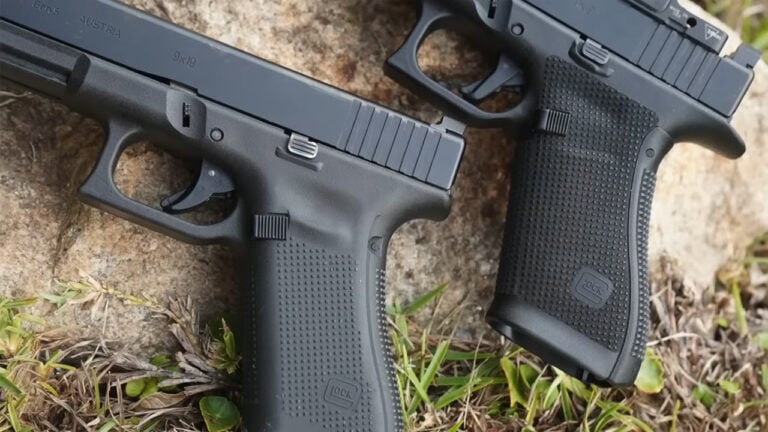
This is the main trap. A sidearm that carries beautifully tends to tempt people into thinking it is automatically the smarter field choice. SIG’s P365 materials lean hard into its concealability and everyday-carry size, and Glock makes the same kind of pitch with its Slimline concept. That is not fake marketing. Smaller pistols really are easier to live with day after day.
But the same features that make a pistol easy to carry can make it less forgiving to shoot. A shorter grip gives you less leverage and less surface to control. A lighter gun tends to move more sharply under recoil. A smaller format also gives the shooter less margin for sloppy grip or rushed trigger work. None of that means small sidearms are bad. It means they ask more from the person behind them than their easy carry profile suggests. That is the part people often learn after the purchase instead of before it.
Recoil is not always “worse,” but it is often harder to manage
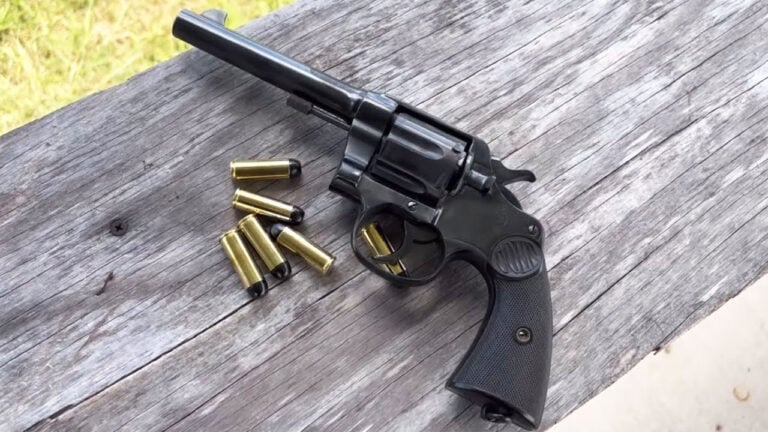
This is where a lot of backcountry sidearms separate themselves. A lighter, smaller gun may chamber the same cartridge as a larger pistol, but it rarely feels the same when fired. The size reduction often makes recoil feel sharper and recovery slower, especially for shooters who do not train much with compact or micro-compact handguns. That becomes a bigger issue when the sidearm is supposed to be more than a casual carry piece. In the woods or on rural property, a sidearm may need to be drawn and controlled quickly when the shooter is surprised, moving, or trying to create distance from an animal problem.
That is also one reason the National Park Service keeps emphasizing that in bear country, bear spray is the recommended self-defense tool and is highly effective at stopping or deterring attacks. The point is not that firearms are useless. It is that the whole “big backcountry sidearm” conversation often ignores a basic reality: hitting well under pressure is hard, and it does not get easier just because the pistol is compact enough to carry comfortably.
Short, light guns punish bad habits faster
A bigger service-size pistol can cover up a lot. It gives more grip to clamp down on, more weight to settle the gun, and usually a more forgiving overall feel during strings of fire. Smaller backcountry-capable sidearms do not give that same grace. If your grip is weak, your hands are wet, your draw is awkward, or your trigger press is rough, a smaller pistol tends to expose it faster. That is part of why certain easy-carry guns develop a strange reputation: owners love carrying them, but not all of them love shooting them.
That matters even more in field conditions. The backcountry is not a clean indoor lane. You may be cold, tired, layered up, off-balance, or trying to shoot after a burst of adrenaline. A sidearm that already feels lively and less forgiving on a flat range bench is not going to get easier when the situation gets messy. The gun that felt wonderfully light at mile one can start feeling like a much smaller margin for error when the shooting starts.
Capacity and concealability can distract from shootability
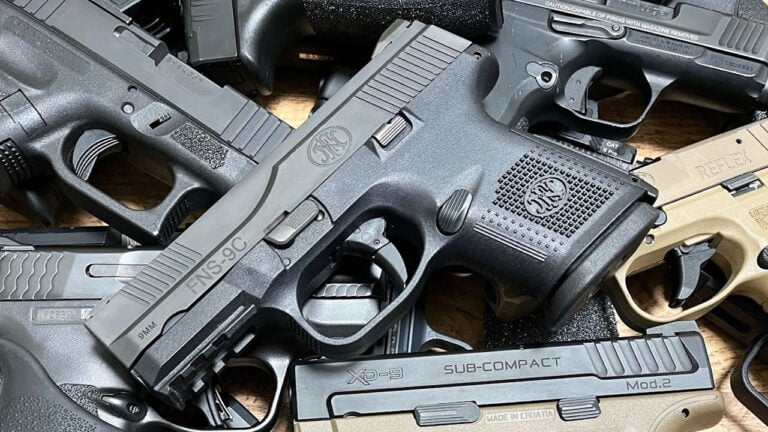
Micro-compacts have become very good at selling the idea that you can have everything at once: solid capacity, very small size, and all-day carry comfort. SIG’s P365 line is a perfect example of that pitch, with “more capacity” and “ultimate concealability” sitting right at the center of the product story. That is exactly why these guns are so appealing.
But a good spec sheet is not the same thing as easy performance. A pistol can be easier to conceal, easier to carry, and still harder to run well at speed than a slightly larger gun. That is one of the most common real-world tradeoffs in the whole carry market. The sidearm may solve the comfort problem while quietly making the control problem worse. Shooters who ignore that usually end up talking themselves into the gun more easily than they ever learn to shoot it.
The smarter backcountry choice is usually the one you can actually control
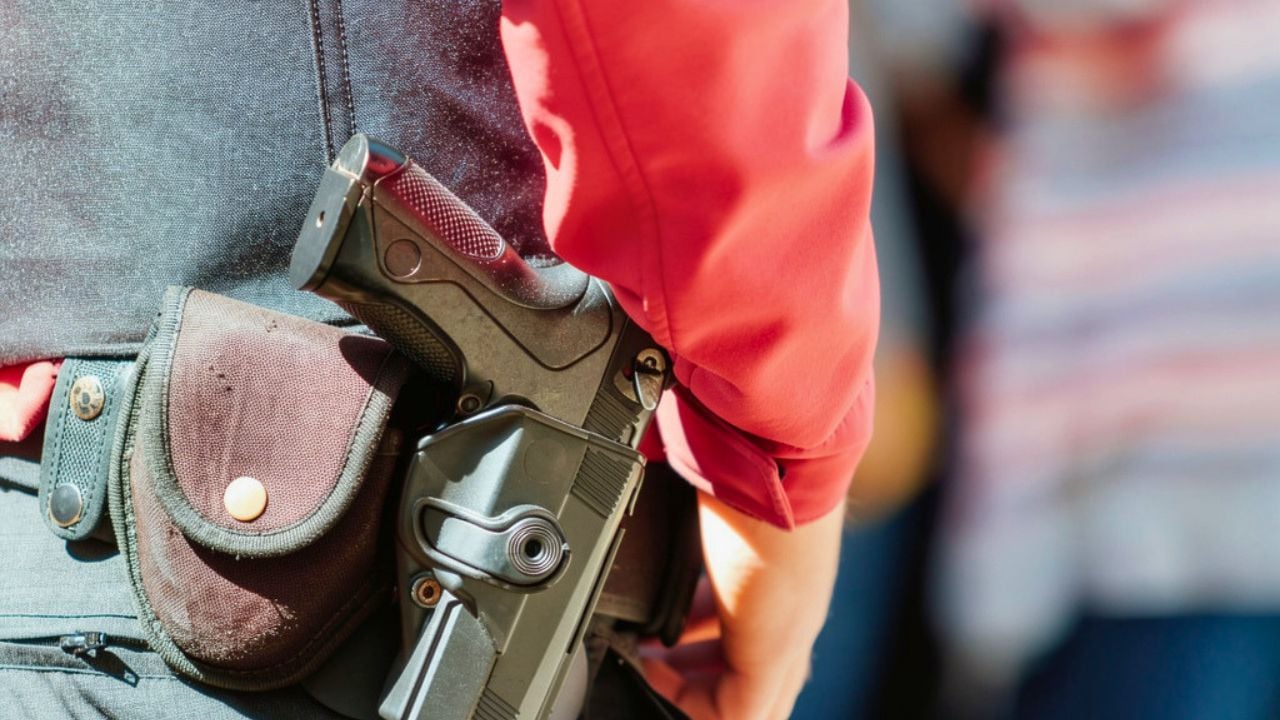
This is the boring answer, but it is the honest one. A backcountry sidearm has to be carryable enough that you will actually keep it on you, but shootable enough that you can control it when your pulse jumps and the target is not standing still. If it only wins one of those two categories, the choice gets shaky fast. NPS guidance on bear-country safety keeps circling back to accessibility and usability with deterrents, even down to carrying bear spray where it can be reached quickly instead of buried in a pack. The same logic applies to sidearms. Accessibility matters. So does control. A sidearm that is always with you but hard to shoot well is still a compromise, not a magic answer.
That is really why some backcountry sidearms are easier to carry but harder to shoot well. The easy-carry part is real. So is the penalty. Less size, less weight, and less bulk often mean less forgiveness, sharper handling, and more demand on the shooter. That does not make those guns bad. It just means the best backcountry sidearm is usually not the one that disappears most easily on your belt. It is the one that still makes sense once the shooting part stops being theoretical.
Like The Avid Outdoorsman’s content? Subscribe to our newsletter so you never miss an article.
Here’s more from us: