Photo credit: DR8C0 – CC BY-SA 4.0/Wiki Commons
The SIG P226 is one of those pistols that almost gets taken for granted because it has been around so long and built such a serious reputation. A lot of shooters know the broad outline: full-size metal-frame SIG, DA/SA trigger, military-trials history, SEAL connection, still around in Legion form. But the deeper story is better than the shorthand. The P226 was developed for the U.S. military’s 1984 XM9 service pistol trials, and while it did not win the main M9 contract, it still became one of the most successful duty-pistol lines of the modern era. American Rifleman and other SIG historical coverage tie the pistol directly to those XM9 trials and to its later law-enforcement and military life.
What makes the P226 especially interesting is that it did not become important because of one single event. It mattered because it was built at the intersection of military trials, police-duty requirements, high-capacity 9 mm service pistols, and later special-operations credibility. That is why the P226 still feels relevant even now. It is not just an old duty gun people remember fondly. It is one of the benchmark service pistols of the last few decades.
1. The P226 was built for the XM9 trials from the beginning

A lot of people know the P226 “lost to Beretta,” but fewer stop to think about what that means. The P226 was not a commercial pistol that just happened to get entered into a military test. American Rifleman says SIG developed the full-size 9 mm P226 specifically for the U.S. military service pistol trials that eventually led to adoption of the Beretta-made M9. The same piece notes SIG teamed with Saco Defense for the trials.
That matters because the P226 was born with duty-gun intent. It was not retrofitted into that role later. The gun’s size, controls, magazine capacity and service-pistol identity all make more sense when you remember it was created to compete in a very serious military handgun replacement process.
2. It did not lose because it was a bad pistol

One of the most common misunderstandings about the P226 is that losing the XM9 trials means it came up short as a handgun. The public historical summaries say that was not really the issue. The key problem was package cost. The trials ultimately came down to the Beretta and SIG, and the Beretta won because its overall package price, including magazines and spare parts, was lower. That distinction shows up in the historical treatment of the pistol’s trial history.
That is a very different story than “the SIG failed.” The P226 was good enough to make the final cut in one of the most important pistol competitions in American military history. The contract result turned on economics as much as mechanics.
3. The original P226 was a high-capacity answer to the M1911A1 era
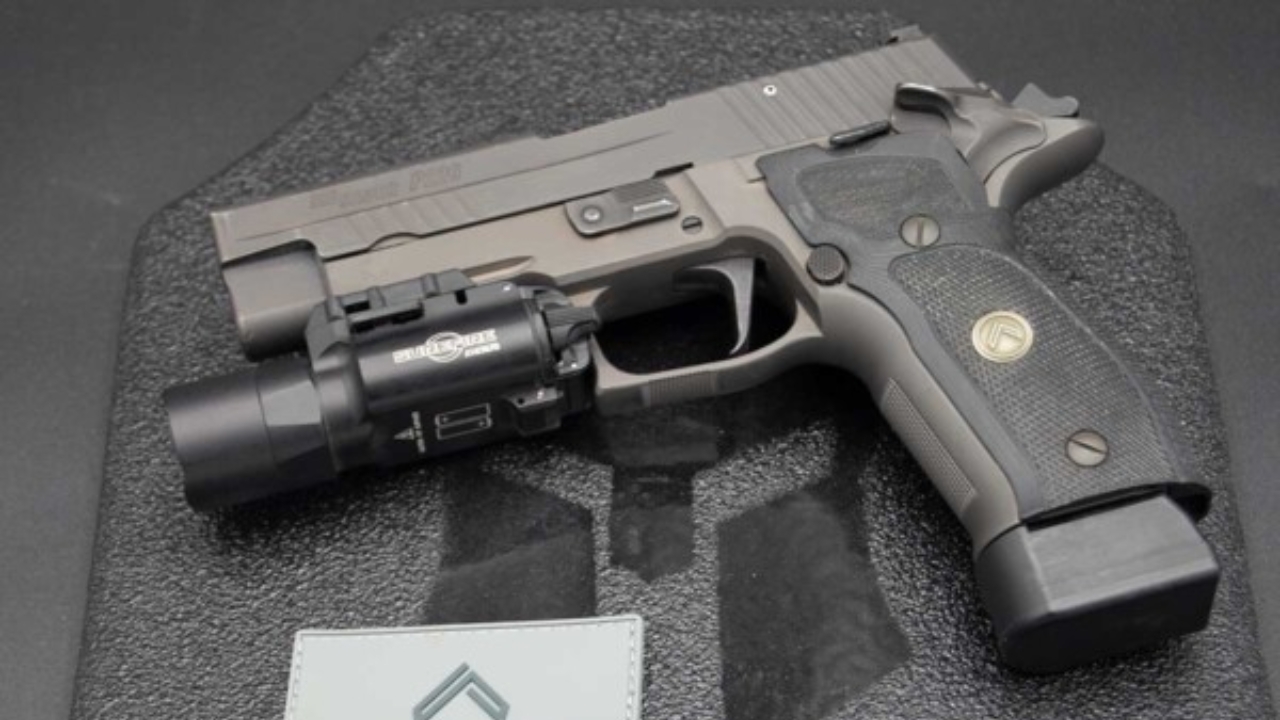
American Rifleman’s 2012 P226 history says the pistol was about the same size and weight as the M1911A1, but offered 15-round magazine capacity. That was a big part of the design’s appeal in the mid-1980s service-pistol world.
That is worth remembering because the P226 arrived during a moment when high-capacity 9 mm service pistols were becoming the new standard. The gun was not just a SIG version of “more rounds.” It was one of the strongest examples of that shift in thinking.
4. The P226’s close relationship to the P220 matters more than people realize
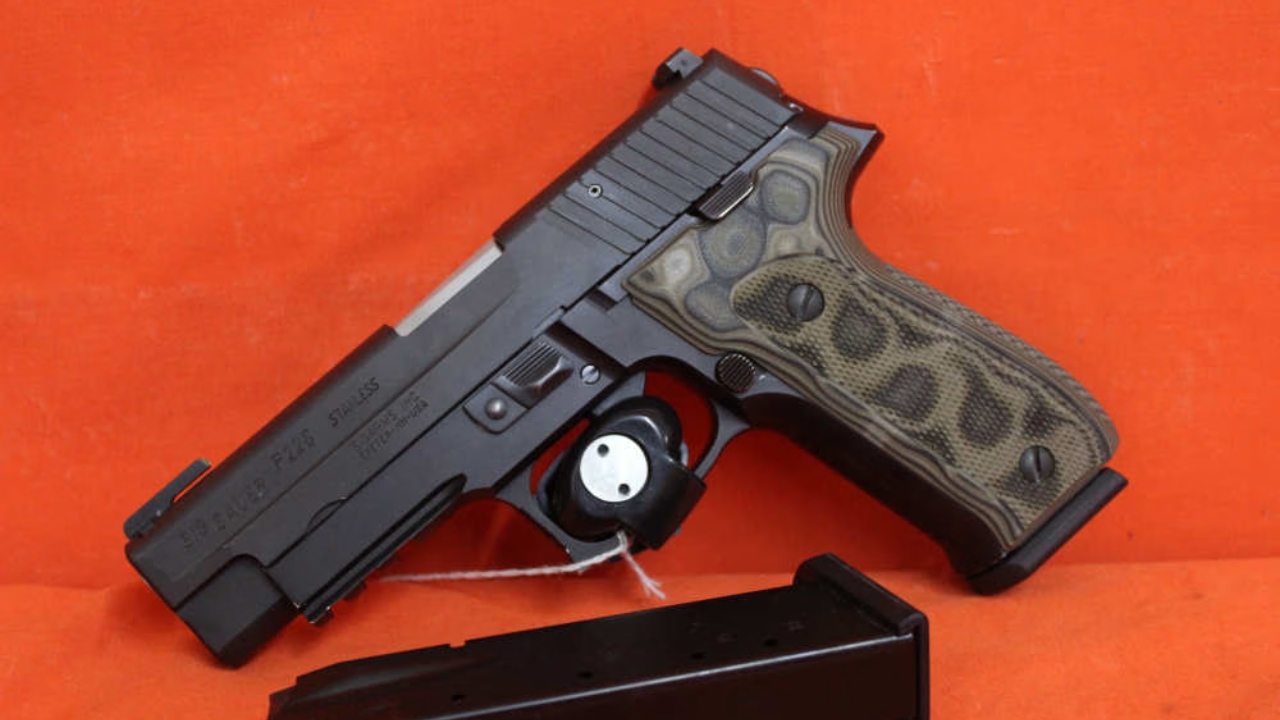
The P226 did not appear out of nowhere. American Rifleman’s history page explains that the P220 came first, and the P226 should be understood as part of that broader SIG service-pistol development path. The P220 had already given SIG Sauer a strong full-size service-pistol foundation before the P226 expanded the concept into the XM9/high-capacity lane.
That matters because the P226 feels very mature, and part of the reason is that SIG was not learning from scratch when it built it. The company already had a serious duty-pistol language; the P226 was a development of that language for a specific military requirement.
5. The P226 helped SIG “lose well” in a way few pistols ever do

Most guns that lose a major military contract become trivia questions. The P226 did not. American Rifleman’s 2020 Legion SAO piece says that although the Beretta beat the P226 for the M9 contract, SIG “walked away with a winning consumer product” and later fulfilled a distinguished life of service with law-enforcement, federal and smaller military contracts.
That is one of the cooler things about the P226 story. It is a pistol that lost the biggest contract it was designed for and still became a major success. That does not happen often.
6. The Navy connection became one of the biggest parts of its identity

The P226’s special-operations reputation is not just internet myth. SIG’s own MK25 product page and Shooting Illustrated’s 2011 MK25 announcement say the MK25 is the commercial version of the pistol SIG supplied under contract to the Naval Surface Warfare Center. The whole point of that model was to connect the P226 directly to its Navy service identity.
That matters because the P226’s public image was shaped not only by the XM9 story, but by what happened afterward. The military contract it lost is part of the gun’s history; the special-operations role it gained is part of why the gun became legendary.
7. The MK25 was built around corrosion resistance for maritime use

Shooting Illustrated’s MK25 coverage says the commercially available MK25 includes a phosphate finish on internal components for corrosion resistance in saltwater environments, matching the standards of the Navy contract gun.
That is a useful detail because it shows the P226’s Navy reputation was not just about a label on the slide. The MK25 variant was actually built around a particular operating environment and user need. It was not merely “SEAL-themed.”
8. The P226 kept evolving long after its original duty-gun era
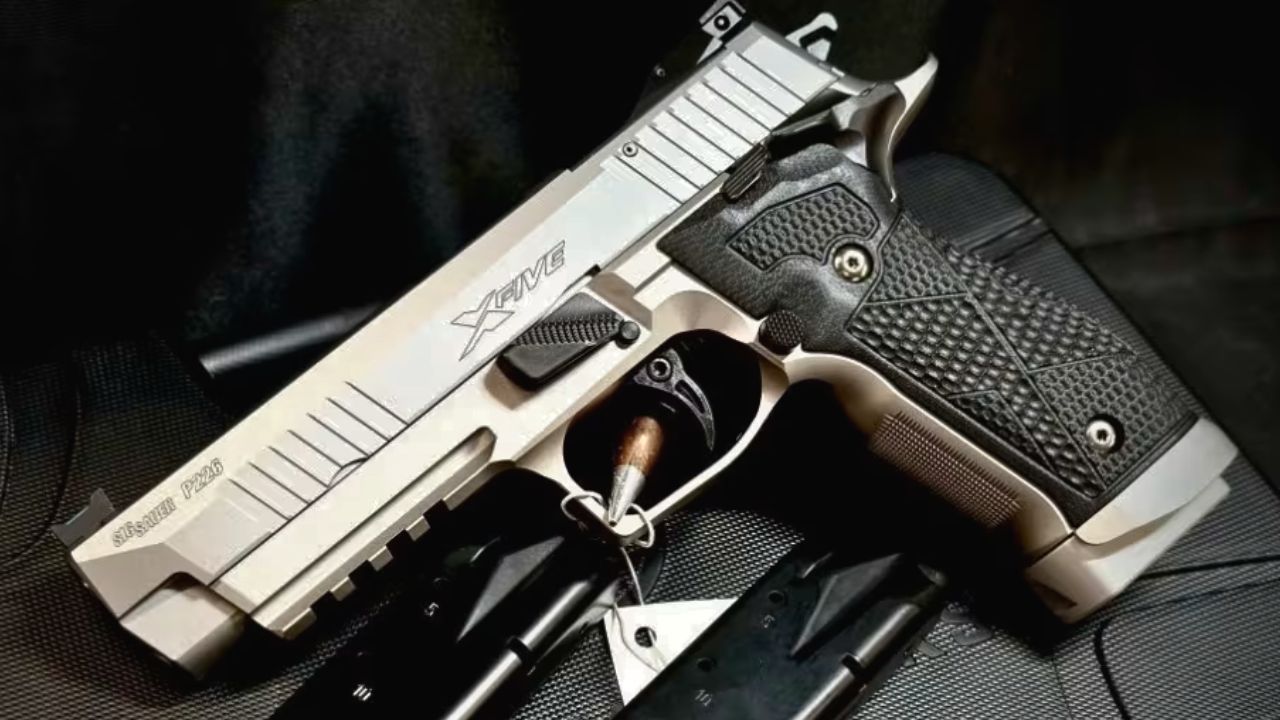
One easy mistake is to think the P226 is frozen in the 1980s or 1990s. That is not really true. American Rifleman’s 2020 Legion SAO piece treats the Legion line as an active evolution of the P226, not a museum-piece throwback. The pistol kept growing into competition, Legion, optics-capable and enhanced-duty variants long after its original service-pistol moment.
That matters because a lot of old duty pistols survive only as nostalgia items. The P226 survived by continuing to be useful enough that SIG kept developing it for modern buyers.
9. It became one of the strongest “metal-frame holdouts” in a polymer era
The P226’s long-term identity is closely tied to its metal-frame service-pistol feel. That is part of why it kept a loyal following even as polymer striker-fired guns took over so much of the duty and carry market. American Rifleman’s broader P226 treatment frames it as a classic full-size duty pistol that stayed relevant despite that market change.
That is important because the P226 did not remain popular by pretending to be the newest possible design. It remained popular by continuing to satisfy people who still wanted the feel, balance and DA/SA structure of a traditional service pistol done very well.
10. The P226’s size was always part of the point
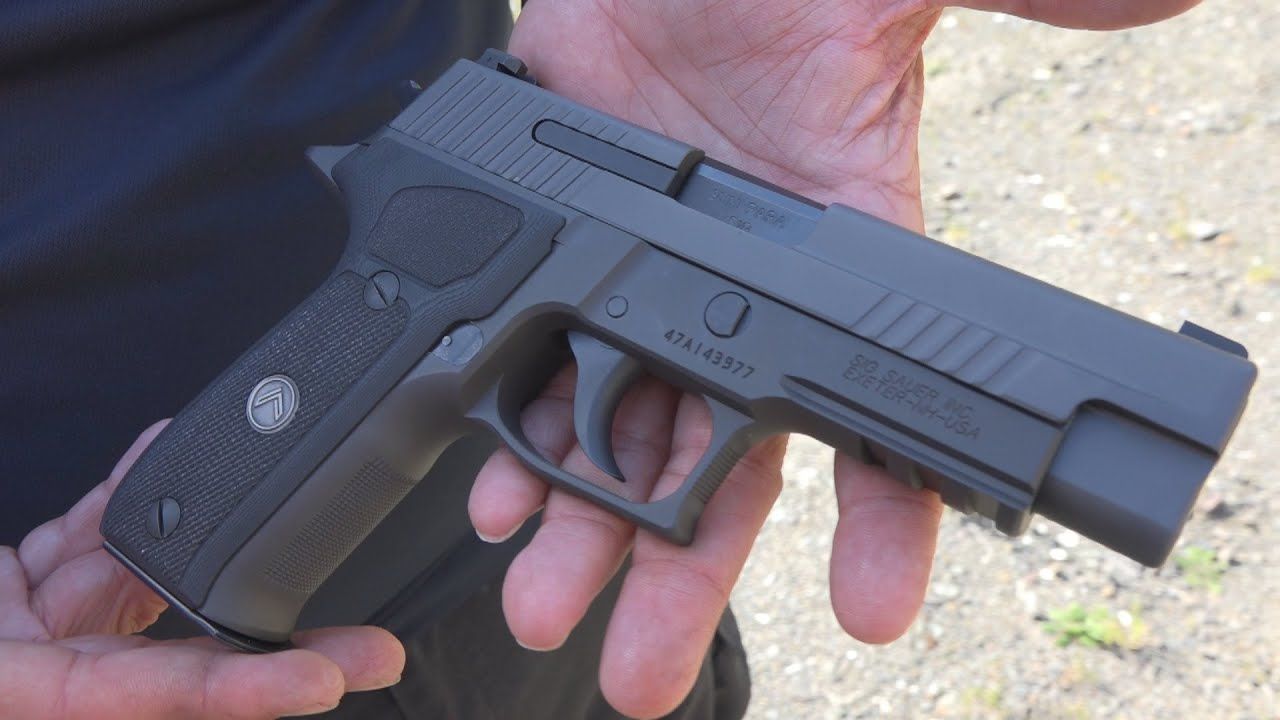
Some newer shooters meet the P226 and think, “This thing is big.” That is true, but it is also intentional. American Rifleman’s 2012 history says it was developed as a full-size 9 mm service pistol for military trials, and the dimensions were part of its role rather than some accidental leftover from another age.
That matters because the P226 was never intended to be a concealed-carry-first pistol. It was built as a serious duty handgun with capacity, shootability and durability at the top of the list. If you judge it like a service pistol, it makes perfect sense. If you judge it like a modern micro-compact, you are reading the gun wrong.
11. The P226’s reputation is partly about consistency, not just one famous variant
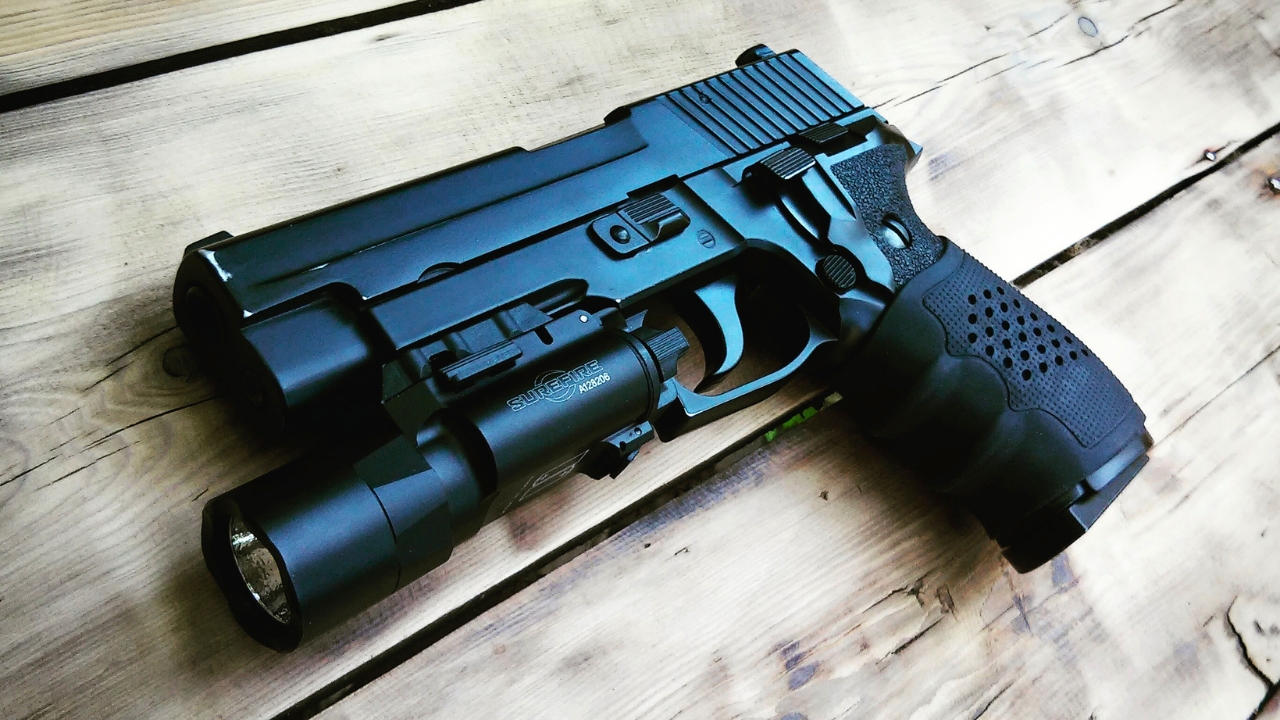
A lot of famous pistols are known for one exact model. The P226 is a little different. It built its reputation over a whole run of variants—classic duty guns, Navy-oriented MK25s, Legion models, SAO versions and more. American Rifleman’s Legion SAO coverage is a good example of that later-family identity.
That matters because the P226 name became bigger than one single configuration. What people trust is not only one old P226. It is the broader idea that a P226 is likely to be a serious, well-built, full-size SIG service pistol regardless of which branch of the family you are looking at.
12. It became one of SIG’s signature “prestige duty pistols”

The P226 is not just historically important inside SIG’s catalog; it is one of the company’s most prestige-heavy duty guns. That is obvious from how often SIG revisits it in premium trims and how often outside gun coverage still treats it as a benchmark service pistol rather than just an old catalog entry. The American Rifleman pieces on the standard P226 and Legion versions both reflect that standing.
That matters because some guns remain known but not especially admired. The P226 remained admired. That is a different kind of staying power.
13. The MK25 branding is one of the clearest examples of a service connection shaping civilian demand

Shooting Illustrated’s MK25 announcement in 2011 made the relationship explicit: buyers were getting the pistol SIG delivered under contract to the Navy side of the house. That kind of message is powerful because it turns a service connection into a direct commercial selling point.
That matters because it helps explain why the P226’s Navy identity became such a lasting part of civilian gun culture. The service pedigree was not left in the background. SIG actively brought it forward.
14. The P226 matters partly because it represents the peak of a certain kind of service pistol

The P226 is one of the clearest examples of the classic high-capacity DA/SA metal-frame duty pistol at full maturity. It sits in that historical lane with other major service pistols of the late Cold War and post-Cold War period, but with its own especially strong reputation in American law-enforcement and special-operations circles. That basic story is reflected across American Rifleman’s historical and Legion coverage.
That matters because the pistol is not just famous by accident. It came from one of the high-water marks of traditional service-pistol development, and it still carries that identity very strongly.
15. The biggest thing most people miss is that the P226 became iconic after “losing”

This is probably the best way to understand the P226 as a whole. The gun is often introduced through the fact that it lost the XM9 competition, but that is not the most important part of its story. The most important part is what happened next: law-enforcement use, federal use, Navy association, MK25 identity, and decades of sustained prestige in the service-pistol world. American Rifleman’s own summary of the gun’s history makes that arc very clear.
That is why the P226 still matters. It is not remembered because it almost won. It is remembered because it turned “almost” into one of the strongest second acts any service pistol ever had.
Like The Avid Outdoorsman’s content? Subscribe to our newsletter so you never miss an article.
Here’s more from us: