Photo credit: Nomad_Soul/Shutterstock.com
Some rifles draw people in with marketing, specs, or good looks, but once they’re in the field or on the bench, the shine wears off fast. You’ve probably owned one yourself—something that promised more than it delivered and quietly made its way to the trade-in rack before the next season.
These aren’t rifles that fall apart or explode; they’re rifles that simply don’t earn a second chance. Maybe they’re awkward to shoot, inconsistent on paper, or tougher to live with than they should be. When a rifle doesn’t fit your shooting style or can’t hold up under real use, you remember it—and you don’t buy it twice.
Remington 770
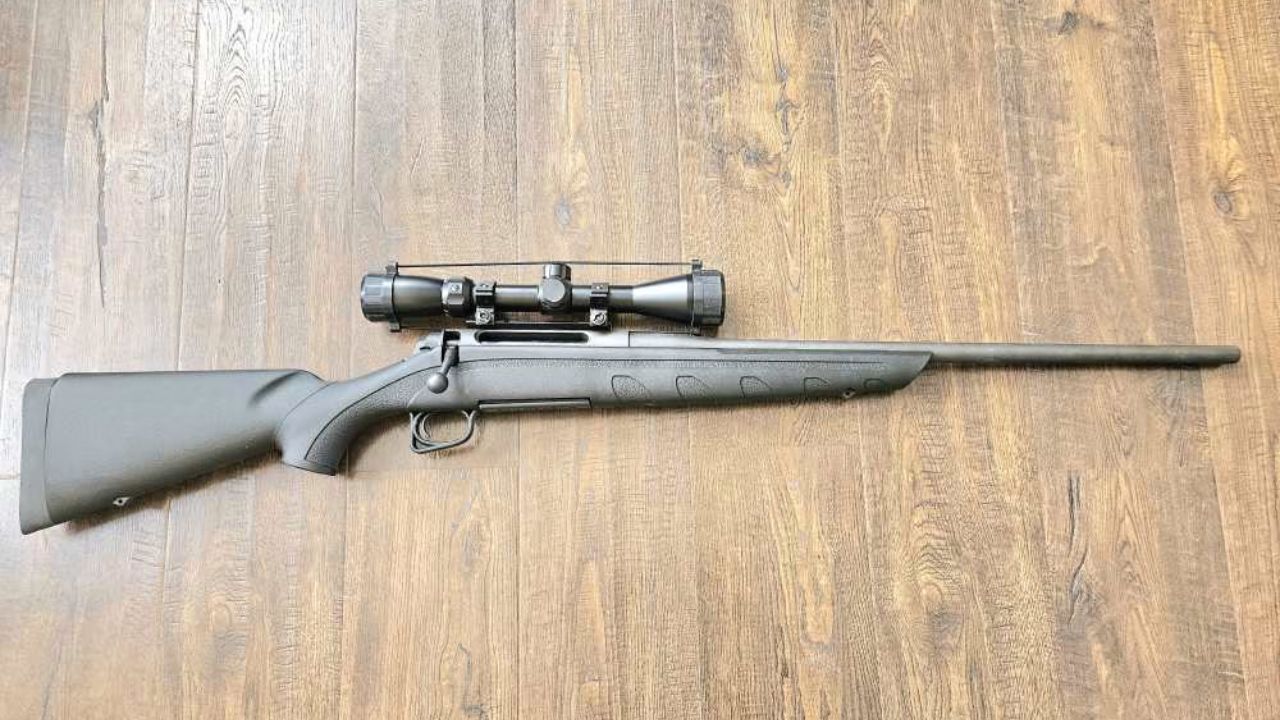
The Remington 770 is one of the most common rifles hunters buy once and quickly outgrow. It has always appealed to budget-minded shooters, but the action feels rough, the trigger is heavy, and the overall build quality leaves a lot to be desired. Once you’ve tried cycling it with gloves in cold weather, you immediately feel how stiff the bolt can be.
Accuracy can also be unpredictable from one rifle to the next. While some shoot acceptably, many struggle to keep groups consistent, especially after the barrel heats up. When hunters finally upgrade to a better-built rifle—often something only a little more expensive—they realize how much performance they were missing and rarely look back at the 770.
Mossberg ATR

The Mossberg ATR attracted buyers with a low price and features that sounded promising, but real-world use exposed its limitations. The action feels loose, and the bolt lift isn’t confidence-inspiring. Many shooters report extraction and feeding quirks that show up during longer range sessions or after dust and grit get into the action.
The stock flexes more than most rifles in its class, which can affect consistency when you’re shooting from a rest. The ATR can work for the occasional short-range hunt, but once shooters try something more refined, they usually realize the rifle held them back. It’s the kind of gun that gets traded in once a better option comes along.
Thompson/Center Venture (early models)

The early Venture rifles offered good ideas on paper but didn’t always deliver in the field. Before the recall issues, many shooters noticed the action could feel uneven, especially when cycling quickly. The factory stock wasn’t very stiff, and pressure points could show up in ways that affected group consistency.
While some Ventures shot well, others were frustratingly inconsistent, leading many hunters to move on instead of investing time in troubleshooting. The rifles didn’t survive long-term in the market, and that tells the story: once shooters upgraded to something with a better track record and better aftermarket support, they rarely felt the urge to revisit the Venture.
Savage Axis (first generation)

The first-generation Savage Axis rifles were undeniably affordable, but they came with compromises most shooters eventually wanted to escape. The extremely flexible stock made it difficult to maintain a stable point of contact, especially when using a front rest or bipod. The trigger was also heavy and difficult to work with.
The rifle could shoot well with the right loads, but the experience wasn’t as enjoyable as it should’ve been. Once shooters tried a more refined rifle—even something like the Savage 110 or Ruger American—they realized how much nicer it feels when the stock, action, and trigger all work together. That’s why the original Axis rarely stays in the safe long.
Winchester SXR

The Winchester SXR semi-auto attracted hunters looking for European styling at a more approachable price, but it never built a strong following. The rifle feels bulkier than many expect, and the handling doesn’t compare well to lighter, better-balanced models.
Maintenance can also be more involved than most semi-auto shooters prefer. When a rifle is harder to service, it doesn’t take long for frustration to build. Many hunters eventually moved on to alternatives like the Browning BAR or Benelli R1 and didn’t feel the need to revisit the SXR. It performed adequately but never offered enough to justify buying it twice.
Ruger Mini-30

The Ruger Mini-30 has loyal fans, but it’s also a rifle a lot of shooters try once and walk away from. The accuracy varies more than most expect, especially with imported 7.62×39 ammunition. You may find yourself chasing better groups and never getting the consistency you hoped for.
The platform handles well, but compared to modern semi-auto options, it feels dated and under-supported. Magazines and parts can be more expensive, and the rifle doesn’t offer the modularity or repeatable accuracy today’s buyers expect. After trying one, many shooters appreciate its style but decide not to purchase another.
Remington 710

The Remington 710 was a budget experiment that didn’t age well, and most hunters who bought one didn’t repeat the experience. The molded receiver design felt odd from the start, and the bolt operation could be stiff and clunky.
Many rifles struggled with accuracy or long-term durability, and the plastic components didn’t inspire confidence in harsh weather. After a season or two, most owners moved on to something with better construction and smoother operation. While it served as an entry point for some shooters, it’s not a rifle many choose to revisit.
Marlin X7

The Marlin X7 line had a short run and gained a small following, but it didn’t stick around long enough to build lasting loyalty. The rifles were lightweight and usable, but the action felt a little loose compared to competitors. Some shooters also struggled to get the consistency they wanted without investing in aftermarket tweaks.
Once shooters tried more polished rifles in the same price range—especially after Marlin’s production changes—many decided the X7 didn’t offer enough to justify buying another. It’s remembered as “fine,” but not the kind of rifle anyone feels compelled to own twice.
Weatherby Vanguard S2 Synthetic (original stock)

The Vanguard S2 action is proven, but the original synthetic stocks on the base models didn’t do the rifle any favors. The fit felt bulky, and the forend flexed enough that it could affect accuracy from a rest. While the barreled action is solid, many shooters who bought the base version found themselves quickly wishing they’d gone with a higher-grade model.
After realizing how much the stock held performance back, many moved to different rifles entirely. The Vanguard line remains respected, but that early synthetic-stock version often ended up being a one-and-done purchase.
Remington 597 (.22 LR)

The Remington 597 was designed to compete with the Ruger 10/22, but it never managed to win long-term loyalty. Magazine issues were common, and feeding problems frustrated many shooters. A .22 should be enjoyable, simple, and predictable, and the 597 didn’t always deliver that.
Even when the rifle shot well, reliability quirks made it tough to trust. Once shooters picked up a 10/22 or a Marlin Model 60, they usually didn’t look back. The 597 isn’t necessarily “bad,” but it’s rarely purchased twice.
Browning A-Bolt III

The A-Bolt III offered a budget-minded entry into the Browning lineup, but many shooters felt it lacked the refinement they expected from the brand. The plastic trigger guard and magazine setup felt out of place, and the bolt operation didn’t have the smoothness associated with earlier A-Bolt models.
While the rifle can shoot well, it doesn’t have the same level of user satisfaction that defines other Browning rifles. Many hunters who tried one eventually traded up to a more traditional A-Bolt or X-Bolt, and once they did, they seldom returned to the AB3.
Ruger American Rimfire (early models)

The early Ruger American Rimfire rifles had potential, but the extremely lightweight stock and inconsistent magazine fit left some shooters disappointed. Accuracy was decent, but the shooting experience wasn’t as smooth or enjoyable as promised.
Once owners handled more refined rimfires or upgraded to aftermarket stocks, they realized how much the rifle held them back. While the lineup has improved over time, many shooters who bought the earliest versions didn’t feel the urge to purchase another.
Remington 783 (early production)

The Remington 783 was intended as a fresh start for budget bolt guns, but early production rifles suffered from inconsistent triggers and uneven build quality. The stock felt oversized, and some rifles struggled to maintain accuracy after extended shooting.
Hunters who tried one often upgraded quickly to other budget-friendly models that offered better consistency and ergonomics. While the rifle has its fans, a lot of shooters who tried the early versions didn’t choose to buy a second.
Howa 1500 Lightweight (ultra-light polymer versions)

The ultra-light polymer-stocked Howa models saved weight but sacrificed shootability. The stocks could feel hollow and transmit more recoil than most shooters expected. That made shooting magnum or even mid-sized calibers uncomfortable during long range sessions.
While the core Howa action is excellent, the lightweight polymer variant didn’t showcase it well. Many shooters preferred the heavier, more traditional versions and never revisited the lightweight models after trying one.
Savage 111 Package Rifles (with factory-mounted scopes)

Many Savage 111 package rifles delivered accuracy, but the included scopes were often low quality and prone to losing zero. That created frustration, especially for new hunters who assumed the setup was ready for the field.
The stock design on some versions also felt dated and didn’t handle recoil well. After upgrading the optic and dealing with the limitations of the factory furniture, many shooters decided it made more sense to buy a better-built rifle from the start. Few who owned one felt the need to buy another package version.
Like The Avid Outdoorsman’s content? Be sure to follow us.
Here’s more from us:
The worst deer rifles money can buy
Sidearms That Belong in the Safe — Not Your Belt
*This article was developed with AI-powered tools and has been carefully reviewed by our editors.