Photo credit: Zakharchuk/Shutterstock.com
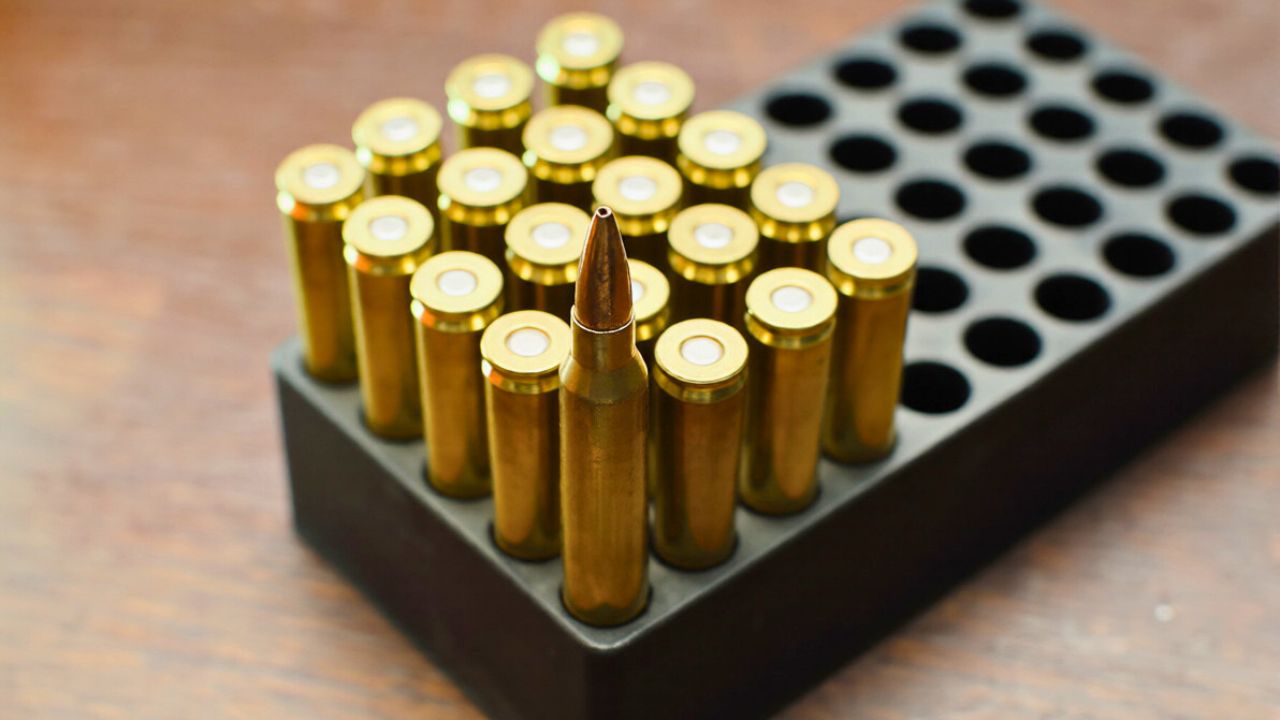
Ammo is one of the easiest places to talk yourself into cutting corners, especially when prices are high and you know you’re going to burn through a decent pile of it in training. That was exactly how I justified buying bargain ammo in bulk. The math looked good, the case price looked even better, and I told myself I was being practical by stacking cheap range fodder instead of spending extra on better-known loads. For a little while, it even felt like the right call. The gun was running, I was getting reps in, and I liked the idea of stretching my budget farther. What I didn’t fully respect at the time was how quickly cheap ammo can stop being a savings the moment it starts introducing problems into your range time.
That lesson hit once the malfunctions stopped feeling random and started becoming a pattern. At first it was easy to brush off. A failure here, a weak-feeling round there, maybe one shot that sounded a little off compared to the others. I did what a lot of shooters do and started looking everywhere else first. Maybe the gun was dirty. Maybe the magazine was acting up. Maybe I had just gotten a weird box in the case. But as I kept shooting, the bargain ammo kept bringing the same headaches with it. Instead of getting clean, useful practice, I was burning time diagnosing stoppages and second-guessing my gear. That’s when it sank in that cheap ammo doesn’t save money if it turns your training into troubleshooting.
Inconsistent ammo creates inconsistent practice
One of the biggest problems with low-quality bargain ammo is that it can make your range sessions feel uneven in ways that are hard to immediately diagnose. Good practice depends on consistency. You want the gun to cycle the same way, the recoil impulse to feel familiar, and the point of impact to stay predictable enough that you can actually evaluate your shooting. Bargain ammo tends to chip away at that consistency. Velocities can vary more, recoil can feel different from round to round, and the overall experience starts to feel sloppy in a way that makes it harder to build trust in what you’re doing. That was one of the first signs I noticed before I admitted the ammo itself was part of the problem.
Some rounds felt weak, others felt dirtier than they should have, and my rhythm started getting interrupted by little questions that shouldn’t have been there. Was that one me, or did that round feel underpowered? Did the gun dip differently because of my grip, or because that cartridge wasn’t loaded as consistently as the one before it? Those are bad questions to introduce into a training session, because every one of them pulls your focus away from actual shooting fundamentals. Consistent ammo helps you diagnose yourself honestly. Inconsistent ammo muddies the picture and makes every range trip less productive than it should be.
Malfunctions cost more than the price difference ever did
What really changed my thinking was realizing how expensive those “savings” became once the malfunctions started. The sticker price on the ammo was lower, sure, but everything around it got more expensive in practice. I spent extra time clearing stoppages instead of shooting. I burned range minutes trying to figure out whether the issue was the ammo, the gun, or the magazines. I lost confidence in a setup that had been running better on other loads. That kind of disruption has a cost, even if it doesn’t show up neatly on a receipt. If your ammo keeps introducing failures, you’re not getting cheap training. You’re paying for frustration, wasted time, and weaker reps.
That’s before even getting into the wear and mess that some bargain ammo can bring with it. Dirty-burning loads foul guns faster, and weak or inconsistent loads can make a reliable firearm look unreliable in a hurry. If I leave the range questioning my gun because the ammo was garbage, I didn’t save anything. I just bought confusion at a discount. At some point I had to admit that I was spending less per round while getting worse value out of the session, and that’s not a smart trade no matter how attractive the case price looked at first.
Cheap ammo has a place, but not when it undermines trust
I’m not saying every affordable load is junk or that every range session needs premium ammo. There are plenty of reasonably priced training loads that run fine and do exactly what they’re supposed to do. The issue is not that ammo is inexpensive. The issue is when cheap ammo crosses the line from budget-friendly into unreliable. Once it starts compromising function, it stops being useful no matter what it costs. That’s the line I ignored for too long because I wanted the bargain to keep making sense. I kept hoping the next box would run cleaner, more consistently, and with fewer issues. It didn’t.
Now I look at range ammo a little differently. I still care about price, because nobody wants to waste money, but I care more about whether the ammo gives me clean, dependable repetitions I can actually learn from. If I can’t trust it to run right, then the lower price is meaningless. I thought the bargain ammo was saving me money until the malfunctions started, but by the time I was done clearing stoppages and doubting my setup, I understood what it had really cost. Cheap ammo only saves money when it still lets the gun do its job. Once that falls apart, the bargain is over.
Like The Avid Outdoorsman’s content? Subscribe to our newsletter so you never miss an article.
Here’s more from us: