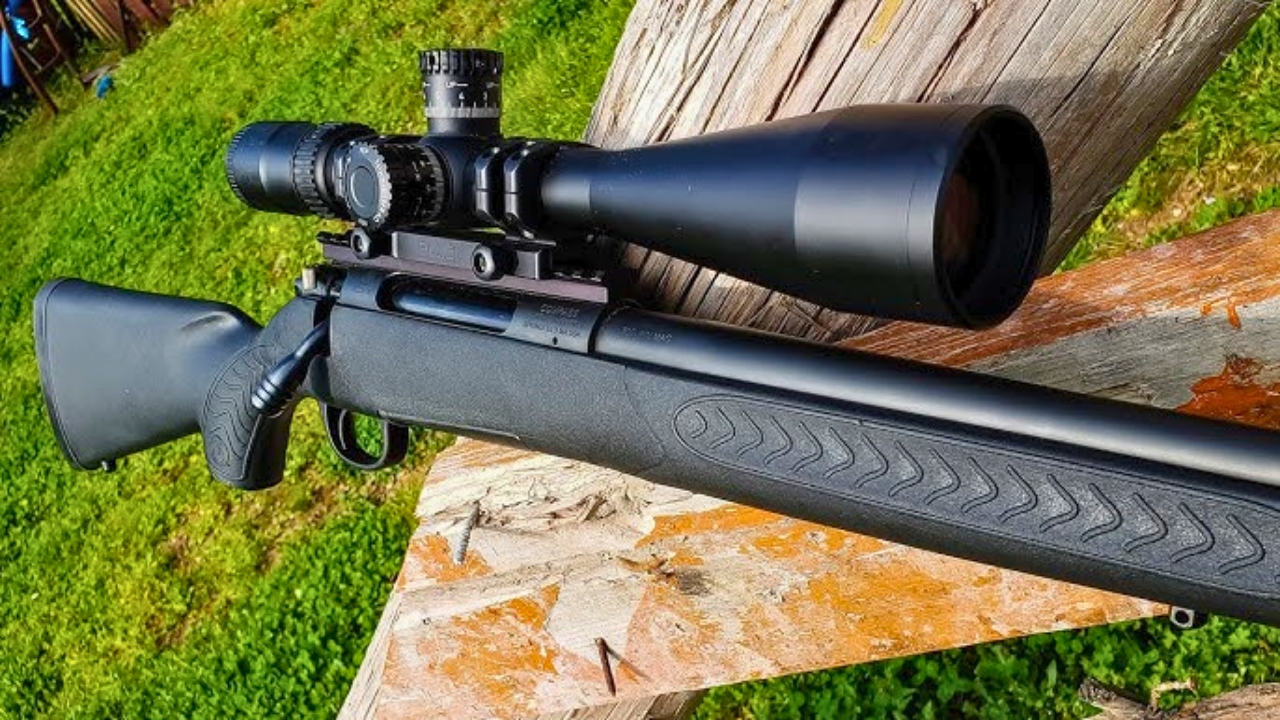
Photo credit: WHO_TEE_WHO/YouTube
A rifle can be “ready to hunt” and still leave accuracy on the table. Factory stocks flex, recoil lugs don’t always bear evenly, and action screws can torque into soft plastic like you’re tightening into a marshmallow. Most of the time the gun still shoots fine—until you start chasing consistency. That’s when bedding work stops sounding like gunsmith voodoo and starts looking like basic foundation work.
Bedding isn’t about making a rifle special. It’s about making it repeatable. When the action sits the same way every time and the lug has solid support, you get fewer mystery flyers, less shift with temperature changes, and less point-of-impact drift after a hard season. These are rifles that often show up “ready,” but still tend to improve when the bedding and action fit are actually sorted out.
Remington Model 700 SPS

The 700 SPS gets sold as a straightforward working rifle, but the factory stock is often the weak link. The injection-molded stock can flex, especially on a bipod or in field positions, and that flex changes how the action sits and how the barrel behaves shot to shot.
If you’re chasing tighter groups, bedding the recoil lug and action and adding proper pillars (or moving to a stiffer stock) can settle it down. You’ll usually feel it in consistency more than raw “one best group” size. The SPS can still kill deer all day without any of this, but if you want it to shoot like it should, the foundation matters.
Remington Model 700 ADL

The ADL is another 700 that can shoot well, but it’s commonly paired with a basic stock that doesn’t always give the action consistent support. You can torque the screws and still have contact points that shift, especially if the stock material is soft or uneven.
A simple bedding job can turn an “inconsistent but serviceable” rifle into one that holds its zero better and groups more predictably. This is especially noticeable if you’re swapping optics, running heavier scopes, or carrying it through rough weather. The action is capable. The stock fit is usually where the rifle shows you what corners were cut.
Ruger American Rifle

The Ruger American is famous for value, but the stock and bedding system are part of why it stays affordable. Some shoot lights-out out of the box, and some give you those annoying “two touching, one out” groups that make you question your load and your trigger press.
Bedding work, pillars, and better action support can help the rifle return to the same position after recoil. If you’re using a bipod or shooting off bags a lot, you’ll notice the improvement faster. The American’s barrel and action can perform. Getting the stock and bedding situation more stable is often what makes it feel more serious.
Savage Axis

The Axis is another budget rifle that can surprise you, but the stock is often the limiting factor. Flex and inconsistent contact at the action screws can translate into inconsistent point of impact when you change how you support the rifle.
Bedding or upgrading the stock can tighten up that foundation. It’s not glamorous, but it’s practical. When the action sits solid and repeatable, you spend less time chasing “maybe it’s the ammo” and more time seeing what the rifle actually likes. If you’re putting real range time into an Axis, bedding work is one of the first improvements that can actually show up on paper.
Savage 110 (factory polymer stocks)

Savage 110 rifles have a reputation for shooting well, but the specific stock matters. Some factory polymer stocks don’t give the action the same consistent support you’d expect from a rifle people buy for accuracy. You can get good groups, then watch them wander as you change rests or torque.
Bedding the action and recoil lug area can help the rifle behave the same way every session. It’s not always “must-do,” but it’s common enough that it’s worth mentioning. If you’re seeing vertical stringing, random flyers, or shifts after removal and reinstallation of the action, bedding work is often the boring fix that actually works.
Tikka T3x (Lite stock setups)

Tikkas usually shoot well right out of the box, but the Lite versions are still light rifles with lightweight stocks. The action interface and lug system are good, yet bedding can still help if you’re trying to squeeze every bit of repeatability out of the rifle, especially with heavier scopes or hard field use.
If you notice point-of-impact shifts when you change torque, move between bag and bipod, or shoot in different temperatures, bedding can help stabilize the relationship between action and stock. Most hunters don’t need it, but the guys who actually shoot a lot often end up doing it because they hate mystery changes. Tikkas are good enough that you notice small inconsistencies.
Howa 1500 in factory Hogue overmold stocks

The Howa 1500 is a solid action, but the common Hogue overmold stock can feel great in the hands while still being a little too flexible for consistent bench results. That soft feel can hide pressure points and movement you don’t notice until groups start acting weird.
Bedding the action (and often adding pillars or moving to a stiffer stock) can make the rifle more predictable. The Howa itself is rarely the problem. The stock interface is where you usually find the gremlin. Once the action is supported consistently, these rifles can shoot far better than their “basic package rifle” reputation suggests.
Weatherby Vanguard (standard synthetic stocks)

The Vanguard is built on the same basic footprint as the Howa 1500, and the story can be similar. The action is capable, but the standard synthetic stock can vary in how it supports the recoil lug and action. Some are fine. Some benefit from bedding to eliminate shifting contact.
If your Vanguard shoots “pretty good” but won’t settle into consistent groups, bedding is one of the first places to look—especially if you’ve already ruled out ammo and optics. The rifle is often sold as ready to hunt, and it is. Bedding work is what helps it stay consistent across different rests, different torque, and the bumps of real hunting.
Winchester XPR

The XPR is a practical hunting rifle, but its stock and bedding arrangement can be a place where manufacturing tolerances show up. When the action doesn’t have solid, repeatable contact, you can see changes in point of impact as you change how the rifle is held or supported.
Bedding helps you remove those variables. It doesn’t turn the XPR into a benchrest gun, but it can make it a better hunting rifle because it’s more predictable. If you’re seeing groups that look promising but won’t repeat session to session, the rifle may be telling you the action-to-stock relationship isn’t as stable as you assumed.
Mossberg Patriot

The Patriot gets bought because it’s affordable and available, and it can shoot well enough for hunting. But the stock and bedding can be inconsistent. Some rifles feel like they have uneven support, and that can show up as flyers that aren’t explained by wind or shooter error.
A bedding job can give the action a consistent seat and help the recoil lug area behave under recoil. If you’re trying to actually practice with it and not just shoot three rounds before season, you’ll appreciate anything that makes it repeatable. The Patriot isn’t doomed. It’s just a rifle where the “ready” label sometimes means “ready, but with shortcuts.”
Thompson/Center Compass

The Compass is another value rifle where the action and barrel can do their job, but the stock fit can be the weak link. Flex and inconsistent bedding contact can make the rifle sensitive to how you rest it, how tight you torque the screws, and even how hard you pull it into your shoulder.
Bedding stabilizes that relationship so you’re not chasing variables. This kind of rifle often benefits more from bedding than expensive accessories because bedding addresses the root problem. If you want a Compass to behave better, give it a solid foundation before you start blaming the scope or buying different ammo by the case.
CVA Cascade (early setups and lightweight stocks)

The CVA Cascade has earned a strong reputation for the price, but like any lightweight hunting rifle, stock support matters. Even when a rifle shoots well initially, you can see shifts as the stock settles, as temperatures change, or as you switch between bag and bipod.
Bedding the recoil lug and action can help lock in consistency, especially if you’re a high-volume shooter or you’re running a heavier optic. The Cascade is often very close to “done” from the factory. Bedding is the kind of finishing step that can take a good rifle and make it more dependable across conditions, not just on its best day.
Bergara B-14 Ridge (factory molded stocks)

Bergaras often shoot well, but the Ridge and other models with molded stocks can still benefit from bedding when you start demanding consistency. You’re not “fixing” a bad action. You’re tuning the interface between a capable barreled action and a stock that may not provide perfect, even contact.
If you’re seeing small shifts after removing the action, after travel, or after a season of bumps and moisture, bedding can help. It’s also common when shooters want to standardize torque settings and not have the rifle behave differently every time they reassemble it. The B-14 is a rifle people buy for accuracy, which is why small bedding issues stand out.
Browning X-Bolt (certain synthetic stock configurations)

The X-Bolt is a well-built hunting rifle, but some synthetic-stock setups can be picky about how the action is supported and torqued. When the bedding surface or contact isn’t perfectly consistent, the rifle may shoot fine one day and then shift slightly after travel or after a hard knock.
Bedding work can help the action sit the same way every time and reduce the “why did my zero move?” headaches. You’re not turning it into a target rifle—you’re making a hunting rifle more reliable. If you’re the kind of shooter who checks zero often and hates surprises, bedding can be a smart preventative step.
Ruger M77 Hawkeye (certain wood-stocked rifles)

Wood stocks are classic, and they can be extremely accurate—when the bedding is right. The problem is wood moves with humidity and temperature, and factory bedding on a production rifle can be “good enough” without being truly stable.
Glass bedding the action and recoil lug area can keep a Hawkeye from changing personality across seasons. You’ll often see improvement in repeatability and reduced point-of-impact shift, especially if the rifle lives in a truck, a damp camp, or a fluctuating safe room. A wood-stocked hunting rifle can be a lifetime gun, but bedding is part of what makes it stay trustworthy year after year.
Remington Model Seven (lightweight hunting setups)

The Model Seven is a handy little rifle, and that handiness comes with the usual lightweight tradeoffs. The stock fit and bedding surfaces can be more sensitive because the rifle is light and tends to get carried and bumped more than a heavier range rig.
Bedding can help it stay consistent when you actually use it like a hunting rifle. If you’ve ever had a light rifle shoot well on bags and then act different off a bipod or in field positions, you’ve seen how stock support matters. The Model Seven can be a great deer rifle. Bedding work is often what keeps it predictable instead of temperamental.
Like The Avid Outdoorsman’s content? Subscribe to our newsletter so you never miss an article.
Here’s more from us: