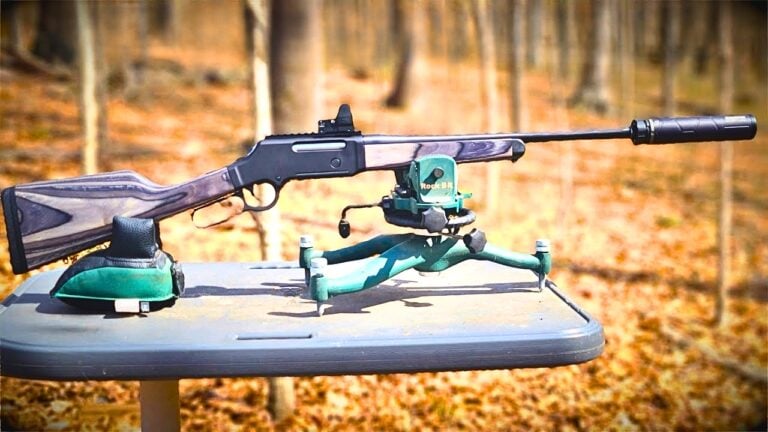
Photo credit: Savage Arms
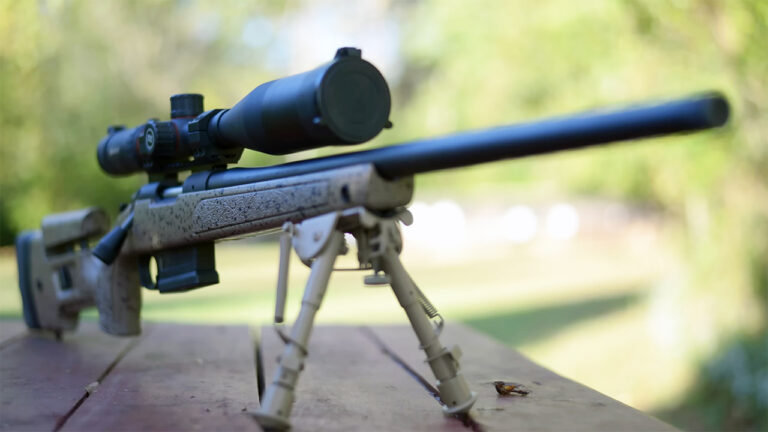
There’s a big difference between shooting tight groups on the bench and performing in the field. Some rifles are incredible on paper—laser-precise, balanced, and smooth—but once you take them off the mat and into dust, rain, or mud, they start to show their weaknesses. These are the rifles that thrive in climate-controlled ranges but falter when it’s cold, wet, or dirty. They’re the ones that demand care you don’t always have time to give when you’re hiking ridges or crawling through brush. You can respect their craftsmanship and still admit they don’t belong in the mud. If you’ve hunted long enough, you’ve probably owned one yourself—accurate, sleek, and temperamental. Here are the rifles that look great on paper but get humbled fast once you trade the concrete for real ground.
Remington 700 Varmint SF
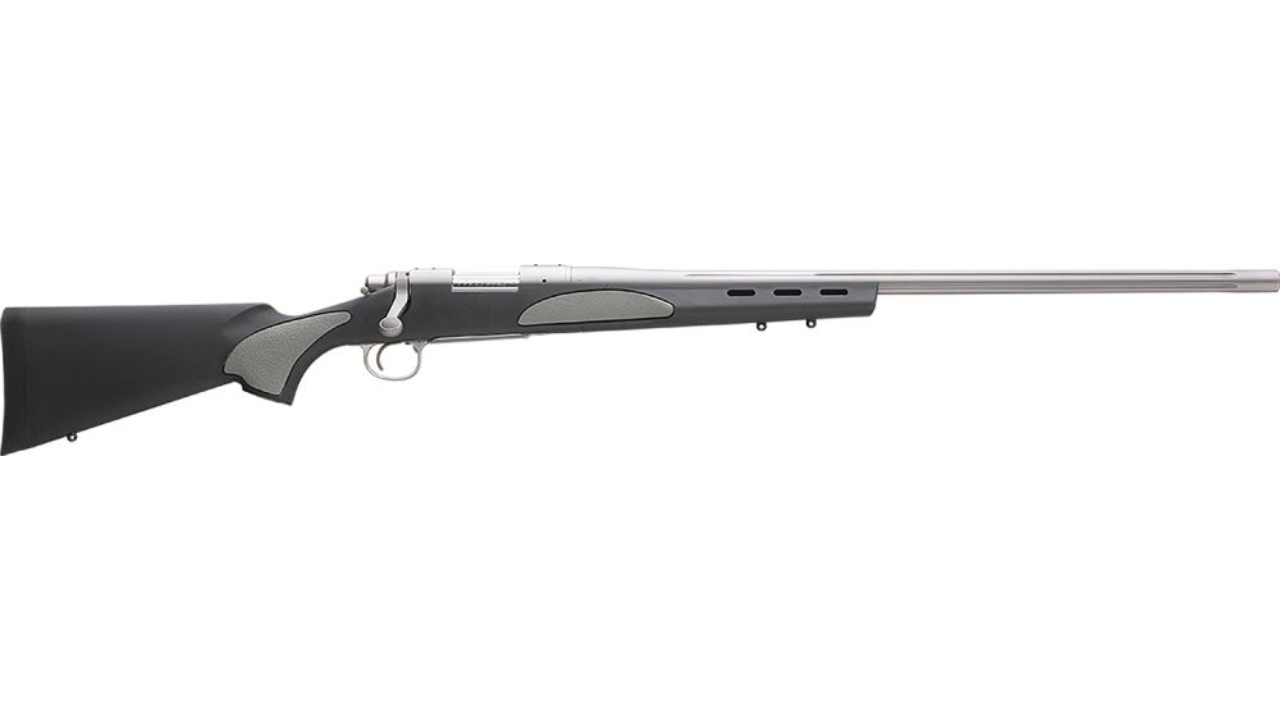
The Remington 700 Varmint SF is a tack driver from the bench, no question. Its heavy barrel and tight tolerances make it perfect for paper and prairie dogs, but drag it through dust or take it on a wet-weather hunt, and it starts to lose its charm. The finely fitted bolt and stainless finish attract grit like a magnet.
In clean, controlled settings, it’s an impressive piece of machinery. But when you need quick follow-up shots in the field or a rifle that shrugs off neglect, the Varmint SF feels out of place. It’s too refined for rough duty—accurate, yes, but built for comfort, not combat.
Tikka T3x Varmint

The Tikka T3x Varmint is one of the smoothest rifles you’ll ever cycle, and that’s part of the problem. Its precision-machined action performs flawlessly at the range, but take it into heavy brush or a wind-blown field, and that silky feel vanishes under dust and debris. It’s a range gun wearing hunting clothes.
The rifle’s weight also works against it when the terrain gets steep. Carry it for miles, and you’ll start wondering why you didn’t grab a lighter setup. It shoots small groups all day, but reliability starts to drop when the weather and terrain turn nasty.
Browning X-Bolt Target Max
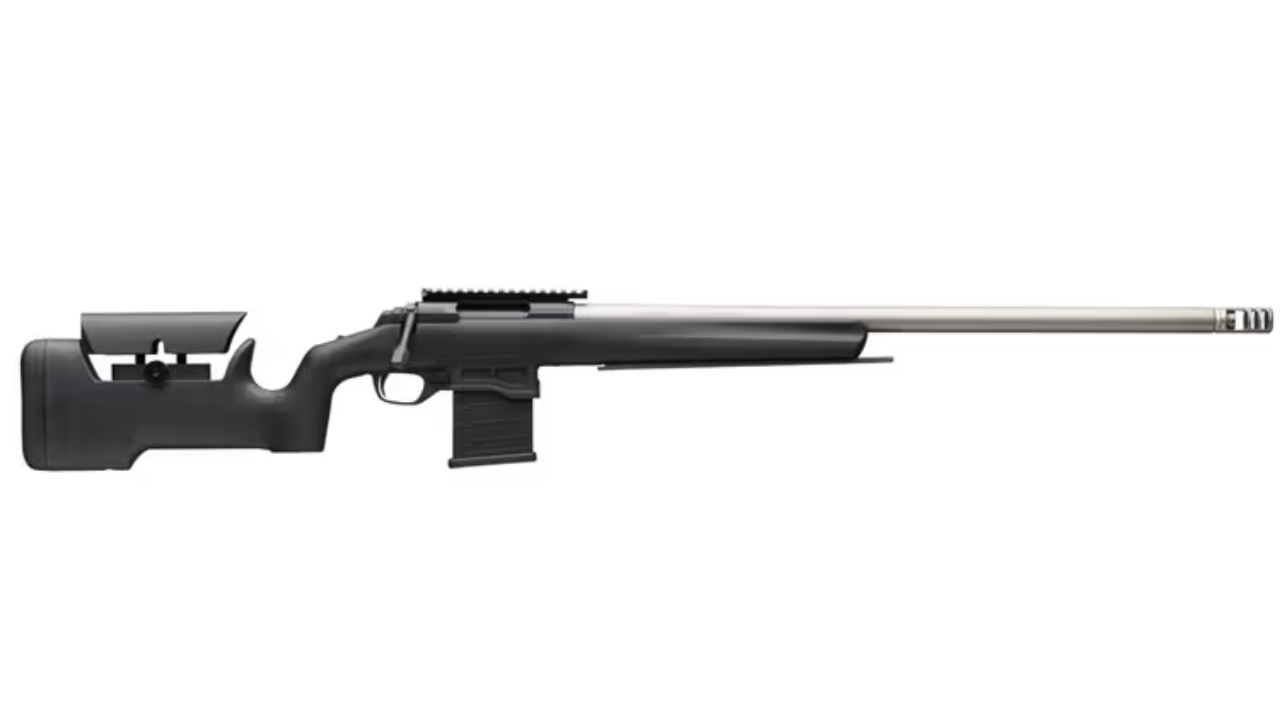
The Browning X-Bolt Target Max is a range shooter’s dream and a hunter’s burden. Its adjustable stock, thick barrel, and precise trigger make it capable of stunning accuracy, but it’s too heavy and delicate for most real-world hunts. You’ll baby it more than you shoot it.
On dirt, it’s not built for fast handling or bad conditions. Mud clogs its tight clearances, and that polished finish scratches if you look at it wrong. It’s a fine rifle in a clean environment—but out in the elements, it feels like a sports car stuck on a logging road.
Savage 110 Precision
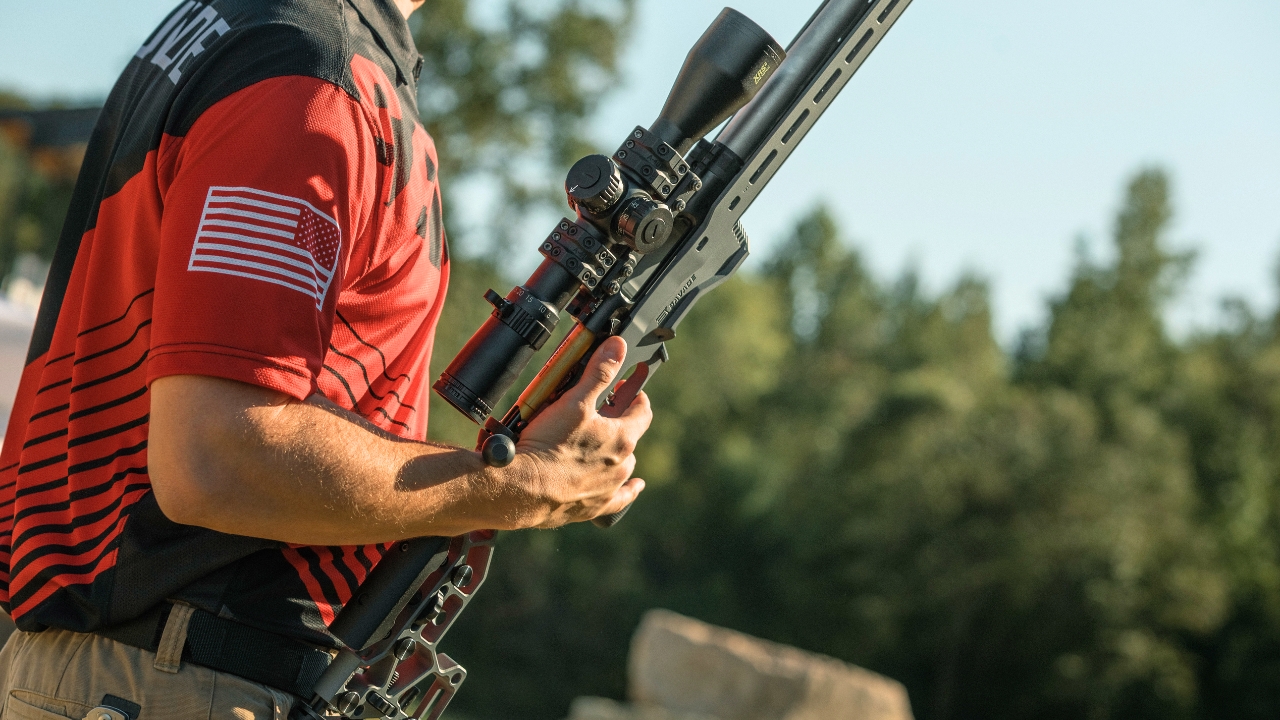
The Savage 110 Precision punches holes with authority on paper, but its size and configuration don’t translate well to rough ground. With its chassis frame, long barrel, and bulky ergonomics, it’s built to shoot tight—not to trek long miles with a pack on your shoulders.
Add a little rain or dirt to that adjustable stock and bolt, and things get sticky fast. It’s a rifle that rewards precision but punishes neglect. In a match, it’s unbeatable for the money; in the woods, it’s more liability than advantage.
Bergara B14 HMR
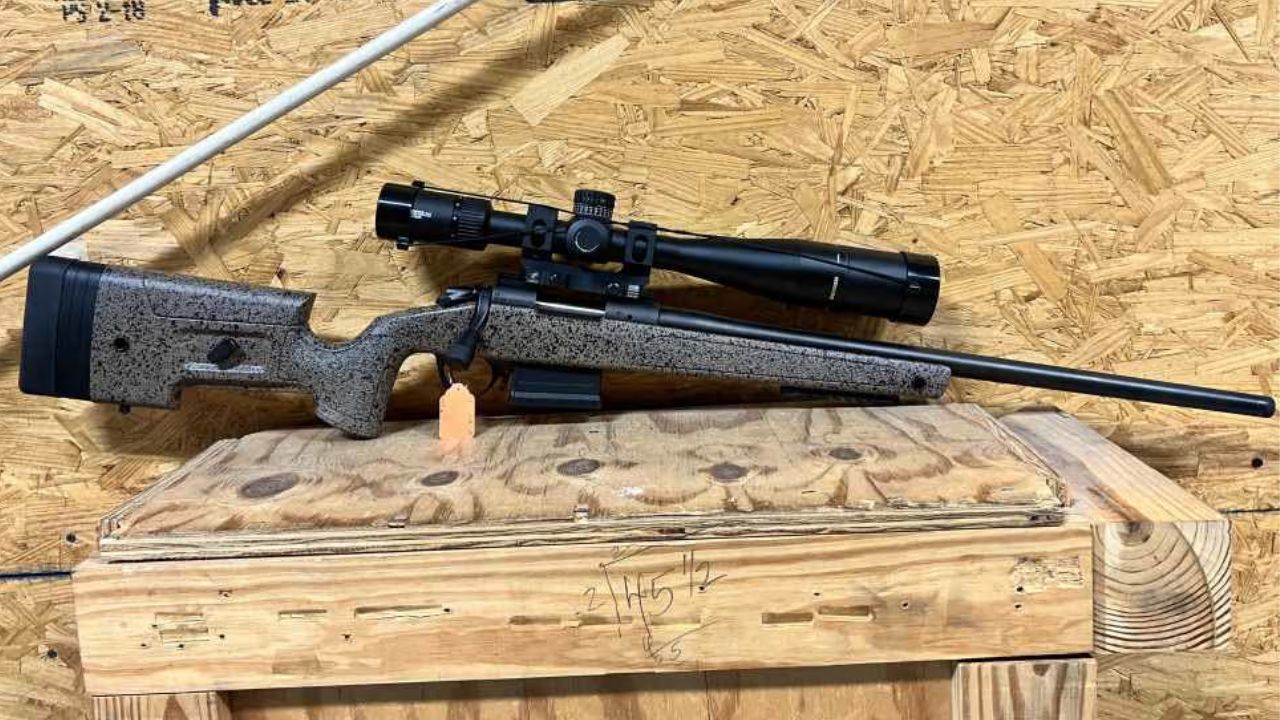
The Bergara B14 HMR is one of those rifles that tempts hunters with its reputation for accuracy. On a bench, it’ll print groups that make you proud. But out in the field, that same precision-oriented setup starts showing flaws—weight, sensitivity to grime, and slower handling.
The stock’s adjustable hardware and tight action don’t like dust or moisture. You’ll spend more time protecting it than using it. For a controlled range session, it’s phenomenal. But when you’re kneeling in mud or dealing with rain, the HMR reminds you it was born for paper, not pressure.
Christensen Arms Ridgeline FFT

The Christensen Arms Ridgeline FFT markets itself as a lightweight precision rifle, but in practice, it can be finicky in the elements. Its carbon-fiber barrel and stock make it light, but the tolerances are so tight that a little dust or temperature change can shift your zero.
It’s an incredible shooter from a clean, stable rest, but real hunts rarely stay clean or stable. Add a few bumps, a drop in the mud, or a rainstorm, and that once-perfect setup becomes inconsistent fast. It’s a rifle that looks perfect on paper—and stays that way, as long as it stays on paper.
Ruger Precision Rifle

The Ruger Precision Rifle is an engineering marvel, but it was never meant for hunting in the dirt. It’s heavy, awkward to carry, and bristles with parts that collect mud like magnets. It’s unbeatable at the range, but drag it through brush or up a ridge, and it’ll test your patience.
It shoots beautifully from a bipod, but try shooting offhand in a real hunting stance, and it feels more like a benchrest rifle than a backcountry tool. It’s a rifle that proves “precision” doesn’t always mean “practical.”
Winchester Model 70 Super Grade
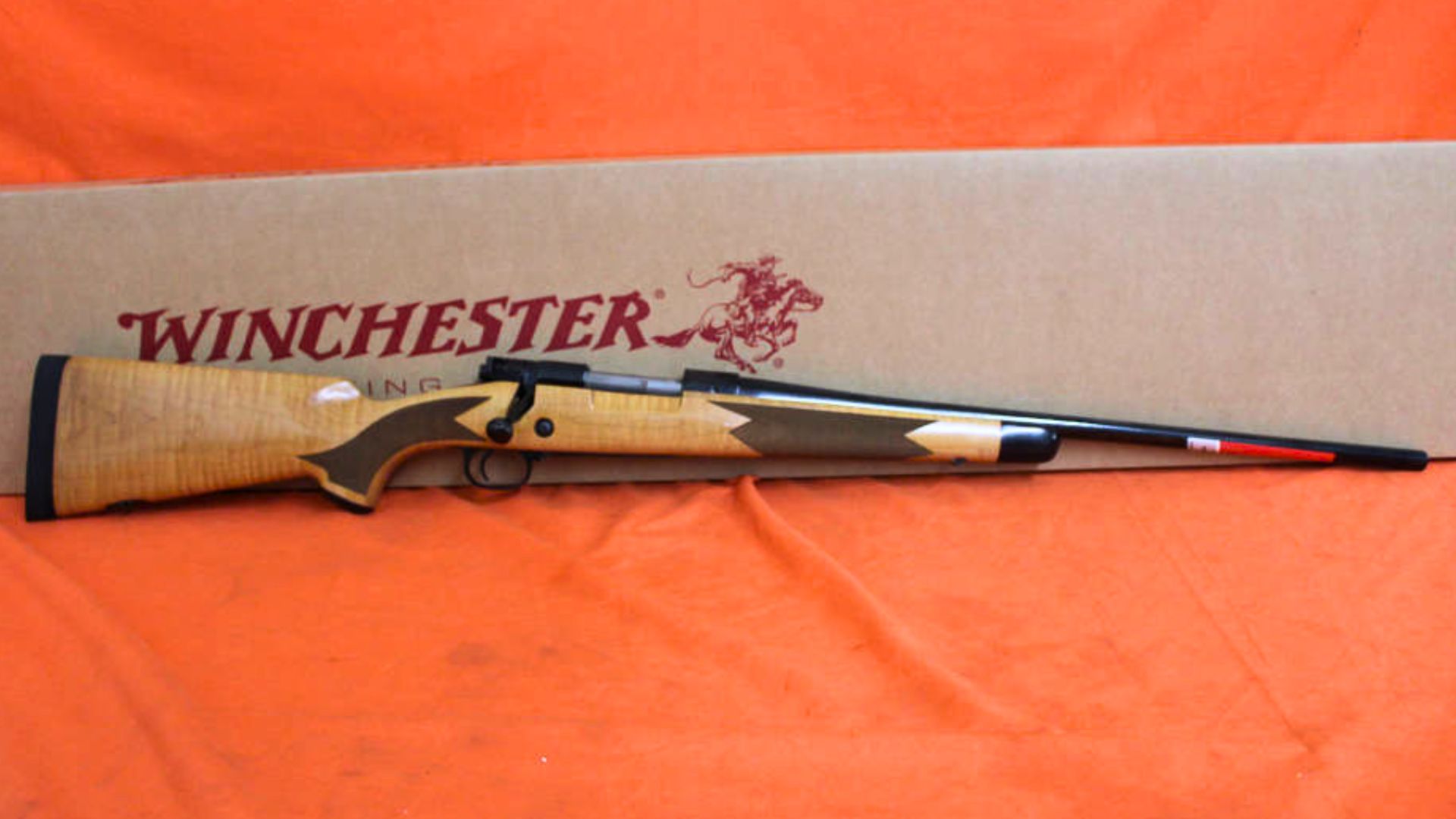
The Winchester Model 70 Super Grade is a beautiful piece of craftsmanship, but that polished bluing and high-gloss wood have no business in rain-soaked timber. It’s accurate, yes, but it’s also fragile when compared to synthetic rifles that can handle punishment.
Every scratch feels like a sin, and every speck of mud looks like it’s mocking you. While the Model 70 design is still legendary, the Super Grade is meant for admiration more than abuse. You’ll hit your target, but you’ll cringe every time you set it down in the dirt.
Kimber Hunter

The Kimber Hunter is lightweight, accurate, and sleek—but it doesn’t like getting dirty. Its tight bolt tolerances and minimal clearance make it easy to jam up when you’re dealing with grit or wet debris. It’s a rifle that thrives on the range but struggles in real-world unpredictability.
For glassing and careful setup shots, it’s perfect. But add movement, mud, or weather, and that perfection starts to fade. It’s a hunter’s rifle that feels like it never quite left the showroom floor.
Howa 1500 Hogue

The Howa 1500 Hogue shoots well on the bench, but it’s no fan of real-world grit. The bolt can get sluggish fast when exposed to dust or rain, and the rubberized stock, while comfortable, tends to grab dirt and debris. It’s a gun you’re constantly cleaning instead of trusting.
Accuracy-wise, it performs admirably in clean conditions. But its action, while smooth, doesn’t have the same dirt tolerance as rifles with looser fits. It’s a dependable shooter that’s happiest under a roof, not under the open sky.
Remington 783

The Remington 783 has surprised plenty of range shooters with its accuracy. It’s a budget rifle that can really group—but it’s not built for abuse. The bolt design and feeding system don’t handle dust or rough cycling well, and in cold or wet weather, reliability starts to waver.
It’s a good starter rifle or range toy, but real hunters learn fast that precision doesn’t mean performance in bad conditions. The 783 can hit targets at 100 yards all day—but take it into the mud, and it’ll make you work for every shot.
Weatherby Vanguard Sporter

The Weatherby Vanguard Sporter combines classic looks with modern accuracy, but that wood stock and high polish make it more of a fair-weather rifle than a field bruiser. It handles nicely but hates moisture, and the action, while tight, can bind under grime.
It’s a joy to shoot at the range—smooth, predictable, and clean. But it’s not the kind of rifle you throw in the back of a truck and forget about. If you want it to stay perfect, you’ll have to treat it that way.
Savage Axis II Precision

The Axis II Precision can hold sub-MOA groups all day long, but it’s too heavy and cumbersome for field hunts. Its chassis system and long barrel make it ideal for target work, not rough country. You’ll notice it every step you take.
When the terrain gets tough, it feels like hauling a bench rifle through the woods. It’s built for comfort and control in ideal conditions, not for mud, rain, or sudden movement. If it stays clean, it’ll impress you—but “staying clean” rarely happens outside the range.
Browning A-Bolt Medallion
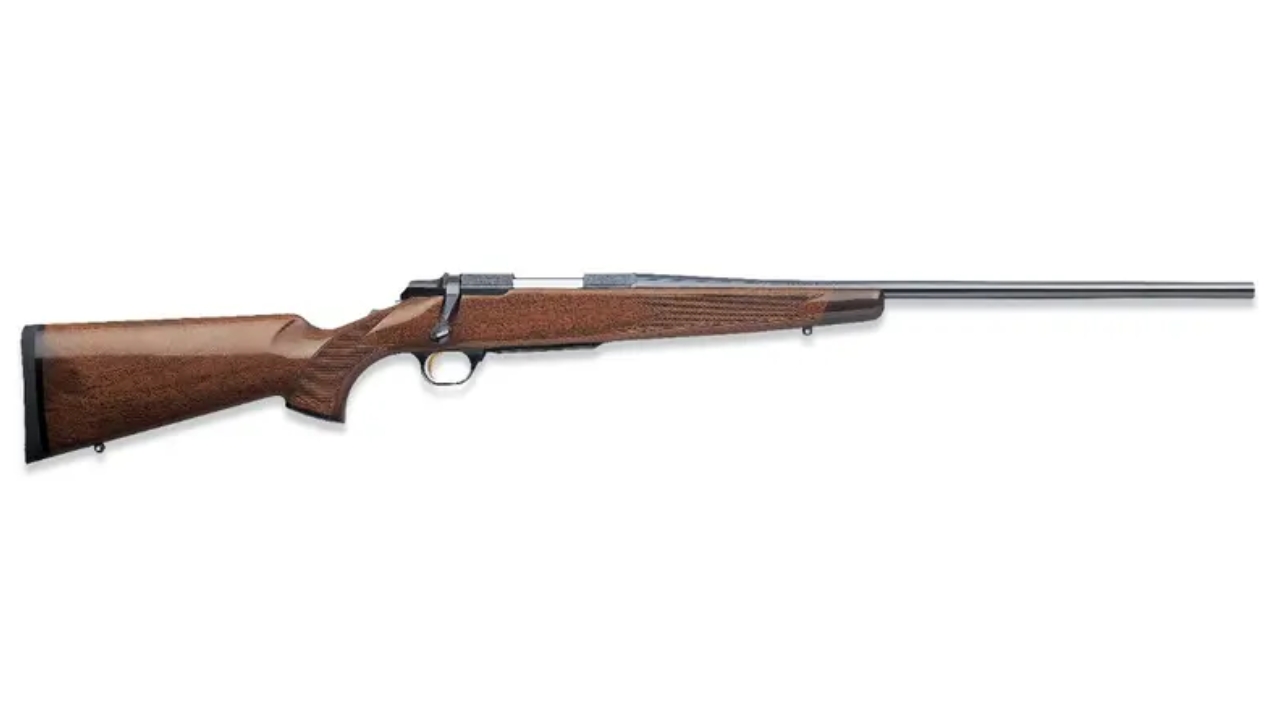
The Browning A-Bolt Medallion is the kind of rifle you want to show off, not abuse. The glossy finish and tight craftsmanship look great at the range, but one slip in the mud and you’ll be polishing it for hours. It’s too fine for the rough work of real hunting.
Sure, it’s accurate, but it’s also delicate. It performs flawlessly under clean conditions but hates dust and moisture. It’s a rifle that wins admiration, not endurance contests.
Steyr Pro Hunter
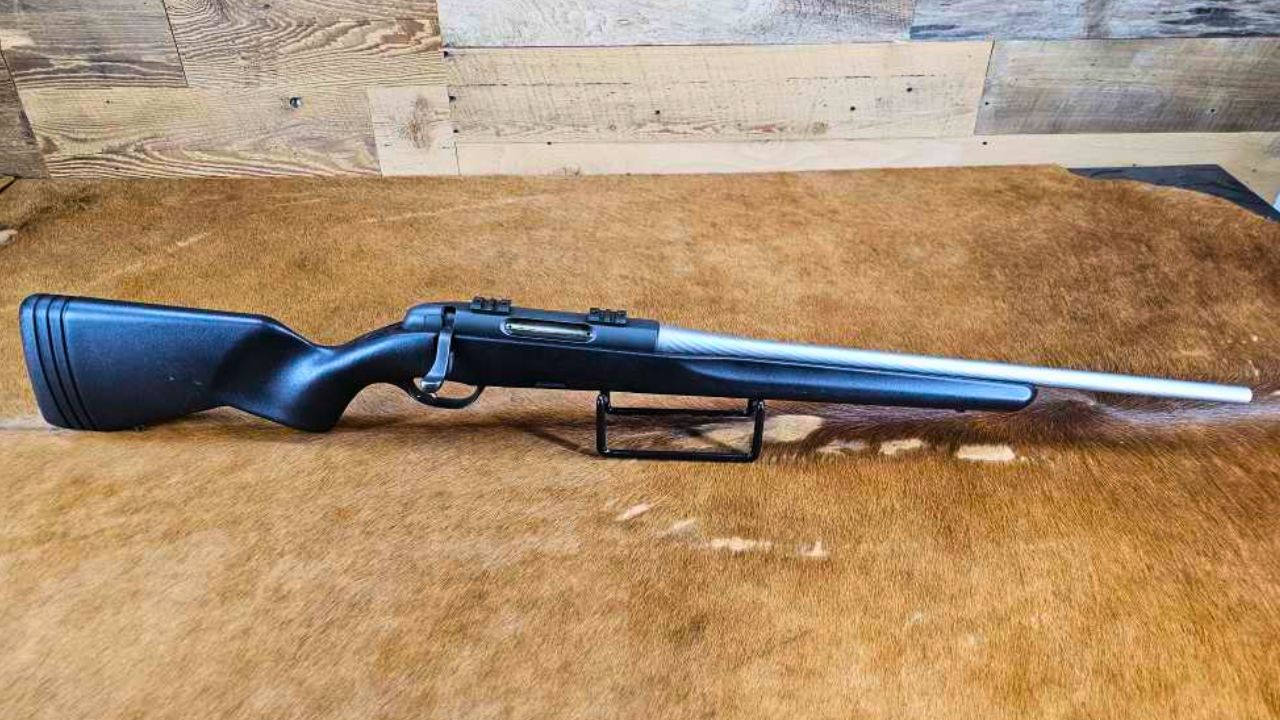
The Steyr Pro Hunter has excellent engineering and range accuracy, but it’s more at home in a shooting bay than a tree line. Its synthetic stock and unique bolt system feel great in a clean environment, but once you introduce debris or wet weather, that tight action can jam or stiffen.
It’s the kind of rifle you admire for its design and precision but hesitate to take where conditions are ugly. The Pro Hunter shines on the mat, but on the mountain, it struggles to keep up with rifles built to get dirty and keep working.
Like The Avid Outdoorsman’s content? Be sure to follow us.
Here’s more from us:
The worst deer rifles money can buy
Sidearms That Belong in the Safe — Not Your Belt
*This article was developed with AI-powered tools and has been carefully reviewed by our editors.