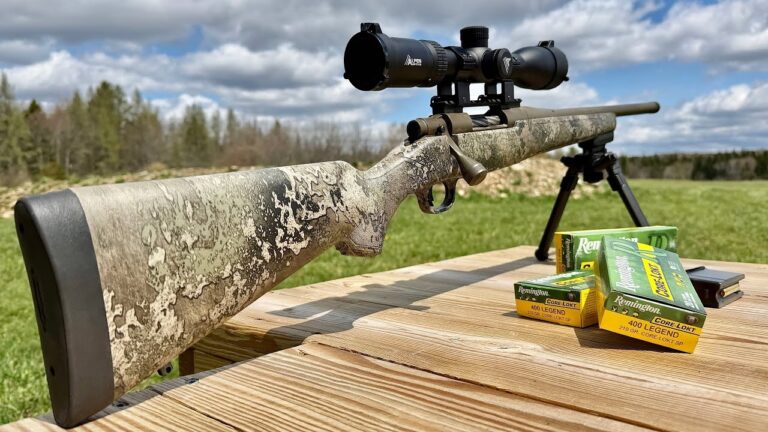
Photo credit: Browning
Some gun companies built their names on hard-earned reputations—rifles and handguns that worked in every season, under every kind of pressure. But success has a funny way of dulling edges. Over time, a few of those once-respected brands started chasing marketing trends instead of shooters’ needs. They leaned on nostalgia instead of performance, banking on loyal customers who remembered the good old days. You’ve probably handled a few yourself—guns that look the part but feel hollow in the hands, with quality that doesn’t match the name on the receiver. These are the brands that once stood for reliability, craftsmanship, and pride, now fading under the weight of their own history. When companies stop listening to the people pulling the trigger, their legacy doesn’t grow—it just coasts downhill.
Remington

For decades, Remington was the backbone of American hunting. The Model 700 and 870 defined reliability and accuracy. Then came mismanagement, cheap outsourcing, and quality cuts that left shooters shaking their heads. Guns that once felt like heirlooms started feeling like afterthoughts.
When the company collapsed and split up, it was almost a relief. The Remington name still carries weight, but the soul that made it great has been battered. The new owners are trying to rebuild, but the damage to trust will take years to undo. Hunters still want to love Remington—it’s just harder now than it used to be.
Marlin

Marlin lever guns once symbolized American reliability—a rifle you could trust on horseback or in a deer stand. But when Remington took over, quality nosedived. Rough actions, canted sights, and misaligned stocks became all too common. The brand that gave us the 336 and 1895 was nearly ruined.
Thankfully, Ruger’s acquisition has breathed life back into it. The new Marlins are better than they’ve been in decades, but the memory of that bad stretch still lingers. It’s a reminder that a trusted name means nothing if craftsmanship takes a back seat to production numbers.
Colt
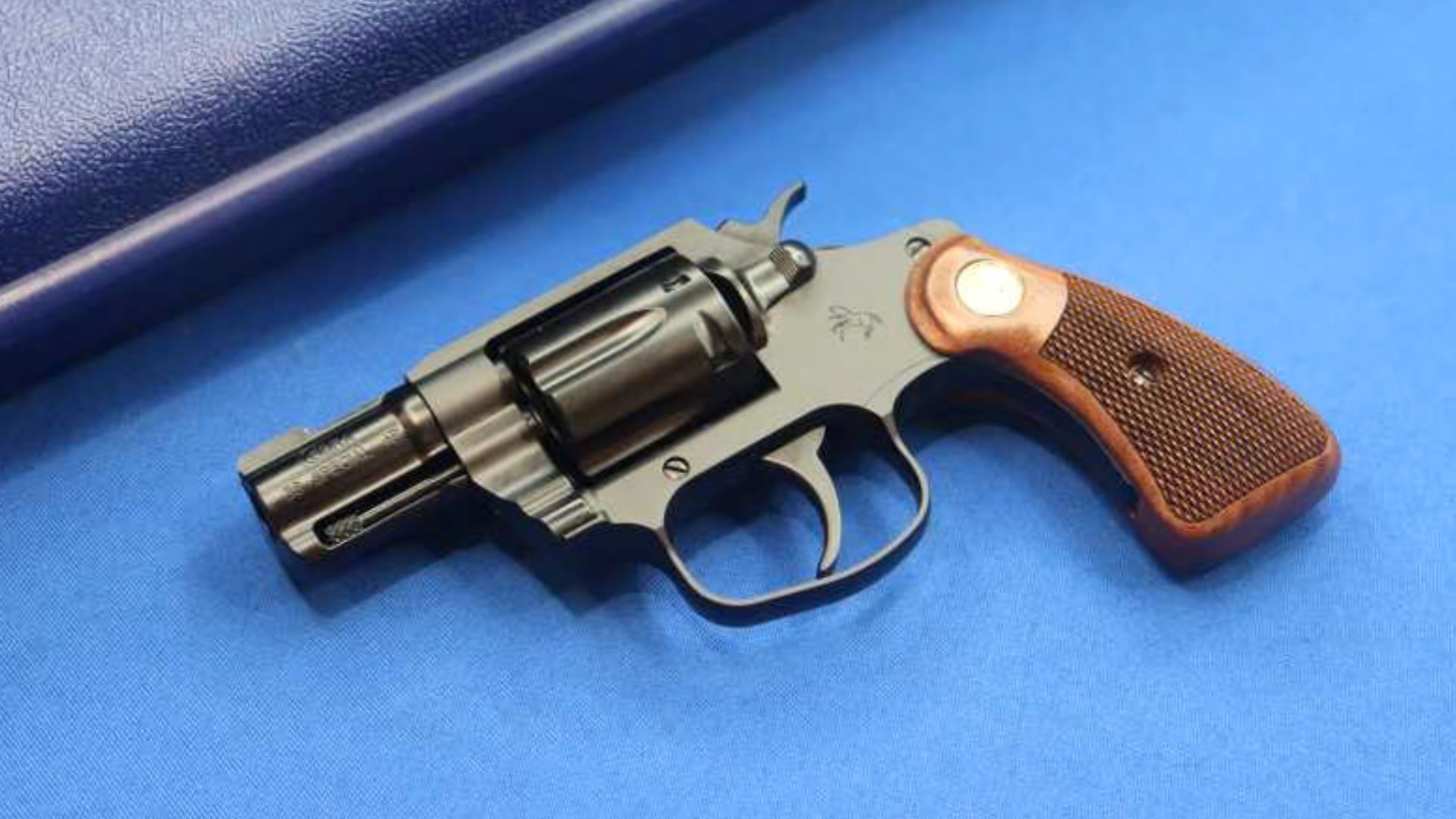
Colt was once synonymous with excellence—from the Single Action Army to the 1911. But after dominating for more than a century, the company rested on its laurels. They ignored civilian shooters while chasing government contracts, and innovation slowed to a crawl.
Their 1911s still carry nostalgia, but prices rose while quality control slipped. Shooters turned to competitors like Springfield and Dan Wesson for consistency. Colt’s back in the game now, but the modern market isn’t built on old war stories—it’s built on performance. You can’t coast forever on the legend of the Peacemaker.
Winchester

Winchester rifles built the American frontier, but that legacy couldn’t save them from corporate shortcuts. When the company shifted production overseas and reintroduced “classic” rifles that didn’t feel like the originals, longtime fans felt betrayed.
The new Model 70s are good rifles, but they lack the hand-fitted feel that made the old ones special. Winchester is still a household name, but much of that comes from nostalgia, not new innovation. The name still sells rifles—but for many hunters, it no longer sells trust.
Smith & Wesson
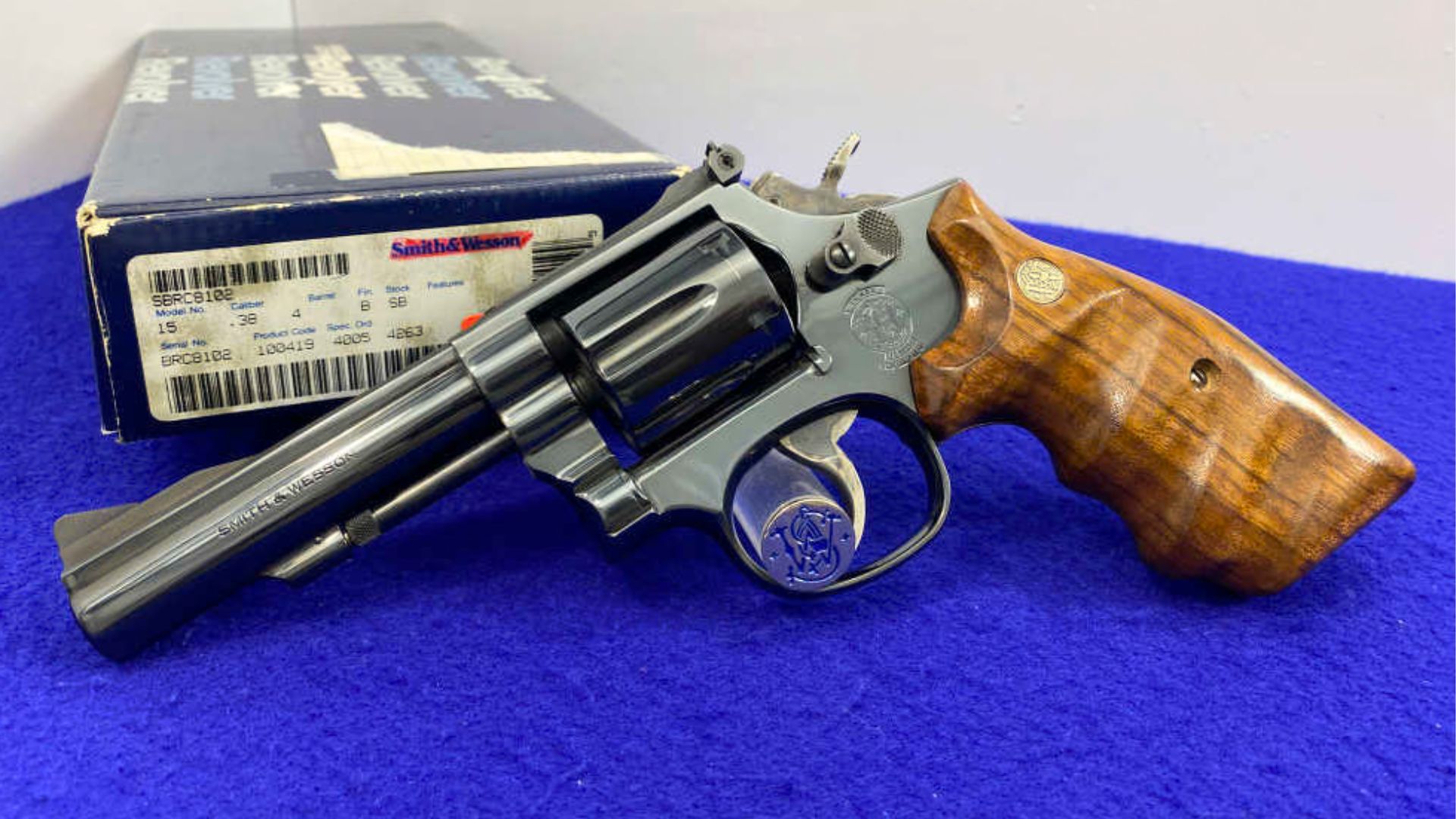
Smith & Wesson built their empire on revolvers that defined reliability. Then came polymer pistols, new calibers, and marketing overdrive. While the M&P line performs well, many shooters feel the company shifted too far from its roots.
Add in the recent name change to “Smith & Wesson Brands,” and it feels more corporate than ever. Their revolvers are still good—but not the tank-like tools they used to be. When you handle an old Model 19 or 586, you feel the difference immediately. That’s what happens when a company focuses more on quarterly reports than on the shooter’s hands.
Ruger
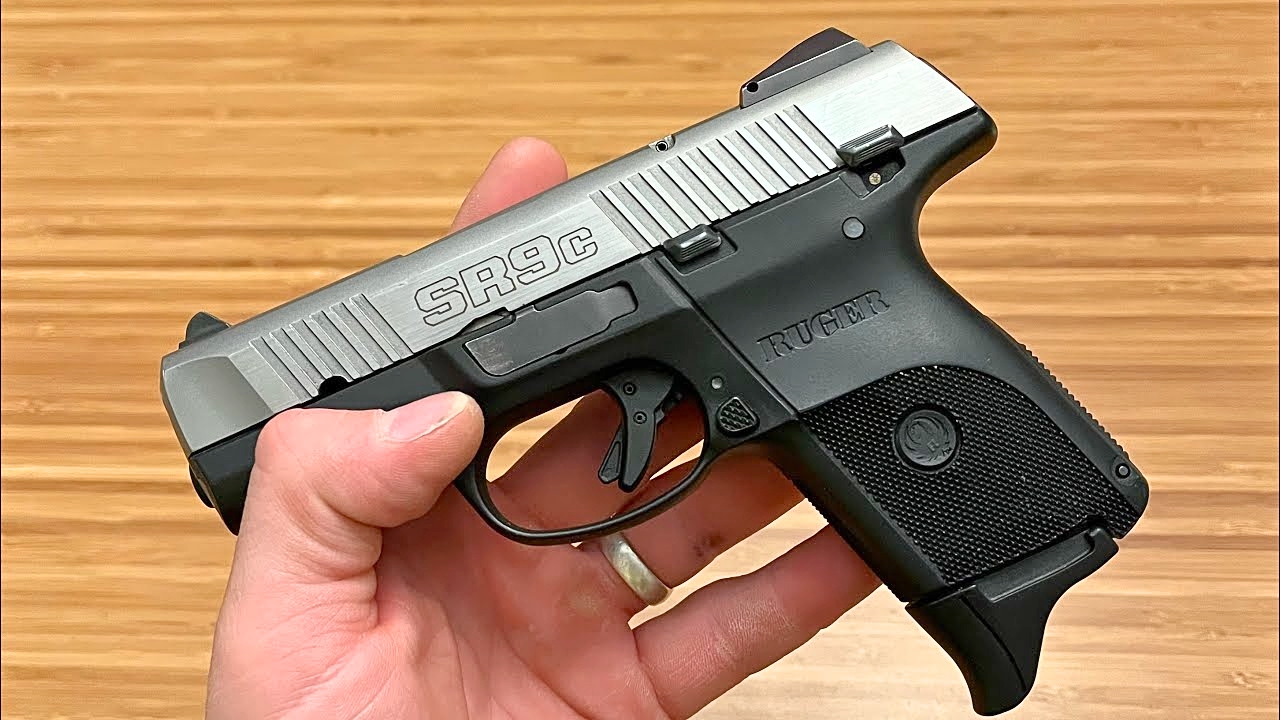
Ruger earned respect through durability and value. But in recent years, they’ve pushed out so many new models that quality consistency has started to waver. The American Rifle line, while affordable, sometimes lacks the refinement shooters expect from the Ruger name.
Their revolvers and 10/22s remain solid, but some of the newer releases feel rushed to market. Ruger’s still one of the best at supporting working shooters, but the company’s starting to walk the same path as those it once outshined—relying on volume instead of craftsmanship.
Browning
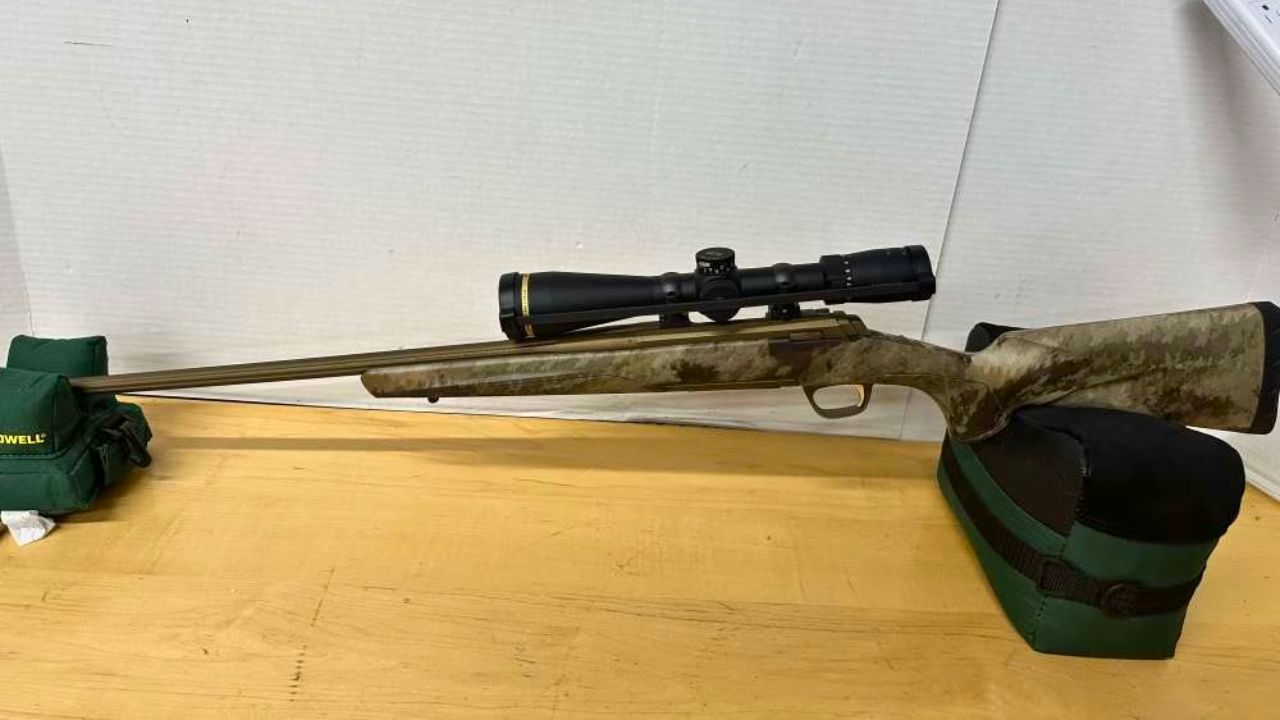
Browning’s name still commands admiration, but the company’s focus has drifted toward premium aesthetics rather than practical performance. The X-Bolt rifles shoot well but often carry price tags that don’t reflect noticeable improvements over competitors.
Many longtime fans miss the days of the original Auto-5s and BARs—guns made to last lifetimes. The modern lineup feels designed more for showroom appeal than backcountry grit. Browning still builds fine firearms, but the brand that once represented rugged reliability now feels more refined than ready.
Mossberg

Mossberg was once the no-nonesense workhorse brand, turning out affordable shotguns that worked no matter what. Lately, though, their focus on endless variants—tactical, camo, compact, turkey, youth—has diluted that reputation. Quality control hasn’t collapsed, but it’s been inconsistent.
The 500 series is still dependable, but newer models feel built to fill niches rather than solve real shooter problems. Mossberg hasn’t lost touch entirely, but it’s flirting with the same mistake that’s taken down bigger names: thinking quantity beats trust.
Weatherby
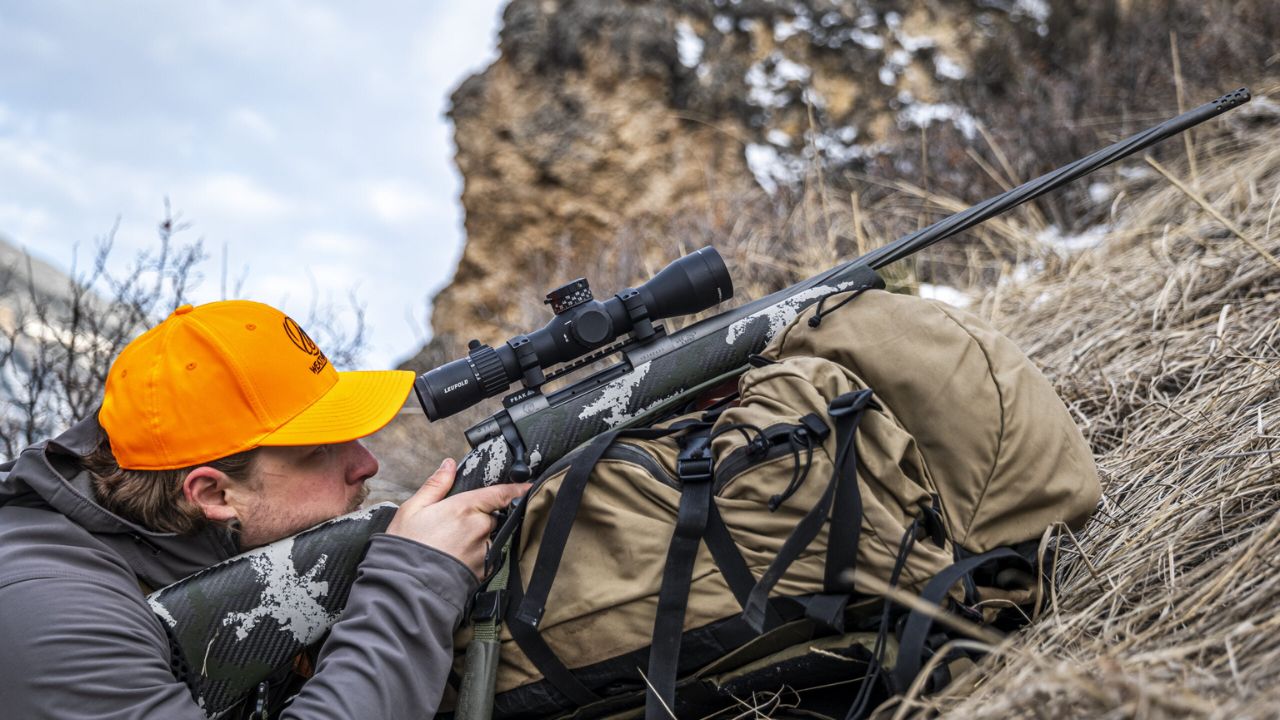
Weatherby used to mean class and capability—rifles that stood apart in both looks and performance. But the company’s move toward high-end styling and steep price points has alienated a lot of loyal hunters. You used to buy a Weatherby because it performed better—now it feels like you’re buying prestige.
The Mark V is still a fine rifle, but the line between craftsmanship and luxury branding keeps blurring. It’s the kind of gun you hesitate to scratch, and that’s not the mindset of a field rifle. Weatherby’s still respected—but the working man’s trust has slipped away.
Savage
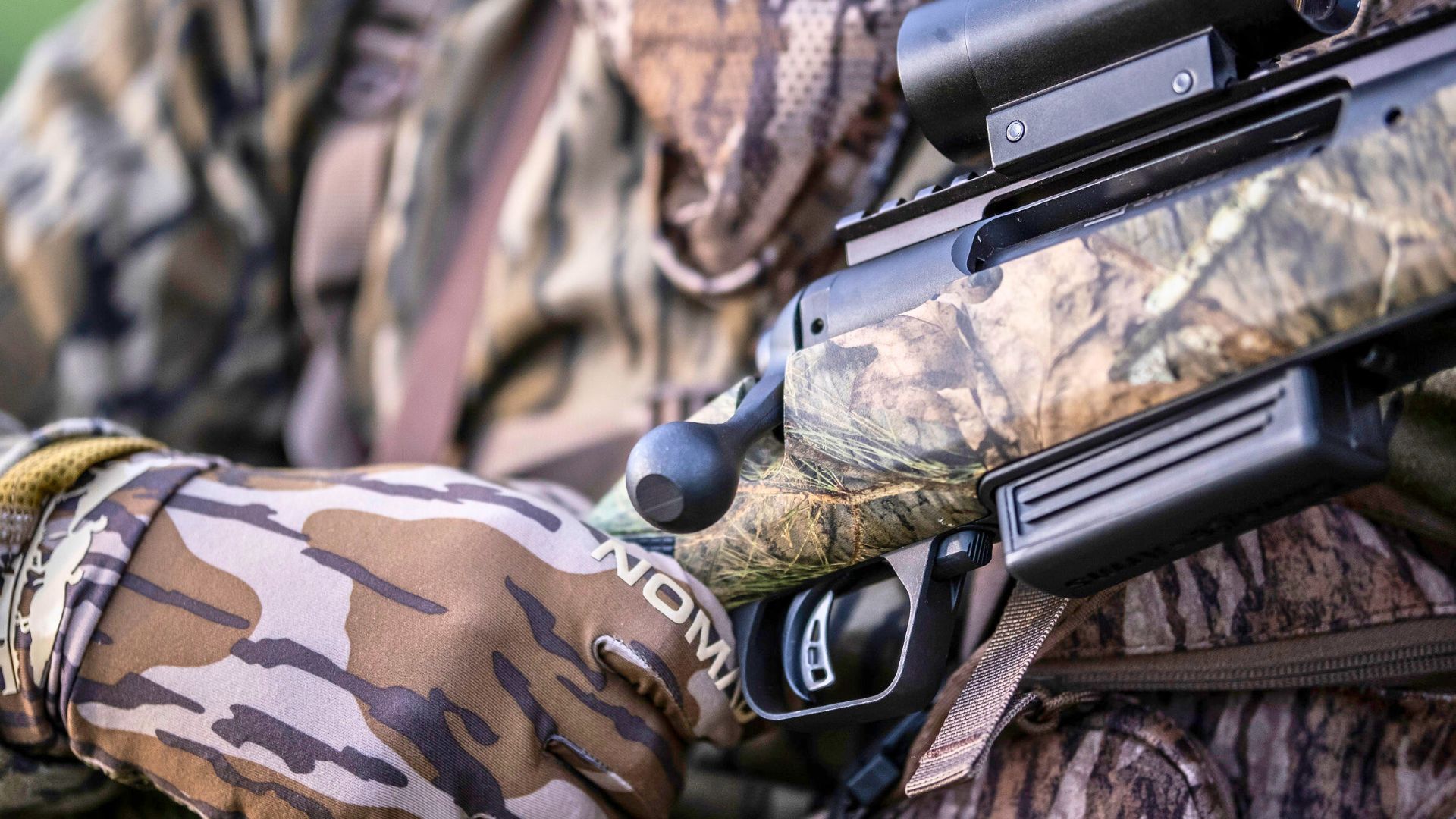
Savage once prided itself on accuracy and affordability. The Model 110 proved that a working hunter didn’t need to spend a fortune to hit straight. But the modern Savage lineup feels bloated, with flashy designs and gimmicky add-ons overshadowing what made them great.
They still shoot well, but there’s a “production line” feel that wasn’t there twenty years ago. The precision is there—but the soul is fading. Savage is still relevant, but it’s starting to sound like it’s talking more to the marketing team than to the people behind the trigger.
Remington Ammunition

Remington’s ammo once had a reputation for consistency you could set your watch by. Then the company’s financial collapse dragged the ammo division down with it. Quality and availability both plummeted.
The new ownership under Vista Outdoor is reviving the brand, but the years of unreliable performance still haunt the green boxes. Hunters remember bad batches, squibs, and weak loads. It’s getting better, but shooters don’t forget when a trusted brand lets them down during the season.
Springfield Armory

Springfield Armory’s name comes from history, but the modern company has leaned hard on marketing flash. The Hellcat and XD series sell well, but some shooters feel the quality doesn’t always match the hype—or the price.
The older 1911 models still carry respect, but polymer competition is fierce, and Springfield’s edge has dulled. They’re still producing good firearms, but there’s a fine line between promoting performance and overpromising it. Springfield needs to start winning shooters back with grit, not slogans.
Thompson/Center

Thompson/Center used to be a brand that pushed hunting innovation. The Contender and Encore platforms were revolutionary for their time. But as ownership shifted, support and parts availability fell apart. Eventually, the brand was shelved entirely by Smith & Wesson.
It’s a shame, because T/C once built accurate, affordable rifles for real hunters. They had the audience, the trust, and the field performance—but corporate neglect buried all that. The name deserves a better ending than being forgotten in a filing cabinet.
FN Herstal

FN rifles and pistols have military pedigree, but their civilian offerings often feel like afterthoughts. The FNX and 509 series are solid, but they don’t connect with shooters the way Glocks or SIGs do. The company relies on its tactical history instead of refining what civilian carriers want.
They still make excellent barrels and dependable actions, but accessibility and support lag behind competitors. FN feels like it’s selling reputation more than relationship—a brand confident in its past, but not tuned to the modern shooter’s hands.
Remington Outdoors’ Legacy

If there’s one lesson from all this, it’s that name recognition doesn’t last forever. The shooting world remembers performance, not promises. Brands that once defined quality have learned the hard way that shooters aren’t loyal to nostalgia—they’re loyal to results.
When a company starts relying on its legacy instead of its workmanship, the decline is inevitable. You can’t fake reliability, and you can’t rebrand your way out of poor craftsmanship. The best gunmakers don’t chase their history—they earn it again, every single shot.
Like The Avid Outdoorsman’s content? Be sure to follow us.
Here’s more from us:
The worst deer rifles money can buy
Sidearms That Belong in the Safe — Not Your Belt
*This article was developed with AI-powered tools and has been carefully reviewed by our editors.