Photo credit: Reloader Joe/YouTube
Some rifles get bought early because they are new, loud, and impossible to ignore. Other rifles get bought later by the people who watch the market, skip the sales pitch, and wait to see what actually holds up. That second group usually looks a lot smarter after a few seasons pass. Early adopters get the bragging rights for a minute. Practical buyers get the satisfaction of ending up with the rifle that still makes sense once the noise dies down.
That is what happened with rifles like these. They were not always the flashiest option in the room, and some of them got overshadowed by trendier launches, newer cartridges, or more heavily marketed platforms. But while early adopters chased whatever was supposed to change everything, practical buyers kept landing on rifles that carried well, shot straight, held together, and kept doing honest work. These are the rifles that made the patient buyers look like the smarter ones.
Tikka T3x Lite

The Tikka T3x Lite has made a lot of practical buyers look smart because it kept delivering the things that matter most without pretending to be more than it is. Good out-of-the-box accuracy, smooth bolt travel, sensible weight, and a reputation for just plain working gave it a kind of long-term value that trendier rifles struggled to match. While other buyers chased whatever looked more advanced, the Tikka crowd kept putting meat in the freezer.
That is usually how smart buying works. You do not always end up with the rifle people were talking about the most at launch. You end up with the one that still feels like a strong decision three or four seasons later. The T3x Lite keeps proving that a rifle does not need hype to age well. It just needs to keep doing its job without drama.
Ruger American Predator

The Ruger American Predator looked too plain to impress a lot of early adopters, and that is exactly why practical buyers came out ahead with it. It was affordable, useful, accurate enough to embarrass more expensive rifles, and easy to live with. It never had that polished premium feel some buyers wanted to show off, but it had a habit of doing the important part right when the shooting started.
That matters more than people want to admit. A lot of rifles get bought on image, then slowly lose their charm once the owner realizes they still have to carry the thing, clean the thing, and make it hit. The American Predator skipped the romance and went straight to usefulness. That made it a smarter buy than plenty of louder rifles that looked better on release day than they did after real ownership.
Winchester Model 70 Featherweight

The Winchester Model 70 Featherweight made practical buyers look sharp because it kept offering something many early adopters forgot to value: balance. Not just accuracy or pedigree, but actual field balance. It carries like a hunting rifle should, points naturally, and still gives you the sense that the gun was built for real use instead of for a brochure. Buyers who picked one up instead of chasing newer excitement often ended up feeling pretty good about that decision.
Part of that is because the Featherweight never really depended on novelty. It had classic styling, known performance, and the kind of steady appeal that keeps aging well. Early adopters often chase the future and find out later that the future can feel clumsy. Practical buyers who stuck with something like a Model 70 Featherweight usually wound up with a rifle that still feels right after the market moves on.
Savage 110 Hunter

The Savage 110 Hunter was not the rifle most early adopters wanted to brag about, but it has made a lot of practical buyers look smarter over time. Savage has long had a reputation for putting accuracy where it counts, and the 110 Hunter stayed true to that without getting overly dressed up. It gave buyers a rifle they could actually use hard without feeling like they had paid extra for someone else’s marketing budget.
That is where patience pays off. Smart buyers saw a rifle with proven roots, real-world accuracy, and enough features to matter without loading it down with things they did not need. Meanwhile, plenty of flashier rifles got bought on promise and later judged on performance. The 110 Hunter kept the conversation simple. It shot well, hunted well, and stayed useful. That tends to make practical buyers look pretty wise.
Browning X-Bolt Hunter

The Browning X-Bolt Hunter is one of those rifles that made patient buyers look smart because it kept combining refinement with actual practicality. It had better fit and finish than the bargain crowd, but it never lost sight of the fact that it still needed to be a field rifle first. Buyers who went this direction instead of getting distracted by trendier launches often ended up with something that still felt like money well spent long after the buzz cooled off.
That matters because a lot of so-called modern hunting rifles chase attention with styling or gimmicks that do not age especially well. The X-Bolt Hunter did not need that. It offered a good trigger, nice handling, solid accuracy, and the kind of ownership experience that keeps people from second-guessing themselves later. That is usually the sign of a practical buy. It still feels smart after the receipt is long forgotten.
CZ 557 American

The CZ 557 American made practical buyers look smarter because it gave them traditional rifle goodness at a time when too many buyers were chasing plastic, trend, and speed. It was not the loudest option on the shelf, but it had the kind of clean lines, strong feel, and honest handling that kept winning people over after the first range trip. Buyers who wanted a rifle instead of a personality statement usually understood what they were getting.
That kind of decision often looks even better with time. Early adopters may grab the latest thing and enjoy the excitement, but practical buyers who chose a 557 American ended up with something that still felt satisfying once the novelty market moved on. Rifles like this remind you that smart buying is not always about saving money. Sometimes it is about avoiding regret.
Remington 700 SPS Stainless

The Remington 700 SPS Stainless made practical buyers look smart because it gave them a weather-resistant working rifle tied to one of the most established bolt-action footprints in the country. It was not glamorous, and it definitely was not trying to be. But a lot of buyers saw the value in getting a usable stainless 700 they could hunt hard, maintain easily, and tune later if they wanted.
That mattered more than launch buzz. Early adopters often chase rifles that arrive with big promises and uncertain long-term support. Buyers who went with something like the SPS Stainless got a rifle that made sense in the rain, in the truck, and at the bench. It may not have won many beauty contests, but it did win the sort of long-game argument that practical buyers care about most.
Ruger M77 Hawkeye

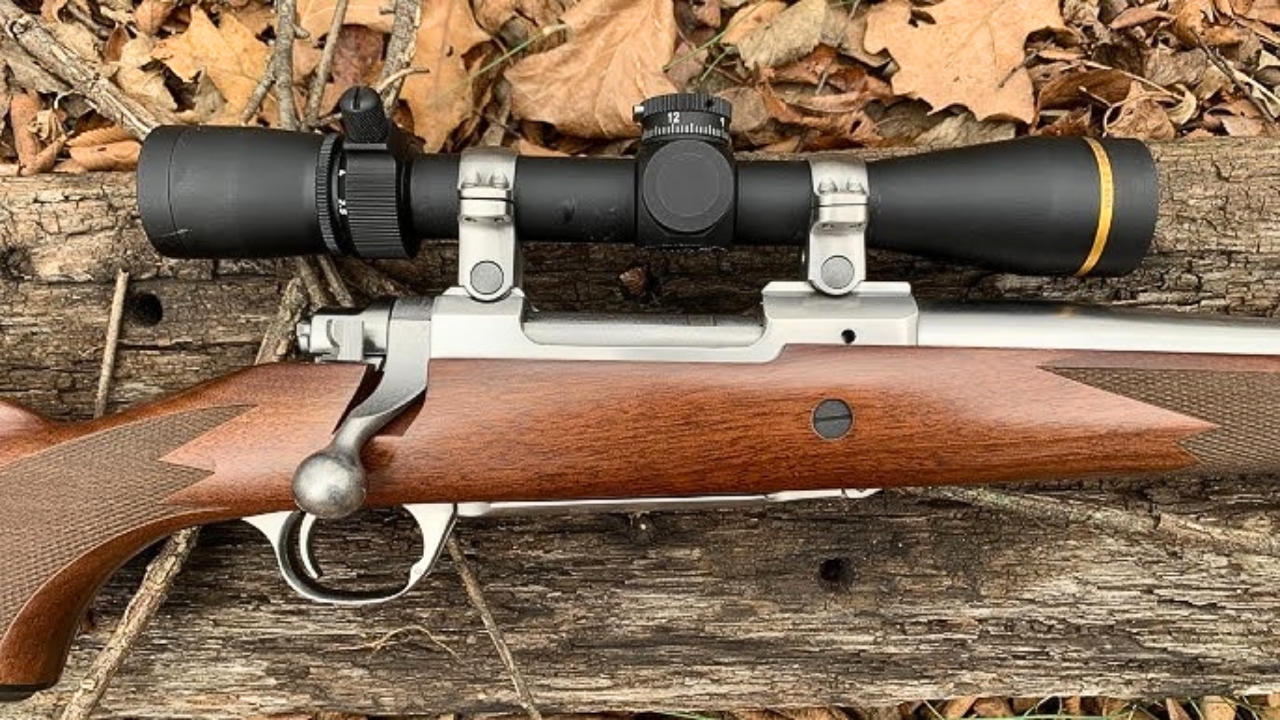
The Ruger M77 Hawkeye kept making practical buyers look smart because it did not care about being fashionable. It just kept being a sturdy, field-ready rifle with the sort of dependable build people expect from Ruger when Ruger gets a hunting rifle right. Buyers who chose one were usually not trying to impress anyone. They were trying to own a rifle they could trust without thinking too hard about it every season.
That choice tends to age well. While early adopters chased rifles with more launch-week energy, Hawkeye buyers ended up with something that kept showing up at camp and quietly holding its ground. The controlled-feed design, solid feel, and practical layout gave it real staying power. A lot of rifles sound exciting when they are new. Fewer still look like the better decision after ten years of actual hunting.
Howa 1500 Hogue Gamepro
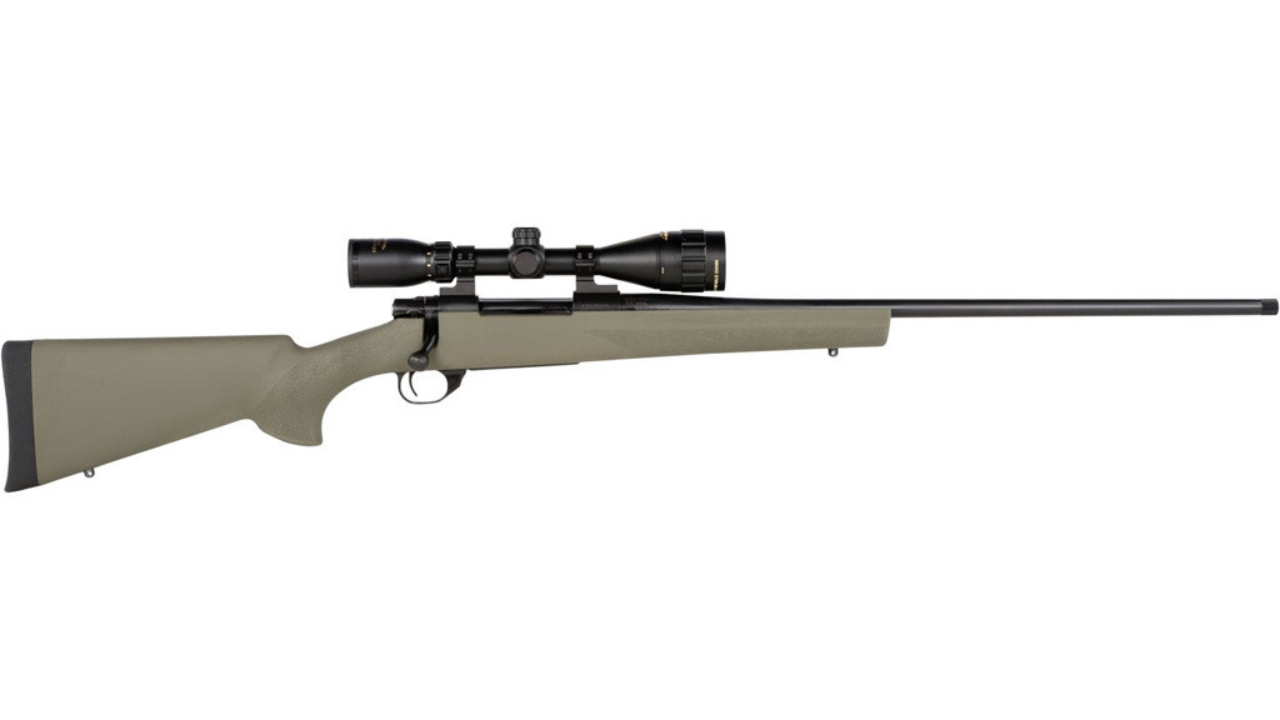
The Howa 1500 Hogue Gamepro made patient buyers look smart because it offered substance at a time when a lot of buyers were still getting distracted by shinier names. The action had a strong reputation, the accuracy was there, and the package made sense for somebody who wanted a usable rifle without pretending brand prestige was a substitute for performance. It was one of those buys that looked better the more you actually used it.
That is usually the mark of a smart practical choice. The Gamepro did not rely on hype or some dramatic identity. It just gave buyers a dependable hunting rifle that handled real conditions and kept the whole process simple. Meanwhile, early adopters often wound up paying more for rifles that did not actually do anything better in the field. That is a hard lesson, and Howa buyers usually learned the opposite one.
Winchester XPR
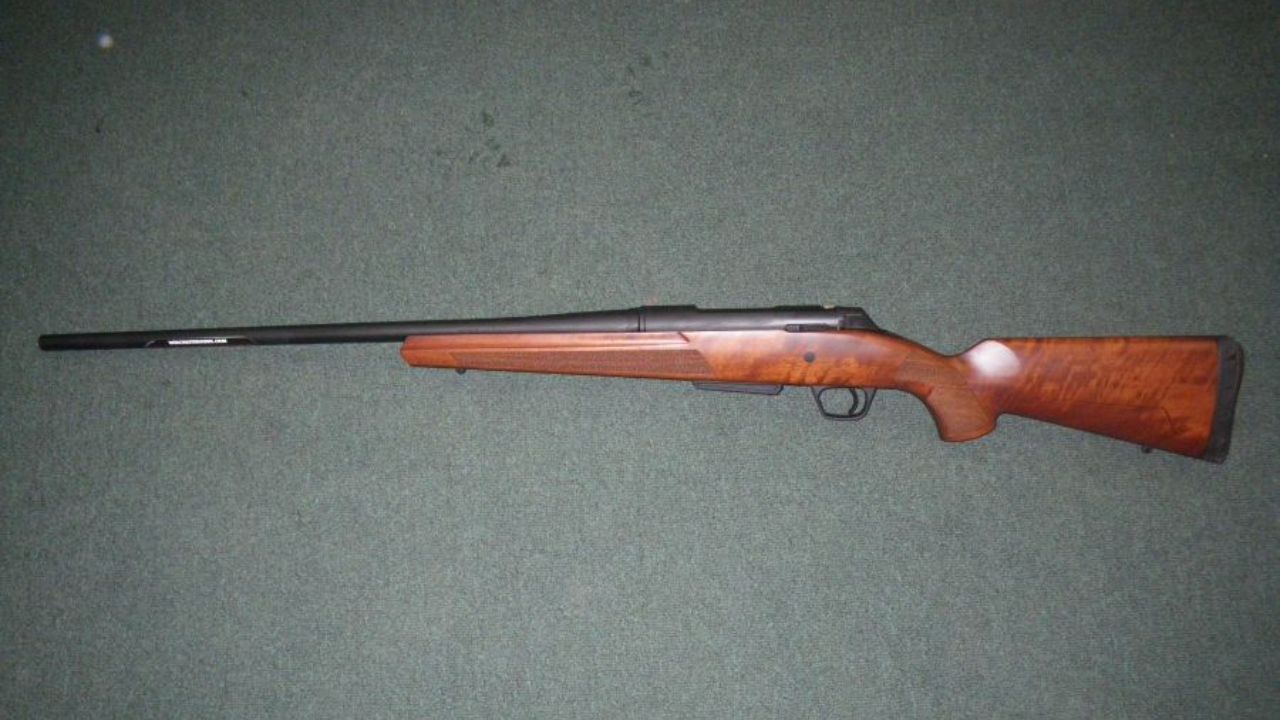
The Winchester XPR made a lot of practical buyers look smarter than early adopters because it ignored most of the nonsense and focused on being useful. It did not arrive with the same cultural weight as the Model 70, and it certainly did not trigger much collector emotion. But for buyers who wanted an accurate, durable, affordable rifle from a known name, it often delivered exactly what they needed without extra theatrics.
That kind of rifle tends to get underrated by people who shop for stories instead of outcomes. The XPR was never supposed to become some romantic camp legend. It was supposed to work, and it generally did. That gave practical buyers a real advantage. They got a rifle they could hunt with confidently while other people kept cycling through more exciting purchases trying to find the same satisfaction.
Sako 85 Hunter
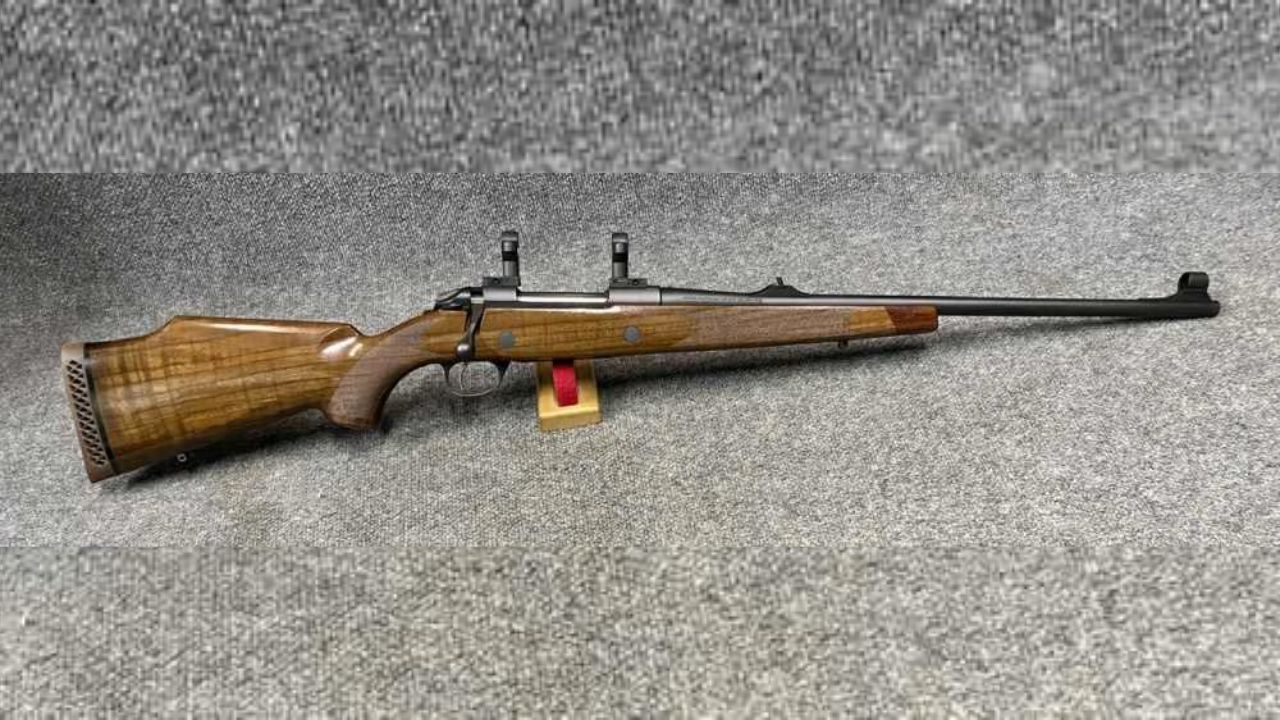
The Sako 85 Hunter made practical buyers look smart in a different way. It was not cheap, so this was not about bargain hunting. It was about spending real money once, on something with obvious quality, instead of bouncing between trendy rifles that never quite felt right. Buyers who chose a Sako were often paying for smoothness, balance, fit, and confidence rather than for temporary market excitement.
That tends to hold up over time. A rifle like the 85 Hunter reminds you that practical buying is not always about spending less. Sometimes it is about buying more carefully. Early adopters often burn money chasing the next answer. Sako buyers usually skipped that cycle and landed on something that kept feeling refined and trustworthy after the surrounding hype had already gone stale.
Mossberg Patriot Walnut

The Mossberg Patriot Walnut made practical buyers look smarter because it gave them a straightforward hunting rifle with traditional looks and enough real-world usefulness to matter, all without asking them to buy into some inflated identity. It was not a rifle people lined up to brag about, but it was one many owners ended up being quietly pleased with. That is often a better outcome anyway.
Practical buyers tend to understand that not every good rifle arrives with fanfare. Sometimes it is the rifle that shoulders naturally, shoots well enough, and does not punish your wallet that wins the long game. The Patriot Walnut fit that mold. While early adopters chased hotter names and newer concepts, this rifle kept being a calm, sensible choice that aged better than a lot of louder buys.
Browning BAR MK 3

The Browning BAR MK 3 made practical buyers look smarter because it filled a real hunting role that never disappeared, even when the market kept getting distracted by tactical styling and platform obsession. Buyers who wanted a serious semi-auto sporting rifle could still find one here, and that mattered. The BAR was never trying to win internet arguments. It was trying to hunt, cycle reliably, and give shooters quick follow-up capability in a package that still felt like a field gun.
That is a smart thing to buy when you actually know your needs. Early adopters often fall in love with category crossover rifles that do a little of everything and never feel quite right anywhere. BAR buyers usually understood exactly what they wanted. Because of that, they often ended up with a rifle that stayed useful while trendier rifles became clutter in the back of the safe.
Marlin 336 Classic
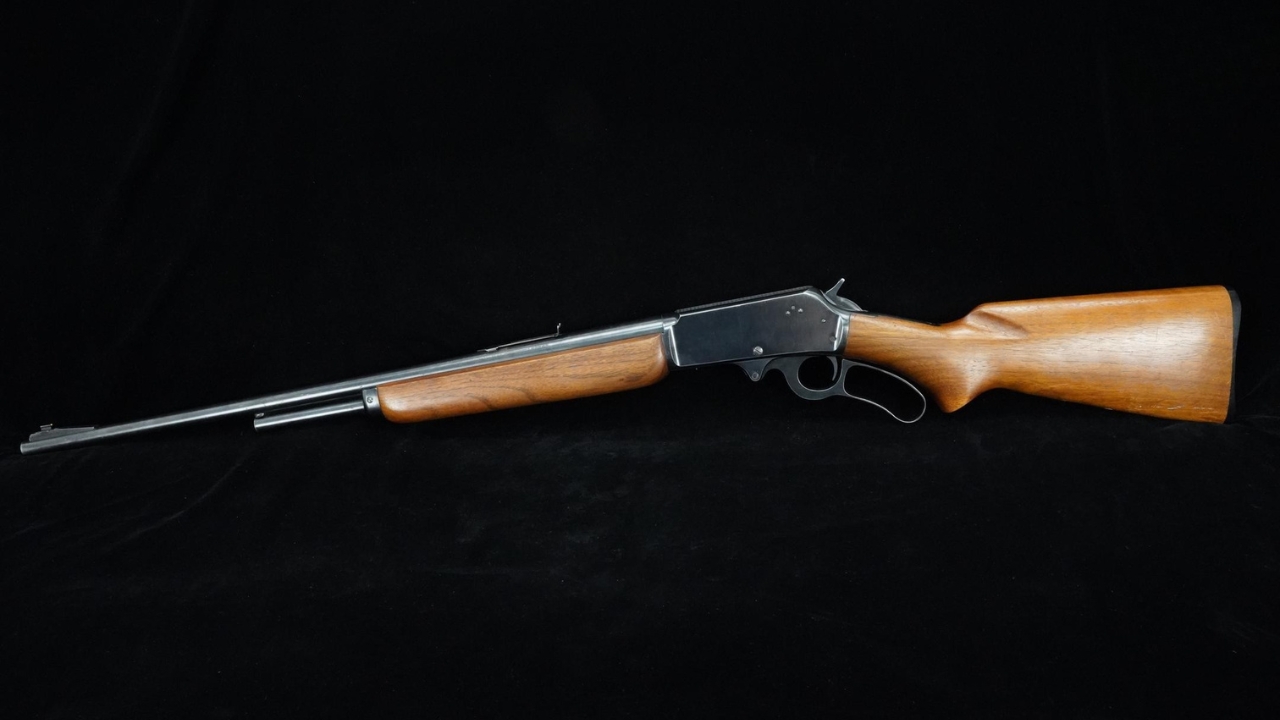
The Marlin 336 Classic made practical buyers look smart because it stayed matched to real hunting conditions instead of to marketing language. A lot of early adopters spent years chasing reach, rails, and capability they were never going to use in the timber. Meanwhile, practical buyers grabbed a 336 and took it where it actually belonged. The rifle handled well, came up fast, and kept making perfect sense in the woods.
That kind of fit matters more than raw hype. The 336 was never supposed to be a universal answer. It was a very good answer for the people and places it was built around. Buyers who understood that wound up looking a lot sharper than the guys who bought rifles based on internet fantasy and then spent deer season inside 125 yards anyway.
Kimber 84M Hunter
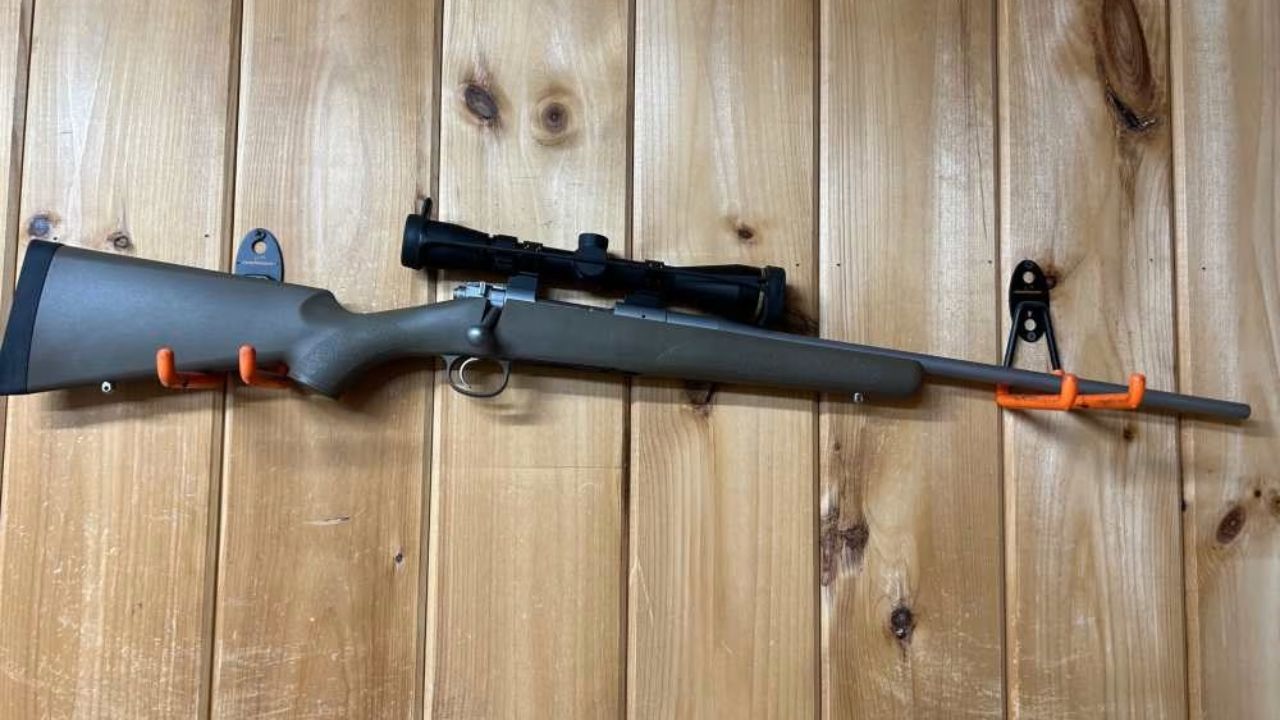
The Kimber 84M Hunter made practical buyers look smart because it delivered the kind of lightweight field utility that many early adopters chased in more complicated packages. It did not need to scream about innovation. It just needed to carry easily, point naturally, and give hunters a rifle they would not hate hauling up a ridge. For people who actually move with a rifle all day, that matters a lot more than flashy features.
Practical buyers saw that. They recognized a rifle built around carry comfort and hunting usefulness instead of one built to impress somebody leaning on a gun-counter display. The 84M Hunter kept proving that a smart rifle does not always need to be the loudest one on the market. It just needs to still feel like the right call when the hunt gets long and the climb gets steep.
Bergara B-14 Hunter

The Bergara B-14 Hunter made practical buyers look smart because it gave them a rifle that felt grounded from the start. Good barrel reputation, familiar action feel, sensible handling, and real hunting utility all helped it stand apart from trendier rifles that leaned harder on image than on long-term satisfaction. Buyers who picked one usually knew what they were after, and that helped them avoid some expensive distractions.
That is where the B-14 Hunter really shines in hindsight. It did not ask buyers to gamble on a concept. It offered a rifle that felt proven enough to trust and refined enough to enjoy. Early adopters often get stuck paying to test the newest idea. Practical buyers who chose something like the B-14 Hunter usually skipped that whole process and looked smarter for it a few seasons later.
Like The Avid Outdoorsman’s content? Subscribe to our newsletter so you never miss an article.
Here’s more from us: