Photo credit: Savage Arms
Few things are more frustrating than a rifle that won’t hold zero. You sight it in perfectly before season, confident you’re set, only to discover a few weeks later that your shots are wandering all over the target. The problem isn’t always the scope—it’s often the rifle itself. Whether it’s poor bedding, flimsy stocks, soft action screws, or weak scope bases, some rifles just can’t handle real hunting use. Bumps, weather, and recoil all expose flaws in rifles that look great at the counter but fall apart in the field.
If you’ve ever missed an easy shot because your zero mysteriously shifted, you know how maddening it can be. Some rifles are notorious for losing accuracy once the conditions change or the rifle takes a little abuse. Here are the ones that too many hunters have learned the hard way can’t stay consistent through a single season.
Thompson/Center Compass

The T/C Compass seemed like a solid budget rifle when it came out, but many owners found its accuracy slipping over time. The flexible stock and inconsistent torque on the action screws caused noticeable shifts in zero. Even small bumps or sling tension could alter the rifle’s point of impact.
Its rotary magazine system also introduced pressure on the bottom of the action, which affected how it settled in the stock. That might not sound like much, but over a few hunts, it adds up to serious inconsistencies. Add in its lightweight design and minimal bedding, and it’s a recipe for frustration. Hunters who glass and hike a lot quickly learned that the Compass needed constant re-zeroing to stay accurate.
Marlin X7

Before Marlin shut down production, the X7 developed a mixed reputation. It shot well when new, but accuracy and zero retention degraded with use. The main issue was its stock bedding system and recoil lug fit—neither offered enough rigidity to keep the action stable. That movement, combined with the rifle’s light contour barrel, caused groups to shift with temperature and handling.
Hunters who carried it through a season often found their cold-bore shots landing far from where they’d zeroed in warm weather. Even swapping scopes didn’t fix the wandering zero. It was a lightweight, affordable rifle, but it lacked the structure needed for consistency in the field. While some shooters bedded the action to improve performance, out of the box it wasn’t built for long-term reliability.
Savage Model 110 (Budget Variants)

Older and budget variants of the Savage 110 can be hit or miss when it comes to holding zero. The action design itself is solid, but the lower-tier synthetic stocks are notorious for flexing. Combine that with inconsistent bedding and loose scope bases from the factory, and you’ve got a rifle that drifts under real-world use.
The 110’s floating bolt head design helps accuracy, but when the stock moves, that benefit disappears. Some hunters report having to re-zero after every trip, especially when temperature or humidity shifts dramatically. It’s a rifle that needs aftermarket support—better bedding, stiffer stocks, and quality mounts—to stay stable. Without those upgrades, it’s not dependable through an entire hunting season.
Remington 710

The Remington 710 is one of those rifles that looks better on paper than it performs in the field. Built to be budget-friendly, it suffers from poor materials and inconsistent fit. The synthetic stock flexes under torque, and the bolt design allows for slight play in lockup. Those factors combine to make the rifle lose zero quickly under recoil or rough handling.
Hunters frequently complained of scopes losing alignment, but it’s often the rifle shifting underneath. The integral scope bases were another weak point—they loosen or shift slightly over time, especially with heavier calibers. Even meticulous cleaning and re-torquing can’t completely stabilize it. If you want a rifle that holds zero through a season of bumps, moisture, and cold mornings, the 710 won’t do it.
Browning A-Bolt III
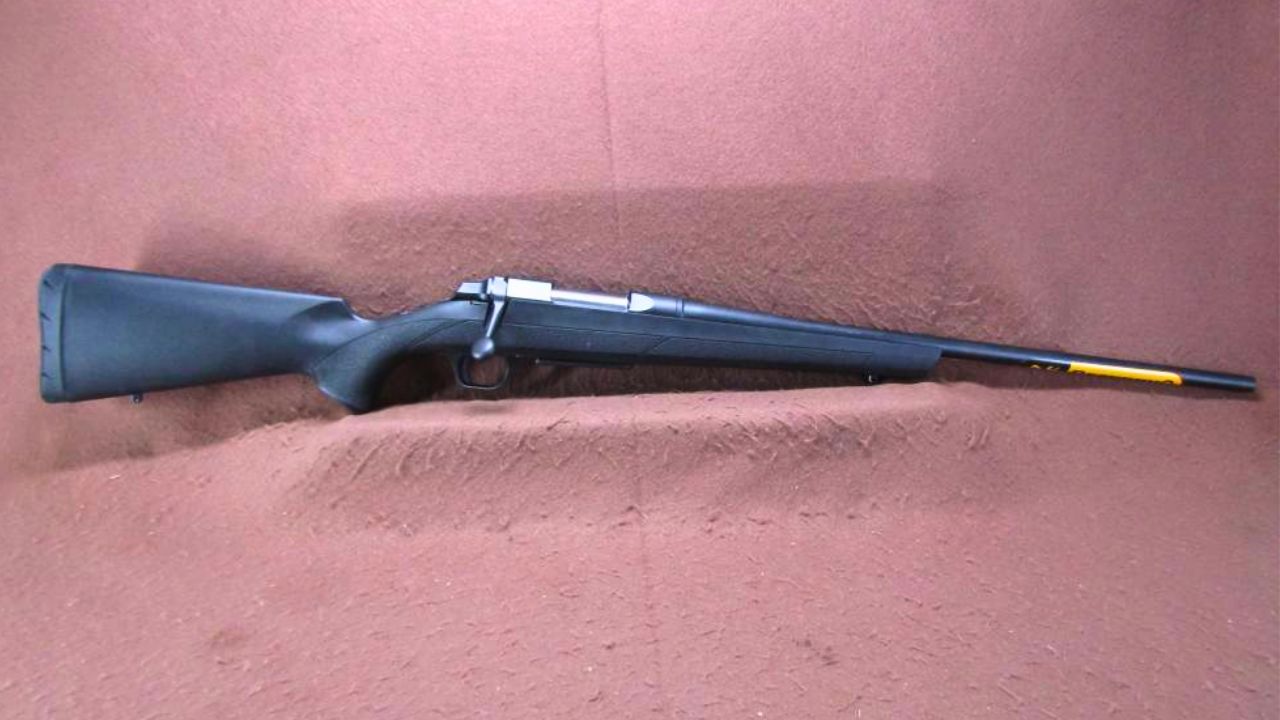
The Browning A-Bolt III brought affordability to Browning’s lineup, but it came with compromises. The rifle’s bedding system relies on molded plastic surfaces that wear and flex. After repeated firing and temperature changes, point of impact often drifts. The lightweight stock and action fit contribute to instability under recoil.
Hunters have also noted that the scope bases and screws tend to loosen faster than expected. When you combine that with Browning’s tight factory torque settings, small shifts create big misses. It’s an accurate rifle out of the box, but it’s not durable enough to maintain that zero for a full season without regular attention. The A-Bolt III isn’t a bad rifle—but it’s not built for long-term abuse.
Weatherby Vanguard Synthetic

The Weatherby Vanguard Synthetic offers smooth action and solid accuracy early on, but the injection-molded stock can’t hold up under field stress. The recoil lug fit isn’t tight enough to prevent small movements, and the stock compresses slightly over time, especially when wet.
After a few hunts in varying weather, you’ll notice impacts shifting an inch or more. The problem isn’t the barrel or trigger—it’s the cheap stock. Upgrading to a pillar-bedded composite or fiberglass stock usually solves it, but from the factory, the rifle can’t maintain consistent zero through a rugged season. For hunters in changing climates, this becomes a real issue.
Winchester XPR

The Winchester XPR has solid accuracy potential, but it’s plagued by inconsistent bedding and action screw torque from the factory. Those issues lead to gradual zero drift after repeated firing or travel. The lightweight stock also tends to flex when shooting off a bipod or with a tight sling.
While it’s an affordable entry into the Winchester name, it doesn’t handle moisture and temperature variation well. Hunters who sight in during summer often find their zero off by several inches when fall arrives. With proper bedding work, it can be corrected, but stock rifles rarely stay consistent through a demanding season.
Remington Model Seven

The Remington Model Seven was designed as a lightweight, quick-handling rifle—but that lightness comes at a price. The shorter barrel and thin stock make it prone to shifts in zero when conditions change or the rifle’s bumped around. The minimal bedding and small recoil lug can’t hold things as firmly as needed for long-term accuracy.
While many love its compact feel, serious hunters know it’s not a rifle you can neglect. Even a minor stock screw adjustment or sling tension can alter point of impact. It’s accurate in calm, consistent conditions but unreliable across a season of real use. For hunters who hike long distances, the convenience doesn’t outweigh the frustration of chasing your zero.
Tikka T3 Lite (Early Models)

Tikka rifles are generally excellent, but early T3 Lite models sometimes suffered from wandering zero due to the extremely flexible stock. The polymer construction was too thin around the fore-end, and any pressure from shooting rests or slings could change the barrel’s alignment slightly.
At the range, you might not notice, but in hunting positions, point of impact could shift several inches. Tikka later reinforced the stock design, and modern versions are much more stable. Still, those early models caused plenty of headaches for mountain hunters who couldn’t understand why their tack-driving rifle suddenly missed. The action and barrel are top-tier—the stock was the weak link that made them unreliable over a full season.
Ruger Hawkeye Ultra Light

The Ruger Hawkeye Ultra Light was designed for carrying comfort, but its reduced weight makes it sensitive to everything—torque, recoil, and weather. The thin barrel heats quickly and cools unevenly, causing point-of-impact shifts that become noticeable during extended shooting or temperature swings.
Hunters love its balance and feel but often complain about accuracy drifting over time. The bedding system and action screws need frequent checking, especially after rough travel or hard recoil. It’s a fine rifle for those who shoot minimally, but if you’re sighting in, practicing, and hunting all season long, expect to chase your zero at least once. It’s the cost of shaving ounces in a rifle that’s otherwise well-made.
Remington 770
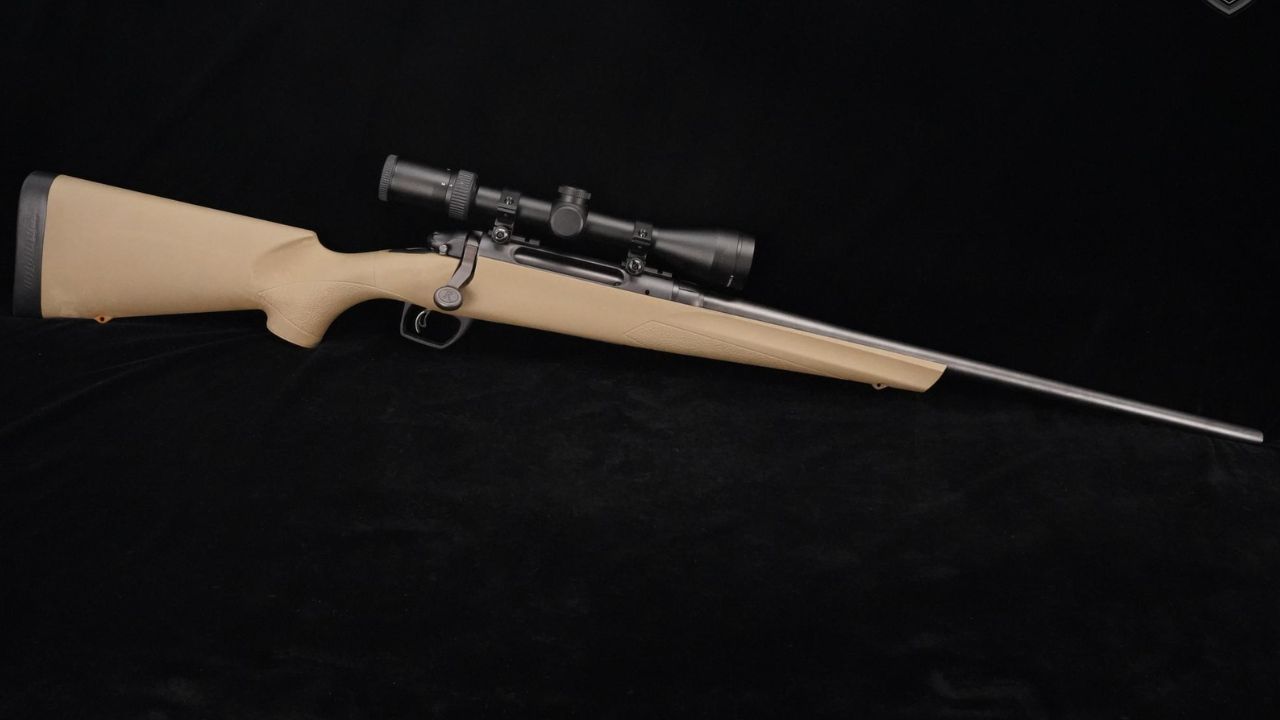
The Remington 770 has earned a rough reputation for a reason. Its injection-molded stock and loose action bedding mean it rarely maintains consistent accuracy. After a few boxes of ammo or a bumpy ride in the truck, point of impact starts drifting. Hunters often blame the scope, but the problem lies in the rifle’s poor construction and inconsistent barrel fit.
The soft plastic stock flexes easily, especially under sling tension or bipod pressure. That movement alone can throw off your zero by inches. Combine that with cheap scope bases and inconsistent torque on the action screws, and it’s no surprise accuracy falls apart over time. Even careful maintenance can’t fully solve the underlying issues. For a rifle meant to be budget-friendly, it ends up costing you more in wasted ammo and missed shots.
Savage Axis

The Savage Axis is affordable, accurate—temporarily. Many hunters find their Axis rifles lose zero after a few outings. The main culprit is the flimsy synthetic stock, which flexes under pressure or changes with temperature and humidity. The bedding system is minimal, and that movement translates directly into shifting impacts.
While the barrel and trigger are decent for the price, the lightweight build doesn’t handle repeated recoil well. If you torque your scope rings or action screws even slightly unevenly, accuracy falls apart faster than you’d expect. Some hunters bed the action or upgrade the stock to fix it, but out of the box, it’s unreliable through a full season of hard use. The Axis may shoot tight groups at first, but consistency fades as soon as real conditions come into play.
Mossberg Patriot

The Mossberg Patriot has a lot of appeal at first glance—nice stock lines, smooth bolt, decent accuracy at the range. But it struggles to keep zero after a few hunts. The main issue is the stock-to-action fit and the soft bedding surfaces that compress over time. Once that happens, your zero drifts every time the rifle’s handled roughly or exposed to temperature swings.
Hunters often notice their shots walking an inch or two after a few range sessions. The factory scope mounts and screws also loosen easily unless properly cleaned and torqued. In dry conditions, it might hang on, but add a little moisture or rough travel in a truck, and your zero starts to wander. The Patriot can work well for casual shooters, but for anyone chasing elk or deer season after season, it’s not built for that kind of reliability.
Ruger American Rifle (First Generation)

The first-generation Ruger American gained popularity for its accuracy per dollar, but it wasn’t immune to zero problems. The early synthetic stocks were extremely flexible, and combined with the V-block bedding system, the rifle often shifted point of impact when sling pressure or bipods were used. Even a light bump could change how the barrel floated.
Hunters reported excellent accuracy at the range and frustration after field use. Once you introduce cold weather, vibration, and real handling, groups start drifting. Ruger fixed many of these issues with later versions, especially the American Ranch and Hunter models, but those early rifles struggled to hold consistency through a season. You could make it work with bedding and Loctite, but straight out of the box, it wasn’t a rifle you could trust long-term in the mountains or woods.
*This article was developed with AI-powered tools and has been carefully reviewed by our editors.