Photo credit: Springfield Armory
The Springfield Echelon was not a small update. It was Springfield stepping into the modern duty-pistol fight with a handgun that clearly aimed at the big names in striker-fired 9mm pistols. Springfield already had the XD, XD-M, Hellcat, and 1911 worlds covered in different ways, but the Echelon gave the company something different: a modular, optics-forward, duty-size pistol built around a removable serialized chassis.
That mattered because the modern handgun market had moved on from simply asking, “Does it go bang?” Shooters wanted better optics mounting, better ergonomics, better controls, easy customization, stronger factory sights, and a platform that could grow. Springfield describes the Echelon as built around its Central Operating Group, a self-contained serialized stainless steel chassis, along with a Variable Interface System designed for direct mounting a wide range of optics.
1. It Gave Springfield a True Modern Duty Pistol
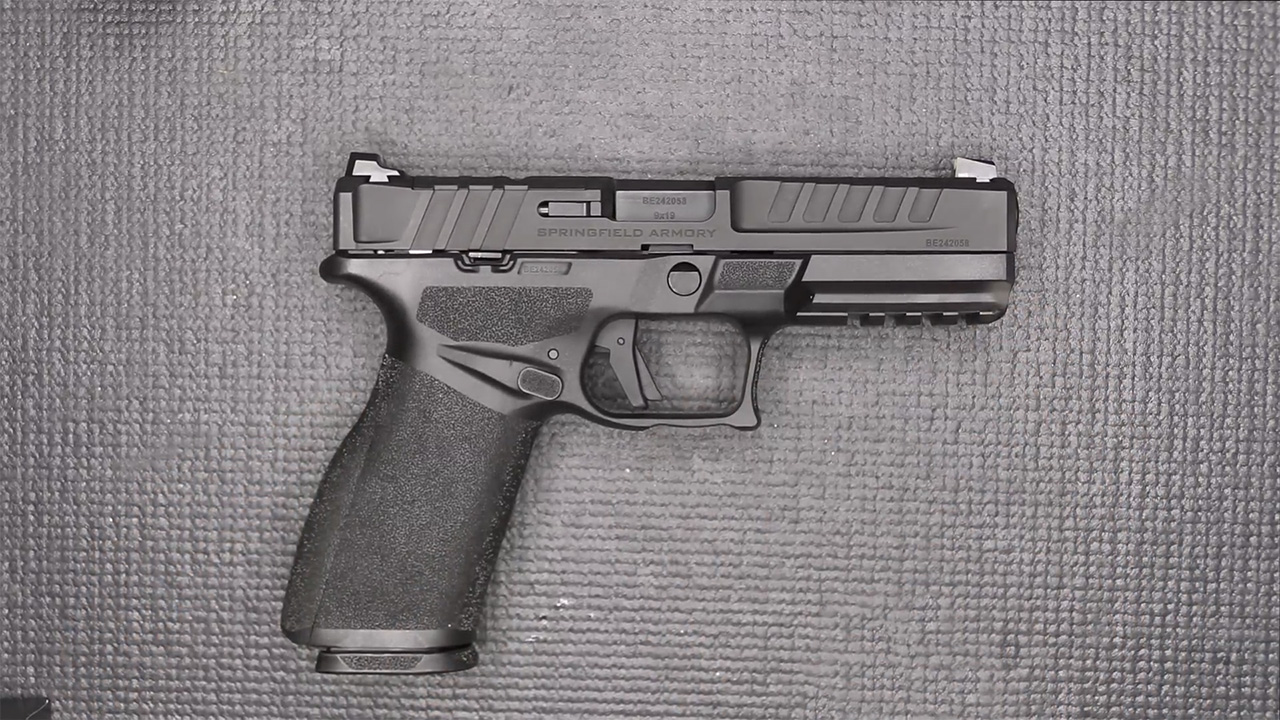
Springfield had plenty of handguns before the Echelon, but the Echelon felt like a direct answer to the current duty-pistol market. It was not a tiny carry gun. It was not a classic 1911. It was not simply another XD variant. It was a full-size, striker-fired 9mm designed to compete with guns like the Glock 17, SIG P320, Walther PDP, Smith & Wesson M&P, and HK VP9.
That changed Springfield’s lineup because it gave the company a fresh flagship in the modern service-pistol lane. The Echelon 4.5F uses a 4.5-inch barrel and standard 17-round magazine with an extended 20-round magazine option, which put it right where serious duty and defensive pistol buyers were already shopping.
2. The Central Operating Group Changed the Whole Platform

The Echelon’s Central Operating Group is the biggest structural change. Instead of making the polymer grip frame the serialized firearm, Springfield built the pistol around a self-contained serialized chassis. Springfield says the Central Operating Group is stainless steel and provides the foundation for modular performance.
That matters because it gives the Echelon room to grow. Grip modules, sizes, and configurations can change around the serialized core. That pushes Springfield closer to the modular pistol world that SIG helped popularize with the P320. It also made the Echelon feel more forward-looking than older Springfield polymer pistols that were tied more tightly to one frame setup.
3. It Moved Springfield Beyond the XD Conversation

For years, Springfield’s striker-fired identity was heavily tied to the XD and XD-M lines. Those guns had their fans, but they also carried baggage in a market that kept getting more crowded. The Echelon gave Springfield a clean break from that conversation.
That was important. The Echelon did not feel like Springfield trying to stretch the XD line one more time. It felt like a new platform with a different philosophy. Better optics mounting, modularity, ambidextrous controls, and more aggressive duty-pistol features helped Springfield reset how shooters talked about its striker-fired guns.
4. The Optics Mounting System Was a Serious Move
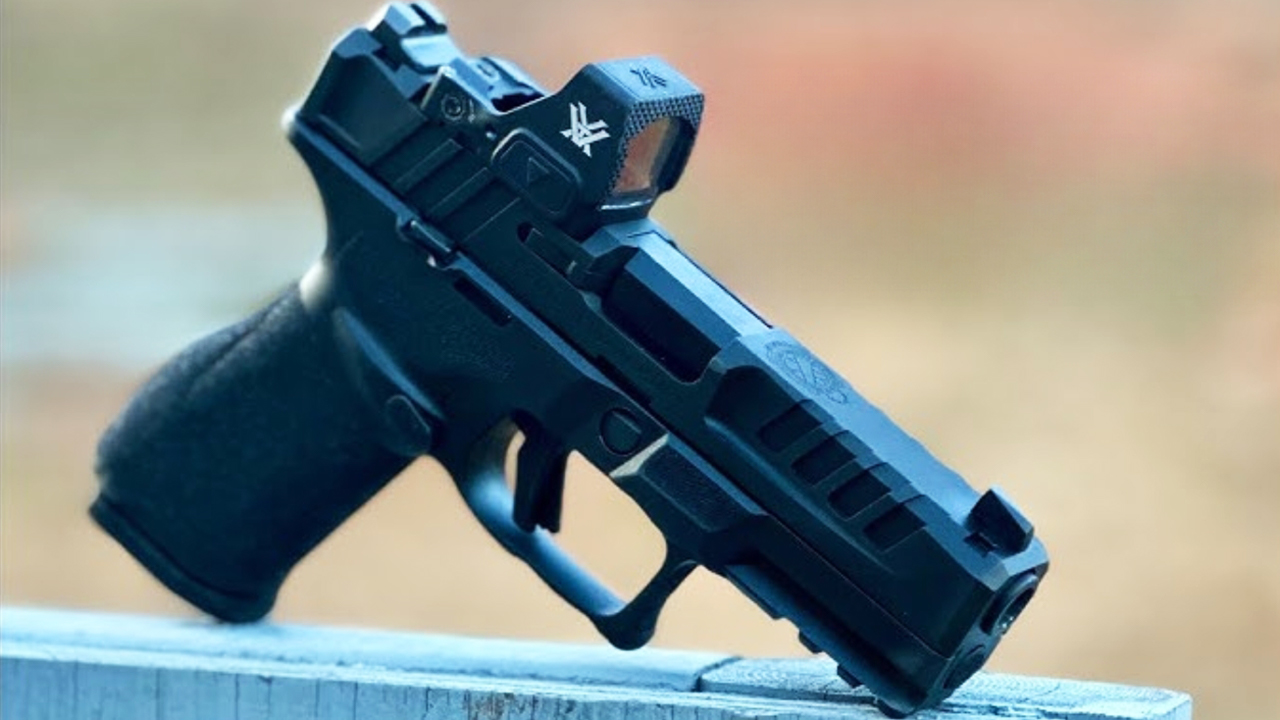
One of the Echelon’s strongest features is the Variable Interface System. Springfield describes it as a mounting system that allows direct-mount compatibility with a wide range of leading optics. That matters because optics-ready pistols are everywhere now, but not all optics systems are equal.
A lot of pistols rely on adapter plates that add height, screws, parts, and possible weak points. The Echelon’s system was built to give shooters more direct-mount options without making them hunt down a different plate for every optic. That made Springfield look more serious in a market where pistol optics are no longer a side trend.
5. It Came With Better Factory Sights Than Many Expected
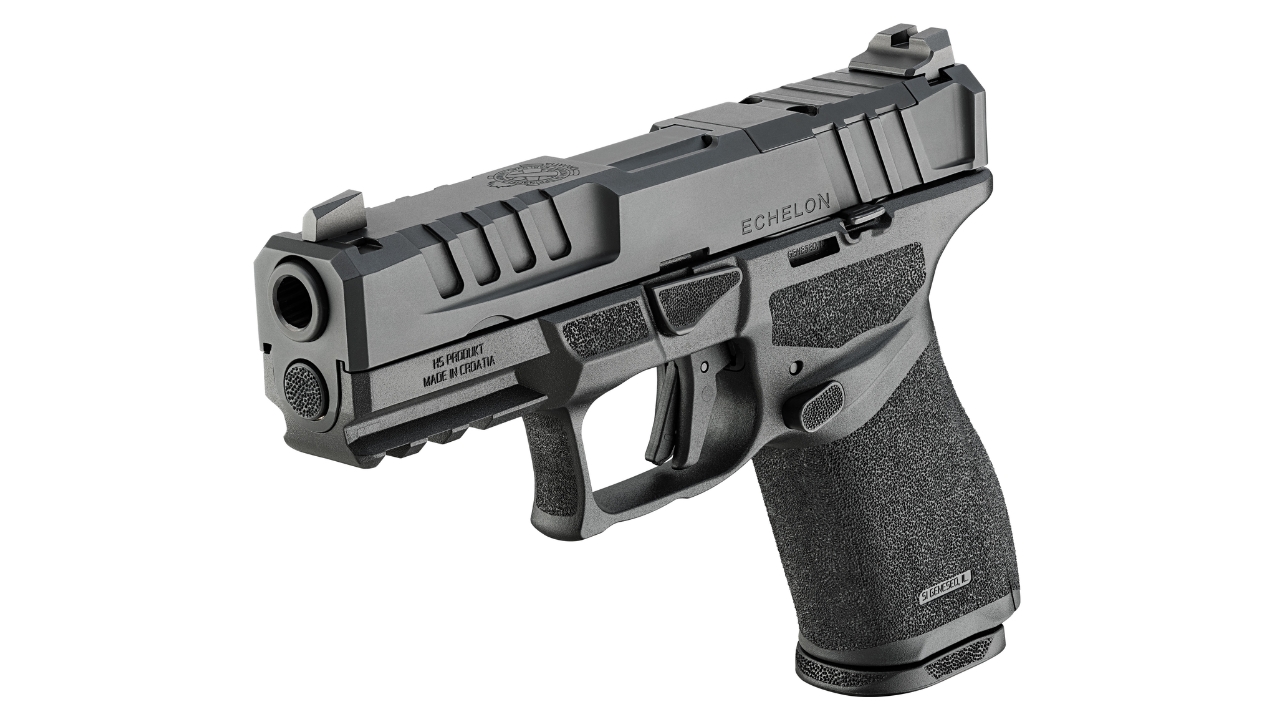
The Echelon did not show up with throwaway sights that begged to be replaced immediately. Springfield lists the Echelon with a tritium-powered U-Dot sight picture, and that gave the pistol a useful factory setup before the buyer added an optic.
That matters because duty and carry pistols need sights that work in real light conditions. A visible front sight, clean rear notch, and optic-ready slide make the gun useful with or without a dot. Springfield helped itself by not treating irons as an afterthought.
6. It Took Ambidextrous Controls Seriously
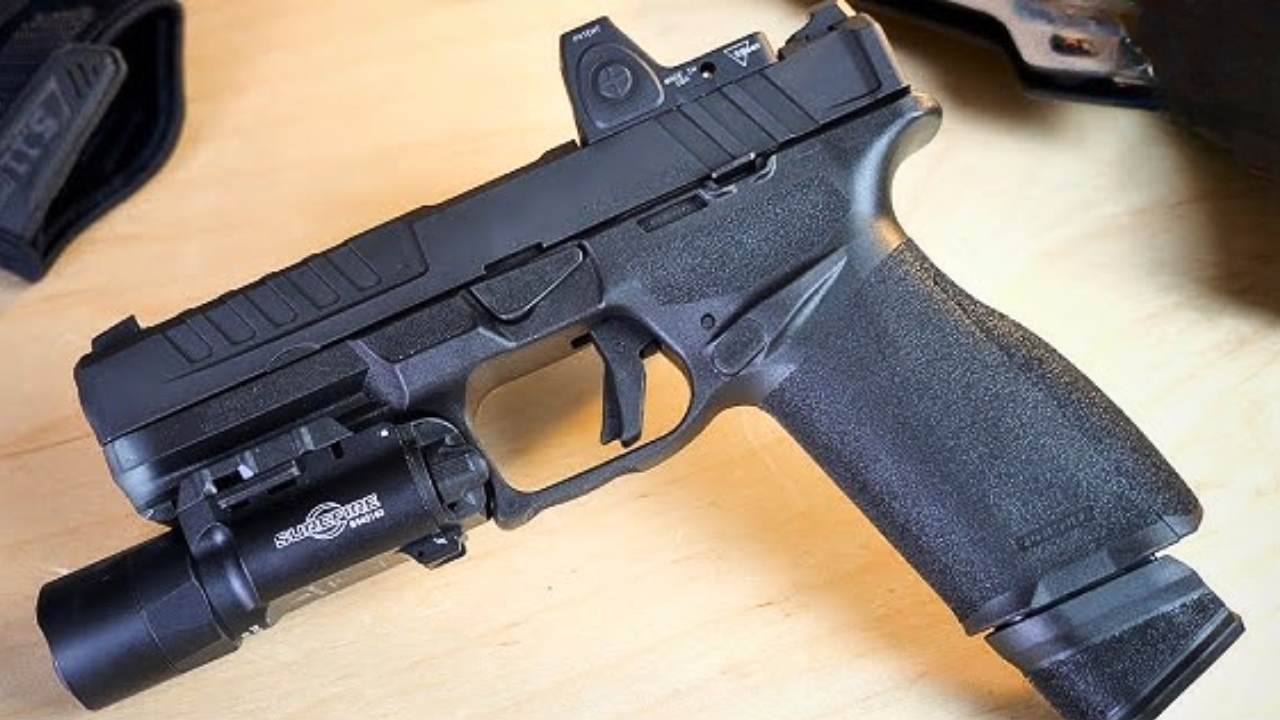
The Echelon gave Springfield a pistol that worked better for more shooters right out of the box. Fully ambidextrous slide stops and a reversible-style magazine release setup made the gun easier for left-handed shooters and for right-handed shooters who use support-hand manipulations.
That is a bigger deal than some people think. Modern duty pistols are expected to work across agencies, training environments, and different hand sizes. Controls that only really suit one kind of shooter feel dated fast. The Echelon helped Springfield look current by making ambidextrous use part of the design instead of an aftermarket workaround.
7. It Made Ergonomics a Bigger Part of Springfield’s Pitch
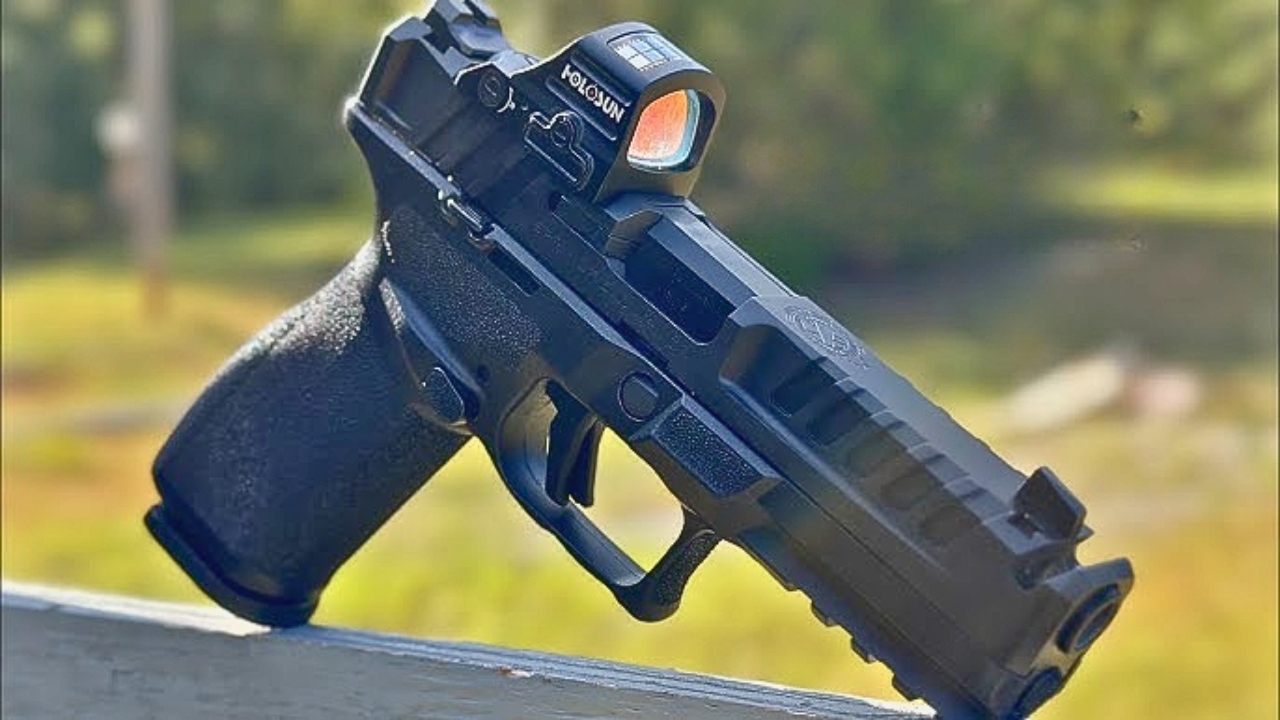
Springfield clearly wanted the Echelon to feel better in the hand than people might expect from a duty-size polymer pistol. The grip texture, interchangeable backstraps, undercut, and overall frame shape all helped the pistol feel more refined than a plain blocky service gun.
That mattered for Springfield because the handgun market has gotten picky. Shooters no longer accept bad grip shape just because a pistol is reliable. The Echelon gave Springfield a gun that could compete on feel, not only function. In a world full of good striker-fired 9mms, that matters.
8. It Gave Springfield a Better Trigger Story
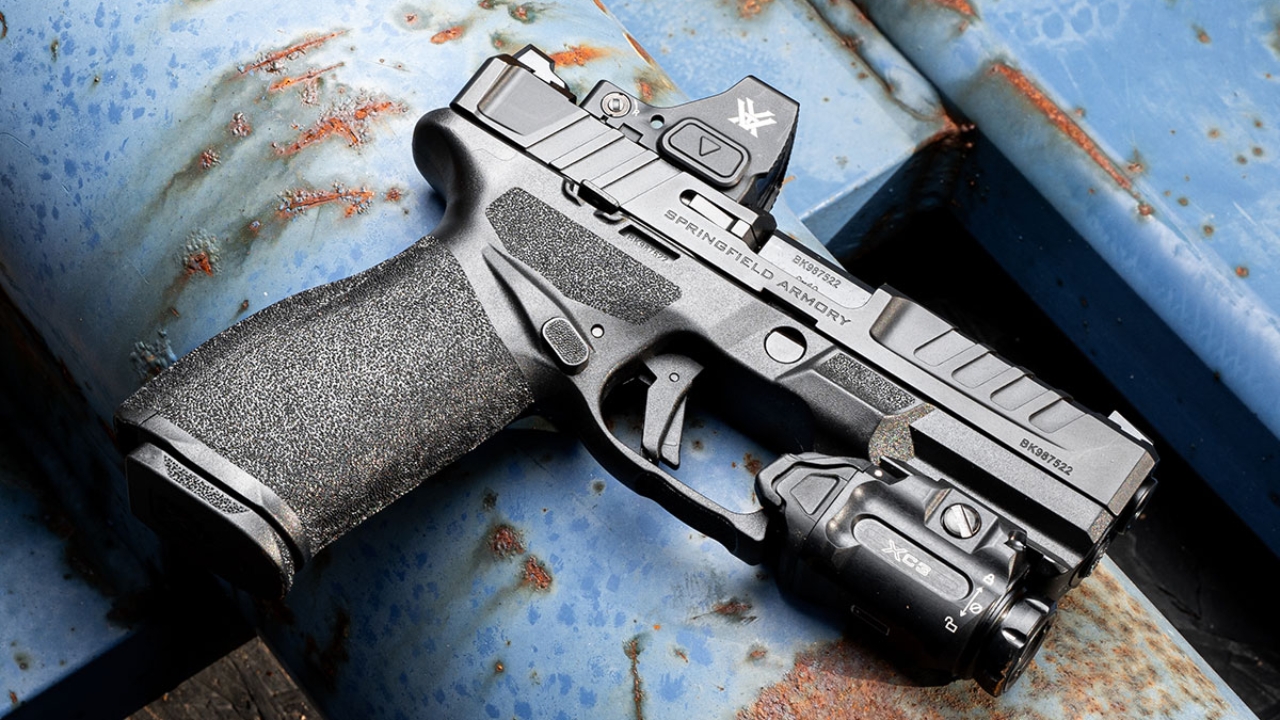
Springfield leaned hard into the Echelon’s trigger, and for good reason. The company says the trigger components are contained within the Central Operating Group, with critical components machined from tool steel and polished for clean take-up, a defined wall, crisp break, and short positive reset.
That gave Springfield a stronger answer to one of the biggest striker-fired complaints. A duty pistol trigger does not need to feel like a match 1911, but it does need to be predictable and clean enough for confident shooting. The Echelon helped Springfield move away from the old assumption that its striker-fired triggers were merely acceptable.
9. It Made Toolless Field Stripping a Safety Feature
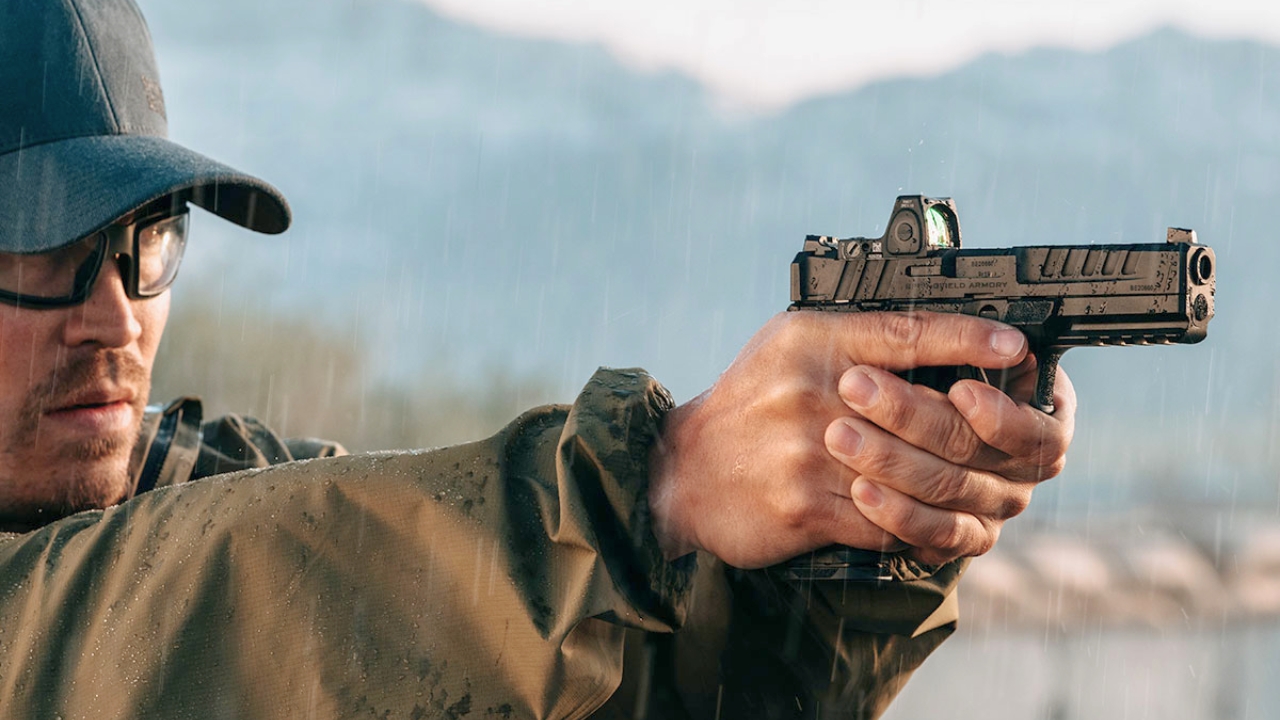
Springfield designed the Echelon so field stripping does not require pulling the trigger. The company also says the Central Operating Group includes a second sear design intended to help prevent unintentional discharge if the firearm is dropped, and that the pistol was tested beyond SAAMI drop-test parameters.
That matters because safe disassembly has become part of modern pistol design conversations. Plenty of shooters are comfortable pulling the trigger during takedown on other guns, but removing that step is still a selling point. Springfield used the Echelon to show it was paying attention to safety, not only features.
10. It Gave Springfield a Platform That Could Expand

The Echelon line has already grown beyond the original full-size pistol. Springfield now lists the Echelon series in multiple size configurations, including the compact 4.0C, the 4.0FC with a compact slide and full-size grip, and the full-size 4.5F.
That is exactly what Springfield needed. A modern handgun line cannot stay locked into one model and expect to dominate. Shooters want compact, full-size, compensated, threaded, optics-ready, and duty-focused variations. The Echelon gave Springfield a core system that could spread into those lanes without starting from scratch each time.
11. The 4.0FC Showed Springfield Was Thinking Like a Platform Company
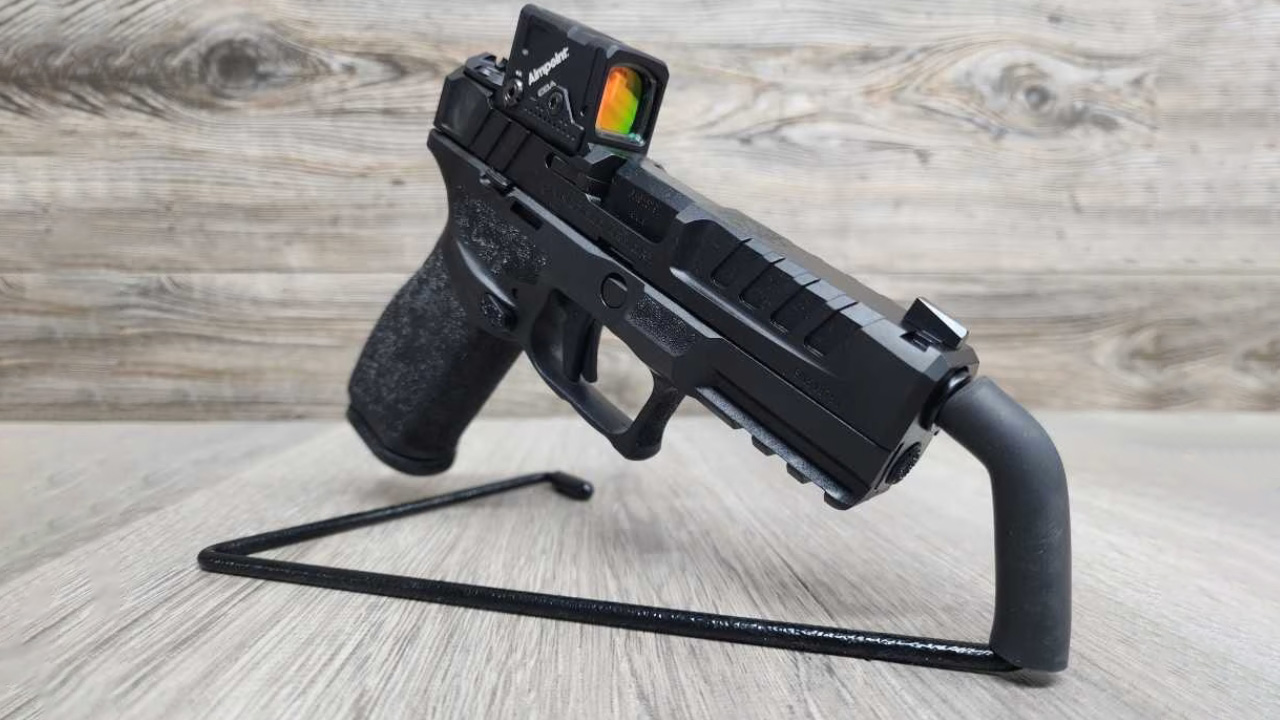
The Echelon 4.0FC is a good example of why the platform matters. Springfield describes it as pairing a 4-inch barrel and compact slide assembly with a full-length grip, while keeping the Central Operating Group and Variable Interface System.
That format makes sense for shooters who want a slightly shorter slide without giving up full-size grip control and capacity. It also shows Springfield is thinking in mix-and-match configurations instead of only traditional full-size and compact categories. That is the kind of platform thinking buyers increasingly expect.
12. It Helped Springfield Compete With the SIG P320 Concept
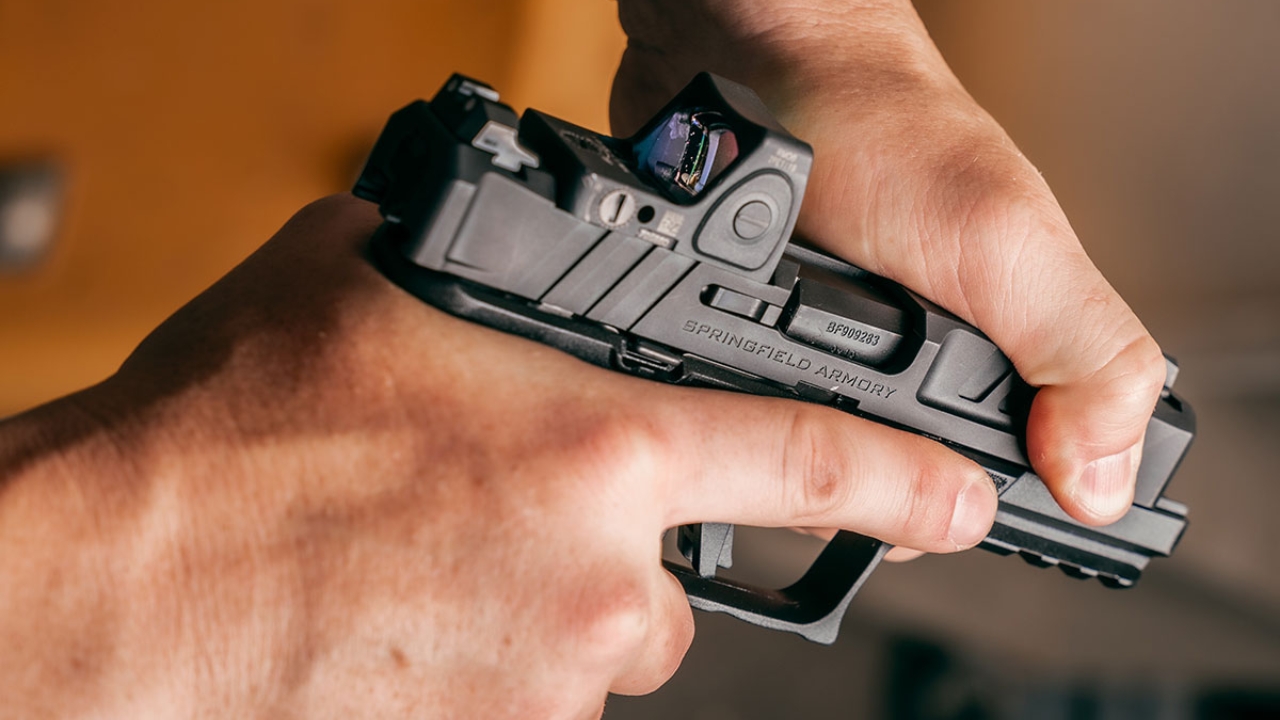
The Echelon’s serialized chassis naturally invites comparison to the SIG P320. That is not a bad thing. The P320 made modularity a major handgun selling point, and the Echelon gave Springfield its own answer with the Central Operating Group.
The important part is that Springfield did not simply copy the idea and stop there. The Echelon paired modularity with a strong optics system, good factory sights, ambidextrous controls, and a duty-size package. That gave Springfield a serious entry in the same conversation instead of leaving the modular pistol market mostly to other brands.
13. It Made Springfield Look More Competitive for Agencies
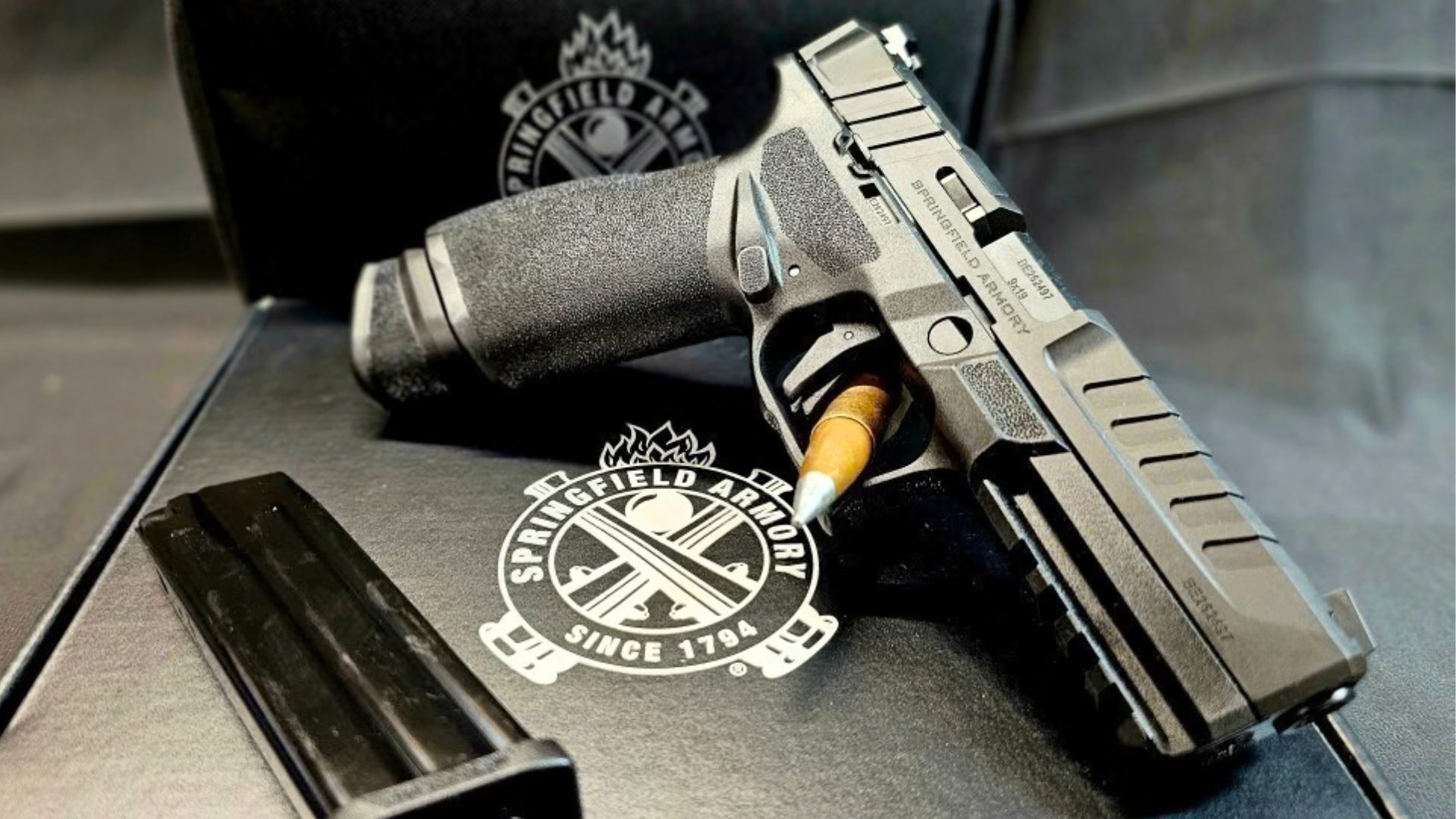
A modern duty pistol needs more than a familiar name. Agencies and serious defensive users are looking at optics support, durability, drop safety, left-handed compatibility, maintenance, magazines, and how well a platform can serve different roles. The Echelon gave Springfield a gun that could speak that language.
That is why the Echelon felt like more than a commercial range pistol. It was clearly built with duty-style expectations in mind. The serialized chassis, direct-mount optics system, capacity, ambidextrous controls, and safety testing all made it easier to imagine the Echelon in holsters outside the civilian market.
14. It Made Springfield’s Lineup Feel Less Scattered

Before the Echelon, Springfield’s handgun lineup had strong pieces, but they lived in very different worlds. The Hellcat covered concealed carry. The 1911s and SA-35 covered classic metal-gun appeal. The XD family covered striker-fired polymer pistols but carried older identity baggage. The Echelon helped tie Springfield to the current duty-pistol moment.
That gave the company a clearer top-end striker-fired identity. Instead of leaning only on older platforms and small carry guns, Springfield had a modern flagship that could headline the polymer lineup. That matters for brand perception. The Echelon made Springfield feel more current.
15. It Raised Expectations for What Springfield Does Next
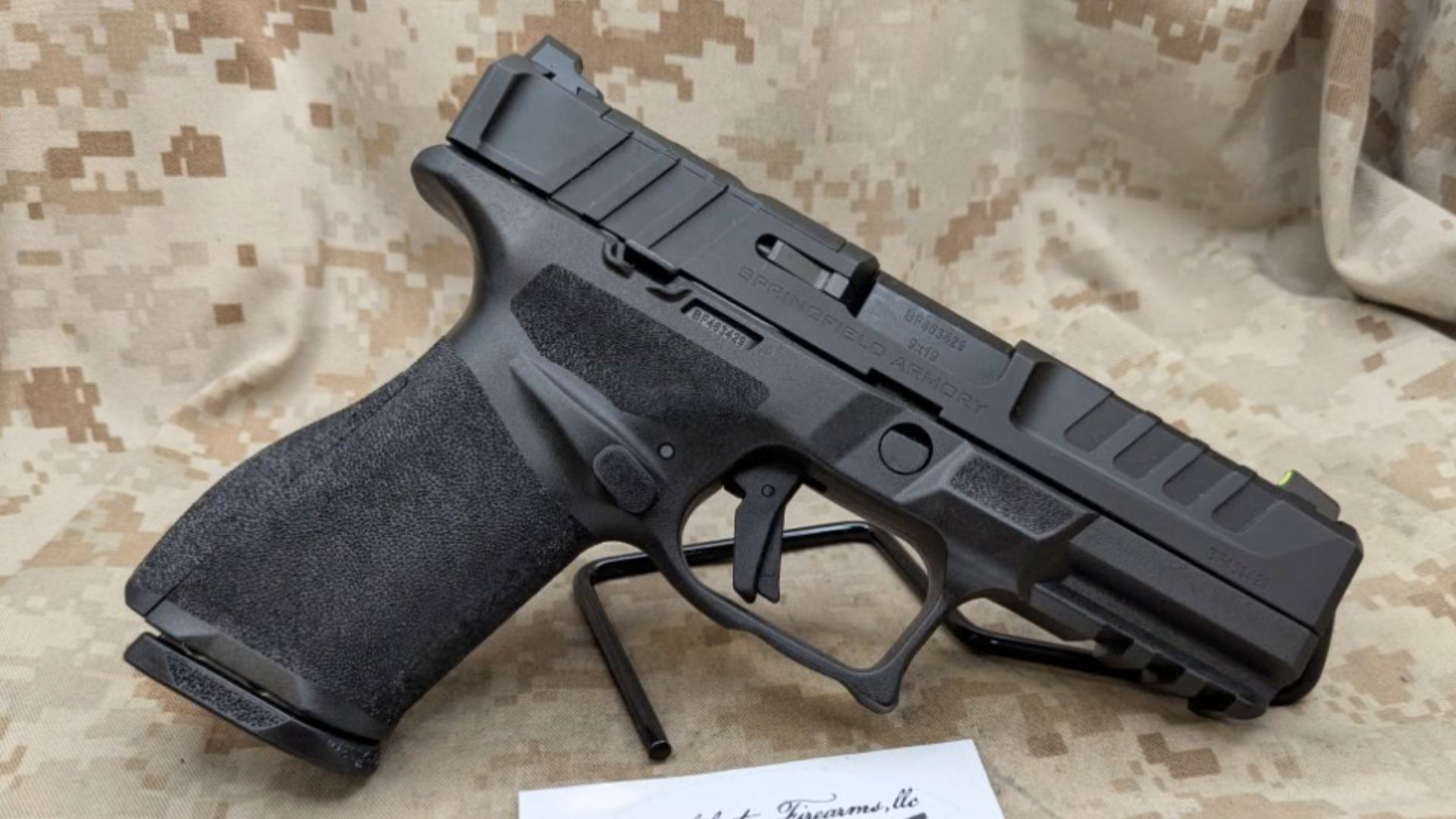
The biggest way the Echelon shook up Springfield’s handgun line is that it raised the bar. Once a company releases a pistol with a serialized chassis, strong optics system, ambidextrous controls, good sights, modular grip potential, and multiple size paths, buyers expect the rest of the lineup to keep moving.
That is a good problem for Springfield. The Echelon made shooters pay attention again in a crowded striker-fired market. It showed that Springfield could build something modern from the ground up instead of only improving older ideas. Now the question is how far the company will push the platform, because the Echelon gave it room to do a lot more.
Like The Avid Outdoorsman’s content? Be sure to follow us.
Here’s more from us: