Photo credit: Nomad_Soul/Shutterstock.com
Every rifle on the market comes with a price tag that suggests something about its quality. You’d expect that spending more money means tighter groups, better triggers, and reliability you can count on in the field. But the truth is, some rifles don’t live up to the numbers printed on the tag. Hunters and shooters often discover too late that their expensive new gun performs no better—or sometimes worse—than rifles that cost half as much.
Overpriced rifles can show their flaws in different ways. Some carry fancy wood stocks or polished finishes that mask poor accuracy. Others are saddled with heavy triggers, rough actions, or barrels that scatter shots no matter what ammo you feed them. A rifle can look premium in the safe, but when it’s time to shoot, that price doesn’t guarantee performance. Here are rifles that have earned a reputation for carrying more cost than capability, leaving hunters wondering what exactly they paid for.
Remington Model 770

The Remington Model 770 is often described as a budget rifle, but even at its relatively low cost, many hunters argue it still isn’t worth the price. Built with a rough bolt throw, plastic stock, and heavy trigger, it doesn’t deliver the kind of performance hunters expect from a name like Remington. Even with scope packages included, the optics are usually bottom tier, making misses more likely than clean hits.
Accuracy is inconsistent at best. Some rifles will shoot a passable group, while others wander several inches off target with the same load. Over time, the action wears in ways that don’t inspire confidence. Hunters expecting a solid, affordable rifle often end up disappointed, realizing their money would have gone further with another entry-level option. The Model 770 proves that even a “cheap” rifle can feel overpriced when it fails to deliver the basics.
Winchester XPR

The Winchester XPR entered the market as a modern alternative to the Model 70, but many shooters found it lacking. Built to a price point, it doesn’t carry the craftsmanship or reliability associated with Winchester’s legacy. The polymer stock feels hollow, the trigger is often inconsistent, and the overall balance doesn’t satisfy shooters who grew up on older Winchesters.
Accuracy is decent with the right load, but it doesn’t stand out from other rifles in its class. The problem is that the XPR costs more than some competitors that deliver better triggers and smoother actions. When you compare it to rifles in the same bracket, the price tag looks inflated for what you actually get. Winchester’s name still carries weight, but many hunters walk away from the XPR feeling they paid extra for a logo rather than performance.
Weatherby Vanguard Synthetic

The Weatherby Vanguard series is known for offering solid accuracy, but the synthetic versions have often left hunters underwhelmed. The stocks feel cheap compared to the rifle’s cost, and the triggers, while serviceable, don’t measure up to the expectations most shooters have when buying into the Weatherby name. For the price, many hunters expect something closer to the performance of the Mark V, but that’s not what they get.
Accuracy varies across models, with some shooting sub-MOA and others failing to group consistently. Hunters who pay more for the Weatherby name often realize they could have had similar performance from a rifle costing far less. The Vanguard isn’t a bad rifle overall, but when compared side-by-side with competitors in the same price bracket, it often feels like you’re paying more for branding than real field advantage.
Browning X-Bolt

The Browning X-Bolt carries a price tag that suggests premium performance, but not every shooter feels it delivers. While the fit and finish are clean, the rifle sometimes struggles to justify its cost when compared to more affordable rifles that shoot just as accurately. Triggers can be hit-or-miss, and the action, while smooth, doesn’t always translate into better groups downrange.
Hunters often find themselves questioning whether the extra money spent on the X-Bolt really buys them better results. Some rifles shoot well, but others turn out average, leaving owners wondering why they paid such a high premium. The name and sleek appearance carry weight, but when you’re in the field or on the bench, the difference between an X-Bolt and a much cheaper rifle isn’t always noticeable. For many, that gap in performance versus cost is hard to ignore.
Ruger American Rifle
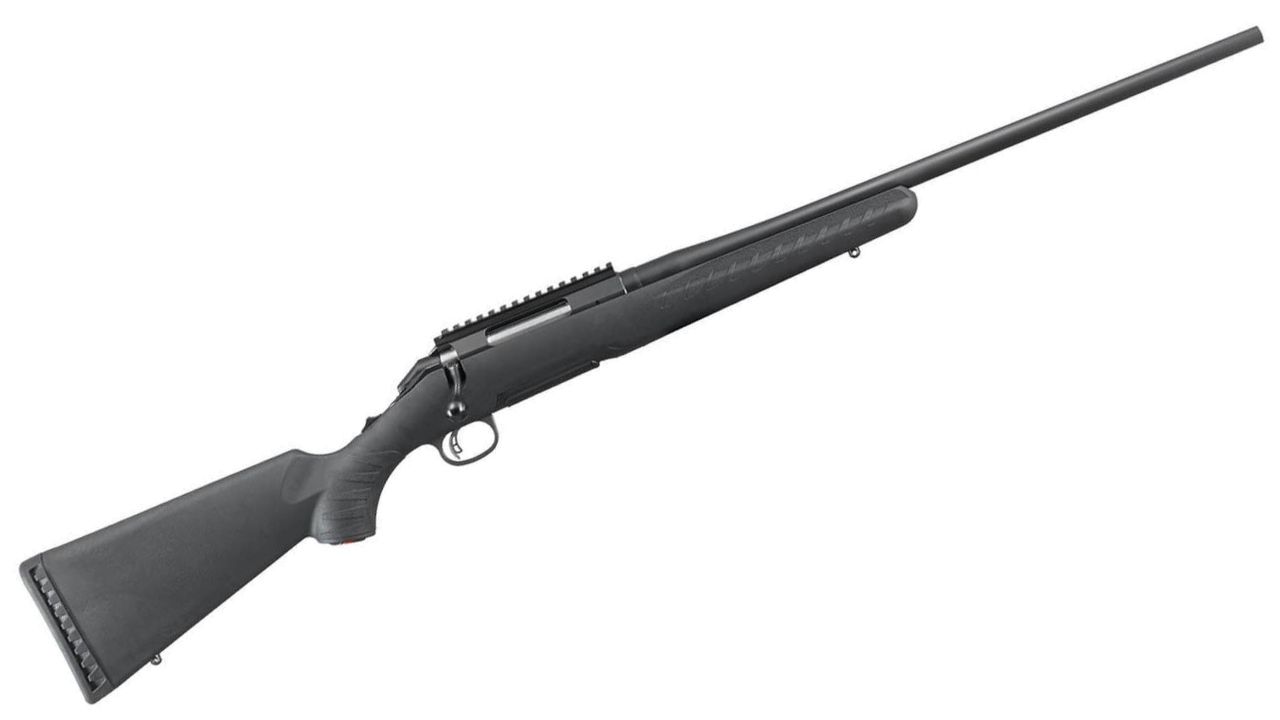
The Ruger American is praised as an affordable entry-level rifle, but some versions are priced higher than they should be given the quality. The plastic stock feels flimsy, the trigger can be heavy, and while some rifles shoot tight groups, others struggle with consistency. Ruger’s action is simple but rough compared to competitors at the same price point.
Hunters often find themselves disappointed when they pay more for upgraded versions of the American, expecting premium performance, only to find the same underlying issues. The rifle isn’t terrible—it puts meat in the freezer—but when stacked against similarly priced rifles from Savage or Tikka, it doesn’t always match up. Ruger’s reputation for durability helps carry the American, but in terms of pure value, many shooters feel the rifle doesn’t always justify its tag.
Thompson/Center Compass

The T/C Compass was designed as a budget-friendly option, but even at its price, some hunters feel shortchanged. The rifle’s synthetic stock feels cheap, the trigger is often heavy, and accuracy doesn’t always live up to the marketing. While some rifles will group acceptably, others wander badly depending on ammo choice.
The Compass has a reputation for being inconsistent, which is a problem no matter how much—or little—you pay for a rifle. Hunters expecting a solid entry-level option often feel like they overspent, realizing better rifles exist at similar costs. The name carries some respect, but the rifle itself doesn’t always deliver. Many shooters discover too late that the Compass is more about cutting corners than providing lasting value, leaving its price tag feeling inflated.
Remington Model 710

The Remington 710 was marketed as an affordable rifle, but it quickly earned a reputation as one of the brand’s weakest efforts. With its clunky bolt, cheap synthetic stock, and a factory scope that often failed, it gave hunters little reason to trust it in the field. Even at a relatively low price, most owners felt they paid too much.
Accuracy was inconsistent, and durability issues cropped up sooner than expected. Compared to rifles of the same cost from Savage or Mossberg, the 710 lagged behind badly. Many hunters ended up selling theirs off quickly, regretting the purchase. When a rifle feels overpriced even at entry-level pricing, it speaks to deeper flaws. The 710 is remembered less as a bargain and more as a rifle that never justified what it cost.
Mossberg Patriot

Mossberg’s Patriot series tried to compete with the big names in the hunting rifle market, but it hasn’t always lived up to expectations. The rifle looks appealing on the rack with modern styling, but the performance doesn’t always justify the cost. Accuracy is inconsistent, and the polymer stock feels less durable than competitors at the same price.
Triggers vary from rifle to rifle, and while some will break clean, others feel heavy and sluggish. For the price, hunters often expect something more reliable. Many walk away feeling like they spent too much for a rifle that doesn’t quite match up. Mossberg has its loyal fans, but the Patriot has struggled to convince hunters it deserves its place among more proven rifles at similar cost.
Winchester Model 70 Super Grade
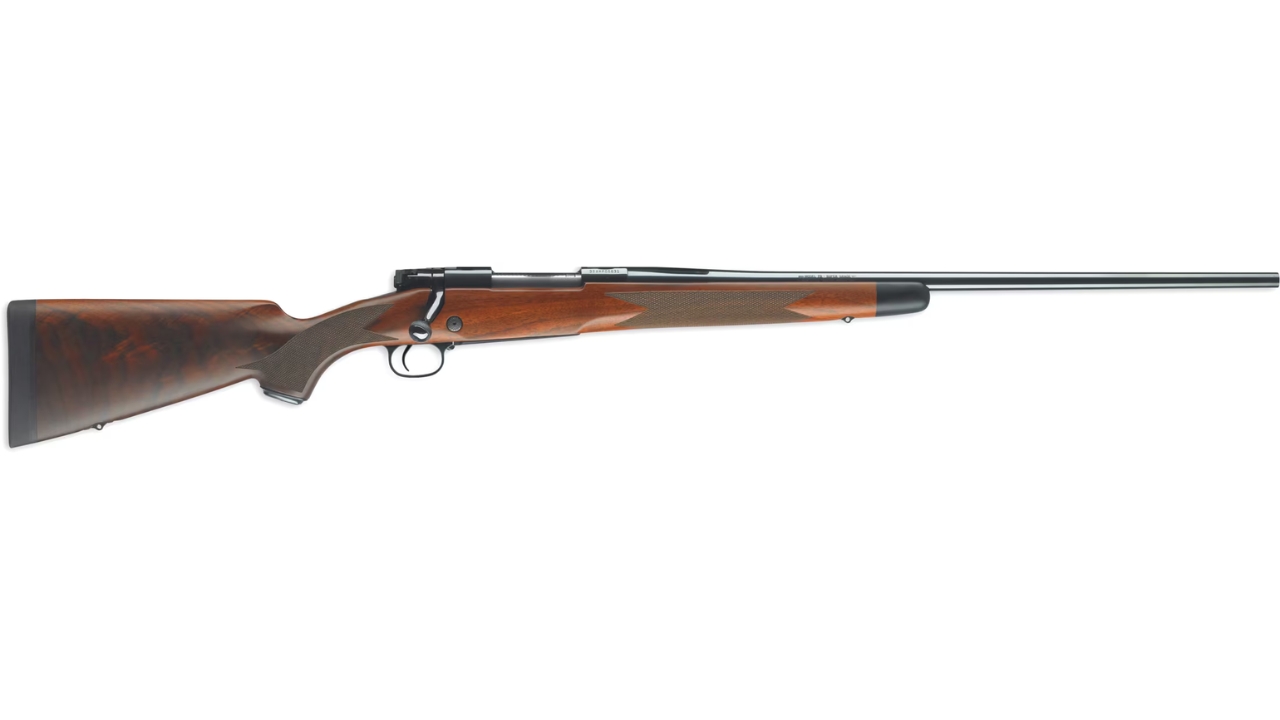
The Winchester Model 70 has a legendary reputation, but the Super Grade versions come with price tags that many hunters argue aren’t justified. While the rifles are beautifully finished with high-quality wood and polished metal, those features don’t always translate to better performance in the field. Accuracy is often no better than a standard Model 70, leaving hunters wondering why they paid a premium.
The Super Grade is more about aesthetics than function, which makes it feel overpriced for hunters who value results over looks. When you’re paying extra for fancy wood and checkering but not seeing tighter groups or better triggers, the rifle can feel like a letdown. The Super Grade appeals to collectors, but for those wanting a working rifle, it’s hard to say it matches its price tag.
Kimber Hunter

Kimber rifles are known for their sleek designs and lightweight builds, but the Kimber Hunter hasn’t lived up to its cost for many shooters. The rifle carries a high price compared to budget models, yet its plastic stock and inconsistent accuracy don’t inspire confidence. For a rifle priced at a premium, hunters expect more.
The Hunter’s light weight makes it appealing for mountain hunts, but it also exaggerates recoil, making accuracy harder to maintain. Triggers vary in quality, and many shooters report difficulty finding loads that shoot consistently well. For the price, most hunters expect a rifle that performs across the board, not one that demands constant tweaking. The Kimber name carries weight, but the Hunter leaves many feeling like they paid for the label more than the performance.
Savage 110 High Country

Savage has built a reputation for affordable accuracy, but the 110 High Country sits at a higher price point and doesn’t always deliver. The rifle is marketed as a premium hunting tool, but its weight, balance, and sometimes inconsistent accuracy don’t always match what hunters expect from the cost.
While the AccuTrigger is reliable, the rifle’s ergonomics leave some hunters struggling to maintain steady groups. For the money, hunters often find better options in other rifles that balance more comfortably and shoot just as well. The High Country looks sharp with its camo finish and spiral-fluted barrel, but when the performance doesn’t clearly outpace cheaper models, the price feels hard to justify.
Nosler M48

The Nosler M48 carries a hefty price tag, and while it has its fans, many hunters feel it doesn’t outperform rifles that cost much less. The action is smooth and the finish is premium, but accuracy and handling aren’t always superior to rifles in the mid-range price bracket. For what you pay, the performance doesn’t always match expectations.
Hunters buying into the Nosler name expect top-tier results, but many discover that the rifle is more about branding and exclusivity than field advantage. When a rifle costs that much, it should stand head and shoulders above the competition. Instead, the M48 leaves many shooters feeling like they spent more than they needed to for performance they could have found elsewhere.
Cooper Rifles

Cooper builds are marketed as semi-custom rifles, but the price often feels inflated when compared to true custom builds. Fit and finish are generally excellent, but accuracy isn’t always better than factory rifles that cost significantly less. The limited chamberings and premium cost don’t always add up for hunters looking for real field value.
Hunters who buy Coopers often do so for the name and aesthetics, but many admit that the shooting results don’t always match the high sticker price. When you’re spending that much, you expect flawless accuracy, and these rifles don’t always deliver. Cooper rifles look and feel premium, but their performance leaves some hunters wondering whether they really got their money’s worth.
Christensen Arms Ridgeline

Christensen Arms rifles are known for their carbon-fiber barrels and lightweight builds, but the Ridgeline hasn’t always lived up to its steep price. While some rifles shoot exceptionally well, others show inconsistent accuracy that frustrates hunters who paid for premium performance. Fit and finish can also vary more than expected at this price point.
The lightweight design makes it a good option for mountain hunts, but the recoil in magnum calibers can make accuracy harder to maintain. For the cost, many hunters expect a rifle that shoots lights out with any factory load, and the Ridgeline doesn’t always meet that standard. It’s a rifle that looks and feels modern, but doesn’t consistently match the value of its high-end tag.
Blaser R8

The Blaser R8 is one of the most expensive production hunting rifles on the market, and while it has a unique straight-pull action, many hunters argue it isn’t worth the cost. The rifle is well-made and modular, but its accuracy doesn’t dramatically outperform rifles a fraction of the price. The action feels different, but it doesn’t necessarily help in real hunting scenarios.
Hunters who buy the R8 often do so for exclusivity or because they want something different, but the performance doesn’t always justify the expense. For the price, most hunters expect perfection, and while the R8 is reliable, it doesn’t deliver enough extra to match its tag. It’s a rifle that feels premium in the hand, but leaves hunters wondering if the performance really backs up the cost.
Sako 85

The Sako 85 is priced as a premium hunting rifle, but its performance doesn’t always separate it from cheaper options. Accuracy is solid, but not significantly better than rifles costing much less. The action is smooth, but some hunters feel the overall build doesn’t match what they paid for.
The Sako name carries prestige, and that’s a big part of the rifle’s price. But when you compare it side-by-side with rifles that deliver similar results at half the cost, it’s hard not to question the value. The 85 isn’t a bad rifle, but its inflated price makes it hard to justify for hunters who want practical performance over brand appeal.
Tikka T3x Arctic

The Tikka T3x series has many affordable, accurate rifles, but the Arctic version comes with a high price tag that raises eyebrows. While it’s rugged and well-built, it doesn’t deliver dramatically better performance than other T3x models that cost far less. The features are nice, but they don’t always translate into results in the field.
Hunters expecting the Arctic to outshoot other Tikka rifles are often disappointed. The accuracy is fine, but it isn’t better than rifles that sell for hundreds less. The Arctic appeals to collectors and those who want a military-style Tikka, but in terms of practical hunting value, it’s tough to justify the premium.
Barrett Fieldcraft

Barrett is best known for its big .50-caliber rifles, but the Fieldcraft was a lightweight hunting rifle priced at a premium. While the rifle is light to carry, its recoil and sometimes inconsistent accuracy disappointed hunters who paid top dollar. The fit and finish were good, but performance in the field often fell short of the cost.
Many hunters expected Barrett’s reputation to translate into an unbeatable hunting rifle, but the Fieldcraft proved that price doesn’t guarantee results. It looked sleek and carried well, but too often it didn’t shoot as well as rifles costing much less. Hunters who invested in one often walked away wishing they’d spent their money elsewhere.
Sauer 100

The Sauer 100 carries a higher price tag than most entry-level rifles, but the performance doesn’t always justify it. While it’s smooth and reliable, accuracy is often no better than rifles that cost considerably less. The synthetic stock feels basic compared to what you pay, and the rifle doesn’t offer much that sets it apart.
Hunters often expect something special when paying extra for the Sauer name, but the 100 delivers little beyond a logo. It’s functional and capable, but the cost leaves many shooters wondering if they should have chosen a cheaper rifle that performs just as well. It’s a reminder that even respected European names don’t always translate into good value for hunters in the field.
*This article was developed with AI-powered tools and has been carefully reviewed by our editors.