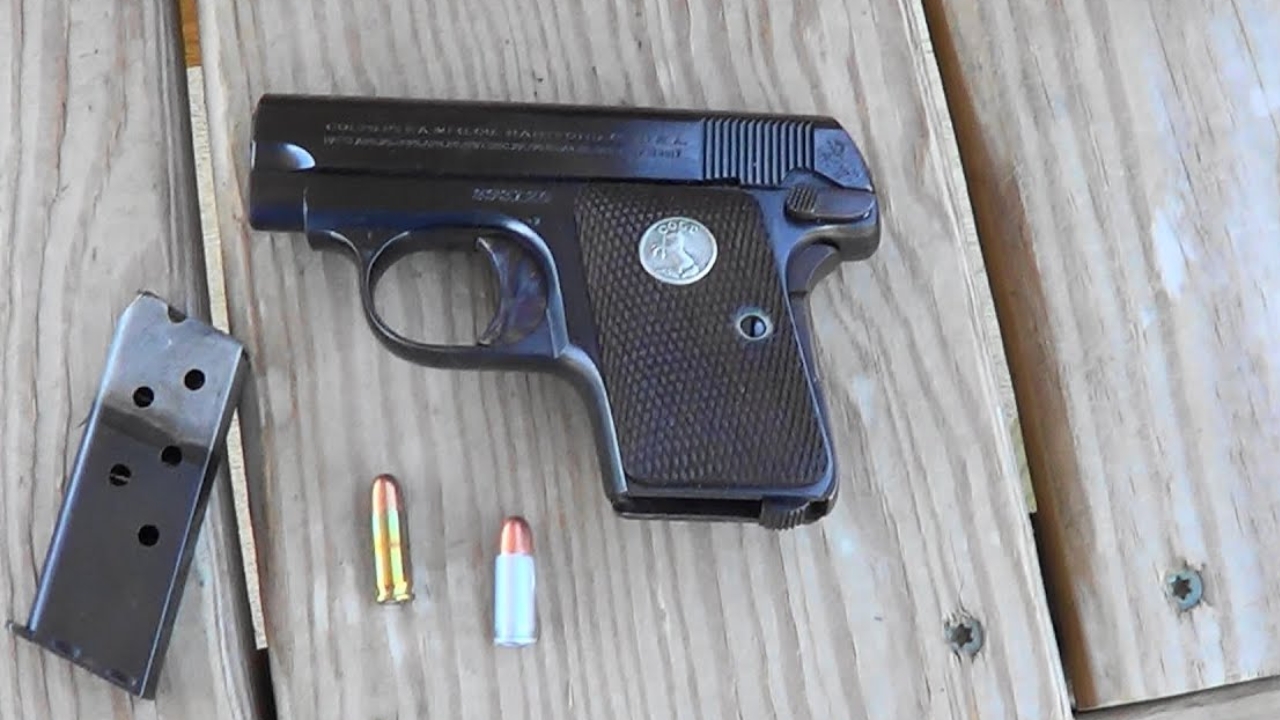
Photo credit: 1957Shep/YouTube
Some collector guns rise loudly. Everybody sees it happening, the forums light up, and the prices start moving before the average buyer even has time to act surprised. Others take a quieter route. They sit around as side-interest guns, niche variants, or “pretty neat” examples that never seem urgent enough to prioritize. That is usually when the smartest collector moves get made. By the time the crowd notices, the easy prices are already gone.
That is what happened with these. They were not always treated like front-line collector targets. A lot of buyers were too busy chasing louder names, hotter categories, or more obvious prestige pieces. Meanwhile, these guns kept gaining weight in the market until they stopped feeling casual and started feeling serious. These are collector guns that got serious while most buyers were distracted.
Colt Woodsman Sport
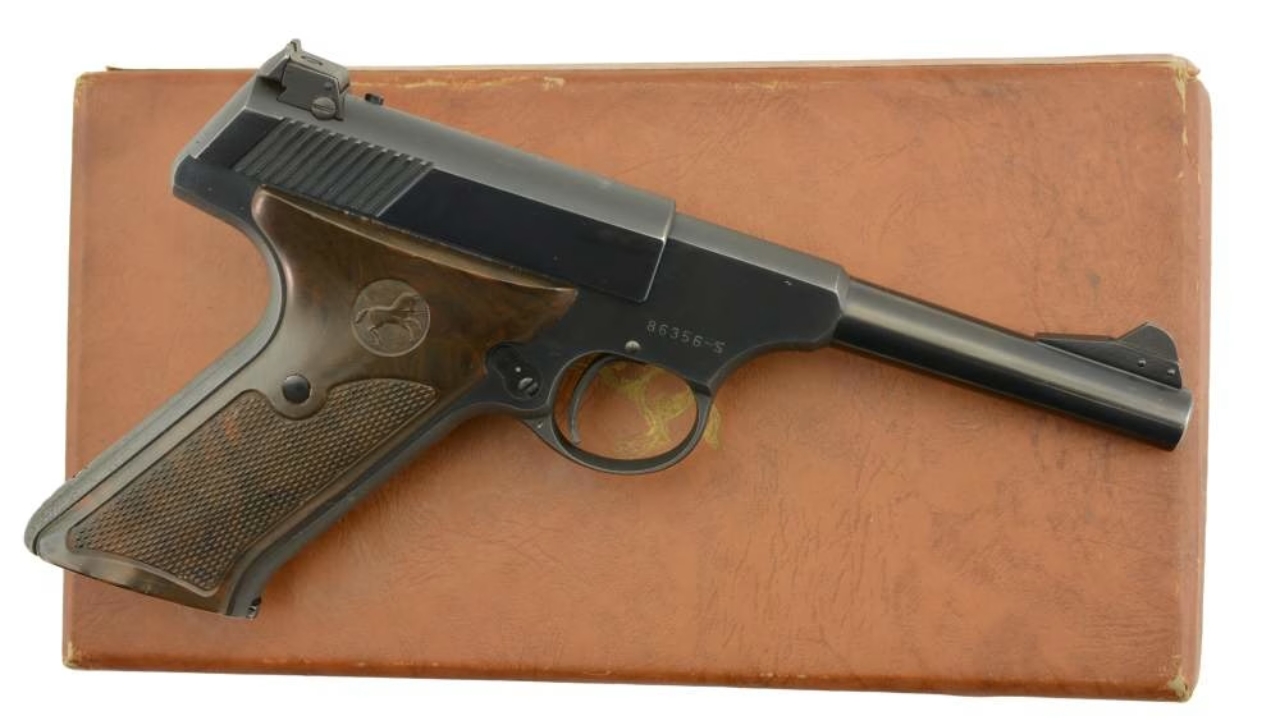
The Woodsman Sport spent a long time being appreciated more as a nice old Colt than as a true collector priority. It had quality, history, and real charm, but because it lived in the rimfire lane, a lot of buyers still treated it like the sort of gun they could always circle back for later. Rimfire Colts have a habit of getting underestimated exactly that way.
Then the market started looking harder at old Colt quality outside the usual revolver and Government Model obsession. The Woodsman Sport suddenly looked like a lot more than just a pleasant little .22. Clean examples got harder to buy without paying attention, and buyers who had been distracted by louder names realized the old rimfire had turned into a serious collector piece while they were looking elsewhere.
Winchester Model 1905
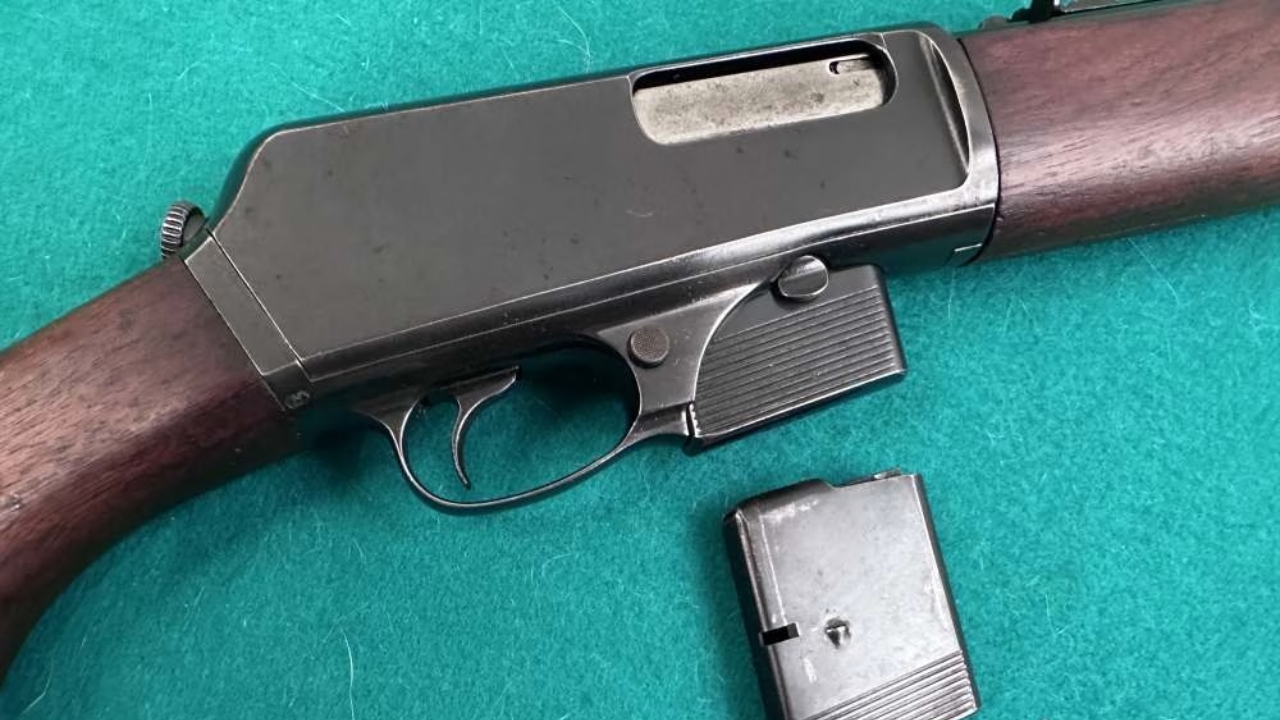
The Model 1905 was always historically important, but for a long time it still felt like the kind of early Winchester self-loader people admired from a distance more than they aggressively chased. It lived in that dangerous middle ground where a gun is respected in theory but not always prioritized in practice. That let too many buyers sleep on it.
Over time, early autoloading rifles started pulling more serious attention, and the 1905 no longer felt like a sleepy side road in Winchester collecting. It began looking like one of those foundational rifles people should have taken a lot more seriously when the prices were still tied to indifference. Once enough collectors noticed, the old head start disappeared.
Smith & Wesson Model 52
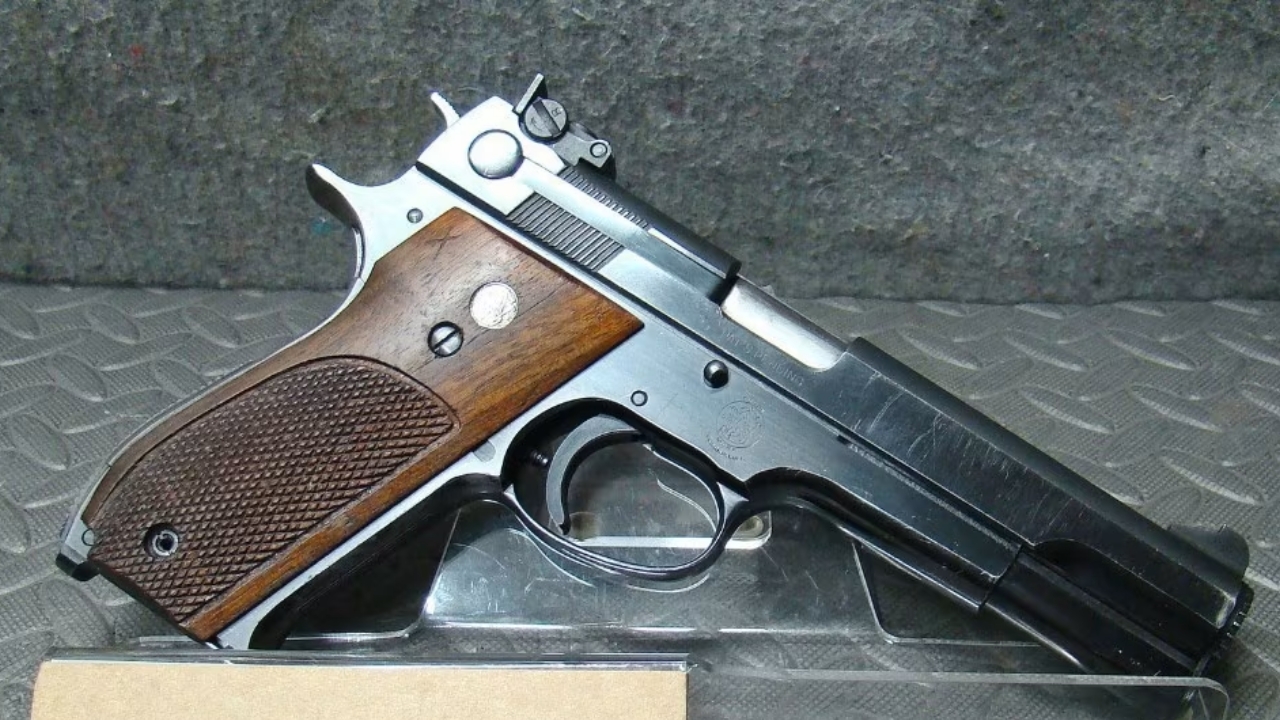
The Model 52 used to feel like the classic target pistol people praised without urgency. It was beautiful, specialized, and clearly built with purpose, but that specialization also worked against it for a while. A lot of buyers admired it as a refined old competition gun and kept their money aimed at more general-purpose or flashier collector targets.
Then collectors started paying harder attention to high-quality old Smith autos, especially ones with truly distinct roles and craftsmanship. The 52 went from “wonderful old target pistol” to “why didn’t I buy one when they were still merely expensive?” very quickly. It got serious while a lot of buyers were still acting like it belonged to some permanent low-pressure category.
Browning Superposed Lightning
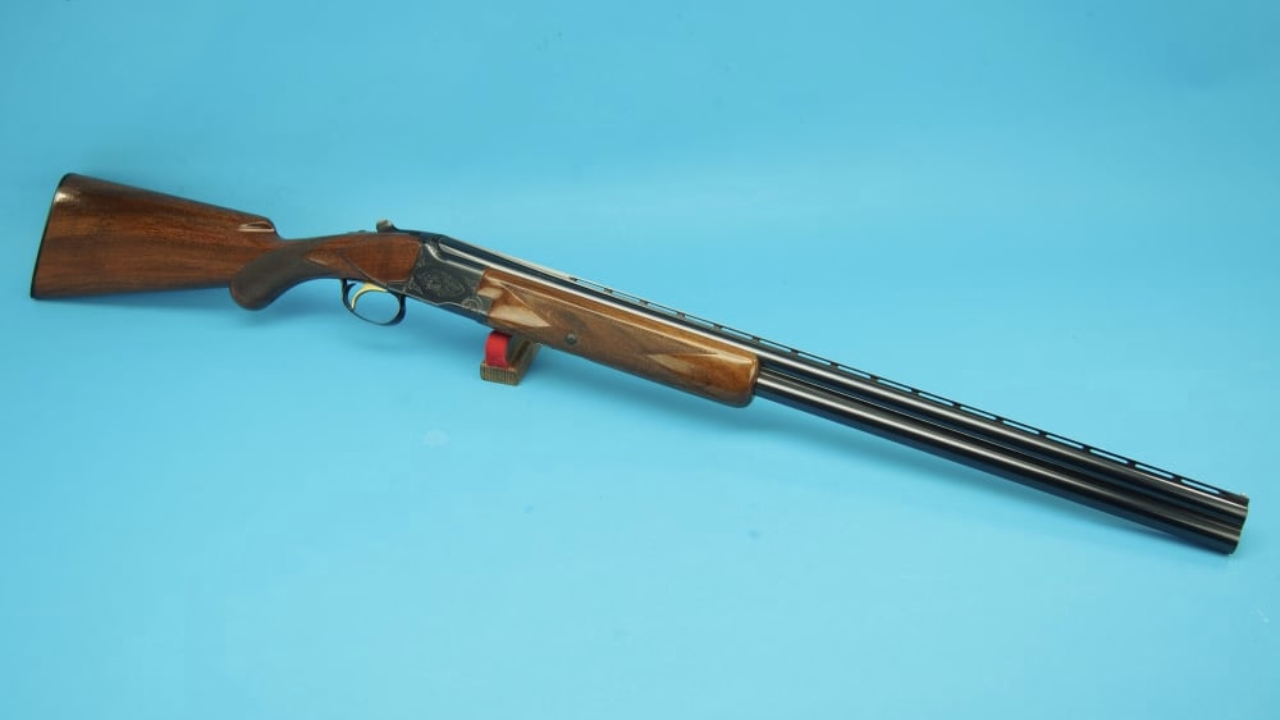
The Superposed Lightning had all the right ingredients for long-term collector strength, but for years many buyers still treated it like the practical Browning they could always circle back for later. That is what happens when a gun is both excellent and familiar. Familiarity can trick buyers into thinking urgency is not necessary.
That illusion faded. Once quality doubles started separating themselves more sharply in the eyes of collectors, the Superposed Lightning stopped feeling like background Browning inventory and started feeling like one of those guns people should have bought before everybody else woke up. Buyers distracted by louder prestige names or newer scattergun trends found out too late that the Lightning had been getting serious behind the scenes.
Colt Bankers Special
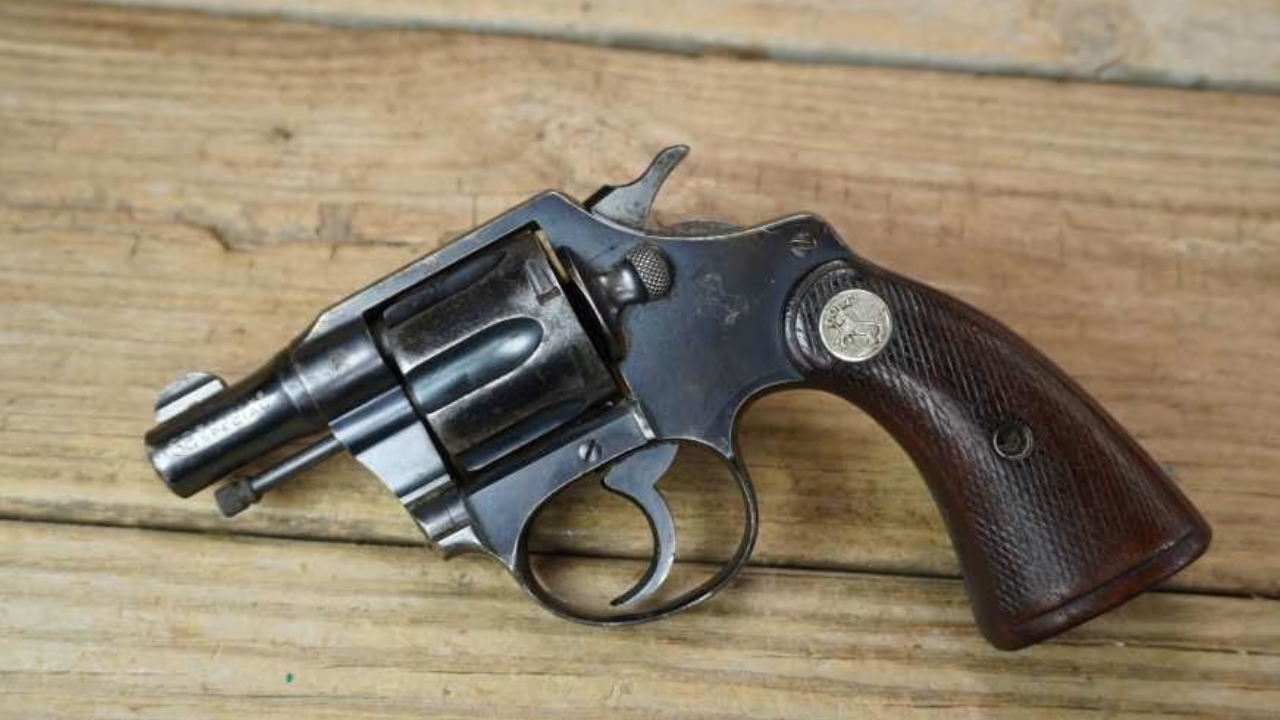
The Bankers Special lived for years as the kind of Colt people found cool without necessarily treating as a core collector target. Small-frame revolvers often get boxed into “interesting old pocket or desk gun” territory by buyers who save their bigger money for larger, flashier Colts. That gave the Bankers Special a lot more breathing room than it deserved.
Eventually the collector world started taking those little Colts much more seriously. Condition, originality, and the whole prewar small-revolver lane tightened up in a hurry. The Bankers Special went from being something clever buyers spotted to something many buyers wish they had spotted earlier. It got serious while a lot of people were still mentally filing it under minor-Colt curiosity.
Remington Model 30 Express
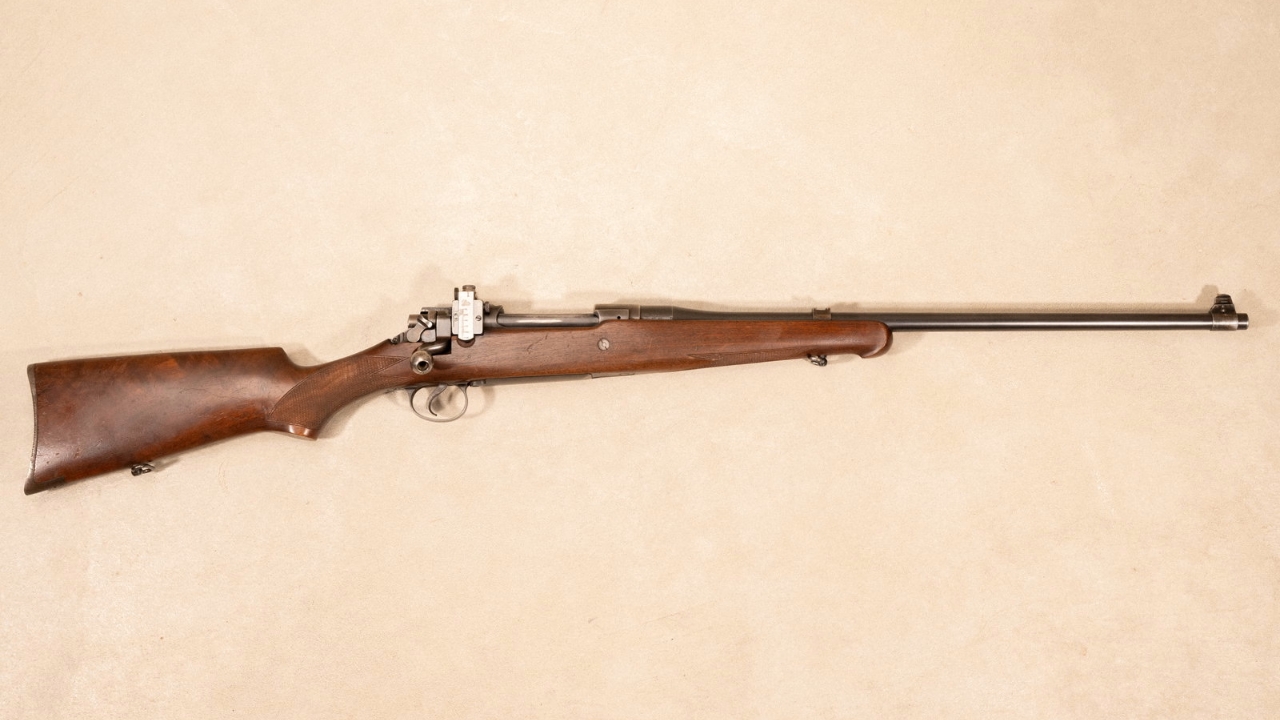
The Model 30 Express always had substance, but for a long time it still looked like one of those rifles collectors would appreciate eventually rather than immediately. It did not have the instant heat of some Winchester or pre-64 conversations, which let buyers treat it like a very good old sporting rifle rather than a gun that needed action right now.
That turned out to be a costly distraction. As collectors broadened their tastes and started appreciating early American bolt-action sporting rifles with more nuance, the Model 30 Express began looking much stronger. The people who had kept walking because it did not feel urgent found out that quality and scarcity had been building quietly the whole time.
Beretta Minx
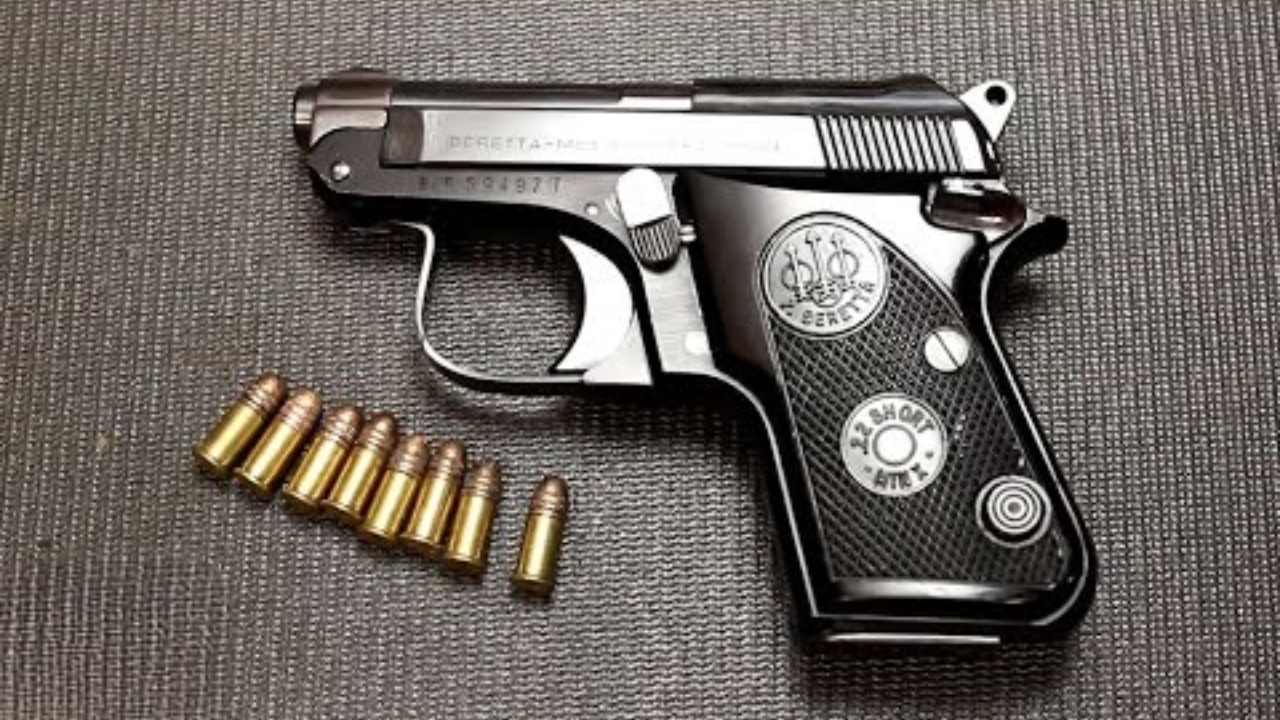
The Minx was easy to dismiss as a tiny novelty for too many years. It had style, no doubt, but small Berettas often lived in the mental category of “cute old pocket pistol” rather than “serious collector piece.” That attitude let buyers appreciate them casually instead of aggressively, which is often how sleeper collectibles sneak past the crowd.
Then enough people realized that old Beretta pocket pistols with originality, condition, and clean presentation had more collector energy than anyone wanted to admit earlier. The Minx stopped being just a charming little side-interest gun and started becoming one more sharp reminder that the little weird ones often get serious before the average buyer notices.
Savage 1899
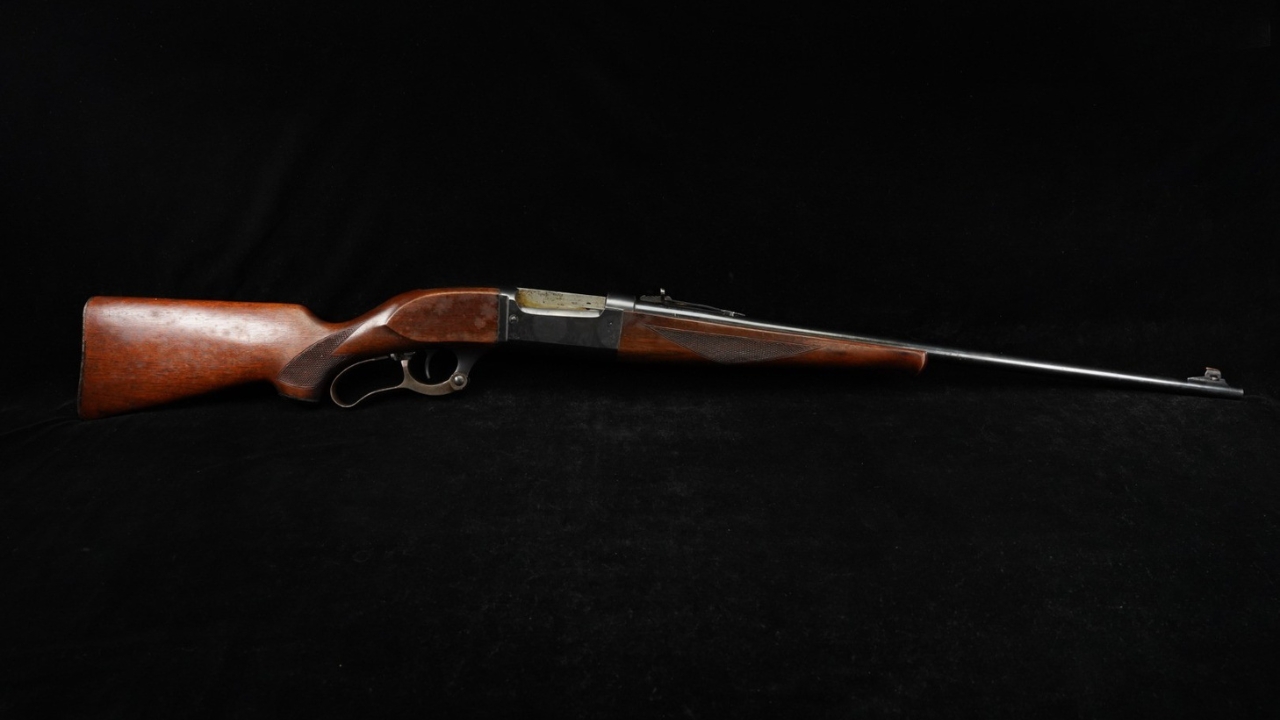
The 1899 always had rarity and oddball appeal, but for a long stretch that same oddness kept it from getting mainstream collector urgency. Plenty of buyers knew it was interesting. Fewer treated it like the sort of thing they had to lock down before the market got smarter. That gap between interest and action is where a lot of collector regret comes from.
Once the broader Savage collecting world matured, special configurations like the 1899 stopped feeling like niche side quests and started feeling like major opportunities that had already slipped away. It got serious while many buyers were still too distracted by more obvious lever-gun trophies to realize what was happening.
Walther Olympia
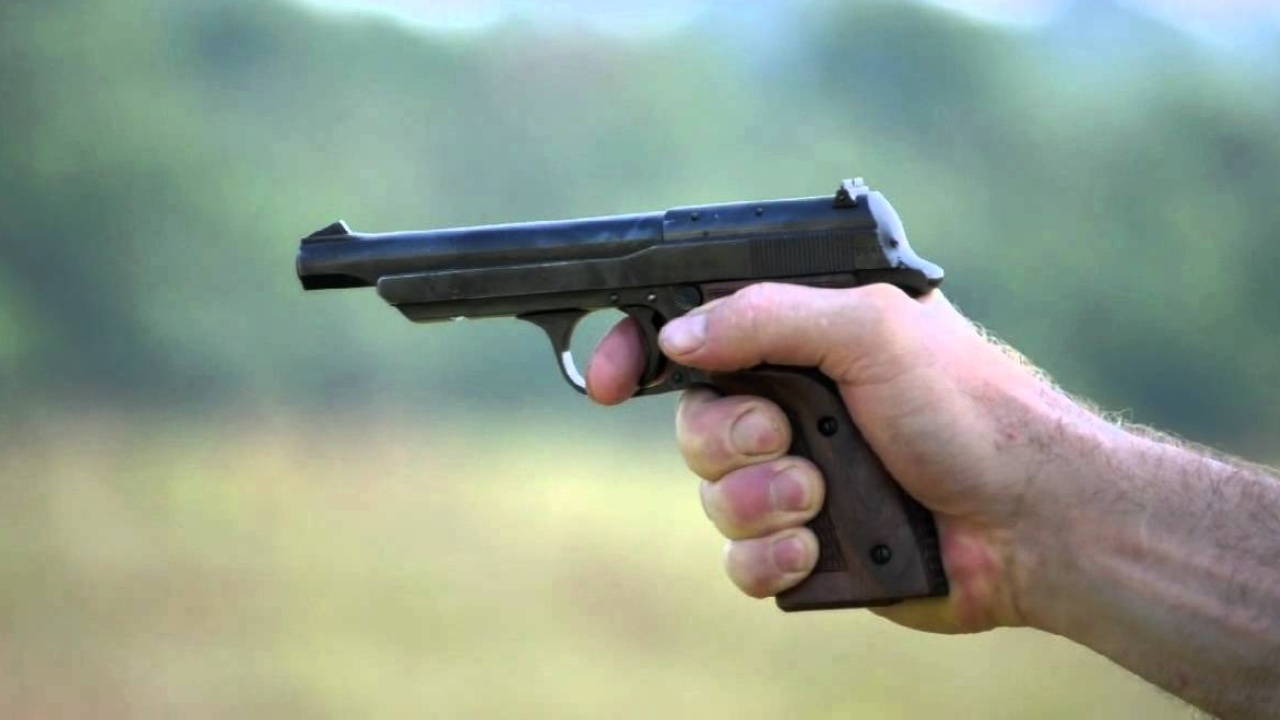
The Olympia was never unknown, but it spent years in a zone where “respected” did not always mean “acted on.” It was a target pistol with real pedigree and quality, but a lot of buyers still treated it like the kind of thing that would remain available to whoever cared enough later. That sort of calm can be very expensive in collector markets.
Eventually the better examples became much less forgiving. The Olympia started looking like exactly what it had always been: a serious, historically important, high-quality pistol that too many people had lazily treated as background European target stock. It got serious while a lot of buyers were busy pretending old target pistols would stay niche forever.
Winchester 61

The Winchester 61 used to feel like the nice pump .22 people could always come back for after chasing their centerfire wants first. It had respect, but not always urgency. That is how a lot of very good collector guns quietly climb. The market spends years nodding at them while using its real energy somewhere else.
Then the room wakes up all at once. Smooth old Winchester pump rimfires with strong condition and honest originality do not stay cheap once enough buyers stop taking them for granted. The Model 61 became a serious collector gun while a lot of people were still distracted by bigger-caliber conversations that felt more important at the time.
Colt Model 1908 Vest Pocket

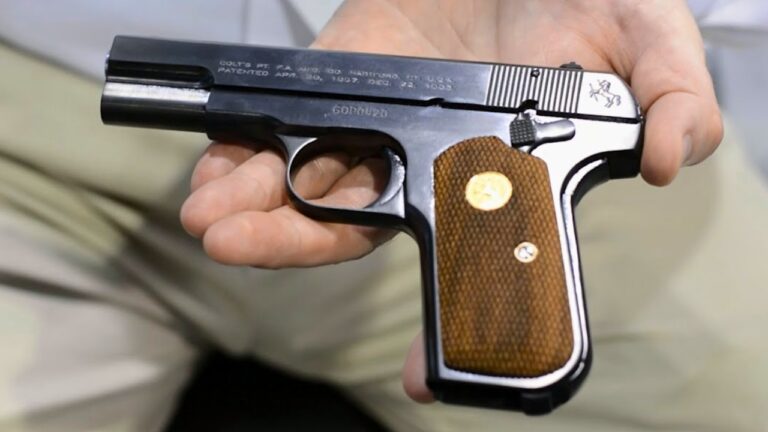
The 1908 Vest Pocket was always loved, but for a long time it was loved in a light way. Buyers appreciated it as a classic little Colt, but many still treated it like the sort of elegant backup collectible they would eventually add when they got around to it. Tiny pocket autos rarely triggered the same urgency as larger Colts, and that gave smart collectors a big window.
That window closed. As more people started seeing these small Colts as serious collectibles in their own right, especially in high condition, the prices and competition changed. The 1908 got serious while a lot of distracted buyers were still telling themselves they would pick one up later just because it was small.
Browning Medalist
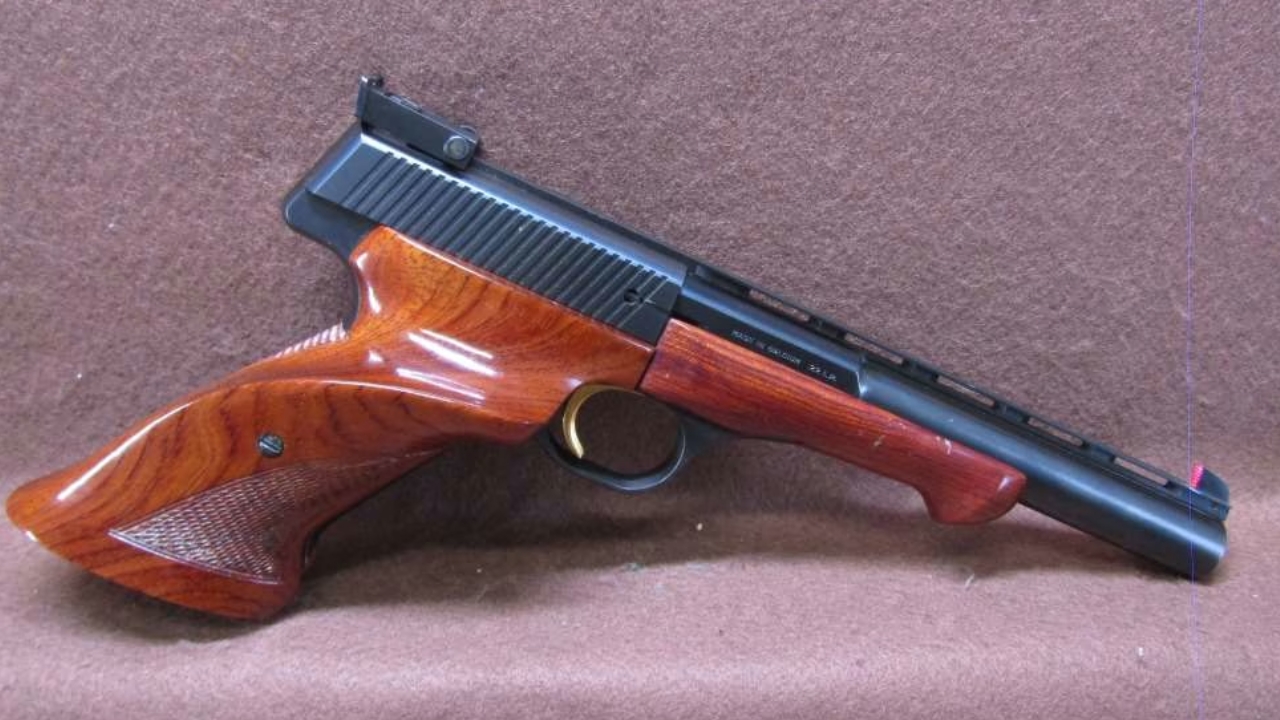
The Medalist spent years being admired as a wonderful old target .22 without always being treated as the serious collector target it was becoming. It had quality, presentation, and a distinct Browning identity, but many buyers still viewed it as a specialized luxury rimfire they could safely leave for another day.
Then collectors started revaluing exactly those kinds of guns. Beautifully made target rimfires with complete presentation and real pedigree got much harder to touch casually. The Medalist became one more example of a gun that went from “gorgeous and neat” to “why did I not buy that when I had the chance?” while the crowd was distracted elsewhere.
Smith & Wesson Registered Magnum
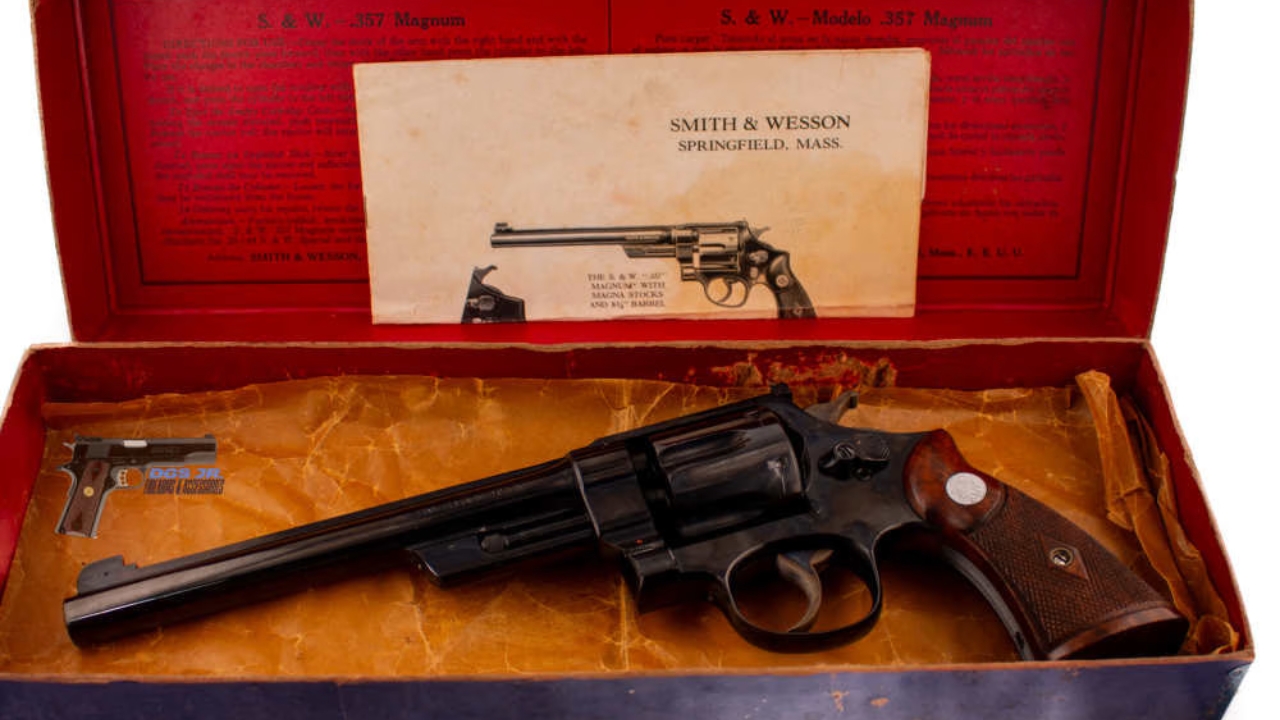
The Registered Magnum now carries major weight, but there was a period where many buyers still respected it more as a historical marvel than as a collector emergency. It felt important, yes, but not always as accessible or immediate a target as the bigger mainstream names some buyers were chasing harder. That sort of hesitation only helps the people who move early.
As prewar Smith collectors got sharper and more serious, the Registered Magnum stopped being just a legendary old revolver and became the sort of piece where hesitation had a real financial penalty. It got serious while more casual buyers were still assuming there would always be another chance to get in.
Remington Hepburn
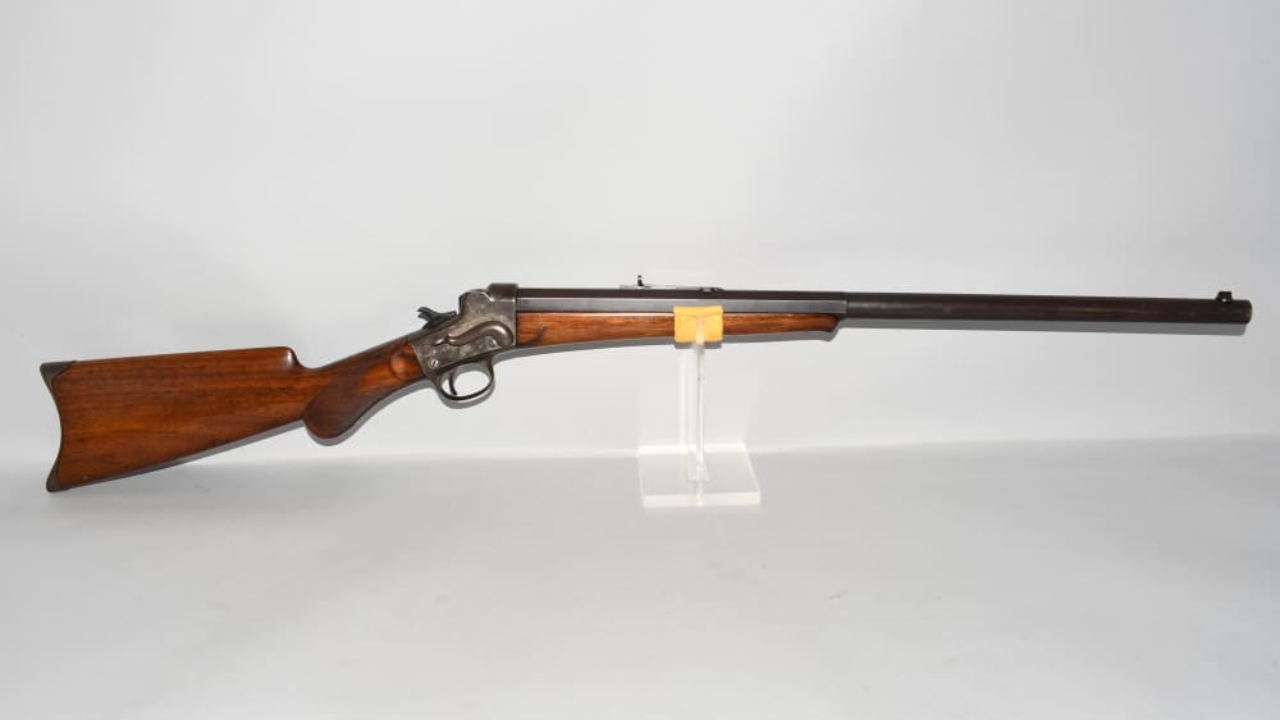
The Hepburn lived too long in the category of “very interesting single-shot” for many buyers. It had deep collector value, but because single-shots already occupy a narrower lane, plenty of people treated it like a specialist’s prize instead of a rifle that was steadily hardening into a serious collector play. That was a bad read.
As the market matured, truly strong single-shot actions and sporting rifles gained much more aggressive attention. The Hepburn no longer looked like a leisurely project for later. It looked like a rifle people should have chased when the room was still distracted by more familiar repeat targets.
Astra 400
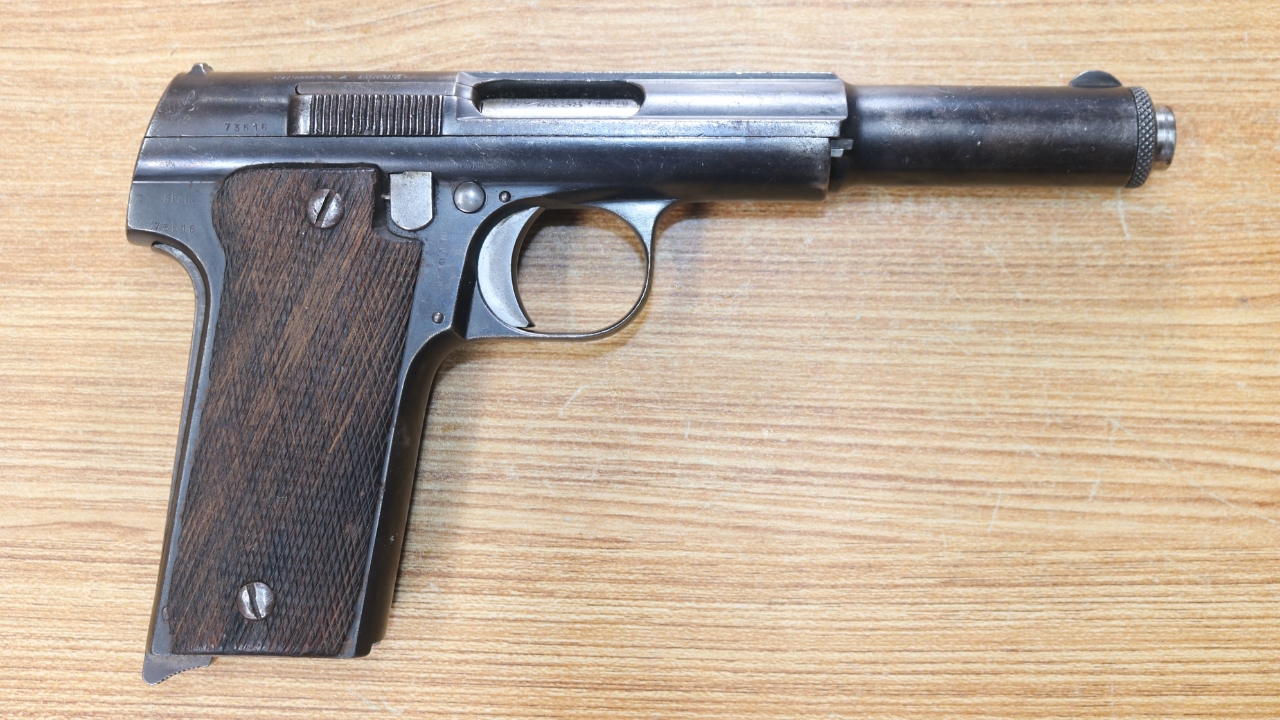
The Astra 400 was easy for many buyers to misread as just a tough old military pistol from the “interesting but not urgent” pile. It had history, but not always the sort of glamorous reputation that drives instant collector heat. That kept it affordable and overlooked longer than it should have been.
Over time, collectors started valuing condition, originality, and significant service pistols from lesser-hyped makers much more seriously. The Astra 400 began looking less like a curiosity and more like the exact sort of military handgun that had been neglected for too long. It got serious while many buyers were still too distracted by the usual German and American names to notice.
Like The Avid Outdoorsman’s content? Be sure to follow us.
Here’s more from us: