Photo credit: Phoenix P. Hart/YouTube
Every gun owner knows the feeling. You saw one years ago for a price that seemed normal, maybe even a little high at the time, and you passed. Then the gun disappeared, collectors woke up, imports stopped, or everybody suddenly decided they wanted the same thing.
That is when the old price starts looking painful. Some firearms did not become expensive because they were perfect. They became expensive because they were useful, discontinued, collectible, unusual, or simply better than people admitted when they were cheap. These are the firearms people wish they had bought before prices got ugly.
Marlin 1894C
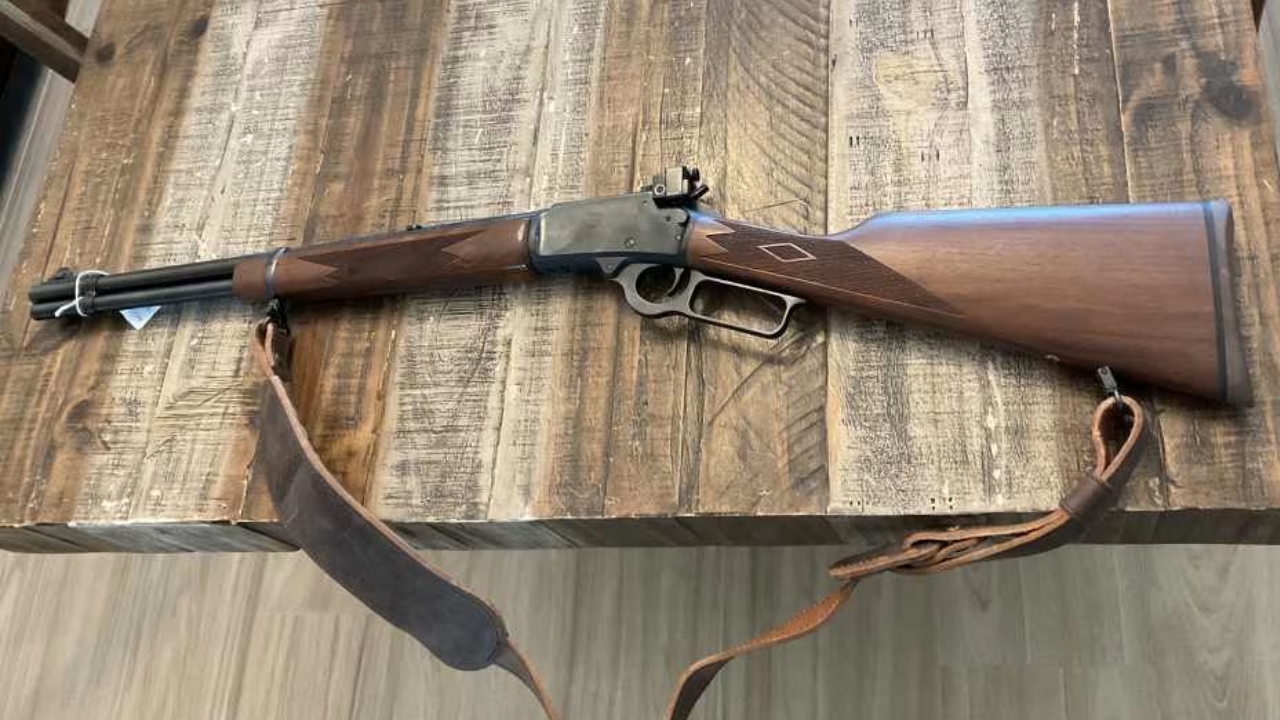
The Marlin 1894C in .357 Magnum used to feel like a handy little lever gun that would always be around. It was useful, fun, and not especially exotic, so plenty of buyers assumed they could grab one later.
That later got expensive. Pistol-caliber lever guns became hot, older Marlins gained a loyal following, and clean .357 versions started climbing hard. The 1894C is easy to feed with .38 Special, serious enough with .357 Magnum, and small enough to carry all day. People who passed on one when prices were normal usually remember exactly what it cost.
Chinese SKS
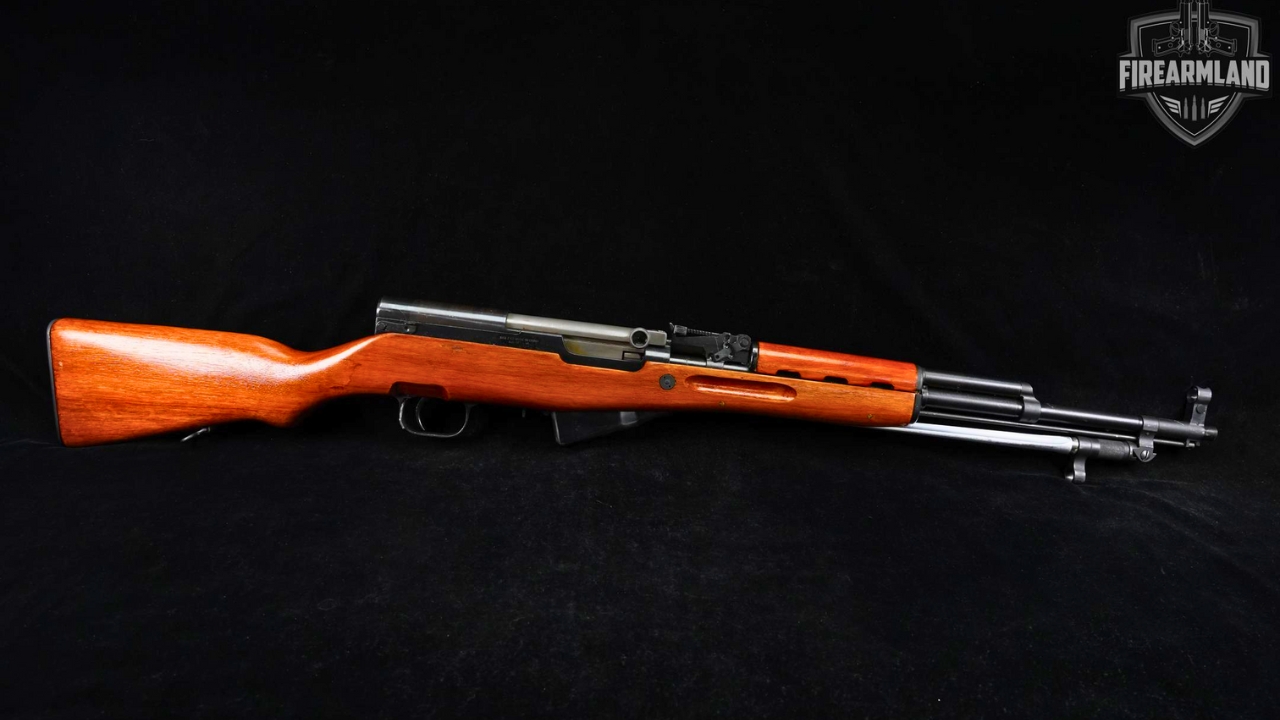
The Chinese SKS was once the definition of a cheap surplus rifle. They were stacked at gun shows, sold with crates of ammunition, and treated like rough utility guns rather than collectibles.
That attitude looks foolish now. The SKS is simple, rugged, and tied to a surplus era that is not coming back the same way. A good Chinese SKS now costs far more than many people ever expected. It is still not fancy, but it has history, reliability, and nostalgia on its side. Buyers who laughed at old prices now wish they had bought two.
Colt LE6920

The Colt LE6920 used to be the safe answer for anyone who wanted a serious AR-15 with the right name on the receiver. It was not rare, and that made some buyers treat it like something they could buy anytime.
Then the AR market changed, Colt availability shifted, and older configurations became more interesting to collectors and brand loyalists. A plain LE6920 may not be the fanciest rifle today, but it still carries Colt identity and proven appeal. People who passed when they were common often regret not buying one before the market got weird.
HK P7
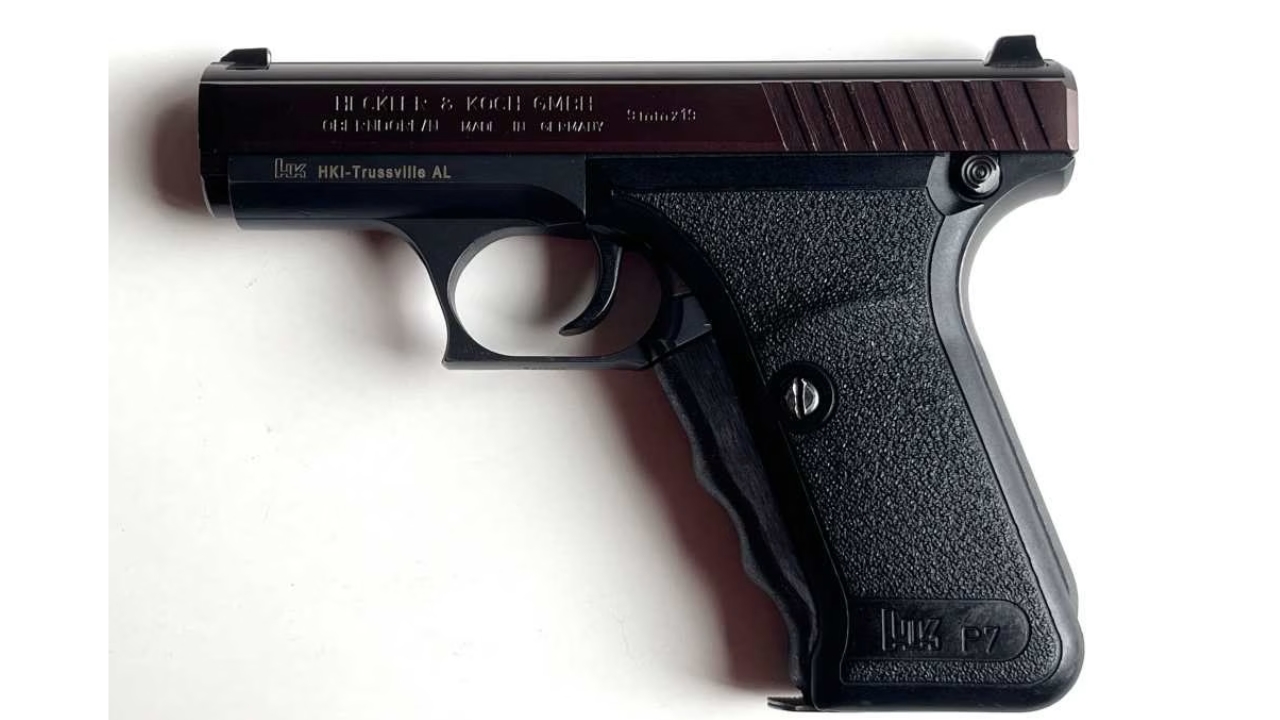
The HK P7 may be one of the most painful “should have bought it” pistols of the modern era. For years, it was just the strange squeeze-cocker HK that some people admired but many passed on.
Now the P7 is expensive, collectible, and hard to replace. It is slim, accurate, mechanically fascinating, and unlike almost anything else. The controls are unusual, and the pistol heats up with extended shooting, but none of that stopped prices from getting ugly. People who once thought it was too odd now wish they had trusted their curiosity.
Winchester Model 70 Classic Stainless
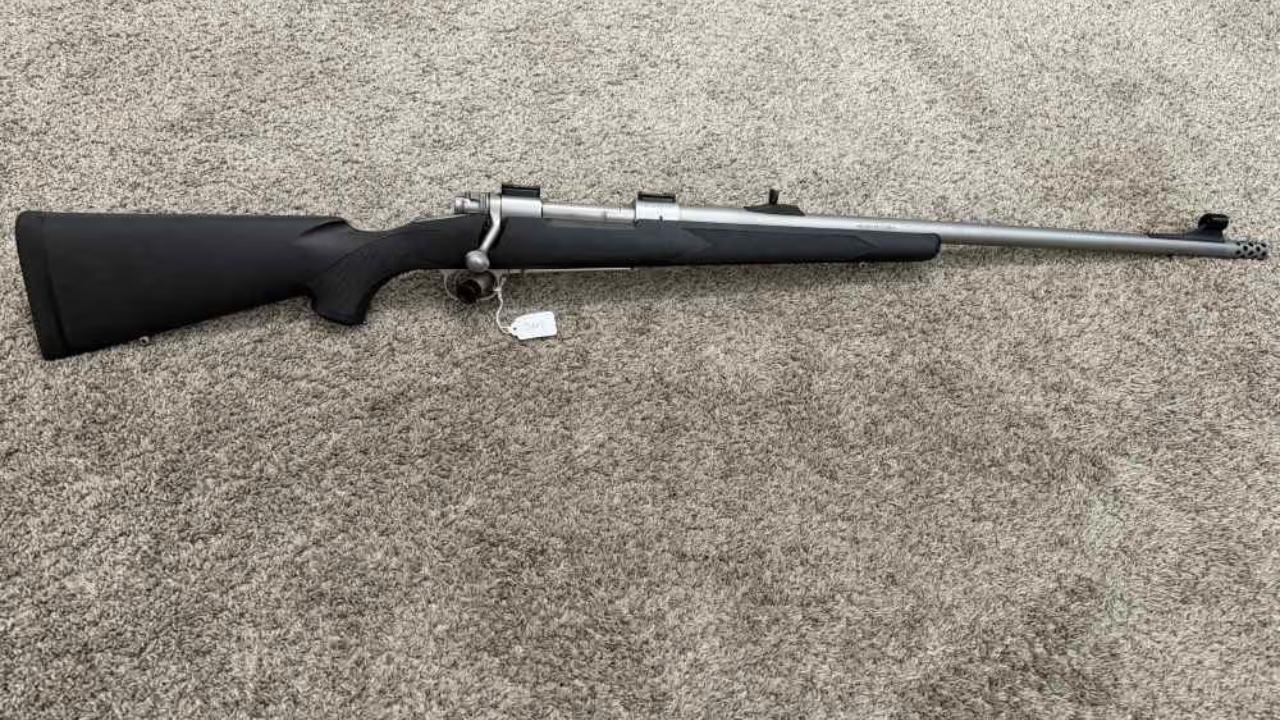
The Winchester Model 70 Classic Stainless was once just a very good hunting rifle. Controlled-round feed, stainless construction, and a practical field setup made it useful, but not everyone treated it as something they needed to buy immediately.
Now clean examples are much harder to casually replace. Hunters want the old Model 70 confidence with weather-ready materials, and that combination still makes sense. It is not just another bolt gun. It is one of those rifles that does the practical stuff while still feeling like a Winchester. Passing on one years ago hurts now.
Ruger Speed-Six
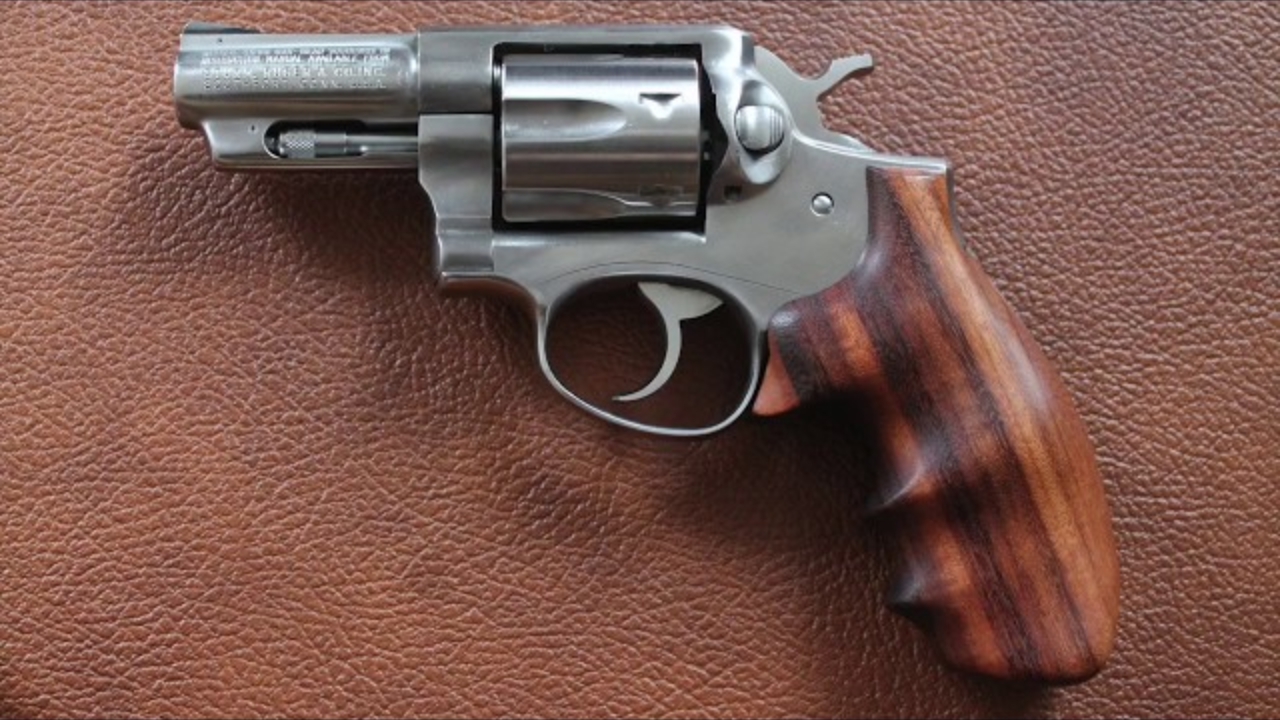
The Ruger Speed-Six used to sit behind Smith & Wesson and Colt in many buyers’ minds. It was rugged, plain, and affordable enough that people did not always respect it.
That has changed. Old Ruger double-action revolvers have a stronger following now, and the Speed-Six hits a sweet spot between carry size and .357 strength. It is not fancy, but it is exactly the kind of revolver people wish companies still made more often. The owners who bought cheap look smart. The ones who waited usually complain.
CZ 97B
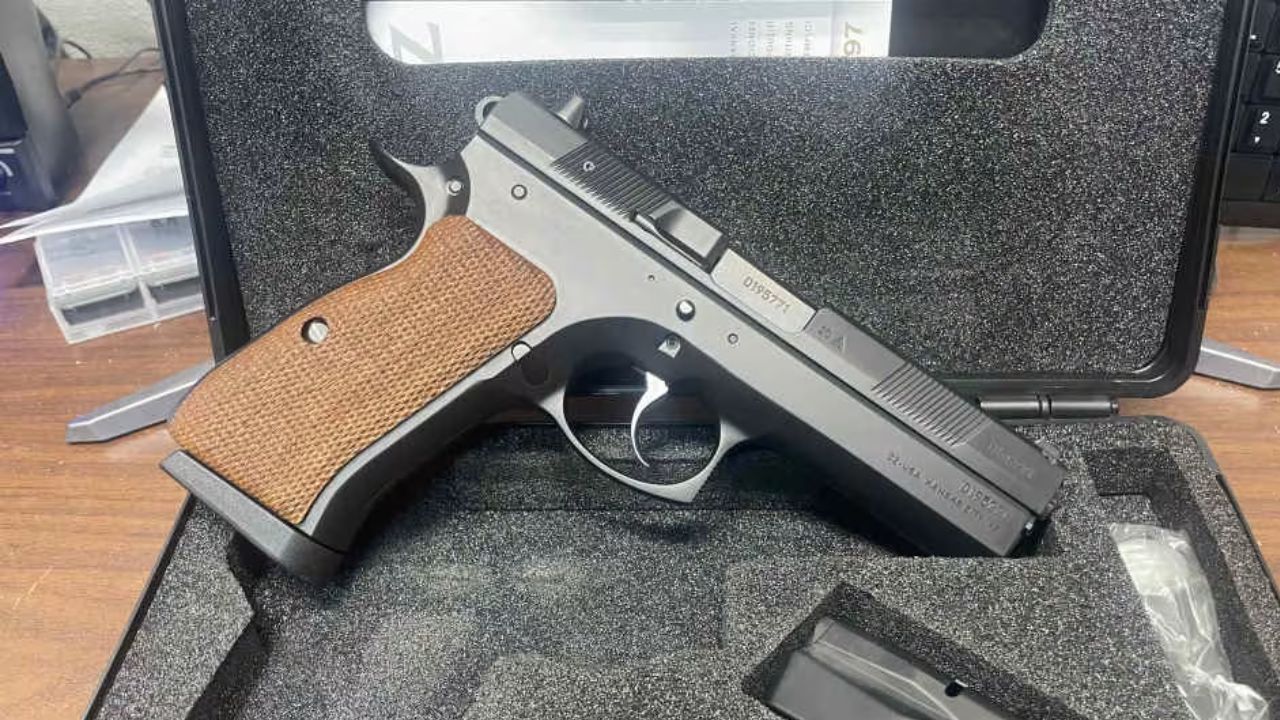
The CZ 97B was once an oddball big .45 that many shooters ignored because it was large, heavy, and not a 1911. It had fans, but it never became mainstream in the way CZ’s 9mm pistols did.
Once it was gone, people started wanting it more. The 97B gives .45 ACP a steel-frame CZ feel, with soft recoil and excellent range manners. It is too big for some hands, but that size helps it shoot well. Now it is one of those pistols people wish they had bought when shops still had them at normal prices.
Remington 870 Wingmaster 20 gauge

The Remington 870 Wingmaster 20 gauge used to be treated like just another pump shotgun. Since 12 gauges were everywhere and cheaper pumps were easy to find, many buyers did not see the urgency.
Clean 20-gauge Wingmasters are different now. They are slick, light, and much more refined than many modern budget pumps. They work for upland birds, rabbits, clays, and young or recoil-sensitive shooters without feeling like youth-model compromises. People who passed on one before prices climbed usually regret it the moment they rack a rough newer shotgun.
Browning Hi-Power
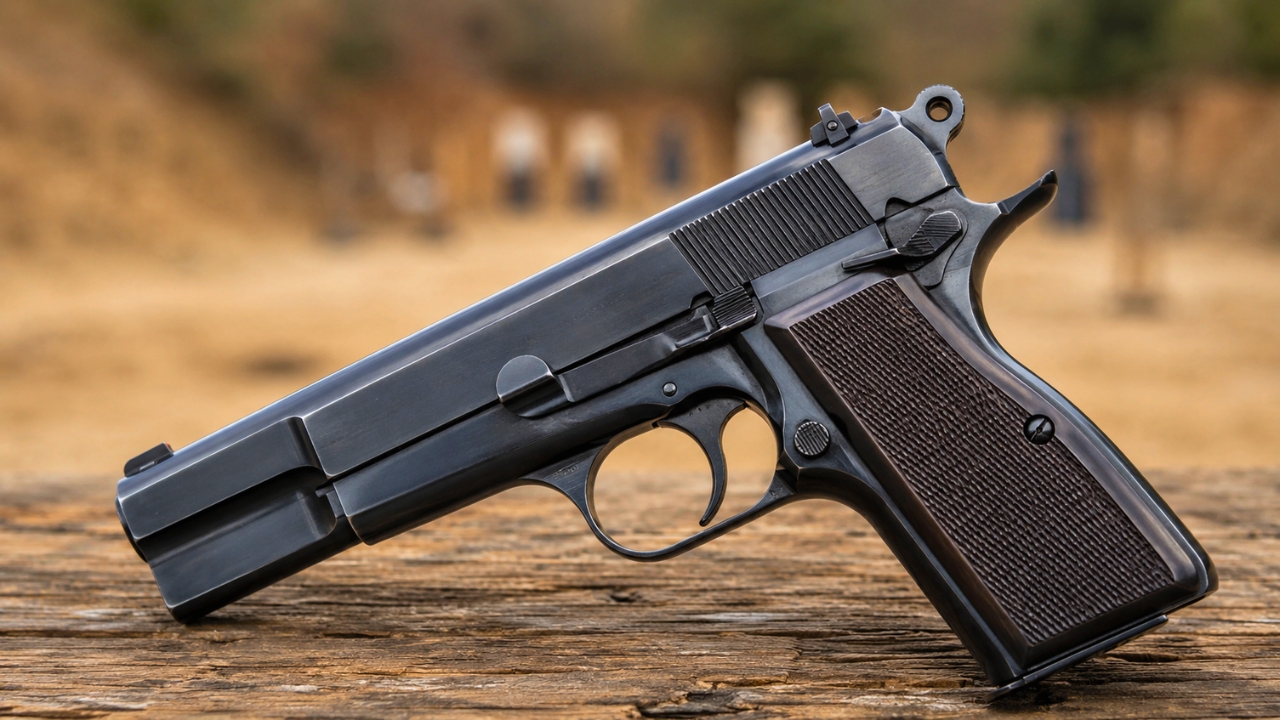
The Browning Hi-Power had its loyal fans for decades, but there was a time when many shooters passed because striker-fired pistols were cheaper, lighter, and held similar or better capacity. The old single-action 9mm seemed outdated to them.
That changed when prices went ugly. Original Browning-marked Hi-Powers gained collector and shooter interest, and people remembered how good the grip and balance really were. New versions and clones exist, but they do not erase the pull of a real Browning. Buyers who thought they could always find one later learned a hard lesson.
Ruger 77/44

The Ruger 77/44 was never the rifle everyone had to own. A bolt-action .44 Magnum seemed too specific for some hunters, especially when lever guns and slug guns already filled short-range roles.
Now that niche looks much more appealing. The 77/44 is handy, suppressor-friendly in the right setup, and useful for deer or hogs inside sensible distances. It also has that Ruger rotary-magazine charm that makes it feel different from everything else. People who skipped them when prices were reasonable now have to pay for how uncommon they became.
Smith & Wesson Model 3913
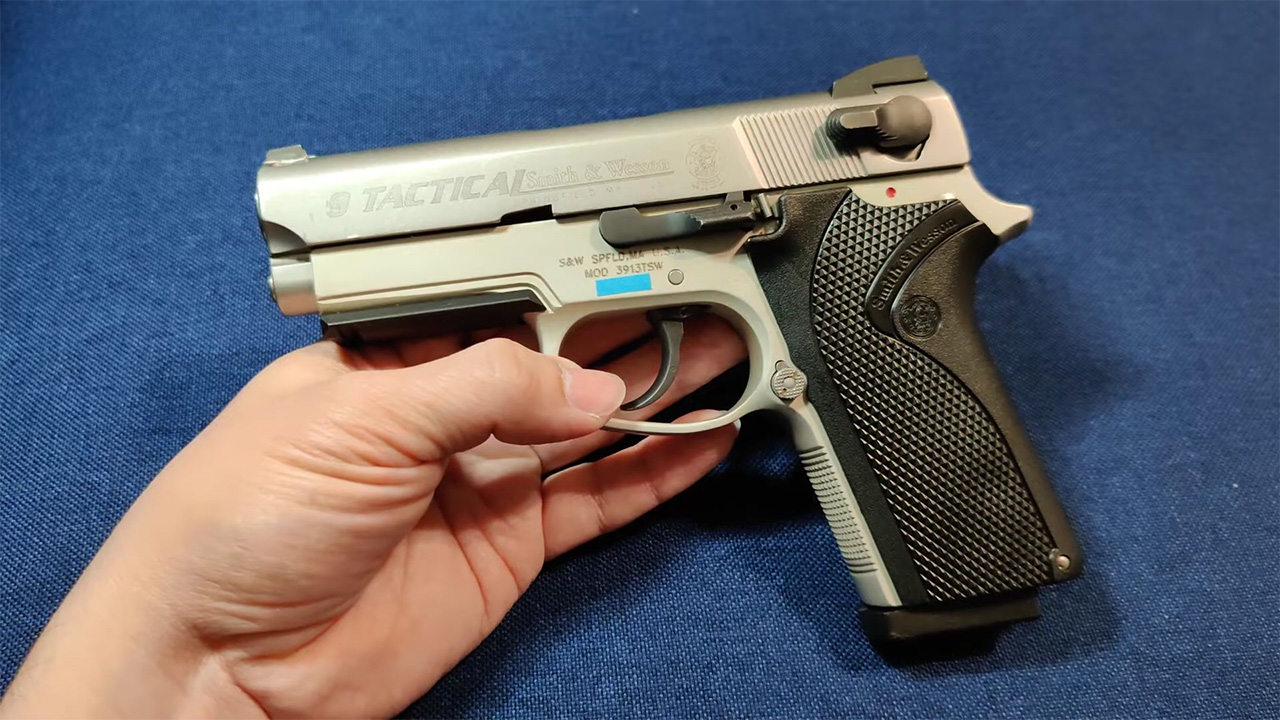
The Smith & Wesson Model 3913 used to be a practical single-stack 9mm that looked dated once polymer carry pistols took over. Plenty of buyers ignored them because capacity became king.
Now the 3913 has aged into one of the more respected third-generation Smith autos. It is slim, smooth, easy to carry, and better made than many people realized at the time. It may not beat modern micro-compacts on capacity, but it has a shooting feel and quality that keep demand strong. Buyers who passed on police-trade-in prices feel that one.
Marlin 39A
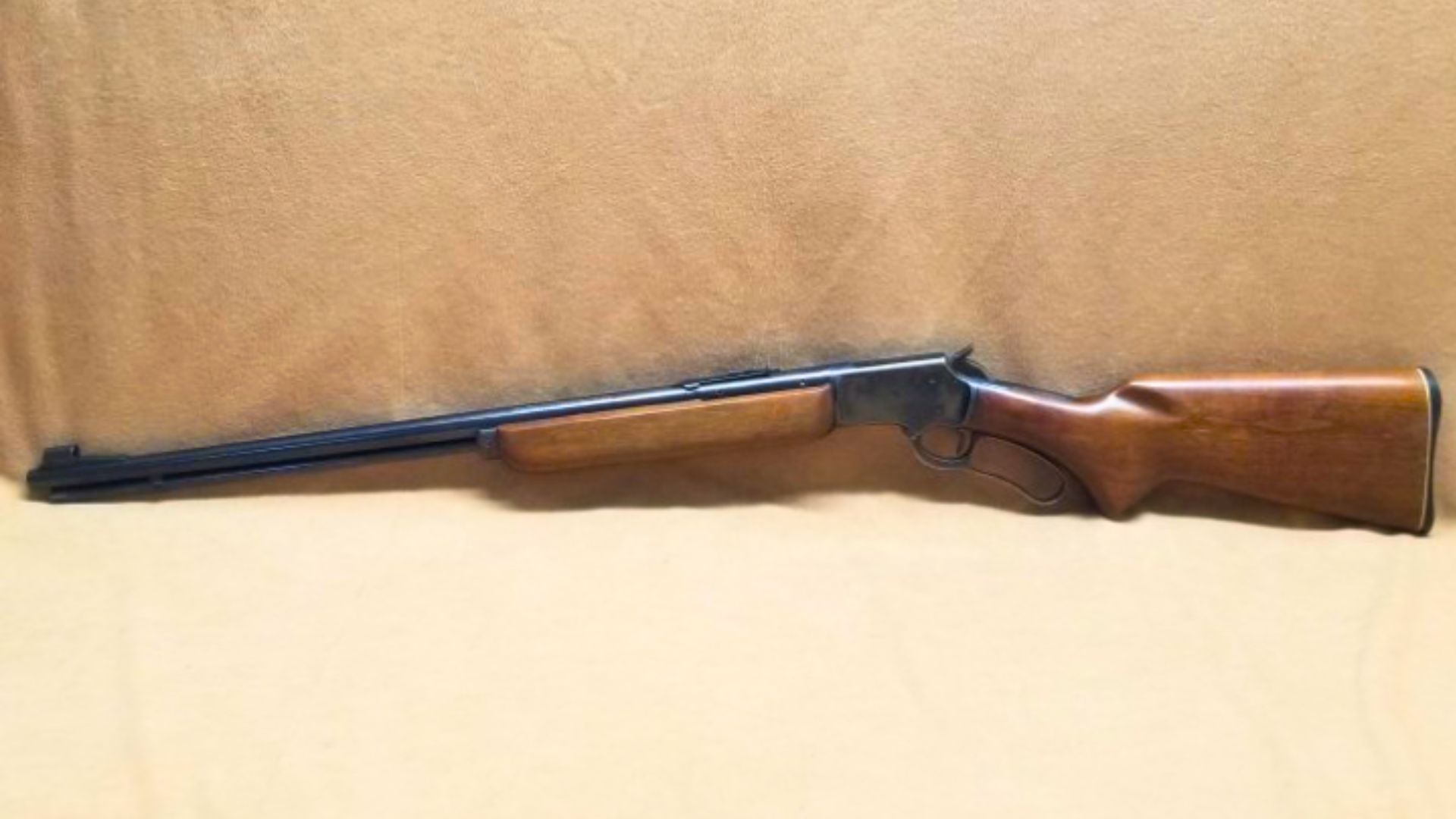
The Marlin 39A is the kind of rifle people always knew was good, but many still failed to buy when prices were easier. A lever-action .22 seemed nice, but not urgent.
Now clean 39As bring serious attention. They are smooth, accurate, beautifully traditional, and far more satisfying than most modern rimfires. A good .22 that lasts generations is not something to take lightly. The 39A proves that rimfires can become regret guns too. People who once passed because “it’s just a .22” usually wish they could go back.
Springfield Armory M1A

The Springfield Armory M1A used to be more attainable before .308 semi-autos, military-style classics, and traditional rifle nostalgia all started pushing prices up. It was never cheap, but it felt more reachable.
Now buyers often wince at what a good M1A costs once magazines, optics mounts, and accessories are added. The rifle is heavy, old-school, and not as modular as an AR-10, but it has character that newer rifles do not copy. People who always wanted one and waited too long usually regret not buying before the price jump felt personal.
Beretta 92 Compact
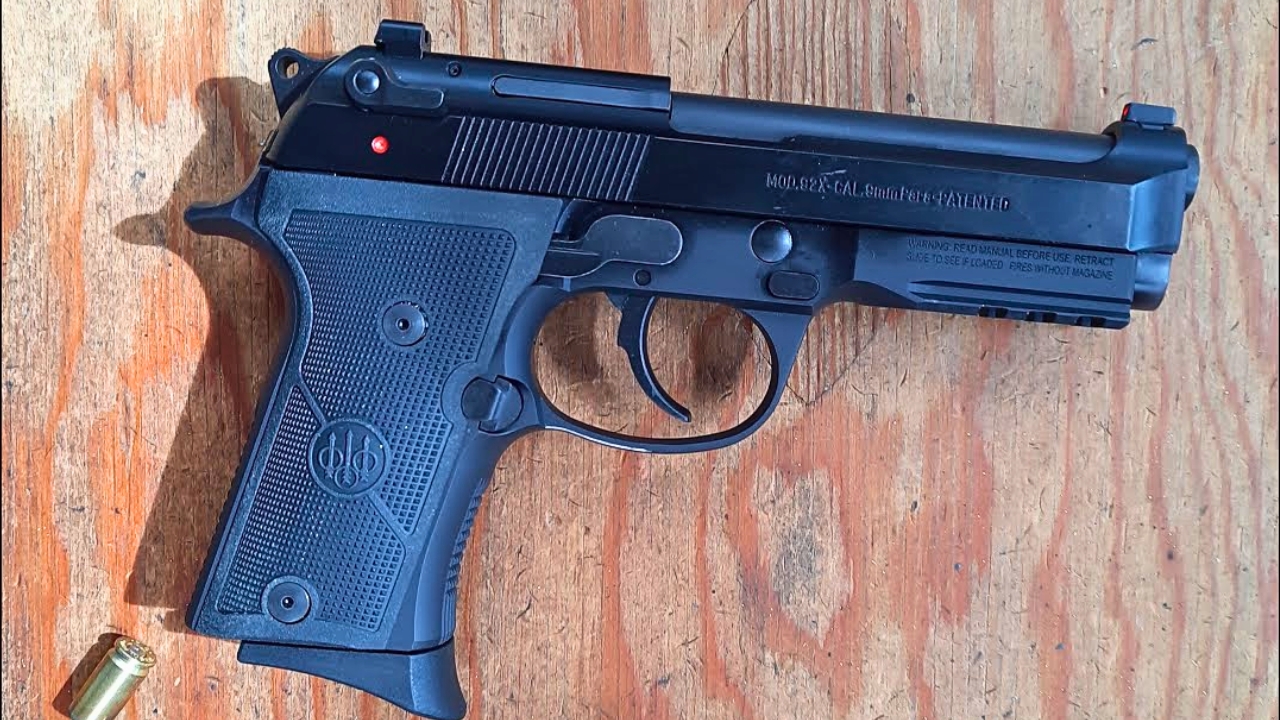
The Beretta 92 Compact used to be easy to overlook because it was still fairly large for a compact and lived in the shadow of the full-size 92FS. Buyers chasing smaller carry guns often skipped it.
That was a mistake for people who like Beretta pistols. The 92 Compact keeps the soft-shooting feel and classic controls in a handier package. It is not tiny, but it shoots better than many smaller pistols because it still has enough size and weight. Once availability got tighter and interest grew, prices reminded people they should have bought one earlier.
Winchester 9422
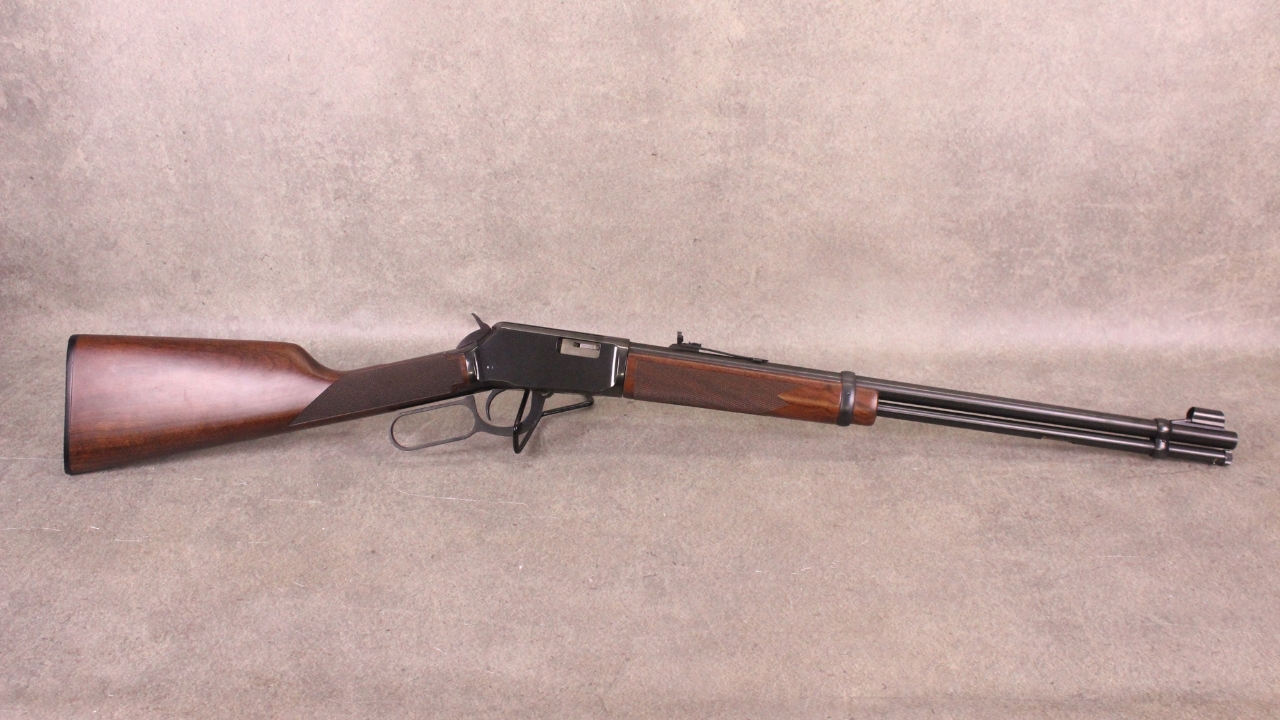
The Winchester 9422 is one of the rimfires that people regret passing on the most. It was never a bargain-basement .22, but it once seemed available enough that buyers assumed there was no rush.
Now the 9422 is expensive because it combines Winchester lever-gun charm with rimfire usefulness. It is smooth, well-made, and enjoyable in a way cheaper .22s rarely match. A rifle like that does not need to be powerful to be desirable. People who skipped one years ago often find that replacing the opportunity costs far more than expected.
Smith & Wesson Model 13
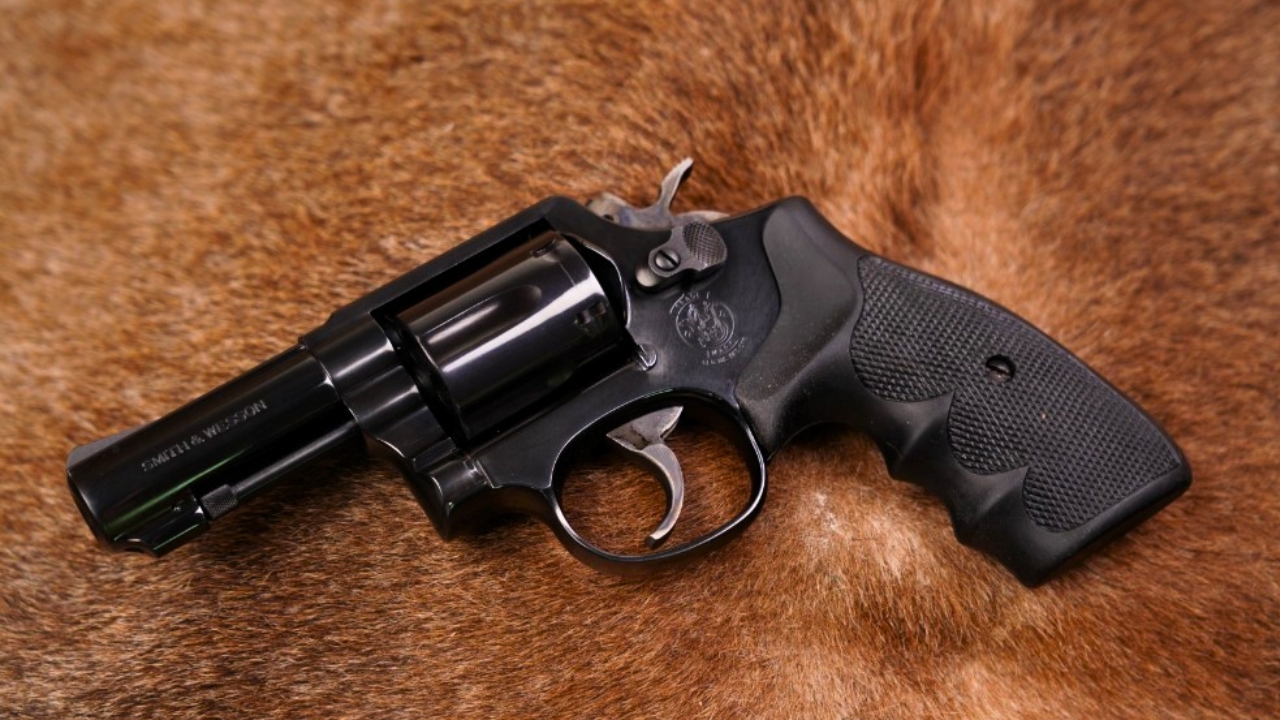
The Smith & Wesson Model 13 used to be viewed as a plain fixed-sight .357 duty revolver. It did not have the flash of adjustable sights or the polish of fancier Smiths, so some buyers overlooked it.
That plainness became the appeal. The Model 13 is strong, simple, carryable, and tied to an era when service revolvers were built for real use. It works with .38 Special for practice and .357 Magnum when needed. Clean examples are much harder to ignore now. People who passed on one cheap usually understand exactly why that was a mistake.
HK USP Compact

The HK USP Compact was once just an expensive but available carry pistol from HK. Some buyers passed because it was thicker, pricier, and less modern-looking than newer striker-fired guns.
Now older HK pistols have stronger collector and shooter appeal, and the USP Compact still feels extremely solid. It has serious durability, flexible variants, and a reputation that has aged well. It may not be the smallest carry gun anymore, but it is built with a confidence many modern compacts lack. People who wanted one and waited usually dislike current prices.
Remington 700 Mountain Rifle
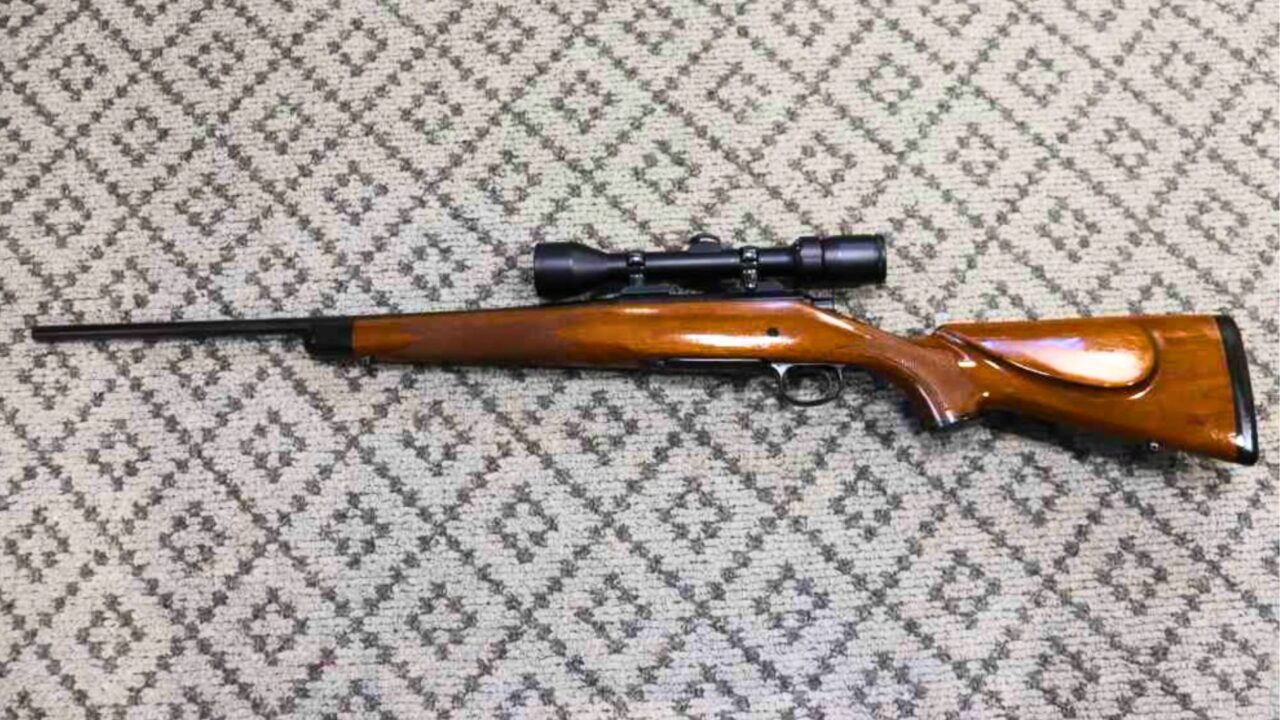
The Remington 700 Mountain Rifle had a clear purpose: a lighter, handier hunting rifle for people who did not want to carry a heavy sporter. For years, that seemed useful but not necessarily urgent.
Now good Mountain Rifles are much more desirable. They have classic Remington handling, practical hunting weight, and a cleaner feel than many modern budget lightweights. In the right chambering, they are exactly the kind of rifle hunters wish they still saw more often. Passing on one when prices were reasonable is the kind of mistake that follows people around.
SIG Sauer P225

The SIG Sauer P225 was once an older single-stack 9mm that looked outclassed by modern compact pistols. It was respected, but plenty of shooters passed because capacity and weight did not look great on paper.
Now original P225s have far more appeal. They are slim, accurate, and built with old SIG quality that fans still chase. The pistol feels better than the spec sheet suggests, and that matters to people who enjoy classic service pistols. It is not the highest-capacity carry choice, but it is one of the guns people wish they had bought before the market noticed.
Browning B-92
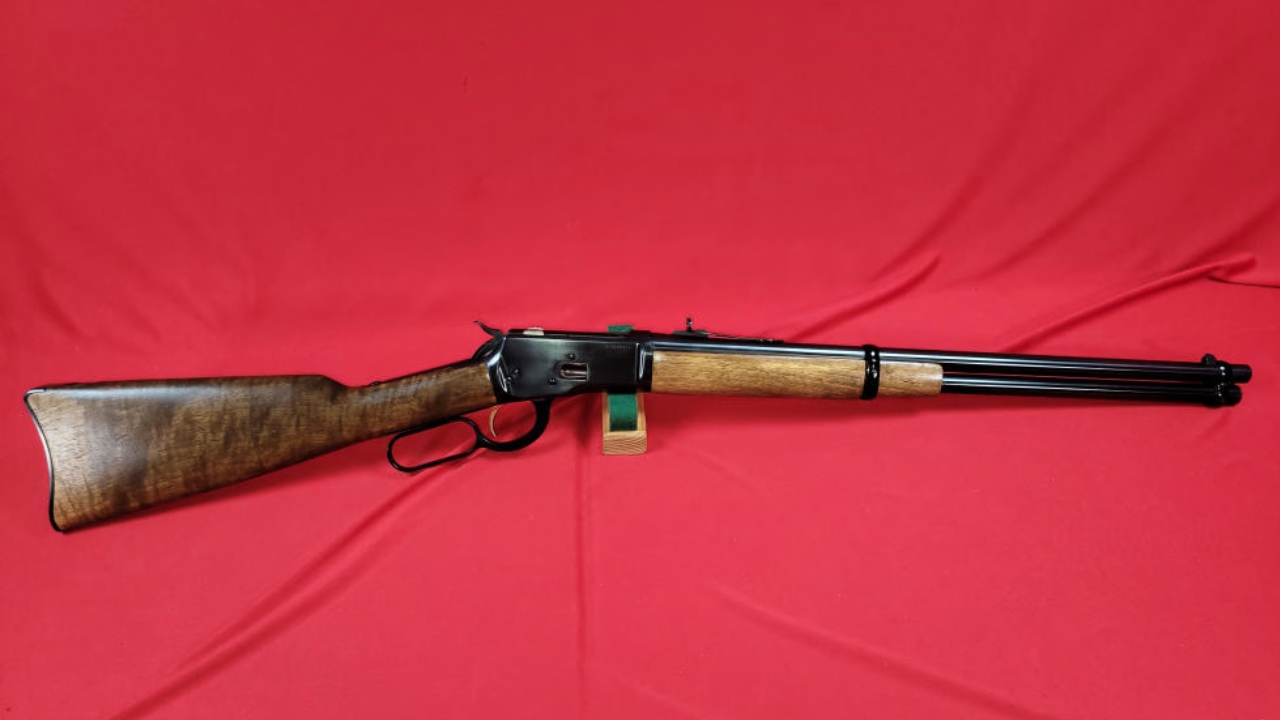
The Browning B-92 was one of those lever guns people did not fully appreciate until later. It looked like a nice Japanese-made Winchester-style carbine, but many buyers did not realize how desirable that would become.
Now the B-92 is prized because it is well-made, handy, and chambered in useful pistol calibers like .357 Magnum and .44 Magnum. It has the classic look without the roughness of some older guns. People who passed on them when they were just “used lever guns” now understand that quality reproductions can become expensive too.
Like The Avid Outdoorsman’s content? Subscribe to our newsletter so you never miss an article.
Here’s more from us: