Photo credit: Chris Parkin Shooting Sports/YouTube
Some rifles get attention because they are new, expensive, or built around whatever the market is chasing that year. Other rifles earn their place in a quieter way. They sit in deer stands, ride in trucks, handle bad weather, knock around behind seats, and keep showing up when somebody needs a rifle that simply works.
Those are the rifles people tend to respect more with time. They may not be the prettiest rifles in the rack, and some never had much status when they were easy to find. But they kept doing the work, season after season, until owners realized replacing them would be harder than they thought.
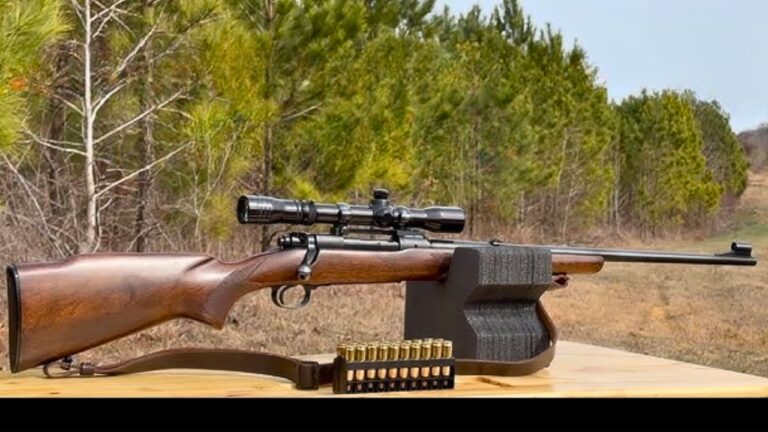
Remington Model 700 ADL

The Remington Model 700 ADL was never the fanciest version of the 700, and that is part of why hunters used it hard. It was a plain bolt-action rifle that could be bought, scoped, sighted in, and carried into deer season without turning into a financial decision.
A good ADL in .243, .270, .308, or .30-06 did exactly what most hunters needed. It shot well enough, carried easily, and handled normal abuse without asking for attention. Plenty of prettier rifles came along, but the old ADL kept filling freezers while nobody made a speech about it.
Ruger American Rifle
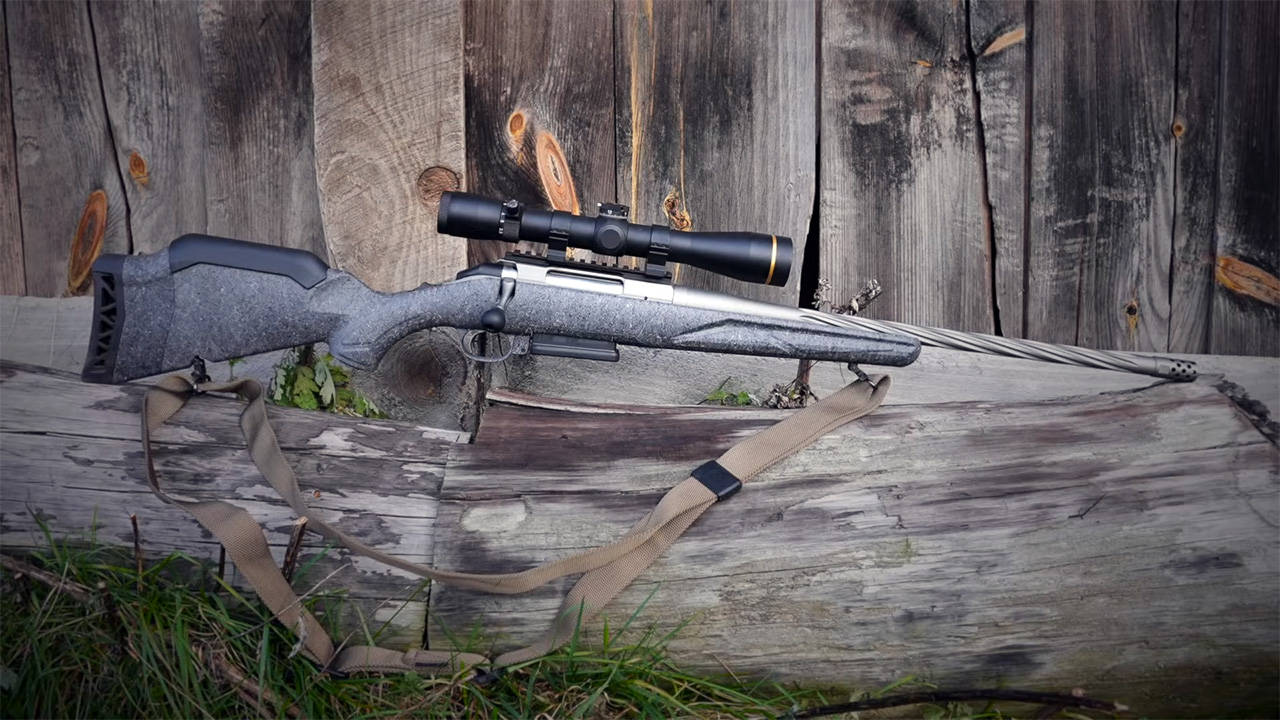
The Ruger American Rifle proved that a working rifle did not have to be expensive to be useful. Early on, some shooters dismissed it because of the plastic stock and budget feel. That changed once people started seeing how many of them shot better than expected.
It is not a walnut-and-blue-steel heirloom, and it does not pretend to be. The American works because it gives regular hunters accuracy, simple handling, and dependable function at a price that leaves room for a better scope and more ammo. That matters more in the field than fancy checkering.
Marlin 336

The Marlin 336 kept doing the work long after people started acting like lever guns were old news. In thick woods, creek bottoms, and brushy deer country, it remained exactly what it had always been: quick, handy, and easy to carry.
A .30-30 does not need to win arguments on paper to kill deer cleanly inside sane distances. The 336 points fast, carries flat, and feels natural when a shot window opens for only a few seconds. That kind of usefulness is why hunters still hang on to good ones.
Savage 110

The Savage 110 never needed beauty to matter. For years, it was the rifle people bought when they wanted accuracy without paying for a famous name. It looked plain, felt practical, and often shot far better than its price suggested.
That is why it kept earning respect. The floating bolt head, barrel nut system, and later AccuTrigger helped make the 110 a real performer. Hunters found out they could buy one, mount decent glass, and trust it from opening morning through the last cold sit of the season.
Winchester Model 70 Featherweight

The Winchester Model 70 Featherweight kept doing the work because it struck a balance that still makes sense. It was light enough to carry all day but still felt like a real rifle instead of a hollow piece of gear built only to hit a weight number.
Hunters who spend time walking ridges, climbing stands, or covering country understand the appeal fast. The Featherweight shoulders naturally, carries well, and gives you the classic Model 70 feel without dragging you down. It is the kind of rifle that proves handling matters as much as the cartridge.
Ruger 10/22

The Ruger 10/22 has probably done more quiet work than most rifles ever will. It has taught beginners, handled squirrels, cleaned up pests, burned through cheap ammo, and lived behind truck seats, in barns, and beside workbenches for decades.
It is easy to overlook because it is so common, but that commonness came from usefulness. The 10/22 feeds well, carries easily, and can be left mostly stock or built into almost anything. A rifle does not stay popular that long by accident. It stays because people keep finding reasons to use it.
Tikka T3x Lite
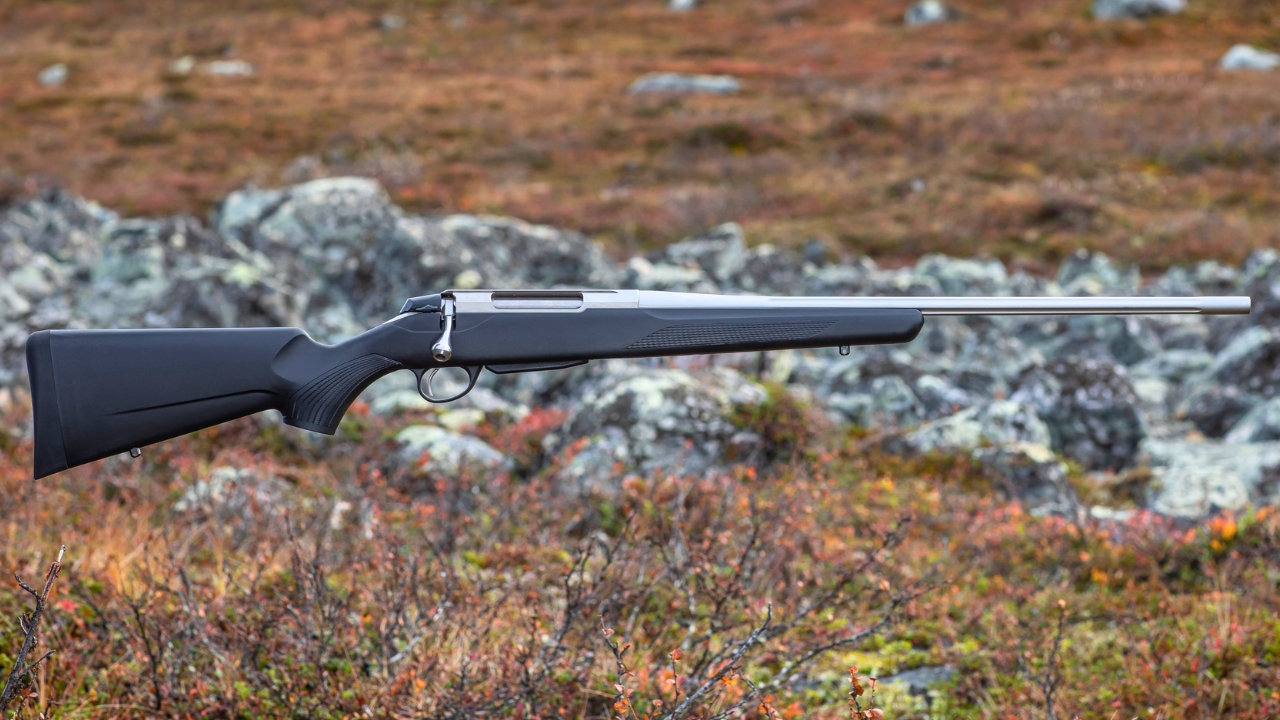
The Tikka T3x Lite earned trust because it gave hunters a smooth, accurate rifle without making them fight the gun. The bolt feel is better than many rifles at its price, the trigger is clean, and the rifles have a strong reputation for shooting well out of the box.
It became one of those rifles people recommend after actually carrying one. The stock is not fancy, and the rifle is not built to impress old-school collectors. But when you need a lightweight hunting rifle that groups well and does not make excuses, the T3x Lite keeps doing its job.
Browning X-Bolt

The Browning X-Bolt has always felt like a rifle built for hunters who want refinement without babying their gear. It is clean, accurate, and comfortable in the hand, but it still belongs in a deer blind, elk camp, or back corner of a truck during season.
The short bolt lift, good trigger, and solid magazine system make it easy to live with. Some rifles impress you at the counter and disappoint later. The X-Bolt tends to work the other way. The more you hunt with it, the more you appreciate the little things Browning got right.
Remington 7600
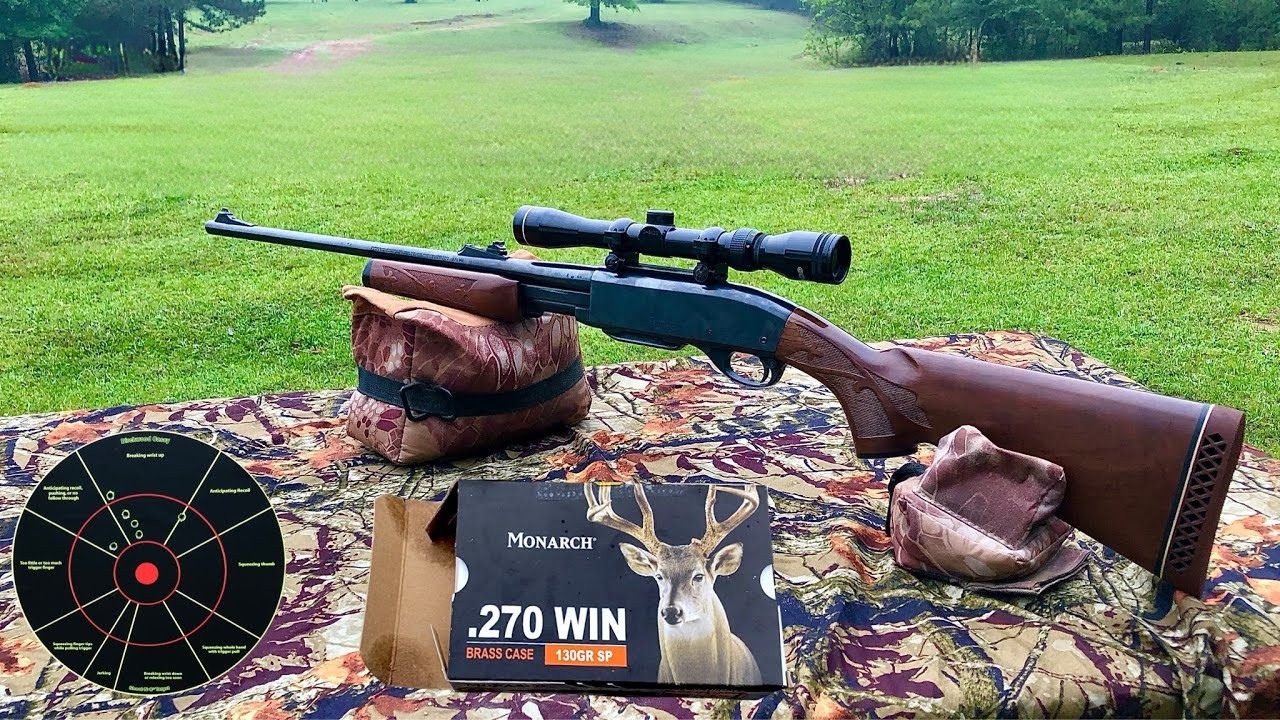
The Remington 7600 kept doing the work in places where fast follow-up shots and familiar handling mattered. In Pennsylvania, the Northeast, and thick deer country, pump rifles earned loyalty because they handled more like shotguns than typical bolt guns.
The 7600 was never sleek in a modern mountain-rifle way, but it was practical. Hunters who grew up with pump shotguns could run it naturally, and chamberings like .30-06 gave it plenty of authority. It is easy to dismiss until you see someone who knows one use it well.
Winchester Model 94

The Winchester Model 94 stayed useful because it fit the kind of hunting many people actually did. It was light, narrow, quick to shoulder, and easy to carry through timber. You did not need a long shot or a benchrest setup to understand it.
In .30-30, the Model 94 made sense for generations of deer hunters. It was not built for stretching fields or showing off groups online. It was built for getting on target quickly when a buck stepped through cover. That job has not disappeared, even if rifle trends keep changing.
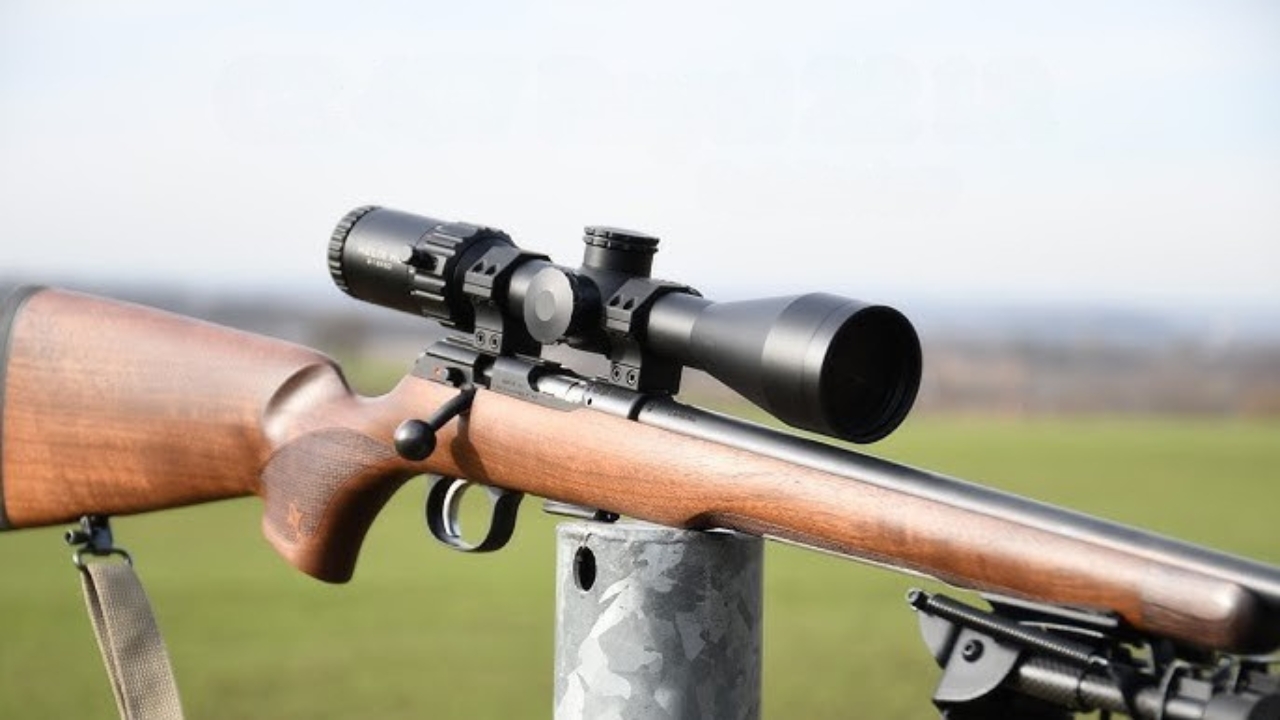
CZ 457

The CZ 457 kept doing the work by being the rimfire that felt more serious than a casual plinker. It brought good accuracy, strong build quality, and a grown-up rifle feel to a category where many buyers expect cheap stocks and rough triggers.
For small-game hunters and rimfire shooters, that matters. The 457 is useful for squirrels, practice, target work, and teaching fundamentals without feeling disposable. It is the kind of .22 that reminds you rimfires are not just beginner guns. A good one can stay useful for life.
Weatherby Vanguard

The Weatherby Vanguard has always been one of those rifles that quietly overdelivers. It does not carry the same romance as the Mark V, but that is exactly why working hunters have used it hard without feeling like they were risking a museum piece.
The Vanguard’s reputation comes from practical accuracy and solid value. In common hunting chamberings, it gives you a strong action, dependable performance, and enough weight to settle down behind the shot. It may not turn heads at camp, but it keeps putting bullets where they need to go.
Ruger M77 Hawkeye

The Ruger M77 Hawkeye kept earning respect because it felt built for rough use. The controlled-round-feed action, strong scope mounting system, and sturdy construction gave hunters confidence when weather, travel, and hard country were part of the plan.
It is not the lightest rifle, and some examples need a little work to shoot their best. But the Hawkeye has a field-rifle honesty that people still appreciate. It feels like a rifle meant to be carried in rain, leaned against trees, and trusted when the shot finally comes.
Henry Golden Boy
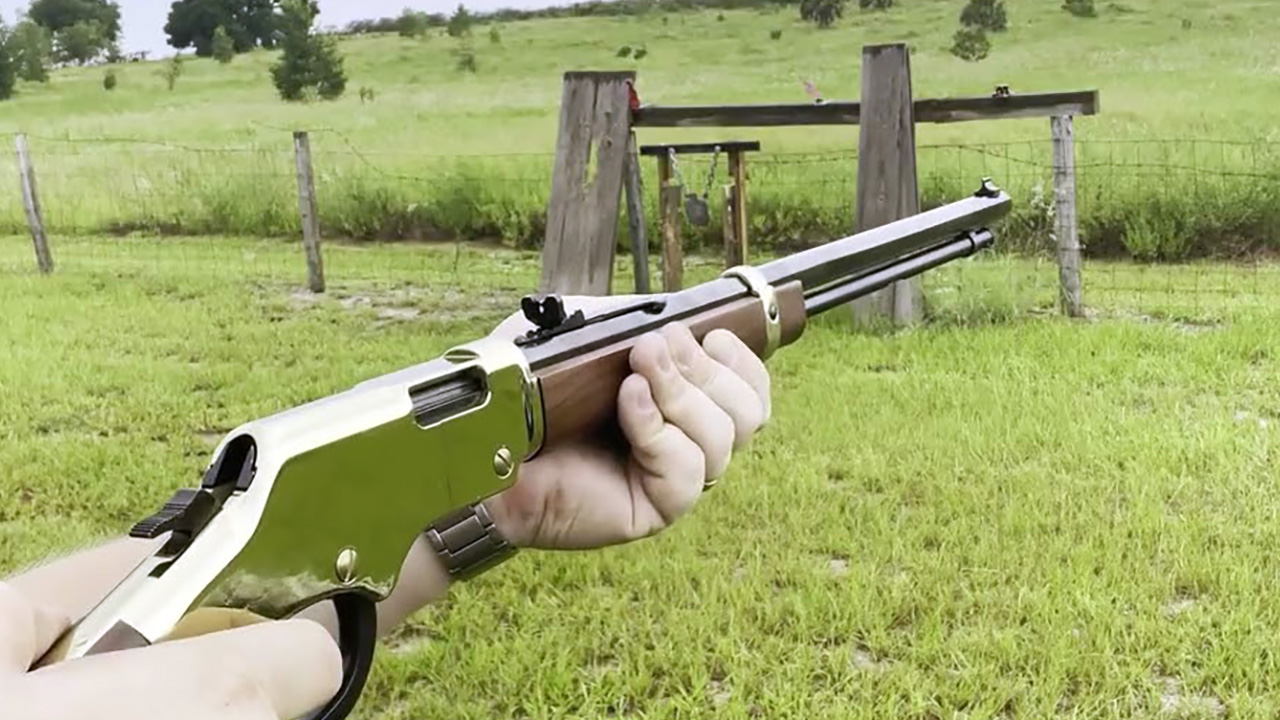
The Henry Golden Boy may look more polished than some working rimfires, but plenty of them have done real work on farms, around camps, and in squirrel woods. It is easy to think of it as a showy lever gun until you spend time shooting one.
The action is smooth, the balance is friendly, and the rifle makes simple .22 shooting feel fun again. That matters more than people admit. A rifle that gets used often is doing its job. The Golden Boy keeps earning its place because people actually want to pick it up.
AR-15 Carbine
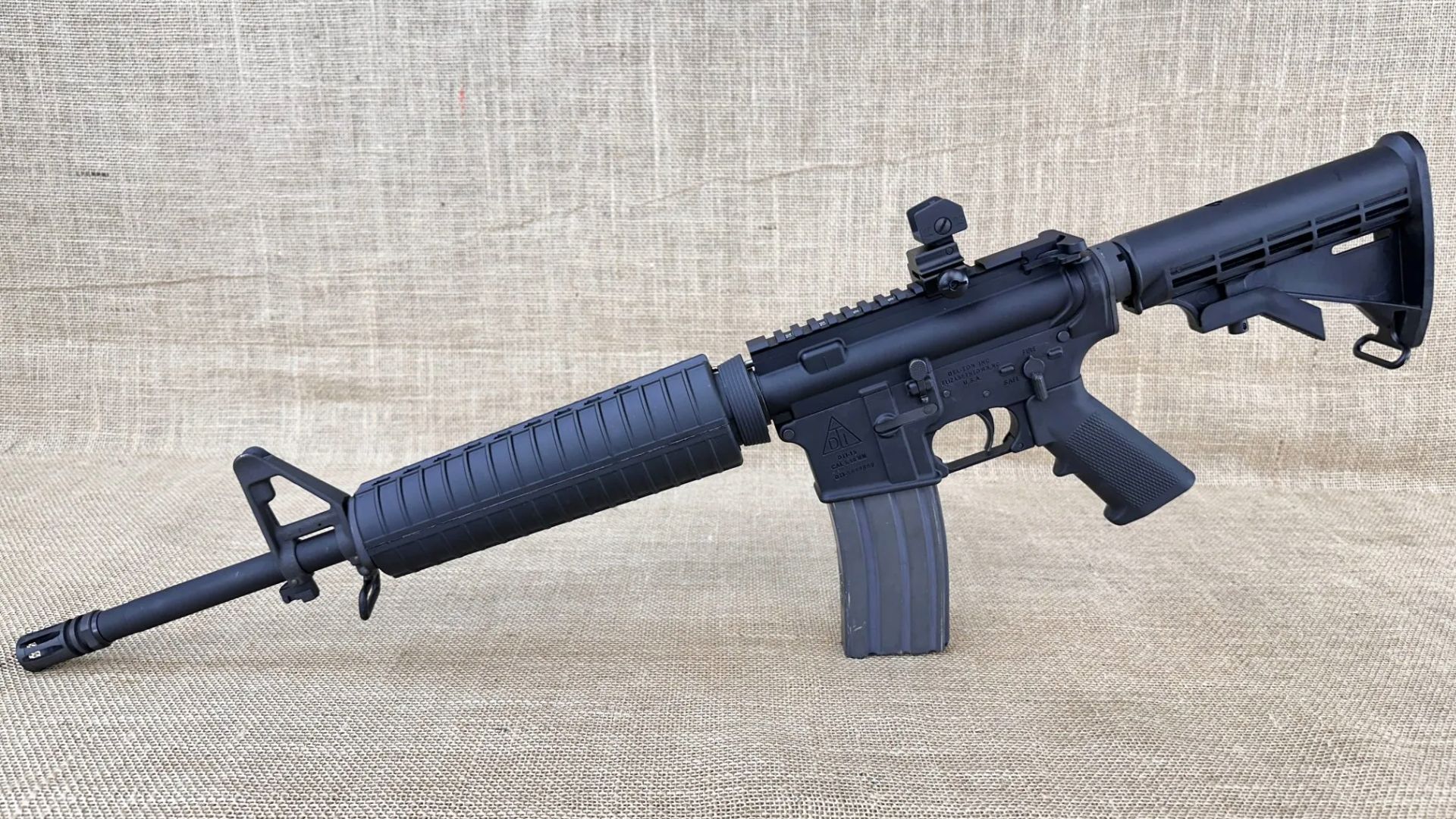
The AR-15 carbine kept doing the work because it moved past politics, trends, and internet arguments into plain usefulness. For many owners, it became the rifle they trained with, protected property with, hunted varmints with, and customized to fit their needs.
A basic 16-inch carbine is light, accurate enough, easy to mount optics on, and simple to maintain with common parts. People can argue about brands all day, but the pattern itself has proven why it stays around. It is not respected because it is rare. It is respected because it works.
Like The Avid Outdoorsman’s content? Be sure to follow us.
Here’s more from us: