Photo credit: 9 to 5 Tactical/Youtube
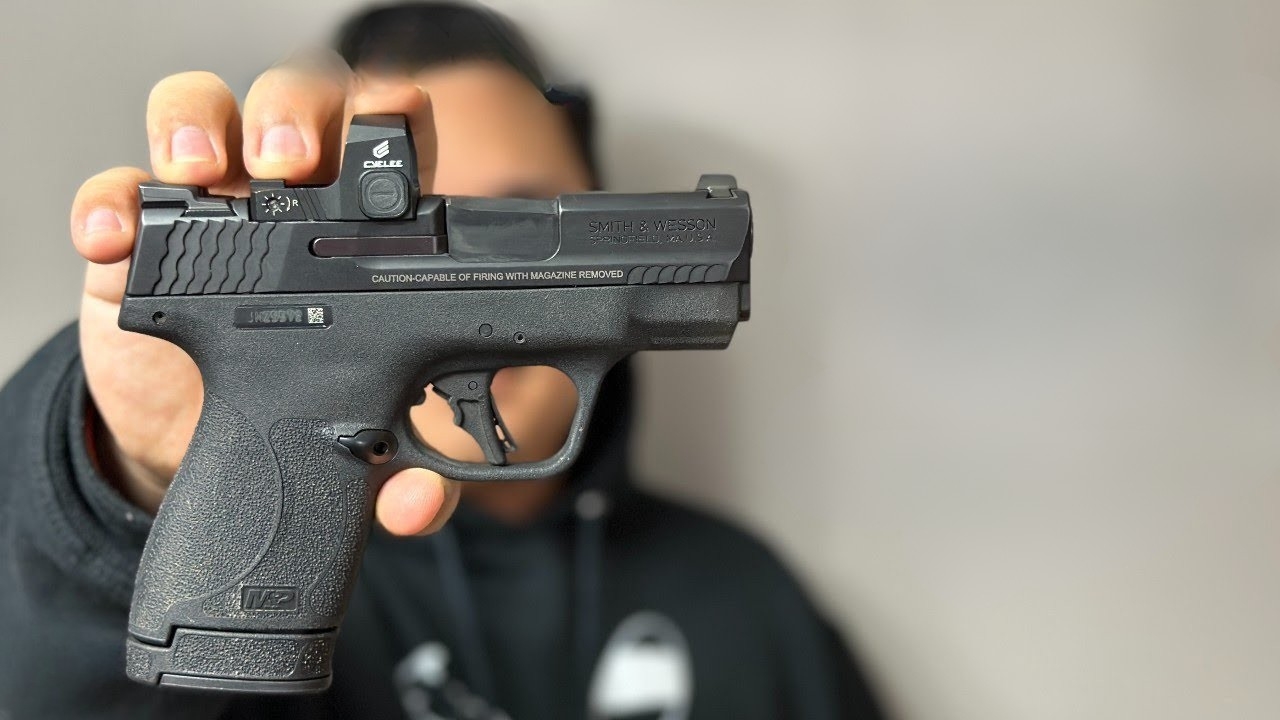
The Smith & Wesson Shield Plus is one of the more popular slim carry pistols for people who want more capacity than the original Shield without moving up to a thicker compact gun. It kept the basic Shield feel, added a better trigger, and gave shooters higher-capacity magazine options in a pistol that still carries easily.
But like most small carry pistols, the Shield Plus has a few problems that show up often enough to be worth knowing. Most of them are not dramatic design failures. They usually come back to magazines, feeding, ejection, slide-lock issues, return-to-battery trouble, or the way the gun is being gripped and maintained. Smith & Wesson’s Shield Plus manual also makes clear that the pistol’s magazine and slide-stop system are part of normal function, with the magazine follower pushing the slide stop up after the last round. That matters because a lot of complaints start right there, with the magazine.
Failure to Feed
Failure to feed is one of the more common Shield Plus malfunctions. The slide moves forward, but the round does not chamber cleanly. The bullet may nose-dive into the feed ramp, hang partway into the chamber, or leave the slide slightly out of battery. With a small carry pistol, that can happen faster than people expect because there is less slide mass and less room for a weak magazine or bad ammo to get forgiven.
The magazine is usually the first thing to check. A weak spring, damaged feed lips, dirty magazine body, rough follower, or stiff new magazine can all affect how the round presents to the chamber. In Shield Plus owner discussions, feeding problems are often diagnosed by marking the magazines, checking whether the issue follows one mag, and watching for shooter grip problems like limp-wristing. That is exactly the right approach. If one magazine causes the problem and another runs clean, the pistol probably is not the main issue.
Magazine Seating Problems
Magazine seating is another common Shield Plus complaint, especially with fully loaded higher-capacity magazines. A full magazine may feel hard to lock in with the slide closed, or it may not seat completely unless the shooter gives it a firm push. When that happens, the gun can fail to feed, fail to chamber the first round, or act like it has a deeper mechanical problem when the magazine was never fully locked in.
This is especially worth watching with the 13-round and 15-round magazines. Some owners report trouble loading or seating Shield Plus 13-round magazines, and others have run into issues with higher-capacity mags not behaving the same as the flush-fit magazine. That does not mean the bigger magazines are bad, but they do need to be tested. A carry magazine should seat positively with the slide closed, feed from full capacity, and lock the slide back after the last round. If it does not do all three, it does not belong in the carry rotation.
Failure to Eject
Failure to eject happens when the pistol fires, but the empty case does not clear the ejection port. It may stovepipe, get trapped under the slide, or interfere with the next round. With the Shield Plus, this can come from weak ammo, a loose grip, extractor or ejector issues, dirty internals, or a recoil spring that is not letting the slide cycle cleanly.
Small pistols need a firm grip. The Shield Plus is easier to shoot than a lot of tiny carry guns, but it is still a slim, lightweight 9mm. If the shooter lets the frame move too much under recoil, the slide may not travel with enough authority to eject cleanly. Soft range ammo can make that worse. If ejection problems only show up with one cheap load, start there. If they happen with several loads, several magazines, and more than one shooter, then the extractor, ejector, chamber, and recoil spring deserve attention.
Stovepipes
A stovepipe is a specific kind of failure to eject where the empty case gets caught upright in the ejection port. It is usually easy to clear, but it still means the pistol did not finish cycling. On the Shield Plus, stovepipes are usually tied to weak ammunition, limp-wristing, extractor tension, recoil spring issues, or a dirty chamber.
The pattern matters more than the single malfunction. One stovepipe with bargain range ammo is not the same as repeated stovepipes with your carry load. A shooter with a firmer grip may run the same pistol cleanly while another shooter gets stoppages. That does not mean every malfunction is the shooter’s fault, but grip needs to be ruled out early on a slim carry pistol. If the Shield Plus stovepipes across different shooters, magazines, and loads, then it is time to inspect the gun instead of blaming technique.
Failure to Return Fully to Battery
The Shield Plus can also fail to return fully to battery. The round starts into the chamber, the slide moves most of the way forward, but the pistol stops just short of being fully closed. Sometimes a tap on the back of the slide finishes the cycle. Other times the round has to be cleared.
This can come from a dirty chamber, rough ammo, weak recoil spring, carbon buildup, dry slide rails, or a round that is slightly out of spec. General pistol troubleshooting points out that excessive carbon in the chamber or locking areas can prevent the cartridge from seating fully and keep the slide out of battery. That applies here too. A Shield Plus that rides in a holster every day can collect lint, sweat, dust, and debris even when it has not been shot much. Carry guns still need regular cleaning.
Slide Failing to Lock Back
The slide failing to lock back after the last round is another common Shield Plus complaint. Sometimes the magazine spring is weak, the follower is dragging, or the slide stop is not being lifted correctly. Other times, the shooter’s grip is riding the slide stop and preventing it from engaging.
The manual explains that the magazine follower applies upward pressure on the slide stop to hold the slide open after the last round, which is why magazine condition matters so much here. Some Shield Plus owners have specifically reported 13-round magazines not holding the slide back or not dropping free cleanly. If the slide locks back with one magazine and not another, that magazine needs to be marked and pulled from carry use. If it locks back for one shooter but not another, grip is probably part of the problem.
Failure to Extract
Failure to extract is less common than basic ejection trouble, but it can happen. The fired case stays in the chamber instead of being pulled out by the extractor. The slide may stop, or it may try to feed the next round into a chamber that still has empty brass sitting in it.
A dirty chamber, rough brass, weak slide movement, worn extractor, chipped extractor claw, or ammo issue can all cause extraction trouble. With small pistols, weak ammo and loose grip can make extraction and ejection issues worse because the slide is not cycling with full energy. If the Shield Plus only struggles with one ammo brand, the load may be part of it. If it leaves brass in the chamber across several loads and magazines, the extractor and chamber need a closer look.
Light Primer Strikes
Light primer strikes are not the most common Shield Plus malfunction, but they are worth watching for. The trigger breaks, the striker hits the primer, and the round does not fire. When the round is cleared, the primer may show only a shallow dent. That can come from hard primers, cheap ammo, a dirty striker channel, weak striker spring, or aftermarket trigger parts.
Smith & Wesson’s manual warns owners to inspect the breech face and make sure the firing pin is not protruding, and to stop firing if the handgun’s operation changes in feel or sound. That is good advice for light-strike issues too. A carry pistol should not be giving repeated ignition failures. If light strikes appear after trigger work, spring changes, or aftermarket parts, the modification should be questioned before blaming the ammo alone.
Aftermarket Parts or Magazine Changes Causing Problems
The Shield Plus does not have the same endless aftermarket as a Glock, but plenty of owners still modify them. Triggers, sights, magazine extensions, baseplates, springs, optic setups, and replacement parts can all affect reliability if they are not installed and tested correctly.
Magazine changes are the big one. Higher-capacity magazines and extensions can change spring tension, follower movement, seating pressure, and how the top round sits. That can lead to feeding problems, slide-lock failures, or trouble seating a full magazine. None of that means the Shield Plus should never be modified, but every change needs to be tested with the exact ammo and magazines that will be carried. A pistol is not ready just because it ran one box at the range.
Like The Avid Outdoorsman’s content? Be sure to follow us.
Here’s more from us: