Photo credit: Savage Arms
Some rifles carry a price tag that makes you expect match-grade precision right out of the box. You pay up, hoping for something that’ll stack holes at 100 yards, only to find yourself chasing zero or questioning your scope. The worst part? These rifles usually come with marketing that promises the moon, and on the rack, they feel like they’ll deliver.
But once you’ve spent time behind the trigger, flaws start showing. Maybe the stock flexes too much. Maybe the trigger stacks oddly or the barrel heats up and starts walking shots. And more often than not, you could’ve gotten the same or better performance from a rifle half the cost. This list isn’t about hating expensive rifles—it’s about calling out the ones that consistently underdeliver, even after you’ve done your part. If you’ve ever paid a premium and left the range shaking your head, you’re not alone.
Kimber 84M
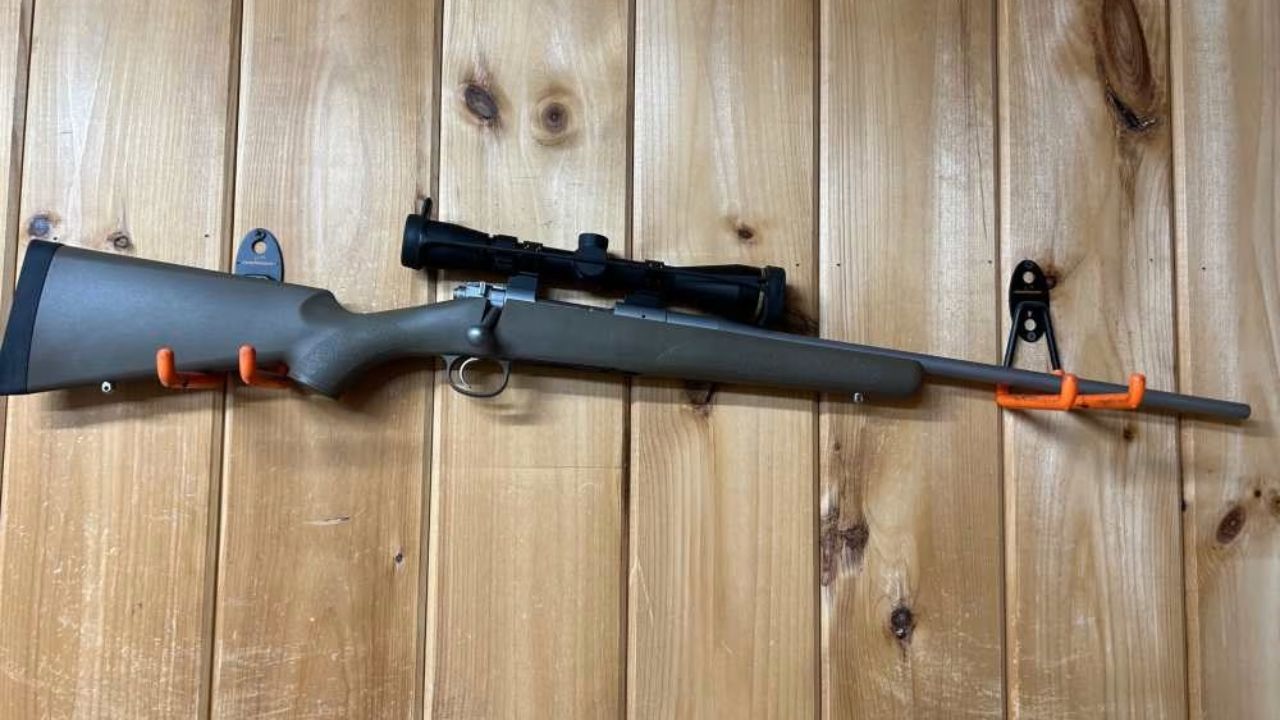
The Kimber 84M is a rifle that draws in a certain kind of hunter—someone who appreciates walnut and blued steel and doesn’t mind paying more for a featherweight rifle. It’s a looker, no doubt. The controlled-round feed action feels like something out of a custom shop. But when you finally get it on the bench, things start to unravel fast.
Accuracy has always been hit or miss with the 84M. Some shoot okay with the right handloads, but a lot of them scatter factory ammo like a shotgun. And with that pencil-thin barrel, groups tend to open up after the second or third shot. It doesn’t help that the stock often has pressure points that mess with barrel harmonics. For the money, there are other mountain rifles that shoot tighter and more consistently without the finicky personality.
Christensen Arms Ridgeline

On paper, the Ridgeline checks all the boxes: carbon fiber barrel, lightweight stock, sub-MOA guarantee. But get one in your hands, mount your scope, and take it to the range—and that’s where the letdown starts for more shooters than you’d think. It looks like it should shoot lights out, but too often, the groups don’t back it up.
The issue is consistency. Some Ridgelines shoot well. Others don’t. Barrels can be oddly torqued, bedding might be off, or the carbon wrap may not be done right. You’ll end up chasing problems that shouldn’t exist at this price point. For a rifle marketed as a precision tool built for the backcountry, you expect reliability and repeatable accuracy. Instead, too many shooters end up swapping stocks, tuning triggers, or shipping it back altogether.
Nosler M48 Liberty
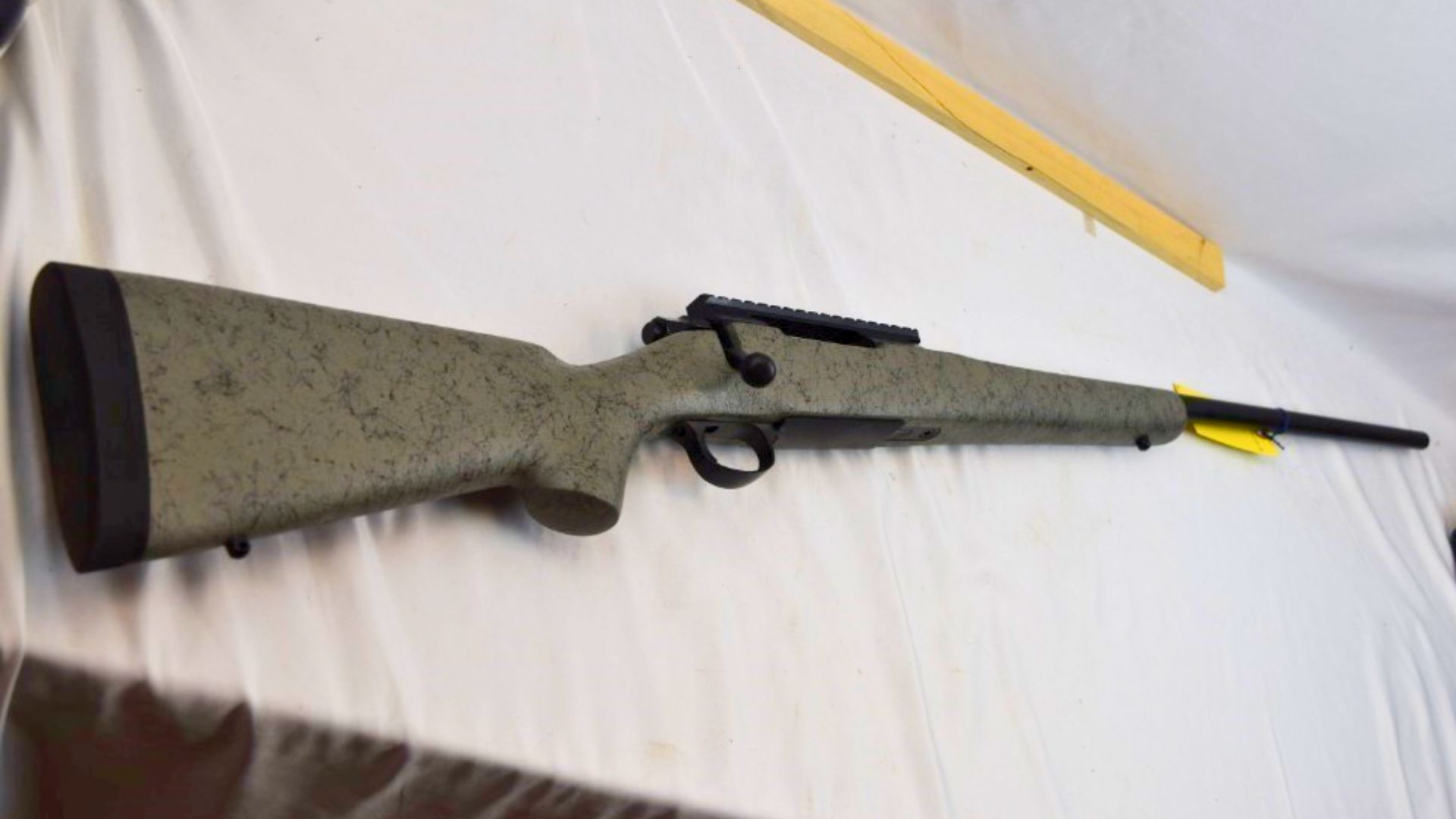
The Nosler M48 Liberty is built by a premium ammo company and priced like a semi-custom rifle. So you’d think it would be a tack-driver. It does have some nice features—good action geometry, quality components—but when you hit the range, it rarely lives up to expectations. Plenty of folks have spent hours trying different loads, chasing tighter groups, and still walking away frustrated.
Part of the problem is the inconsistency between rifles. Some seem to shoot close to an inch, others can’t stay inside two. For the money, that’s hard to accept, especially when more affordable rifles with similar barrels do better. It feels like you’re paying for the brand name and not getting the performance to match. And once you’ve dropped over a grand, tweaking things to make it shoot better starts feeling like a waste of time.
Browning X-Bolt Pro

The X-Bolt Pro sells itself as a high-end mountain rifle, with its fluted barrel, carbon-fiber stock, and Cerakote finish. It’s light, it carries well, and it’s built by a trusted name. But when it comes to accuracy, the Pro doesn’t always hold up its end of the deal. You’d expect it to shoot as good as it looks—and it doesn’t always get there.
There are rifles at half the price that consistently outshoot it. Some of the problems stem from inconsistent barrel fit and bedding. The accuracy guarantee is vague, and the reality is that many shooters never see sub-MOA groups, even after trying different ammo. For a rifle that costs more than most folks’ scoped setups, it shouldn’t require that kind of effort to shoot straight. It’s not a total dog—but it doesn’t earn the premium either.
Remington 700 Sendero SF II
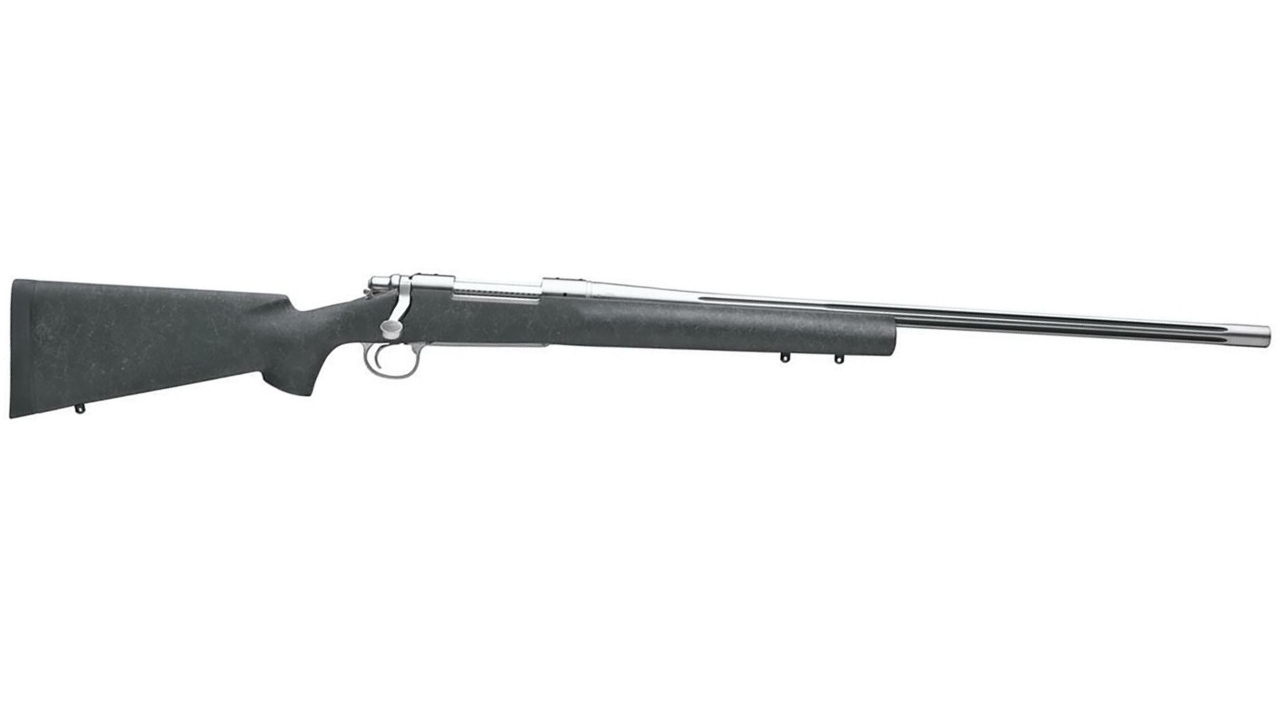
You see the Sendero SF II and you think heavy-barrel precision right out of the gate. And yes, it’s heavy, and yes, it’s built on the classic 700 action. But somewhere between the marketing and the range session, something goes off. Many shooters report so-so accuracy, even with match ammo. At this weight, you expect better.
The real issue is inconsistency between barrels. Some shoot great. Others, not so much. And with that long, heavy barrel, any flaw in the crown or rifling shows up in a big way. The factory trigger helps, but you’re still stuck with the same old Remington bedding system, which often needs attention to bring out the rifle’s best. If you’re paying this kind of money for a precision build, you shouldn’t need to bed the stock or swap barrels to get decent groups.
Ruger Hawkeye Long-Range Target
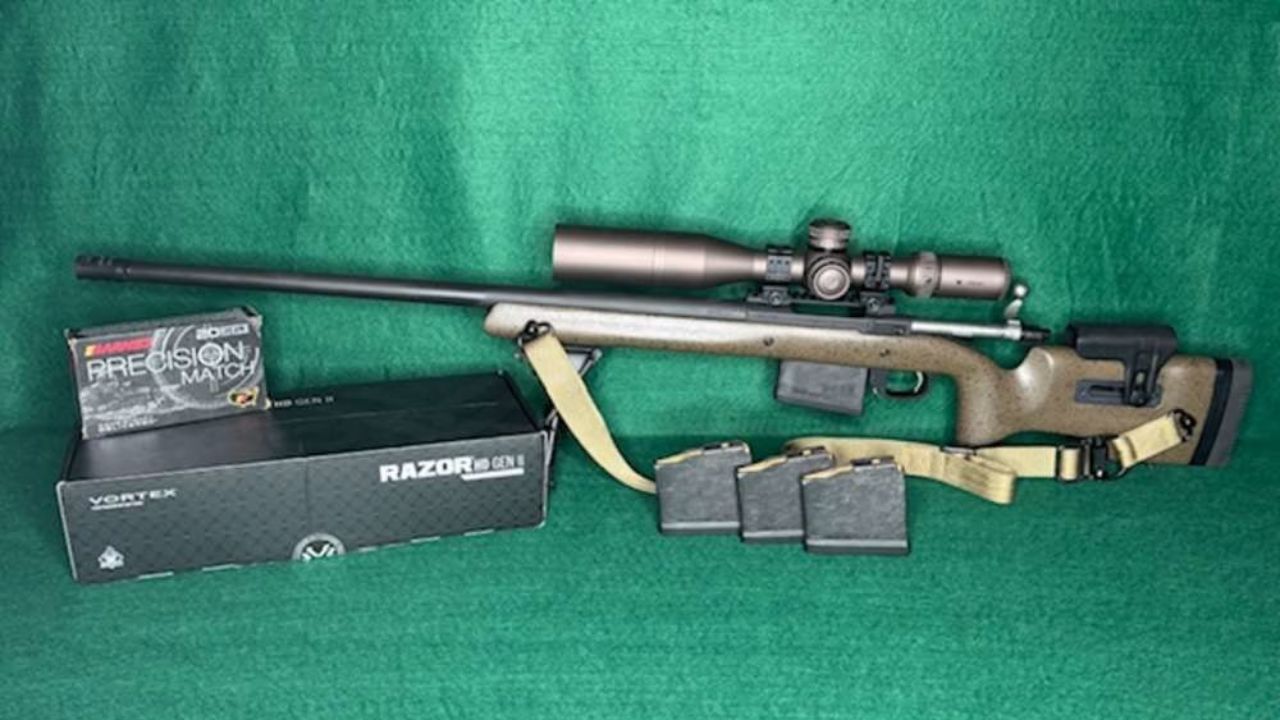
Ruger nailed the looks and the weight on the Long-Range Target model. It feels like a precision rifle should, with a two-stage trigger, heavy-contour barrel, and an adjustable stock. But when you start punching paper, results can be mixed. Accuracy is sometimes decent—but it’s rarely exceptional, and that’s the issue for a rifle in this class.
Shooters have complained about barrel whip, inconsistent velocity, and unexplained flyers. That’s frustrating when you’re trying to stretch it beyond 600 yards. Some of the blame falls on the bedding and action fit, which seem rushed. You’d expect a true long-range rifle to deliver tight groups and consistency at extended distances. Instead, you get a rifle that looks like it should perform but makes you work too hard to bring that performance out.
Savage 110 Ultralite

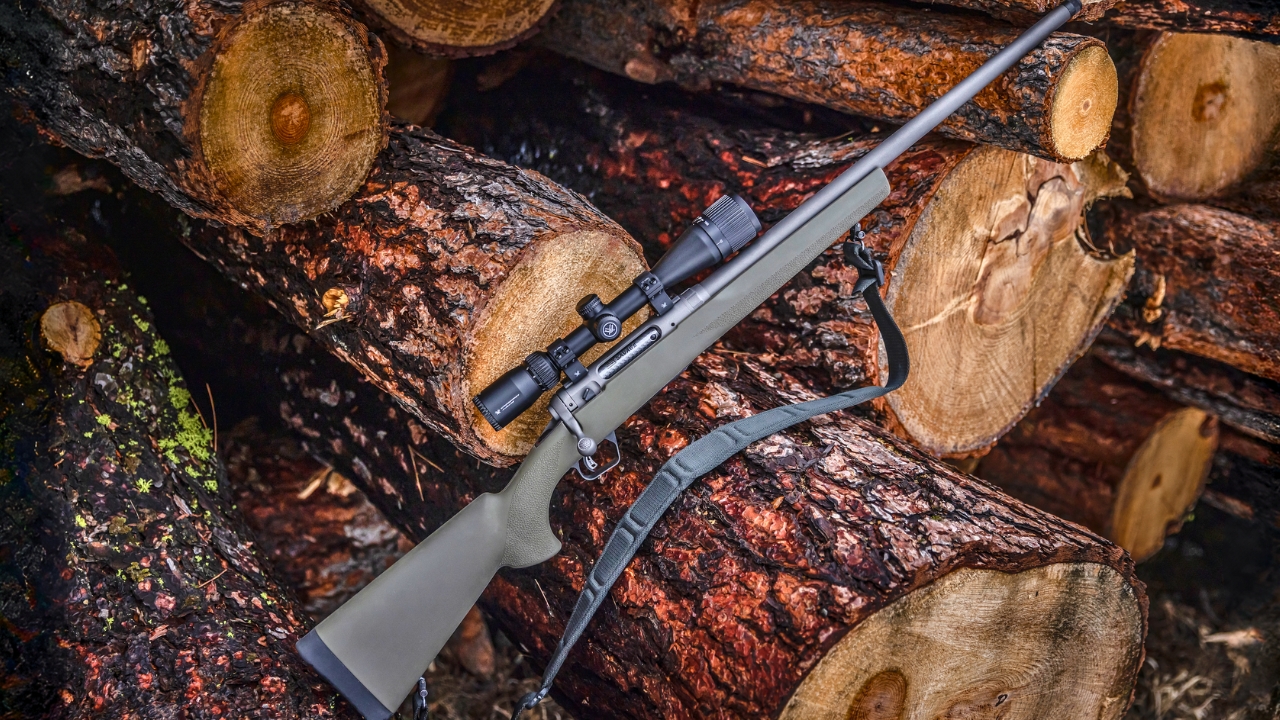
The idea behind the Ultralite is great—a lightweight backcountry rifle with a carbon-wrapped barrel and an AccuFit stock. But while it carries well, the shooting experience can leave you scratching your head. Accuracy is unpredictable. One day it’ll group tight, the next day it opens up for no clear reason.
Some of the problems trace back to how the barrel is mated to the action. Others come from flex in the stock. Even with Savage’s excellent trigger, this rifle often struggles to live up to its price point. You’ll find shooters online defending it—but you’ll find just as many saying they couldn’t get it to shoot worth a damn. And once you’ve paid extra for all the lightweight touches, realizing you’re not getting lightweight accuracy hurts even more.
Bergara Premier Series
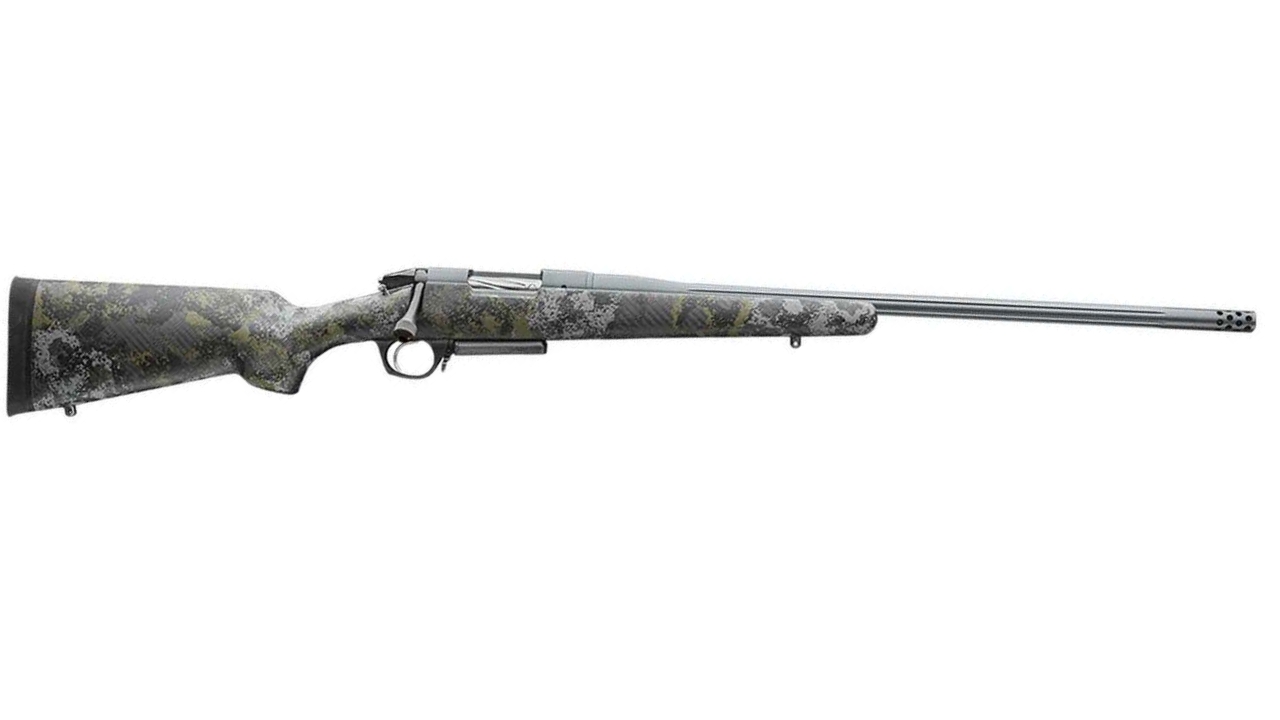
The Bergara Premier rifles come with a price tag that makes you expect near-custom performance. On paper, everything looks right: high-end barrels, smooth actions, and a reputation built on precision. But once you spend time behind the trigger, the results don’t always justify the premium. Some rifles shoot well, but too many hover around average accuracy instead of excelling.
The biggest frustration is inconsistency. You’ll see rifles that group acceptably one day and throw unexplained flyers the next, even with quality ammo. For a rifle aimed at serious shooters, that lack of repeatability is hard to excuse. When you’re paying for the Premier name, you shouldn’t feel like you’re rolling the dice. Plenty of shooters end up questioning whether they’re paying for branding rather than meaningful gains over Bergara’s cheaper B-14 line, which often shoots just as well—or better.
Proof Research Elevation
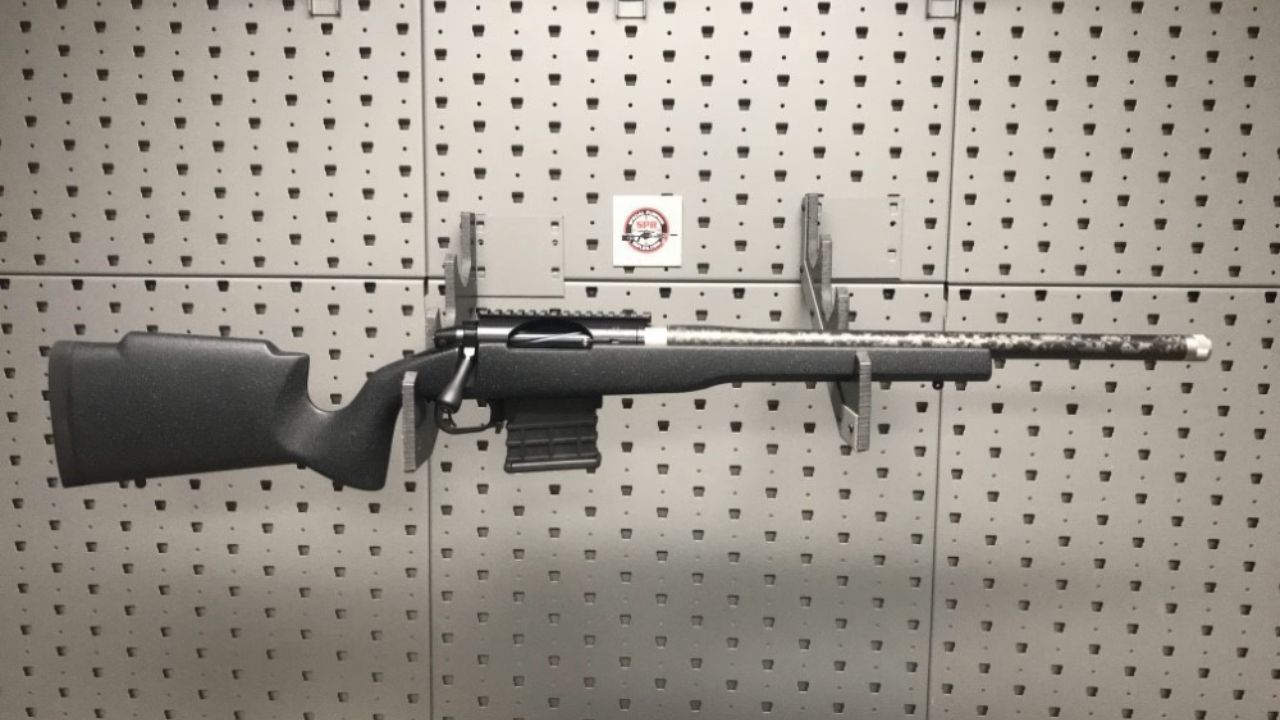
Proof Research built its reputation on carbon-fiber barrels, and the Elevation rifle leans heavily on that image. It’s light, it looks the part, and it carries a premium price. But accuracy has been uneven enough to leave many owners frustrated. Some Elevations shoot respectably, but others struggle to stay consistent across multiple groups.
The problem isn’t always raw group size—it’s repeatability. Heat, barrel harmonics, and bedding issues show up more than they should at this price point. You expect a carbon-barreled rifle to hold its zero and resist wandering as conditions change. Instead, some shooters find themselves chasing impact shifts and wondering where the money went. When rifles costing hundreds less produce tighter, more predictable results, the Elevation starts feeling like a lifestyle product instead of a precision tool.
Weatherby Mark V Backcountry
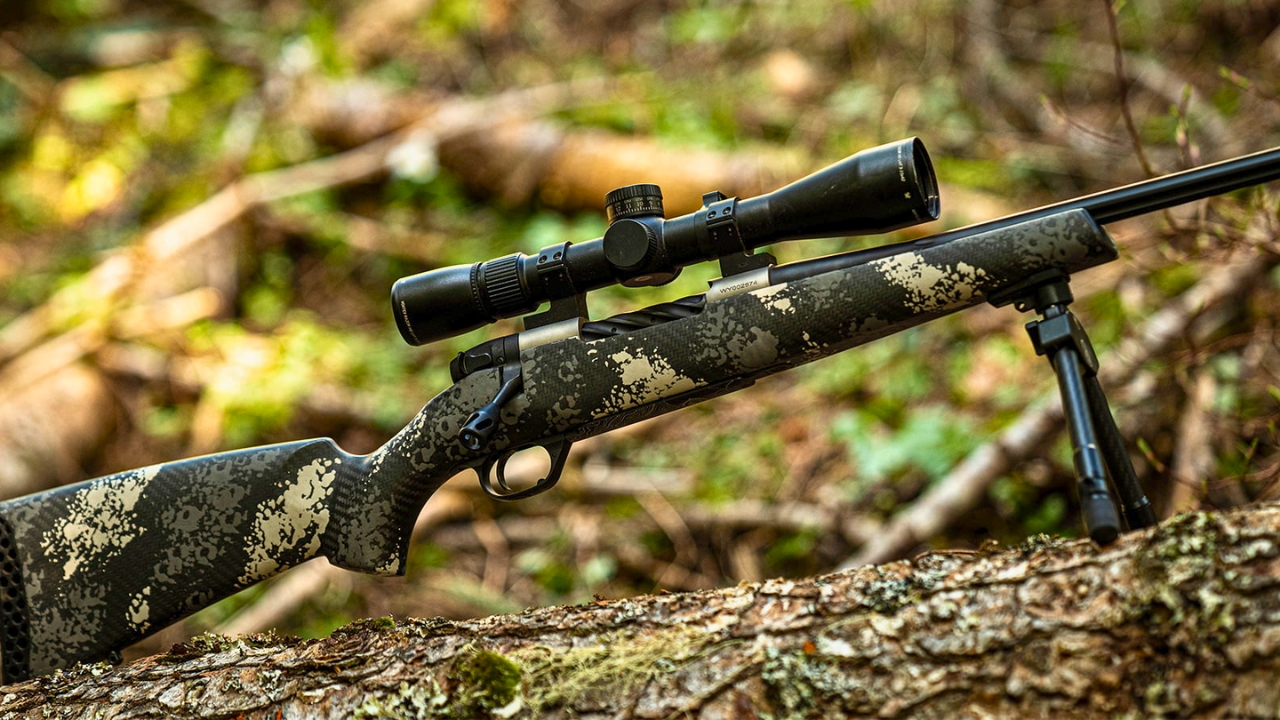
The Mark V Backcountry line leans hard into the idea of lightweight luxury. You get premium materials, slick finishes, and the Weatherby name attached to it. But accuracy doesn’t always match the aesthetics. While some rifles shoot well, others struggle to maintain consistency, especially once you move beyond cold-barrel shots.
The lightweight build plays against it here. Thin barrels heat quickly, stocks can flex, and small imperfections become magnified. For a rifle marketed to serious hunters, you expect dependable performance across multiple shots—not just the first one. Many shooters end up dialing back expectations or putting more money into bedding and load development than they planned. At this price, that shouldn’t be part of the deal.
Fierce Firearms Fury
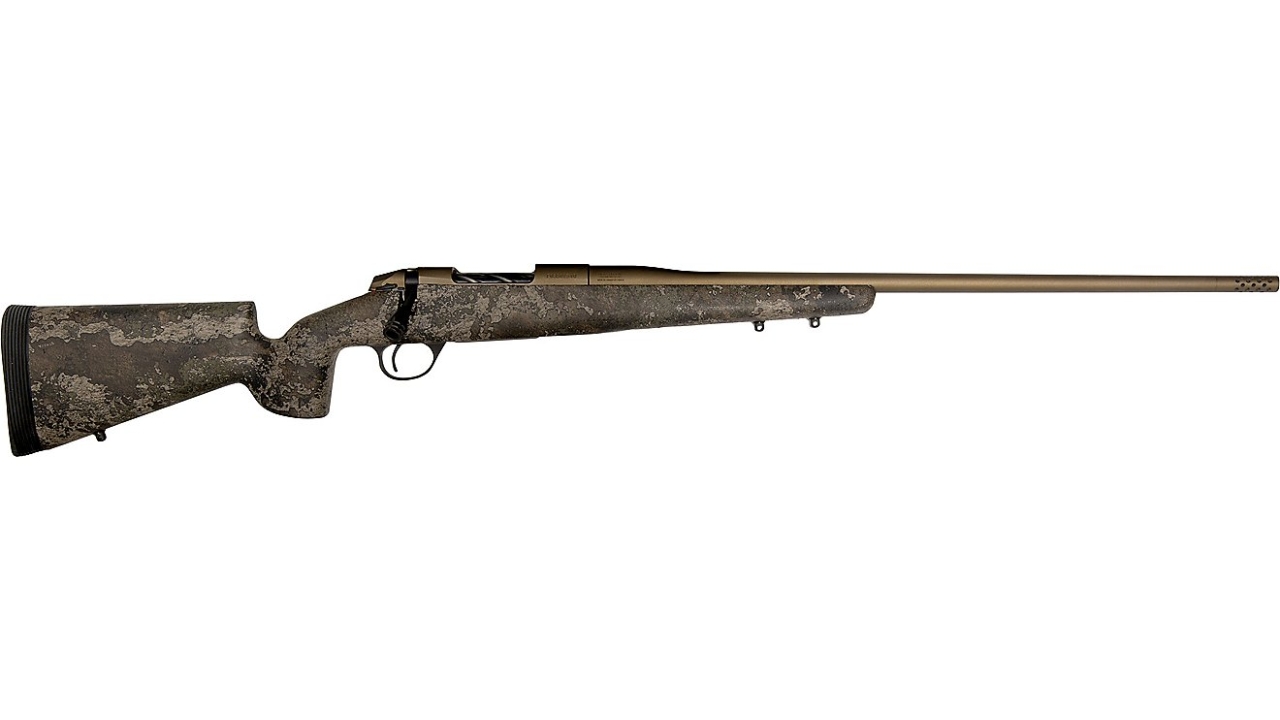
Fierce Firearms markets the Fury as a high-end hunting rifle capable of serious accuracy. The styling and materials support that claim, but real-world shooting often tells a different story. Groups can be acceptable, but rarely impressive enough to justify the cost.
Some of the issues stem from lightweight construction and aggressive barrel profiles that don’t tolerate heat well. Others come from inconsistent bedding and quality control. Shooters expecting a turnkey precision hunting rifle often end up disappointed. The Fury carries well and looks sharp, but accuracy tends to land closer to mid-tier rifles than true premium performers.
Tikka T3x Arctic

The T3x Arctic is rugged, overbuilt, and priced accordingly. It’s designed for durability, not finesse—but the cost still sets high expectations. Accuracy tends to be serviceable rather than outstanding, with many rifles struggling to justify their price tag on paper.
The heavy barrel and military influence don’t automatically translate to precision. The trigger is decent, but the stock and overall setup aren’t optimized for tight group shooting. You’re paying for toughness and heritage more than raw accuracy. For shooters focused on precision, there are better-performing options at a lower cost.
Barrett Fieldcraft
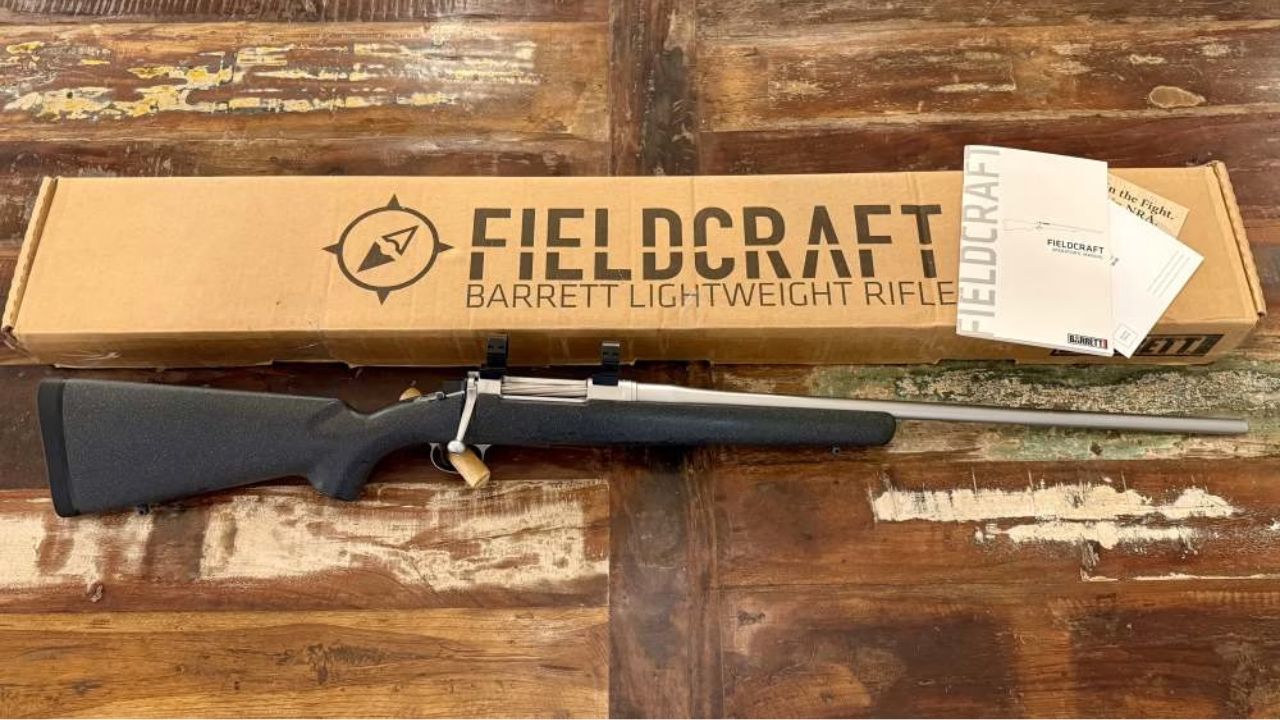
The Barrett Fieldcraft had all the ingredients to be special: ultra-lightweight design, premium branding, and a focus on hunting accuracy. Unfortunately, many rifles never lived up to the promise. Accuracy reports were all over the map, with some rifles shooting well and others failing to impress at all.
Barrel heating and sensitivity to ammo were common complaints. For a rifle that cost what it did, shooters expected plug-and-play performance. Instead, many walked away feeling like beta testers. The Fieldcraft wasn’t a bad idea—but it didn’t consistently deliver results that matched its price.
Like The Avid Outdoorsman’s content? Be sure to follow us.
Here’s more from us: