Photo credit: Wirestock Creators/Shutterstock.com
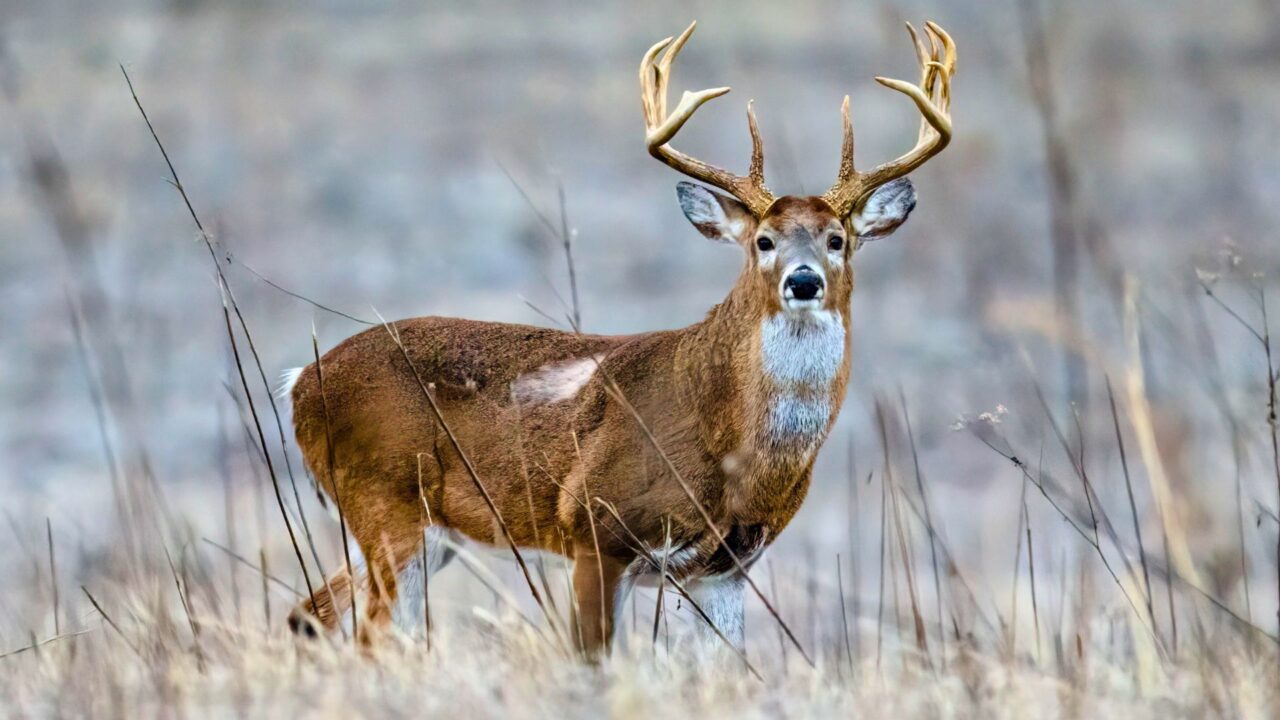
Mature bucks don’t move the same way younger deer do, and they rarely trust the spots hunters rely on year after year. They survive by avoiding patterns, slipping through overlooked cover, and choosing travel routes that don’t expose them to unnecessary risk.
When a buck reaches four or five years old, he’s learned exactly where people walk, where pressure starts, and which areas get hunted the hardest. That’s why you can sit over a “perfect” funnel or food source and never see the deer you’re actually after. These are the real reasons mature bucks avoid the places hunters swear by.
The wind swirls more than hunters realize
Mature bucks won’t commit to a spot where the wind behaves unpredictably. You might think the wind is steady enough for a clean hunt, but the micro-currents around ridges, creek cuts, and timber edges often tell a different story. A buck only needs one faint swirl to identify danger and reroute. Younger deer tolerate a little human scent, but older bucks won’t risk it. If you’re hunting a spot where shifting winds are common, you’re hunting a place a mature buck already avoids during daylight.
Human entry and exit routes give you away
You may think you’re being careful, but mature bucks map your approach routes better than you do. When boots touch the same piece of ground over and over, they learn where hunters walk, how they access stands, and which trails smell contaminated. A perfect stand doesn’t matter if a buck smells your track hours before you even sit down. Older bucks adjust by circling downwind or switching bedding areas entirely. Good access doesn’t win the hunt — poor access loses it before you climb the tree.
Too much hunting pressure shifts their daylight patterns
Even light pressure can push an old buck out of a spot hunters rely on. A few noisy sits, a couple of ground-scent mistakes, or one poorly timed intrusion is enough to move him deeper. Hunters often don’t recognize how fragile daylight activity really is. Bucks learn fast, and once they associate an area with danger, they shift movement to nighttime or change routes entirely. The sign remains, giving you false confidence, but the deer that made it is slipping through the cover you’re not watching.
The spot gets morning sun and exposes deer
Areas that light up quickly in the morning often feel too exposed for older bucks. They prefer shaded travel routes that let them stay hidden longer as they return to bedding. When terrain forces sunlight directly into a funnel or pinch point, it eliminates the visual cover they rely on. Hunters see a good trail and assume it’s a productive location, but mature bucks choose darker, cooler, quieter routes. If you notice heavy sign but little daylight traffic, the lighting is often the reason.
Food sources change faster than hunters keep up
A buck’s preferred food source can change within days, and many hunters don’t adjust quickly enough. Even if a spot produced last week, the deer may be somewhere else entirely now. Acorns drop at different times, new browse opens, and crop fields get picked or pressured. Mature bucks follow the freshest food, not the most obvious food. When hunters continue sitting an old pattern, mature deer abandon it and shift to whatever gives them calories with the least risk.
The terrain gives them better options nearby
A location might make sense to you, but mature bucks often choose a route only 60 or 70 yards away that keeps them more protected. Bucks don’t move through the terrain the way most hunters assume. They travel where wind, cover, and elevation help them stay alive. If there’s a subtle ditch, a thin line of saplings, or even a low spot in the ridge that hides their body, they’ll use it every time. Hunters often sit the “obvious” funnel while the real travel line runs behind them.
The area holds too much midday disturbance
You may only be there at dawn and dusk, but mature bucks know everything that happens in between. Vehicles, hikers, dogs, ATVs, or even farm equipment can push older deer out of a spot despite minimal hunting pressure. Bucks pattern human disturbance far better than people realize. If a location sees unpredictable noise or movement throughout the day, it becomes a nighttime-only area. Hunters often blame bad luck, but the bucks already decided long ago it wasn’t a safe daylight location.
Does and younger bucks avoid it during daylight
A mature buck pays close attention to how other deer behave. If does or younger bucks seem nervous in a certain area, he avoids it too. Deer communicate danger through movement, posture, scent, and even how they browse. A seasoned buck reads those cues instantly. He’ll abandon a feeding area or travel corridor if the herd tells him something isn’t right. Hunters who see only a few unpressured deer may think the spot is fine, but the mature buck has already picked up on the subtle tension they missed.
The cover looks thicker than it really is
Some locations appear secure at first glance but don’t actually offer true protection. Mature bucks need layered cover — not just brush, but a combination of height, structure, and escape routes. If vegetation is only knee-high or doesn’t break up their outline, they won’t move there during daylight. Hunters often misjudge how “safe” a spot feels to a deer. Bucks want security cover that works at eye level, nose level, and body height. If the cover fails any of those roles, they stay out.
Scent pools in low pockets the hunter doesn’t notice
Low spots collect scent, and bucks know it. Hunters often sit near dips, creek bottoms, or depressions because the sign looks great, yet the wind is working against them without them realizing it. Mature bucks approach those areas cautiously and often test the wind before entering. If they encounter pooled scent from repeated sits, they redirect immediately. The hunter sees a great funnel. The buck sees a trap he’s learned to walk around.
The bedding-to-food line is too long or too exposed
Older bucks prefer short, safe travel routes between bedding and feeding. If a stand location sits along a line that forces them to cross open terrain, they simply won’t use it during shooting hours. They’ll wait until full dark or take a secondary route through thicker cover. Hunters sometimes set up on “historical” trails that bucks only used when they were young and naïve. By the time those deer reach maturity, they’ve altered their path in ways most hunters never detect.
The spot has been productive before — which is exactly why he avoids it
A mature buck doesn’t care about your past success. In fact, past success is often the reason he won’t step foot there now. Deer learn pressure history. If hunters consistently sit a ridge, a saddle, or a corner of a field every season, a wise buck will treat that area as a danger zone. Hunters love returning to “the spot,” but mature bucks are actively avoiding it because generations of deer before them already paid the price.
Like The Avid Outdoorsman’s content? Subscribe to our newsletter so you never miss an article.
Here’s more from us: