
A rifle can look like a tack driver on paper—heavy barrel, nice stock, decent trigger—then still leave you scratching your head at the range. One group is tight, the next one opens up, and by the third you’re wondering if you forgot how to shoot. Most “inconsistent accuracy” isn’t magic. It’s usually a stack-up of little things: a barrel that’s picky about ammo, bedding that shifts as the gun heats, a scope base that isn’t truly solid, or a stock that touches the barrel when you load into a bipod.
The frustrating part is these rifles often feel like they should be easy wins. They’re marketed for accuracy. They’re sold as precision-ready. But if you don’t lock down the basics—torque, bedding, ammo, optic mounting, and how you actually support the rifle—you can end up with a gun that never repeats the same result twice. Here are rifles that can “should” you to death while your targets tell the truth.
Ruger American Predator

The Predator checks a lot of boxes: decent barrel profile, practical chamberings, threaded muzzle on many models. It also has a reputation for being oddly picky. You’ll see one load shoot great, then watch groups open up with ammo that performs fine in other rifles.
A lot of it comes down to the flexible stock and how the action sits in it. If you torque the screws differently, rest the rifle in a different spot, or load a bipod hard, point of impact can move. The factory bedding setup isn’t always forgiving of real-world shooting positions. You can often get it settled with careful torque, a stiffer stock, and finding the load it likes. But out of the box, it’s one of those rifles that can look like a precision bargain until consistency becomes your main goal.
Ruger Precision Rifle

The Ruger Precision Rifle looks like it should be boringly consistent. Chassis, adjustable everything, heavy barrel—the whole vibe says “repeatable.” Yet plenty of shooters run into a rifle that shoots great one day and then starts doing weird stuff as conditions change.
The usual suspects are not glamorous: ammo sensitivity, barrel heat, and small setup issues like loose fasteners or a scope mount that wasn’t torqued correctly. The RPR also invites constant tinkering, and every “small improvement” is another chance to introduce a variable. When it’s set up right, it can shoot very well. When it’s not, you can chase groups for months. The trick is to lock the rifle down in one configuration, verify torque, and stop changing things every time you see a flyer.
Remington 700 ADL (budget configurations)

The Remington 700 action is proven, but the budget ADL-style packages can be a consistency trap. You get a rifle that should shoot, then the factory stock and bedding arrangement make it feel like the rifle has a different personality depending on how you hold it.
Flexible fore-ends can touch the barrel under sling tension or bipod load. Bedding can be “good enough” for hunting accuracy but not consistent enough for repeatable groups. The trigger and optics package (if it’s a combo deal) can also add variables that masquerade as barrel issues. None of this means every ADL shoots poorly. It means a lot of them need help to become consistent: a solid stock, proper bedding, and an optic setup you trust. Until then, the rifle can tease you with one great group and then go sideways.
Savage Axis II

The Axis II gets attention because it often shoots better than it “should” for the price—right up until it doesn’t. You’ll see promising groups, then random vertical stringing or occasional fliers that don’t match your fundamentals.
A common culprit is the lightweight, flexible stock and how the action beds into it. Change your rest position, change your grip pressure, or torque the screws slightly different, and the rifle can respond like you changed barrels. The barrel nut system can produce accurate rifles, but it doesn’t automatically produce consistent ones when everything around the action is flexing. You can usually improve the Axis II with careful screw torque, a stiffer stock, and ammo it prefers. But out of the box, it’s one of those rifles that can make you feel like you’re doing everything right while the target argues back.
Tikka T3x Lite

Tikkas have a reputation for accuracy, and often they earn it. The Lite models, though, can sometimes surprise you with inconsistency once you shoot longer strings. A thin barrel heats up quickly, and when it does, point of impact can shift more than people expect from a rifle with a “precision” reputation.
The lightweight stock can also be part of the equation. If your forend pressure changes—bag, bipod, sling, barricade—groups can move. That doesn’t mean the T3x Lite is a bad rifle. It means it’s built to be carried, not hammered on a bench for twenty-round strings. If you shoot it like a hunting rifle—cool barrel, steady support—it can look great. If you treat it like a range toy, it can start throwing you curveballs and making you blame the wrong parts.
Browning X-Bolt (lightweight hunting models)

The X-Bolt is a well-made hunting rifle, and many of them shoot well. The lightweight versions can be inconsistent when you start pushing them beyond their intended role. Thin barrels heat fast, and light rifles amplify every small mistake in how you support the gun.
Another issue is that these rifles often end up wearing lightweight mounts and light scopes because people want to keep the whole package trim. Any weakness in your optic setup shows up as “mystery flyers.” The rifle gets blamed when it’s really a mounting or torque problem. When you keep strings short, use consistent support, and verify your fasteners, the X-Bolt can shoot beautifully. When you change rests, shoot too fast, or let the barrel get hot, the rifle can start printing groups that look more like guesswork than precision.
Christensen Arms Mesa (and other light carbon-barrel builds)

Carbon-barrel rifles promise a lot: light weight, stiffness, and accuracy. Some deliver. Some don’t deliver consistently, and that’s what drives shooters nuts—because the whole concept is “should be better.” You’ll see a great group early, then watch things open up or shift as you shoot.
Heat management and harmonics can be part of it, and so can the stock and bedding. A light rifle is less forgiving of changing support pressure, and a barrel that’s great cold can behave differently warm. That doesn’t mean carbon barrels can’t be accurate. It means you’re sometimes paying for weight savings, not automatic repeatability. If you want consistency, you treat these rifles like hunting tools: deliberate strings, cool barrel, and a truly solid optic mount. Shoot them like a match gun and you may get surprised.
Springfield M1A Loaded
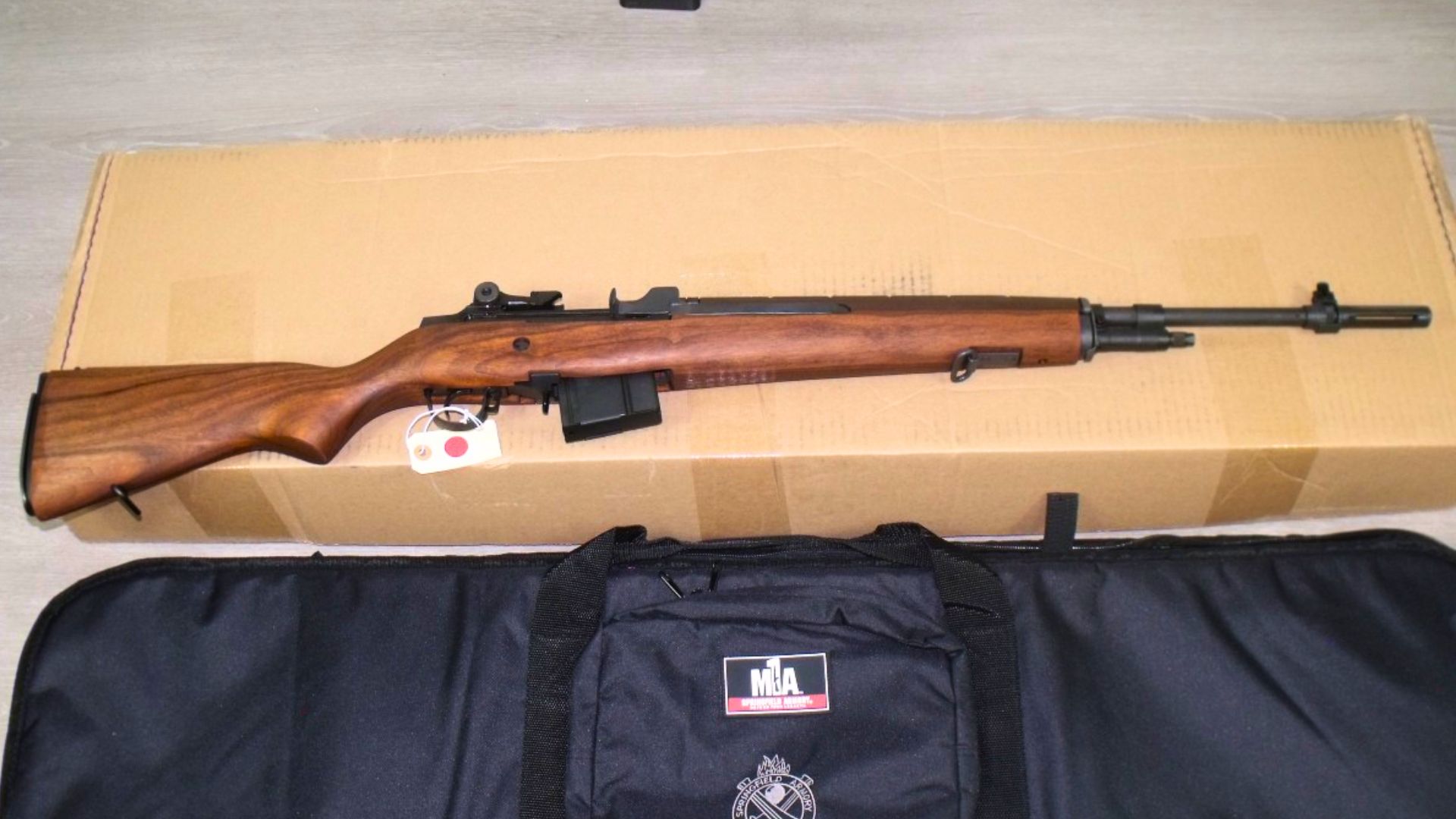
The M1A Loaded looks like it should be accurate. Better sights, decent barrel, classic design—what’s not to love? The problem is consistency can be hard to keep because the platform is sensitive to stock fit, action tension, and how the gas system and handguard interact.
Small changes in how the rifle seats in the stock, or how the front band and handguard tension behave, can move your point of impact. The rifle may shoot one type of ammo well and then string vertically with another. It can also change as the system heats. You can absolutely make an M1A shoot, but it’s not a “set it and forget it” platform the way a good bolt gun is. If you’re expecting repeated, match-like groups without tuning, the M1A can disappoint.
Ruger Mini-14

The Mini-14 is one of the most lovable rifles that can also be one of the most frustrating on paper. It’s handy, reliable, and looks great in the “ranch rifle” role. Consistency, though, is not always its strong suit, especially as the barrel warms.
Older Minis in particular can string shots as the thin barrel heats, and even newer ones can show movement when you shoot fast. The platform’s design and barrel profile are more about function than tiny groups. Add ammo differences and magazine variables, and you can get targets that look like you changed rifles between strings. You can still hunt with a Mini and use it effectively inside practical distances. But if you’re chasing consistent tight groups, the Mini often fights you, then looks at you like it didn’t do anything.
AR-15 “precision” builds with bargain handguards

An AR can be very accurate. It can also be wildly inconsistent if the build isn’t truly solid. The biggest trap is a “precision” setup built around a handguard or barrel nut that isn’t rigid enough. If your bipod, sling, or barricade pressure is flexing the handguard, you’re changing how the barrel behaves shot to shot.
That inconsistency often shows up as vertical stringing or groups that shift depending on how you rest the rifle. The rifle looks right—nice barrel, good optic—yet it won’t repeat. Another common issue is inconsistent torque on mounts or a gas block that’s touching the handguard under pressure. The fix is usually boring: verify free-float clearance, use quality mounting parts, torque everything properly, and stop leaning on the gun differently every string. An AR rewards consistency, but it punishes shortcuts.
Ruger Gunsite Scout Rifle

The Gunsite Scout is built to be handy and practical, and it excels at that. But plenty of shooters buy one expecting easy accuracy and end up seeing groups that won’t settle down. Part of that is the scout concept itself—forward-mounted optics can limit precision depending on the scope and your eyesight.
Another part is how the rifle is shot. The stock design and light weight can make it sensitive to rest position and sling tension. Some loads will shoot well, others won’t, and the rifle can feel more ammo-picky than a standard sporter. None of that means it’s a bad rifle. It means it’s a niche rifle that shines in practical field use, not in chasing tiny groups on a bench. If you try to make it something it isn’t, the inconsistency feels like betrayal.
Mossberg Patriot

The Patriot is often marketed as an accurate, affordable hunting rifle, and some of them do shoot well. The inconsistency shows up when the stock and bedding don’t support repeatability. If the action screws loosen or the stock flexes, you can see point-of-impact shifts that make you second-guess everything.
Another issue is that many Patriots are bought as package guns with entry-level optics. If the scope, rings, or bases aren’t truly solid, the rifle gets blamed for wandering groups. When you tighten everything correctly and feed it ammo it likes, you can get respectable performance. But if you’re expecting consistent “rifle shoots itself” accuracy, the Patriot can be a roller coaster. It’s the kind of rifle that needs the basics handled correctly before you judge the barrel.
Remington 700 in a flimsy factory stock (SPS-type setups)

A 700 action with a decent barrel should be consistent. Put it in a flimsy factory stock and you can create inconsistency out of thin air. The forend can flex into the barrel, especially off a bipod or sling, and the bedding can be uneven enough that the action settles differently as conditions change.
The frustrating part is how close it can be. You’ll shoot a great group, then the next one opens up because your support pressure changed slightly. That makes you chase ammo, triggers, and scopes when the stock is quietly causing the problem. The 700 platform can be a great foundation, but consistency often requires a stock that doesn’t move and bedding that keeps the action seated the same way every time. Once that’s handled, the rifle usually starts acting like the “should be accurate” reputation you bought it for.
Howa 1500 in factory Hogue OverMolded stock

The Howa 1500 is a strong action and many of them shoot very well. Pair it with the soft Hogue OverMolded stock and you can introduce a consistency problem that’s easy to miss. That stock can flex, especially when you load into a bipod or rest the rifle on bags in different ways.
The result is groups that change character depending on how you support the rifle. One day it’s tight, the next day it strings, and you start blaming ammo or barrels. The rifle itself is usually not the issue. The issue is repeatability in how the action and barrel are being supported. A stiffer stock often transforms these rifles. If you like the Howa but hate the inconsistency, this is one of the clearest “fix it and it stops” situations you’ll run into.
Winchester Model 70 Featherweight

The Featherweight is a classic hunting rifle, and it carries like a dream. It can also be inconsistent when you try to shoot it like a heavier range rifle. The lighter barrel heats up quickly, and the traditional stock can be sensitive to humidity, bedding pressure, and how you rest the rifle.
These rifles often shoot their best when you keep strings short and let the barrel cool. When you start sending five-shot groups back-to-back, you can see point-of-impact drift and groups that open. That doesn’t mean the Featherweight is inaccurate in the field. It means it’s designed for one cold shot and a second if needed, not long bench sessions. If you judge it by the wrong standard, it will look inconsistent. If you shoot it like a hunting rifle, it will often do exactly what it was built to do.
Savage 110 (AccuStock/AccuFit variants with frequent adjustments)

Savage 110 rifles can shoot very well, and the modular stock systems are genuinely useful. The problem is that frequent adjustments can turn into frequent variables. Change comb height, length of pull, cheek pressure, or how the rifle fits you, and your groups can change even if the rifle didn’t.
There’s also the temptation to chase settings every range trip. That keeps you from establishing a stable baseline. When you lock a 110 down—same torque, same stock setup, same ammo—it often becomes consistent and boring. When you’re constantly tweaking fit, changing rails, swapping optics, or experimenting with different rests, it’s easy to create “inconsistency” that’s really coming from your setup, not the barrel. The rifle is capable. The key is to stop moving the goalposts every time you shoot.
Like The Avid Outdoorsman’s content? Be sure to follow us.
Here’s more from us:


