Photo credit: Savage Arms
A lot of bad shot placement gets blamed on nerves, bad rests, or “buck fever.” Those are real, but caliber choice can nudge you into the wrong mindset, too. Some rounds feel so mild you start treating angles like they don’t matter. Others kick hard enough that you begin timing the trigger instead of pressing it. And a few are marketed so heavily around speed and distance that you start thinking about trajectory more than where the bullet needs to land.
None of this means these cartridges can’t work. It means you have to stay honest. Your best insurance is still the same: a steady position, a calm trigger press, and a shot you’d take even if you were shooting a smaller rifle. When a caliber tempts you to cut corners, that’s when it encourages bad placement.
.223 Remington

You can kill deer with a .223 using the right bullet and staying inside sane distances, but the margin is thinner than many people want to admit. That thin margin is what pushes bad decisions. You start aiming for the neck or head because you’re trying to “make up for caliber” with precision you may not have under pressure.
The other trap is angle. A .223 rewards broadside, clean rib shots with controlled-expansion bullets. It punishes steep quartering shots and hits that clip heavy bone. If you pick this round, you have to commit to boring, high-percentage placement and pass on anything that feels rushed or angled wrong.
.22-250 Remington

The .22-250 has speed, and speed can create confidence you didn’t earn. Plenty of folks see a flat-shooting varmint round and start treating it like a deer hammer. That’s when placement slips. You end up “threading” shots through brush, taking hard quartering angles, or stretching distance because the crosshair feels steady.
Bullet construction is the make-or-break piece here. Many loads are built for thin-skinned targets and explosive expansion, not deep penetration. That reality can push you toward risky neck shots or “behind the ear” ideas instead of a solid chest hit. If you insist on using it, keep angles easy and use bullets built for game.
.243 Winchester

The .243 is a classic for a reason: low recoil, good accuracy, and enough punch for deer with the right bullet. The problem is how that low recoil can change your standards. When a rifle is pleasant to shoot, you’re tempted to take shots you’d pass with a bigger kicker—tighter windows, steeper angles, and longer distances.
You also see people drift toward shoulder hits that depend on speed and bullet performance rather than placement. With a .243, the safest bet stays the same: lungs first, calm trigger press, and an angle that lets the bullet work. Treat it like a deer cartridge with rules, not a “do-anything” option, and your placement stays honest.
6mm Creedmoor
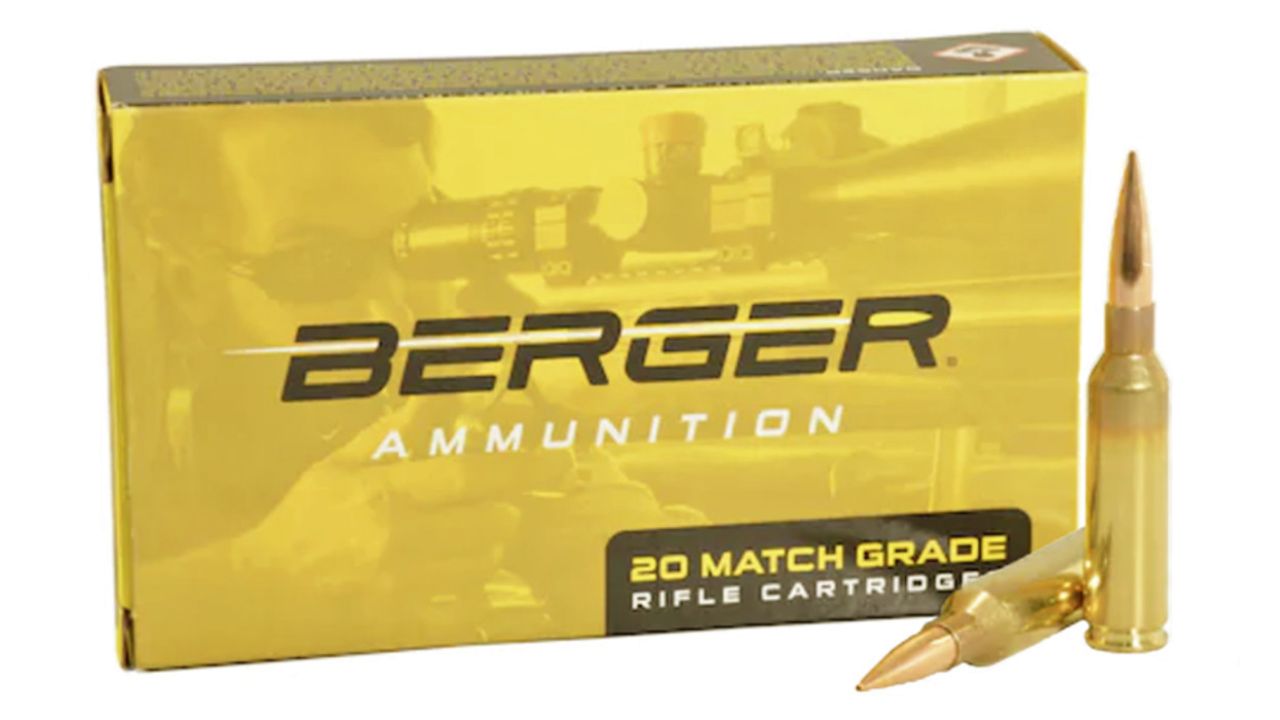
The 6mm Creedmoor is accurate and easy to shoot, and that’s exactly why it can steer you into trouble. When your rifle stacks bullets at the range, you start believing every field shot will look like a bench group. That confidence can turn into looser standards on wind, rests, and distance.
It also tempts you to chase “precision” shots instead of reliable ones. A small, fast bullet placed well is great. A small, fast bullet placed a little off can turn into a long track. If you hunt with this one, you need to be disciplined about bullet choice and angles, and you need to keep your shots inside distances where you can call them cleanly.
6.5 Creedmoor

The 6.5 Creedmoor is capable on deer, and it’s also one of the most marketed cartridges of the last decade. That combo can lead you into a placement trap: you start thinking the cartridge will cover for a rushed shot because it “hits above its weight” and carries energy well.
Low recoil makes it easy to practice, but it also makes it easy to get casual. You might stretch the shot because the drop chart looks friendly, then forget wind and imperfect field positions. The fix is straightforward: treat every shot like it’s inside 150 yards, even when it’s not. Pick a lung-sized target, avoid hard quartering angles, and don’t let trajectory talk you into distance you can’t repeat.
.25-06 Remington

The .25-06 is flat and fast, and that can lure you into holding on hair and letting it fly. When you don’t have to think much about drop, you start paying less attention to where the bullet will land inside the animal—especially when the deer is angled or moving.
It can also push you toward lighter bullets that look great on paper and are fun at the range. Light-for-caliber bullets can work, but they don’t always give you the penetration you want when you hit shoulder or take a quartering shot. If you run a .25-06, keep your bullet weight sensible, keep your angles clean, and aim for lungs instead of trying to “break them down” with speed.
7mm Remington Magnum

The 7mm Rem Mag has a long-standing reputation for reach, and that reputation can loosen your trigger finger. Flat trajectory turns into an excuse to shoot farther than your field position deserves. When you miss, it’s often not because the cartridge can’t do it—it’s because you pushed placement with a shaky rest, wind you didn’t read, or a rushed squeeze.
Recoil plays a role, too. It’s not brutal for everyone, but it’s enough to create flinches in hunters who don’t practice year-round. A flinch shows up as a low hit, a rear hit, or a miss that convinces you to hold “more deer” next time. If you shoot a 7mm mag, earn the distance with practice and keep your shot decisions boring.
.28 Nosler

The .28 Nosler is built around speed and distance, and that design goal can nudge you into the wrong priorities. You start thinking in yards and drop charts instead of angles and rests. That’s a recipe for placement errors, especially when you’re shooting off a pack, dealing with wind, or trying to thread a bullet through an opening.
It also carries enough recoil for some shooters to get punchy on the trigger. When you’re bracing for the shot, you’re not pressing the shot. That’s how good rifles produce bad hits. If you run a cartridge like this, keep your zero and dope honest, but keep your standards stricter than ever: solid rest, calm squeeze, and an angle that puts the bullet through lungs with room to spare.
.300 Winchester Magnum

The .300 Win Mag can do a lot, and that “do a lot” reputation is exactly what encourages sloppy placement. People start thinking any hit in the chest will anchor the animal, so they aim too far back, take harder angles, or rush the shot because the cartridge feels like insurance.
Then recoil shows up. For many hunters, a .300 is enough to create a blink, a jerk, or a shove into the trigger. That flinch often turns into rearward hits and long tracks. If you choose a .300, you need to shoot it enough that recoil becomes background noise. When you do, you’ll aim where you should have aimed all along: lungs, not “somewhere in there.”
.300 PRC

The .300 PRC was designed with modern long-range performance in mind, and it’s easy to let that steer your decision-making. If you’re not careful, the cartridge becomes permission to take shots you haven’t practiced in real field positions. When that happens, placement suffers even if the rifle is accurate.
It also lives in a world of heavy bullets and big powder charges. That means recoil, and recoil changes how you break a shot when you’re tired or cold. A cartridge like this demands a disciplined shooter. Keep your shots inside the distances where you can call them, not where a ballistic app says it’s possible. The PRC will do its part if you do yours, but it won’t fix a rushed squeeze.
.338 Winchester Magnum

The .338 Win Mag has earned its reputation on big animals, but it can still steer deer hunters into bad habits. The biggest one is complacency. You start believing power is placement, and you begin aiming in the general area instead of the exact place the bullet needs to go.
Recoil is also real on lighter rifles, and that can lead to anticipation. When you anticipate, you pull shots low and back, then blame the “kick” or the scope. The fix is to treat it like any other rifle: practice with it, control your breathing, and keep your aiming point disciplined. On deer, especially, you don’t need to “hammer” them with shoulder hits to prove a point. Put it through lungs and let the bullet do clean work.
.338 Lapua Magnum

The .338 Lapua is a specialized cartridge, and using it for hunting can create a strange kind of overconfidence. It’s built for distance, so it encourages distance. That often leads to shots taken in wind, off improvised rests, and under time pressure—exactly the conditions where placement falls apart.
It also brings heavy recoil and blast, which can make honest practice less common. If you don’t practice, you don’t know your real limits, and you start relying on the cartridge’s reputation. That’s a bad trade. If you carry a Lapua, you need to be a disciplined rifleman who practices enough to stay calm behind it. Otherwise you’re better served by a cartridge that keeps you focused on placement instead of capability.
.45-70 Government

The .45-70 is effective, but it has two myths attached to it that can wreck placement. One is “brush busting.” The other is thinking a big, slow bullet forgives poor angles. In real life, brush deflects bullets and quartering shots still require penetration through bone and tissue in the right direction.
Trajectory is the other issue. With many loads, the drop comes quickly, and that can push you into holding high, guessing, and snatching the trigger. That’s how you get high backs, low briskets, and gut hits. If you hunt with a .45-70, keep your shots inside ranges you’ve practiced, keep your sight picture clean, and pick open lanes. The cartridge works best when you don’t ask it to do magic tricks.
.450 Bushmaster

The .450 Bushmaster puts a lot of authority on target, and it’s popular in straight-wall states for good reasons. The placement trap shows up when you treat that authority like a permission slip. You start taking hard quartering shots, trying to punch through shoulder and hope for an instant collapse, or sending bullets through thin gaps because it “hits like a truck.”
The other trap is recoil in light, handy rifles. A lot of .450s are compact and quick, and that can make them sharp on the shoulder. Sharp recoil can create bad trigger habits, especially for newer hunters. Keep your shots close, pick broadside or mild quartering-away angles, and aim for the heart-lung window. A big straight-wall round is at its best when you keep the decision-making conservative.
.350 Legend

The .350 Legend is mild, practical, and easy to shoot, and that mildness can lower your standards if you’re not careful. When recoil is friendly, you can fall into the trap of shooting before your sight picture settles, especially from awkward field positions. That turns into hits that are a few inches off, and with a straight-wall round, those inches can matter.
It can also encourage stretching range beyond what the cartridge does best. The .350 works well inside typical woods distances, but it doesn’t carry the same energy or trajectory as faster bottleneck rounds. When you push it, you start aiming higher, guessing more, and rushing follow-ups. If you hunt with it, keep your range modest, use bullets meant for deer, and aim for lungs with a calm squeeze. The Legend rewards discipline.
Like The Avid Outdoorsman’s content? Subscribe to our newsletter so you never miss an article.
Here’s more from us: