Photo credit: Buffman – R.A.N.G.E./YouTube
Some rounds make you feel like a marksman at the bench but leave you shaking your head in the field. They drill tight groups on paper, but when bone comes into play, they break apart or stop short. Paper doesn’t tell you how a bullet behaves under pressure—it doesn’t resist, twist, or splinter like shoulder blades and ribs do. Hunters learn fast that precision alone doesn’t equal penetration. The cartridge, bullet weight, and construction all matter more than how small a group you can print. You can hit perfectly and still come up empty if the round can’t hold together once it meets bone. These are the cartridges that look perfect on targets but crumble when real anatomy gets involved.
.223 Remington (varmint loads)

The .223 Remington has earned its place as a favorite for target shooters and varmint hunters alike. It’s fast, flat, and light on recoil, which makes it a joy at the range. But most factory varmint bullets are built to fragment on impact, not punch through. When they meet bone, they tend to blow apart before reaching the vitals.
For coyotes and smaller predators, that energy dump is ideal. On deer-sized game, it’s unreliable. The round will often explode on the shoulder or rib and never make it to the heart-lung area. Unless you’re using tough, controlled-expansion bullets, the .223 is best kept for paper and pests.
.17 HMR

Few rimfires can rival the .17 HMR for accuracy. It’s lightning-fast and hits tiny targets with laser-like precision. But that same speed and fragile bullet construction make it unreliable once you hit something solid.
On varmints or squirrels, it’s devastating. On tougher animals, the bullet disintegrates on bone, often failing to penetrate deep enough for an ethical kill. The round’s tiny mass and paper-thin jacket simply weren’t built for structure. You can’t expect a 17-grain bullet to break through a ribcage. The .17 HMR is a surgeon at the bench and a liability on anything larger than a rabbit.
.22 Long Rifle (high-velocity hollow points)
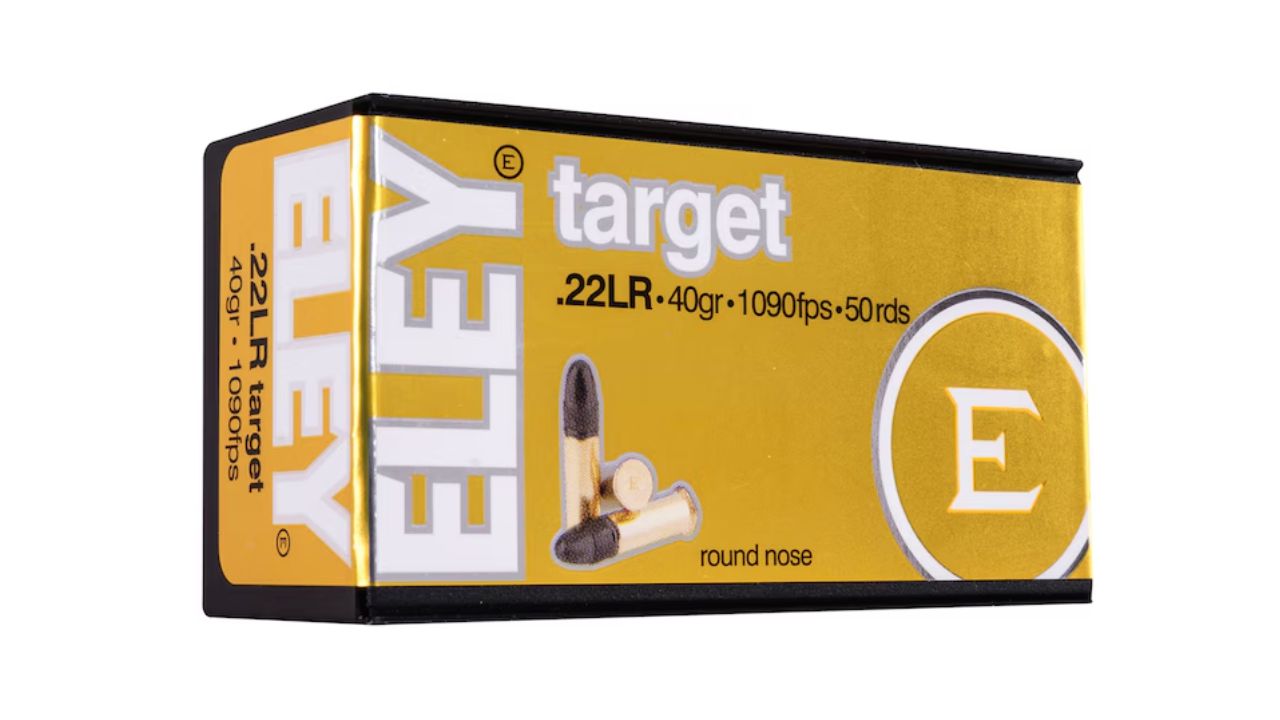
The .22 LR is one of the most accurate and affordable rounds ever made. It’s perfect for targets, plinking, and pest control. But high-velocity hollow points, while explosive on soft tissue, can’t handle bone worth a lick.
They expand violently and lose momentum almost immediately. Even small bones can deflect or stop them outright. On paper, you’ll get one ragged hole. On an animal, you may find a surface wound and a long tracking job. It’s an excellent cartridge for what it was designed for—small, thin-skinned game. Anything beyond that, and you’re asking too much of a tiny rimfire bullet.
.204 Ruger

The .204 Ruger is fast, flat, and flashy. It tears through paper like a laser beam and groups beautifully. But that lightweight, thin-jacketed bullet turns to dust when it meets resistance.
Prairie dogs, crows, and groundhogs? Perfect. Anything bigger, and the .204 becomes fragile and shallow. It was never meant to take down animals with thick muscle or bone. Many shooters have learned that first-hand when perfect placement still results in a poor hit. For varmints, it’s surgical. For anything heavier, it’s too delicate to trust.
.22 Hornet

The .22 Hornet is accurate, quiet, and a favorite among old-school hunters who value precision and mild recoil. On paper, it’s a tack-driver. But it’s underpowered for heavy work, and that light, soft bullet doesn’t hold up once it hits a shoulder or rib.
It’s perfect for foxes and small predators but struggles to deliver enough penetration for even small deer. That’s not a knock on the cartridge—it’s simply physics. A bullet that leaves the muzzle at 2,600 feet per second with less than 50 grains behind it isn’t built for bone.
.17 Hornet
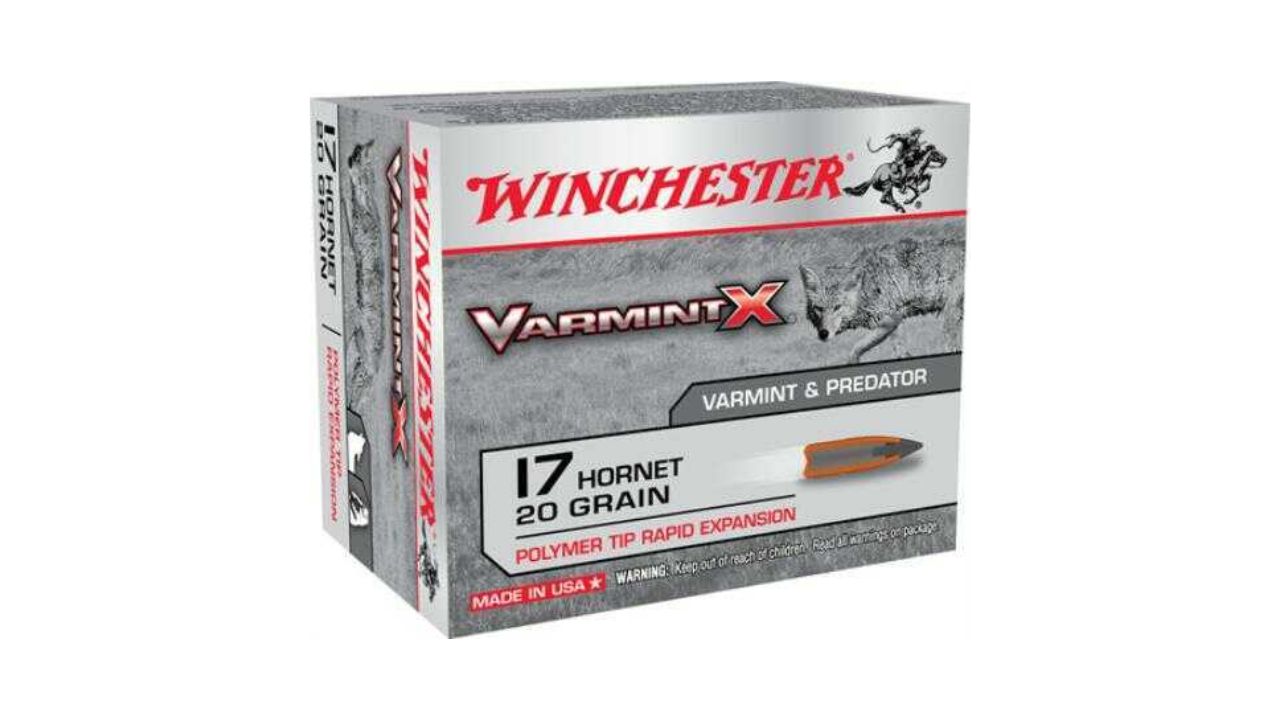
The .17 Hornet is another speedster that dazzles at the range. It groups well and shoots flatter than most rimfires. But as with the .17 HMR, its light construction limits what it can do on bone.
Even at close range, impacts on ribs or shoulders cause catastrophic fragmentation. It’s effective for varmints, where immediate energy transfer is the goal. On tougher targets, that same trait becomes a flaw. It’s the kind of round that shows you how deceptive accuracy can be—it hits perfectly but lacks the depth to matter.
5.7x28mm

The 5.7x28mm was designed for light armor penetration and low recoil, which makes it fantastic on steel and paper. But in hunting scenarios, it’s inconsistent. With small, fast-moving bullets under 40 grains, it simply lacks the mass and momentum for bone.
You’ll see impressive accuracy, minimal recoil, and fast follow-ups—but when a bullet meets resistance, it tends to fragment instead of drive through. It’s fine for target shooting and small game, but it doesn’t perform when anatomy gets dense.
.22 TCM

The .22 TCM is pure fun—a range round that spits fire and speed. It groups tightly and looks incredible on a chronograph. But when it hits bone, that energy disperses fast. The light bullet and thin jacket aren’t built for integrity.
It’s too fragile for medium game and too shallow to rely on for serious work. Its flashy recoil and flat trajectory make it great for paper, not practical for hunting. It’s the perfect example of a cartridge that performs brilliantly on a target and poorly on anything living.
.17 Remington
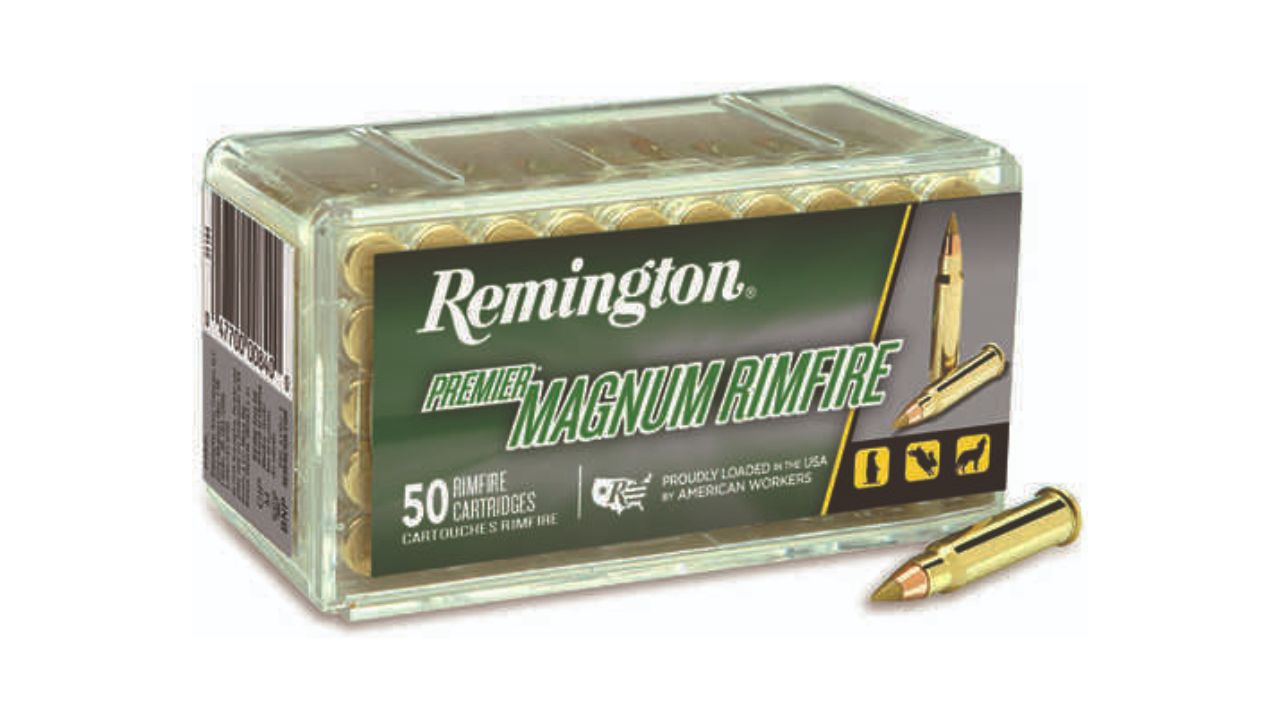
The .17 Remington was born for precision and velocity, and it excels at both. But it’s another round that fails once bone becomes a factor. Its tiny bullet and thin jacket can’t hold up under impact.
Even when it connects cleanly, it often blows apart before reaching the vitals. On prairie dogs, it’s fantastic. On coyotes or anything thicker, it’s hit-or-miss—literally. You can’t expect long-range accuracy to make up for bullet construction that’s too fragile for real-world anatomy.
.243 Winchester (light varmint loads)

The .243 Winchester is a favorite for its accuracy and mild recoil. But when loaded with light varmint bullets, it loses its edge in penetration. Those 55- to 70-grain projectiles expand so quickly that they can’t reach the vitals on anything tougher than a coyote.
The same trait that makes them lethal on varmints makes them weak on deer. A shoulder hit often results in fragments and a failed recovery. The .243 can be a fantastic hunting round—with the right bullet. But those paper-punching, high-speed loads are built for small game, not thick ribs.
.300 Blackout (subsonic loads)
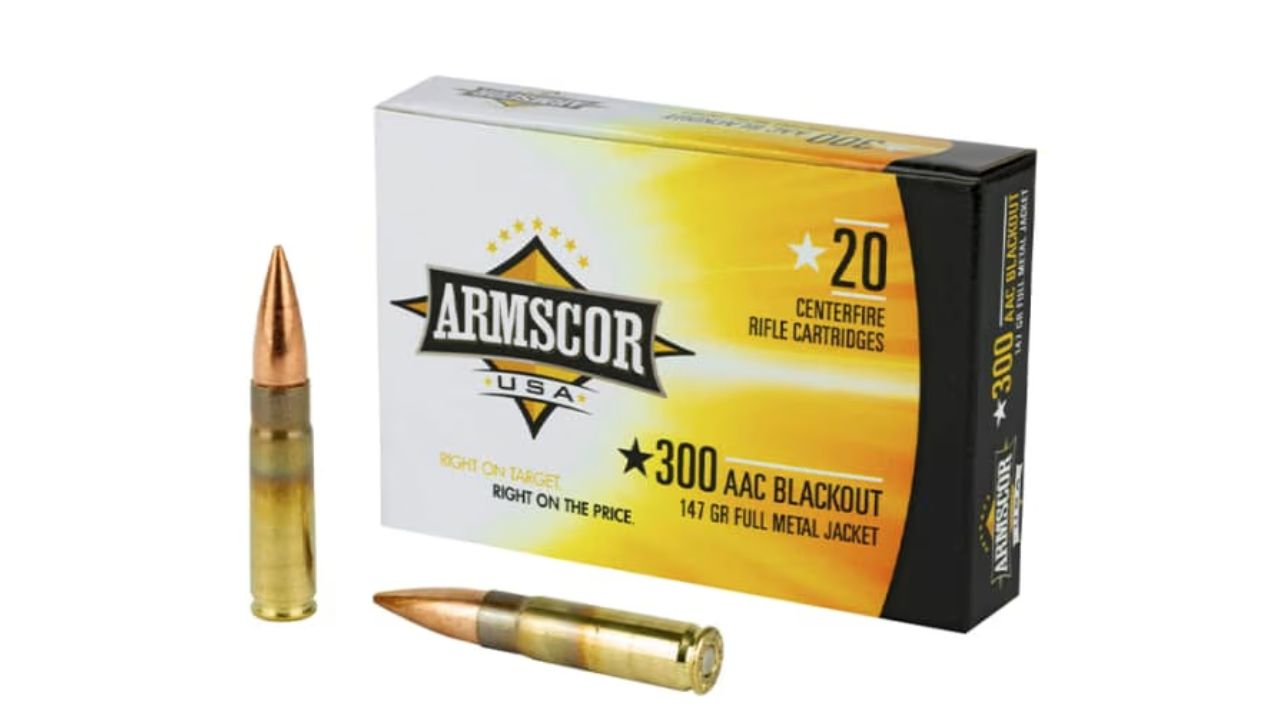
Subsonic .300 Blackout loads are whisper-quiet and extremely accurate. On paper, they shine. But when the bullet moves below the speed of sound, it loses the energy and expansion needed for reliable performance.
Against bone, subsonic bullets often fail to expand or penetrate deeply enough. They’re perfect for suppressed range work but unpredictable in the field. If you’re hunting with .300 Blackout, supersonic rounds with strong bullet construction are the way to go. Otherwise, accuracy means little once the round meets resistance.
.25 ACP
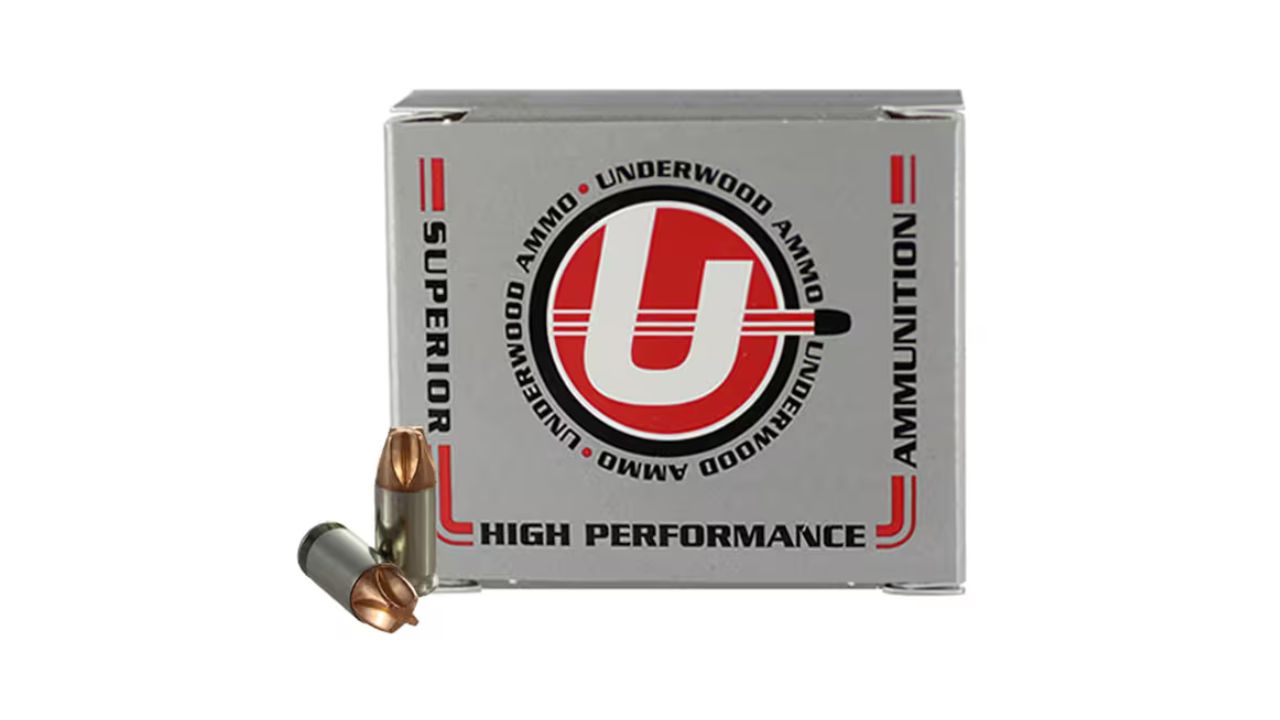
The .25 ACP is a tiny, low-pressure cartridge that’s surprisingly accurate at short distances. It’s a paper shooter’s favorite for mild recoil and nostalgia. But when bone enters the mix, it’s out of its league.
The little bullet often deforms or deflects without penetrating, even on small animals. It’s a perfect example of how accuracy doesn’t equal power. It’ll hit where you aim, but it won’t break through anything solid. On game—or even for defense—it’s more novelty than tool.
.32 ACP
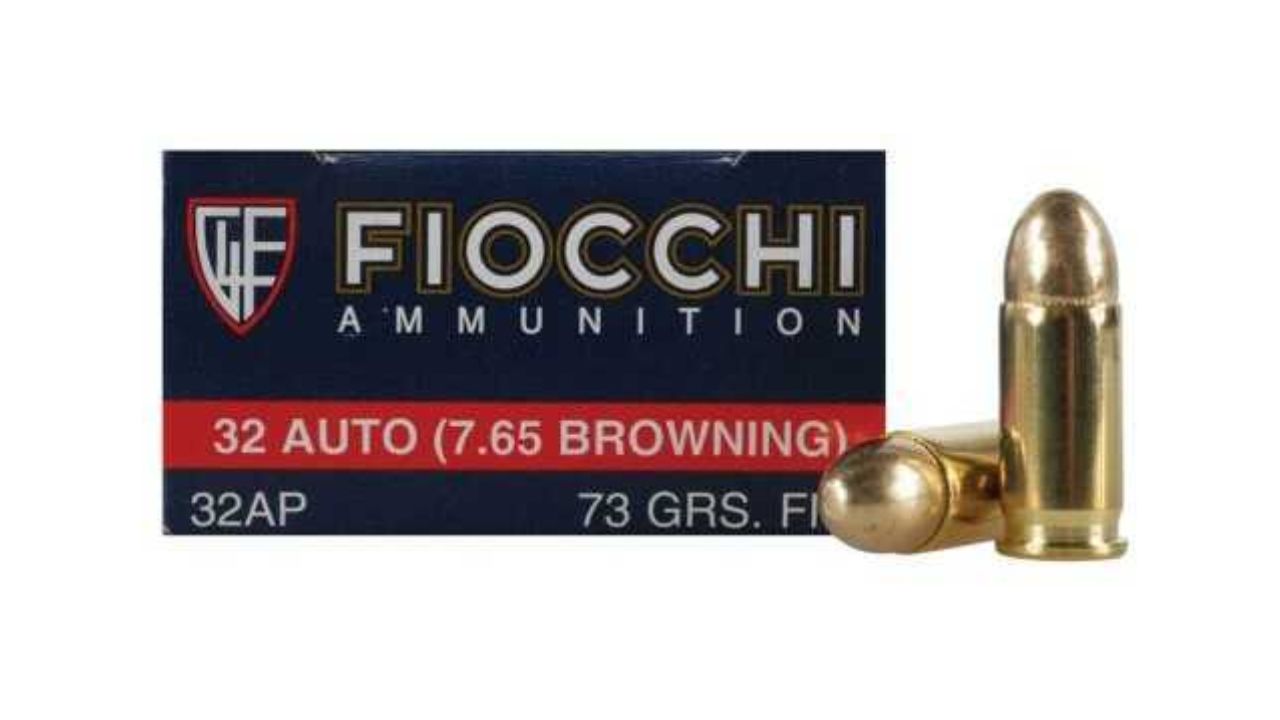
The .32 ACP’s smooth shooting and light recoil make it fun at the range, but its slow speed and light bullet struggle to hold together on impact. It’s accurate, easy to shoot, and widely available, but it simply doesn’t have the momentum to handle bone.
You’ll see great paper performance and consistent groupings, yet when you put it to the test on real targets, penetration suffers badly. The .32 ACP’s accuracy gives shooters confidence it can’t back up once the resistance gets real.
.22 WMR (varmint hollow points)
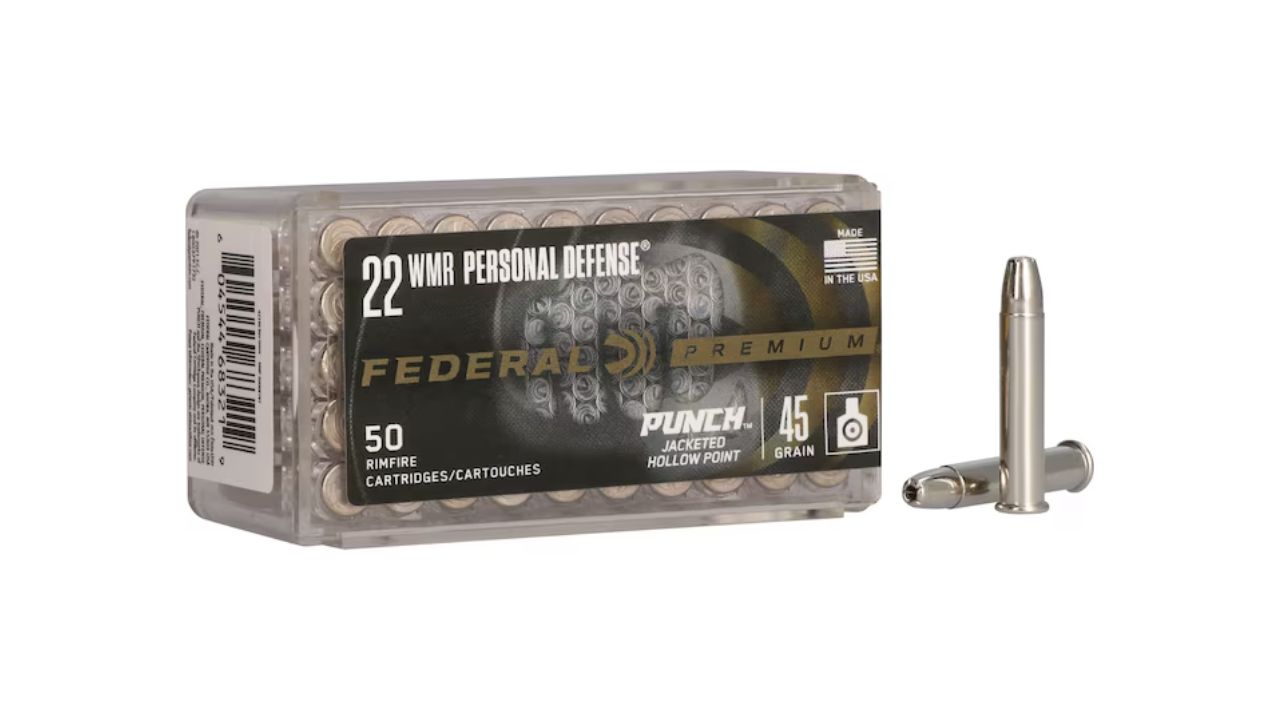
The .22 Magnum can be incredibly accurate, and its speed gives it more punch than the .22 LR. But hollow points made for varmint work tend to fragment too quickly. When they strike bone, they disintegrate instead of driving through.
On small predators or varmints, that’s perfect. On tougher targets, it’s a recipe for shallow wounds and long tracking. Accuracy isn’t the problem—the bullet’s construction is. It’s a round that proves how a perfect hit can still lead to poor performance.
.30 Carbine
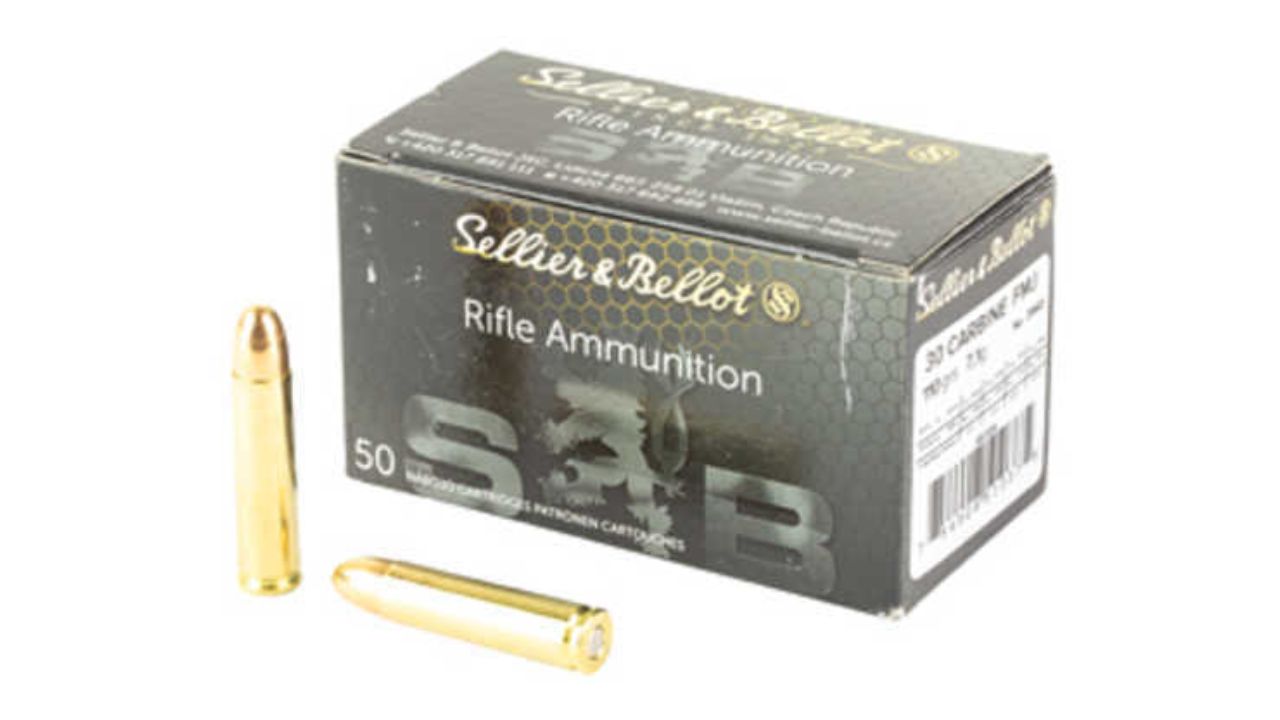
The .30 Carbine shines at the range—accurate, mild, and dependable. But in hunting situations, its limitations show fast. The light bullet and moderate speed can’t handle heavy tissue or bone.
It was never built for deep penetration, and even with soft-point bullets, it struggles against ribs or shoulders. It performs well on small game and targets but lacks the energy transfer hunters rely on for quick, ethical kills. On paper, it’s tight. On bone, it’s weak.
Like The Avid Outdoorsman’s content? Be sure to follow us.
Here’s more from us:
The worst deer rifles money can buy
Sidearms That Belong in the Safe — Not Your Belt
*This article was developed with AI-powered tools and has been carefully reviewed by our editors.