Photo credit: Mohan Nannapaneni/Pexels.com
If you’ve been turkey hunting for a while, you’ve probably felt it: birds that used to follow a routine now feel “random,” gobbling windows feel shorter, and that one tom you thought you had pinned down ghosts you the second you set up. A lot of this isn’t your imagination. Across many regions, researchers and agencies have been tracking changing turkey dynamics, and big-picture status reporting shows how variable things are state to state, year to year.
“Harder to pattern” usually comes from the same mix: lower or more inconsistent reproduction in prior years, earlier green-up (so birds can move unseen), more pressure on public ground, and gobblers that have learned to hang up, skirt decoys, and move silently. Here are 15 states where that “tough to pattern every spring” feeling shows up again and again.
Tennessee

Tennessee is a perfect example of why patterning feels harder even when you still hear birds. TWRA reported the 2025 spring harvest was down 8% from 2024 and 13% below the previous 5-year average, with the agency pointing to poor reproduction in 2023 reducing 2-year-old birds on the landscape. When you’ve got fewer of those aggressive “do something dumb” 2-year-olds, the woods can feel quieter and toms can feel more cautious.
Add heavy pressure on accessible public land, and you get toms that don’t follow clean routines. They roost where they can slip away, they shut up faster after fly-down, and they’ll circle a call without ever showing themselves. In a lot of Tennessee ground, the winning adjustment is hunting tighter terrain features (drains, benches, saddles) and treating mid-morning like a prime window instead of an afterthought.
Kentucky
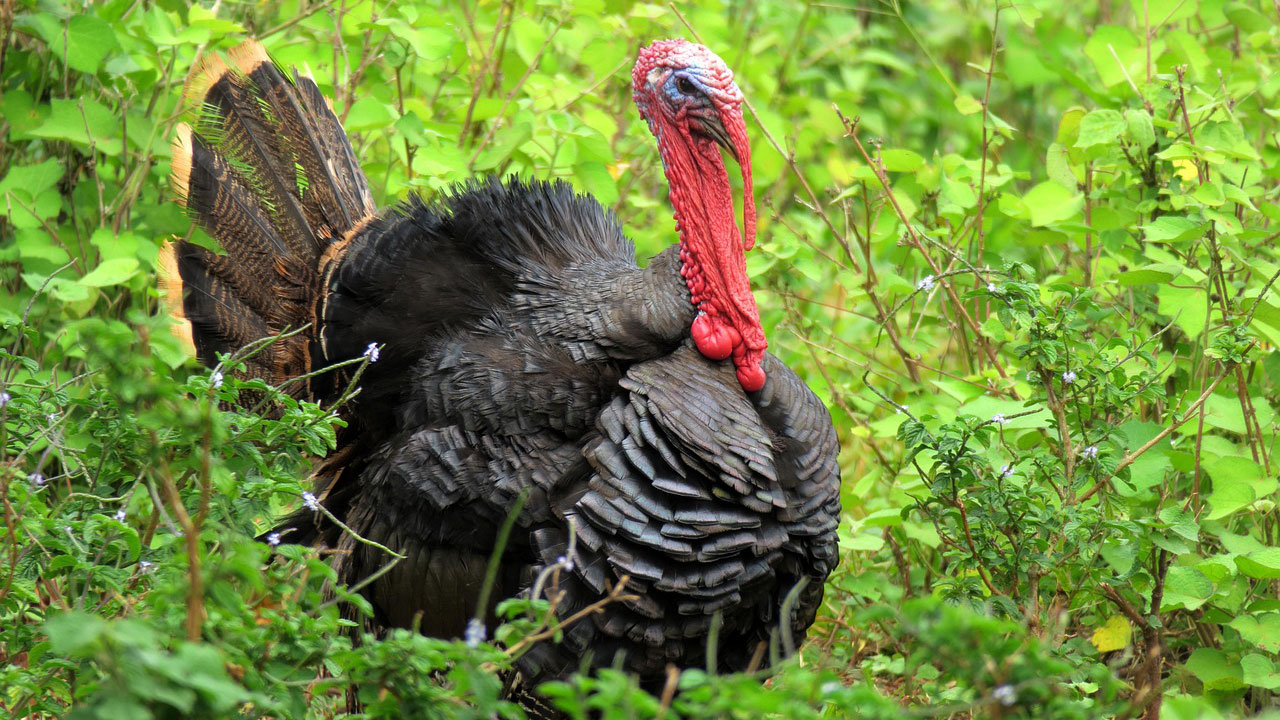
Kentucky birds can be there and still feel hard to pin down because the habitat is a mix of farm edges and thick timbered hollers that let turkeys move without being seen. When green-up hits, a gobbler can travel 200 yards and vanish. Pressure also stacks quickly on public tracts and WMAs, so birds learn to avoid the obvious pull-offs and ridgetop setups that everybody uses.
Kentucky also sees a lot of “roost-to-field” pattern assumptions that get hunters burned. Some mornings birds don’t go to fields at all—they drop into cover, follow hens, and your whole plan collapses. The guys who consistently tag out are usually the ones who stay mobile and hunt sign and fresh listening instead of committing to yesterday’s pattern.
Alabama
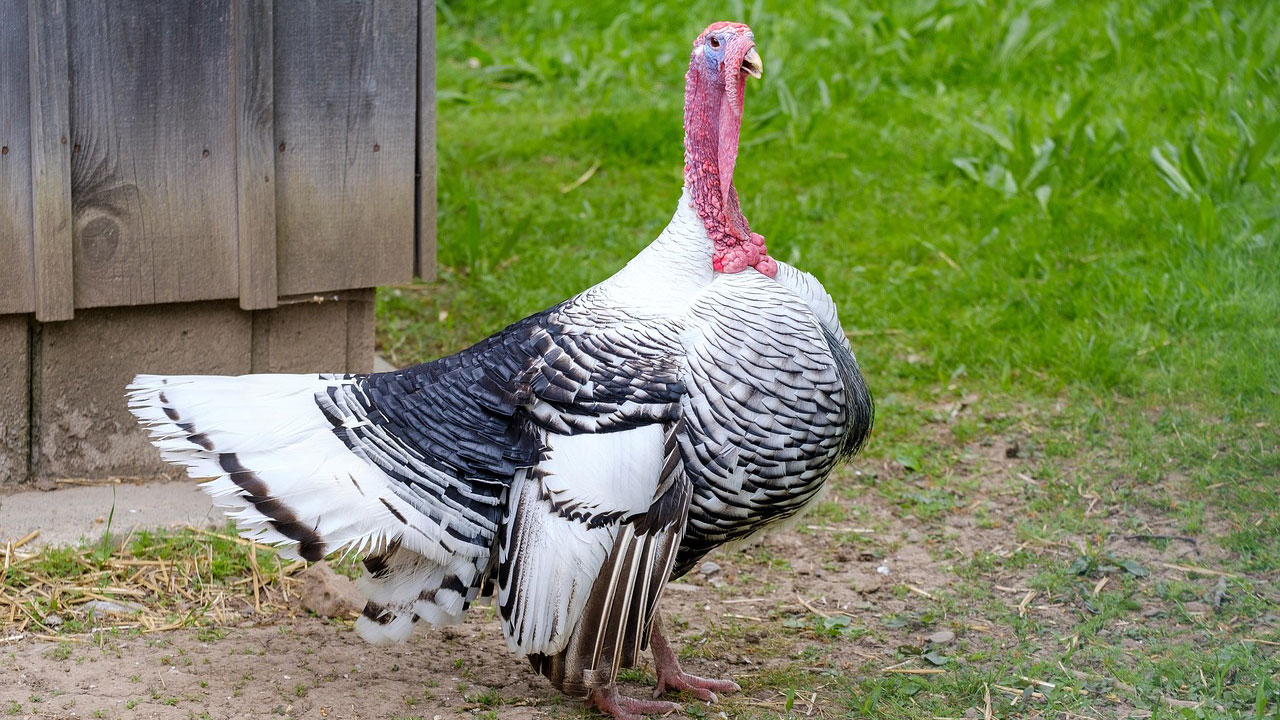
Alabama still has strong turkey culture, but it’s a state where patterning can be a grind because of how quickly pressure changes gobbler behavior. In parts of the Southeast, research and hunter reporting have pointed to turkey declines and shifting behavior as a real concern, and regional forecasts keep emphasizing that “it depends on where you are.”
A common Alabama issue is gobblers that talk hard on the limb, then get tight-lipped once they hit the ground and have hens. If you’re hunting public land or high-competition areas, those birds often get called to from multiple directions and learn to stand still until the “danger sounds” stop. Patterning becomes less about predicting a route and more about cutting distance and setting up where a bird can’t avoid you without exposing himself.
Georgia
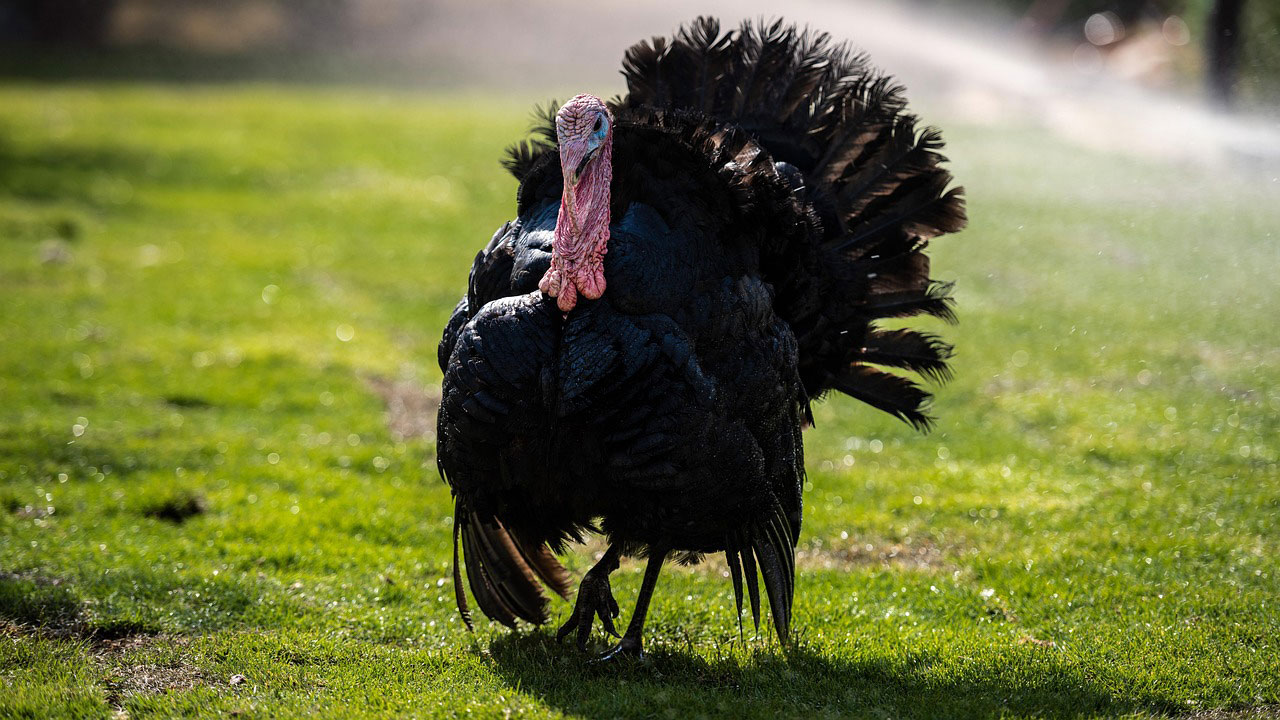
Georgia’s mix of pine timber rotations, cutovers, and farm edges creates great turkey habitat—and also creates a ton of places for turkeys to move unseen. When birds have options, they don’t stick to one “classic strut zone” the way people want. Pressure is the other big piece. In many Georgia public areas, birds get hammered early, and the survivors get cagey fast.
If you’re used to “they roost here and go there,” Georgia will humble you because hens can drag gobblers across property lines, across drainages, and into thick cover that kills visibility. The more hunters lean on the same yelps and the same decoy setups, the more gobblers start hanging up just out of sight. Patterning becomes about terrain pinch points and timing—especially the late morning lull when hens leave to nest.
South Carolina

South Carolina’s turkey challenge is that a lot of habitat looks perfect and still hunts small. Thick cover and quick green-up can hide movement, and gobblers can change their behavior fast under pressure. In some regions, you’ll hear the same story every year: birds gobble early, then go quiet, then you see them again later like nothing happened.
Another issue is access and crowding. When most pressure hits the same easy-to-reach blocks, turkeys shift to the nastier stuff—swamp edges, thick creek bottoms, and overlooked corners behind gates. Patterning gets harder because birds stop using the obvious openings at predictable times. You can still kill them, but you often have to hunt where it’s annoying to sit.
North Carolina

North Carolina birds can be tough to pattern because the state has everything from mountain terrain to coastal plain, and turkey behavior changes hard across those regions. In the piedmont and coastal plain, green corridors and mixed land use let turkeys move in ways hunters don’t easily see. In the mountains, roosting and fly-down patterns can shift based on weather and terrain exposure.
NC is also a classic “hens dictate everything” state. When hens are plentiful, gobblers don’t have to come to you. They’ll stay with hens, and the moment you think you’ve got a pattern, it changes. The best consistent pattern in NC is often mid- to late-morning movement when hens peel off—if you’re still in the woods then, your odds jump.
Mississippi

Mississippi belongs on this list because it’s a state where turkey management has been front-and-center, and the conversation is often about rebuilding and consistency. NWTF’s 2026 spring hunt guide notes Mississippi’s 2025 harvest declined 11% from 2024, even though it was still above the previous decade’s mean, and it highlights new conservation funding tools like a turkey stamp.
When populations fluctuate and age structure shifts, patterning gets weird. You can have pockets of birds and still have “dead” woods elsewhere. Add pressure—especially on accessible public land—and gobblers can turn tight-lipped and unpredictable. In Mississippi, hunters who adapt usually treat turkey hunting more like tracking: cover ground, listen hard, and strike birds where they are instead of waiting on a single hotspot.
Arkansas

Arkansas turkeys can be very tough to pattern because the habitat gives them endless ways to travel without being seen—big timber, thick creek bottoms, and broken terrain. Even when you’ve got birds, the moment leaves pop, visibility shrinks and movement becomes harder to read. A gobbler that used to strut a logging road at 8:00 might now stay 20 yards inside the timber where you’ll never see him.
Pressure also stacks in predictable places. If everybody parks at the same access and walks the same ridge, turkeys learn quickly where humans appear. The “pattern” becomes a pressure-avoidance pattern, not a feeding/strut pattern. Hunting deeper, hunting late, and using topography to trap movement is often the difference in Arkansas.
Missouri

Missouri has a deep turkey tradition, and it’s also a state where spring hunting pressure can make gobblers act educated early. Some years you’ll still see strong harvest numbers, but hunters often report that calling birds to the gun feels harder than it used to, especially on public land. Shorter gobbling windows, more silent approaches, and more “hang up at 70 yards” behavior are common complaints.
Missouri’s landscape also creates pattern traps. Birds can roost in timber, feed in ag edges, and travel through thick draws that don’t show sign well. Your best bet often isn’t “patterning a strut zone,” it’s being where hens want to go and intercepting gobblers as they follow.
Virginia

Virginia is loaded with edge habitat, and edge habitat makes turkeys hard to “pattern” because they can use multiple corridors and never expose themselves. In a lot of VA areas, gobblers are there but they’re moving in cover lines—creek bottoms, powerline edges, and thin timber strips that run behind homes and farms.
Pressure can also be intense near population centers and on popular public tracts. Birds adjust by going quiet and relocating quickly after fly-down. Hunters who keep killing VA birds tend to rely less on “he’ll come to the call” and more on tight setups near terrain or cover features that force a bird to show himself if he commits.
Pennsylvania

Pennsylvania turkeys can be abundant in pockets, but “patterning” them can still be difficult because the state has massive hunting participation and a lot of birds live in big timber where visibility is limited. When the woods green up, you can’t glass and locate like you can in open country. You’re hunting sound, sign, and subtle travel routes.
Another PA issue is that public land pressure can spread birds out and shut them up. A gobbler that answers on the roost might never speak again once he hits the ground if he’s been worked by hunters before. In PA, the hunters who stay consistent often shift to later windows and use run-and-gun tactics without overcalling.
New York

New York has a strong turkey resource in many regions, but patterning gets harder because habitat is patchy, hunting pressure can be local-heavy, and spring weather swings can wreck predictability. A cold snap or hard rain can change where birds want to be, and in mixed farm/wood settings, turkeys can rotate between multiple fields and cover blocks based on disturbance.
NY is also a state where birds can get call-shy in high-pressure areas. When multiple hunters are working the same birds, gobblers learn that “hen sounds” often come with people. Patterning becomes less about calling and more about intercepting travel routes and being patient in the right transition zones.
Michigan

Michigan turkeys can be tricky because they often live in that “mixed cover” world—small woodlots, swamp edges, ag fields, and suburban buffers. That mix creates tons of movement options and lots of safe edges. A gobbler can change fields and you’ll never know unless you’re glassing from the right spot at the right time.
Michigan also sees concentrated pressure on the obvious public areas and on accessible farm edges. Birds respond by shifting where they roost and where they want to travel after fly-down. The guys who do best usually scout hard for roost sign and keep multiple backup spots because a single plan gets blown up fast.
Wisconsin

Wisconsin birds can be tough to pattern because of thick cover and quick seasonal change. Once everything greens up, turkeys can travel without being seen, and the “where are they going?” question gets harder. Add public land competition in some areas, and gobblers can become cautious quickly.
Wisconsin hunters also deal with a lot of “silent turkey” behavior where birds respond without gobbling much, especially after the first wave of hunting pressure. That makes patterning by sound unreliable. Watching field edges at distance, confirming travel corridors, and hunting mid-day can be the difference.
Oklahoma

Oklahoma is a state where turkey success often depends on finding the right pocket and then dealing with pressure and habitat variability. Some areas can be loaded while others feel empty. Weather swings and wind can also change movement patterns quickly, especially in more open country where birds can relocate based on disturbance.
Because turkeys can cover ground fast in big country, a “pattern” can disappear overnight if food or pressure shifts. Hunters who stay consistent tend to treat Oklahoma turkeys like nomads—glass more, scout more, and don’t fall in love with yesterday’s setup.
Like The Avid Outdoorsman’s content? Subscribe to our newsletter so you never miss an article.
Here’s more from us: