Photo credit: Tony LePrieur Photography/Shutterstock.com
Coyotes are tougher than most folks give them credit for. They’re wiry, fast, and notoriously hard to drop clean unless you hit them perfectly. A good hit with the right bullet can fold one instantly, but the wrong caliber can turn into a long tracking job or a coyote running full speed into the next county. It’s not just about power—it’s about bullet performance, impact velocity, and how much energy stays together after the shot. Some cartridges simply don’t have the punch or penetration to anchor them on the spot, especially when shots are taken at awkward angles or in the wind. These are the calibers that often leave coyotes running when they should’ve dropped.
.17 HMR
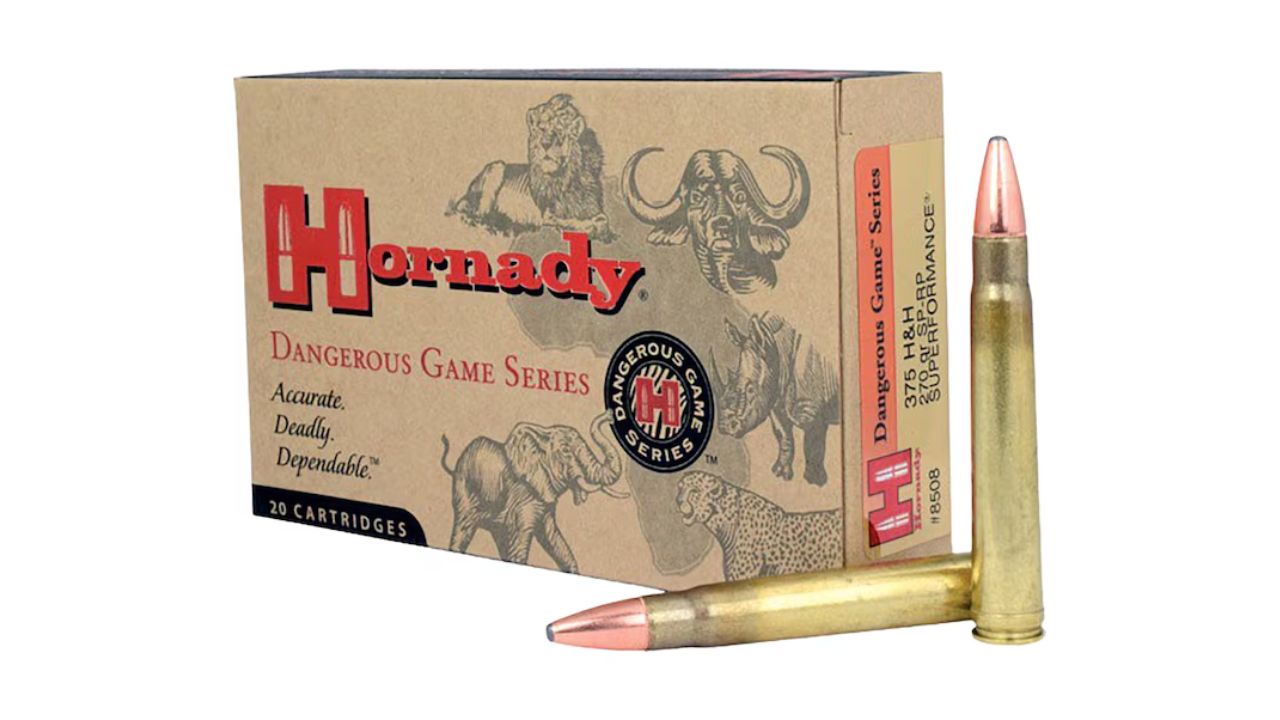
The .17 HMR is accurate and fun to shoot, but it doesn’t carry enough punch to anchor a coyote cleanly. At close range, a perfect hit will do the job, but once distance stretches past 75 yards, the bullet starts losing steam fast. It’s designed for small varmints like squirrels and prairie dogs—not 35-pound predators with dense muscle and bone.
Its tiny, fragile bullet fragments quickly, often leaving shallow wounds that don’t stop an animal immediately. Coyotes hit with it frequently run off, even with solid hits behind the shoulder. It’s a great round for the range and pests, but it’s too light for clean, consistent kills on tough predators.
.22 Long Rifle
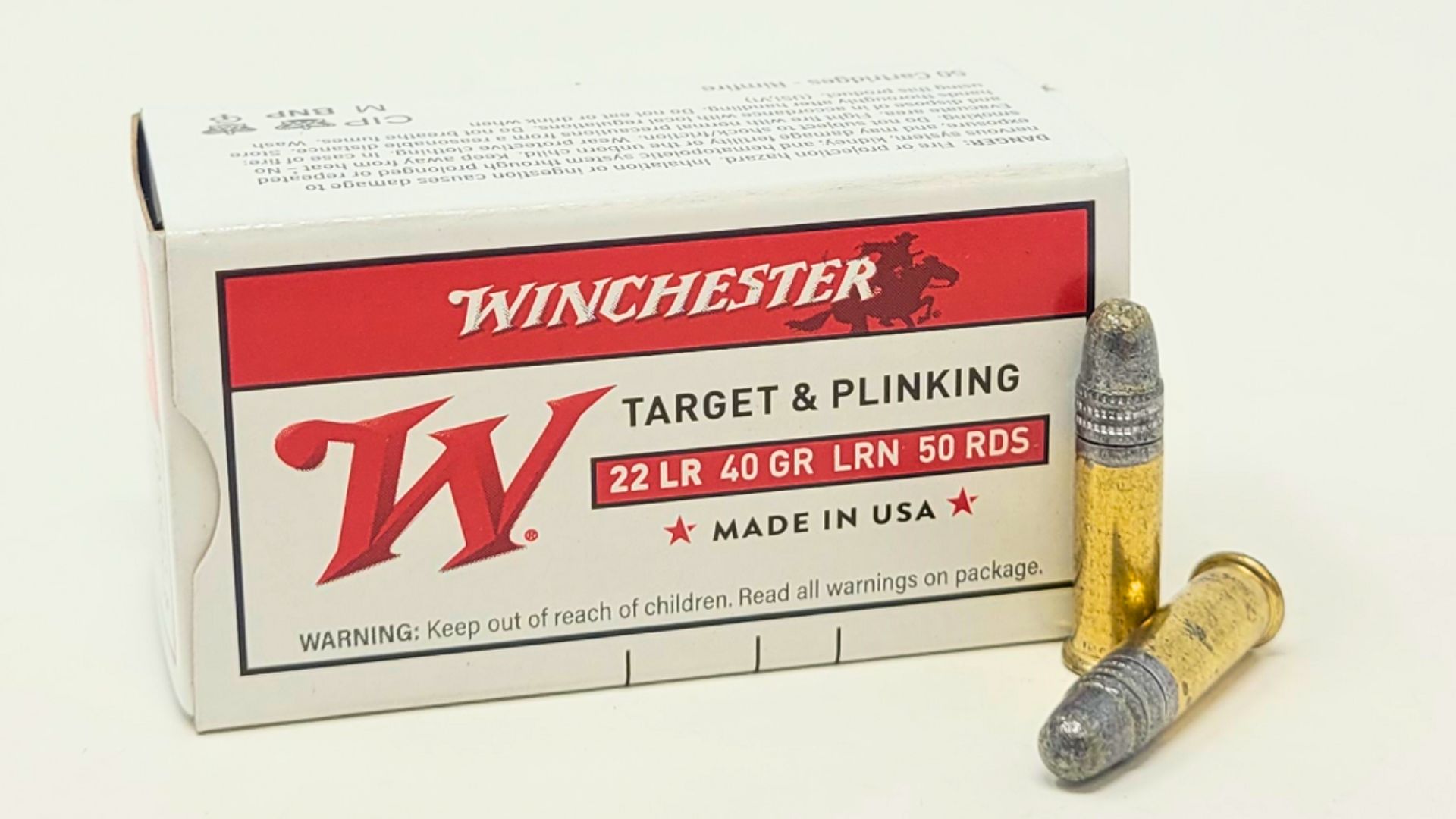
The .22 LR is legendary for small game, but it’s a poor choice for coyotes. The slow, lightweight bullet lacks the velocity and energy to penetrate deeply or break bone effectively. Sure, a headshot at close range can work—but that’s hardly a margin for error on a fast-moving target.
Even with high-velocity loads, you’ll rarely get the clean knockdown you want. Coyotes hit in the chest or shoulder often run off wounded, leaving you with a long track and a guilty conscience. The .22 LR has its place, but predator hunting isn’t it.
.17 Hornady Hornet
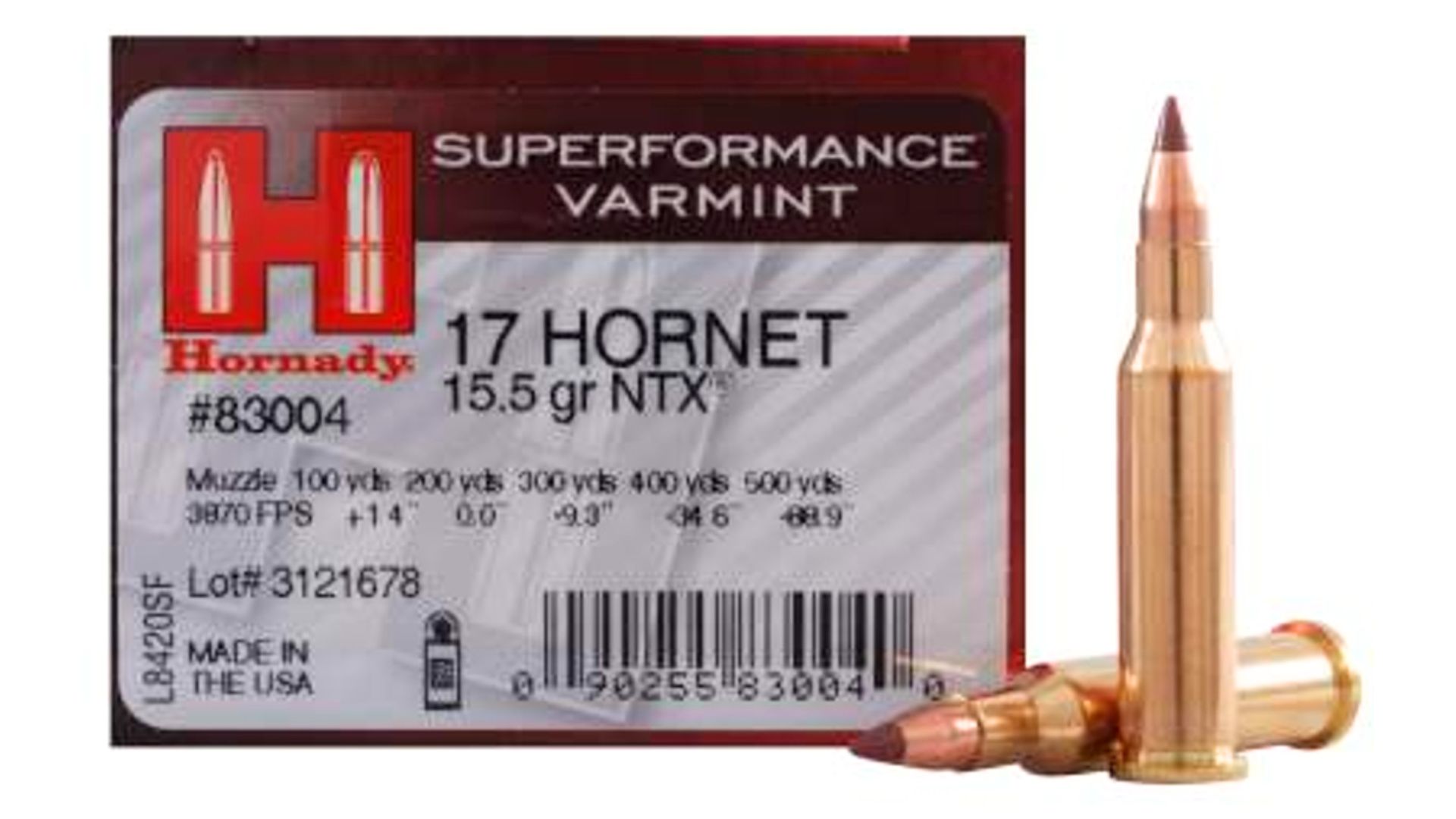
The .17 Hornet looks great on paper—flat-shooting, accurate, and mild on recoil—but it suffers the same weakness as the .17 HMR: low mass. Its light bullets don’t carry much energy downrange, and they tend to explode on impact rather than penetrate.
On soft tissue shots, it’s devastating, but hit bone or take an angled shot, and it’ll likely come apart before it reaches the vitals. Coyotes hit with it often spin, run, and disappear, even with decent placement. It’s a precision round that lacks forgiveness in the field.
.22 Short
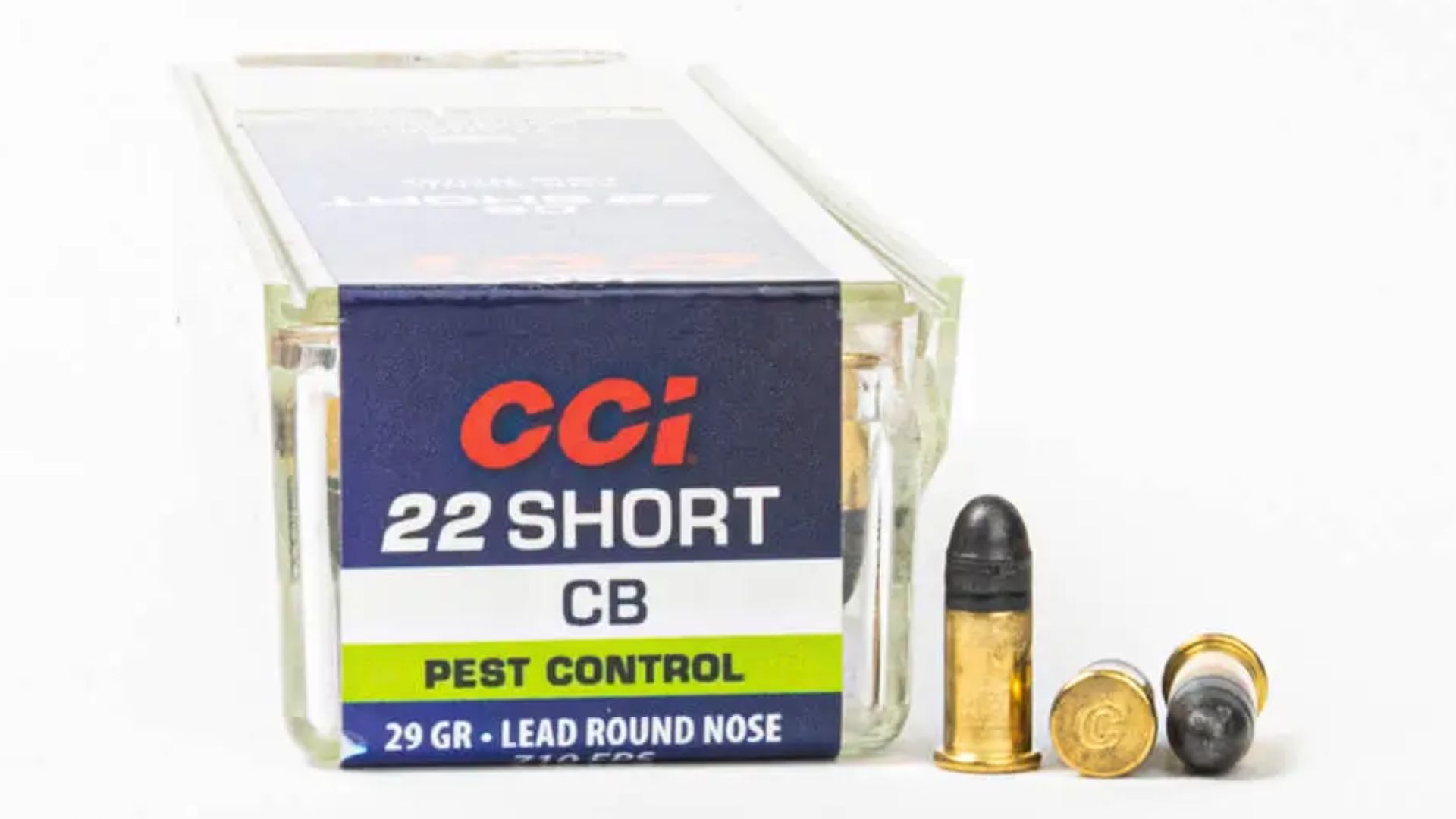
The .22 Short has been around forever, but its limited velocity makes it useless for anchoring coyotes. It barely carries 100 foot-pounds of energy, which isn’t enough to break through a shoulder or ribcage cleanly.
It’s accurate enough for close-range pests but fails miserably on predators. A coyote hit with one will usually run off unless it’s an absolute brain shot. You can humanely take rabbits and raccoons with it—but coyotes deserve something with more authority.
.22 WMR (light hollow points)
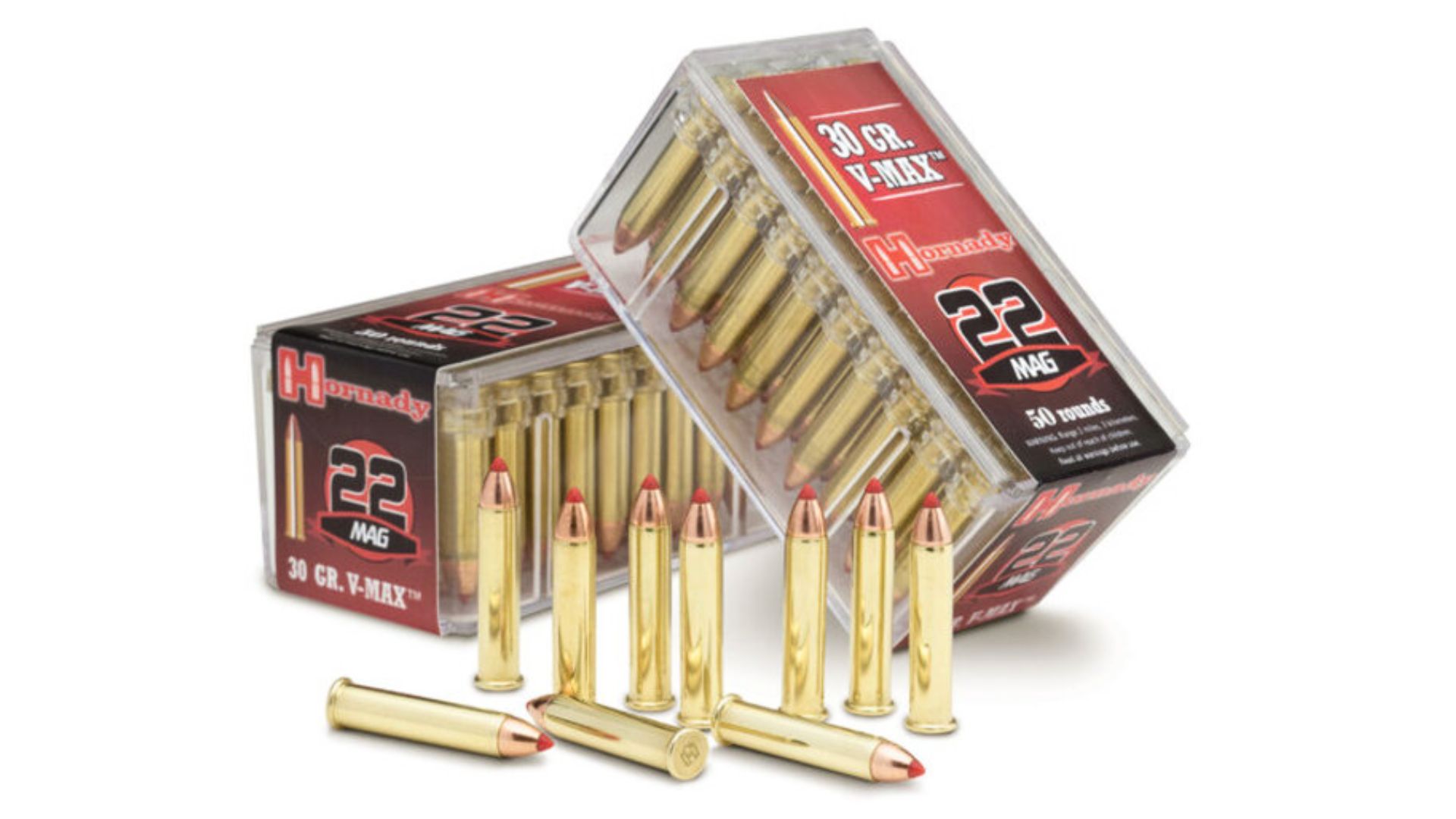
The .22 Magnum is right on the edge of coyote-worthy performance. It can work, but light hollow points often expand too quickly, losing penetration where it’s most needed. A broadside coyote might drop, but a quartering shot through the shoulder usually won’t.
Heavier bullets help, but many hunters using cheap varmint loads find they wound more than they kill cleanly. It’s accurate and easy to shoot, but without a sturdy bullet that holds together, you’ll see too many coyotes run off hit hard but not hard enough.
5.7x28mm

The 5.7x28mm is fast and accurate but lacks weight and energy for consistent kills. Originally designed for personal defense, it pushes tiny bullets that fragment rapidly. On small varmints, it’s deadly, but coyotes are tougher customers.
Even well-placed shots can fail to penetrate deeply, especially at longer ranges. It’s quiet, low recoil, and fun to shoot, but it doesn’t carry the stopping power a coyote demands. You can make it work with perfect placement—but perfect doesn’t happen often in the field.
.204 Ruger

The .204 Ruger shoots flat and fast, but its light bullets often lack penetration. It’s great for prairie dogs, but on coyotes, those fragile projectiles can explode on impact without reaching vital organs. At close range, it’s fine; past 200 yards, it starts to struggle.
Coyotes hit high or forward often run a hundred yards before going down—if they go down at all. The round’s accuracy lures hunters in, but its fragility in real-world conditions keeps it from being a reliable stopper on predators that don’t quit.
.17 Remington

The .17 Remington is a specialist’s round—flat-shooting, fast, and quiet—but its performance depends entirely on bullet construction and shot placement. When it works, it’s impressive; when it doesn’t, you’re watching a wounded coyote sprint out of sight.
The tiny bullets can fragment too soon or fail to penetrate if they hit bone. It’s excellent for fur-friendly shooting where pelt damage matters, but it’s not consistent enough for clean anchors. If you’re hunting to kill quick and clean, the .17 Remington’s margin for error is too thin.
.25 ACP

The .25 ACP shouldn’t even enter the conversation, but plenty of folks have tried it on varmints. It’s slow, light, and carries minimal energy past 25 yards. It might punch through thin hide, but it won’t break shoulders or reach vitals reliably.
Even perfect hits don’t always stop movement immediately. It’s more likely to wound than to kill cleanly. The .25 ACP belongs in pocket pistols, not predator rifles. You’d be doing the coyote a favor to use something stronger and end things cleanly.
.22 Hornet

The .22 Hornet is accurate and classic, but it struggles with modern expectations for predator hunting. The slow velocity and light bullets limit penetration, especially when hitting shoulder bone or at longer ranges.
It’s effective on foxes and small varmints but not built for the toughness of a coyote. Many hunters report them running off even after what should’ve been solid hits. The .22 Hornet works when everything goes right—but “everything right” is a tall order on a wary predator that never stands still.
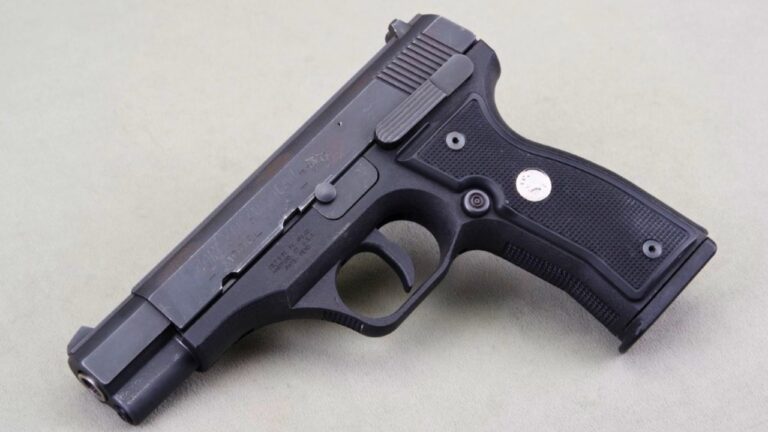
.32 ACP

The .32 ACP was never meant for the field, but it’s been used there anyway. With limited velocity and light bullets, it’s simply not strong enough for clean kills. Coyotes hit with it often drop late, after long, painful runs.
It’s accurate enough up close, but it lacks the energy to create effective wound channels. Unless you’re dispatching a trapped animal at point-blank range, it’s not an ethical choice. Use a true rifle cartridge if you want a coyote to stay where it stands.
9mm (standard loads)

The 9mm is accurate and easy to shoot, but its limited velocity and bullet shape make it inconsistent on coyotes. Handgun rounds don’t carry the energy or reach needed for clean anchors, especially past 50 yards.
While expanding bullets can do the job at close range, they lose steam fast. Coyotes hit through the chest often run off unless you catch a vital area precisely. It’s a capable cartridge for defense, not for distance shots on thin, quick-moving game.
.380 ACP
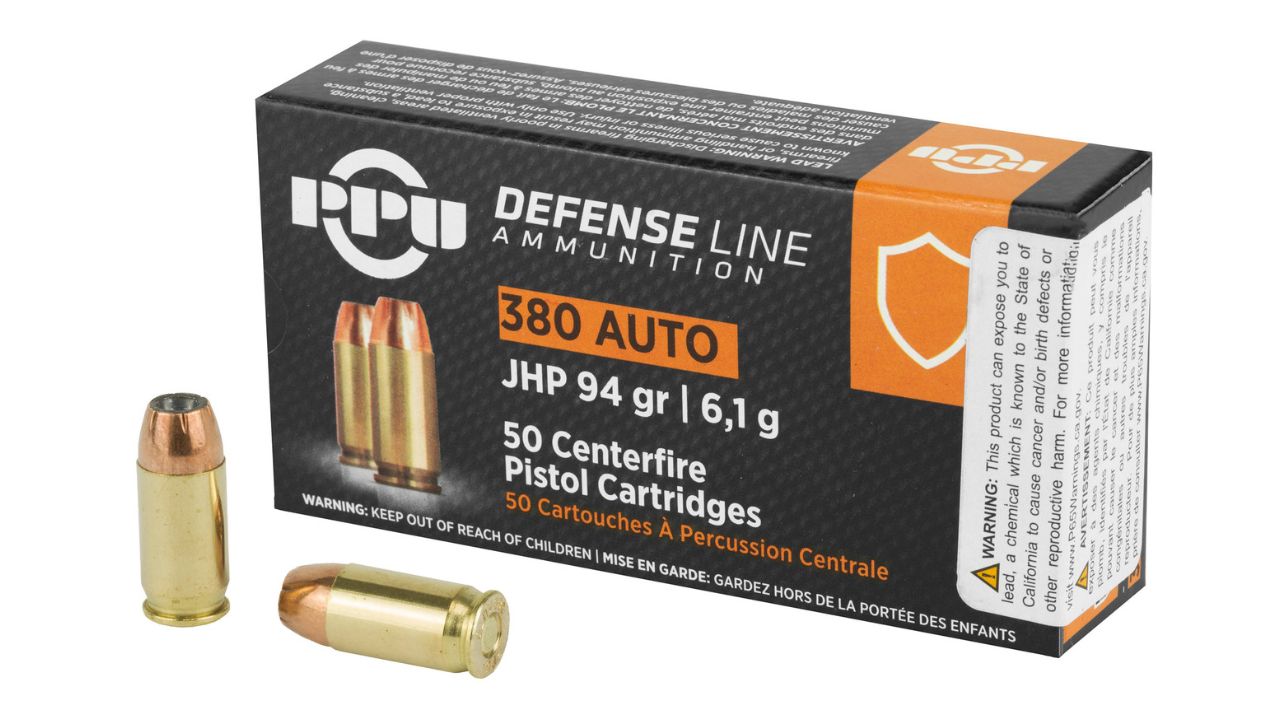
The .380 ACP lacks the punch or penetration for clean kills on coyotes. It’s soft-shooting and accurate enough for close work, but the light, slow bullet expands early and loses depth fast.
Even well-placed shots can fail to anchor effectively, leaving you with a wounded coyote and no blood trail. It’s reliable for self-defense but not ethical for predators. It’s one of those rounds that makes noise, not results, in the field.
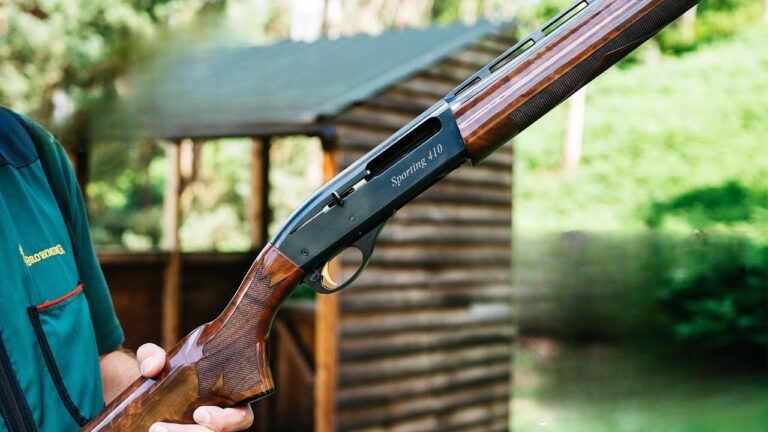
.410 Bore (buckshot)
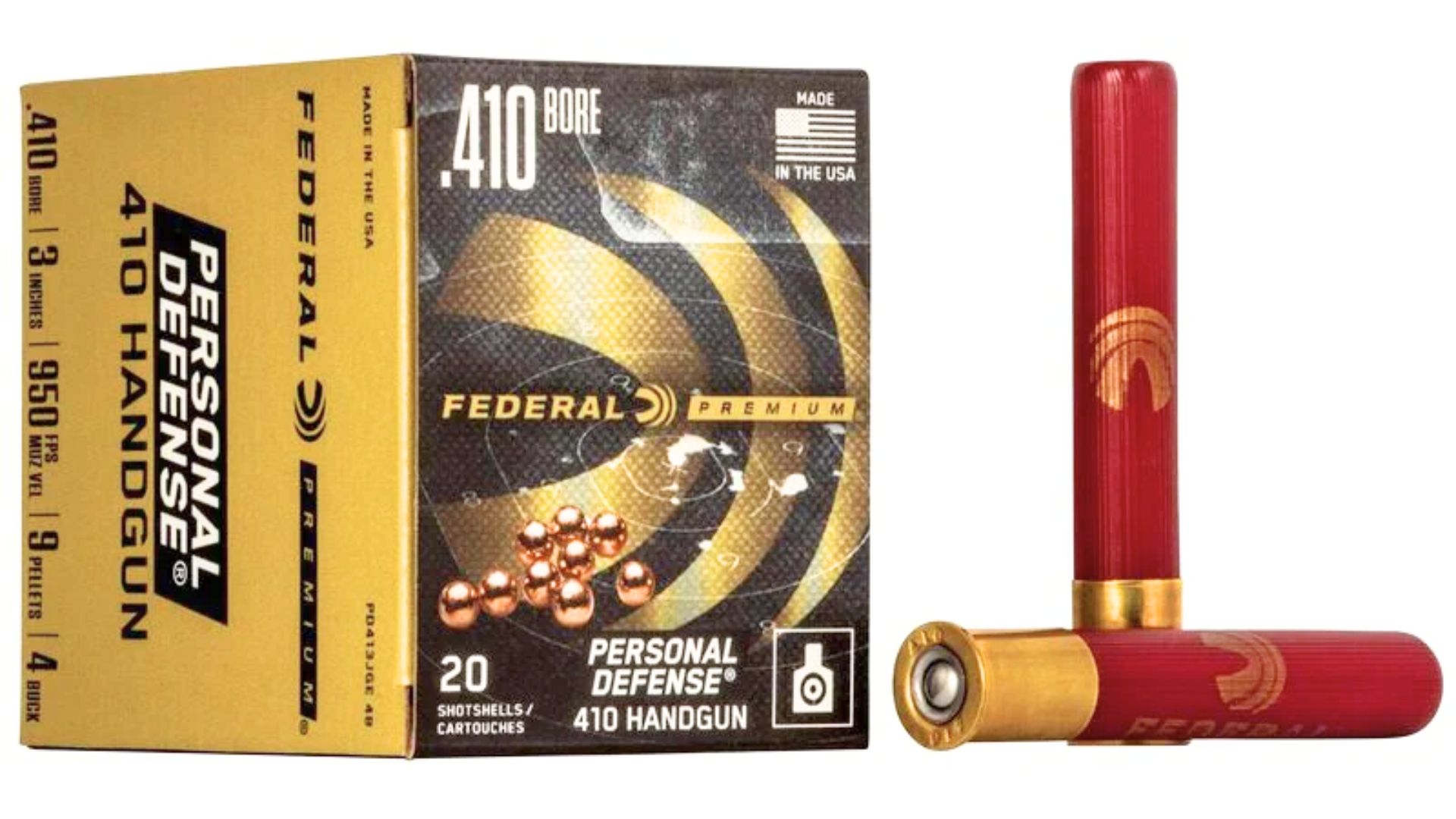
The .410 can kill a coyote, but rarely cleanly. Its small payload and limited pattern density make hits inconsistent beyond 30 yards. Even with buckshot, the pellets don’t carry enough energy for reliable penetration at distance.
Coyotes hit by a few scattered pellets often run off wounded. It’s a handy little shotgun for small game, but on predators, it’s simply underpowered. If you want to anchor a coyote cleanly, reach for a 12-gauge instead.
.223 Remington (light varmint loads)
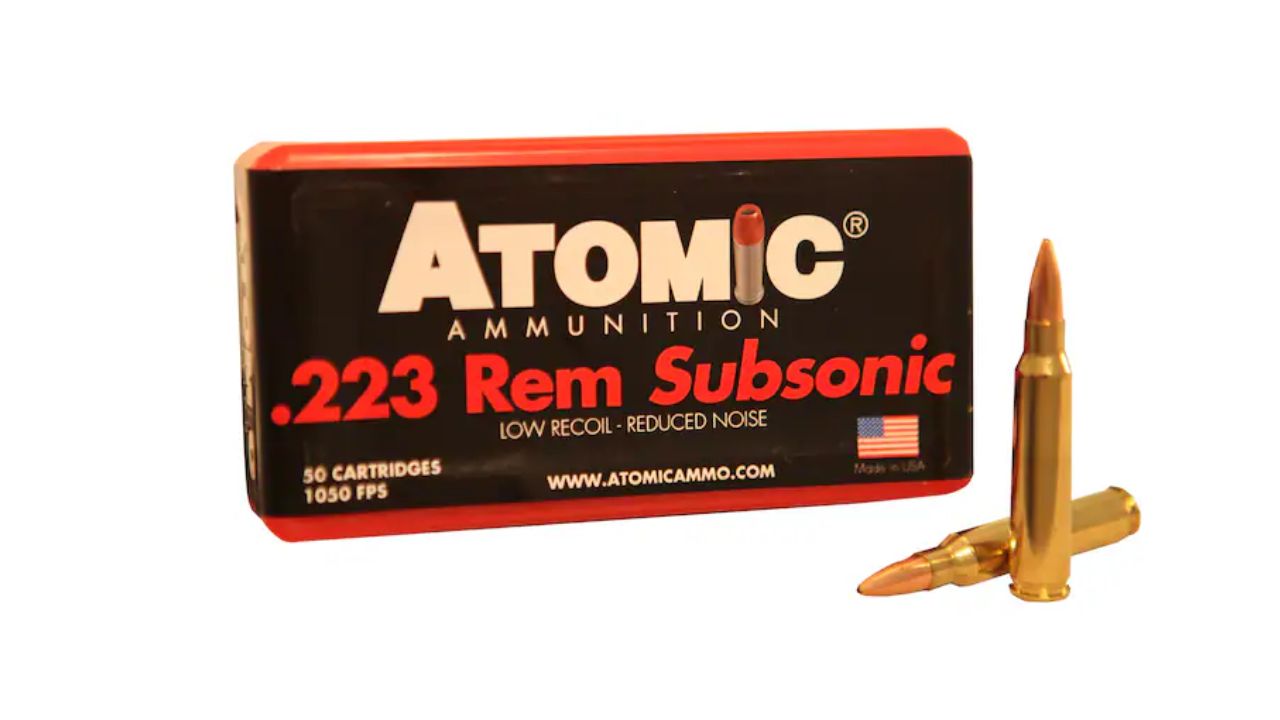
The .223 Remington can be perfect for coyotes—but not with fragile varmint bullets. Many lightweight loads fragment too quickly, failing to exit or break shoulders effectively. The result is a coyote that runs despite being hit hard.
Heavier, tougher bullets fix the issue, but hunters chasing high velocity often learn the hard way. The .223’s success depends entirely on bullet choice, and when the wrong one meets bone, you’ll be left watching fur vanish over the horizon.
Like The Avid Outdoorsman’s content? Be sure to follow us.
Here’s more from us:
The worst deer rifles money can buy
Sidearms That Belong in the Safe — Not Your Belt
*This article was developed with AI-powered tools and has been carefully reviewed by our editors.