Photo credit: deerdown/GunBroker
Few things sting more than unboxing a rifle you’ve been excited about, only to discover it doesn’t live up to the promise. Rifles carry a certain weight of expectation—whether it’s accuracy, reliability, or value for money, every new owner hopes their investment performs. But not every design meets that mark. Some rifles look great in the catalog, have the right features on paper, or even carry a respected brand name, but once you take them to the range or into the field, the flaws show fast. Whether it’s accuracy that never tightens up, feeding issues that won’t go away, or ergonomics that feel off, disappointment can sour the ownership experience quickly. The rifles that make this list aren’t always the worst ever built, but they’ve all earned reputations for letting down the very shooters who trusted them first.
Ruger American Rimfire (.22 WMR)

The Ruger American Rimfire series is well-regarded in .22 LR, but the .22 WMR version leaves many new owners disappointed. Feeding issues are common, often tied to magazine design, and accuracy doesn’t always meet expectations. In a rimfire meant for small game or varmint work, reliability is everything, and the .22 WMR variant has a hard time delivering.
While the rifle shares the same platform as its successful siblings, the execution feels off. Many owners find they spend more time troubleshooting than shooting, and that’s frustrating when you expect dependable performance from a Ruger. The heavy bolt lift doesn’t help, and combined with the inconsistency in accuracy, it creates an experience that feels underwhelming. For those buying it as a step up from .22 LR, it can be a letdown. On paper it looks like a winner, but in practice, it’s one of those rifles that fails to meet the expectations set by the rest of the American line.
Winchester XPR

The Winchester XPR was designed as a budget alternative to the Model 70, but for many owners it’s a disappointment from the start. The rifle lacks the smooth action and overall refinement that made Winchester famous. The trigger is serviceable, but nothing to brag about, and the rifle’s plastic components feel cheap in the hand.
Accuracy is adequate for deer hunting distances, but many shooters expecting the legendary performance associated with the Winchester name walk away let down. Feeding problems with the detachable magazines are another common complaint. While it fills a price niche, the rifle’s handling and build quality leave shooters wishing they’d spent a little more for something with more heritage and polish. For a first-time buyer hoping to own a “Winchester,” the XPR can sour the experience. It’s not that the rifle doesn’t work—it’s that it carries a name tied to greatness but fails to deliver anything close to it in actual use.
Mossberg Blaze
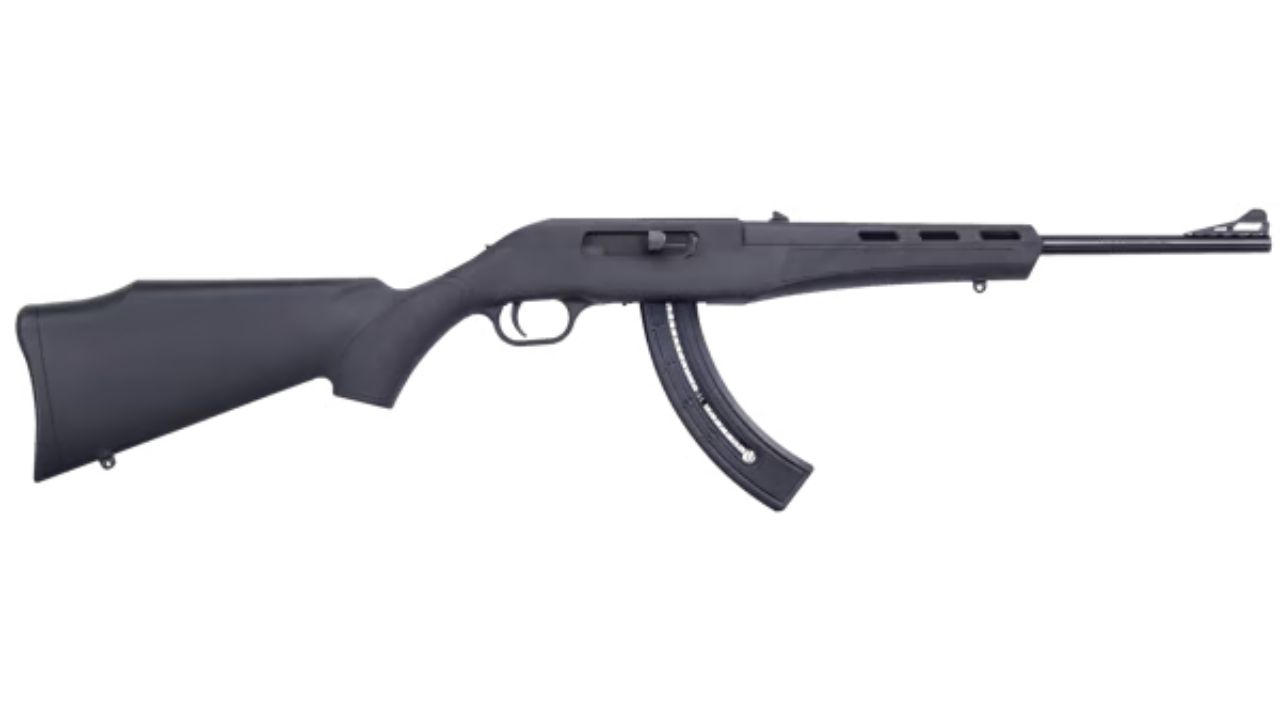
The Mossberg Blaze is one of those rifles that looks like a fun plinker but often ends up frustrating owners. Chambered in .22 LR, it’s lightweight and affordable, but reliability isn’t its strong point. Feeding issues, misfires, and accuracy problems show up often, leaving shooters annoyed rather than impressed.
The rifle’s plastic-heavy build doesn’t inspire confidence, and many owners complain about its durability over time. Compared to other rimfire rifles like the Ruger 10/22 or Marlin Model 60, the Blaze feels like it was built with cost-cutting in mind rather than long-term shooting enjoyment. While it may function well enough for casual plinking, the inconsistency quickly wears thin. New owners expecting an inexpensive but reliable .22 often end up wishing they’d gone with something more proven. The Blaze represents one of those rifles that looks appealing on the shelf but rarely earns loyalty once it’s actually taken out and fired.
Marlin Model 995
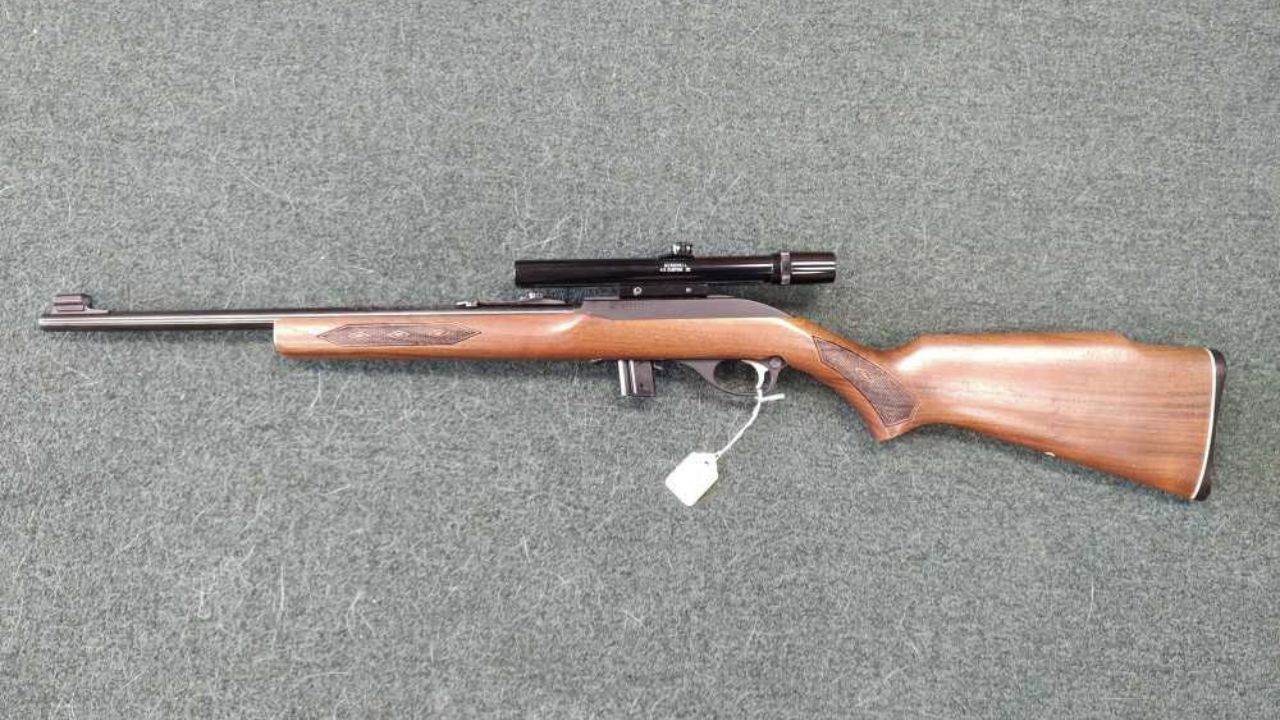
The Marlin 995, an older semi-auto .22 LR, seemed like it should’ve been a straightforward rifle. Unfortunately, it has long been criticized for poor feeding reliability and inconsistent performance. Owners often found themselves clearing jams more than shooting, and the cheap-feeling magazines only made things worse.
Accuracy wasn’t terrible when the rifle did run, but reliability is what makes or breaks a .22 semi-auto. For many new shooters, the 995 was their first experience with rimfires, and it often left a bad impression. Compared to its competition, like the Ruger 10/22, the Marlin 995 didn’t stack up well. It lacked aftermarket support, parts availability, and long-term durability. Many of these rifles are still floating around today, often sold cheap at gun shows, but they carry the same reputation they always had. It’s one of those rifles that could have been a solid entry-level option but instead left owners disappointed from day one.
Remington 742 Woodsmaster

The Remington 742 Woodsmaster is a semi-auto hunting rifle that sold well, but many owners learned quickly that it wasn’t built for the long haul. The rifle’s action is prone to wearing out, with rails inside the receiver developing grooves that eventually make it nearly impossible to cycle.
While the rifle looks good and carries the Remington name, disappointment sets in fast once malfunctions start stacking up. Feeding issues, extraction problems, and long-term durability complaints are extremely common. Gunsmiths often refuse to work on them because repairing worn-out 742s is rarely worth the effort. For many hunters, it seemed like a great semi-auto deer rifle at first, but after a few seasons the flaws showed through. It’s a classic example of a rifle that looks the part but can’t handle the wear of regular use. Many new owners have learned this the hard way, often after sinking money into a rifle that won’t stay reliable.
Savage Axis
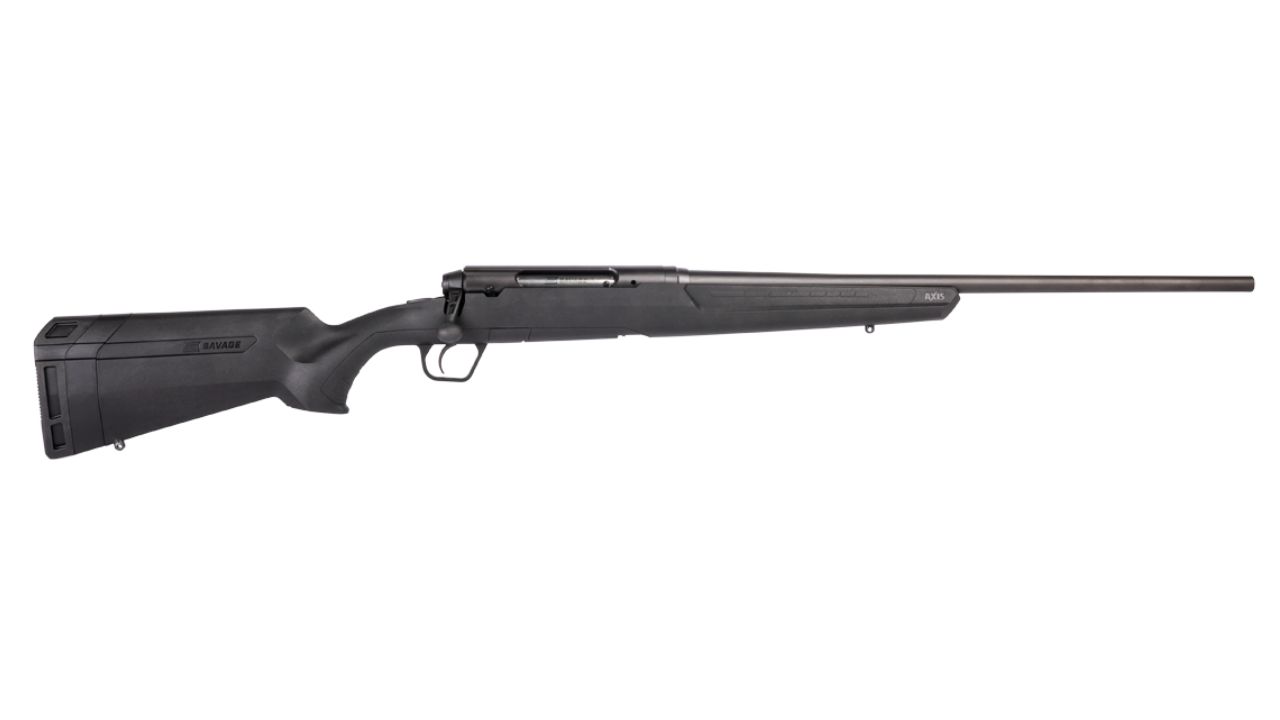
The Savage Axis has improved over time, but the first generation left many new owners disappointed. The trigger was heavy and rough, the stock felt flimsy, and the overall handling didn’t inspire confidence. Accuracy could be good, but it wasn’t consistent enough to overcome the rifle’s shortcomings.
Savage is known for affordable accuracy with its AccuTrigger-equipped rifles, but the Axis was a stripped-down model that cut too many corners. The bolt throw was clunky, and the fit and finish made it feel cheap compared to competitors in the same price bracket. While the rifle was marketed as a budget-friendly option for hunters, many walked away wishing they had saved up for something with better long-term potential. Later generations addressed some of these issues, but the early Axis rifles remain an example of how cutting too far on features leads to disappointment. It’s a rifle that promised value but didn’t deliver in execution.
Century Arms C308

The Century Arms C308 is a clone of the HK G3/CETME rifles, but new owners often find themselves frustrated by inconsistent build quality. Century’s reputation for rough assembly shows here, with rifles that have misaligned sights, poor finishing, and feeding issues.
While some rifles run decently, others never seem to perform consistently, which makes ownership a gamble. Many buyers are drawn to the C308 for its low cost and military-style appeal, but disappointment often follows once they realize the level of quality control varies so much. Accuracy is serviceable but not impressive, and reliability problems can make range sessions frustrating. For shooters expecting a budget way to enjoy a battle rifle, the C308 frequently lets them down. It’s a good reminder that not all clones are created equal, and with the C308, you often get what you pay for. The disappointment usually sets in quickly after the first few range trips.
Remington 597
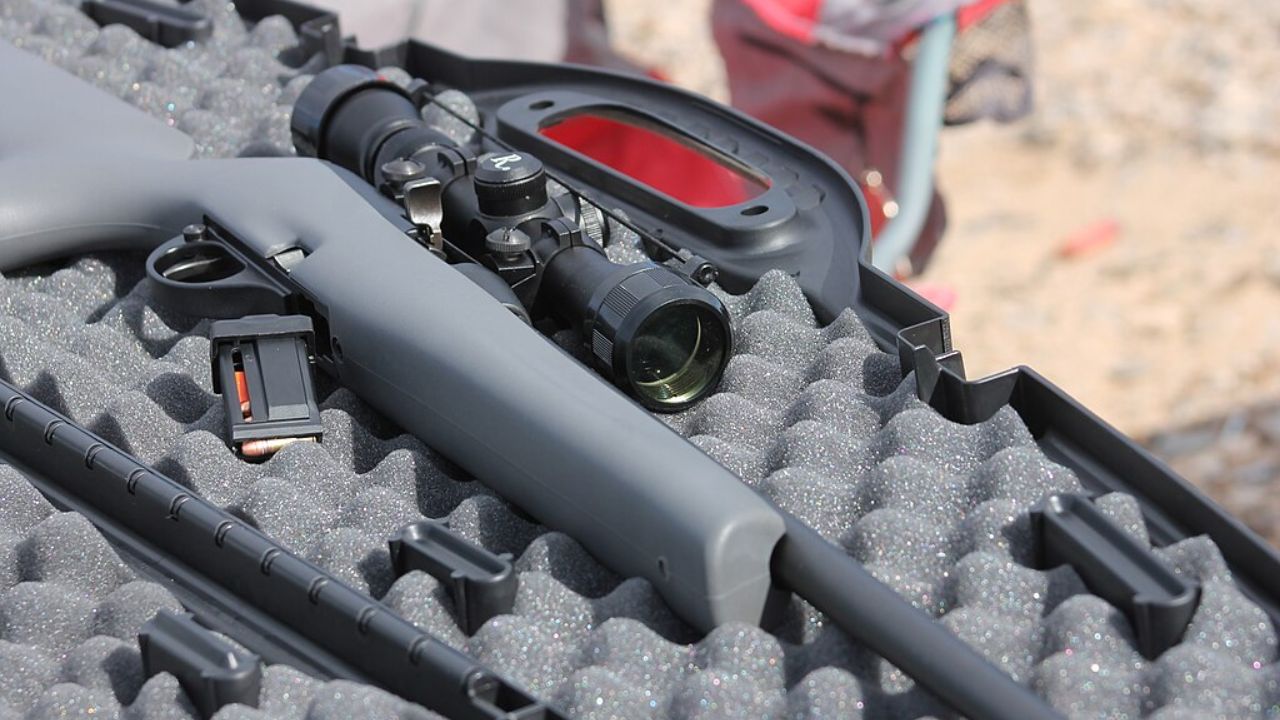
The Remington 597 was designed as a competitor to the Ruger 10/22, but it never lived up to the hype. Feeding issues plagued the rifle, especially with early magazines that were poorly designed. Even with updated versions, many owners found the rifle inconsistent in reliability and accuracy.
The 597 also lacked the massive aftermarket support that made the 10/22 a favorite among tinkerers. While the rifle could be made to work well with specific ammo and careful tuning, most new owners expected more from the box. Instead, they found themselves dealing with jams and misfeeds. For many, the 597 became their first and last experience with Remington rimfire rifles. It’s not impossible to make one run decently, but it requires more effort than most people want to put in. That’s why the rifle is remembered more for disappointment than success, especially among those who bought it expecting a dependable plinker.
Rossi RS22
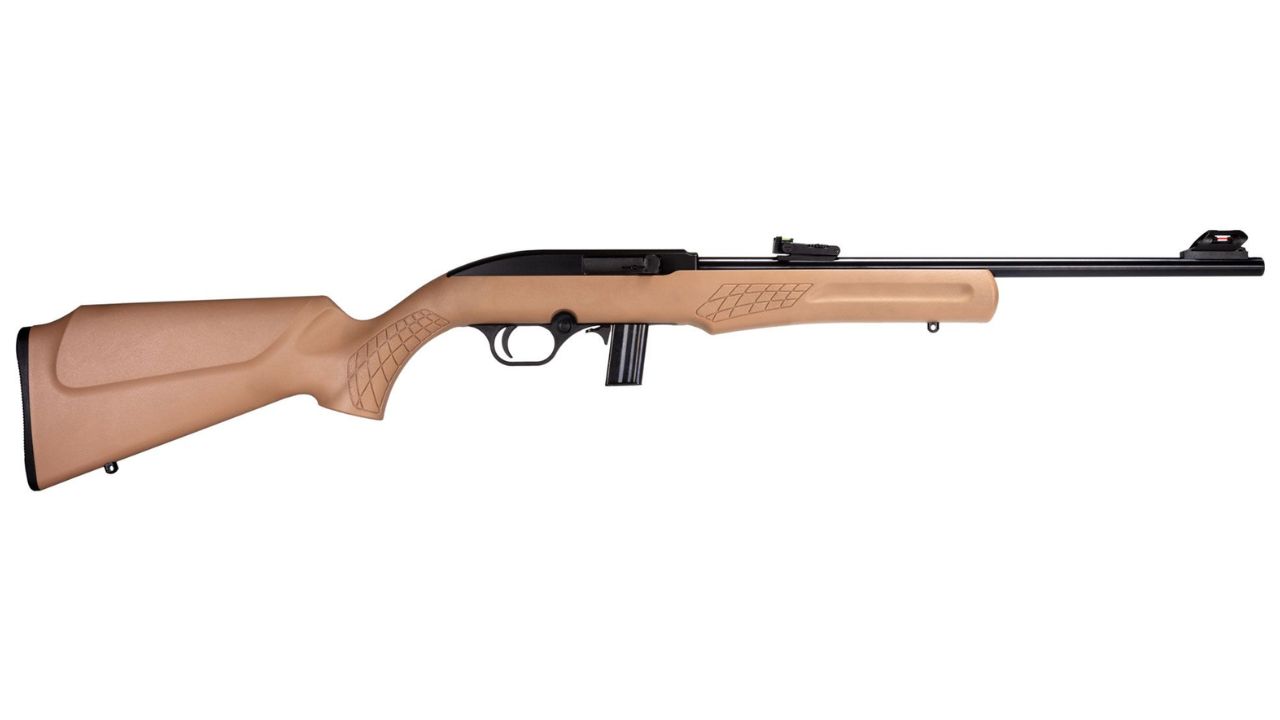
The Rossi RS22 is another budget rimfire rifle that disappoints more often than not. While it looks appealing at a low price, its reliability and accuracy often leave new owners frustrated. Feeding issues, particularly with hollow-point ammo, are common, and the rifle’s build quality feels cheap.
Rossi aimed to create an entry-level .22 that could compete with established names, but execution fell short. Owners often complain about inconsistent grouping, rough triggers, and feeding problems that crop up too frequently. While it can work as a backyard plinker, it doesn’t inspire long-term confidence. Many buyers quickly realize they would have been better off spending a little more on a proven design like the Marlin Model 60 or Ruger 10/22. For those stepping into their first rifle, the RS22 often leaves a lasting sense of regret. It’s one of those guns that proves you don’t always save money by going with the cheapest option available.
Remington 783
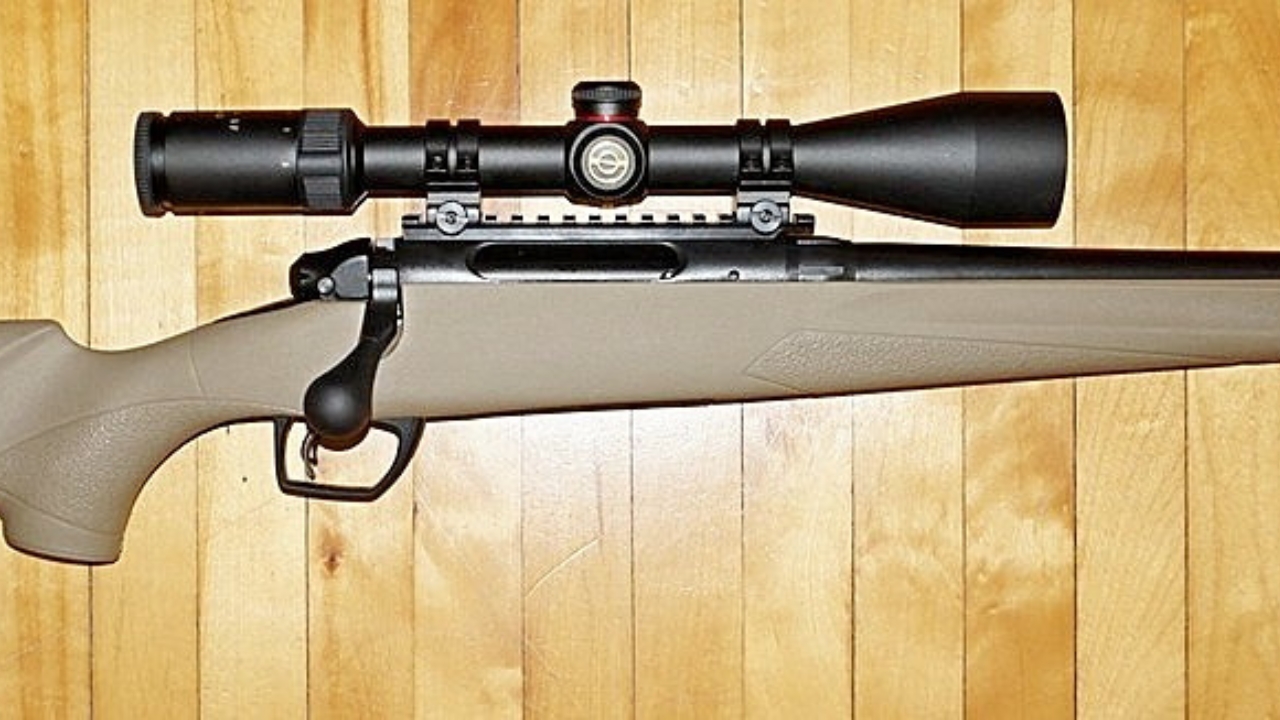
The Remington 783 was supposed to be a more refined budget rifle after the 770, but it still leaves many owners cold. The rifle’s action is smoother than its predecessor, but the overall design still feels uninspired. The stock is flimsy, the trigger is mediocre, and accuracy, while decent, doesn’t stand out.
New owners often walk away disappointed because the rifle feels like it’s trying to compete in a crowded field without offering anything better. Compared to the Savage Axis, Ruger American, or even Mossberg Patriot, the 783 doesn’t bring much to the table. Reliability isn’t terrible, but the rifle lacks character or refinement, leaving buyers unimpressed. For many, it feels like another attempt by Remington to chase the budget market without putting in the attention to detail required to win shooters over. As a result, it’s one of those rifles that earns little loyalty and often ends up sitting unused in the safe.
Remington 770
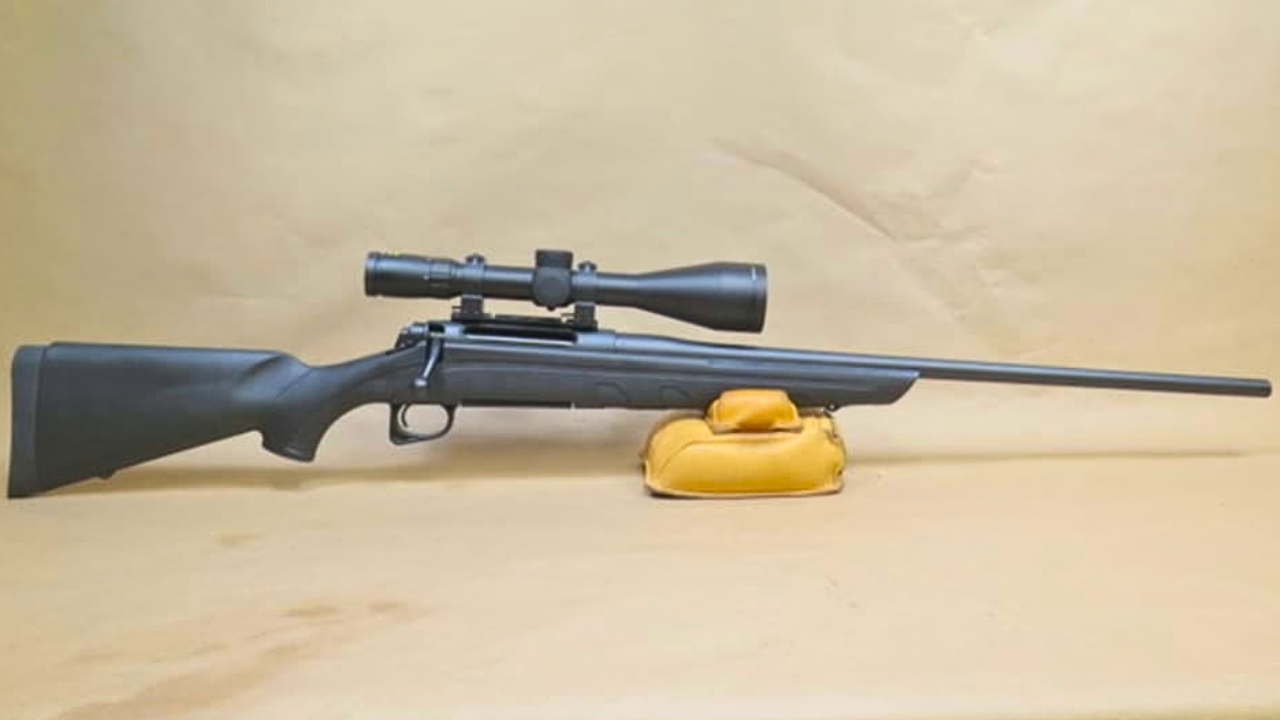
The Remington 770 has long been seen as one of the most disappointing rifles to own. Marketed as an affordable entry-level hunting rifle, it often ends up frustrating buyers. The action is rough, the bolt feels sticky, and the magazines are prone to feeding issues. It’s a gun that feels like it was rushed into production to undercut other budget rifles rather than designed to win long-term loyalty.
Accuracy is hit or miss, and while some rifles can group decently, many owners report inconsistent performance. Once you factor in the lack of aftermarket support and difficult maintenance, it leaves little to be excited about. For many, their first rifle experience was spoiled by the 770, which is unfortunate since it carried the Remington name. It’s a reminder that even trusted brands sometimes miss the mark, and in this case, the disappointment usually sets in the first time the bolt fails to cycle smoothly.
*This article was developed with AI-powered tools and has been carefully reviewed by our editors.