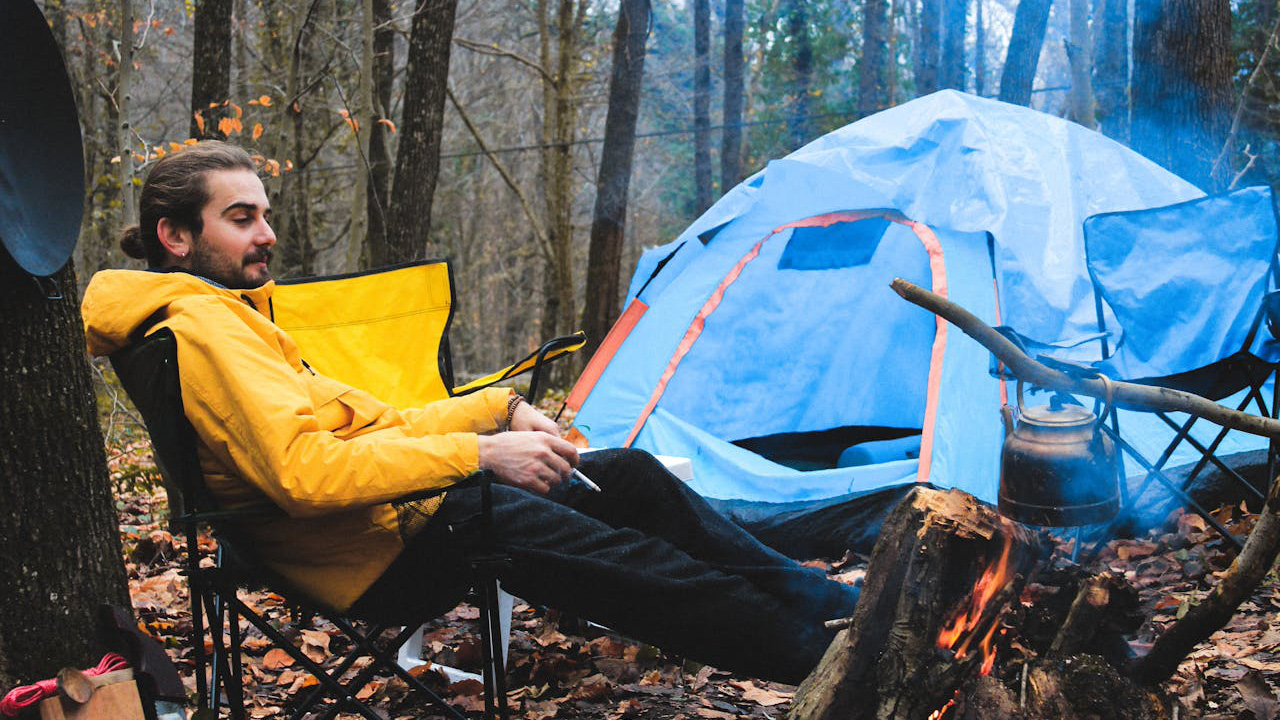
Photo credit: Sebastian Pociecha/Unsplash.com
You don’t have to be a survival expert to spend time outdoors without coming apart at the seams. Most of the time, it comes down to basic control. Stay calm, think a step ahead, keep your gear where it ought to be, and don’t let small setbacks turn into full-blown drama. But every group has had that one guy who looks steady right up until one little thing goes wrong. Then all of a sudden he’s pacing, muttering, digging through bags, blaming the weather, and acting like the woods personally set him up.
That kind of guy is exhausting because the problem is usually not that serious. A wet lighter, a missed turn, a dead battery, a little rain, a tangled line, a stubborn fire—none of that should be enough to wreck a grown man’s whole attitude. But some people are held together by comfort and convenience more than they realize. Once those start slipping, the cracks show fast. If you’ve spent enough time around camps, boats, fields, or back roads, you start noticing the signs before the real meltdown ever arrives.
He starts unraveling the second the weather stops being pleasant
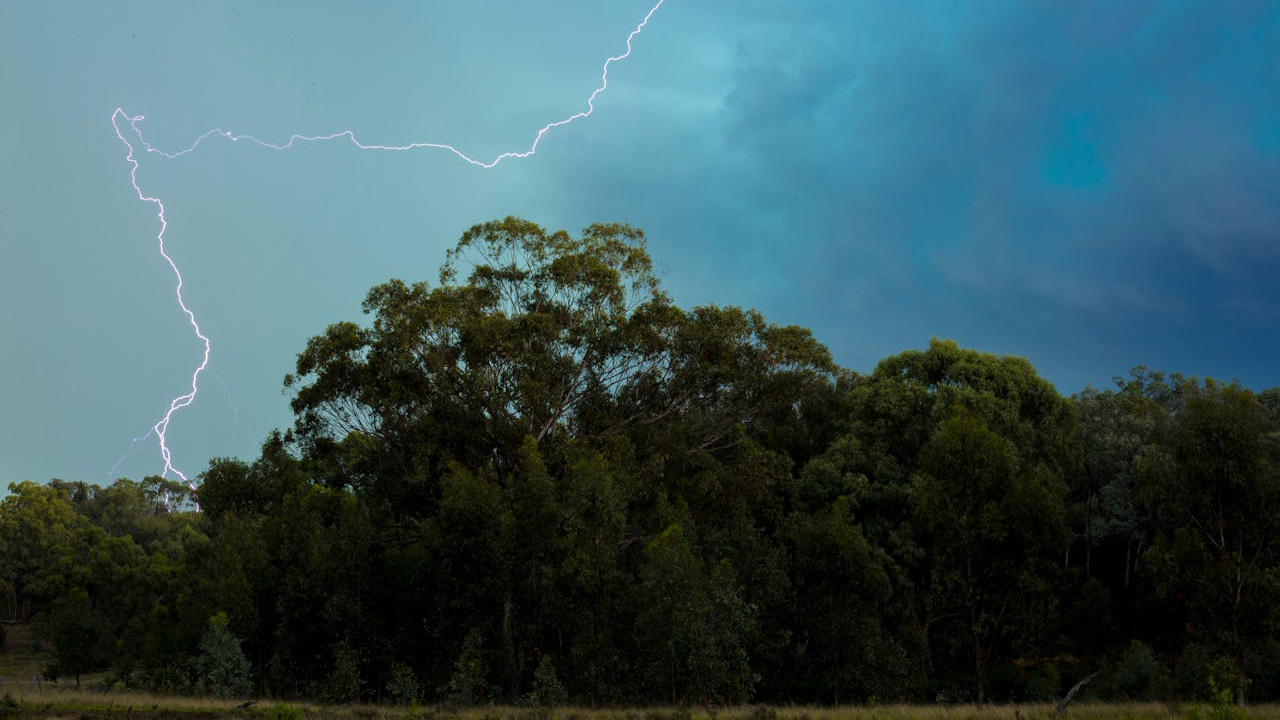
There are guys who claim to love the outdoors, but what they really love is perfect weather with easy conditions and no friction. The second it gets damp, windy, colder than expected, or hotter than comfortable, you can watch the mood shift in real time. He stops noticing anything except his own discomfort. Every conversation becomes about how bad the conditions are, how this wasn’t what he expected, or how things would be better if the day looked more like an ad for expensive gear.
That’s usually the first clue that he’s running on a short fuse. Outdoors means conditions change, and people who’ve been around long enough understand that part without acting personally wronged by it. The guy who starts falling apart because his sleeves are wet or the air turned sharp is already showing you he was depending on comfort to hold his attitude together. Once weather starts testing him even a little, it doesn’t take much more for the rest of him to come loose too.
He packed like inconvenience was impossible
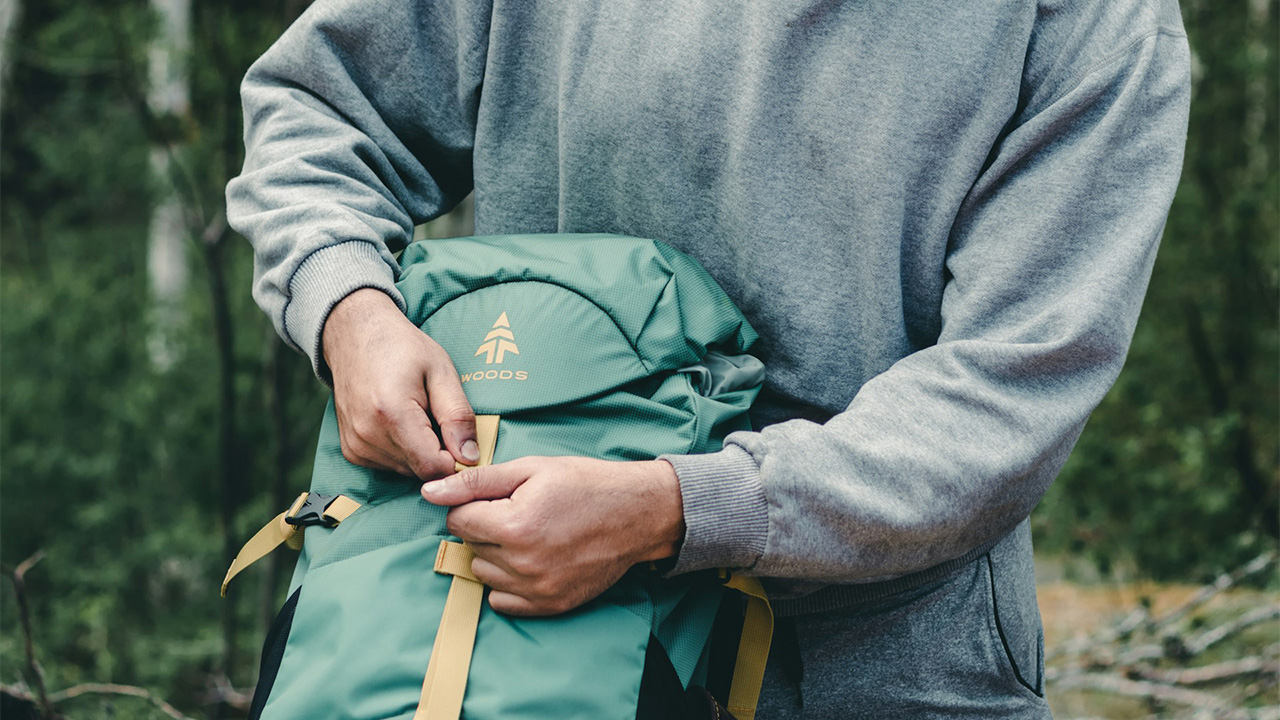
The men most likely to melt down are usually the ones who packed with way too much confidence and not enough thought. They brought exactly what they hoped they’d need and nothing for what could go wrong. No backup fire starter, no dry clothes, no extra batteries, no spare light, no second plan for food, heat, or basic comfort. They packed for the best version of the day and left no room for the real one.
That becomes obvious the second something small fails. A guy with extra gear and a little foresight shrugs, adjusts, and keeps moving. The underprepared guy starts digging around like panic might generate supplies out of thin air. He gets louder, shorter with people, and more frantic because deep down he knows one tiny failure just exposed how thin the whole setup really was. Most meltdowns don’t start with the weather or the setback—they start with bad planning that finally got found out.
He treats every minor problem like a personal attack

Some guys hit a snag and solve it. Other guys hit a snag and act like the universe singled them out. The line tangles, the stove won’t light, the truck tire spins a little, or the coffee spills, and suddenly he’s acting like nothing ever goes right for him. He doesn’t just deal with the problem—he takes it personally, like a basic inconvenience has crossed a line and deserves emotional retaliation.
That kind of reaction tells you his margin is already gone. People with a little steadiness know small problems come with the territory. They may not enjoy them, but they don’t act shocked by them either. The guy who turns every inconvenience into a full attitude shift is telling you he’s only one or two setbacks away from being useless. Once somebody starts treating normal outdoor friction like an insult, it usually doesn’t get better from there.
He can’t find anything when it matters
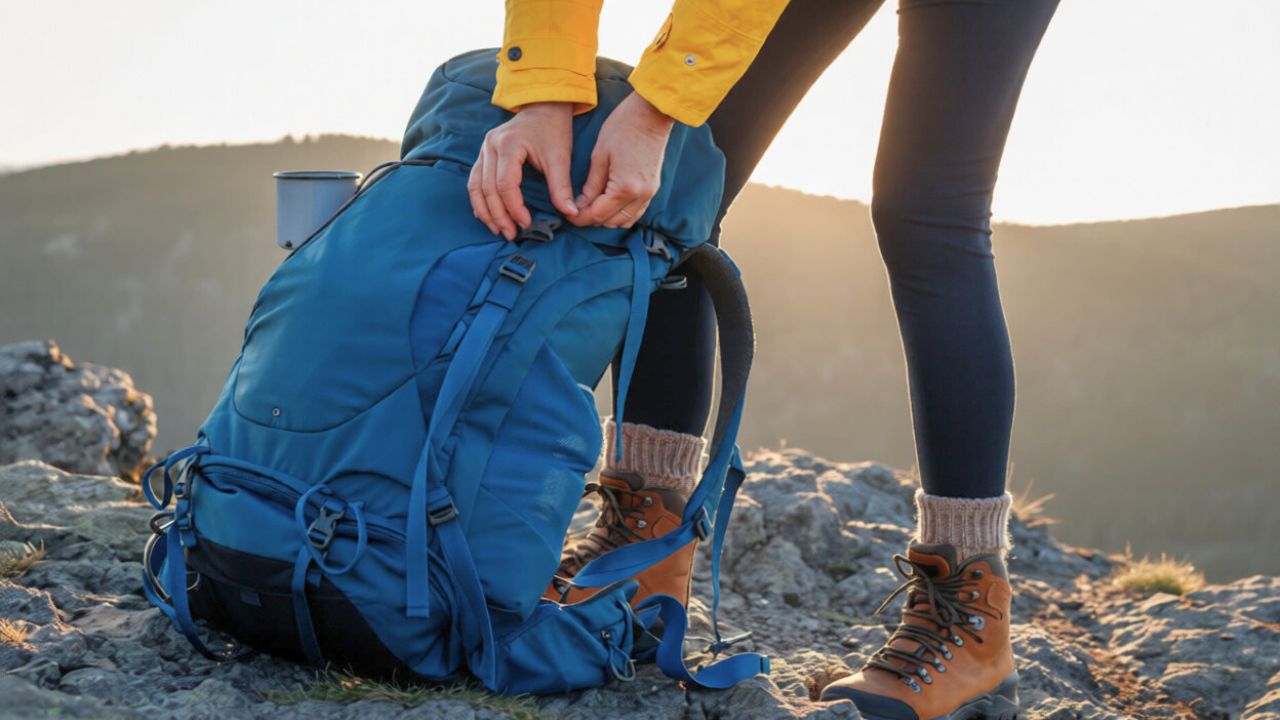
You learn a lot about a man when he needs something fast. If he has to dig through six pockets, three bags, and a pile of loose junk every time he needs a knife, headlamp, lighter, or pair of gloves, he’s not organized enough for pressure. Everything feels manageable when there’s time. The real test is what happens when conditions turn, daylight fades, or something suddenly matters more than it did five minutes ago.
The guy who can’t put his hands on basic gear when it counts is always closer to a meltdown than he looks. Disorganization creates panic because it turns simple problems into time-sensitive ones. Now he’s not just wet—he’s wet and can’t find dry socks. He’s not just cold—he’s cold and can’t locate the fire starter he swore he packed. Once that stack starts building, his mood usually falls apart right along with his system, because the truth is he never really had one.
He gets loud instead of useful

There’s a big difference between urgency and noise. When something goes wrong, some men get calmer. They tighten up, focus, and start doing what matters. Other men get louder. They repeat the obvious, ask unhelpful questions, throw blame around, and bring a whole lot of volume without bringing any value. A wet match, a dead light, or a missed turn suddenly becomes a stage for frustration instead of a moment that needs clear thinking.
That’s one of the surest signs a guy is close to melting down. Volume feels like action to people who don’t know what to do next. They think because they’re reacting hard, they’re contributing. But most of the time, they’re just spreading stress around the group. In the outdoors, loud panic is usually worse than the original problem. If a man’s first move under pressure is to raise his voice instead of raise the standard, he’s not built for much inconvenience before the wheels start coming off.
He depends on one thing working perfectly
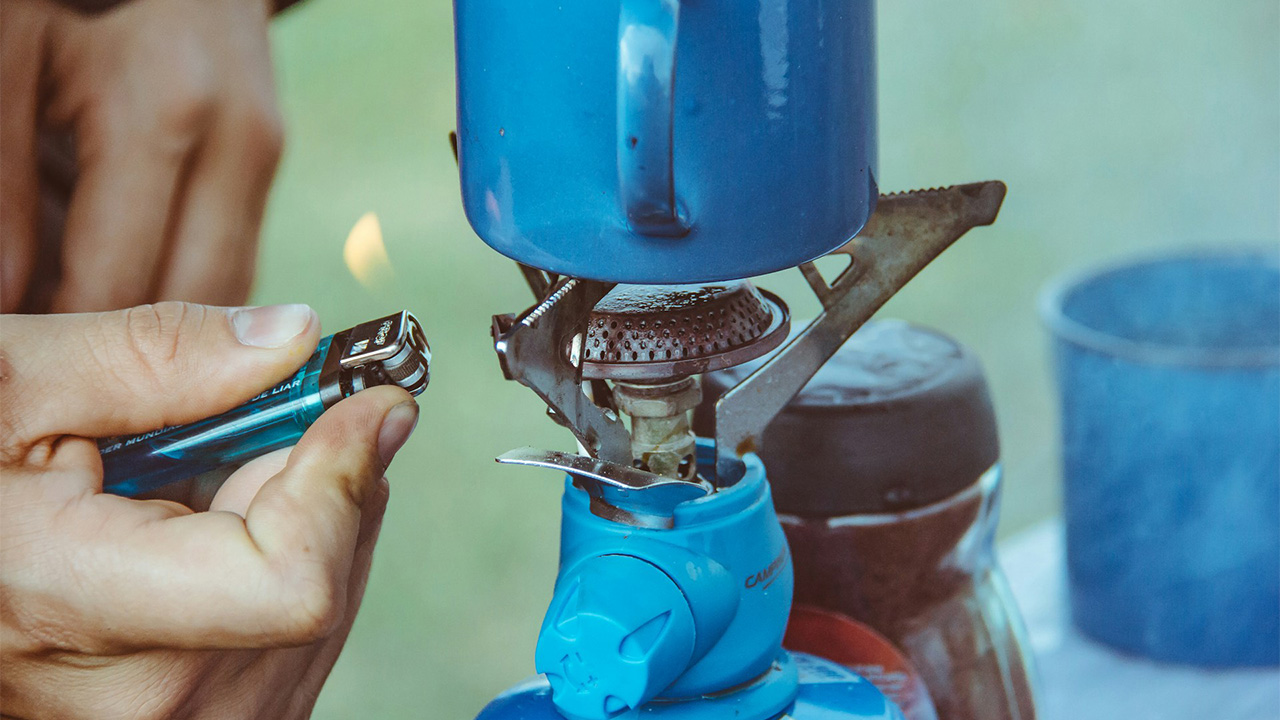
You can always spot the fragile setup. It’s the guy whose whole comfort, confidence, and plan depends on one lighter, one flashlight, one gadget, one battery, one app, one route, or one piece of gear doing exactly what he expected. When it works, he looks smooth. When it doesn’t, he has absolutely nowhere to go mentally or practically, because he never planned for any failure inside the system.
That’s why one wet match can turn into a full emotional collapse. The match isn’t the real problem. The real problem is that it was the only match in the whole operation—literally or mentally. Experienced outdoorsmen build in margin. They don’t trust one point of failure with the whole trip. The guy who does is always closer to unraveling than he appears, because his confidence is sitting on top of a setup that can’t absorb even one normal mistake.
He starts blaming everybody before he checks himself

When a man starts slipping, one of the first things he’ll do is look for somebody else to pin it on. Now the weather is stupid, the trail is stupid, the gear is junk, the map is wrong, the driver should’ve known, somebody moved his stuff, and somehow every other person there helped create the mess except the one currently standing in the middle of it. That’s a dead giveaway he’s losing control of himself faster than he’s losing control of the situation.
The outdoors expose people because excuses don’t solve much out there. If your fire won’t start, blaming the air doesn’t warm anybody up. If your gear is soaked because you packed badly, being mad at the clouds doesn’t dry it out. Men who can hold it together look inward first. They ask what they missed and what needs fixing next. The guy who starts passing blame around early is usually trying to dodge the fact that he knows he should’ve prepared better.
He burns energy complaining that should be spent adjusting

Everybody complains sometimes. That’s normal. But there’s a difference between a quick comment and a full commitment to misery. The guy on the edge of a meltdown will spend half his remaining energy narrating how bad things are instead of doing anything to improve them. He’ll talk about the cold while standing there without zipping his layers. He’ll gripe about being wet while not changing clothes. He’ll say the setup is bad while making no move to improve it.
That’s what makes him such a drain on a group. He’s not just uncomfortable—he’s committed to staying that way while making sure everyone else has to hear about it. Men who stay steady under pressure don’t waste much motion on complaint. They start adjusting. They move, fix, dry, cover, repack, cut, tie, or rethink. The guy who spends too much time narrating the problem usually does it because he’s overwhelmed by the idea of solving it, and that’s when the real unraveling starts.
He loses all humor the minute he’s uncomfortable

A lot of bad situations get lighter when somebody can still laugh a little. Not because the problem isn’t real, but because a steady attitude keeps the group from tightening up. The guy who’s one wet match away from a meltdown loses that ability almost immediately. The minute things stop being comfortable, every joke sounds personal, every comment feels irritating, and every light moment disappears. Now the whole mood has to shrink around his frustration.
That’s a sign his comfort level was doing way more emotional work than his character was. When things are easy, he seems fun enough. When they’re not, there’s nothing underneath that ease except irritation. Outdoorsmen who’ve been through enough rough days know how valuable a little humor can be when things are going sideways. It keeps people moving. It keeps the tension from taking over. The guy who goes dead serious and touchy over every little discomfort is telling you he’s running out of internal room fast.
He needs constant reassurance that things are okay

There’s a point where checking in is smart and a point where it becomes obvious somebody is holding together by borrowed confidence. The guy near a meltdown keeps asking if things are fine, if this is normal, if the weather will ease up, if the truck will make it, if the fire will catch, if everybody thinks the same plan is still okay. He’s not gathering information so much as trying to patch his nerves together with everyone else’s composure.
That’s exhausting over time because now the group isn’t just managing the actual problem. They’re also managing him. A calm man under stress can still ask questions, but he doesn’t require emotional babysitting every few minutes. He takes in the answer and adjusts. The shaky guy keeps coming back because he’s not really looking for information—he’s looking for someone to take the weight of uncertainty off his shoulders. Out there, that gets old in a hurry, especially when everybody else is carrying their own load already.
He rushes simple tasks because pressure got in his head

One of the clearest signs a man is close to losing it is when he starts fumbling things he normally ought to handle just fine. Now he can’t strike a lighter clean, can’t tie a knot, can’t zip a bag, can’t set gear down without dropping it, can’t follow a basic sequence without skipping a step. Pressure got in his head, and once that happens, every simple movement starts coming out sloppy.
That’s where one wet match becomes more than a wet match. It becomes the moment he stops trusting himself. The hands start moving too fast, the thoughts stop lining up, and frustration takes over where patience should’ve stayed. Outdoors work rewards controlled movement, especially when conditions are bad. The guy who starts rushing because he feels the pressure rising is usually doing it because he senses himself slipping and is trying to outrun it. That almost never works.
He confuses discomfort with emergency

Being cold, wet, tired, turned around, or annoyed is not always an emergency. It may need attention, but it’s not the same as danger. The guy on the edge of a meltdown doesn’t know the difference. The second he gets uncomfortable, he starts reacting like the day has gone fully off the rails. That kind of mindset makes everything feel bigger than it is, which means he’ll often make worse decisions than the situation actually called for.
Men with field sense know how to sort things. They can tell the difference between “this needs fixing soon” and “this needs fixing right now.” That keeps the group from overreacting or making emotional choices in bad conditions. The guy who treats every inconvenience like a survival crisis brings chaos into situations that still had plenty of room to recover. Once a man starts mislabeling discomfort as danger, he’s much more likely to panic than plan.
He came for the image, not the reality

Some men like the look of outdoor life more than the actual thing itself. They like the gear, the pictures, the stories, the identity, the idea of being the kind of guy who can handle rough conditions. But then the rough conditions show up, and the reality starts stripping the image right off them. Suddenly the camp doesn’t feel rugged and fun anymore. It feels cold, inconvenient, and way more demanding than the version they built in their head.
That’s why these guys can go downhill so fast. Their confidence was tied to how the trip made them feel about themselves, not to their ability to function when it got rough. Once the surface cracks, there’s not much underneath. The man who came for the real thing may get frustrated, but he stays useful. The man who came for the image takes every setback harder, because it doesn’t just make the day less comfortable—it threatens the version of himself he wanted to believe was already there.
He stops helping the moment his own comfort drops

A strong sign of a coming meltdown is when a man’s usefulness disappears the second he gets a little cold, wet, tired, or irritated. Up until then he’s in the mix. But once conditions start chewing on him a little, all his attention folds inward. He stops noticing what the group needs, stops stepping in, and starts acting like his personal discomfort is now the center of the whole operation.
That kind of inward collapse is hard on everybody else because it shifts the workload immediately. Not only is he no longer helping, but someone may have to start compensating for him too. Men who can really handle themselves may not enjoy bad conditions, but they stay engaged in the work around them. The guy who checks out the minute he’s bothered is showing you he never had much reserve to begin with. He was useful only as long as things stayed easy, and that’s not the same thing as being dependable.
He acts relieved when somebody else takes over everything
Everybody appreciates capable help when things go sideways, but there’s a difference between teamwork and surrender. The guy who’s one wet match away from a meltdown often reaches a point where he’s not just grateful someone else stepped in—he fully hands the whole problem over with visible relief. You can almost see him mentally clock out. Now he’s no longer trying to solve anything. He’s just waiting for a steadier man to restore order around him.
That’s usually the final sign that he was hanging on by less than he looked. Dependable men may accept help, but they stay in the fight. They keep carrying weight. The unraveling guy wants rescue more than partnership. Once that switch flips, the trip changes for everybody else because now you’re not just dealing with weather, gear, or conditions. You’re dealing with a grown man who emotionally left the job over a problem that should’ve been manageable. And that’s about as close to a full outdoor meltdown as it gets without somebody actually throwing a fit.
Like The Avid Outdoorsman’s content? Subscribe to our newsletter so you never miss an article.
Here’s more from us: