Image Credit: Dazzy Outdoors/YouTube.
Off-grid living requires capability. The tools you carry need to work every time, in any condition, without fail. A dull knife, a weak shelter, or a useless fire starter are the kind of mistakes that can cost you.
The right gear makes the difference between thriving and struggling. Every tool should have a purpose, and the best ones are the kind you can rely on for years. Whether you’re setting up camp, processing firewood, or navigating unfamiliar terrain, these are the tools that will keep you alive and working when nothing else will.
Fixed-Blade Knife

A solid fixed-blade knife is the backbone of any bushcraft setup. Whether you’re processing firewood, skinning game, or carving traps, you need a blade that can handle hard use. Folders have their place, but when you’re living off-grid, strength and reliability matter more than convenience.
Look for a full-tang design with a high-carbon or stainless steel blade. A good bushcraft knife should hold an edge, resist chipping, and be easy to sharpen in the field. Mora, ESEE, and Becker make some of the best options, but whatever you choose, make sure it’s built to last.
Folding Saw

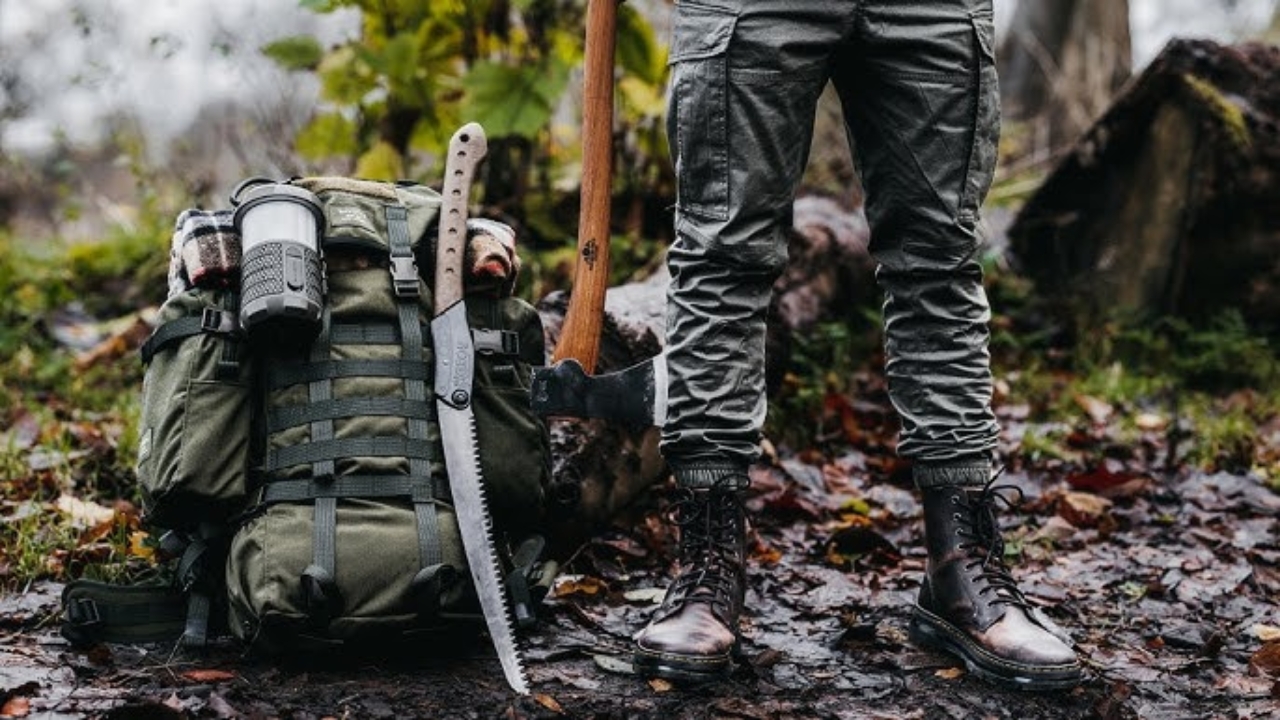
A folding saw is one of the most underrated bushcraft tools. Axes and hatchets get all the attention, but for clean, efficient cuts, a good saw is hard to beat. It makes processing firewood easier, helps with shelter building, and lets you cut through thick branches without the extra weight of an axe.
Silky and Bahco make some of the best folding saws on the market. They’re lightweight, easy to pack, and cut through wood faster than you’d expect. If you’re spending extended time off-grid, a quality folding saw is worth carrying.
Hatchet or Small Axe

When it comes to splitting wood, hammering stakes, or even butchering game, a hatchet or small axe is hard to beat. A good one will last a lifetime, and when paired with a saw, it covers just about all your wood-processing needs.
If you’re traveling light, a hatchet like the Gränsfors Bruk Wildlife Hatchet is a solid pick. If you need more power, a small axe like the Council Tool Woodcraft Camp Carver gives you extra leverage without adding too much weight. Choose one that fits your needs, and don’t skimp on quality.
Fire Starter (Ferro Rod)

Lighters and matches work fine—until they don’t. A ferrocerium (ferro) rod will throw sparks no matter the weather, making it one of the most reliable fire-starting tools you can carry. Paired with dry tinder, it’ll get a fire going even in damp conditions.
Look for a thick, high-quality ferro rod with a good striker. A cheap one might work a few times, but a well-made rod will last for thousands of strikes. Keep one on you at all times, because when everything else fails, this is the tool that could save your life.
Heavy-Duty Tarp

A quality tarp is one of the most useful pieces of gear in bushcraft. It can be a shelter, ground cover, windbreak, or even a rain catchment system. Unlike a tent, a tarp gives you flexibility—set it up high for airflow, low for warmth, or use it as an emergency poncho.
Go for a heavy-duty, ripstop tarp with reinforced grommets. Cheap ones won’t hold up in rough weather, and once they start ripping, they’re useless. A good tarp, some paracord, and a few stakes can keep you dry and comfortable in just about any conditions.
Paracord or Bank Line

Cordage is one of those things you don’t realize you need until you don’t have it. Whether you’re building shelters, making traps, or hanging food away from animals, having strong, versatile cordage is essential.
550 paracord is the go-to for most bushcrafters, but bank line has its advantages too. It’s thinner, just as strong, and holds knots better. Whichever you choose, carry more than you think you’ll need—it’s one of the most useful tools you can have in an off-grid setup.
Metal Water Bottle and Nesting Cup

Plastic bottles work until they freeze or break. A stainless steel water bottle, on the other hand, can be used to boil water, cook food, and handle rough conditions without failing. When paired with a nesting cup, it becomes a multi-use cooking and survival tool.
Look for a single-wall stainless steel bottle (not insulated) so you can place it directly in the fire. A nesting cup with a lid adds even more versatility, letting you cook meals, melt snow, or purify water without extra gear.
Bushcraft Pack or Bedroll Setup

A good pack keeps your gear organized, accessible, and ready to move. Traditional bushcrafters often prefer a bedroll setup, wrapping their essentials in a wool blanket and tying it with cordage. Either way, you need a reliable way to carry your tools and supplies.
Leather and canvas packs hold up better than modern synthetics in rough conditions. If you’re carrying a bedroll, make sure it’s waterproof and can handle getting dragged through the dirt. However you set it up, keep it simple and practical—everything in your pack should serve a purpose.
Sharpening Stone or Strop
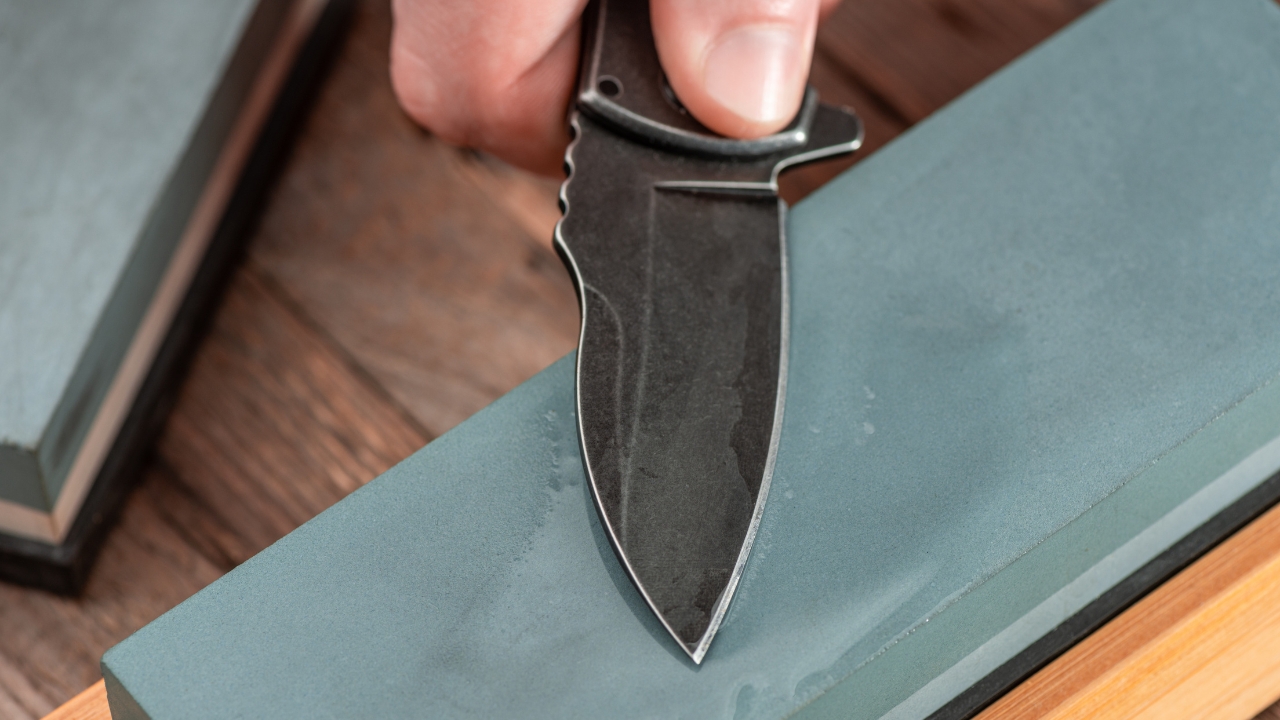
A dull blade is a useless blade. Whether it’s your knife, hatchet, or saw, keeping your cutting tools sharp is critical. A small sharpening stone or leather strop takes up almost no space but ensures your tools stay razor-sharp in the field.
Diamond stones are great for quick touch-ups, while ceramic rods and leather strops help refine the edge. If you’re planning to stay off-grid long-term, a quality sharpening setup is a must. Your knife is only as good as the edge you keep on it.
Compass and Map

GPS is great—until the batteries die. A real compass and a topographic map don’t need power, and they’ll get you where you need to go when technology fails. Whether you’re deep in the woods or just trying to find your way back to camp, these are non-negotiable survival tools.
A good compass should have a sighting mirror and adjustable declination. Learn how to use it before you need it, because when you’re off-grid, getting lost isn’t an option. A map and compass aren’t old-school—they’re just common sense.
*This article was created with the assistance of AI.