Photo credit: Nomad_Soul/Shutterstock.com
“Lightly used” is a phrase that covers a lot of sins. Some guys genuinely shoot a rifle a handful of times a year and keep it clean. Others shoot it hard, run it hot, drag it through a truck bed, and then wipe it down before selling. The rifle can look clean and still be worn where it matters. That’s why you don’t evaluate a used rifle like you’re judging a beauty contest. You evaluate it like you’re buying a machine: wear patterns, stress points, and clues that tell you what kind of life it had. Here are the signs that a rifle has seen more abuse than the seller wants to admit.
The bolt face tells the truth
Look at the bolt face closely. Heavy brass marks, cratered looking impacts, or rough, peened areas can indicate a lot of cycles or higher-pressure use. You’re also looking for extractor claw wear and ejector function. If the bolt face looks like it’s been hammered and the edges are rounded or battered, that’s not “a box or two” of ammo. Some wear is normal, especially on rifles that have actually been used, but a bolt face that looks rough and tired often points to volume shooting or harder loads. Also check for carbon buildup that looks baked on, not just residue. That kind of buildup tells you the gun was run hot and not cleaned properly. A seller can polish the outside, but bolt face wear patterns are harder to fake.
The throat is where accuracy goes to die
Most “hard life” rifles don’t die at the muzzle. They die at the throat. Throat erosion can make a rifle lose accuracy slowly until it feels like nothing works: new scope, new rings, different ammo, still mediocre groups. If you can inspect the throat with a bore scope, do it. If you can’t, you still watch for clues: the seller claims it “used to shoot sub-MOA” but can’t show recent groups, the rifle has a reputation as a hot cartridge, or the rifle comes with a pile of reloading gear and no mention of round count. A rifle can look perfect and still have a cooked throat. That’s why “lightly used” claims should match the cartridge and the setup. A 6mm match rifle that’s “only seen 300 rounds” is possible. It’s also the most common lie in that entire category.
Rounded screw heads and tool marks scream “someone’s been in here”
Action screws, scope base screws, ring screws—check all of them. If they’re rounded, mismatched, chewed up, or covered in dried thread locker, the rifle has been taken apart a lot. That can mean normal maintenance, but it often means troubleshooting, swapping parts, chasing zero issues, or constant tinkering. None of that is automatically bad, but it should make you cautious. A rifle that needed constant attention might have had bedding issues, loose bases, or shifting components. Also look for tool marks around the barrel nut area (on rifles that use them) or around the action where it meets the stock. Clean screw heads and clean hardware usually indicate a rifle that wasn’t being messed with constantly. A used rifle shouldn’t look like it’s been through five “build phases” unless you’re buying it as a project.
Scope mount scars and crushed rings are a red flag
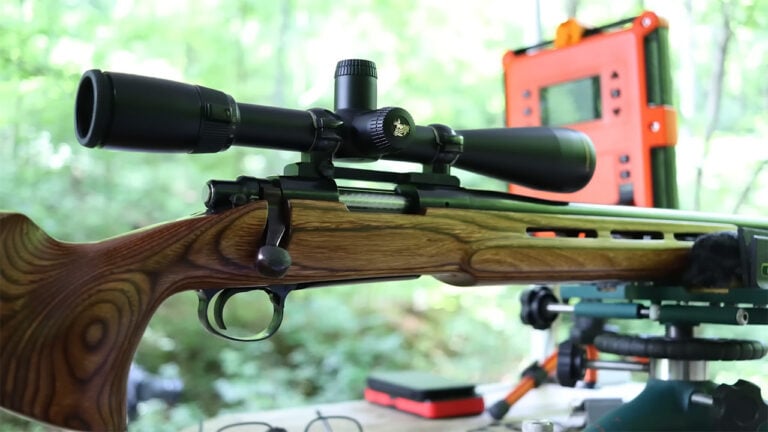
Look for ring marks, gouges, and crushed scope tubes—especially if the rifle is being sold with an optic. Over-tightened rings can dent tubes and shift optics, and that often leads to “it won’t hold zero” complaints that get blamed on the rifle. Heavy scarring around the scope base area can mean the base was removed and reinstalled repeatedly or the screws were stripped and replaced. That suggests the rifle may have been a constant problem child. Also check whether the mount job makes sense: correct ring spacing, correct alignment, and no obvious cant. A hard-lived rifle often wears the evidence around its mounts because people chase accuracy problems by swapping optics and mounts instead of diagnosing the actual cause. If the mounting area looks abused, treat the seller’s accuracy claims with skepticism.
The stock shows stress where recoil transfers
Check the stock around the recoil lug area, the tang area, and the wrist (especially on wood). Hairline cracks, compressed bedding surfaces, or areas that look crushed indicate the rifle has been torqued improperly, dropped, or shot hard without consistent setup. Synthetic stocks can hide damage, so look for deformation around pillars or action screw holes. If the stock has been bedded, inspect the bedding job. A clean bedding job can be a plus. A sloppy one—voids, cracking, uneven contact—can create point-of-impact shifts and inconsistent performance. Also look for evidence of the action moving in the stock: shiny wear where it shouldn’t be, uneven contact marks, or repeated rubbing. A rifle that lived a hard life often shows it in the stock because that’s where mechanical stress shows up.
The muzzle crown is usually damaged before the seller admits it
A dinged crown can happen in one bad moment, but it’s more common on rifles that get carried hard and treated rough. Check the crown for nicks, uneven wear, or evidence of cleaning rods scraping the edges. A damaged crown can turn a good barrel into an inconsistent shooter, and it’s a classic “why won’t this rifle group?” problem. Some sellers won’t even know it’s an issue—they’ll just say “it shoots fine for hunting,” which might be true inside 100 yards, but not fine if you’re expecting real accuracy. Crown damage is also a clue about handling. If a rifle has a chewed crown, assume it’s been leaned, dropped, and cleaned carelessly. It doesn’t mean walk away automatically, but it means you price it like you’re buying a rifle that may need work.
Excessive heat marks and discoloration on the barrel
A rifle that’s been shot in long strings gets hot, and heat leaves clues. Discoloration near the chamber area, cooked-looking finish, or uneven wear patterns can suggest the rifle was run hard. On stainless barrels, you might see color changes. On blued barrels, you might see fading or heat-related finish wear. If the barrel has a suppressor mount and heavy carbon staining, that can also indicate high volume suppressed shooting, which increases heat and fouling. Again, none of this is evil—some rifles are built for it—but it contradicts the “lightly used” story. If the seller claims low round count but the barrel looks like it’s lived on a firing line, trust the barrel. The metal doesn’t lie. It just shows you the bill for past use.
The bolt lugs and raceways show wear patterns that match high use
Inspect bolt lugs for uneven wear, peening, or shiny spots that look heavy. Check the raceways inside the action for excessive wear or galling. Normal wear looks smooth and consistent. Hard use or poor lubrication can create rough wear patterns and even visible scoring. A rifle that was shot hard and not maintained will often show it here. Also check how the bolt feels: if it’s gritty or inconsistent, that can mean dirt, lack of lube, or internal wear. Some actions are naturally smooth, some are naturally rough, but you want to see consistency. A rifle that lived a hard life often feels like it’s been cycled a million times—and sometimes it has. A slick action doesn’t guarantee low rounds, but heavy wear marks usually point to higher use.
Magazine and feeding surfaces reveal real use
If the rifle uses detachable mags, check the magwell and the magazine latch area. Excessive wear, loose fit, or shiny wear spots can indicate constant insertion and removal—often from heavy training use or match use. Check the feed ramp area and chamber mouth for unusual gouges or polishing marks. People “fix” feeding problems with aggressive polishing, and that usually happens after the rifle has already been used hard and started acting up. If the feed area looks altered, ask why. A rifle that feeds smoothly should not look like it’s been reshaped by hand. Also check the follower and spring condition in mags if possible. A rifle sold with tired mags is often a rifle that saw real cycles. Again, not a deal breaker, but it’s a clue that “lightly used” might just mean “recently wiped down.”
The scope turret cap story never matches the rifle’s wear
This one is more of a vibe check, but it’s useful. A rifle that’s “lightly used” but has beat-up turret caps, scratched rings, and chewed mount screws has usually been ridden hard. Either it’s been hauled around a lot, or it’s been constantly adjusted, swapped, and tinkered with. If the rifle has heavy wear on the optic mounting area but the seller claims it was “only taken hunting twice,” that’s a mismatch. Hunters who take rifles out twice don’t usually destroy screws and mounts. People who are constantly chasing groups do. Pay attention to consistency across the whole setup. Wear that matches the story is one thing. Wear that contradicts the story is another. If everything looks used the same amount, the seller might be honest. If certain areas look beat to death while others look pristine, someone’s story is missing chapters.
Sling studs, bipod mounts, and rail hardware show how it was carried
Look at the sling studs, QD sockets, bipod mount points, and rail sections. A rifle that lived a hard life often shows wear here from constant carry, constant bipod use, and constant hardware swapping. If the studs are bent, the sockets are wallowed out, or the rail screws look stripped, the rifle has been used hard or handled rough. Bipod use in particular can stress the front end, and if the stock or mounting point wasn’t strong, you’ll see signs of movement or damage. This matters because hard use at these points can translate into accuracy inconsistency if the front end is shifting under load. If you plan to shoot from a bipod, you want a rifle that remains stable under that pressure. A rifle that’s already been stressed may not.
Trigger feel that’s inconsistent often indicates someone “improved” it
A used rifle with a weird trigger—too light, inconsistent, gritty in a strange way, or with unpredictable break—often means someone has been inside it. They might have swapped springs, adjusted screws incorrectly, or tried to turn a hunting trigger into a match trigger without understanding sear engagement. A rifle trigger can feel great and still be unsafe if it’s been messed with. Ask whether it’s factory. Ask whether it’s been adjusted. And if it feels odd, assume you may need to replace it or have it checked. This matters because unreliable or unsafe trigger work is one of the most common “used gun surprises” that doesn’t show up until you’re actually shooting. A hard-lived rifle often gets tinkered with because the owner was chasing performance. That’s fine—if it was done right. If not, you’re buying a problem.
The seller can’t produce recent groups or meaningful info
This is the simplest sign of all. A rifle that’s truly lightly used and shoots well usually comes with a confident seller who can tell you what ammo it likes, what it groups, and why they’re selling it. A hard-lived rifle often comes with vague statements: “it’s accurate,” “it shoots good,” “I just don’t use it.” If the seller can’t tell you what load it prefers, can’t show recent targets, and doesn’t even know basic details like twist rate or round count, you’re buying blind. Sometimes that’s fine if the price reflects it. But don’t pay premium money for a rifle with no proof and no specifics. In the used market, information is value. If the seller can’t provide it, you should assume you’re paying for uncertainty.
The rifle has “upgrades” that don’t match the claimed use
A “lightly used hunting rifle” with a heavy match barrel, competition brake, high-end chassis, and a scope setup meant for dialing every shot is usually not lightly used. That’s a rifle built to shoot, and rifles built to shoot usually got shot. Likewise, a rifle with a pile of spare parts, extra triggers, multiple mounts, and different scope rings in the box often indicates a long troubleshooting journey. Again, not automatically bad—some guys build nice rifles and still don’t shoot them much. But most people don’t spend that money and then leave it in the safe. The setup should match the story. If the story is “two deer seasons” but the rifle looks like it lived on a PRS line, trust the equipment, not the story.
It “won’t hold zero” and the seller blames everything except the rifle
When a seller says “it won’t hold zero,” that’s a huge warning—especially if they say it like it’s normal. It might be the scope, it might be the mount, it might be the stock screws, but the point is: the rifle has unresolved issues, and the seller is passing them to you. A rifle that won’t hold zero can have a simple fix, but it can also be a bedding problem, a barrel issue, or a damaged action. If the seller is telling you it has a performance problem and they haven’t fixed it, assume you’ll be the one fixing it. That’s fine if you’re paying project prices. It’s not fine if you’re paying “lightly used, great shooter” prices. The moment you hear that phrase, your price expectations should change.
The overall wear doesn’t match the “lightly used” story
This is the final filter. Look at the rifle as a whole: the bolt, the crown, the screws, the stock stress points, the mounting area, the internal wear. If everything looks genuinely mild and consistent, the story might be true. If some parts look brand new but the critical wear points are hammered, that’s a sign of a rifle that’s been cleaned up for sale. People can wipe down a stock and oil the outside. They can’t erase throat erosion, crown damage, chewed screws, and internal wear patterns. You don’t need to be paranoid—you just need to be realistic. Used rifles can be great deals. But only if you evaluate them like a shooter, not like a shopper.
Like The Avid Outdoorsman’s content? Be sure to follow us.
Here’s more from us: