Photo credit: Poppy Pix/Shutterstock.com
Most “my gun shoots like junk” problems aren’t the gun. They’re habits—tiny ones—that stack up until your groups don’t make sense. Then you start swapping ammo, swapping optics, swapping parts, and you never fix the real issue because it’s happening behind the trigger. The range is also where people lie to themselves the most, because you can always blame a flyer on “bad ammo” or “that one round.” If you want tighter groups, you don’t need wizard gear. You need repeatable inputs: same grip pressure, same trigger press, same head position, same support. Here are the habits I see constantly that open groups and send guys down the wrong rabbit holes.
Changing your grip pressure every shot
A grip that changes is a point of aim that changes. Most shooters don’t notice it because they think they’re holding the gun the same, but the pressure shifts as they chase recoil, anticipate the break, or get tired. On pistols, inconsistent grip changes how the gun returns and how the sights track, so you end up “steering” the gun without realizing it. On rifles, grip pressure can still matter because it changes how you manage the stock and how you pull the gun into your shoulder. The fix is boring: build a grip you can repeat, then lock it in. If your hands are sweaty or cold, that matters too—use the same support placement every time. Don’t death-grip on one string then relax on the next and expect the group to stay together.
Slapping the trigger instead of pressing it straight back
This is the classic. Your sights look fine, you’re “ready,” and then the trigger press turns into a quick jab. That jab moves the gun. It’s not a moral failing—it’s just physics. On pistols, it’s usually lateral movement: left/right errors (depending on dominant hand) that show up as a predictable pattern. On rifles, it shows up as a small yank that throws shots out of a tight cluster and makes you think the barrel is walking. The fix is building a press you can do under tension: finger placement consistent, pressure straight to the rear, and follow-through after the shot. Dry fire helps because it shows you what the sights do when the trigger breaks. If the sights jump at the break, you’re not “shooting through” the trigger.
Lifting your head to “see” the shot
I see this constantly with rifles and dots. Guys break the shot and immediately lift their head to check the target or check their impact, and it changes the shot during the break. Your head position is part of your sight picture. Move it, and the relationship changes. On rifles, a small cheek weld change can throw you off, especially with magnification where eye box matters. On pistols with irons, guys do a mini “peek” and drive the muzzle down, which makes them print low and then they start adjusting sights that didn’t need adjusting. The fix is staying in the gun through recoil. Call the shot based on what the sights did. You should be able to tell whether it was good before you ever look at the paper. If you can’t, you’re not watching the sights long enough.
Zeroing or sighting in from a sloppy bench setup
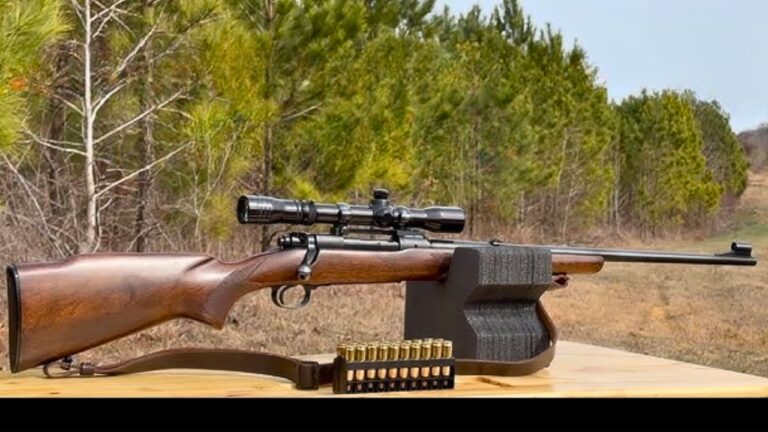
A bench can hide bad fundamentals and create new problems if it’s not consistent. Resting the rifle on a hard surface, loading the gun differently each shot, letting the butt float, or changing bag pressure will shift point of impact. Then you “zero” the rifle to the bench chaos and wonder why it’s off when you shoot prone or off a pack. Same thing with pistols: people use benches, lean weird, lock their wrists differently, and then blame the gun for inconsistent groups. The fix is a repeatable support setup: use a front bag/rest correctly, keep the butt planted consistently, and don’t rest the barrel on anything. If you’re zeroing, do it with the same positions you’ll actually use, or at least be honest that a bench zero isn’t the whole story.
Switching ammo constantly and expecting clean data
If you’re trying to diagnose accuracy and you change ammo every few groups, you’re not diagnosing anything—you’re just collecting noise. Different bullet weights, different velocities, different recoil impulses, even different lots can change point of impact and group shape. Then you think the gun is inconsistent, when really you changed the system every ten rounds. The fix is simple: pick one known load, shoot enough of it to get a real read, then change one variable at a time. If you want to test ammo, do it like a test: same distance, same rest, same cadence, same conditions as much as possible. Most shooters bounce between “cheap bulk,” “some hollow points,” and “whatever was on sale,” then get mad that their groups are all over the place. That’s not a mystery.
“Chasing the bull” instead of shooting your process
When you stare at the bullseye and try to make the gun go there, you get twitchy. You start micro-correcting, your sight picture swims, and you break the shot at the wrong moment because you’re trying to time perfection. That’s how you get scattered groups that look like you have no consistency. The fix is shooting a repeatable process: accept a stable sight picture, press the trigger smoothly, and let the shot happen without forcing it. Especially with rifles, stop muscling the crosshair onto the exact center. Build a stable position that naturally points at the target, then let the reticle settle inside a small wobble zone and break the shot. Precision isn’t “stillness.” Precision is repeatability.
Using a death grip on the support hand (or no support at all)
Support hand matters more than people admit. On pistols, the support hand is where recoil control lives. Too little support and the gun flips and returns inconsistently. Too much “white-knuckle” support and you start shaking, crushing the grip, and steering shots. On rifles, support can be the bag, the bipod, the handguard, or a pack—but how you load it matters. If your support changes each shot, your point of impact can change, especially at distance. The fix is consistent support pressure. On pistols, clamp the gun with the support hand and keep firing-hand tension reasonable so the trigger finger can work. On rifles, load the bipod or bag the same way every time and stop shifting your body mid-string.
Not letting the barrel cool, then acting surprised by drift
Barrels heat. Hot barrels change. Thin barrels change faster, but even heavier barrels can start throwing shots if you run them hard enough. People shoot a tight first group, then rip another group immediately, then another, and by group three the rifle is drifting and opening up. Then they say “this rifle can’t shoot.” Sometimes the rifle is fine—you just ran it like a machine gun with no cooling and no consistency. The fix is controlling cadence. If you’re testing accuracy, shoot slow enough that the barrel stays in a similar temperature window. If you want to test how it behaves hot, do that on purpose and record it. Don’t mix testing with rapid fire and expect clean results. Heat is part of the system.
Inconsistent shoulder pressure and stock placement
This one wrecks rifles. If the buttstock is in a slightly different spot every shot, or you’re pulling it into your shoulder harder on one string than the next, you’ll see point-of-impact shifts and vertical stringing. Some shooters “relax” behind the rifle after a few shots and the gun starts moving more under recoil. Others start out relaxed and then pull harder as they get annoyed. The fix is building a stable position with consistent contact: same shoulder pocket, same cheek weld, same rear support (bag, fist, whatever), and the same pressure into the rifle. If you want to see what your rifle can do, you have to remove your body as a variable as much as possible. Otherwise you’re measuring your inconsistency, not the rifle’s.
Free-recoiling one shot, then muscling the next
A lot of guys alternate between letting the rifle “free recoil” and then clamping down when they feel like it. Same with pistols: one shot is relaxed, the next is tense. That creates different recoil paths, different sight tracking, and different returns to zero. Then you get groups that look like two different shooters were behind the gun. The fix is picking a recoil management style and sticking with it. For most practical shooting, you want controlled recoil: the gun returns the same way because you’re applying consistent support. Free recoil can work in some benchrest contexts, but if you’re not deliberately shooting that way with consistent setup, it’s just inconsistency. Decide how you’re going to hold the gun and do it the same every time.
Poor follow-through (breaking the shot and quitting)
Follow-through isn’t a motivational poster phrase. It’s what keeps you from moving the gun during the shot cycle. The bullet leaves fast, but your body can still disturb the gun during the break if you’re already relaxing your grip, lifting your head, or resetting the trigger aggressively. On pistols, poor follow-through shows up as low hits and scattered groups because the gun dips right after the break. On rifles, it can show up as pulled shots because you’re already coming off the gun to check impact. The fix is staying engaged through the recoil and return. Keep pressure, keep your eyes on the sights/reticle, and reset only after the gun has finished doing what it’s going to do. If your shots feel “rushed,” your follow-through is probably the first thing to tighten up.
Over-correcting sights instead of fixing fundamentals
I see guys drift a rear sight or spin a turret after five rounds because the group isn’t where they want it. Then they do it again. And again. Now the gun is “all over,” but the truth is you never shot enough consistent rounds to justify a change. Most sight adjustments should be made off a real group, not a couple shots and feelings. The fix is shooting an honest group, calling your shots, and separating shooter error from actual zero error. If your group is wide and scattered, that’s not a sight adjustment problem—it’s a consistency problem. Tight group in the wrong spot? Adjust. Loose group? Fix technique. Too many people do the opposite, and it wastes ammo and confidence.
Shooting when you’re smoked and pretending it’s “good training”
There’s value in training tired, but there’s also a point where you’re just imprinting bad habits. When your hands are fatigued, your grip changes. When your eyes are tired, your sight focus changes. When your brain is fried, your trigger press becomes sloppy. Then you get angry at your gun. The fix is simple: know what you’re training that day. If it’s accuracy and group work, shoot fresh and focused. If it’s durability and performance under fatigue, do that intentionally and accept the results will be different. Don’t mix the goals and then judge the gun harshly. Also—take breaks. Hydrate. Reset. A five-minute break can save you from burning 100 rounds proving nothing.
Not tracking what you changed between strings
A lot of shooters don’t realize how many variables they change every range session: different stance, different grip, different ammo, different target distance, different rest, different cadence. Then they complain that nothing is improving. The fix is basic note-taking. You don’t need a spreadsheet. Just write down what you shot, at what distance, with what ammo, and what you were working on. If you change something (grip style, trigger finger placement, optic brightness, whatever), note it and see if it helped. Precision comes from feedback loops. If you don’t track changes, you can’t learn from the session. And if you can’t learn from the session, you’ll keep blaming the gun because it’s easier than admitting the process is messy.
Shooting the “same drill” but changing the standards every time
This one is sneaky. Guys will shoot a group one day at 7 yards, another day at 10 yards, another day at 15, then compare them like it means something. Or they’ll shoot slow fire one day, then “same target” fast the next day and wonder why it’s worse. The fix is having consistent standards when you want to measure progress: same distance, same target, same time limit (if any), same start position. If you want to test a new variable—ammo, optic, grip—keep the rest the same. Otherwise you’re not comparing anything real. You’re just collecting different outcomes and calling it inconsistency. Clean data makes you better. Messy data makes you frustrated.
Like The Avid Outdoorsman’s content? Be sure to follow us.
Here’s more from us: