Photo credit: WHO_TEE_WHO/YouTube
Some handguns arrive with a built-in reputation. The name sells them, the ads do the rest, and buyers start believing before the first magazine is ever empty. Other pistols have to fight for every bit of respect they get. They may look plain, feel odd at first, come from the wrong era, or simply get ignored while louder guns soak up the attention.
That usually works out better in the long run. A handgun that earns trust through range time, carry time, and years of real use tends to hold onto it. These are the pistols that had to prove themselves the slow way and ended up respected because of it.
Smith & Wesson 457
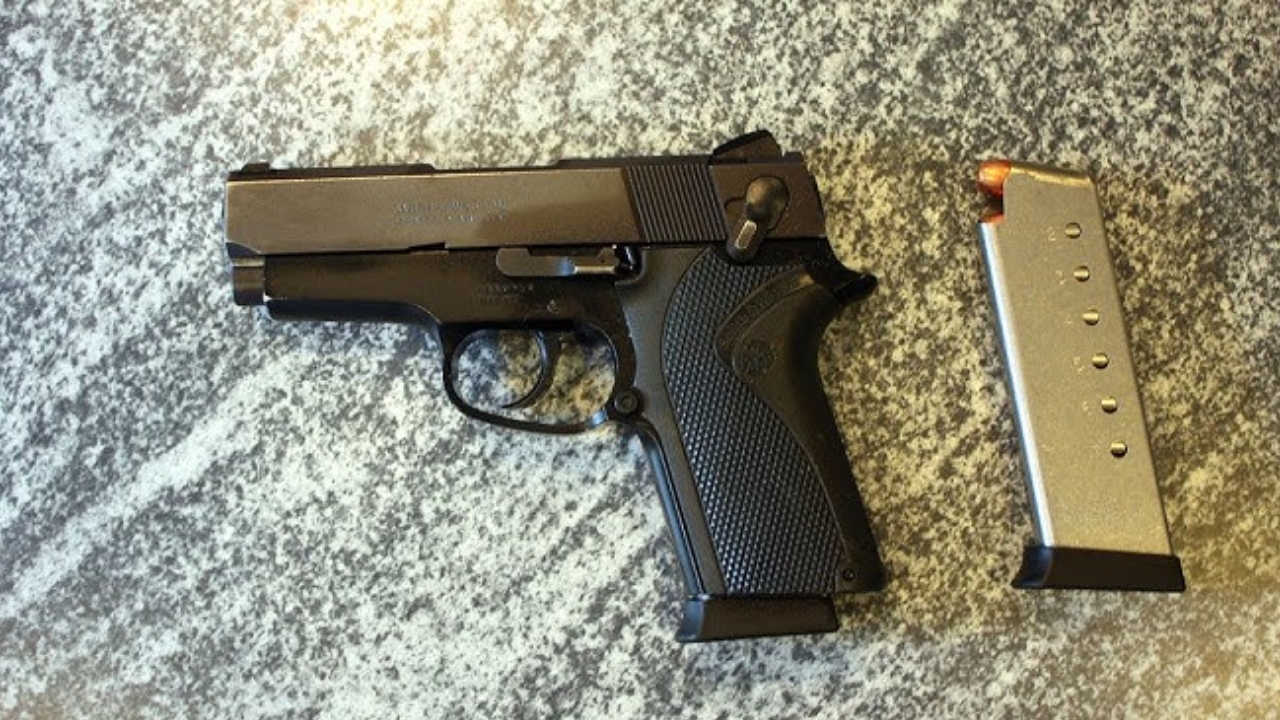
The 457 never had much glamour working in its favor. It looked like exactly what it was: a compact third-generation Smith & Wesson built for practical carry and straightforward use. That made it easy to overlook in a market full of flashier .45s and trendier carry pistols that got more immediate love.
Shooters who actually spent time with one usually came away with more respect than they expected. The pistol carried well, felt solid, and gave owners a serious little .45 that did not need much excuse-making. It earned respect by being useful long after more exciting guns had already lost their shine.
Beretta Cougar 8000
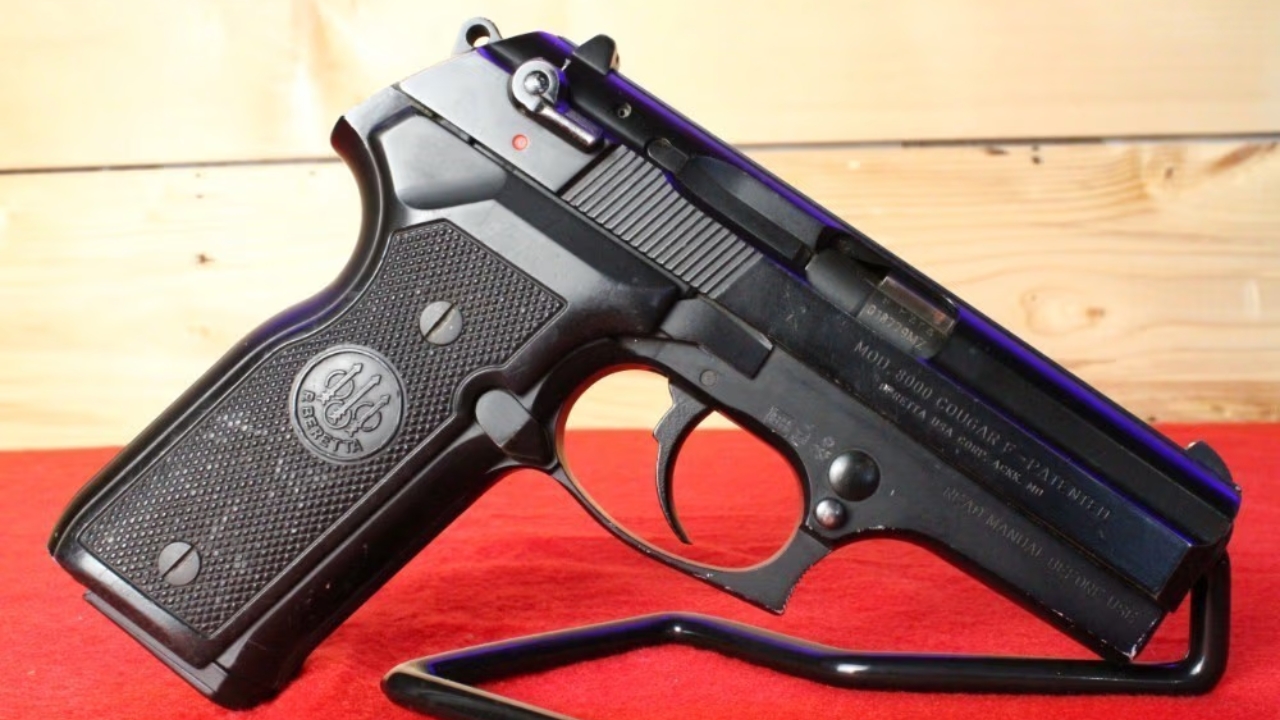
The Cougar spent years living in the shadow of the 92 series and newer polymer pistols that seemed more current. A lot of buyers treated it like an in-between design that never fully mattered, which kept it from getting the kind of early respect it probably deserved.
Then people started shooting them more seriously. The rotating barrel setup helped the gun feel smoother than expected, and the overall pistol had more substance than the first impression suggested. It earned respect because it kept proving it was not just an odd Beretta side path. It was a genuinely capable handgun that got ignored too long.
Ruger P89

The P89 had almost no charm to lean on. It was bulky, plain, and looked more like a blunt instrument than a pistol anyone would brag about. That made it easy for buyers to dismiss as a budget gun with little to offer beyond basic function.
The problem with dismissing it was that it kept working. It held up, shot better than it looked like it should, and developed the kind of trust that ugly but dependable pistols often build over time. The P89 earned respect by surviving the kind of long ownership that exposes weak guns in a hurry.
Walther P5

The P5 always had enough personality to get attention, but not always enough familiarity to get immediate trust. It looked different, handled differently, and lived outside the mainstream enough that many buyers treated it more like a curiosity than a serious long-term handgun.
That changed once shooters gave it more than a quick look. The balance, refinement, and real-world handling started showing why the design mattered. It earned respect because it turned out to be much more than an interesting old Walther. It was a very smart pistol that needed real use before its appeal fully clicked.
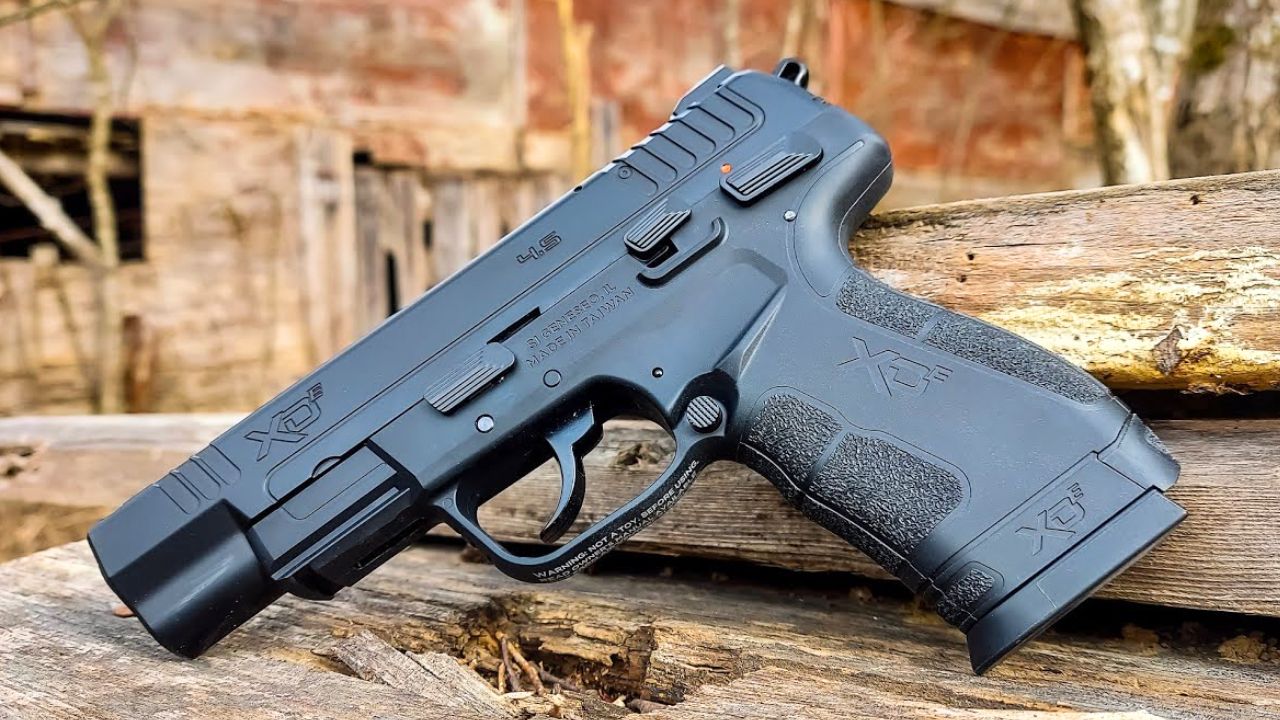
Springfield XD-E
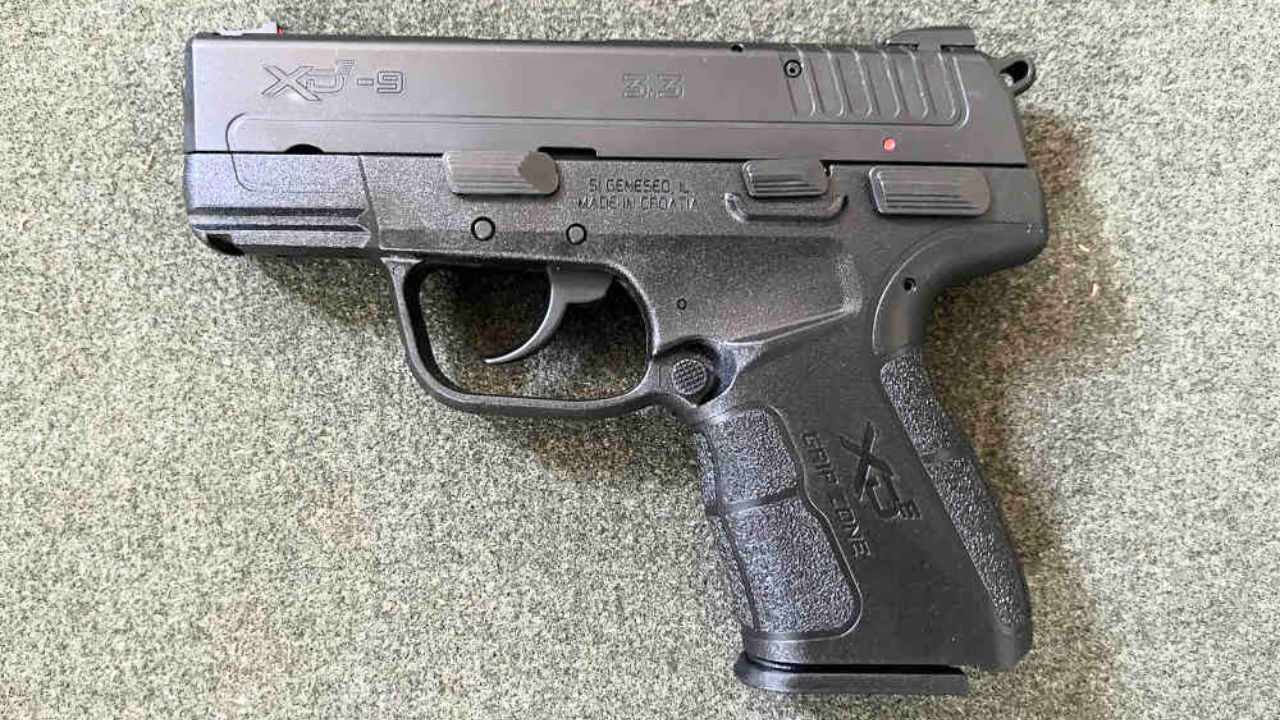
The XD-E had bad timing. It showed up in a market already obsessed with striker-fired micros and ultra-simple carry guns, so a slim hammer-fired pistol felt like a step sideways instead of forward. A lot of buyers treated it like an answer to a question nobody was asking anymore.
But enough shooters were still asking that question. The XD-E carried well, handled safely and comfortably for people who wanted that style of gun, and offered a more mature shooting experience than some of the tiny trend pistols around it. It earned respect by quietly serving a role the market had tried too hard to declare dead.
SIG Sauer SP2022
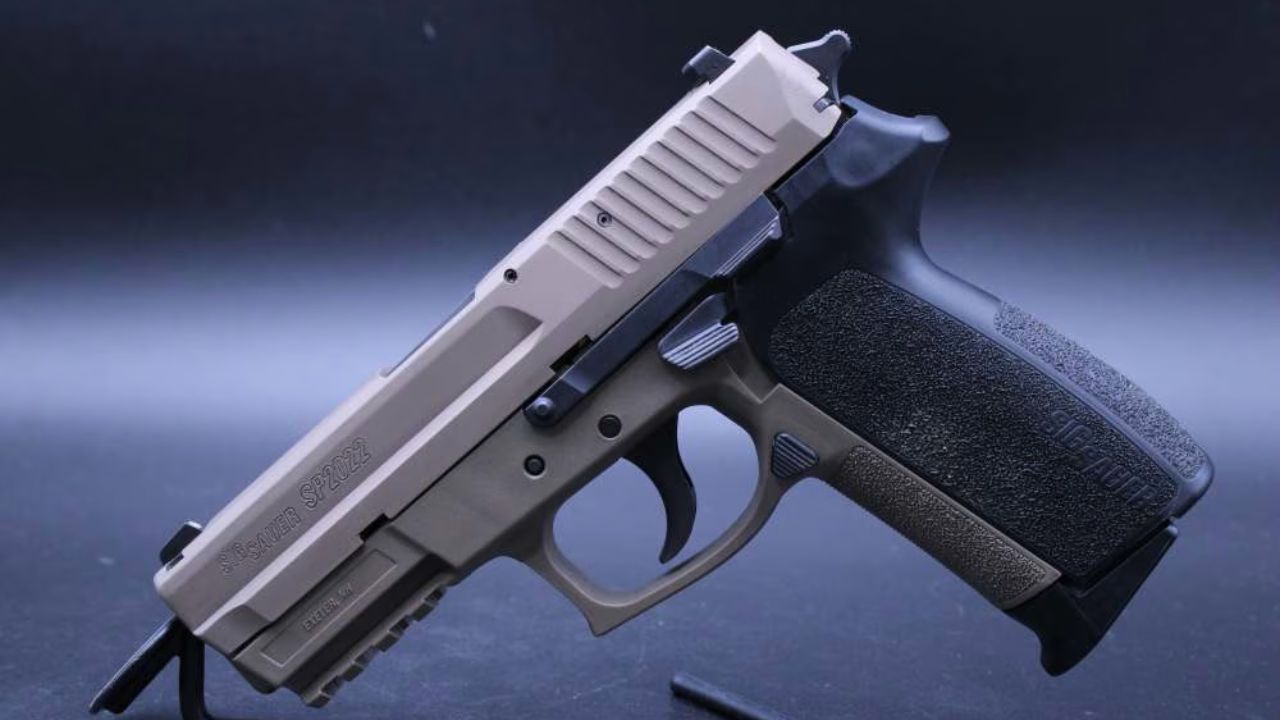
The SP2022 spent years being treated like the SIG people bought only if they were trying not to spend more on a “better” SIG. That did it no favors. A lot of buyers wrote it off as a practical substitute instead of judging it as a pistol in its own right.
Then it stayed around long enough to prove a point. The SP2022 was dependable, easy to shoot, and far more solid than the bargain-bin assumptions around it suggested. It earned respect the hard way because owners kept learning it was not a backup SIG. It was just a good pistol that did not arrive with enough swagger.
Colt Night Defender
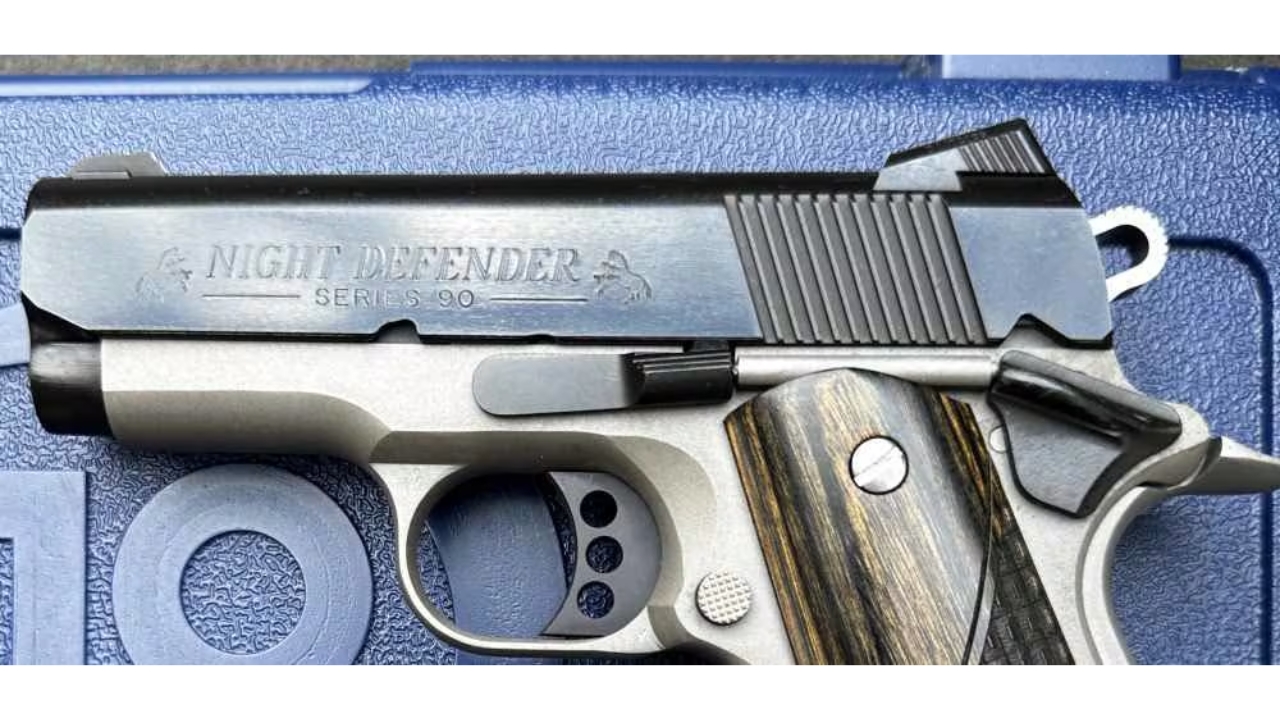
The Night Defender looked like one more compact 1911 trying to justify itself in a crowded category. That alone made some shooters suspicious. Compact 1911s have always had to deal with more doubt than their full-size cousins, and a lot of buyers expected another pistol that would be easier to admire than to trust.
The ones who actually ran them often changed their tone. The pistol carried flat, handled like a real fighting handgun, and gave owners a serious defensive 1911 without drifting into toy-like territory. It earned respect by working better than the skepticism around compact 1911s said it should.
Beretta 81BB

For years, the 81BB was the sort of pistol people described as neat instead of important. It was a compact metal-frame Beretta in a caliber many shooters did not rush to defend, which made it easy to treat like a stylish little side piece rather than a handgun worth real enthusiasm.
Then people shot them. The recoil was mild, the handling was excellent, and the old-world quality started standing out more with every magazine. The 81BB earned respect because it did not need to dominate a spec sheet to become genuinely enjoyable and trustworthy in actual use.
Smith & Wesson 1006
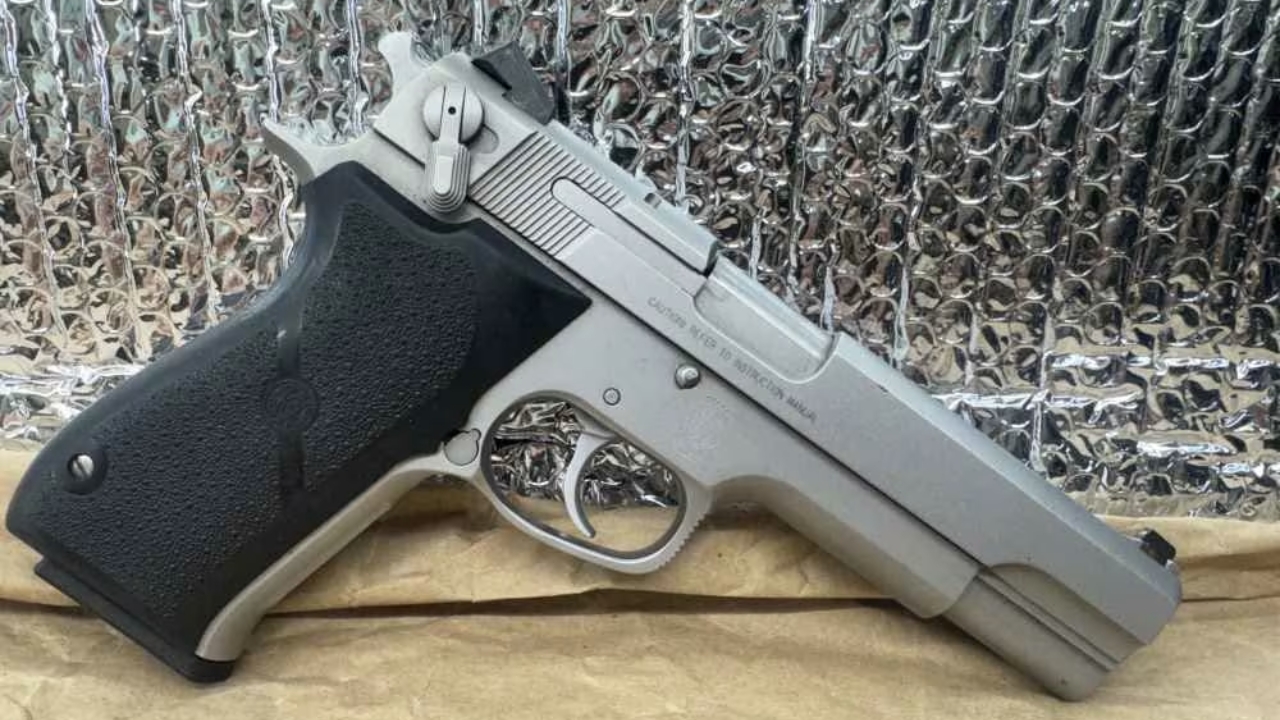
The 1006 always looked serious, but for a long time it also looked like too much gun for too few buyers. It was big, heavy, and chambered in 10mm before the market decided 10mm was exciting again. That left it stuck in a weird place where plenty of shooters respected it without really wanting to commit to one.
Then the market matured around it. People realized the 1006 was not oversized by accident. It was built around durability and real power, and it had the kind of hard-use confidence many later pistols never managed. It earned respect the hard way because it stayed relevant long enough for people to catch up.
HK P30SK

The P30SK never really got handed instant prestige. It was compact, practical, and slightly overshadowed by louder HK names and newer carry-gun trends. That made it easy to appreciate without fully appreciating, which is often how good guns get underrated early.
Range time fixed that. Shooters found a pistol with excellent ergonomics, real durability, and a very settled feel under recoil for its size. The P30SK earned respect because it kept doing the little things right for people who actually used it instead of just comparing it online.
Colt New Agent
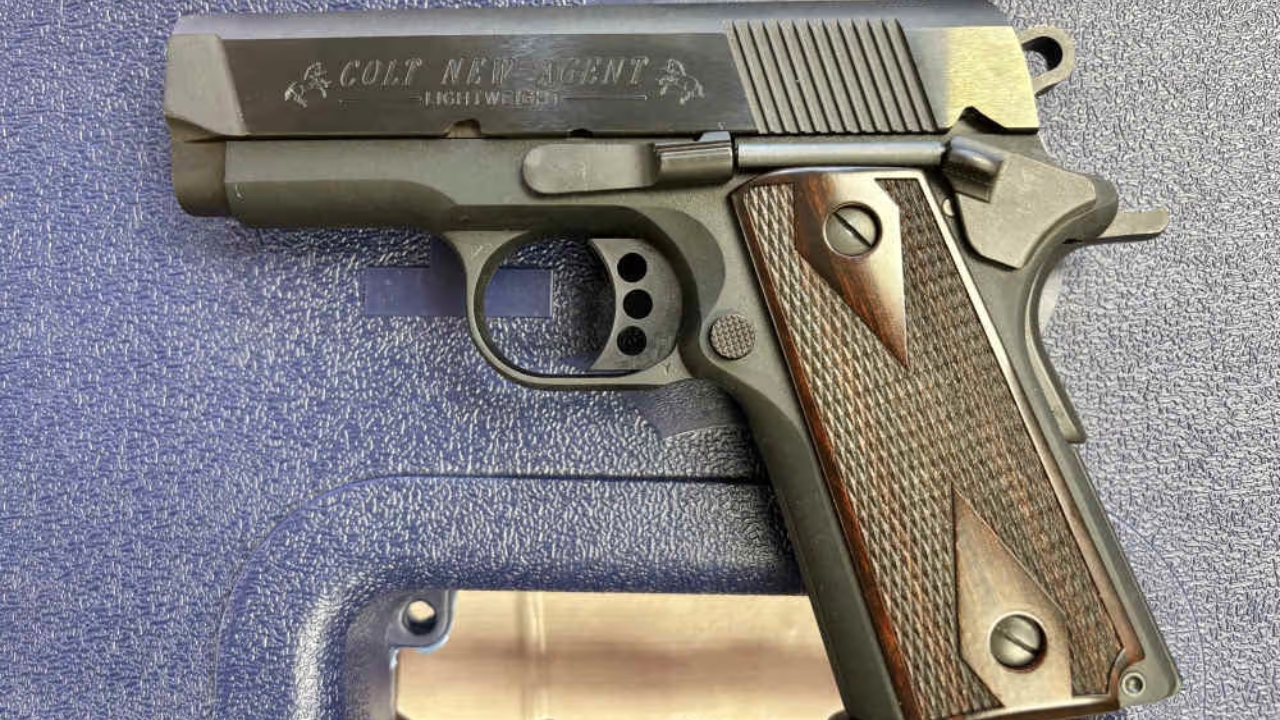
The New Agent looked like the sort of pistol people were more likely to debate than trust. A compact 1911 with trench sights sounded like an odd answer to a carry problem the market already thought it had solved better. That made many buyers write it off before ever carrying or shooting one seriously.
The pistol earned its respect from the people who did. It concealed easily, made more sense at defensive distances than the skeptics admitted, and carved out a role that was narrower but more legitimate than early opinions suggested. It belonged because it actually worked in the lane it chose.
FN FNS-9 Compact
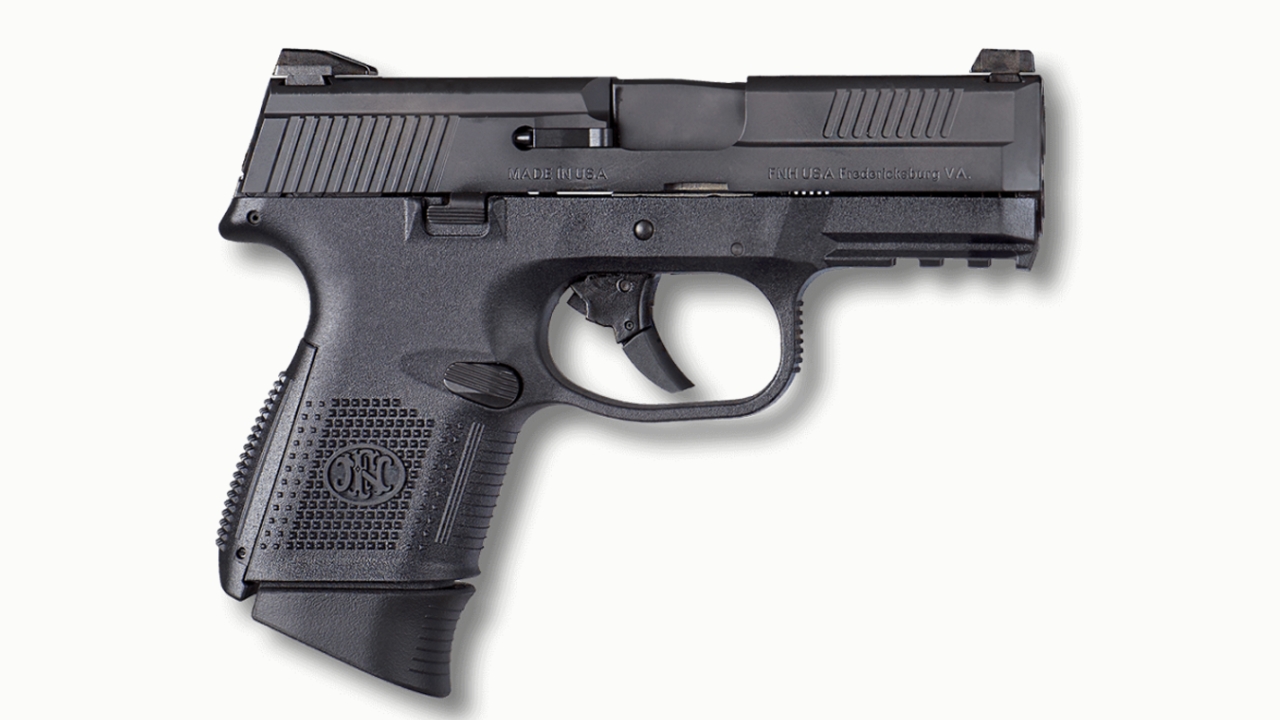
The FNS-9 Compact showed up in one of the hardest handgun categories in the business. That alone meant it was going to get overlooked. There were too many compact polymer 9mms fighting for attention, and this one did not have enough drama around it to separate itself right away.
It earned respect by being better than the low profile implied. The gun carried well, ran reliably, and felt more polished in actual use than its low-hype market position suggested. It proved itself the slow way, which is usually how the best working pistols end up building lasting trust.
CZ 82

The CZ 82 had the misfortune of being a surplus pistol in an oddball caliber, which made it easy to dismiss as something shooters bought because it was cheap or interesting, not because it was genuinely good. That first impression followed it for a long time.
Then people started spending real time with them. The ergonomics, accuracy, and general all-metal solidity changed the conversation fast. The CZ 82 earned respect because it revealed itself as one of those rare surplus pistols that feels much better in the hand and on the range than the lazy label around it ever suggested.
Ruger SR9c

The SR9c never seemed like the kind of handgun people were going to build a legend around. It was a compact polymer carry pistol in a market full of them, and it lacked the built-in aura some of its competition enjoyed. That kept it from getting much instant love.
What it got instead was time. Time helped people notice that it carried easily, shot well enough to matter, and remained more dependable than many expected. The SR9c earned respect because it stayed useful after the market stopped paying attention, and that is usually when the truth about a handgun starts to show.
Walther Creed

The Creed was dismissed almost immediately by some shooters because it looked too plain and too affordable to be a “real” Walther in their minds. It felt like the sort of gun people would buy when they could not get what they actually wanted. That perception stuck hard at first.
The pistol earned respect from shooters who were willing to get past that. It turned out to be soft-shooting, reliable, and much more competent than the early market attitude suggested. It was not glamorous, but it did the work, and a lot of louder pistols cannot say that for very long.
Para-Ordnance P13.45
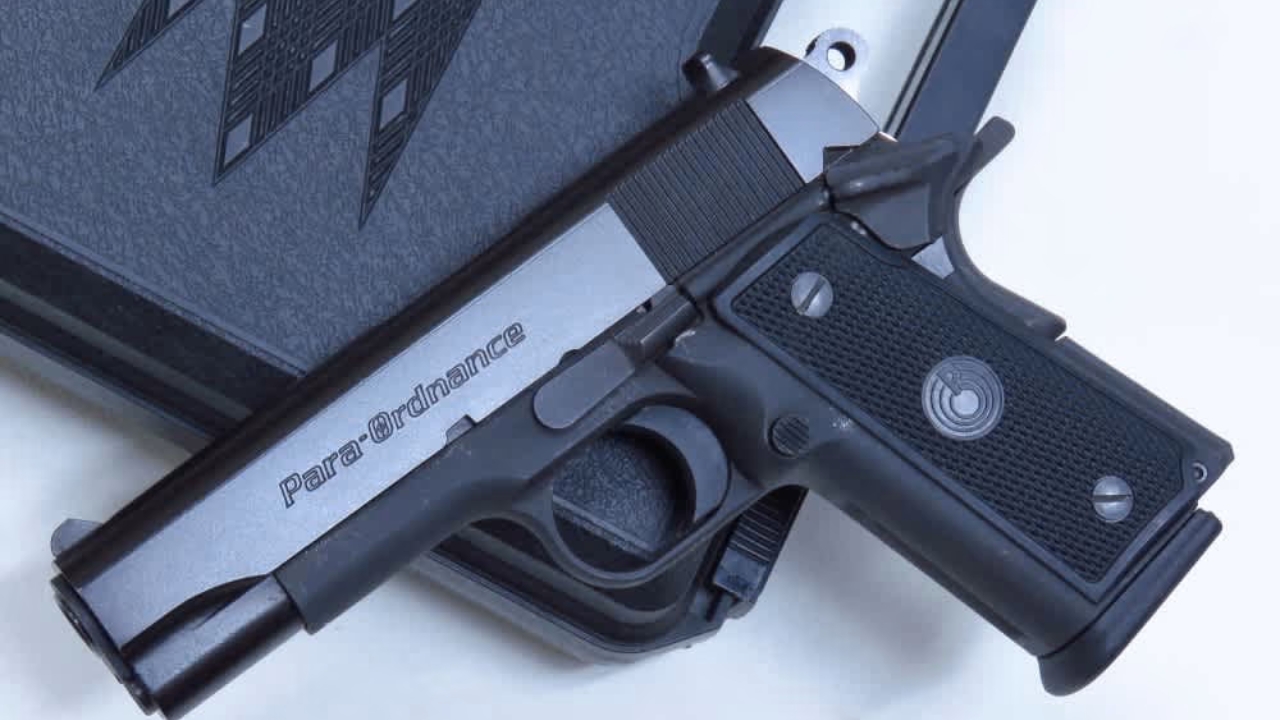
The P13.45 had a built-in uphill fight. Compact double-stack 1911s always make some shooters nervous, and this one arrived carrying exactly the kind of “sounds good on paper” reputation that makes people assume trouble before the first round is fired. It looked like a compromise waiting to happen.
Instead, it earned respect from owners who actually used one hard. The extra capacity, familiar 1911 feel, and genuine carry practicality made more sense over time than the early doubts suggested. It proved it belonged by turning what looked like a risky idea into a pistol a lot of shooters ended up trusting.
Like The Avid Outdoorsman’s content? Be sure to follow us.
Here’s more from us: